
The best squash companion plants can make a big difference in how well your vines grow and how many fruits you bring to the table. Companion planting helps by attracting pollinators, repelling damaging pests, and enriching the soil with essential nutrients.
Adding these plants around your squash gives you a natural way to improve growth without relying on chemicals. Many of them are herbs and vegetables you can also harvest for your kitchen, so you enjoy double the rewards.
Some companion flowers bring pollinators and add beauty, while others keep away bugs that harm squash leaves and fruits. By placing them in the right spots, you’ll create a healthier, more productive garden. Keep reading to discover which plants pair best with your squash and how they work.
#1 Dill
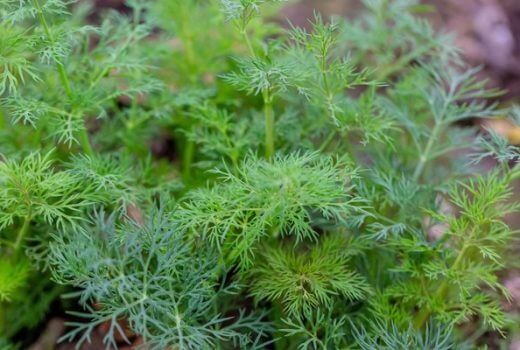
Dill is one of the best herbs to pair with squash because it attracts beneficial insects like ladybugs and lacewings. These natural predators feast on cucumber beetles, which are among the biggest threats to squash.
Plant dill near the base of your squash, but give it enough room to grow upright. Let some dill flower to maximize its insect-attracting power.
You can also harvest the leaves and seeds for cooking. This simple addition creates both flavor and protection.
#2 Mint
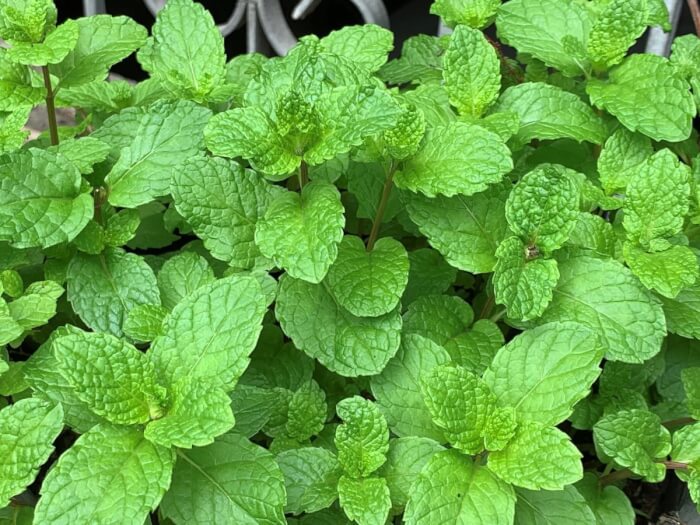
Mint naturally repels deer and rabbits, two common pests that can destroy squash plants overnight. Its strong fragrance also confuses harmful insects, making your squash less vulnerable.
Plant mint in containers near your squash beds to keep it from spreading aggressively. Keep the soil moist but well-drained for best results.
Harvest leaves often to encourage new growth and enjoy them in teas or salads. By doing so, you’ll protect your crops and add fresh flavor to your kitchen.
#3 Oregano
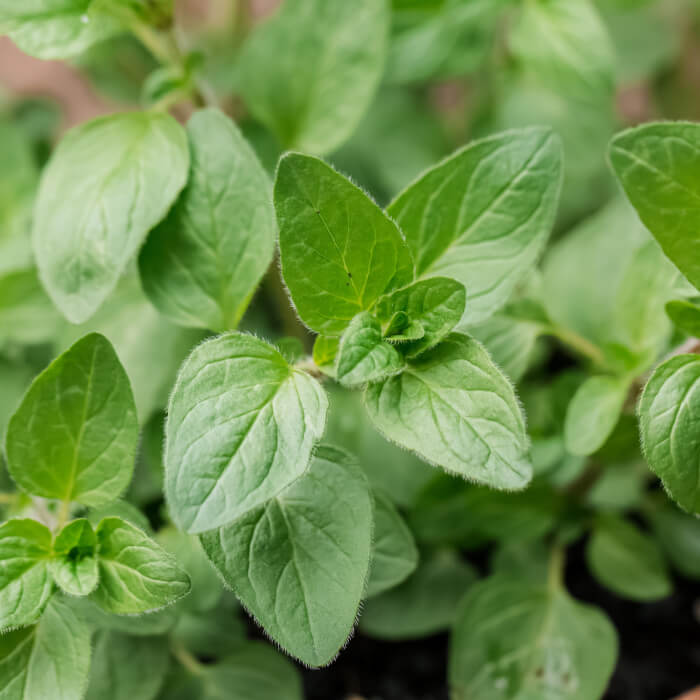
Oregano’s aromatic leaves release compounds that deter cabbage moths, which also target squash plants. It makes a hardy ground cover, helping suppress weeds while improving soil moisture levels.
Place oregano around the edges of your squash bed for natural protection. Trim it back often to encourage a bushier shape and prevent it from overtaking other plants.
As a bonus, you can harvest the leaves fresh or dried for seasoning. This pairing keeps your garden flavorful and pest-free.
#4 Borage
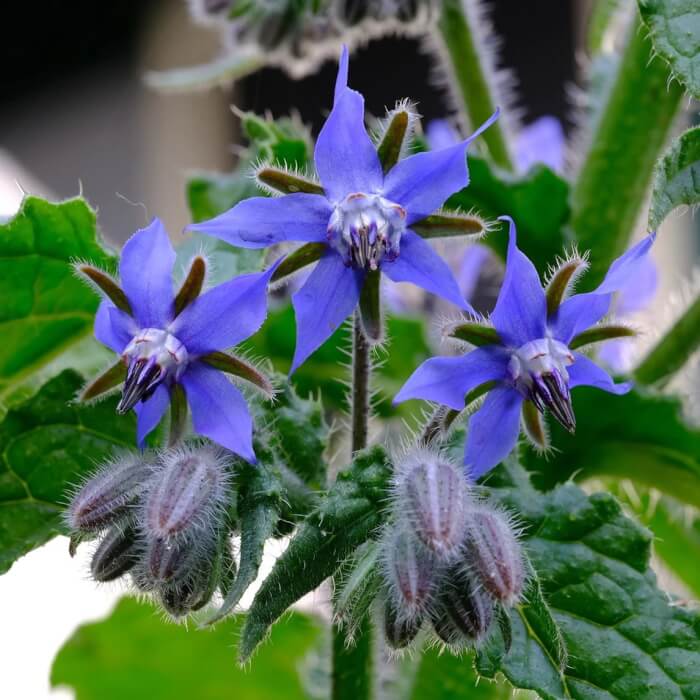
Borage is a multitasker in the squash patch, attracting pollinators like bees while deterring leaf-chewing worms. Its star-shaped blue flowers are not only useful but also beautiful.
Plant borage between rows of squash to maximize its protective effect. Give it a sunny spot and water regularly until established.
Once mature, it self-seeds easily, ensuring you’ll have it for future seasons. You can also harvest the edible flowers for salads and drinks.
#5 Marigolds
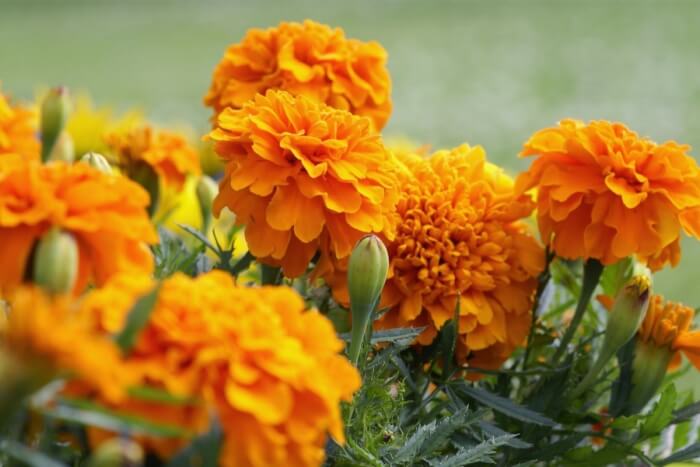
Marigolds lure pests such as squash bugs and aphids away from your main crops. To use them effectively, plant marigolds a short distance from your squash bed as a trap crop.
Their bright flowers add color to your garden while serving this protective role. Sow them from seed or buy starter plants for quick results.
Deadhead spent flowers to extend blooming throughout the season. This simple addition helps safeguard your squash while beautifying the garden.
#6 Beans
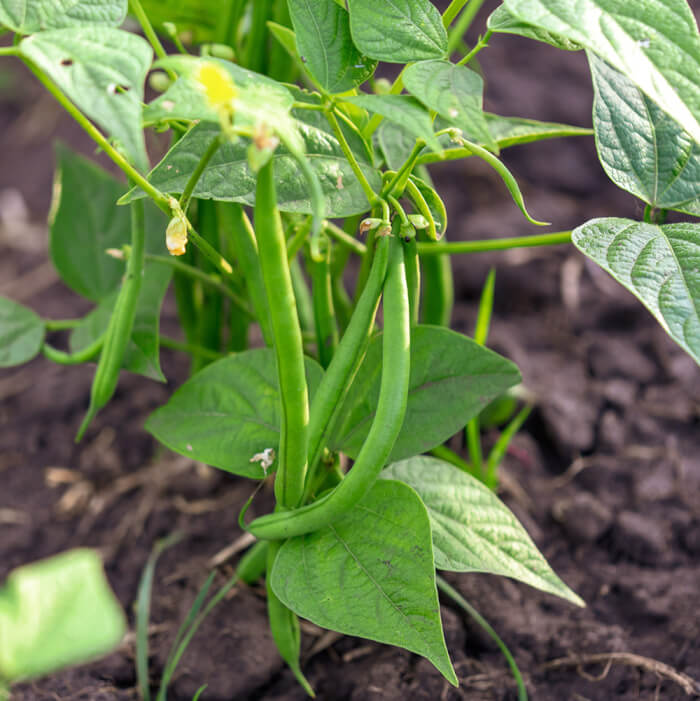
Beans improve the soil by fixing nitrogen, an essential nutrient for squash plants. Plant bush beans or pole beans nearby to enrich the ground naturally. Keep the soil moderately moist and provide a trellis if you’re growing climbing varieties.
As the beans thrive, they release nutrients into the soil that feed your squash. This natural fertilization reduces the need for synthetic inputs. Plus, you get a harvest of beans alongside your squash crop.
#7 Nasturtiums
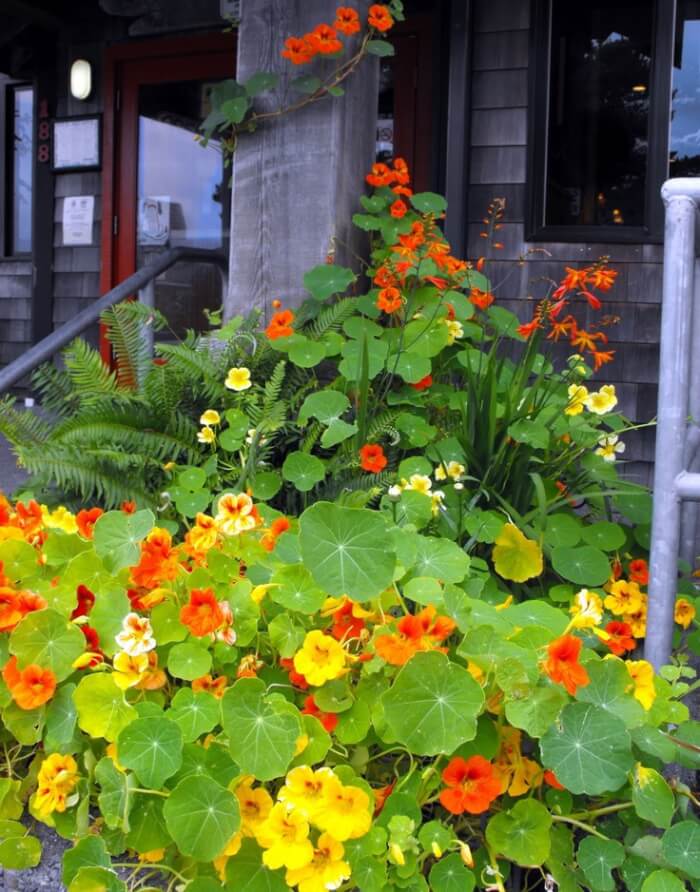
Nasturtiums are excellent companions because they attract aphids away from squash plants. Their bright flowers also bring pollinators, improving fruit set. Plant nasturtiums around the borders of your squash bed or in nearby containers.
They thrive in poorer soils and need minimal care, just occasional watering in dry spells. The edible leaves and flowers add a peppery flavor to salads. Growing them ensures both protection and extra color in your garden.
#8 Icicle Radishes
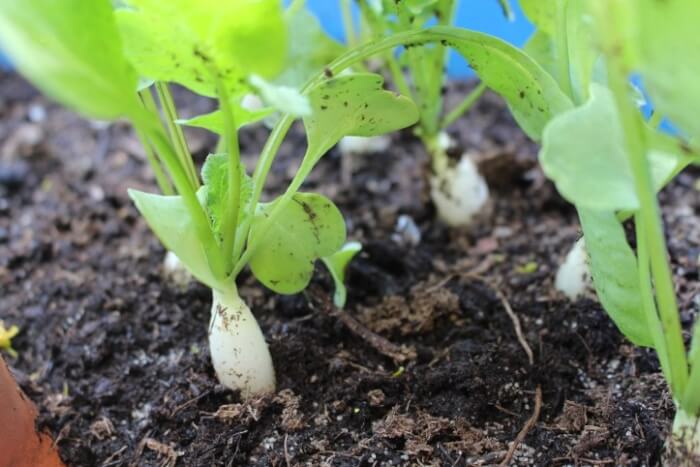
Icicle radishes act as natural pest repellents against squash bugs and cucumber beetles. Plant two or three radish plants close to your squash for protection.
Since radishes mature quickly, you can harvest them early without disturbing your squash vines. Sow seeds directly in the soil and keep the bed evenly moist for good germination.
Their roots loosen compacted soil, improving conditions for squash roots. This companion works as both a pest deterrent and an edible crop.
#9 Peas
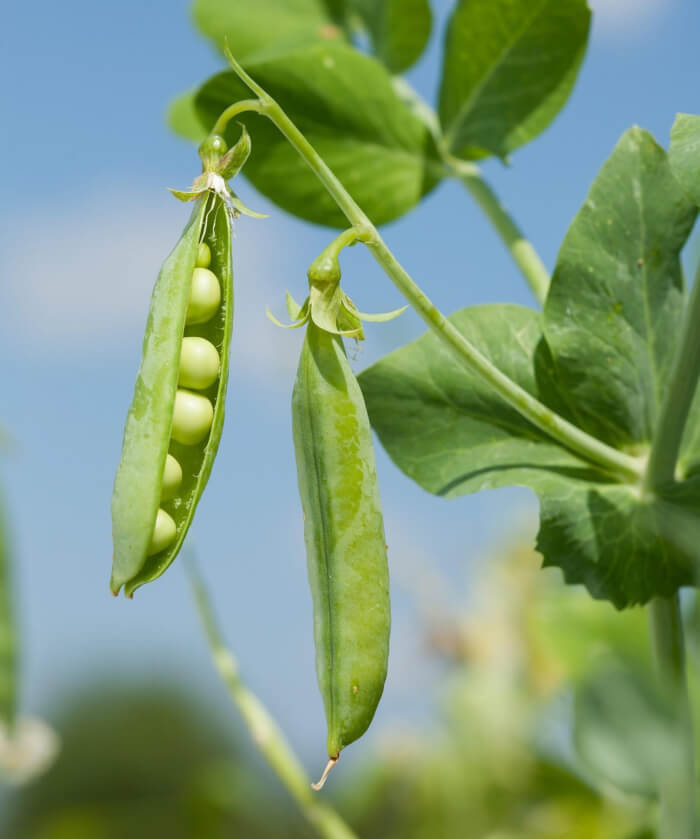
Peas, like beans, fix nitrogen in the soil, helping squash absorb this vital nutrient. They grow best in cooler weather, so plant them before or alongside your squash in spring.
Use a trellis or netting to guide their vines upward, keeping them out of the way. Water regularly and mulch around the base to maintain soil moisture.
Once harvested, pea plants continue enriching the soil as they decompose. This cycle keeps your garden balanced and fertile.
#10 Garlic
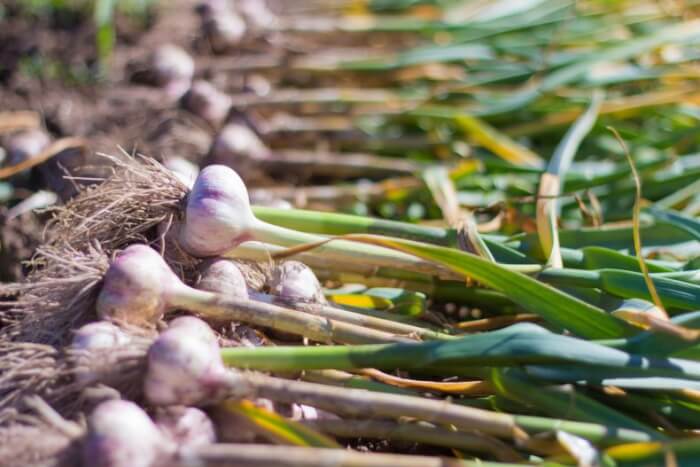
Garlic’s strong aroma deters aphids and other small pests that can weaken squash plants. Plant garlic cloves around the perimeter of your squash bed for a natural barrier. It grows best in loose, well-drained soil with consistent watering.
Allow the tops to dry before harvesting bulbs in summer. In addition to its pest-repelling qualities, garlic is a valuable kitchen staple. Growing it ensures healthier squash and a steady supply of fresh bulbs for cooking.