
Beets are already hardy and productive, but pairing them with the right plants can boost their growth, improve flavor, and protect them from pests and diseases.
Companion planting also helps you maximize space and create a healthier, more balanced garden environment.
By mixing in the right companions, you give your beets shade, soil enrichment, and natural protection without chemicals. This means less stress for you and more resilience for your plants.
Let’s explore the top companion plants for beets that will help you enjoy bigger harvests and tastier roots.
#1 Lettuce
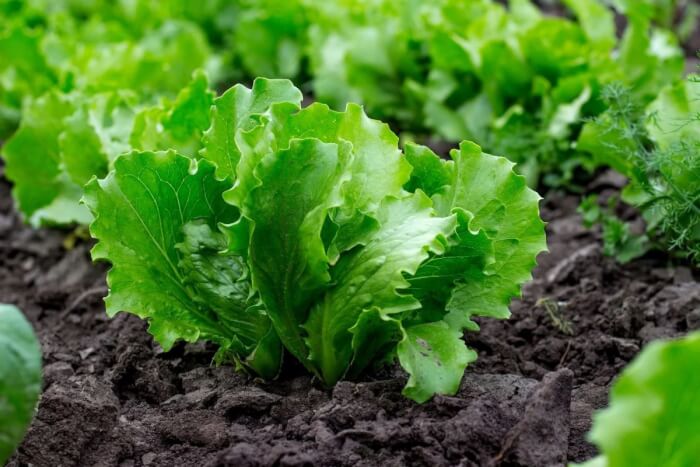
Lettuce makes a perfect neighbor for beets because its shallow roots don’t compete with beet taproots. The leafy greens act like living mulch, shading the soil and helping it stay cool and moist.
This prevents beets from drying out too quickly during warm spells. You can tuck lettuce between rows of beets to use space wisely.
Keep the soil evenly watered for both crops. With this pairing, you’ll enjoy crisp lettuce leaves and plump beet roots side by side.
#2 Brassica
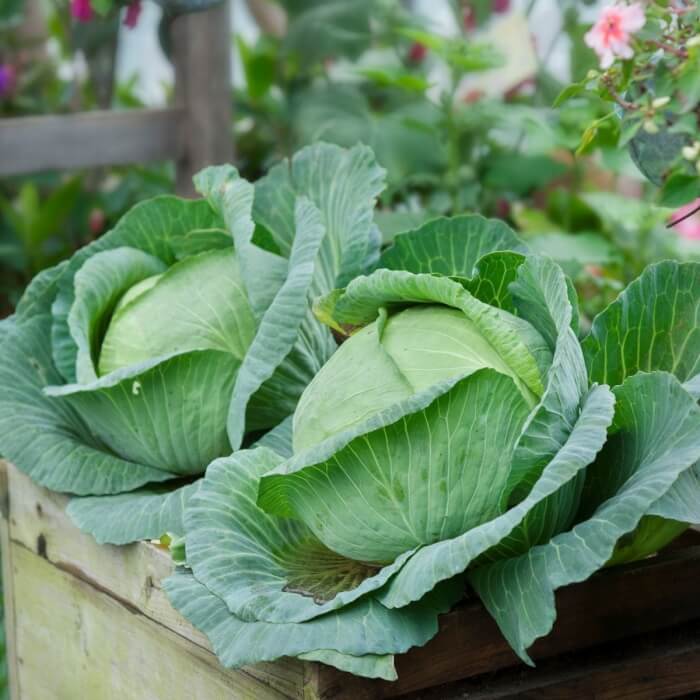
Members of the Brassica family, such as broccoli, cauliflower, and cabbage, do especially well with beets. When beet leaves drop into the soil, they enrich it with iron and manganese, giving brassicas a boost.
Plant them near each other, and both crops thrive without competing heavily for nutrients. Give them plenty of water during hot spells to keep the roots strong.
This duo works great for rotation planting too. Together, they create a vibrant and productive garden bed.
#3 Corn
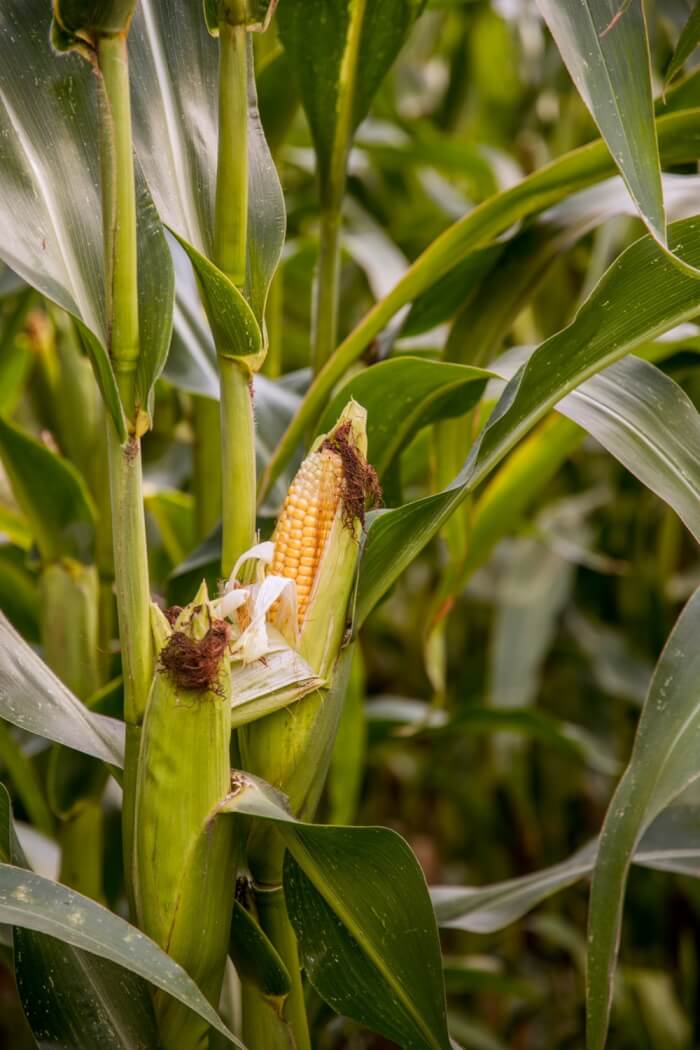
Corn towers above beets, providing valuable shade during the hottest parts of summer. This natural canopy keeps beet roots cooler and prevents soil from drying out. Plant corn in blocks and tuck your beet rows nearby for maximum benefit.
Make sure to water deeply, as both crops appreciate steady moisture. With the tall stalks above and the vibrant roots below, your garden will feel balanced. Corn and beets complement each other beautifully in both looks and function.
#4 Radishes
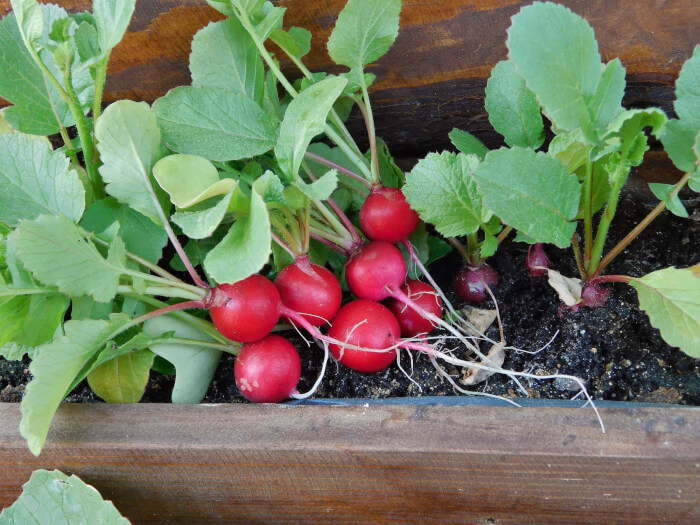
Radishes grow quickly and are ready for harvest in just a few weeks, leaving room for beets to spread out afterward. Planting them together makes smart use of space and timing. As you pull radishes, beets get better airflow and more soil nutrients.
Keep the soil loose to support both crops. Water consistently to encourage steady growth. This succession planting method gives you two harvests from one bed without extra effort.
#5 Oats
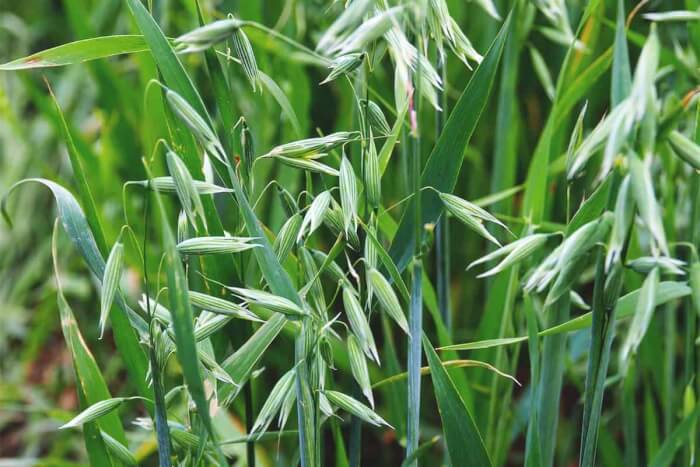
Oats serve as a great companion for beets by reducing the risk of pests like sugar beetroot maggots. They also improve the flavor of both crops when grown together. You can plant oats as a cover crop alongside your beets to protect the soil.
Once mature, cut them back and let the organic matter enrich the ground. Keep the bed watered to support both root development and healthy oat growth. This partnership creates stronger plants and healthier soil.
#6 Swiss Chard
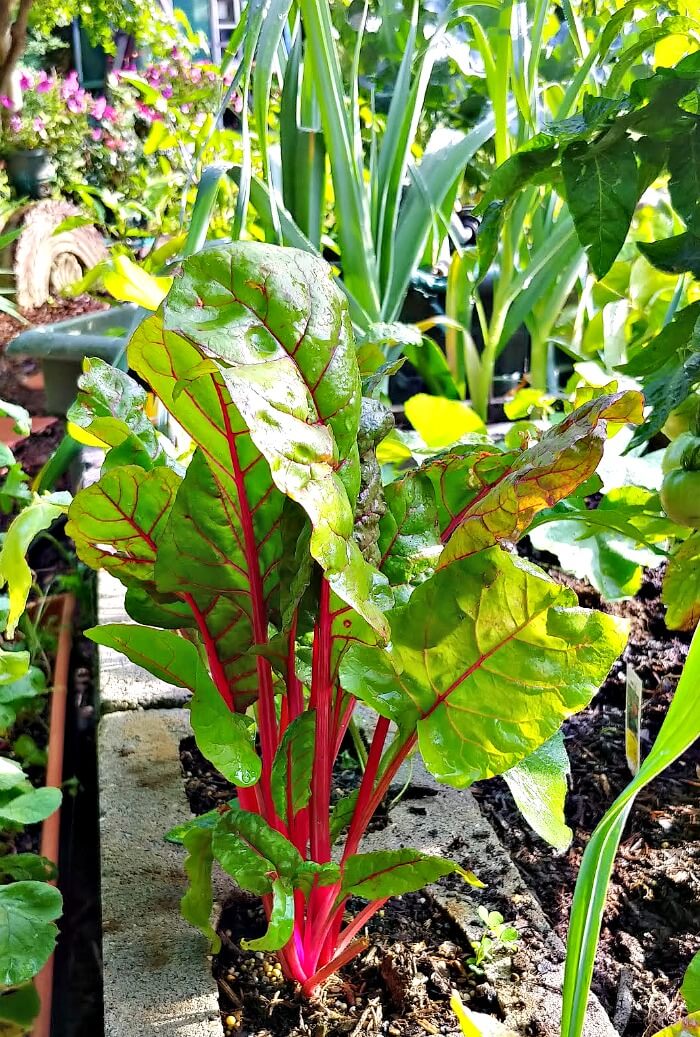
Swiss Chard and beets are related, so they thrive under similar growing conditions. Both enjoy rich soil and steady moisture, making them easy to care for in the same bed. Their different growth habits let you use space efficiently.
Beets form roots underground while Swiss Chard produces leafy greens above. Harvest the chard leaves regularly to keep the plant vigorous. With this pairing, you get two valuable crops from one space.
#7 Bush Beans
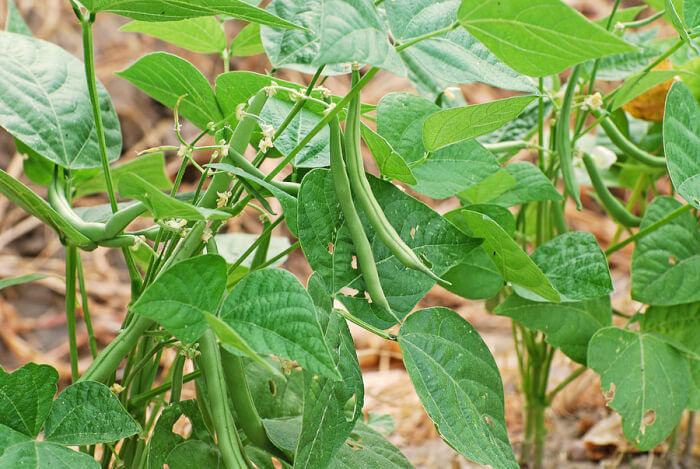
Bush Beans improve soil fertility by fixing nitrogen, which beets readily absorb. This gives beets the extra nutrients they need to produce healthy, flavorful roots.
Plant beans in rows beside your beets, and water well during flowering for better pod set. As the beans grow, prune lightly to encourage airflow around the beet tops.
Keep harvesting the beans to extend their production. This natural teamwork helps both plants thrive without synthetic fertilizers.
#8 Onions
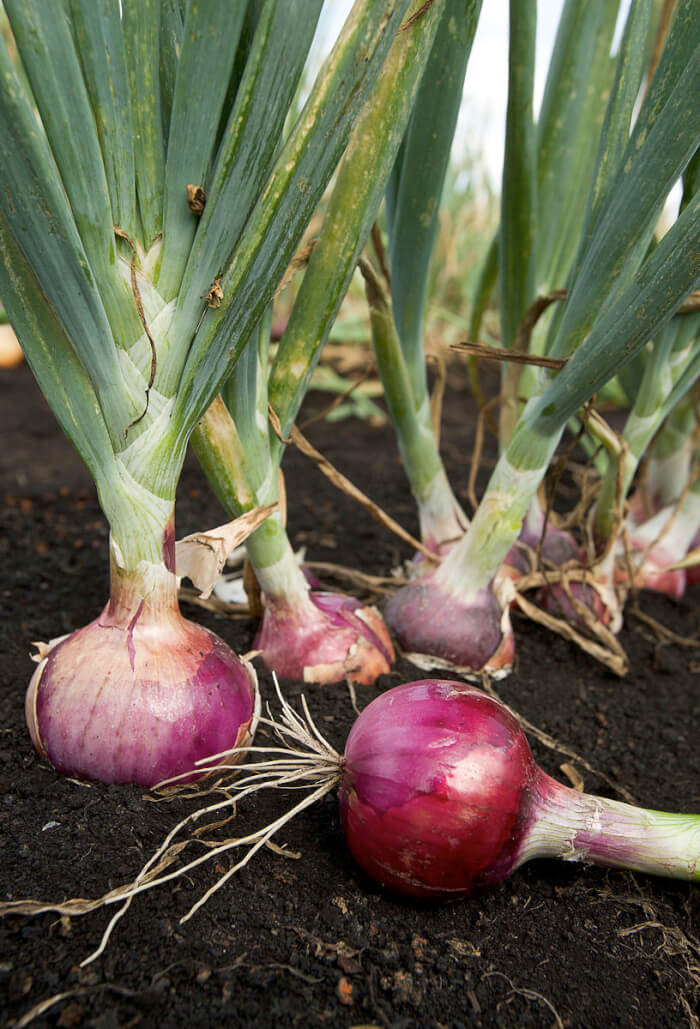
Onions protect beets naturally by repelling pests like aphids, rabbits, and even deer. Their strong scent keeps many insects away, reducing the need for sprays. Plant onions in rows alongside beets for maximum effect.
Make sure the soil drains well since both crops dislike soggy roots. Water moderately and thin the onion rows as bulbs mature. This companion pairing supports a healthy, pest-resistant garden with little effort.
#9 Garlic
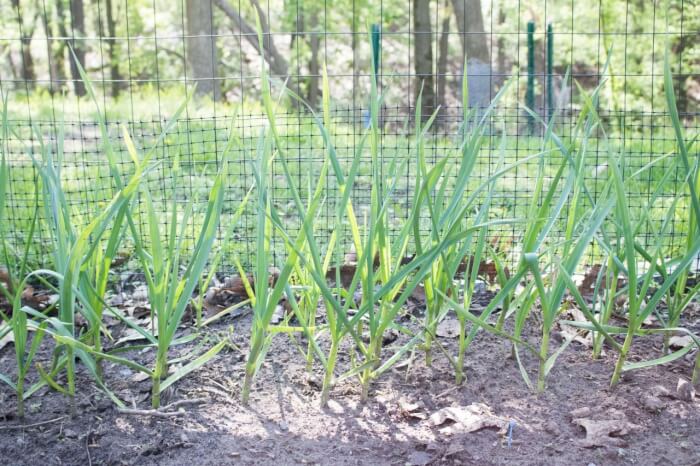
Garlic not only deters pests but also releases sulfur compounds into the soil that help prevent diseases in beets. This makes it a powerful ally for maintaining root health. Plant garlic cloves around beet rows in fall or early spring.
Keep the soil moist but never waterlogged for best results. Harvest garlic scapes in summer while beets continue maturing underground. This pairing enhances both beet flavor and overall garden vitality.