
The most common cucumber pests can quickly damage plants and ruin your harvest if left unchecked. Cucumbers are easy to grow, but their tender leaves and juicy stems often attract unwanted visitors.
Beetles, aphids, and other sap-sucking insects don’t just feed on the plants; they spread diseases that weaken growth.
The good news is that you can protect your crop with a little awareness and timely action. Many of these pests can be managed using simple, natural methods that are safe for both your plants and your garden’s ecosystem.
Below are eight harmful cucumber pests you should recognize, along with practical ways to keep them under control.
#1 Cucumber Beetles
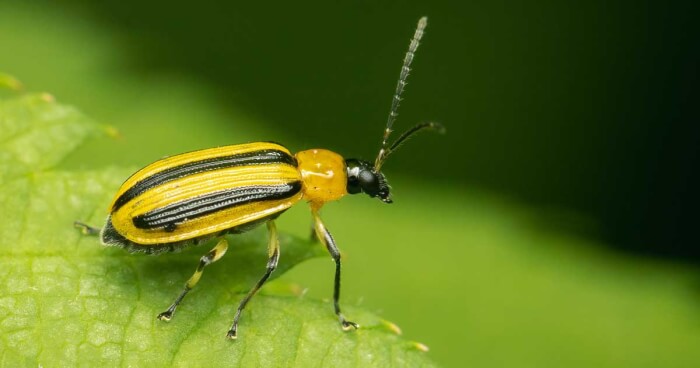
Cucumber beetles are small but very destructive, chewing holes in leaves, flowers, and even young fruits. They weaken the plant by stripping foliage and spreading bacterial wilt.
To protect your cucumbers, place yellow sticky traps around the base of the plants. Floating row covers early in the season also help reduce infestations. Handpicking beetles in the morning is another effective method if the population is small.
#2 Aphids
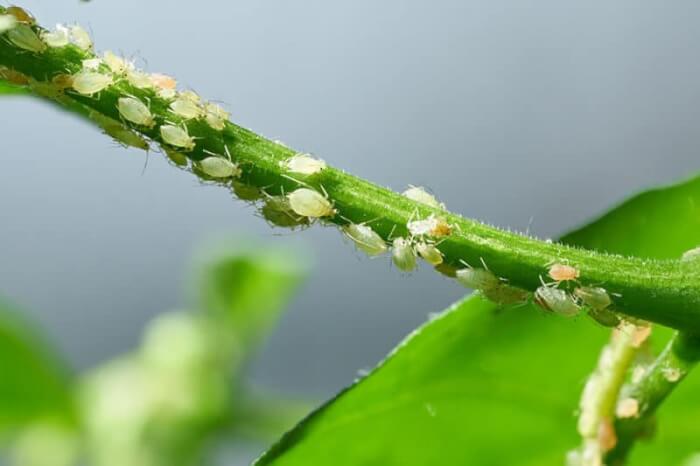
Aphids cluster on the undersides of cucumber leaves, sucking out sap and causing leaves to curl. They also release honeydew, which can invite powdery mildew. Blast them off with a strong spray of water or pinch infested leaves.
Introducing beneficial insects like ladybugs and lacewings helps naturally control their numbers. Keep an eye on new growth, as aphids often target the youngest leaves first.
#3 Thrips
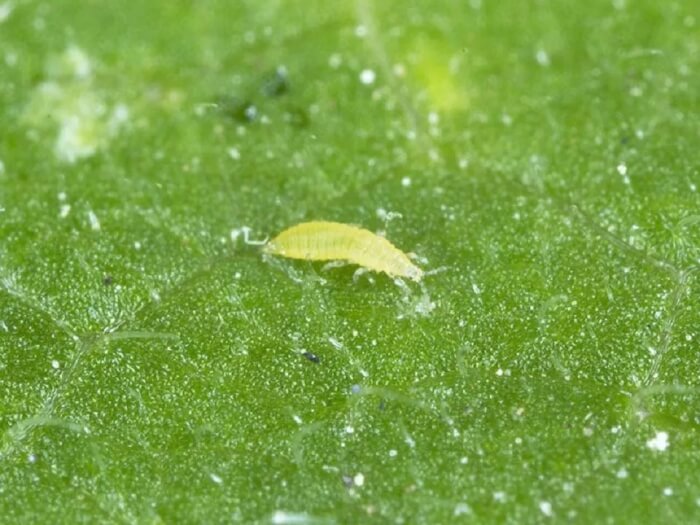
Thrips are tiny pests that can’t be seen with the naked eye, but once they nestle into your plants, there can be devastating consequences. They can deform foliage and wilting leaves, or cause striking silver streaks and patches on leaves.
To get rid of them, you can prune and destroy any infected foliage and practice good garden hygiene. Besides, you can use neem oil, and several other horticultural oils are just as effective and completely natural.
#4 Squash Bugs
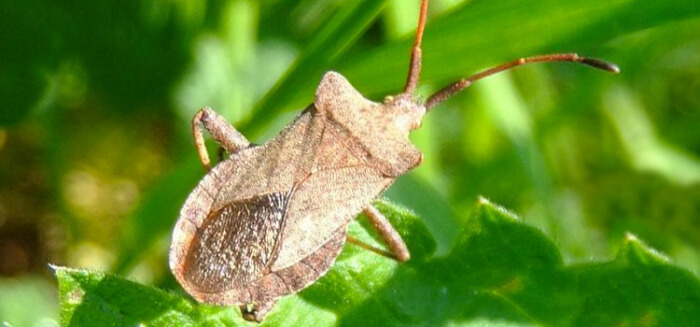
Squash bugs pierce cucumber leaves and inject toxins that lead to yellowing and wilting. They are often found hiding under leaves or around the base of stems. If you spot them, pick and crush adults and egg clusters before they hatch.
Clean up plant debris to reduce hiding spots and rotate crops each year to limit recurring infestations. Strong, healthy plants are less likely to suffer serious damage.
#5 Whiteflies
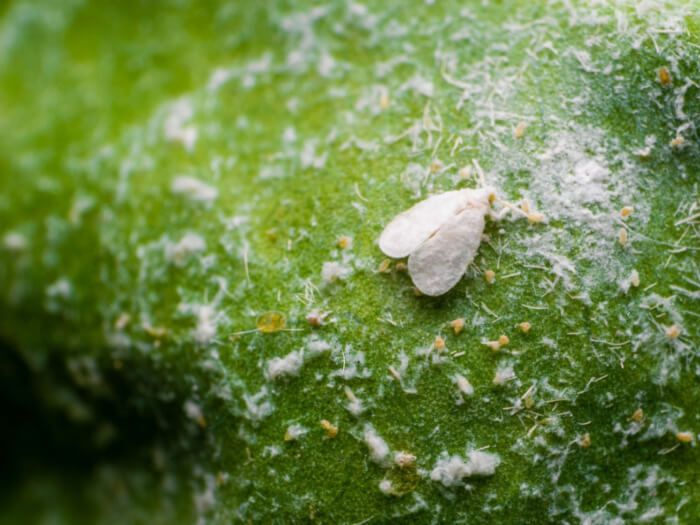
Whiteflies are tiny, white insects that gather under leaves, sucking sap and weakening cucumbers. They also secrete honeydew that attracts ants and promotes mold.
To reduce their numbers, spray neem oil or insecticidal soap directly on colonies. Yellow sticky traps can help monitor and capture adults. Pruning crowded foliage will improve airflow and reduce their breeding grounds.
#6 Cabbage Loopers
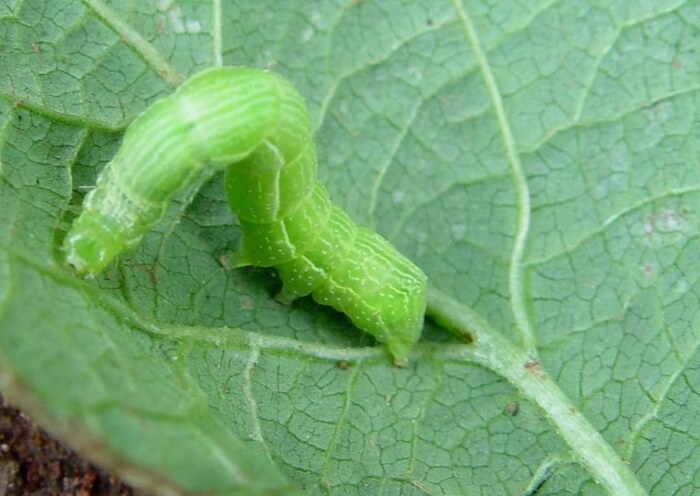
Cabbage loopers are green caterpillars that chew ragged holes in cucumber leaves, quickly reducing plant vigor. Inspect plants often and remove caterpillars, larvae, and eggs by hand.
Encourage natural predators like birds by placing feeders nearby. Spraying Bacillus thuringiensis (Bt), a safe organic treatment, can also control larger infestations.
Healthy soil and consistent watering make plants more resilient against damage.
#7 Cutworms
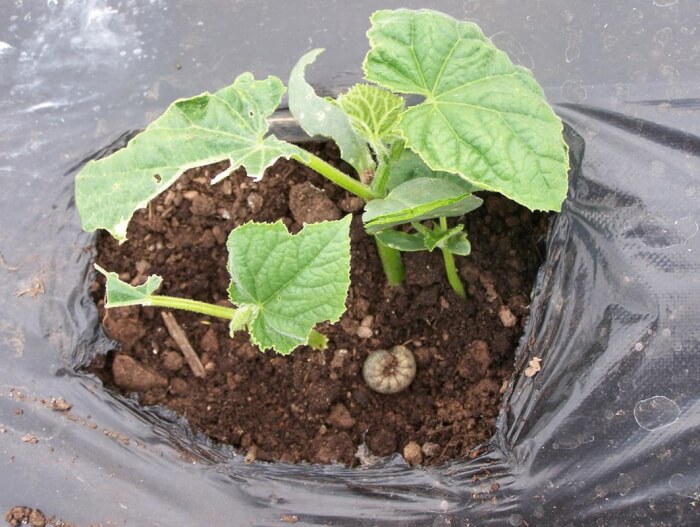
Cutworms feed at night, often severing cucumber seedlings at the base. They can wipe out young plants in just a few days. Protect seedlings by placing collars made from cardboard or plastic around the stems.
Collect and drop any visible cutworms into soapy water. Tilling the soil before planting disrupts overwintering larvae and lowers the risk of future attacks.
#8 Two-Spotted Spider Mites
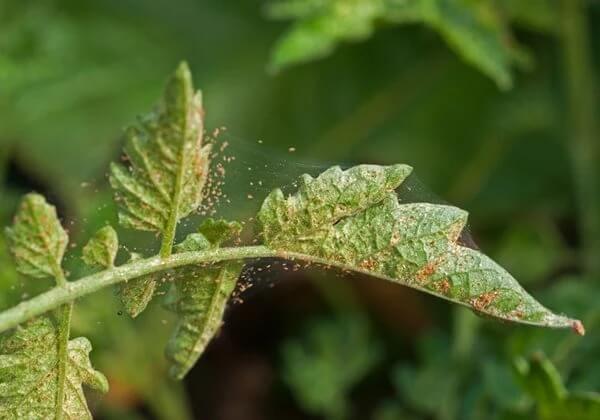
Two-spotted spider mites are almost invisible but leave behind fine webbing and yellow speckling on leaves. As they spread, they cause stunted growth and defoliation.
Remove and destroy badly affected leaves to slow their spread. Keep plants well-watered since mites thrive in dry conditions. Applying a strong water spray to the undersides of leaves can dislodge colonies before they multiply.