
Spring brings fresh growth, blooming flowers, and warmer days, but it also wakes up a host of garden pests and diseases. If your young plants suddenly start looking weak or spotty, there’s a good chance they’re under attack.
The good news is that most of these problems can be managed with simple methods once you know what to look for.
This guide walks you through 11 of the most common spring pests and diseases so you can spot them early and take action.
You’ll find easy tips for keeping your veggies healthy and your harvest on track. A little prevention goes a long way when the season’s just beginning!
#1 Early Blight
 Source: Syngenta
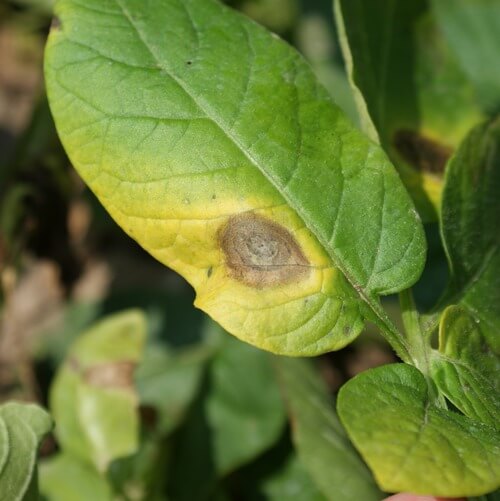
Early blight usually shows up as brown spots on lower leaves, but it doesn’t stop there. Over time, those spots grow and cause the leaves to yellow, shrivel, and drop.
This fungal disease often lingers in the soil and can sneak in during warm, wet weather. Crop rotation helps reduce the risk, and removing any infected debris is essential.
Mulching can also limit splash-back from soil, which is how the fungus spreads.
#2 Cabbage Worms
 Source: Gardeningchores
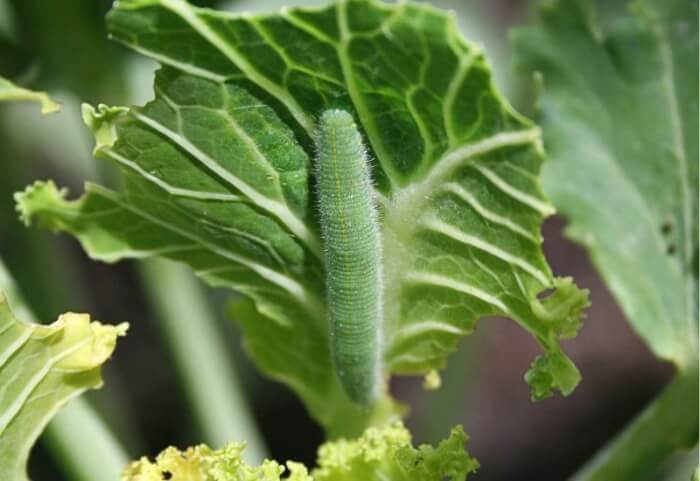
Cabbage worms are small, green caterpillars that chew through leafy greens like cabbage, kale, and broccoli. They often hide on the undersides of leaves, making them tricky to spot at first.
Row covers can prevent the moths from laying eggs, and chickens or ducks love snacking on these pests if you let them roam nearby. You might also hand-pick them during regular garden checks. Once spotted, they’re fairly easy to control.
#3 Leafminers
 Source: Homedecoronlinetips
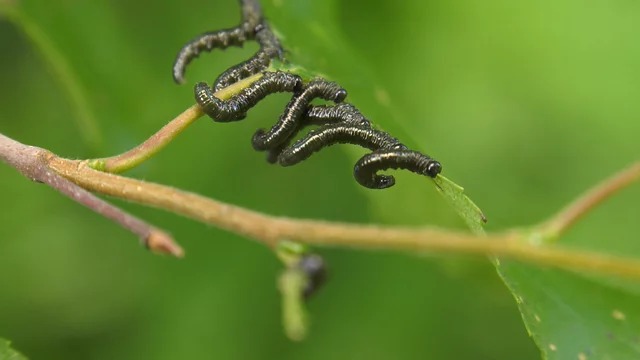
If your leafy greens develop winding trails on the surface, leafminers are likely the culprits. These tiny larvae tunnel through leaves, feeding from the inside out. Spinach, chard, and beets are some of their favorite targets.
Damaged leaves should be removed and crushed to interrupt the life cycle. Using floating row covers early in the season helps stop adult flies from laying eggs.
#4 Flea Beetles
 Source: Gardenerspath
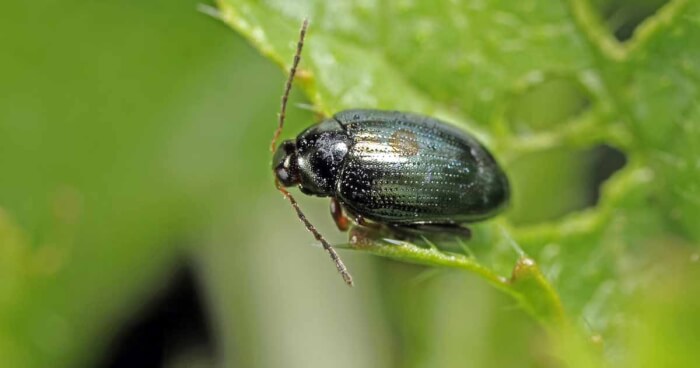
Flea beetles leave tiny holes all over the leaves, giving them a lacy look. These small, jumping beetles are quick and love young, tender plants. Yellow sticky traps placed just above your seedlings can help monitor and reduce their numbers.
Row covers provide protection while plants are still small. You can also use neem oil or garlic spray if the problem gets worse.
#5 Fire Blight
 Source: Gardeningknowhow
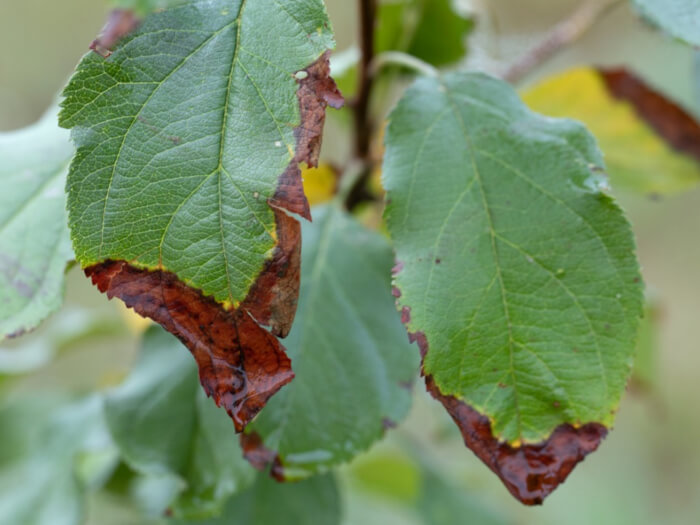
Fire blight is a bacterial disease that looks like scorched, blackened branches and leaves. It spreads quickly in spring when temperatures warm up after a rainy spell.
The bacteria often survive in cankers on the tree, and from there, they infect new growth. Pruning infected branches well below the damage helps slow the spread. Be sure to clean your tools between cuts to avoid spreading the bacteria.
#6 Slugs and Snails
 Source: Growerexperts
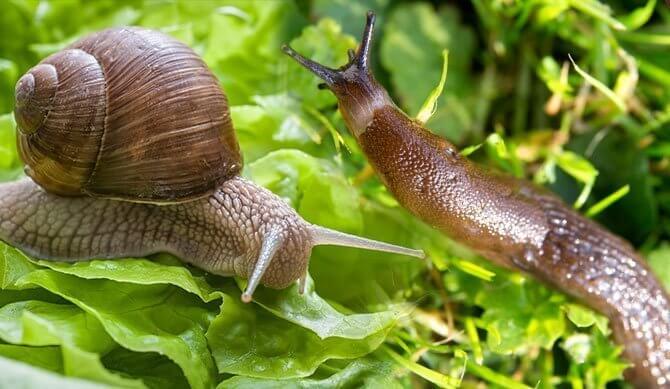
Slugs and snails tend to appear after rain, especially in cool, damp spots. They sneak out at night to chew holes through young leaves and stems, leaving behind slimy trails. You might find them hiding under boards or mulch during the day.
Try setting out flat boards or upside-down pots near your plants, then check and remove the pests each morning. Copper tape, crushed eggshells, or a shallow dish of beer can also help keep them away.
#7 Aphids
 Source: Almanac
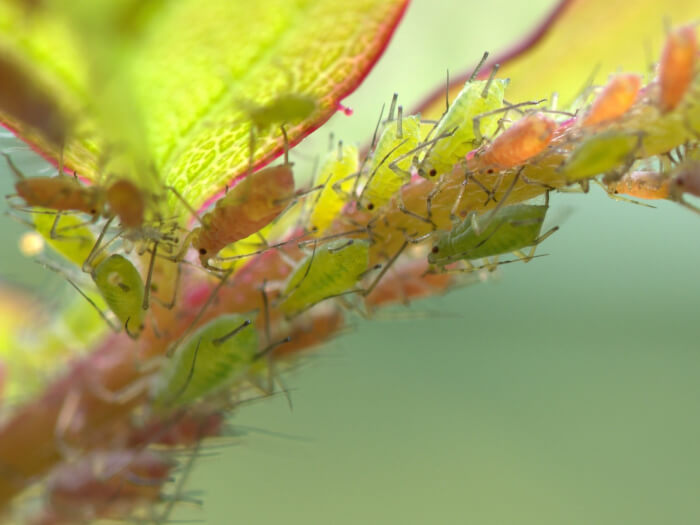
Aphids are tiny, soft-bodied bugs that cluster on new stems and the undersides of leaves. They suck sap from your plants, which can cause curling or stunted growth. These pests multiply fast, but they’re also easy to knock back.
A strong blast of water or neem oil spray can reduce their numbers. Planting flowers like marigolds or dill may also attract ladybugs, which love to feed on aphids.
#8 Cutworms
 Source: Okrainmygarden
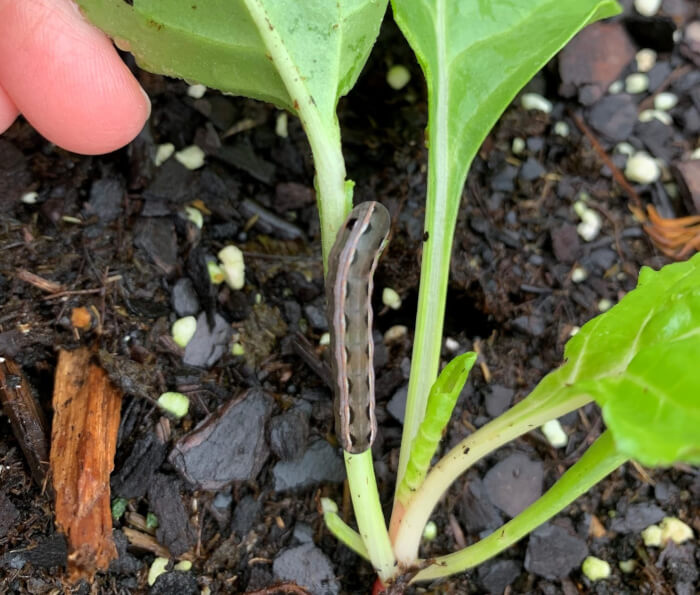
If your seedlings suddenly topple over at the base, cutworms might be the cause. These caterpillars hide in the soil and feed on stems just above the ground at night. They’re hard to see, but the damage is unmistakable.
Wrapping a small paper collar around each plant’s base acts like a barrier. You can also gently dig near the stem to find and remove the worms by hand.
#9 Rus
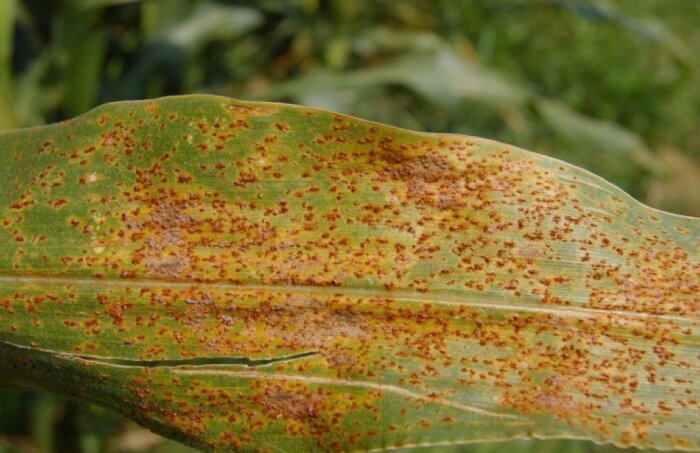 Source: Ohioline
Rust shows up as orange or reddish-brown spots on the backs of leaves, often spreading quickly in warm, humid weather. It weakens the plant by interfering with photosynthesis and can eventually kill off leaves.
Good airflow helps a lot, so make sure your plants aren’t overcrowded. Watering at the base instead of overhead also reduces moisture on leaves. If you spot infected leaves early, remove them to keep things from spreading.
#10 Asparagus Beetles
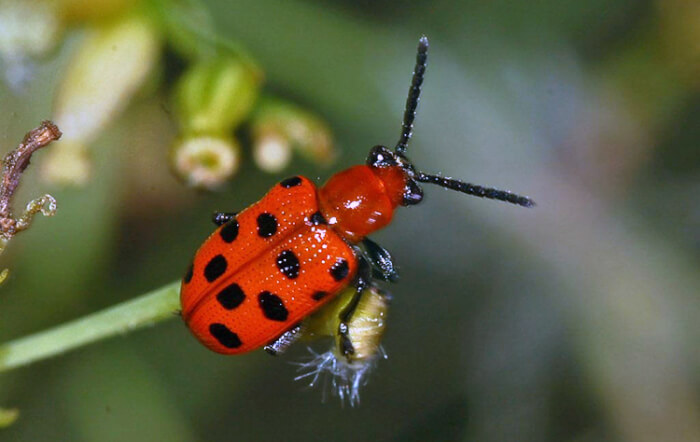 Source: Epicgardening
These colorful beetles chew on tender asparagus shoots and ferns, which can lower your harvest and weaken your plants long-term.
Look for dark spears with bite marks or clusters of black eggs on stems. Covering asparagus beds with floating row covers can keep beetles away while plants are young.
In small gardens, handpicking the beetles and dropping them into soapy water often works well.
#11 Leaf Spots
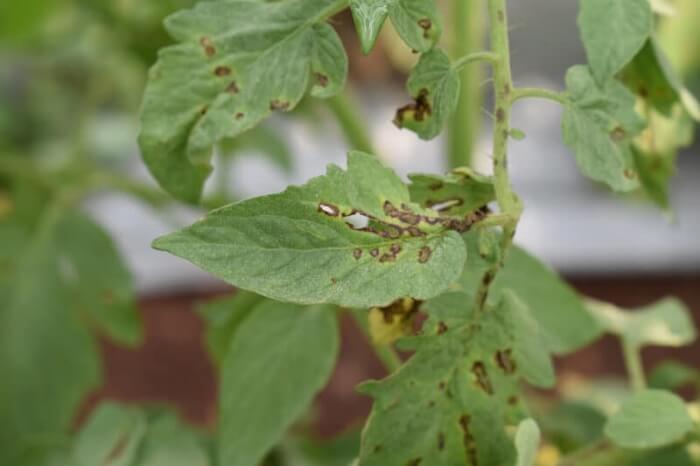 Source: Morningchores
Leaf spot diseases show up as blotches or speckles, sometimes with a yellow halo, and can be either fungal or bacterial. These spots can weaken leaves and slow plant growth, especially in wet weather.
Keeping the garden tidy helps limit spread, so remove any fallen or damaged leaves. Mulch beneath plants to stop soil from splashing onto leaves during watering or rain. If the infection is mild, the plant may outgrow it once the weather dries.