
When most people think of planting, rich, moist soil comes to mind. But some plants prefer conditions that are dry and gritty. Succulents are masters at surviving where other plants would struggle, and many of them thrive in sandy soil.
Sand’s quick drainage helps prevent rot, while its easy-to-dig texture makes planting a breeze. These succulents adapt well both indoors and outdoors, adding soft colors and unique shapes to your collection.
With a little sunshine and minimal water, they will reward you with beauty that lasts all year.
#1 Crown of Thorns
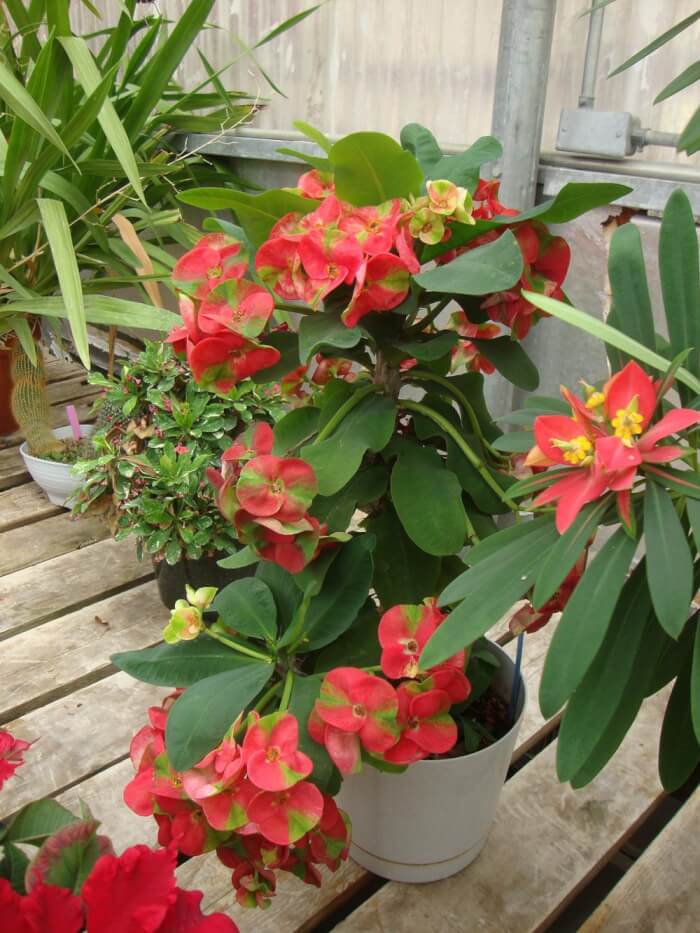
Crown of thorns is a hardy shrub with thick, thorny stems and bright green leaves. It blooms almost year-round, producing small flowers in shades of red, yellow, orange, or pink.
Plant it in sandy, well-draining soil and give it full sun. Water only when the soil feels dry to the touch. Its striking look makes it a bold choice for sunny patios.
#2 Aloe
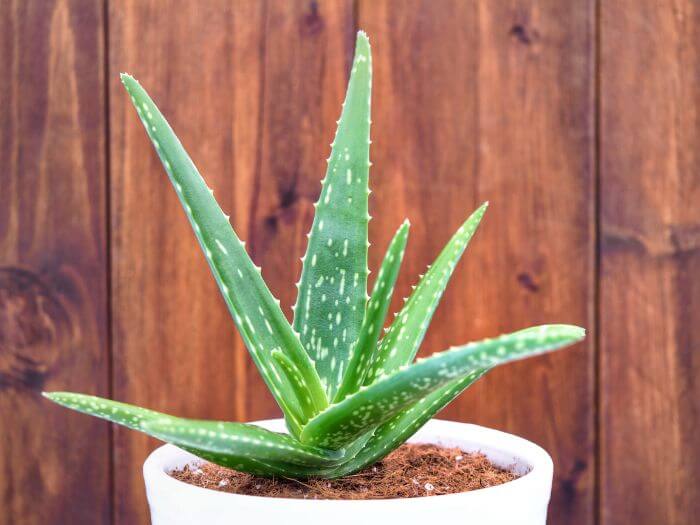
Aloe’s thick, fleshy leaves store water, making it perfect for sandy conditions. Place it in bright light and water sparingly. A deep soak every few weeks is enough to keep it thriving.
The gel inside its leaves can be used for minor burns and skin care. This plant brings both beauty and usefulness to your space.
#3 Mother of Thousands
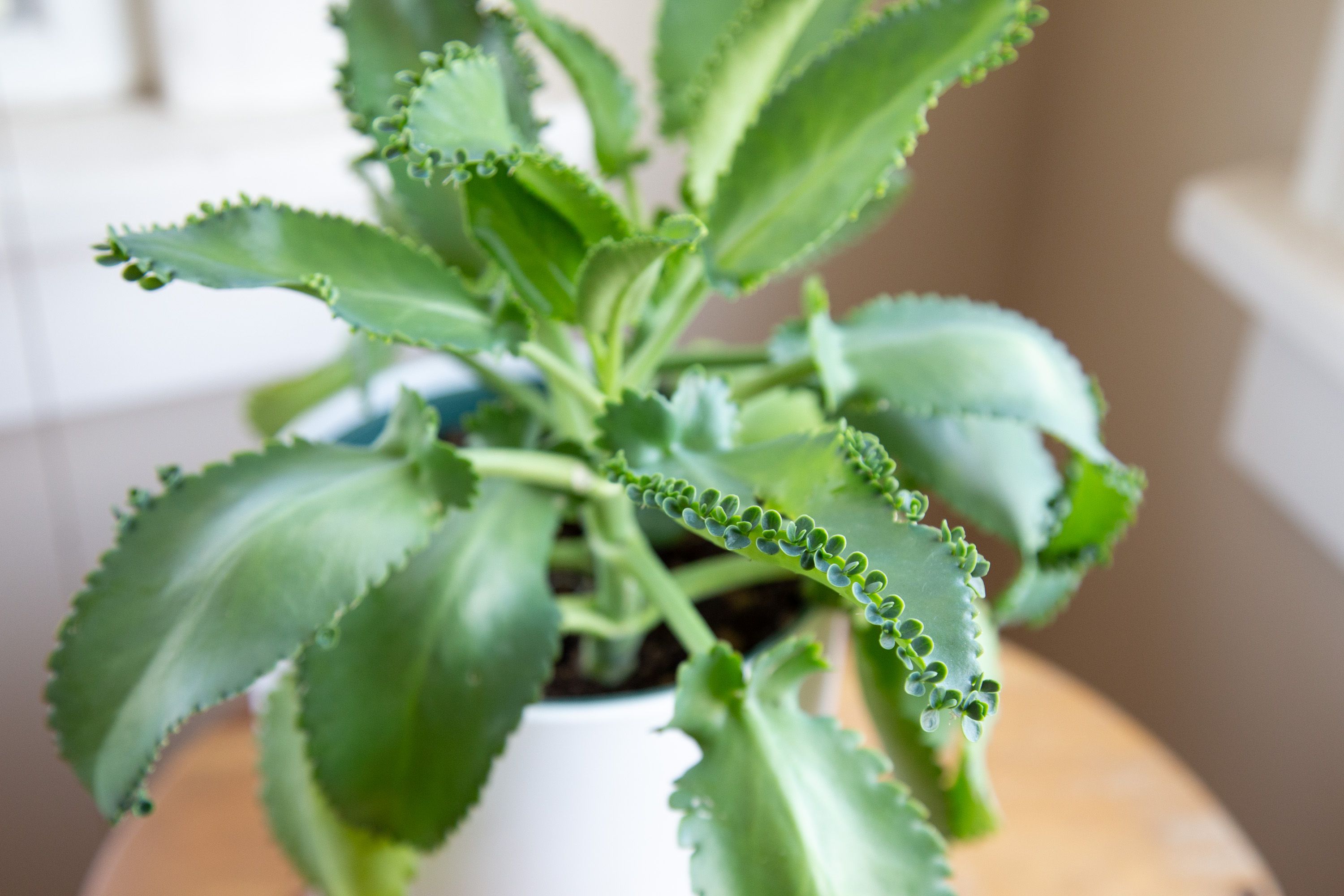
Mother of thousands grows baby plantlets along the edges of its leaves, giving it a unique appearance. It does well in compact pots filled with sand mixed with a little organic matter.
Keep it in bright light and water only when the topsoil is dry. The tiny plantlets will fall and root, making it easy to grow more. It’s a fascinating succulent for collectors.
#4 Donkey Tail Spurge
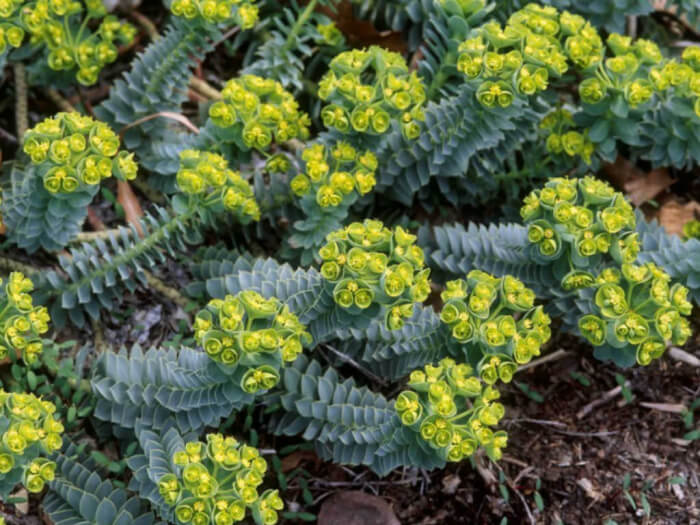
Donkey tail spurge offers blue-green foliage and bright yellow flowers in spring. It thrives in sandy soil with full sun.
Water lightly during the growing season and let it dry between waterings. The trailing stems look lovely spilling over garden edges. It’s a cheerful, low-maintenance option for hot, dry spots.
#5 Mother of Millions
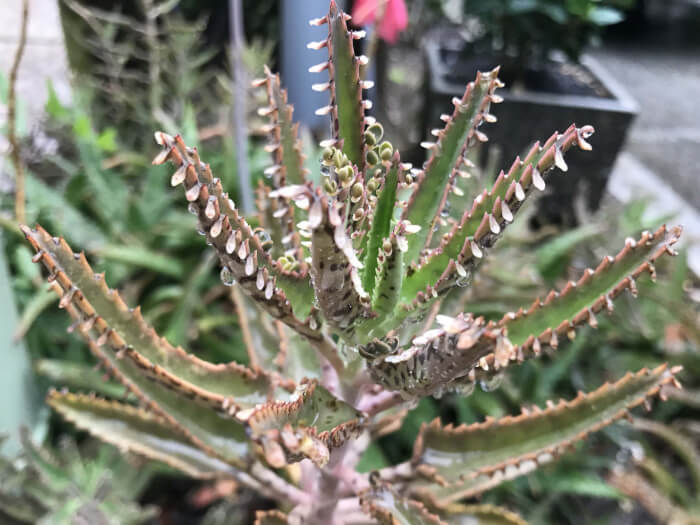
Mother of millions can adapt to sandy soil with ease. It needs bright light and just occasional watering. The plant produces rows of small plantlets along its leaves, which quickly root and grow.
Keep it in a contained pot if you don’t want it to spread too much. Its resilience makes it a great choice for beginners.
#6 Living Stones
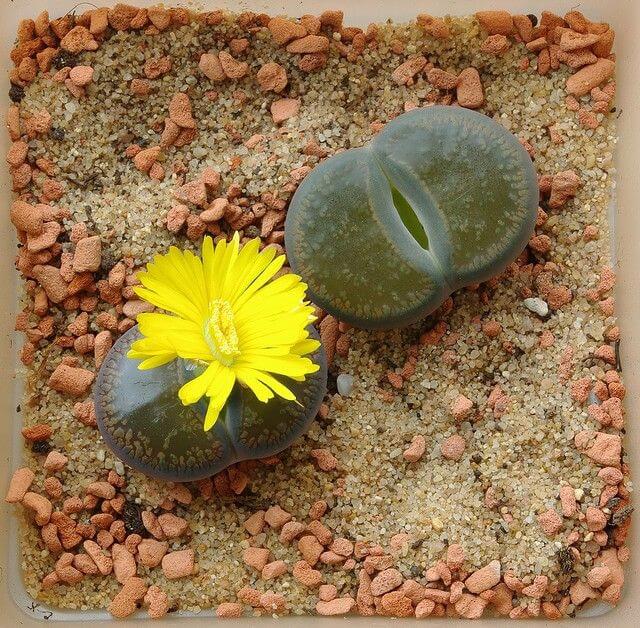
Living stones mimic the look of pebbles, blending perfectly into sandy settings. They require very little water and prefer full sun.
Plant them in a shallow dish with sandy, well-drained soil. Water only during their active growth period and keep them dry in dormancy. Their unusual look always sparks curiosity.
#7 Ice Plants (Delosperma cooperi)
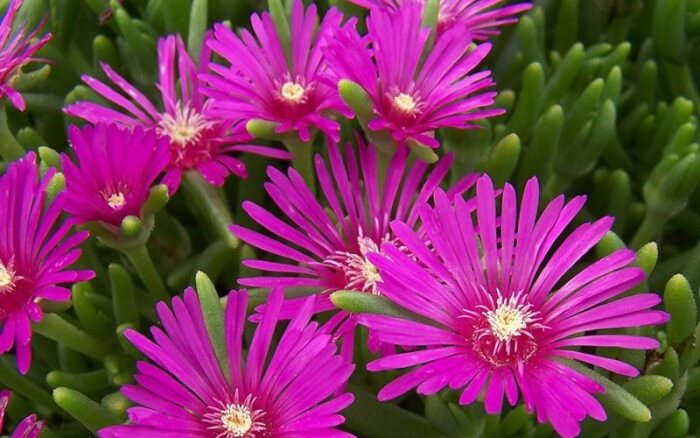
Ice plants produce daisy-like flowers in bright pink or purple. They thrive in dense sand that drains quickly and love full sun.
Water deeply but infrequently for the best blooms. Their succulent leaves add texture to garden beds. They bring vivid color to the hottest, driest spots.
#8 Barrel Cactus
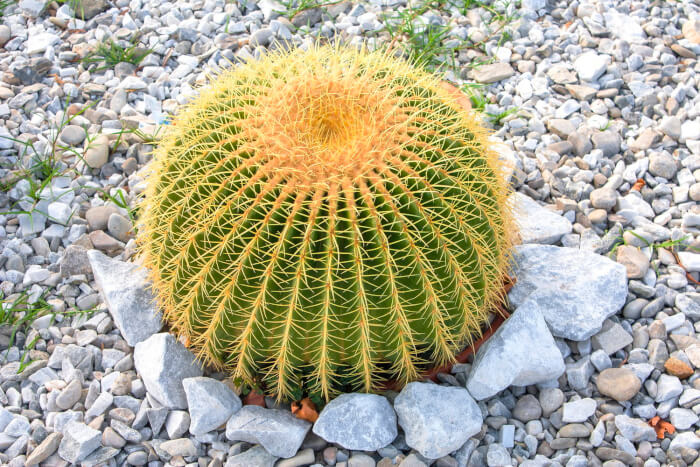
Barrel cactus has a round shape and can live for decades in sandy soil. Give it full sun and water only a few times during summer.
Wear gloves when handling to avoid its spines. Its form adds sculptural beauty to rock gardens. Over time, it can produce small, colorful flowers at the crown.
#9 Century Plants
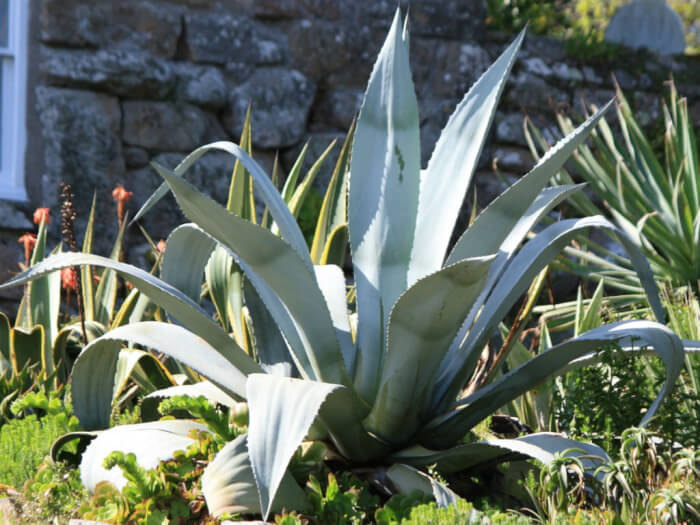
Century plant has large, spiny, blue-green leaves that fan out from a central base. It grows well in sandy, nutrient-poor soil and full sun.
Water sparingly once established. While it blooms only once in its lifetime, the dramatic flower stalk is worth the wait. This plant makes a strong statement in dry landscapes.
#10 Prickly Pear Cactus
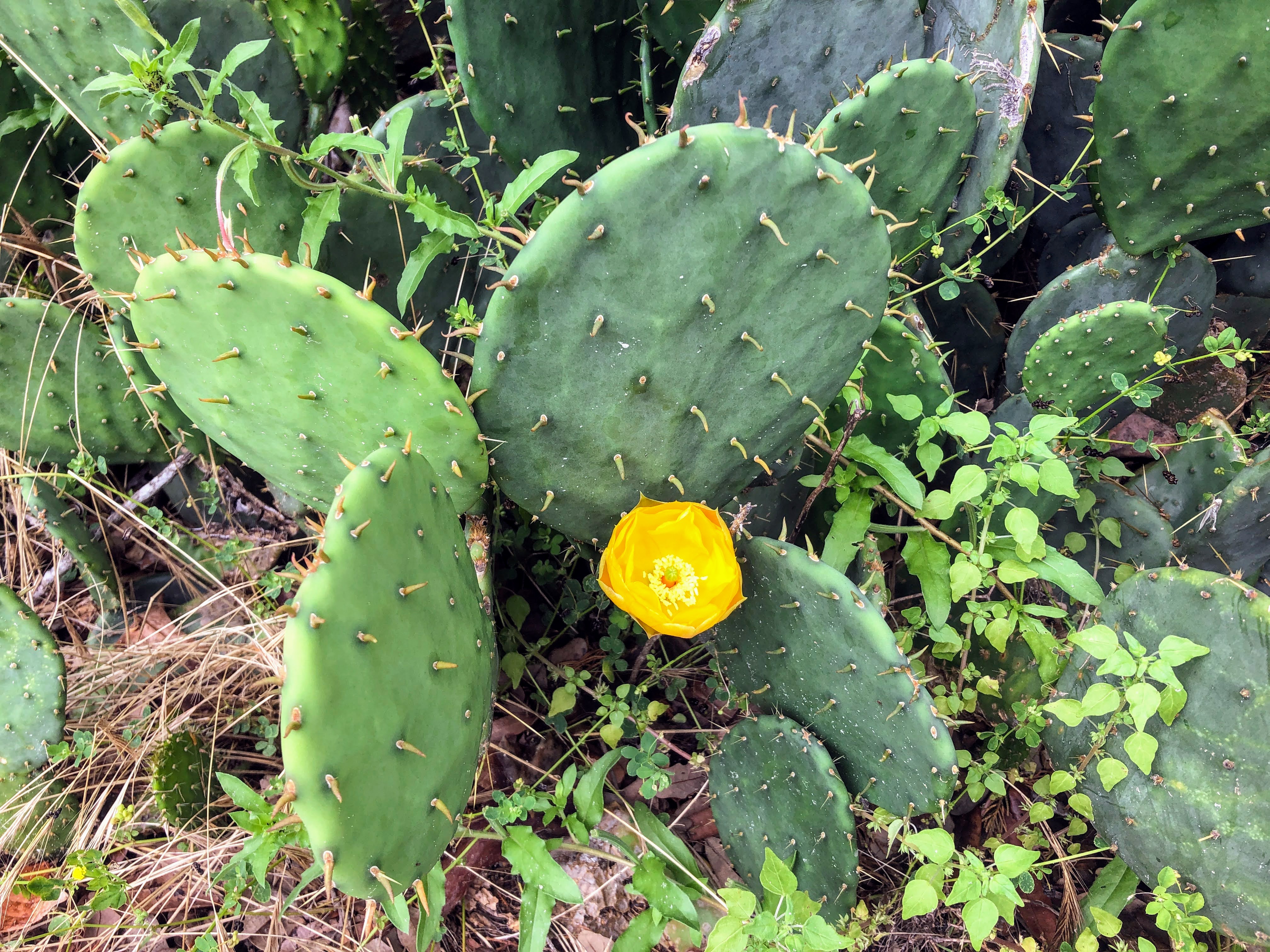
Prickly pear cactus produces flat, paddle-shaped stems and often bears edible fruit. It grows easily in sandy soil and full sun.
Water occasionally, especially during flowering and fruiting. Handle with care to avoid the tiny spines. It’s both ornamental and useful in the kitchen.
#11 Moss Rose
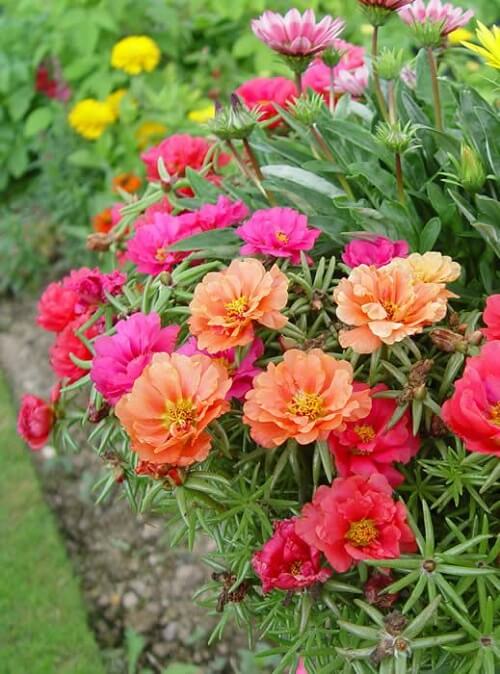
Moss rose blooms in a variety of bright colors from spring to fall. It thrives in sandy, well-drained soil under full sun. Water only when the soil is dry.
It works beautifully as a ground cover or in hanging baskets. The flowers open in the morning and close by evening, adding daily interest.
#12 Pencil Cactus
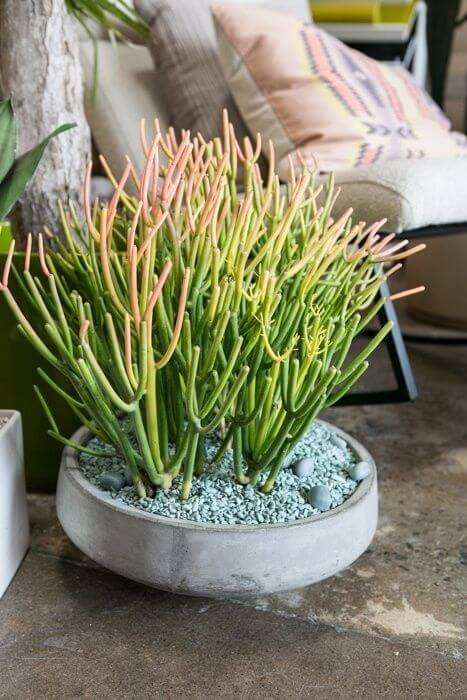
Pencil cactus has slender, stick-like stems that turn shades of orange and red in full sun. Plant it in sandy soil with excellent drainage.
Water sparingly, allowing the soil to dry completely between waterings. Wear gloves, as its sap can irritate the skin. Its modern look fits well in minimalist gardens.
#13 Lamb’s Ear
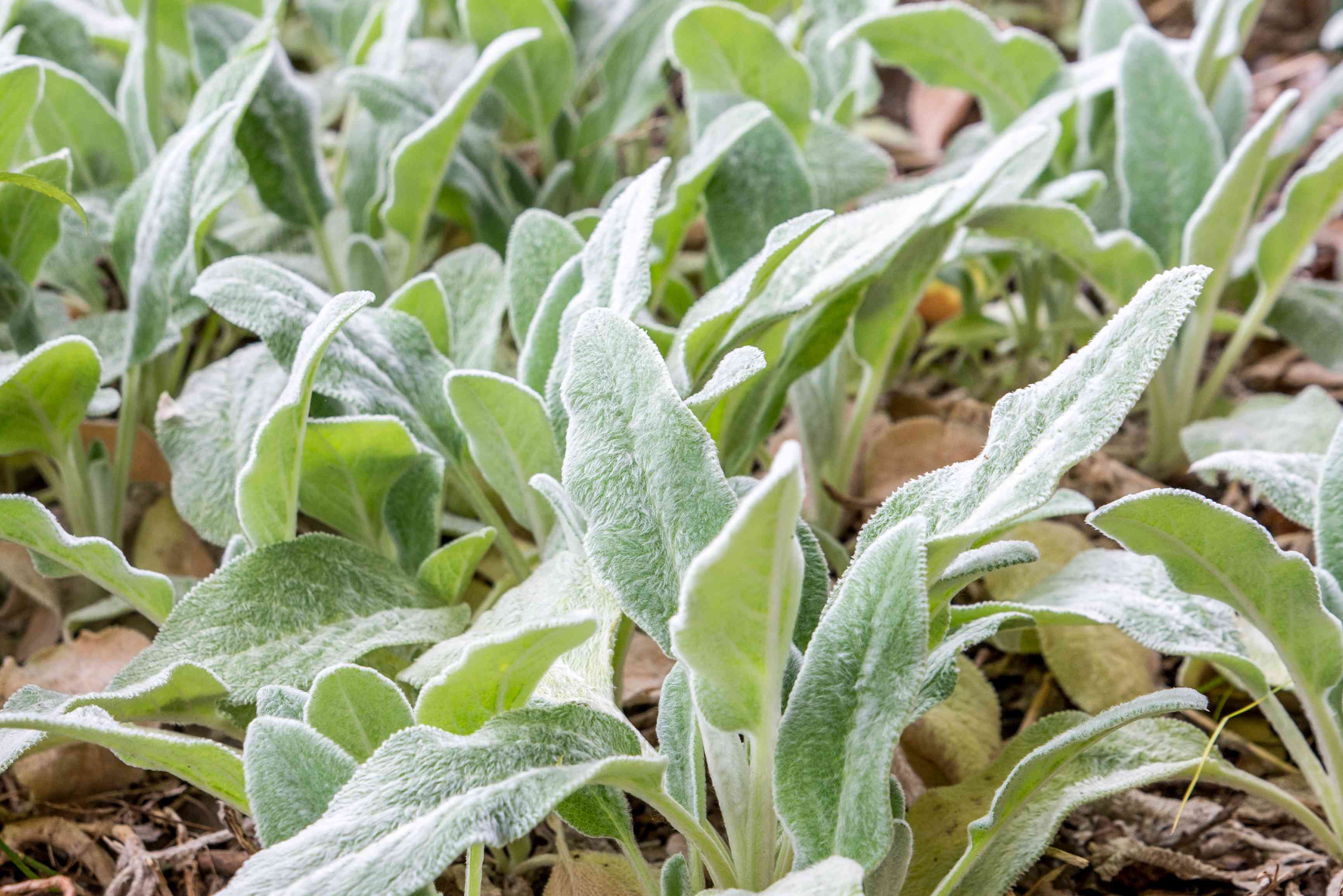
Lamb’s ear has soft, silvery leaves that tolerate dry, sandy soil. It prefers full sun and occasional feeding with a water-soluble fertilizer.
Water only when the soil dries out. The lavender flower spikes attract bees. Its velvety texture adds a gentle contrast to bolder plants.
#14 Donkey Ears
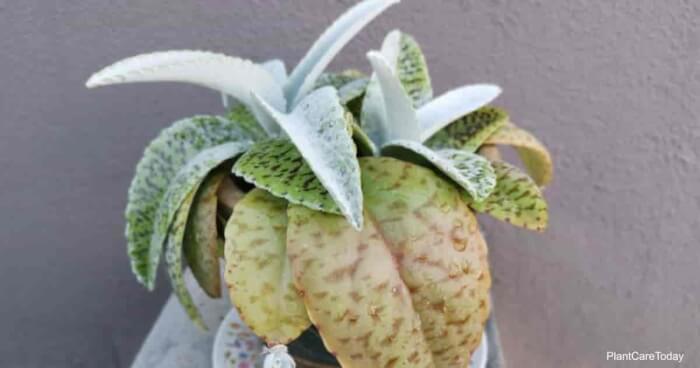
Donkey ears have large, floppy leaves edged with brown spots. They grow happily in sandy soil and bright light.
Water sparingly to prevent rot. The plant can produce clusters of small flowers on tall stems. It’s an eye-catching choice for sunny spots indoors or out.
#15 Sedum
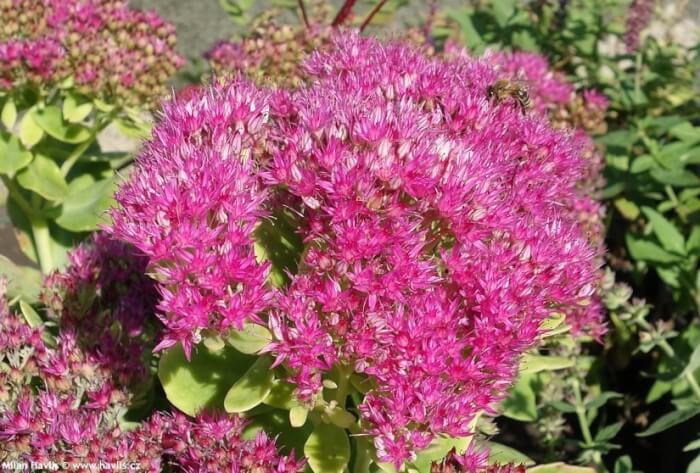
Sedum offers fleshy leaves and clusters of star-shaped flowers. It tolerates sandy soil in both full sun and partial shade.
Water deeply but infrequently. Many varieties can spill over walls or fill containers. Their durability makes them a garden favorite.
#16 Inkberry
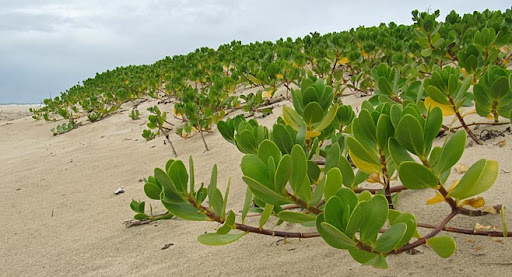
Inkberry features dark green leaves, white flowers, and small black berries. It grows well in sandy soil with full sun exposure.
Water occasionally during dry periods. Its upright stems add structure to the garden. The berries can attract birds, adding life to your landscape.