
In the world of skincare, few ingredients are as universally beloved and versatile as aloe vera. For centuries, this succulent plant has been revered for its incredible healing and soothing properties.
While you may be familiar with its use for sunburns and minor cuts, its role in daily cleansing has made the aloe vera face wash a must-have product for anyone seeking a gentle, effective, and deeply nourishing skincare routine.
If you’re tired of cleansers that leave your skin feeling tight, dry, or irritated, it’s time to discover why an aloe vera face wash might be the perfect solution for you!
Why Go DIY? The Benefits of Making Your Face Wash
A homemade aloe vera face wash offers a host of advantages that pre-made products often can’t match:
- You’re in Control: You know exactly what’s going on your skin. By choosing your own ingredients, you can avoid sulfates, parabens, and synthetic fragrances that can cause irritation.
- Ultimate Freshness: Your face wash is made in small batches, ensuring you’re getting the maximum potency and benefits from the fresh, natural ingredients.
- Customizable for Your Skin: You can easily tweak the recipe to suit your specific skin type and needs, whether you’re looking for extra moisture, more soothing properties, or a gentle anti-acne solution.
The benefits of aloe vera for skin
For a long time, aloe vera has indeed been known as a very popular and widely used beauty ingredient, favored by women all over the world for its remarkable properties.
The plant is a true powerhouse of vitamins and minerals. These nutrients work to exfoliate the skin, tighten pores, and effectively kill and prevent acne from forming.
Beyond just fighting breakouts, aloe vera also has a protective quality, shielding your skin from harmful ultraviolet rays and helping it stay bright and smooth.
One of its most special qualities is its ability to provide moisture, which is crucial for preventing the signs of skin aging.
It’s this combination of healing, protection, and hydration that makes aloe vera a must-have ingredient for anyone seeking healthy, radiant skin.
The process of making aloe vera face wash
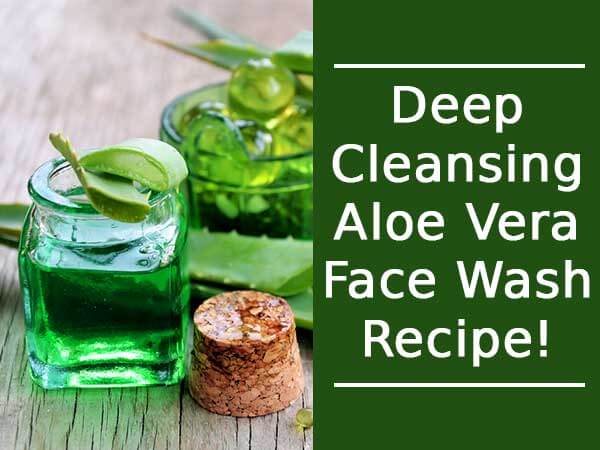 Source: unknown
Ingredients required:
-
4 teaspoons of aloe vera gel
-
2 teaspoons of castile soap in liquid form
-
4 tablespoons of rose water
-
1 teaspoon of avocado oil (or any carrier oil of your choice)
-
3 drops of sweet almond oil or vitamin E oil
-
Few drops of tea tree oil
Then, follow these steps below to finalize the process:
- Place aloe vera gel, liquid castile soap, and rose water in a thoroughly sanitized glass mixing bowl. Rose water can be substituted with rose petal water.
- Add three drops of vitamin E oil, a few drops of tea tree oil, your carrier oil and stir them thoroughly.
- For two minutes, blend the ingredients (so that oil and water mix properly).
- Compared to face washes sold in stores, this face wash will have a more liquid consistency.
- You can add any gel-based emulsifier to this face cleanser to make it thicker.
Note: This aloe vera face wash can be stored in around 2 months.
The use of aloe vera face wash
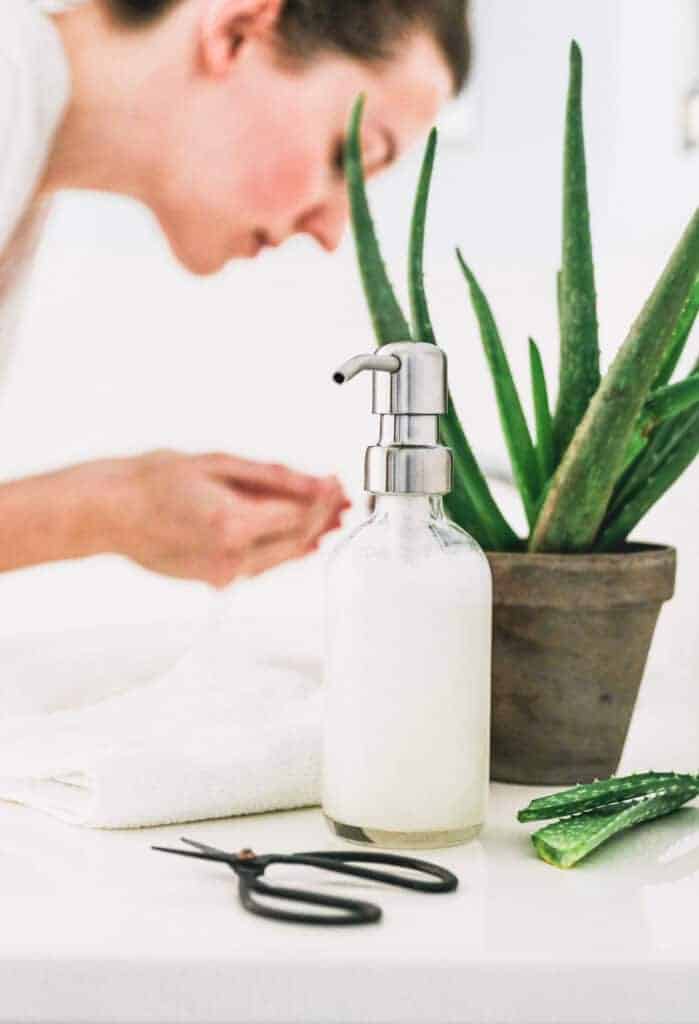 Source: unknown
- Shake the bottle thoroughly before using a small amount of the natural aloe vera face wash to gently massage your skin.
- Simply rinse your face with warm water, then pat it dry with a soft cloth.
- You might use this DIY gel or a mild moisturizer after that.
- Use it frequently to get rid of blemishes, dull skin, and various skin issues.
Important Notes on Usage and Storage
Because your homemade face wash contains no synthetic preservatives, it’s crucial to handle it with care to keep it fresh and effective.
- Patch Test First: Always do a patch test on a small, discreet area of your skin at least 24 hours before using it on your entire face to check for any allergic reactions.
- Store It Cold: Your DIY face wash should be stored in an airtight container in the refrigerator to extend its shelf life. The cool temperature helps to prevent bacterial growth.
- Use It Up: This recipe is designed to be used within about 1-2 weeks. If you notice any change in color, consistency, or smell, it’s best to discard the remaining product and make a new batch.