
Ready to give your hair a little extra love without spending a fortune? Look no further than your pantry! The kitchen is a treasure trove of natural, nourishing ingredients that can transform your hair from dull to dazzling.
Whipping up your hair mask is easy, affordable, and incredibly effective. These three recipes are designed to tackle common hair woes, giving you the kind of results you’d expect from a salon—but with a personal, homemade touch.
What is a hair mask?
Just as a face mask works to nourish and hydrate your skin, a hair mask works in a similar way to boost the condition of your hair. What sets it apart from an instant conditioner is the concentrated ingredients and prolonged retention duration, anywhere from 20 minutes to several hours.
Bananas, honey, egg yolk, and other things that are likely to be found in your kitchen can be used to make a variety of hair masks.
In this article, we will take a closer look at the benefits of hair masks, their application techniques, and the types of masks that may work best for your hair type.
Hair mask for frizzy or damaged hair
Ingredients:
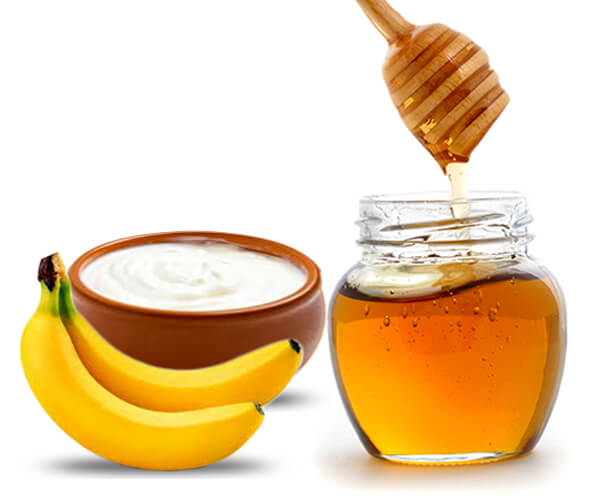
- 1 sliced banana
- 2 tablespoons of plain yogurt
- 1 tablespoon of honey
Directions:
- Blend all the ingredients together in a blender, or mash the banana with the other ingredients and stir until everything is thoroughly combined.
- Apply the mask to moist hair from top to bottom.
- Tie your hair back and put a shower hat over it.
- Leave the mask on your hair for about 30-45 minutes.
- Use your usual shampoo and conditioner to rinse.
Bananas are full of natural oils, potassium, carbohydrates, and vitamins, all of which help lock in moisture and eliminate annoying frizz. Yogurt also contains a lot of lactic acids, which help treat damaged hair.
Hair mask for dry or dandruff hair
Ingredients:
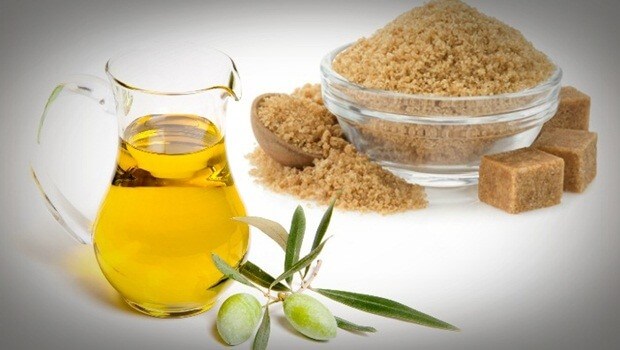
- 2 tablespoons of brown sugar
- 1 tablespoon of olive oil
Directions:
- Mix the sugar and oil together in a bowl
- Apply the mask to your hair from top to bottom
- Leave the mask on for 15 to 20 minutes.
- Rinse
Brown sugar is a great exfoliant on the scalp that helps get rid of dead skin cells and any leftover residue buildup. Extra virgin olive oil has always been used as a natural conditioner to treat dry hair.
It makes hair smooth and lustrous by retaining moisture and reducing scalp dryness. Do you frequently itch your head? Do you struggle with dry hair and dandruff? Your greatest option to address those difficulties will be this mask.
Hair mask for thin, weak hair
Ingredients:
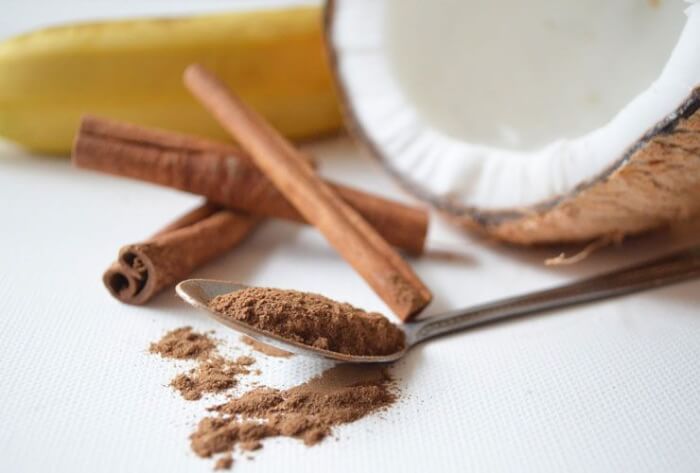
- 1 tablespoon of coconut oil
- 1 teaspoon of cinnamon
Directions:
- Combine these two ingredients in a bowl, making sure to thoroughly combine them.
- Part your hair down the center and start by applying it down the part and on your scalp.
- Work the product into your scalp with your fingertips.
- Tie your hair up and cover it with a towel or shower cap.
- After 30-45 minutes, remove the mask by rinsing it with your regular shampoo and conditioner.
Coconut oil is used in numerous recipes for hair masks because of its moisturizing properties. Besides, cinnamon with antibacterial characteristics strengthens your hair follicles, prevents hair loss, and promotes hair growth.
When applied to your hair, cinnamon increases blood flow to the scalp, which in turn stimulates the creation of new hair.
Tips for the Perfect DIY Hair Mask Experience
Frequency and Consistency Are Everything
Think of your hair masks like a workout routine; consistency is key to seeing real results. Using a mask just once isn’t going to fix years of damage.
To truly benefit from the natural ingredients, aim to incorporate a hair mask into your routine once a week or every two weeks. This regular schedule allows the vitamins, proteins, and moisturizing agents to gradually improve your hair’s strength, shine, and overall health.
Don’t Skip the Patch Test
While kitchen ingredients are natural, they can still cause reactions, especially on sensitive skin. Before you apply a mask to your entire scalp, take a moment to perform a patch test.
Simply apply a small amount of the mixture to a discreet area, like the skin behind your ear or on your inner forearm. Wait 24 hours to check for any redness, itching, or irritation.
The Rinse is Just as Important as the Mask
This might be the most crucial step of all. Leaving any residue from your homemade mask in your hair can do more harm than good.
Ingredients like avocado, banana, or egg can be difficult to remove and may leave your hair feeling greasy, heavy, or even sticky. To avoid this, rinse your hair thoroughly with warm water until the water runs clear.
Have fun experimenting with these kitchen-based beauty treatments. You will love this journey!