
Using leftover milk in the garden might sound unusual, but it’s one of the most inexpensive and effective tricks you can try.
The nutrients in milk, especially calcium, support stronger plant growth, healthier soil, and protection against common garden problems. Instead of pouring expired milk down the drain, you can turn it into a natural fertilizer, pest repellent, and even a tool for fighting fungal diseases.
This simple method not only saves money but also reduces waste while improving your garden’s overall health. By learning how to apply it correctly, you’ll see stronger vegetables, healthier flowers, and soil that retains more life.
Here are 8 amazing leftover milk uses for your garden that you’ll want to start trying right away.
#1 Used as Fertilizer

Milk makes an excellent natural fertilizer because of its calcium and mineral content. To use it, dilute milk with water at a 1:1 ratio and pour it around the base of plants like tomatoes, peppers, and squash.
This helps prevent nutrient deficiencies and supports steady growth. You can also spray the mixture on leaves to give plants a quick nutrient boost.
Be careful not to overapply, as too much milk may leave an unpleasant odor. Used correctly, it keeps your plants vigorous and strong.
#2 As Disinfectant

Instead of reaching for harsh bleach, you can disinfect your garden tools with milk. Simply dip pruners, scissors, or knives into leftover milk before and after trimming plants.
This prevents the spread of harmful plant diseases, including the tobacco mosaic virus that often affects tomatoes. Milk proteins create a natural barrier that reduces pathogens without harming your hands or the environment.
Keeping tools clean also improves their lifespan, making this trick doubly useful. It’s a safe, simple way to garden smarter.
#3 Excellent For Fighting Fungal Diseases

Powdery mildew, mold, and rot are common issues for gardeners, but milk offers a natural defense. Mix equal parts water and milk in a spray bottle and mist the leaves of affected plants.
The enzymes and salts in milk help stop fungal spores from spreading. For best results, repeat the treatment once a week, especially during humid weather.
Many gardeners find this method as effective as store-bought fungicides. It’s an easy, eco-friendly way to protect your plants.
#4 Tackle Black Spots on Rose Bushes

Roses often struggle with unsightly black spots, but milk can help control the problem. Spray diluted milk directly onto the leaves, focusing on areas showing damage.
The natural compound lactoferrin acts as both a fungicide and bactericide, stopping the spread of disease. Apply in the morning so the solution dries during the day.
Regular use will improve the health and appearance of your rose bushes. This simple trick can save you from losing prized blooms.
#5 Helps Soil Health

Adding leftover milk to the soil can greatly improve its condition. The nutrients in milk enhance microbial activity, which strengthens the soil’s ability to absorb water and air.
Healthy soil structure encourages stronger root growth and more resilient plants. To apply, pour diluted milk directly into the soil around crops once or twice a month.
It also helps reduce harmful pathogens and insects hiding in the ground. Think of it as a natural soil conditioner at no extra cost.
#6 Cure The Problem Of The Blossom End Rot Of Tomato

If your tomato plants show black, sunken spots at the bottom of the fruit, they may be suffering from blossom end rot. This is usually caused by calcium deficiency, and milk can provide a quick fix.
Water plants with diluted milk at the roots to supply calcium directly where it’s needed. Apply weekly during the growing season to prevent the issue from returning. You’ll notice healthier fruit development and far fewer spoiled tomatoes.
#7 Repel Aphids
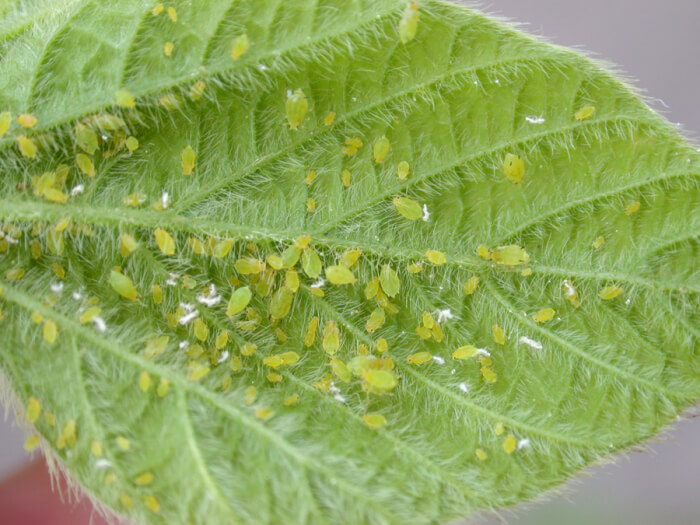
Milk is also a surprising insect repellent, particularly against aphids, thrips, and spider mites. Spray diluted milk onto infested leaves, making sure to cover both sides.
The sticky residue smothers small pests while leaving the plant unharmed. Reapply every few days until the problem is under control.
This natural method reduces the need for chemical sprays, keeping your garden safe for pollinators and pets. It’s a simple, effective solution for pest problems.
#8 Great For Improving Soil And Compost
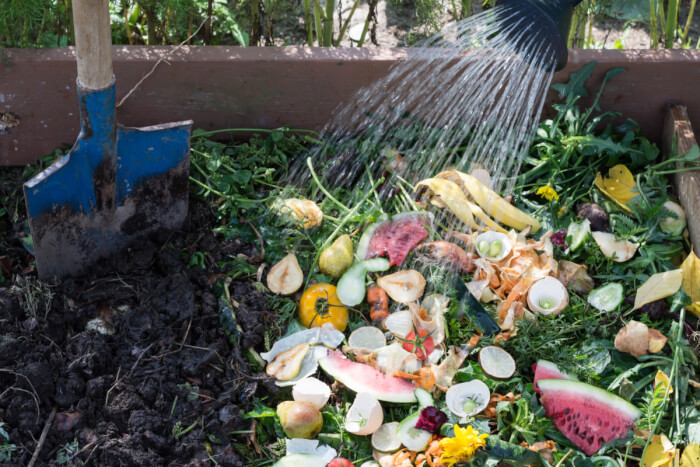
Old or sour milk can be poured directly into your compost pile to speed up decomposition. The proteins and sugars feed beneficial bacteria, helping organic matter break down faster.
You can also pour small amounts into garden soil to enrich it naturally. Just be sure to mix it well to avoid any unpleasant smells.
Over time, you’ll see improved soil texture and fertility. It’s a sustainable way to recycle expired milk and give back to your garden.