
I listen when my body whispers before it ever screams. Liver cancer often stays quiet early, then surfaces through patterns that appear ordinary until they repeat for weeks. I watch timelines, not moments, because repetition reveals risk better than a single rough day.
These clues overlap many conditions, so I never self-diagnose or panic. Persistent, worsening, or new symptoms deserve medical evaluation, especially with cirrhosis, hepatitis B or C, or heavy alcohol history. Common signals include unintentional weight loss, early fullness, right-sided abdominal pain, swelling, jaundice, itching, and fatigue; patterns matter more than isolated episodes.
Below, I translate seven body signals into plain language you can use. Treat them as prompts to seek care, not confirmations of disease. Urgent care is appropriate for severe pain, sudden jaundice with fever, vomiting that prevents hydration, or confusion that appears alongside other liver-related symptoms. Early conversations shorten delays, open options, and reduce complications while clinicians investigate precise causes.
1. Your Skin or Eyes Turn Yellow (Jaundice)
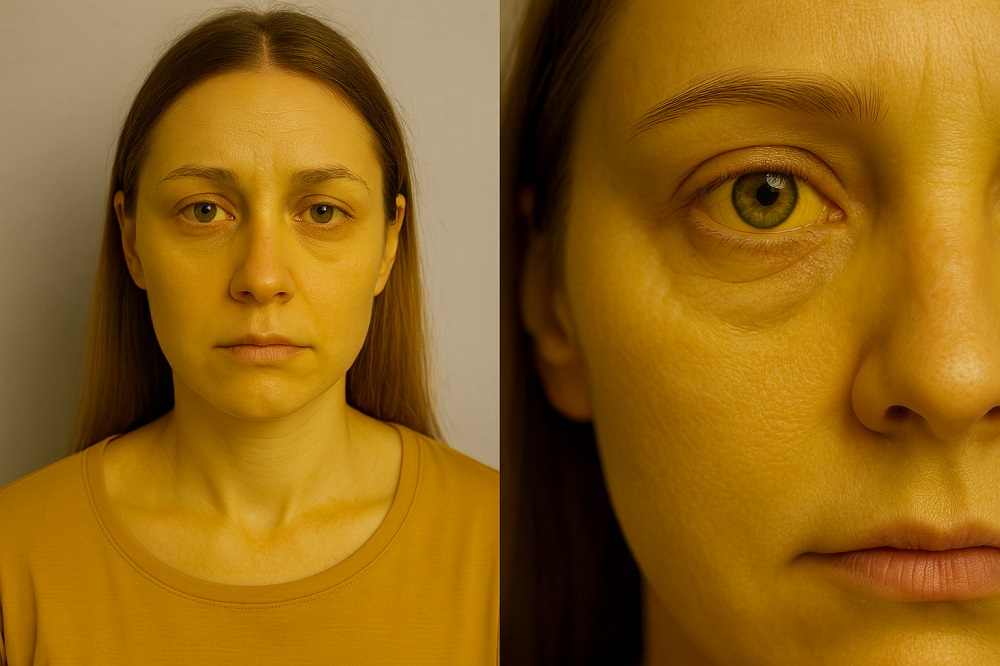
Jaundice occurs when bilirubin builds up in the blood due to liver dysfunction. It often causes a yellowish tint in the skin and eyes.
This symptom can also bring dark urine, pale stools, and itchy skin. Many people notice the eye changes before skin discoloration appears.
While jaundice has multiple causes, in combination with other signs, it can point toward liver problems that need urgent testing.
2. You Feel Persistent Upper Abdominal Pain
A dull, aching pain near your right upper abdomen can indicate the liver is enlarged or under stress from a growing tumor.
This discomfort may spread to your back or shoulder blade. Unlike temporary stomach aches, it often lingers and worsens over time.
If the pain persists for weeks without improvement, especially if paired with fatigue or weight loss, it’s worth having it medically checked.
3. You Notice Unexplained Weight Loss
Sudden, unplanned weight loss can be a red flag for several serious health conditions, including liver cancer. It happens as the disease affects metabolism.
Your body may burn more calories while your appetite declines, leading to rapid loss of both fat and muscle mass.
If you’re losing weight without changing your diet or activity level, don’t ignore it—seek professional evaluation. Early detection can change treatment outcomes.
4. Your Belly Might Fill with Fluid (Ascites)
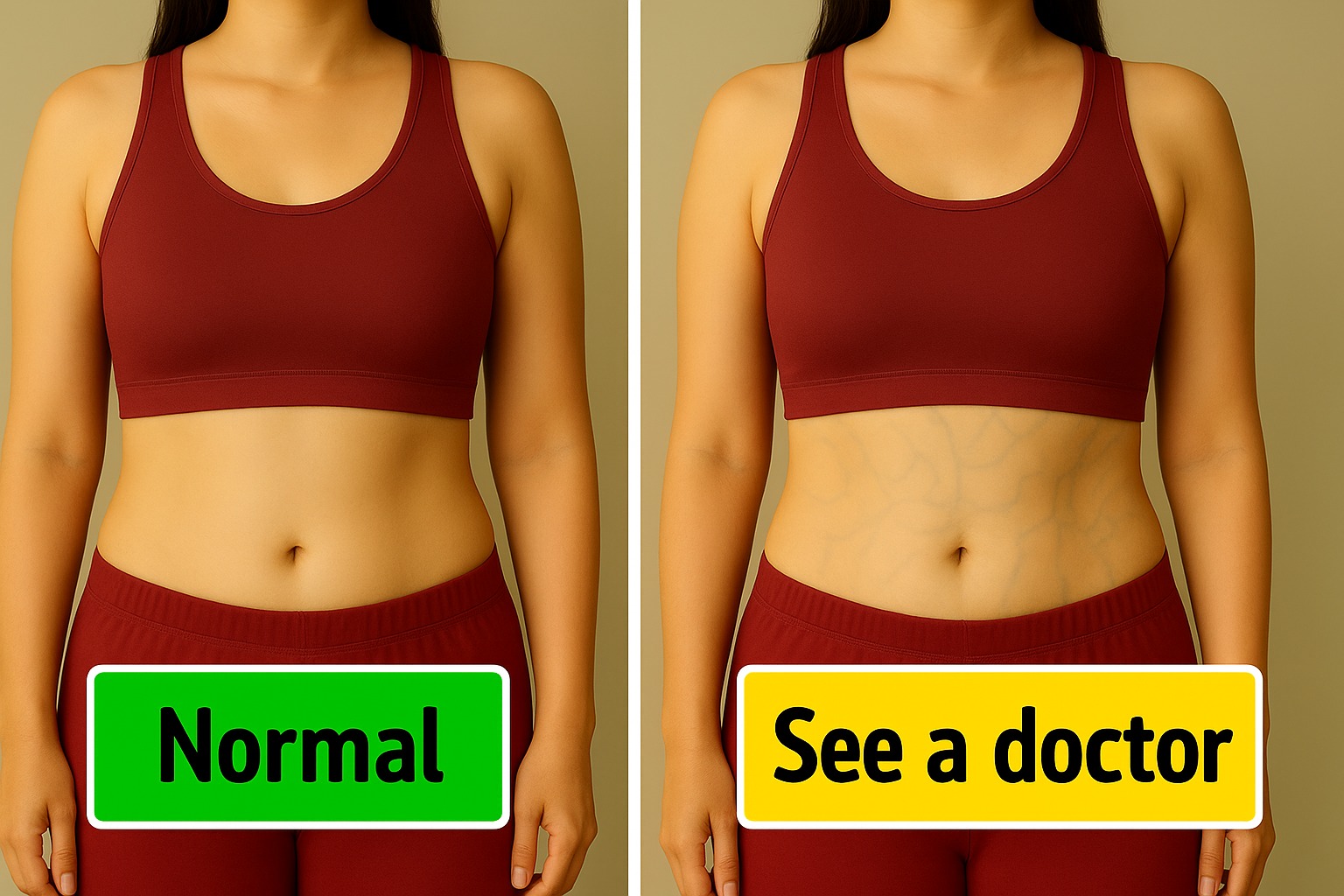
When the liver stops working properly, fluid can build up inside the abdomen. This swelling, known as ascites, may cause discomfort and visible bloating.
The pressure from ascites can make it hard to breathe, eat, or move comfortably. Many people mistake it for weight gain or indigestion.
If your stomach seems to grow rapidly without obvious reason, especially alongside other symptoms, see a doctor promptly. Fluid buildup can be a serious sign.
5. You’re Constantly Fatigued
Persistent tiredness goes beyond sleepiness. It’s a deep, body-wide drain that lingers after rest and begins to interfere with normal routines and focus.
Liver cancer can drive this exhaustion through toxin buildup, inflammation, anemia, poor nutrient handling, and disrupted energy metabolism—each chipping away at stamina day by day.
Everyday chores grow harder, concentration slips, and recovery takes longer. Track the pattern, note changes week to week, and ask for testing when fatigue keeps progressing.
6. You Experience Frequent Nausea or Vomiting
Liver problems can trigger digestive discomfort, leading to persistent nausea, occasional vomiting, or a general loss of appetite.
These symptoms occur as the body struggles to process food and remove toxins, often worsening after meals.
While nausea is common in many illnesses, a constant or worsening pattern combined with other liver-related signs warrants further investigation.
7. You Develop Easy Bruising or Bleeding
The liver makes clotting proteins. When production drops, small bumps leave large bruises, and minor cuts or dental care can cause prolonged bleeding.
Other signals include frequent nosebleeds, gum bleeding, tiny red “spider” veins on the chest or face, and redness on the palms.
New or escalating bleeding problems call for a clotting workup and liver function tests. Early assessment lowers complication risk and guides treatment.
Final Thoughts
Your body often gives subtle hints when something isn’t right. While these symptoms don’t always mean liver cancer, they shouldn’t be ignored.
If you notice one or more of these signs—especially together—speak with a healthcare professional. Early diagnosis and treatment can greatly improve survival rates.
Disclaimer & Safety Warning
This content is educational. It does not replace a clinician’s assessment, diagnosis, or treatment plan. Symptoms listed have many possible causes; only testing confirms the source.
Persistent changes lasting more than 14 days need medical evaluation. Higher-risk groups—hepatitis B or C, cirrhosis, heavy alcohol use, NAFLD, or family history—should seek earlier review. Bring a medication list and a simple symptom log.