
Why settle for hedges that only look good when you can have ones that taste good too? Edible hedge plants bring double the value to your garden, lush greenery for structure and privacy, plus fresh harvests you can enjoy right from your yard.
Many grow into thick, protective screens that shield your space from wind and prying eyes, all while producing fruit for the table. They’re easy to train, surprisingly low-maintenance, and can thrive in a variety of conditions.
Once planted, they’ll reward you with beauty and bounty for years. Let’s look at some of the best choices for hedges that do it all.
#1 Blackberry
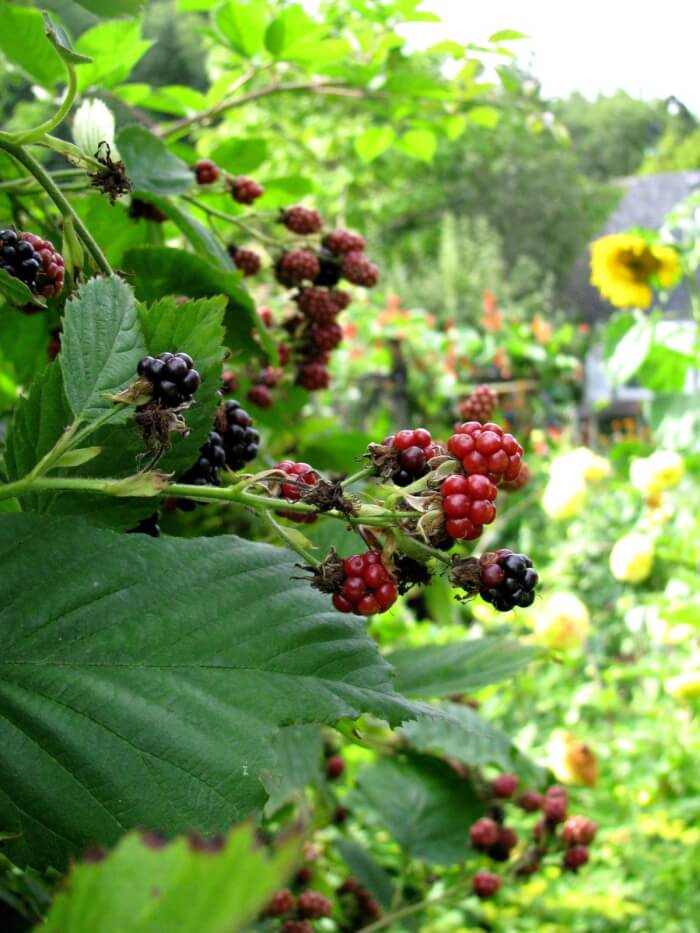
Blackberries give you more than just delicious summer fruit; they also form a dense, thorny barrier that’s perfect for added security. Their long canes can be trained along a fence or trellis to keep them neat while still producing heavily.
Full sun and well-drained soil will give you the sweetest berries. Keep an eye on growth, as they can spread quickly if not managed. With a little pruning, they’ll provide years of fruit and privacy.
Extra Tip: Wear gloves during pruning to avoid scratches from the thorns.
#2 Hazelnut
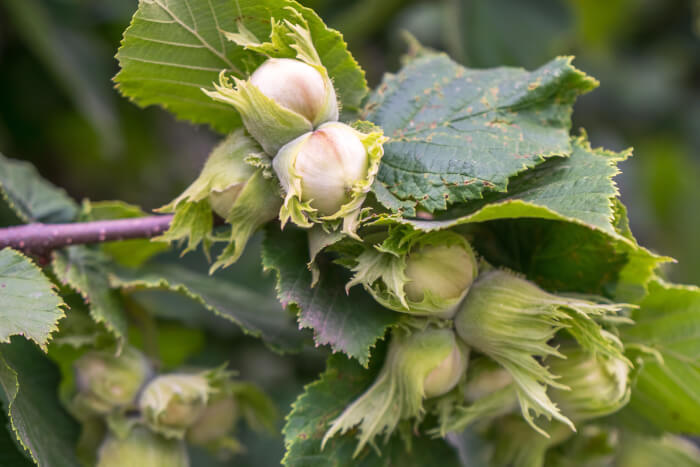
Hazelnuts grow into tall, bushy hedges that make an impressive natural screen while supplying you with rich, flavorful nuts. They’re also a haven for wildlife, attracting beneficial insects and offering shelter to birds.
Plant them in well-drained soil and give them space to spread. Once established, they’re hardy and require minimal care beyond occasional pruning.
The payoff of crunchy homegrown hazelnuts is worth the wait. Plant at least two varieties to ensure better nut production.
#3 Natal Plum
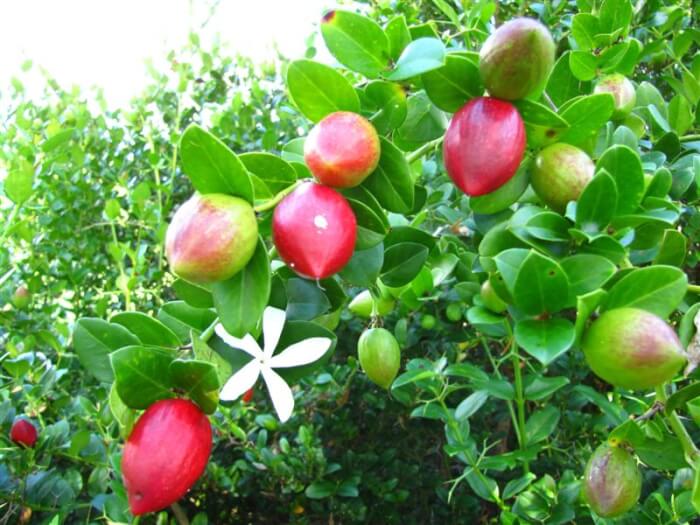
Natal Plum stands out with glossy evergreen foliage and fragrant flowers that fill the air with sweetness. The small, red fruits have a tart cranberry-like flavor, making them perfect for jams, pies, or fresh snacking.
This plant also tolerates salt spray, making it ideal for coastal gardens. Prune regularly to keep it compact and encourage new growth.
It’s a beautiful hedge that gives you something delicious, too. Always confirm fruit ripeness; unripe Natal plums can be bitter.
#4 Pomegranate
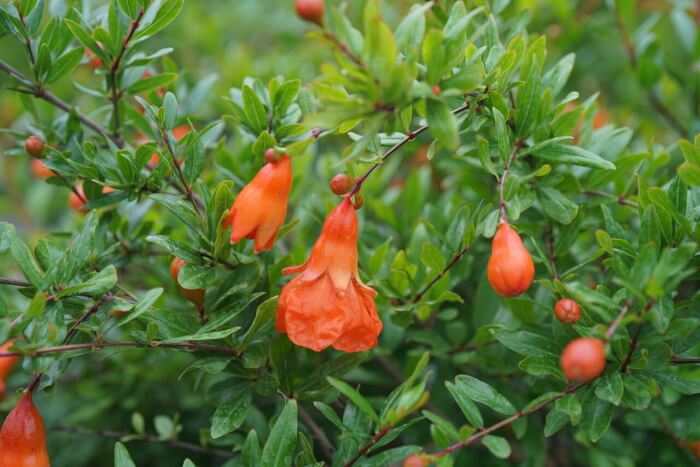
Pomegranate hedges bring a Mediterranean touch to your garden, with vibrant blooms followed by jewel-like fruits. They can be kept low and dense with regular pruning or allowed to grow taller for a more informal look.
Choose a sunny location and water deeply but infrequently to promote strong roots. The reward is juicy, antioxidant-rich fruit you can enjoy fresh or use in cooking.
Extra Tip: Prune after harvest to shape and encourage next year’s flowering.
#5 Elderberry
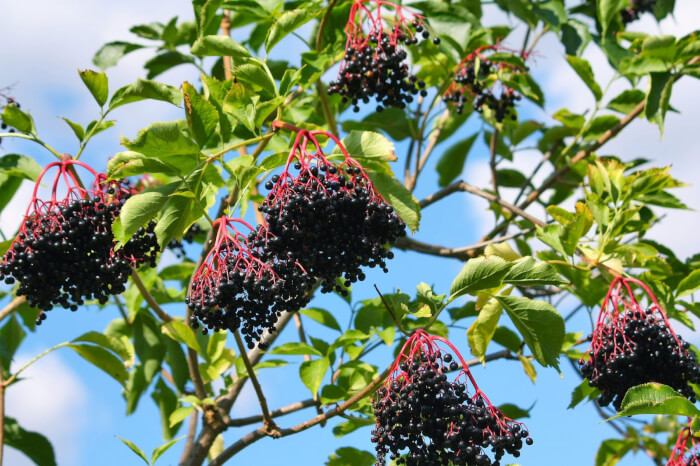
Elderberries are the perfect mix of beauty, bounty, and wildlife appeal. Their clusters of tiny white flowers attract pollinators, while the dark berries are a favorite for jams, syrups, and wine.
They grow quickly into thick hedges that offer privacy and seasonal interest. Plant in moist, well-drained soil and give them plenty of sunlight for best yields. Birds will love them as much as you do.
Extra Tip: Cook berries before eating because raw elderberries can be mildly toxic.
#6 Crabapple
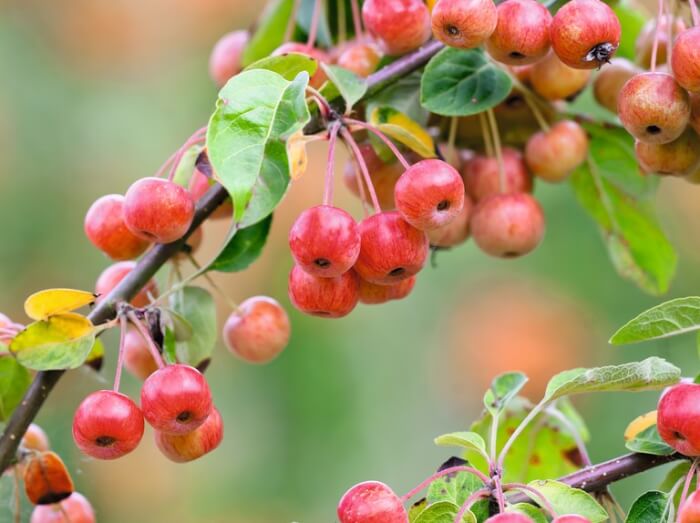
Crabapples bring a burst of color in both spring and fall, making them a standout in any hedge row. Spring flowers give way to small, tangy fruits that persist into winter, feeding wildlife and adding seasonal charm.
With careful pruning, they can be shaped into dense, attractive screens. Plant them in sunny spots and water during dry spells to keep them thriving.
Extra Tip: Use crabapple fruit to make tangy jellies or cider blends.
#7 Blueberry
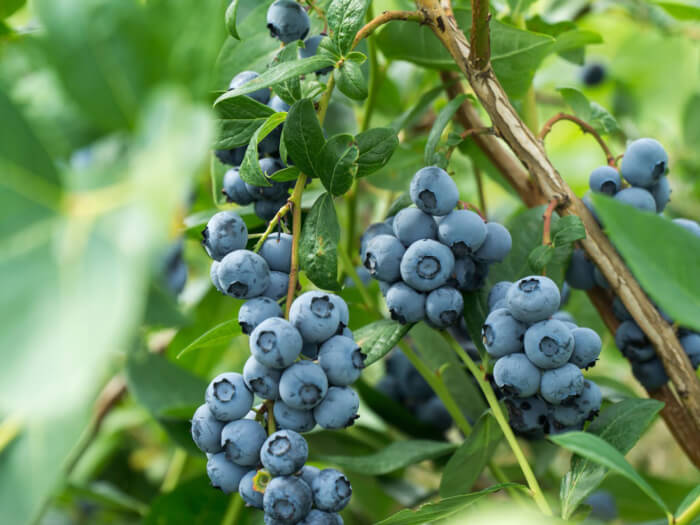
Blueberries make a hedge that’s as delicious as it is beautiful. Their neat, compact shape is easy to maintain, and their white spring flowers turn into plump, sweet berries by summer.
Come autumn, the foliage blazes with red and orange tones. Plant in acidic soil, keep it consistently moist, and mulch to retain moisture and prevent weeds. A blueberry hedge can last for decades with proper care.
Extra Tip: Net your bushes to protect ripe fruit from hungry birds.