
Adding nutrients to soil naturally is one of the easiest ways to keep your garden thriving without relying on chemical fertilizers. Many of the best solutions can be found right in your home, from kitchen scraps to simple household items.
These natural methods not only feed your plants but also improve soil structure, help retain moisture, and encourage beneficial organisms.
By reusing materials like eggshells, coffee grounds, or banana peels, you save money while creating a healthier growing environment.
Each method is easy to apply and works well for both large gardens and small container plants. Try combining a few of these techniques for richer soil, stronger plants, and bigger harvests.
#1 Wood Ashes
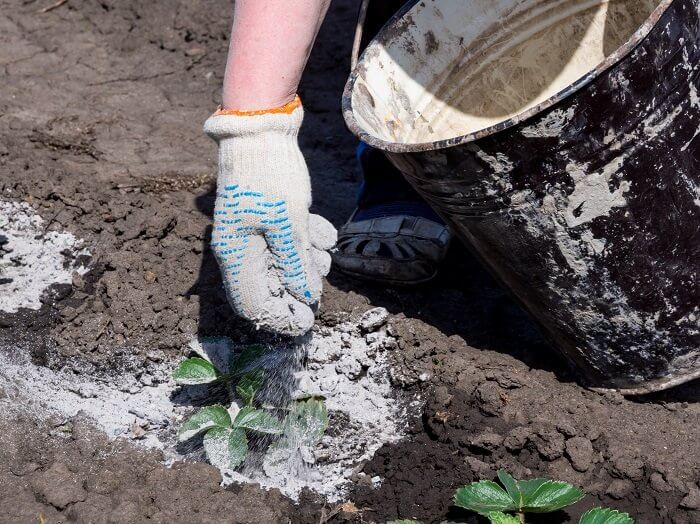
Wood ashes are a classic natural soil amendment, packed with potassium and other trace minerals. They are especially helpful for raising soil pH in acidic areas.
You can sprinkle a light layer directly onto garden beds or add them to compost for slow-release nutrition. Always test your soil before adding large amounts to avoid making it too alkaline.
Scatter ashes around fruit trees or flowering plants for a seasonal boost. Handle carefully and store dry to keep their benefits intact.
#2 Banana Skins
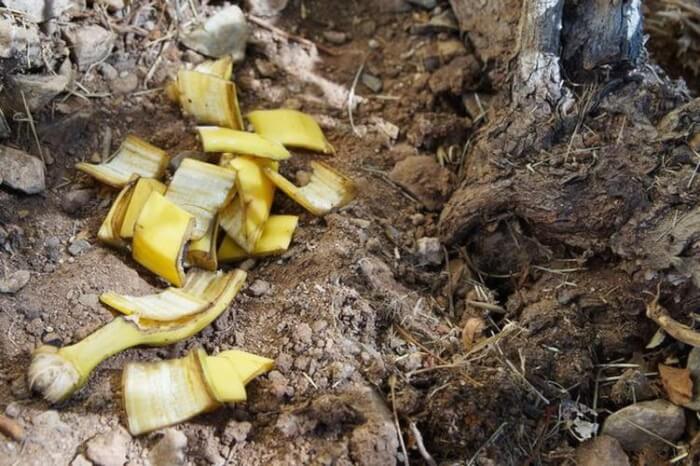
Banana skins break down quickly in soil, releasing potassium, phosphorus, and calcium that plants crave. You can chop the peels into small pieces and bury them near the roots for fast absorption.
They also help repel aphids naturally, keeping pests at bay. Another option is to blend banana peels with water to make a nutrient-rich tea.
Pour this liquid around vegetables or flowers to see stronger growth. Simple, free, and highly effective, banana skins are a gardener’s secret weapon.
#3 Coffee
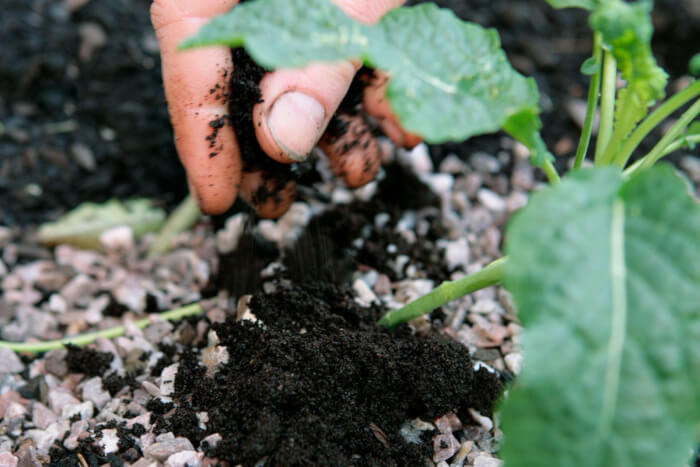 Coffee grounds improve soil texture while adding nitrogen, a key nutrient for leafy growth. You can sprinkle them directly over the soil surface or mix them into compost.
Used grounds also attract earthworms, which further enrich the soil structure. Keep the layer thin so it doesn’t form a crust that blocks water.
They work especially well around acid-loving plants like blueberries or azaleas. Recycling your morning brew waste this way is both eco-friendly and practical.
#4 Egg Shells
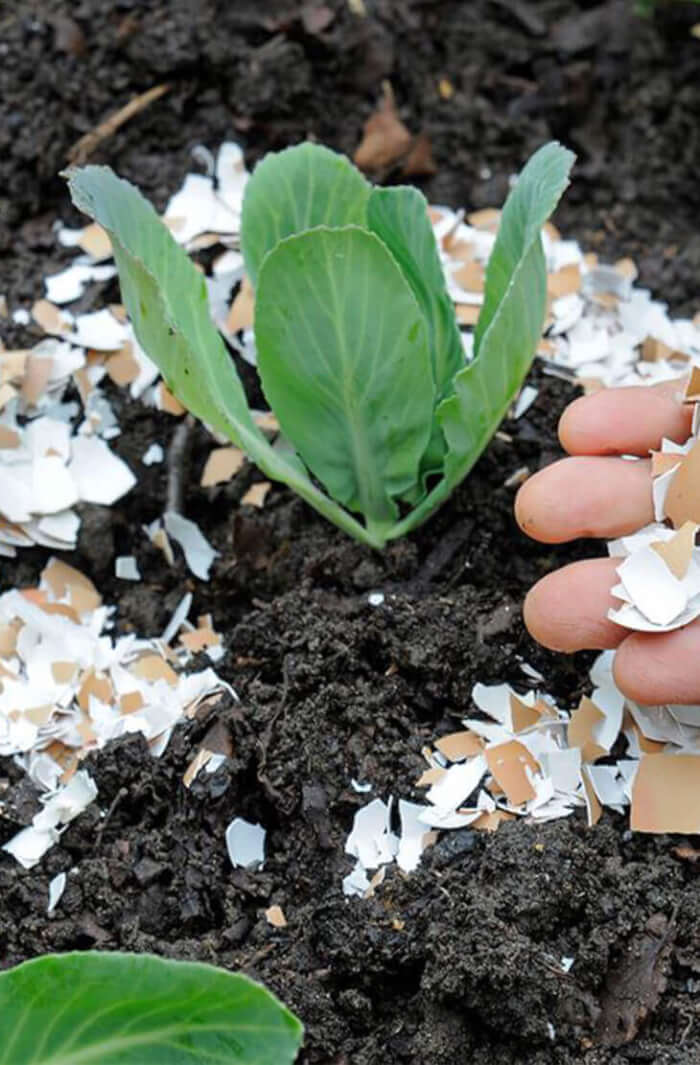 Crushed eggshells are rich in calcium, which strengthens cell walls and prevents problems like blossom end rot in tomatoes and peppers. Simply rinse, dry, and crush the shells into small pieces before mixing them into the soil.
You can also sprinkle them around the base of plants to create a natural barrier against snails and slugs. Over time, the shells break down and release nutrients steadily.
Add them to compost for an extra mineral boost. This is one of the simplest ways to recycle kitchen waste into garden gold.
#5 Composting
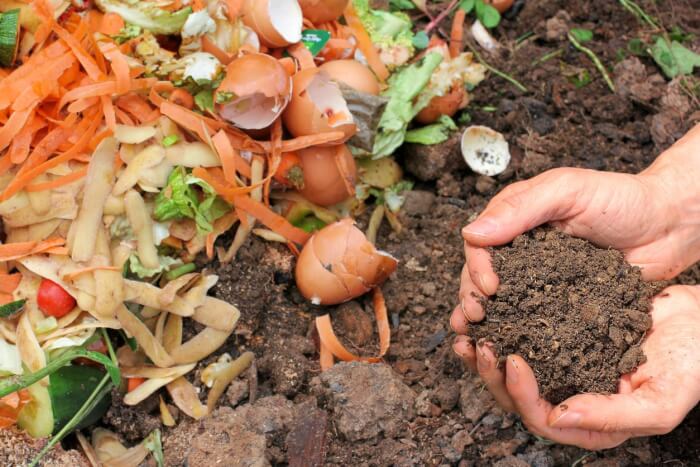
Composting transforms everyday scraps like vegetable peels, grass clippings, and fallen leaves into a nutrient-packed soil conditioner. It enriches the earth with organic matter, improves drainage, and supports microbial life.
Start by layering green (wet) and brown (dry) materials in a compost bin or pile. Turn it regularly to keep it aerated and break down faster.
Within weeks or months, you’ll have dark, crumbly compost ready to feed your garden. Composting is the backbone of natural soil care.
#6 Expired Animal Feed
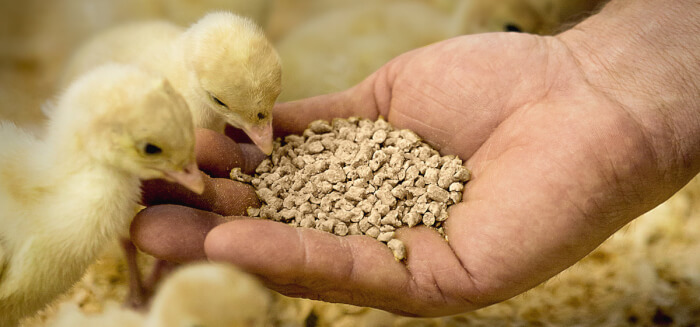
Expired animal feed may no longer be safe for pets, but it can still enrich your soil. When added to compost, it provides proteins and other nutrients that fuel microbial activity.
Simply scatter small amounts through the pile and cover with leaves or grass to balance moisture. It decomposes quickly and attracts beneficial fungi and insects.
Avoid using too much at once to prevent odor. This method turns waste into a valuable resource for your plants.
#7 Manure
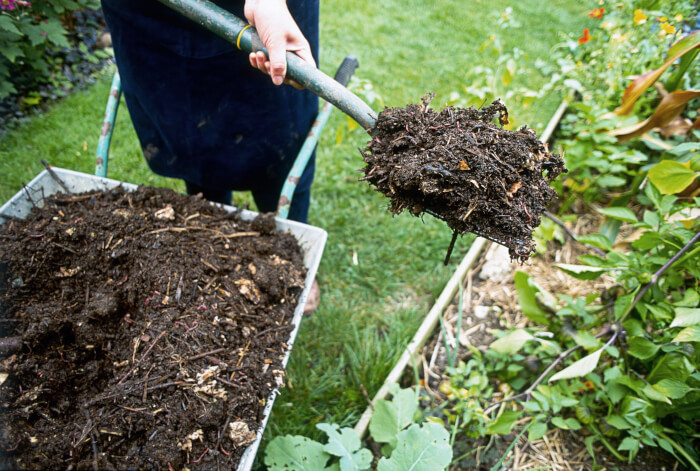
Manure is one of the oldest and most effective soil amendments, offering nitrogen, phosphorus, and potassium. Always compost it first to reduce pathogens and make nutrients more plant-friendly.
Apply it to beds in the fall or early spring for best results. Aged manure also helps improve soil texture, holding moisture while keeping it loose.
Cow, horse, and chicken manure are all excellent options. Just remember never to use pet waste, as it carries harmful diseases.
#8 Epsom Salt
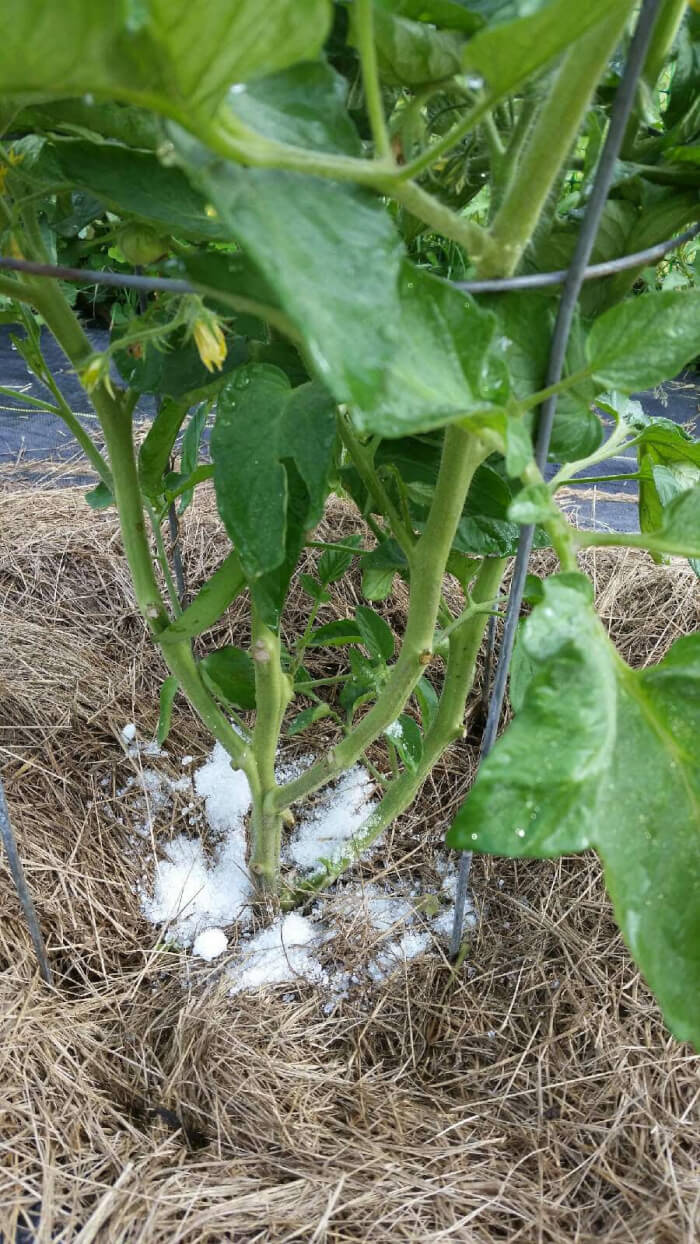
Epsom salt supplies magnesium and sulfur, both vital for healthy plant growth. It can improve seed germination, boost chlorophyll production, and enhance fruiting.
To use, dissolve a tablespoon in a gallon of water and apply to the base of plants once a month. Another method is sprinkling a small handful directly into planting holes.
Tomatoes, peppers, and roses respond especially well to this treatment. Used sparingly, it’s a fast, inexpensive way to strengthen your garden.