
When water is scarce, gardening can feel like a struggle, but it doesn’t have to be. Some herbs thrive in dry soil and hot sun, bringing both flavor and beauty to your space without demanding much from your watering can.
If you’re looking to grow more with less, these drought-tolerant herbs are your best bet. They’re tough, versatile, and often more fragrant when grown in tougher conditions.
You don’t need fancy equipment or perfect soil. Just a sunny spot and a little care will go a long way. Here are 10 herbs that will grow strong, even when the rain doesn’t show up.
#1 Sage
 Source: Gardeningknowhow
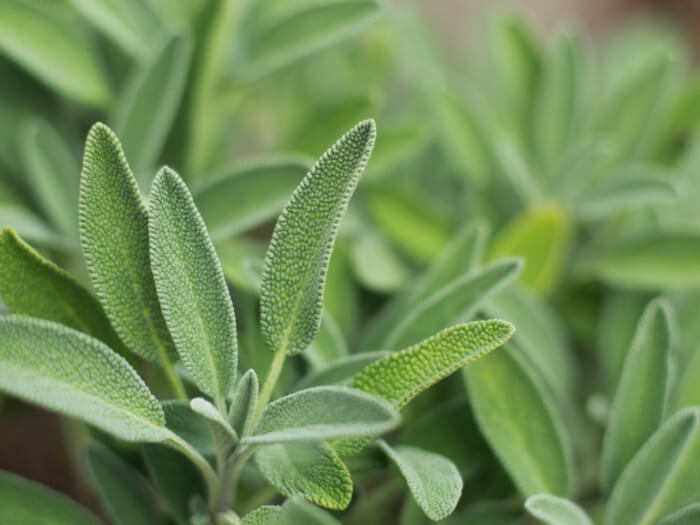
Sage is a hardy herb that enjoys hot sun and dry conditions once it’s established. While it likes a little moisture, it doesn’t appreciate soggy roots. Its soft, silvery-green leaves add both texture to your garden and earthy flavor to your cooking.
This woody perennial can reach up to 2 feet tall with regular pruning. You can grow sage in pots or garden beds, just make sure the soil drains well and let it dry out between waterings.
Read More: Can A Daily Dose of Sage Help Prevent Alzheimer’s?
#2 Artemisia
 Source: News-medical
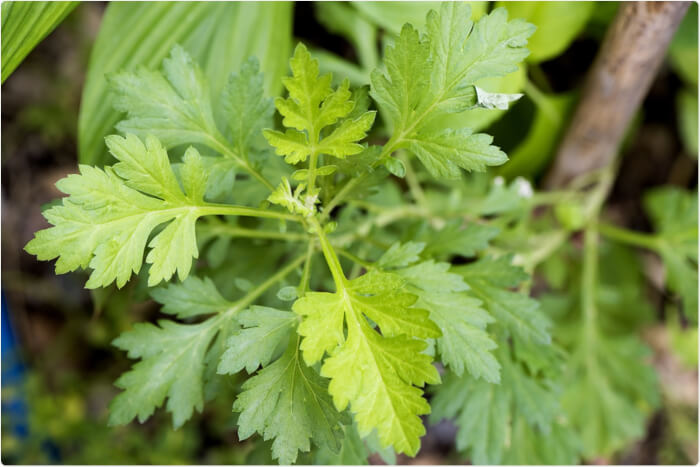
Artemisia isn’t just beautiful with its silvery leaves; it’s also incredibly drought-hardy and low-maintenance. This group of plants has hundreds of varieties, many of which release a soft herbal scent when touched.
Most types can handle poor soil and full sun, growing up to 3 feet tall. You can plant it along borders or mix it into herb gardens for contrast. Start with a small cutting or nursery pot and avoid overwatering to help it thrive.
#3 Lavender
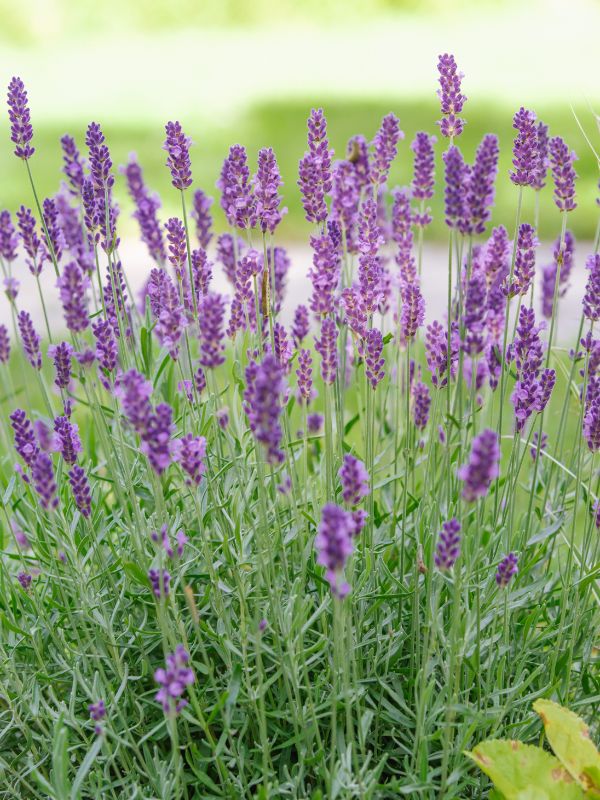
Lavender loves dry, sunny spots and gives off a sweet scent that fills the garden. It does best in zones 5 to 8 and grows between 2 to 3 feet tall, depending on the type.
You can choose compact varieties for containers or larger ones for hedges and borders. Let the soil dry completely between waterings and avoid humid, shady areas. Trim it back after flowering to keep the plant tidy and help it bloom again.
Read More: Discover Incredible Benefits of Lavender Leaves for Stress, Immunity, and Overall Wellness
#4 Thyme
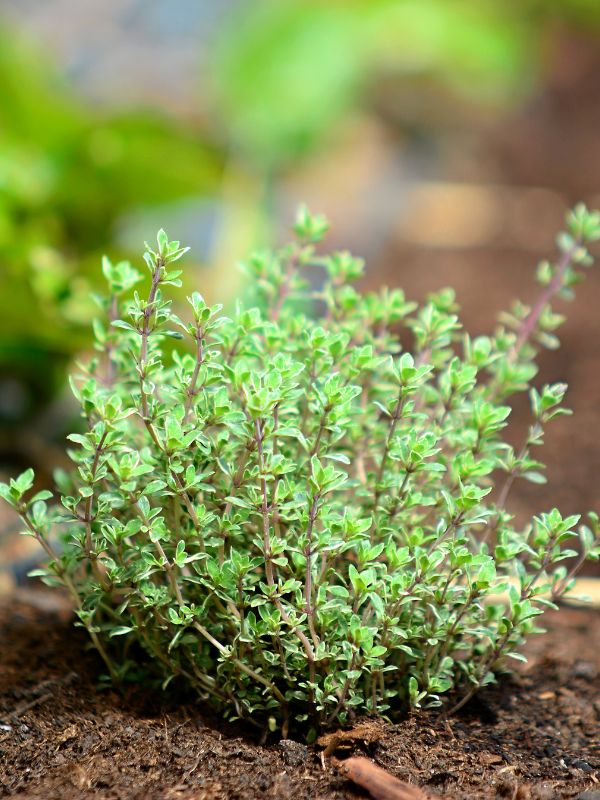
Thyme is a rugged little herb that’s perfect for hot, dry climates. It spreads low across the soil, making it a great ground cover between stepping stones or garden beds.
This sun-loving plant thrives in well-drained soil and adds a punch of flavor to meats, soups, and veggies. Just plant it somewhere warm, clip it often, and let it grow freely. It doesn’t need rich soil or much water to stay happy.
Read More: This Simple Thyme and Lemon Trick Can Transform Your Health in Weeks
#5 Rosemary
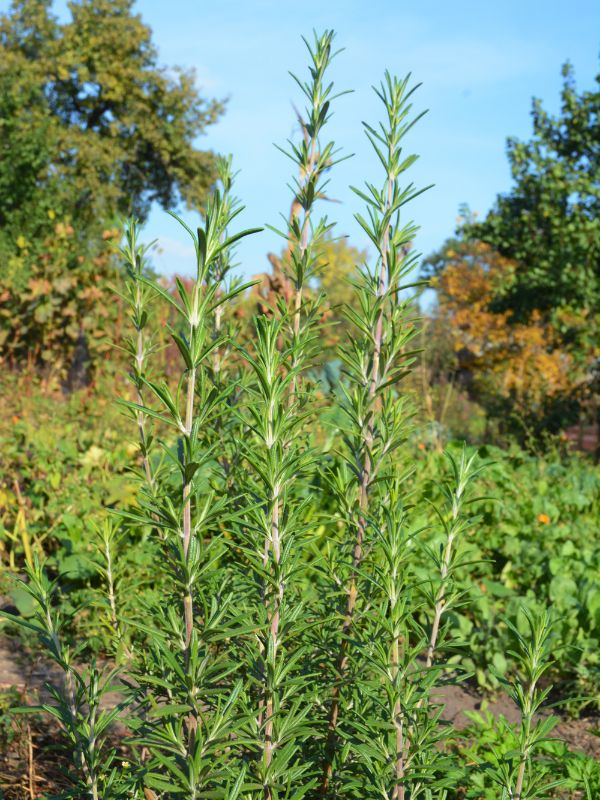
Rosemary is bold, fragrant, and incredibly tough once it’s settled into a spot. It can grow upright like a small shrub or trail over walls and pots, depending on the variety.
With its pine-like scent and needle-like leaves, it adds a Mediterranean vibe to any garden. Make sure the roots never sit in water and place it in full sun to avoid fungal issues. A little trimming will help it grow bushy and strong.
Read More: Rosemary for Vision: Can This Ancient Herb Truly Sharpen Your Sight?
#6 Fennel
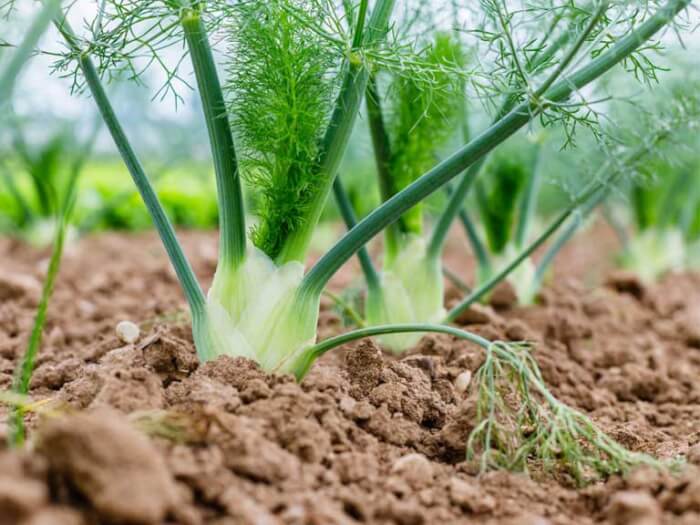 Source: Saga
Fennel stands tall in the garden with its feathery leaves and yellow summer blooms. It grows up to 4 feet high in zones 5 to 9 and brings in bees and butterflies. Its seeds and bulbs are both edible, adding a mild licorice flavor to your meals.
Choose a sunny area with light soil and give it room to stretch. Water it sparingly after it’s grown a good root system.
Read More: Why Fennel Seeds Are the Best Natural Remedy for Gas and Bloating
#7 Dandelion
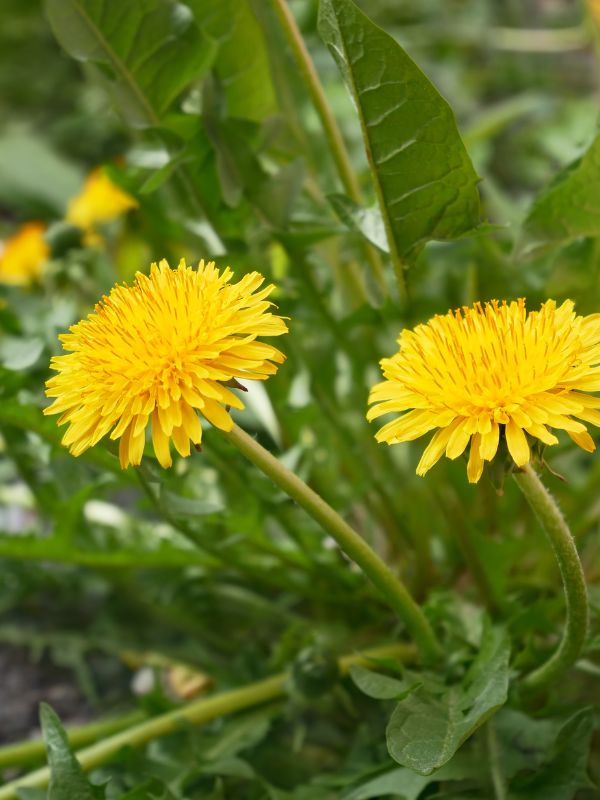
Don’t overlook dandelion, it’s more than just a weed. Its young leaves are packed with nutrients and can be tossed into salads or sautés. Dandelions love full sun and aren’t picky about soil, often thriving where other plants fail.
They’re fast growers and will self-seed easily if you let them flower. Pick leaves early when they’re tender, and try growing a few in pots to keep them contained.
Read More: Dandelion Leaf: Surprising Health Benefits and Essential Precautions
#8 Costmary
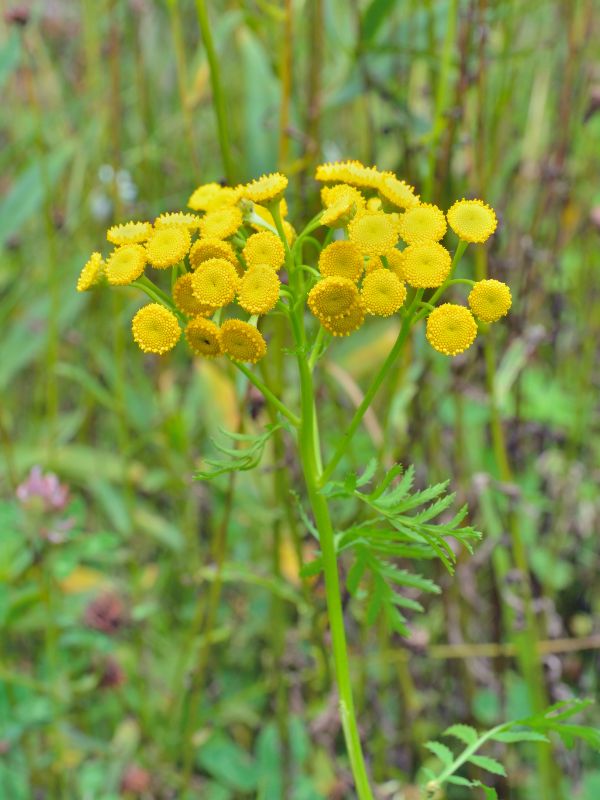
Costmary is an old-fashioned herb that deserves a spot in modern drought gardens. It grows tall up to 3 feet and spreads through rhizomes, filling in open spaces quickly. With a light, minty scent, it was once used to freshen air and flavor drinks.
Plant it in a sunny bed or part-shade spot and watch it multiply over time. Just keep an eye on its spread and divide clumps if they get too big.
#9 Savory
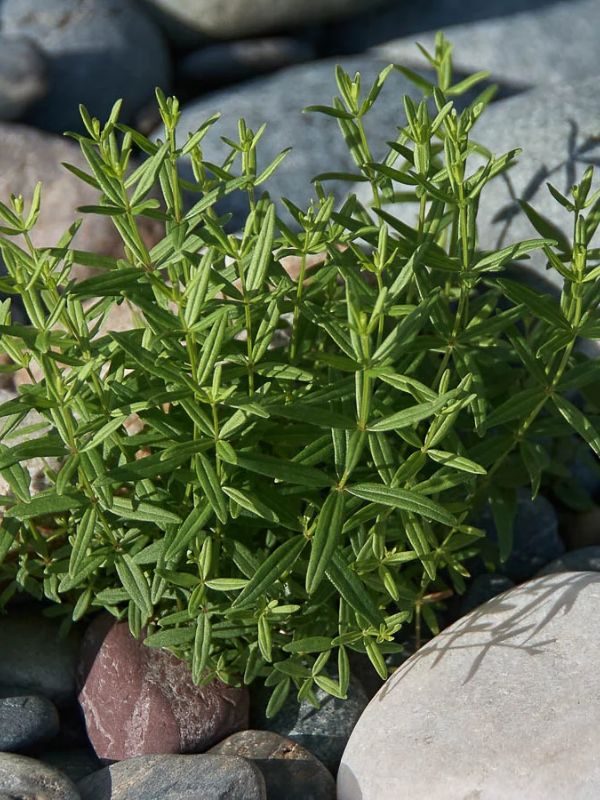
Savory is a compact herb with a peppery bite, and it’s easy to grow almost anywhere. Both summer and winter savory varieties do well in dry soil and full sun.
This herb stays under 15 inches tall, making it a good choice for containers or tight borders. You can start from seed or transplant small plants in spring. Harvest the leaves before it flowers for the best flavor.
#10 Mullein
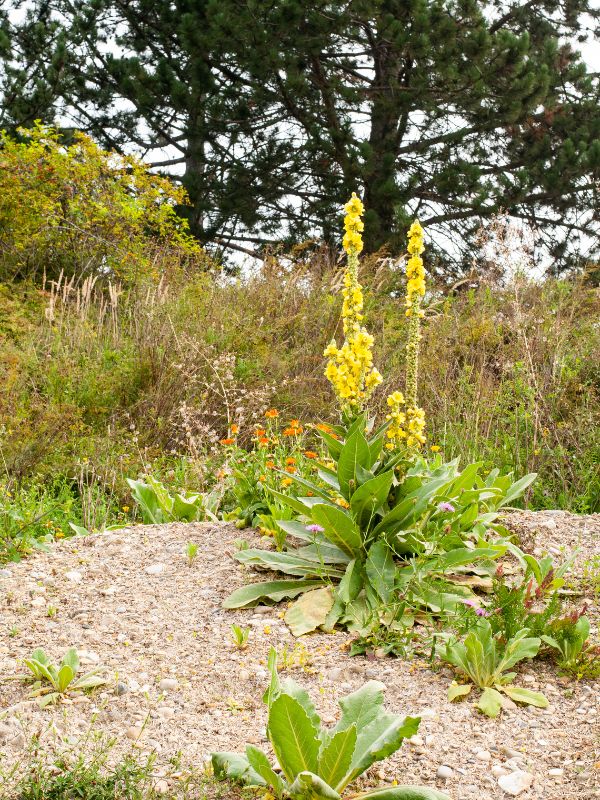
Mullein is a tall, striking plant with soft, fuzzy leaves and bright yellow flower spikes. Some types can grow up to 6 feet tall, and they thrive in dry, poor soil with full sun.
The leaves have been used in traditional remedies, and pollinators love the flowers. It’s a great plant for the back of a border or along a fence. Sow the seeds directly into the soil and avoid watering too much. Mullein prefers to be left alone.
Read More: You’ll Never Ignore Mullein Root Again After Learning These Incredible Benefits