
If you’re short on space but still want to grow fresh food, vining vegetables are the perfect solution. These climbing crops thrive when grown vertically, making them excellent for trellises, arbors, fences, or even balconies.
The beauty of growing vegetables upward is that you save ground space, improve airflow, and make harvesting easier. Many of these plants are not only practical but also add charm and greenery to your garden design.
With the right support, you’ll enjoy higher yields in a compact area. Here are 10 of the best vining vegetables that make the most of small gardens while giving you plenty to eat.
#1 Beans
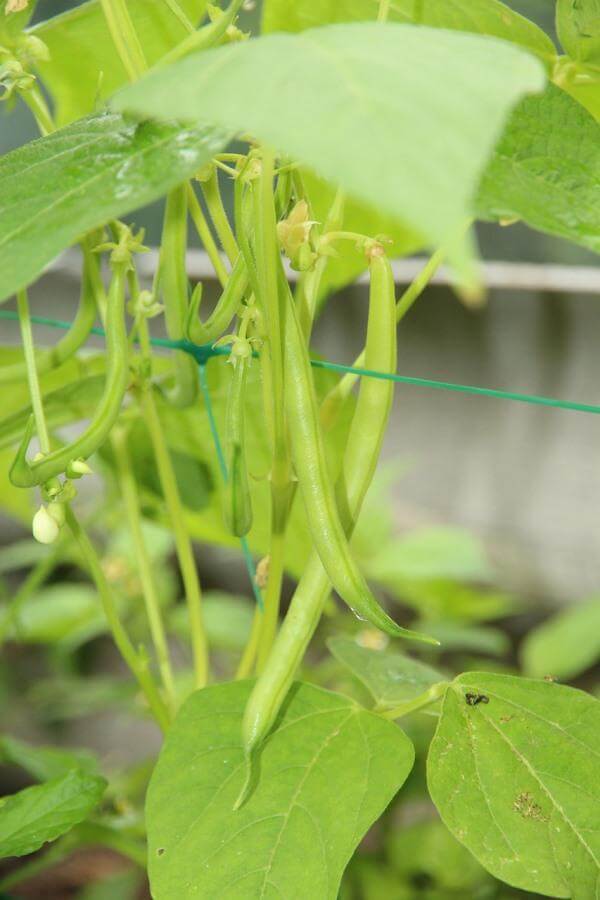
Beans are one of the easiest vegetables to grow vertically, making them a classic choice for trellises and poles. Their vines climb quickly, covering structures with lush greenery and producing a steady harvest of pods.
You can choose between pole beans, which grow tall and need support, or bush beans, which stay compact. Keep the soil moist but not soggy, and give them full sun for the best growth.
Harvest regularly to encourage continuous production. They’re a space-saving crop that rewards you with crisp, fresh beans throughout the season.
#2 Snowpeas
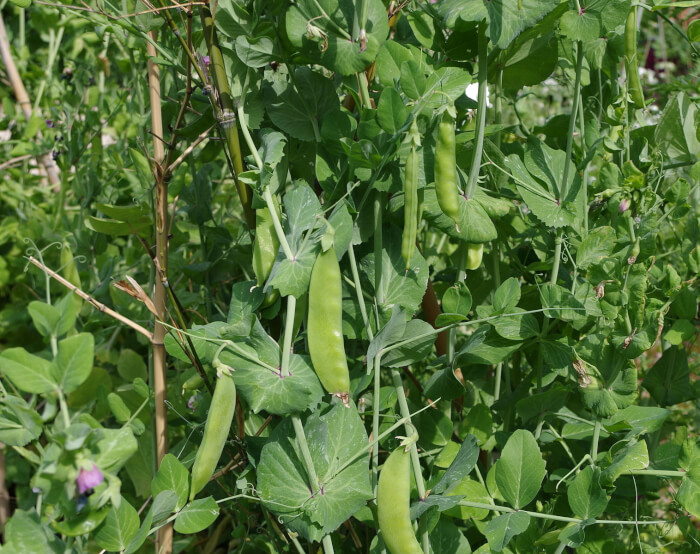
Snow peas are cool-season climbers that bring both beauty and productivity to a vertical garden. Their delicate tendrils latch onto trellises, netting, or wire with ease.
They are also frost-tolerant, which extends their growing season in cooler climates. Plant them in early spring or fall for the best results.
Regular picking keeps the vines producing longer. These peas not only save space but also provide a sweet, tender crunch straight from the garden.
#3 Bitter Melon
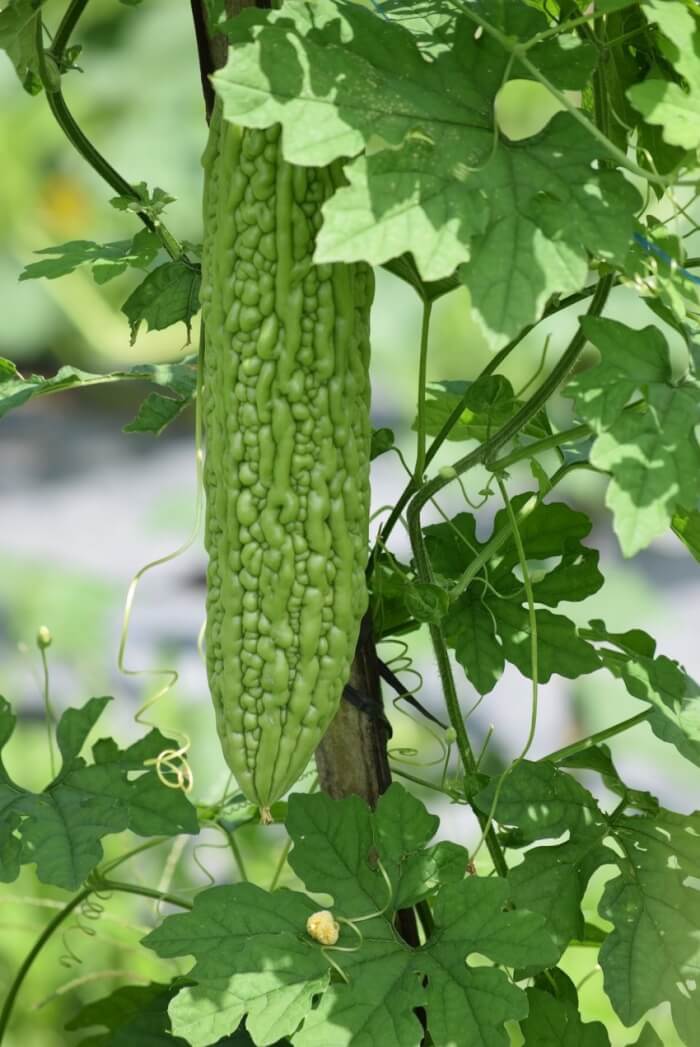
Bitter melon is a vigorous climbing vegetable often grown on pergolas or sturdy trellises. Its deeply lobed leaves and unusual green fruits make it both ornamental and edible.
This crop thrives in warm, tropical conditions and benefits from plenty of sunlight. The fruits should be harvested while still young for the best flavor.
Water consistently to keep the vines healthy, and provide enough support to manage their fast growth. For adventurous gardeners, bitter melon adds a unique taste and look to vertical spaces.
#4 Cucumber
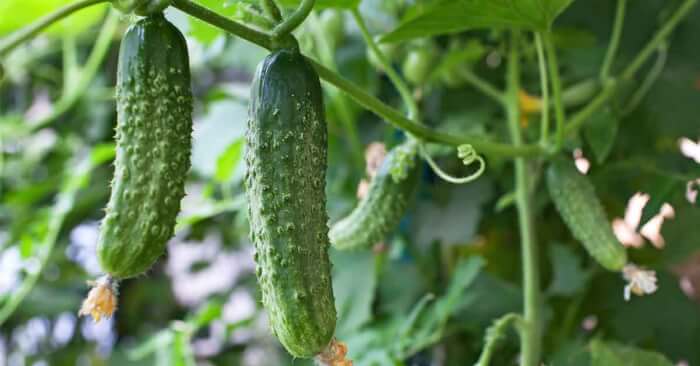
Cucumbers are perfect candidates for vertical gardening, producing straighter, cleaner fruits when grown on a trellis. Training the vines upward also reduces pest and disease issues since the leaves and fruit stay off the ground.
Choose compact or climbing varieties depending on your available space. Provide full sun and regular watering to keep the soil evenly moist.
Harvest cucumbers frequently to encourage more fruiting. Their refreshing crunch makes them one of the most rewarding vining vegetables to grow.
#5 Tomatoes
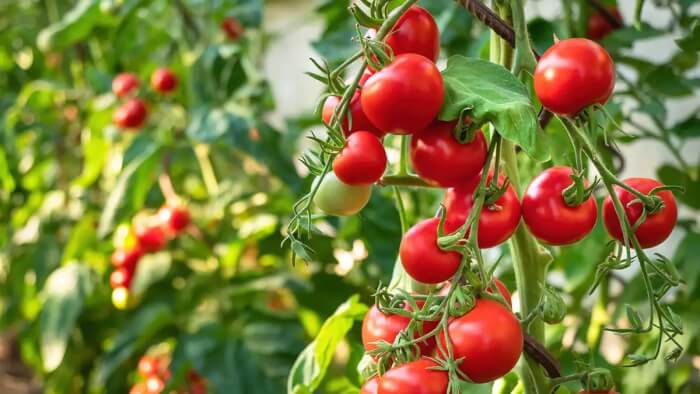
Tomatoes are among the most popular vegetables for vertical gardening, especially indeterminate varieties that naturally keep climbing. A sturdy trellis, cage, or string support is essential once the plants get heavy with fruit.
Tomatoes love sunlight, so place them in the brightest spot you have. Water consistently at the base to avoid fungal issues on leaves.
Prune suckers to keep the vines manageable and focus energy on fruiting. A vertical tomato garden not only saves space but also makes harvesting much easier.
#6 Pumpkin
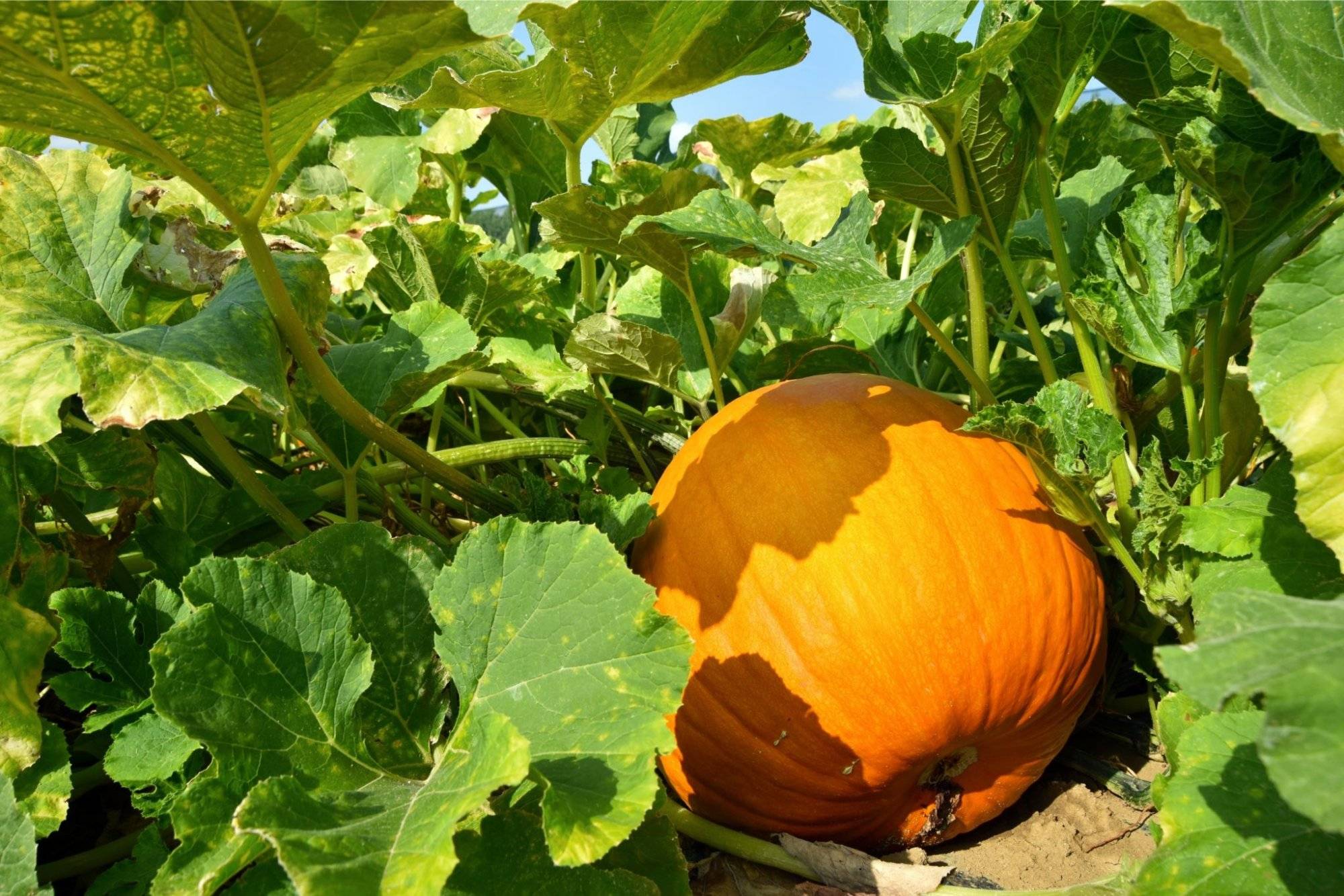
Small pumpkin varieties can be grown vertically if given strong support and some extra care. Their vines can be trained over trellises or arbors, creating a dramatic effect in the garden.
Since pumpkins are heavier than other vining crops, you’ll need to use slings or hammocks to hold the developing fruit. Choose compact cultivars for the best success in limited space.
Keep the soil rich and water deeply to encourage strong vines. Vertical pumpkins bring both food and striking ornamental value to your garden.
#7 Gourd
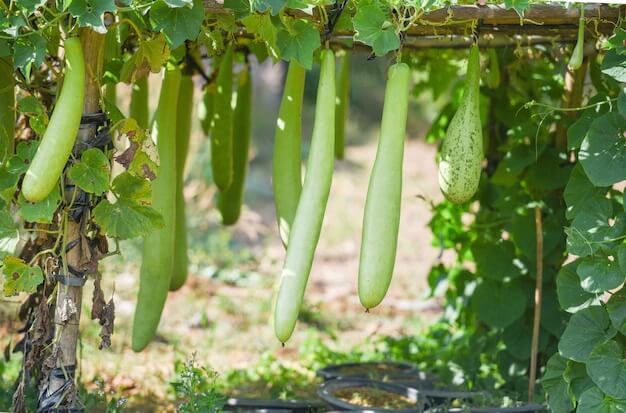
Gourds are natural climbers that look stunning when trailing over pergolas, arbors, or fences. They grow best in warm climates and need a long growing season of about 5–6 months.
Once the vines start, they grow quickly and cover large areas, offering both shade and visual interest. Harvest gourds when their skins harden, and they can be used for crafts or decoration.
Provide plenty of sun and water consistently during their active growth. Their unique shapes and versatility make them a rewarding vertical crop.
#8 Chayote
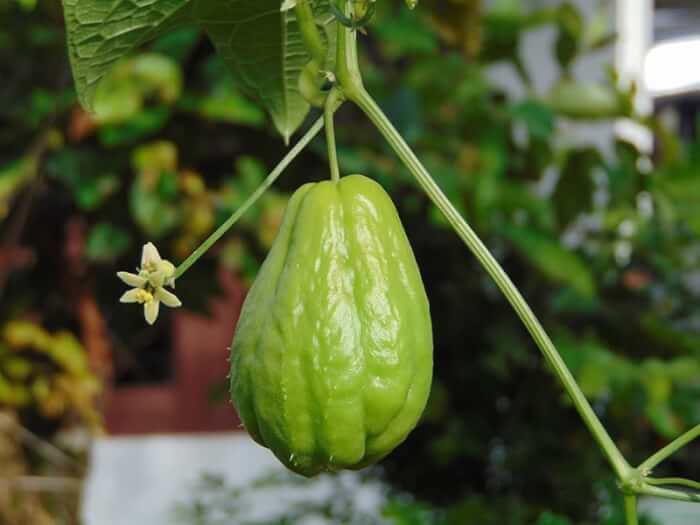
Chayote is a climbing vegetable that produces pear-shaped fruits with a mild, versatile flavor. It thrives in tropical and subtropical climates, where the vines can quickly cover trellises or fences.
The plant requires rich, well-draining soil and plenty of sun. Water regularly to keep the vines vigorous and fruiting well. Harvest when the fruits are tender and young for the best taste.
With its vigorous growth and generous yields, chayote is a practical choice for maximizing vertical garden space.
#9 Malabar Spinach
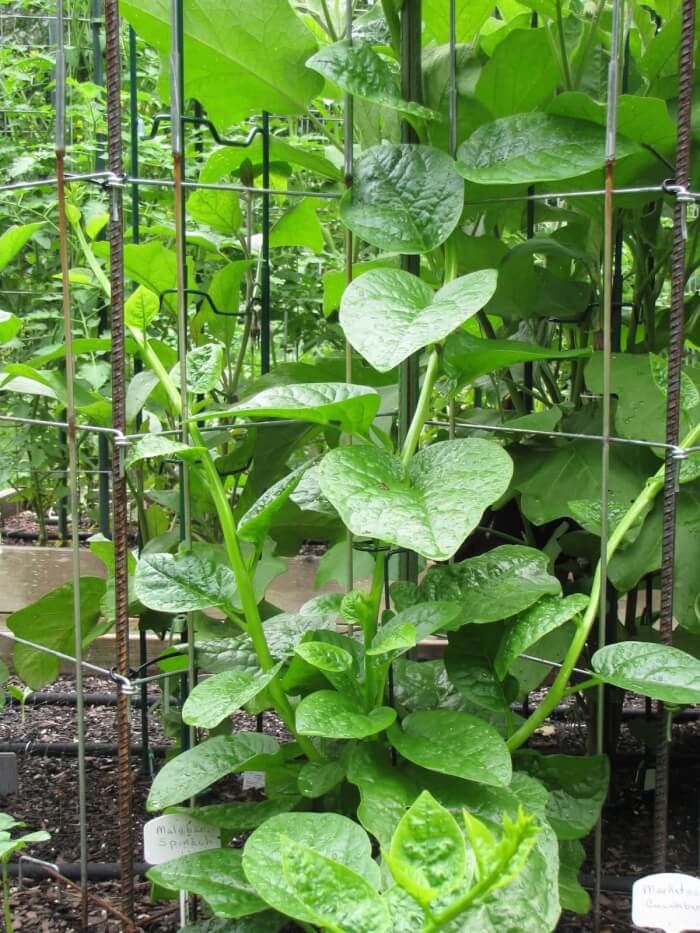
Malabar spinach is a leafy green that thrives in warm weather and climbs beautifully on trellises. Unlike regular spinach, it loves heat and stays productive through summer.
The glossy green or red-tinged leaves can be harvested continuously for fresh salads or stir-fries. Start from seeds or cuttings, and give the plant a sunny location with moist soil.
Pinch back the tips to encourage bushier growth and more leaves. This vining green is both ornamental and delicious, perfect for vertical gardening.
#10 Luffa
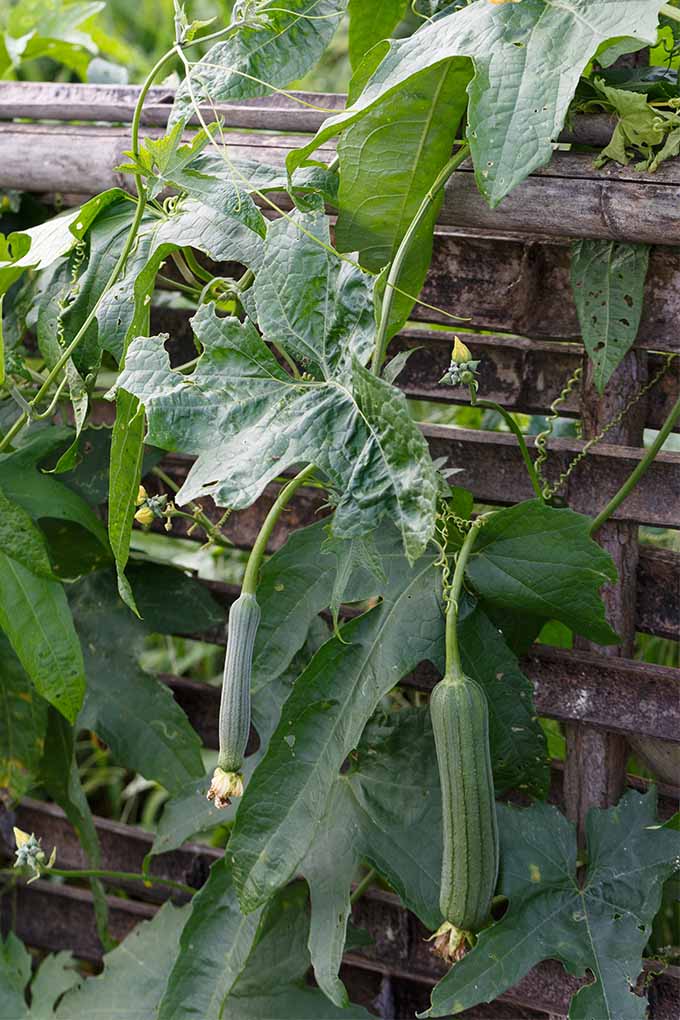
Luffa, also known as sponge gourd, is a fascinating climbing plant that doubles as both food and utility. When harvested young, the fruits can be eaten like zucchini, but if left to mature, they dry into natural sponges.
Luffa grows best in warm climates and needs a sturdy support structure to handle its vigorous vines. Provide consistent watering and plenty of sun for optimal growth.
The plant takes several months to mature, but it’s worth the wait. Growing luffa adds both practicality and fun to your vertical garden.