
Have alkaline soil and not sure what to plant? You’re not alone. Many gardeners discover their soil leans “sweet,” with a pH higher than 7. That’s not a problem, it’s actually an opportunity to grow vegetables that prefer these conditions.
When you match plants to your soil’s natural chemistry, you’ll see stronger roots, healthier leaves, and better harvests.
These 12 vegetables love alkaline soil and are great picks for beginner and seasoned gardeners alike. Let’s explore which ones will thrive best in your garden.
#1 Beet
 Source: Crytonic
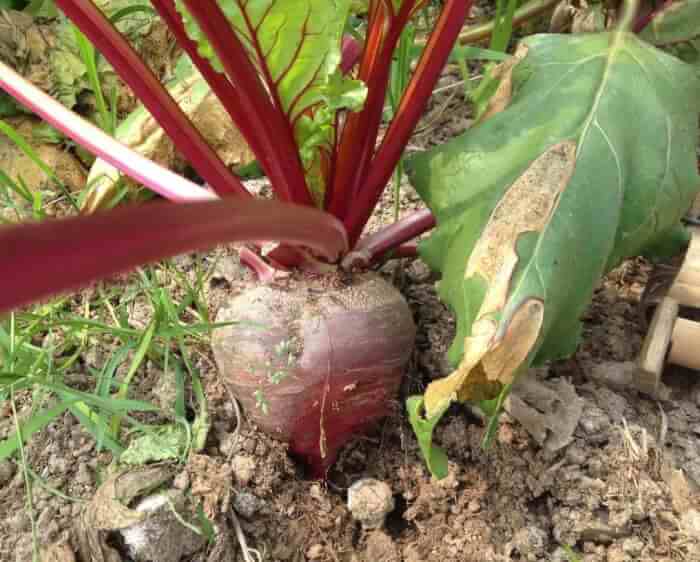
Beets are right at home in alkaline soil, thriving between pH 6.0 and 7.5. They’re dependable root veggies that don’t mind cooler temperatures, making them perfect for early spring or fall planting.
In sweet soil, their roots tend to grow more evenly and taste slightly sweeter. Choose a sunny location and keep the soil loose so the roots can expand freely. Add compost to improve texture and moisture.
Water regularly but let the soil dry out slightly between sessions to avoid rot. Harvest when the tops are lush and the roots feel firm.
#2 Garlic
 Source: Portlandediblegardens
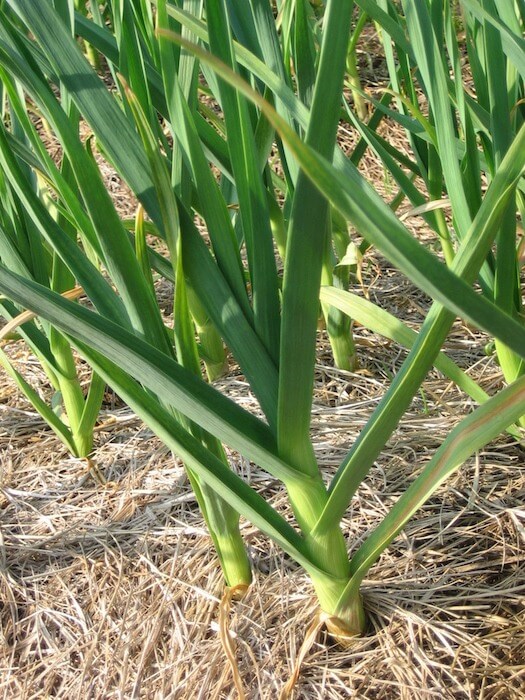
Garlic can handle a wide pH range, from 5.5 to 8.0, but it truly thrives in sweet, well-drained soil. It’s a hardy crop that requires very little once it’s in the ground.
If you’ve got alkaline soil, your garlic will likely grow with stronger flavor and firmer bulbs. Plant individual cloves in fall before the ground freezes.
Make sure each clove is pointed side up and spaced a few inches apart. Keep the area weed-free so it doesn’t compete for nutrients.
#3 Spinach
 Source: Harvesttotable
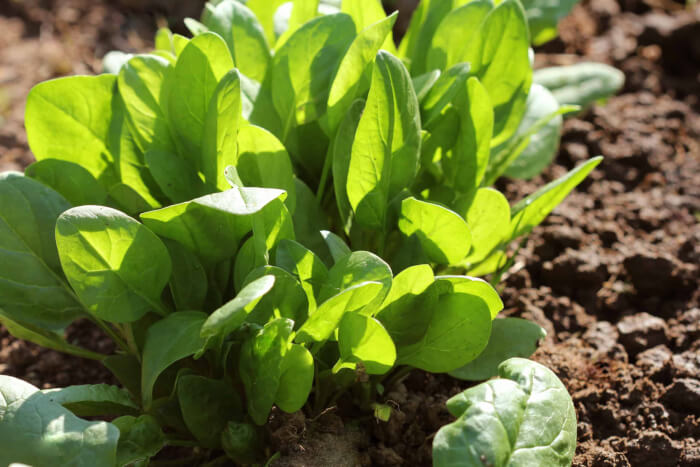
Spinach loves soil that sits between pH 6.0 and 7.5 and will reward you with lush, dark green leaves when the conditions are just right. It’s a fast grower that prefers cooler weather and partial sun.
In alkaline soils, spinach tends to grow more vigorously, especially when fed with compost or aged manure.
Sow directly in the ground and thin out crowded seedlings early. Keep the soil moist to prevent the leaves from turning bitter. Harvest when the leaves are tender and still young for the best flavor.
#4 Pea and Sweat
 Source: Harvesttotable
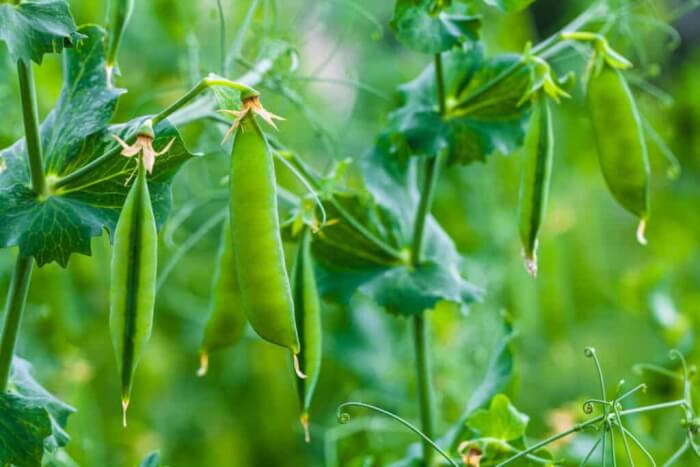
Peas feel right at home in mildly alkaline soil, especially within a pH range of 6.0 to 7.5. They grow best in early spring before temperatures rise. These climbers appreciate well-drained soil and a bit of support like a trellis or cage.
Work in compost before planting to help them establish quickly. Sow seeds directly and space them for airflow to avoid mildew. Keep an eye out for flowers, they’ll turn into pods faster than you think.
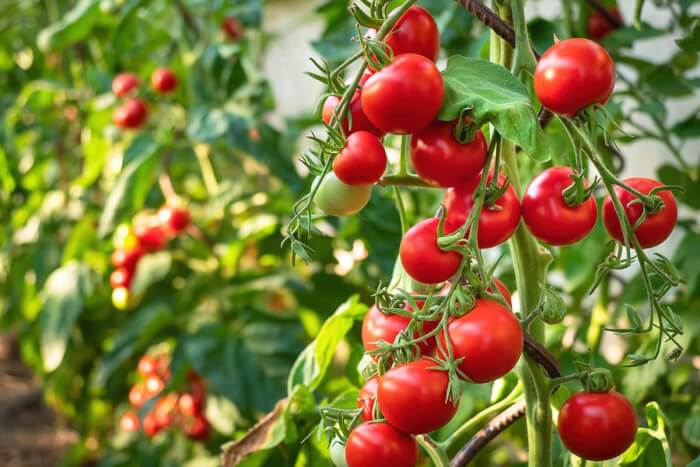
#5 Tomato
 Source: Newscientist
Tomatoes prefer slightly acidic to mildly alkaline soil, anywhere from pH 5.5 to 7.5. In sweeter soil, they can still produce juicy, flavorful fruit as long as you keep the nutrient levels balanced.
Make sure the plants get at least six hours of sunlight daily. Mulch around the base to retain moisture and prevent weeds. Support the plants with stakes or cages as they grow taller.
Pick the fruits when they turn deep red and feel slightly soft to the touch.
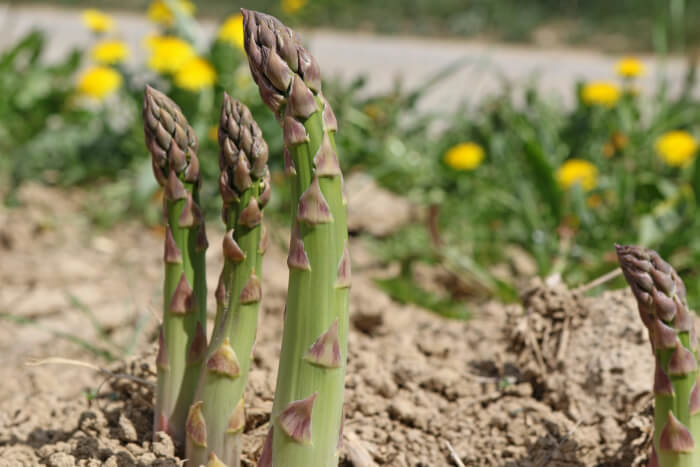
#6 Asparagus
 Source: Almanac
Asparagus thrives in long-term beds and can grow happily in soils from pH 6.0 to 8.0. Once established, it keeps producing for years. Alkaline soil gives it the slow and steady support it needs to grow strong spears.
Plant crowns in trenches and backfill gradually as they grow. Keep weeds out and let the ferns grow tall in summer to feed the roots. Don’t harvest in the first year, it’s worth waiting for those thick, delicious spears.
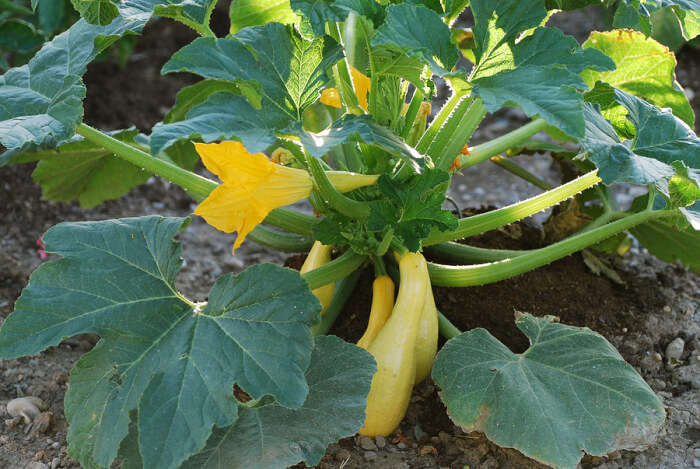
#7 Crookneck Squash
 Source: Harvesttotable
This cheerful summer squash loves sweet soil with a pH between 6.0 and 7.5. It grows quickly and rewards you with buttery, tender fruits. In alkaline soil, the plant stays productive longer, especially with consistent watering.
Choose a sunny spot with plenty of space for the vines to sprawl. Sow seeds after the last frost or start indoors if needed. Keep the fruits harvested regularly to encourage more growth.
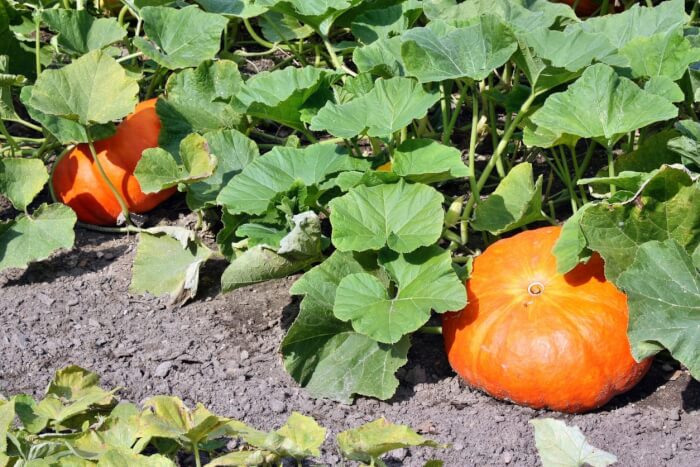
#8 Pumpkin
 Source: Gardeningknowhow
Pumpkins do just fine in alkaline soils between pH 5.5 and 7.5. They’re heavy feeders, so enriching the soil with compost before planting makes a big difference. These sprawling vines need lots of space and sunshine.
Sow seeds directly into warm soil and keep the ground evenly moist. Watch for the yellow flowers to appear, which soon turn into baby pumpkins. Harvest when the skin turns hard and the stem dries out.
#9 Brussels Sprouts
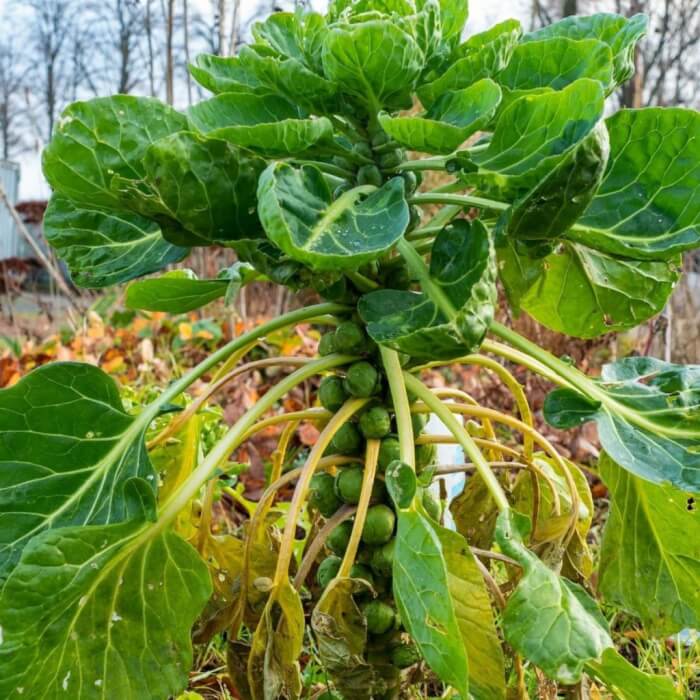 Source: Simplifylivelove
Brussels sprouts grow best in sweet soil with a pH of 6.0 to 7.5. These cool-season veggies love consistent moisture and cooler weather. In alkaline soil, you’ll notice tighter, tastier sprouts forming up the stalk.
Start seeds early and transplant once they have a few strong leaves. Give each plant plenty of room to grow and support the stalks if they start leaning. Wait until after the first frost to harvest for sweeter flavor.
#10 Cauliflower
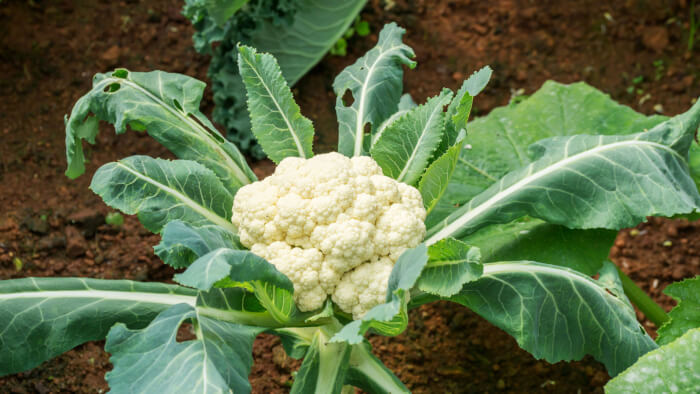 Source: Gardeningknowhow
Cauliflower appreciates pH levels from 5.5 to 7.5, and alkaline soil helps it form compact, dense heads. It can be a bit picky, so steady moisture and consistent feeding make a big difference.
Plant in early spring or late summer to avoid extreme heat. Keep the soil rich and well-aerated for best growth. If the heads start to yellow, try tying the outer leaves over the top to shield them from the sun.
Harvest when the heads are firm and about the size of your hand.
#11 Kale
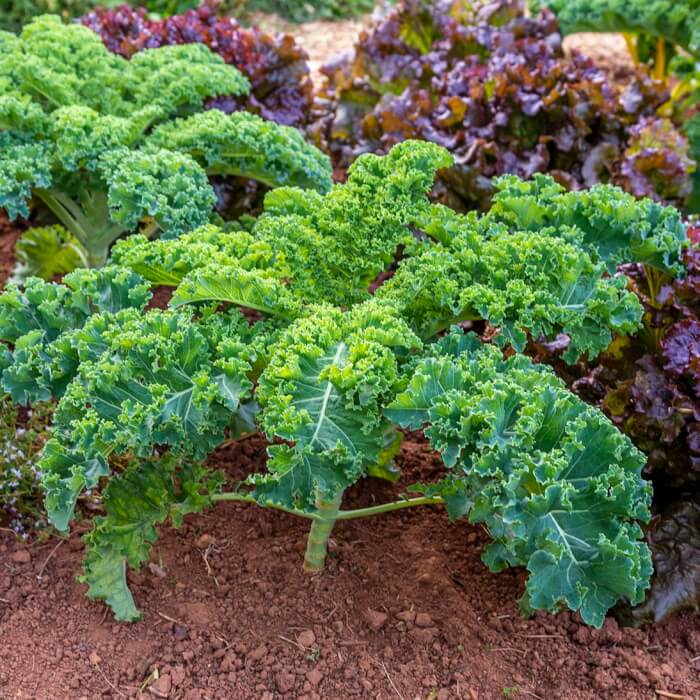 Source: Thespruce
Kale does great in sweet soil, especially between pH 6.0 and 7.5. This leafy green is both cold-hardy and packed with nutrients. In alkaline soil, kale produces crisper leaves and grows more steadily.
Sow seeds directly in early spring or fall. Space plants out to allow for airflow and prevent pests. You can start harvesting outer leaves once the plant reaches about 8 inches tall.
#12 Beans and Pole
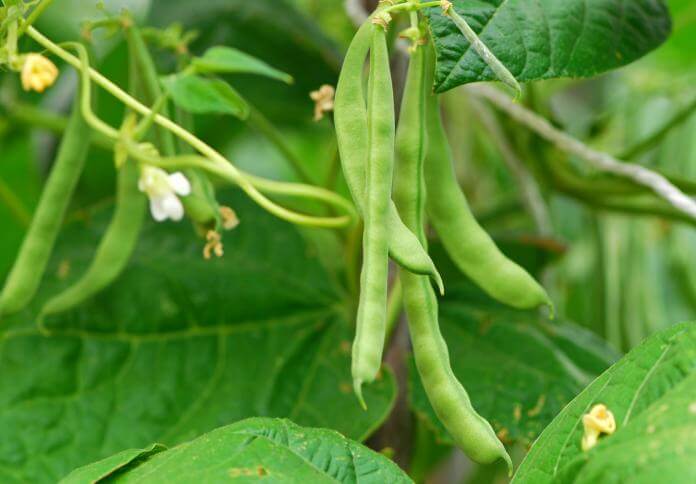 Source: Almanac
Beans enjoy slightly alkaline soil within a pH range of 6.0 to 7.5. Both pole and bush types are easy to grow and quick to produce. In alkaline soil, they establish strong root systems and keep flowering longer.
Sow seeds after the last frost when the soil warms up. Provide support for pole varieties, and keep the area weed-free. Pick beans often to keep the plant producing new pods.