
Medicinal plants are some of the most valuable additions you can grow in your garden because they combine natural beauty with powerful healing benefits.
From soothing herbs like chamomile and basil to stronger remedies such as valerian or milk thistle, these plants have supported health for centuries.
Growing them at home gives you easy access to remedies for stress, digestion, immunity, and more without leaving your backyard. Many are hardy, easy to cultivate, and will thrive with basic care in containers or garden beds.
In this guide, you’ll discover 12 popular medicinal plants you can grow easily and how they can help your everyday wellness.
#1 Valerian
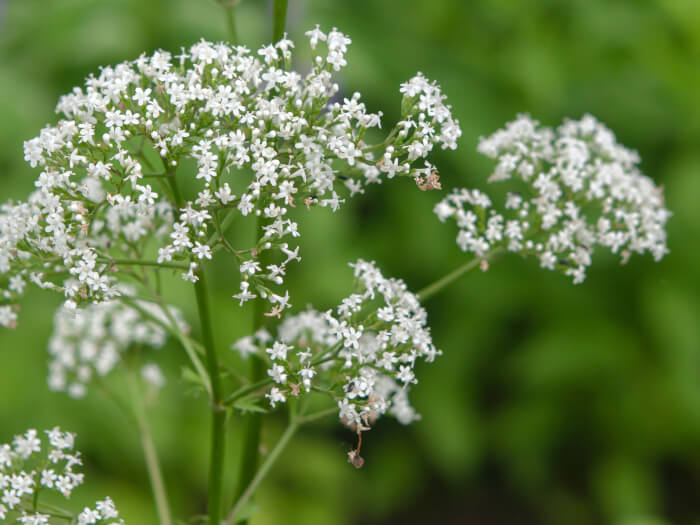
Valerian is a tall perennial herb known for its calming properties. Its roots are the most valuable part, often used in teas and tinctures to help with insomnia, stress, and headaches.
If you want stronger roots, cut the flowers early so the plant’s energy moves downward. It prefers moist soil and thrives in partial sun or light shade.
Harvest roots in autumn after the second year when they are most potent. Growing valerian at home gives you a natural sleep aid right from your garden.
#2 Violet
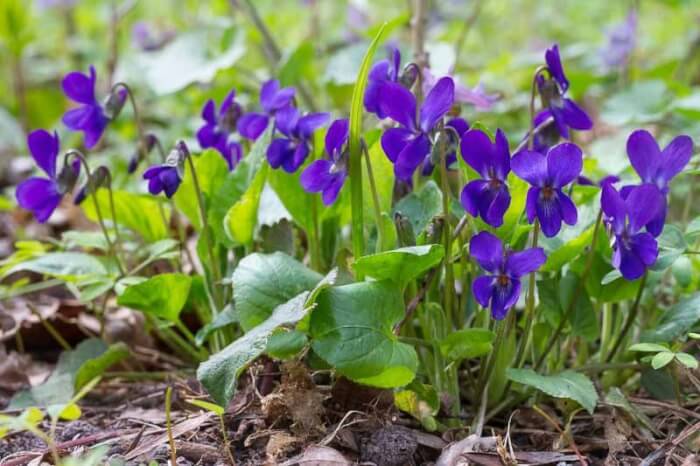
Violets brighten your garden in spring with their purple blossoms, but they are also edible and medicinal. The flowers and leaves are rich in vitamins and have been used to soothe coughs and sore throats.
You can add fresh flowers to salads or brew them into tea. Plant violets in moist, shaded spots and water regularly for lush growth.
Harvest flowers early in the morning for the best flavor and potency. Their dual beauty and healing power make them a must-have for your herbal garden.
#3 Yarrow
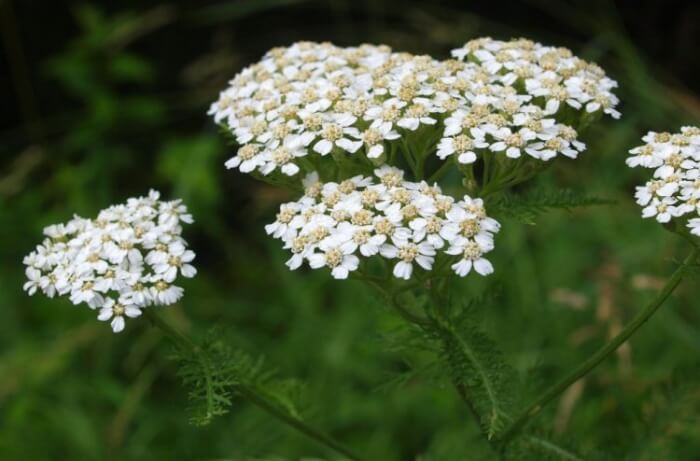
Yarrow is an old-fashioned healing plant prized for its feathery leaves and clusters of white blooms. It is well known for improving circulation and easing inflammation.
You can dry the flowers and leaves to make herbal teas or healing compresses. Yarrow grows well in full sun and prefers well-drained soil, making it an easy-care choice.
Once established, it spreads quickly and tolerates dry conditions. Plant it along borders where it will both attract pollinators and serve as a natural remedy.
#4 Feverfew
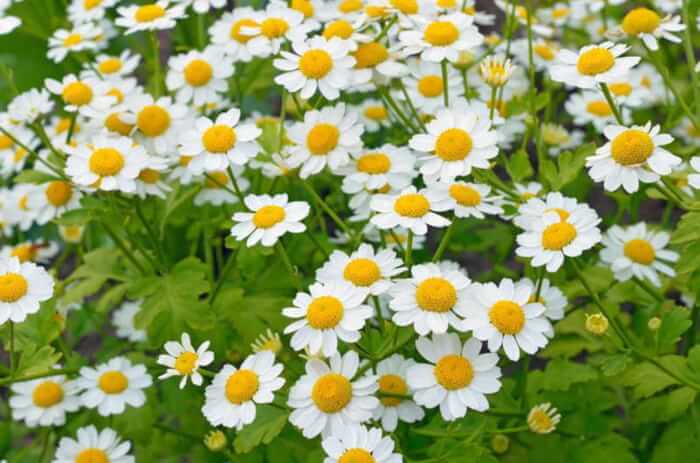
Feverfew is a charming ornamental with small, daisy-like flowers that hold strong medicinal value. Traditionally, it has been used to reduce migraines and ease fevers. Grow it in full sun and average soil, and it will thrive with little effort.
To use, harvest the leaves just before the plant flowers and dry them for teas or capsules. Regular pruning will encourage bushier growth and more blooms.
Keeping feverfew in your garden gives you a beautiful plant that doubles as a gentle remedy.
#5 Common Foxglove
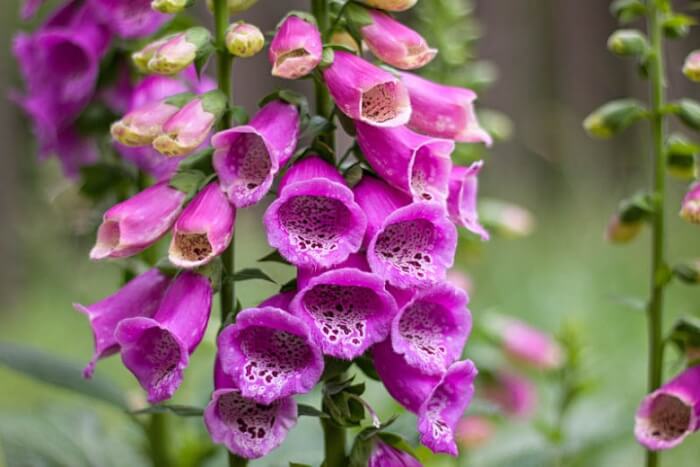
Foxglove is striking in a cottage garden with its tall spires of tubular blooms. Behind its beauty, it contains compounds that are used to treat heart conditions, but it must be handled with extreme care as it is highly toxic.
Plant it in moist, well-drained soil and partial shade for best results. Avoid ingesting the leaves directly, but admire its value as both an ornamental and a historically important medicinal plant.
Always wear gloves when handling it to stay safe. With proper caution, foxglove adds drama and history to your garden.
#6 Coriander
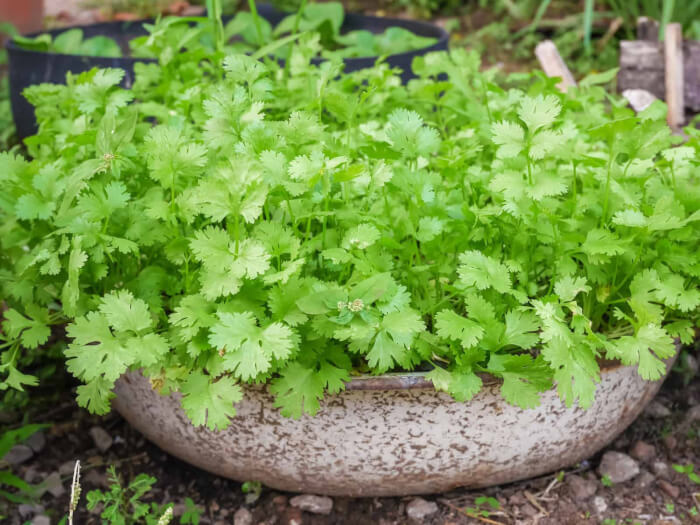
Coriander, also called cilantro or Chinese parsley, is both a culinary star and a medicinal herb. It supports digestion, eases bloating, and is used in traditional medicines for detoxification.
Sow seeds directly into containers or garden soil in a sunny spot. Water lightly but often, and harvest fresh leaves when the plant is young for the best flavor.
You can also collect seeds to grind into spice for curries and herbal remedies. Coriander is a versatile plant that bridges your kitchen and medicine cabinet.
#7 St. John’s Wort
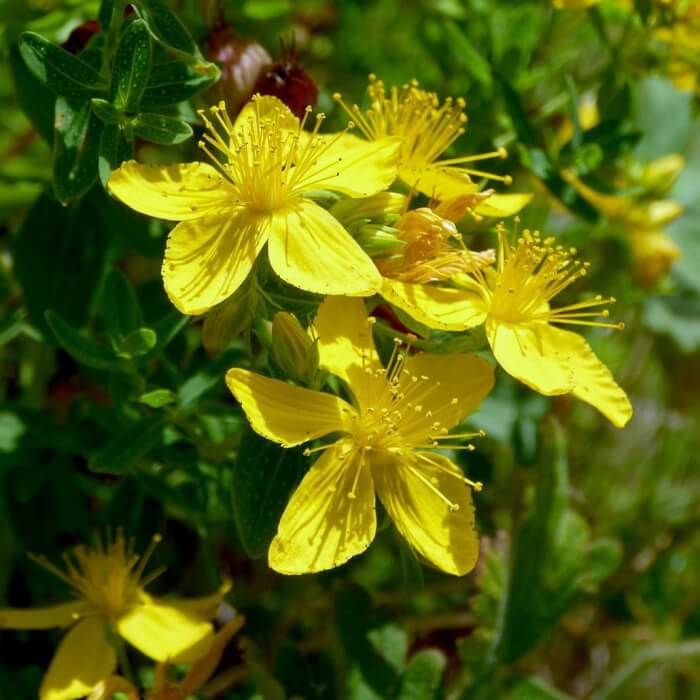
St. John’s Wort is a hardy herb that grows like a wildflower and has bright yellow blooms. It is most famous for its use in easing mild depression and anxiety. You can dry the flowers to make teas or infuse them in oil for a healing rub.
Plant it in a sunny location with well-drained soil and water moderately. It can spread quickly, so consider giving it a dedicated space. With its cheerful flowers and medicinal value, it’s a rewarding addition to the garden.
#8 Garlic
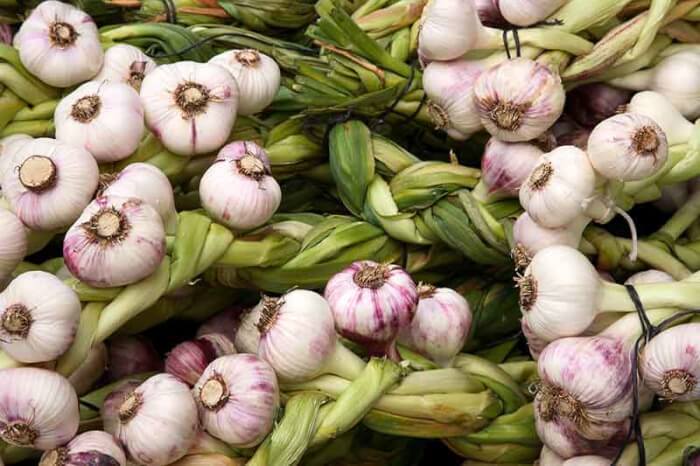
Garlic is one of the easiest medicinal plants to grow, and its benefits are well-documented. It helps prevent colds, supports heart health, and acts as a natural antioxidant. Plant individual cloves in well-drained soil with plenty of sunlight.
Water regularly, but avoid overwatering to prevent rot. Harvest bulbs when the leaves begin to yellow and dry. Having garlic on hand means you always have a potent natural remedy for immunity and cooking.
#9 Basil
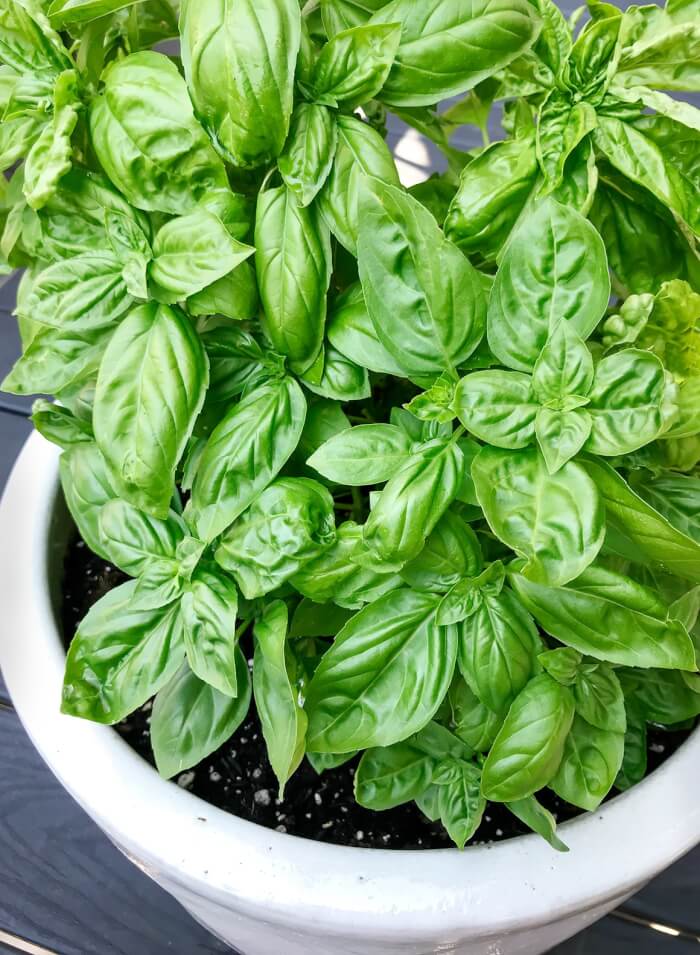
Basil is beloved in the kitchen but also carries medicinal strength. It supports digestion, relieves stress, and even aids in treating infections. Plant basil in pots or garden beds where it can get at least six hours of sunlight.
Pinch back the tops often to encourage bushy growth and continuous harvest. Use fresh leaves for teas, tinctures, or simply to flavor food. Growing basil ensures you always have a plant that is both healing and delicious.
#10 Milk Thistle
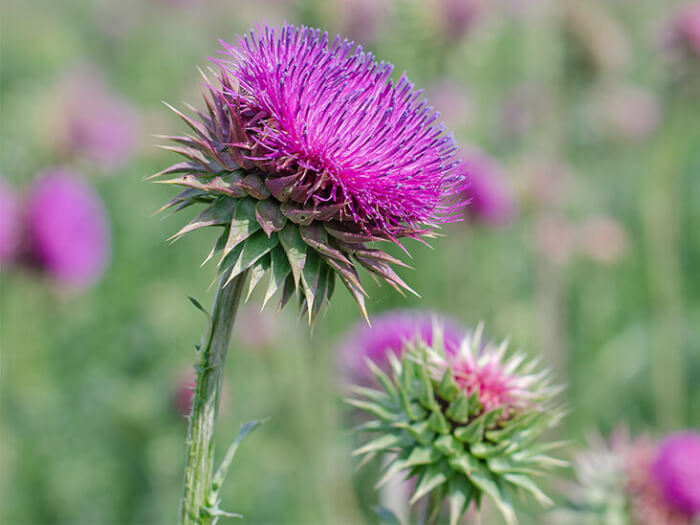
Milk thistle is easily recognized by its spiky leaves marked with white veins. It is valued for protecting and detoxifying the liver, especially from alcohol or toxins. Sow seeds in sunny areas with well-drained soil, and water lightly.
Harvest seeds once the flowers turn brown and dry. Use the seeds in teas or supplements to support liver health. This tough plant adds bold texture to your garden while offering powerful medicinal uses.
#11 Marijuana

Marijuana is widely known as an intoxicant, but it also has therapeutic uses when grown responsibly. It can help with glaucoma, chronic pain, and nausea, and may ease symptoms of depression.
Grow it in a warm, sunny spot with nutrient-rich soil if permitted in your region. Keep humidity balanced and prune regularly for healthy growth.
Harvest the buds when the flowers are resinous and aromatic. Always check your local laws before planting, as regulations vary greatly.
#12 Mimosa
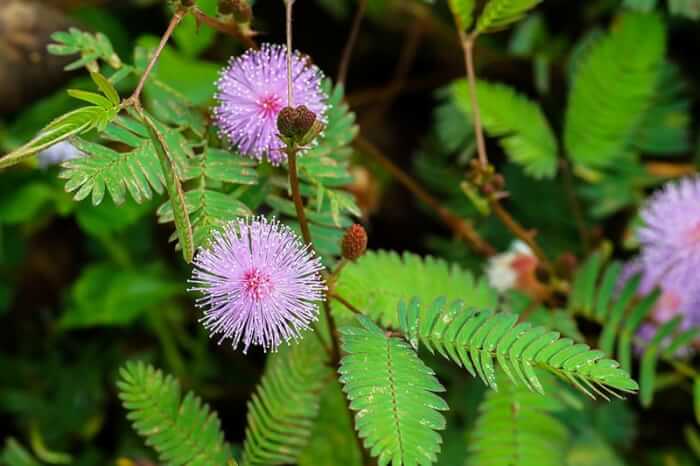
Mimosa, also called the sensitive plant, produces delicate pink blossoms and feathery leaves. Beyond its beauty, it helps heal skin injuries and supports cell regeneration thanks to its tannins and minerals.
Plant it in warm, sunny spots with well-drained soil. Water moderately and prune to maintain shape. You can use the bark and leaves to make herbal preparations for minor wounds.
Adding mimosa brings both ornamental charm and healing benefits to your garden.