
Running out of room in your garden? Let your vegetables climb. Vertical gardening is a clever way to get more crops from less space, and these climbing veggies are perfect for the job.
They grow upward with a little help, covering walls, fences, or trellises with lush leaves and edible rewards.
Whether your outdoor area is small or you just want to use your space more creatively, these plants make it easy to grow fresh food at home.
You don’t need a huge backyard to enjoy a bountiful harvest. With a bit of support and sunlight, these climbing vegetables will thrive along any garden wall.
#1 Cucumber
 Source: Scholastic
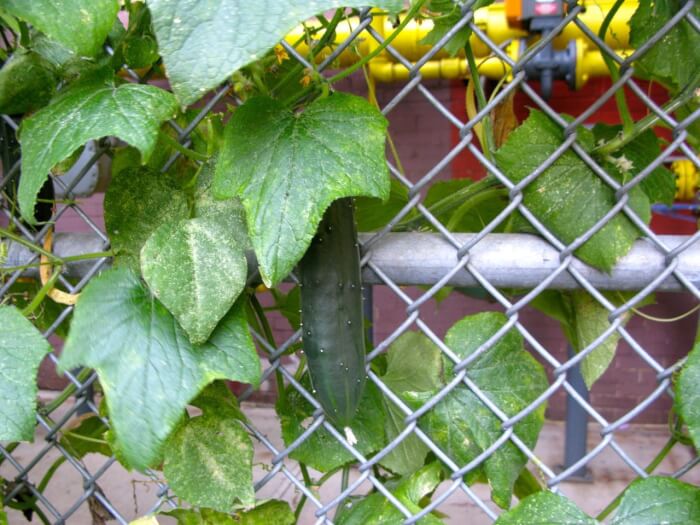
Cucumbers love to stretch out, but they grow beautifully when given a vertical boost. As the vines climb upward, they stay healthier and produce straighter fruits.
You’ll need to offer a strong trellis or mesh for support, especially once the fruits begin to form. Harvesting is easier when everything is within reach. Compact or bush varieties are great if you’re working with a tighter wall space.
#2 Pole Beans
 Source: Thespruce
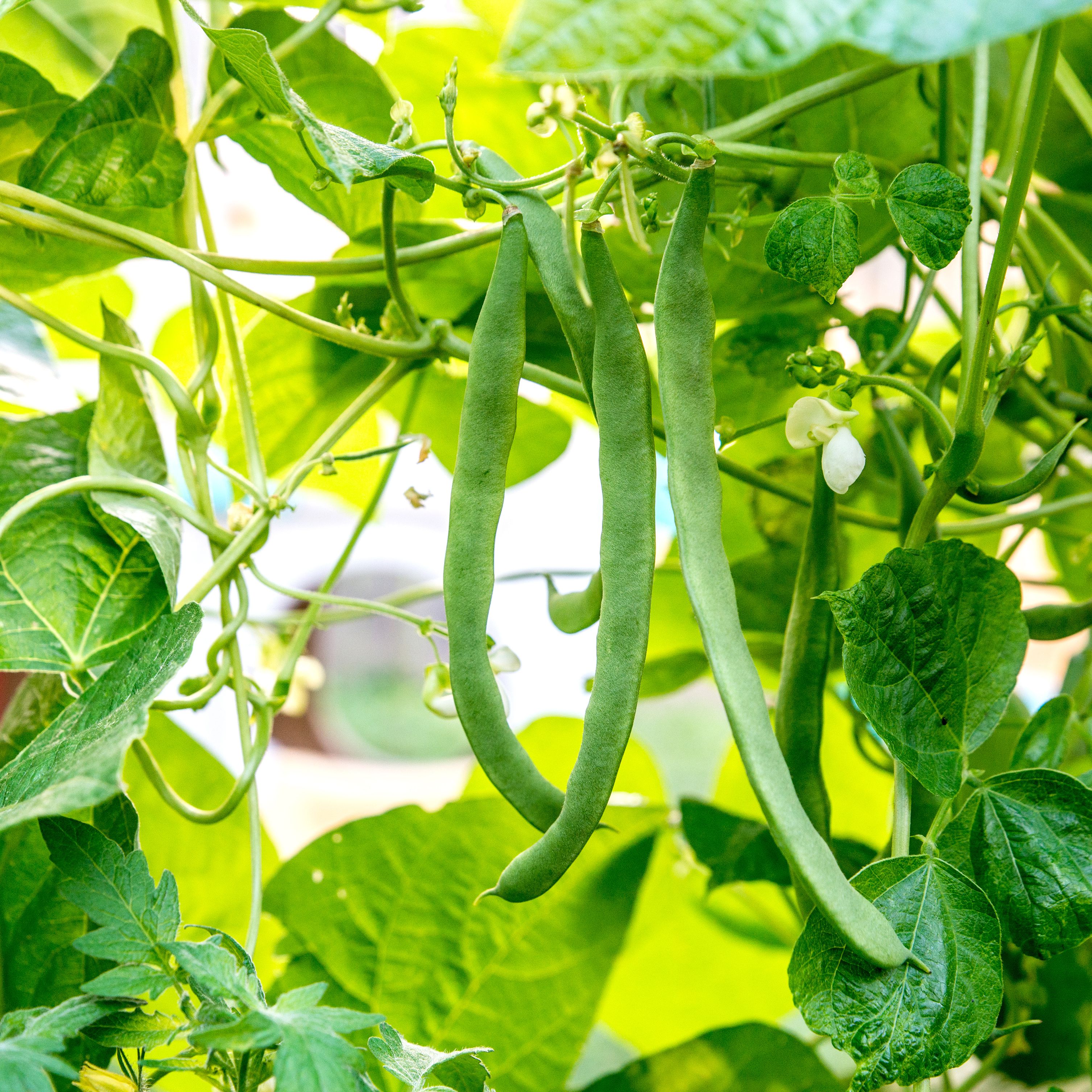
Pole beans are quick growers that seem to shoot up overnight once the weather warms. Their vines can grow six feet or more, making them a perfect fit for fences or garden walls.
They prefer full sun and rich, moist soil to really thrive. You can enjoy fresh beans throughout the season with regular picking. Watching the vines twist their way upward is part of the fun.
#3 Peas
 Source: Harvesttotable
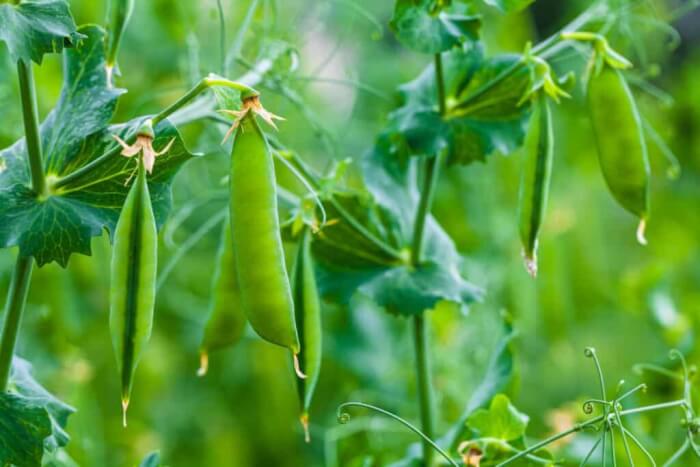
Peas add a delicate touch to any vertical garden with their curling tendrils and pretty blossoms. These cool-weather crops climb easily with netting, strings, or even chicken wire.
They don’t need much space to give a generous yield, especially if picked frequently. Snap, snow, and shelling peas all do well in a garden wall setup. Their soft vines are easy to train and harvest from.
#4 Malabar Spinach
 Source: Groundbreakingroots
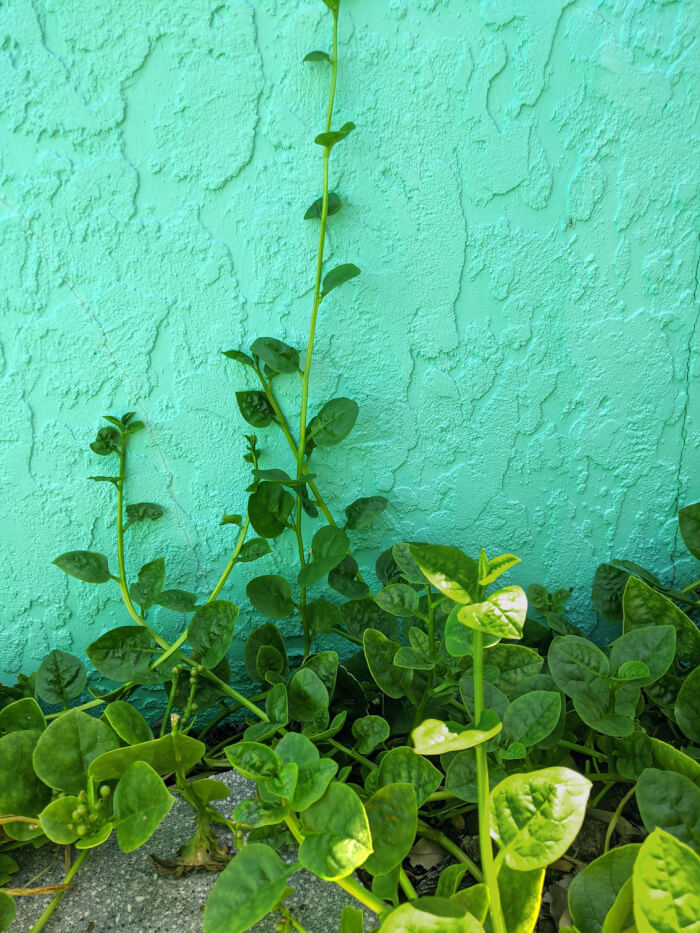
Malabar spinach isn’t your typical leafy green. Its glossy, thick leaves and trailing stems love the heat and can grow up walls with striking beauty. The plant is ornamental and edible, offering a mild spinach flavor even in midsummer.
Provide it with rich soil, consistent watering, and a sturdy trellis to help it thrive. It keeps growing back each time you harvest the leaves.
#5 Pumpkin
 Source: Washingtonpost
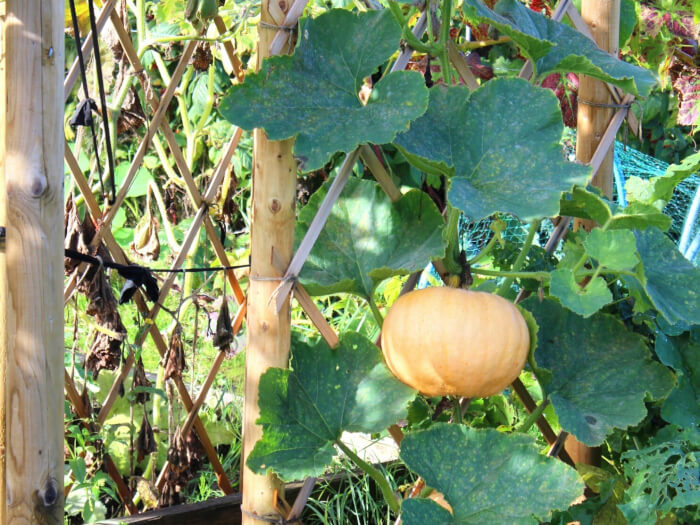
Pumpkins might sound too heavy for a wall, but with the right support, they’re surprisingly adaptable. As the vines sprawl upward, small to medium varieties can grow vertically with the help of slings or mesh to cradle the fruit.
They enjoy full sun, nutrient-rich soil, and plenty of space for the roots to spread. It’s a fun and rewarding challenge to grow your own pumpkins in the air. Plus, the big leaves provide a beautiful leafy screen.
#6 Nasturtiums
 Source: Gardenerspath
Nasturtiums bring color, charm, and edible blooms to any vertical setup. The leaves and flowers have a peppery kick and make salads more exciting. They grow quickly, trailing over railings or climbing up garden netting with minimal care.
Nasturtiums prefer poor soil and don’t need fertilizer, which makes them perfect for low-maintenance gardeners. Their cheerful flowers attract pollinators too.
#7 Melons and Watermelons
 Source: Gardeningknowhow
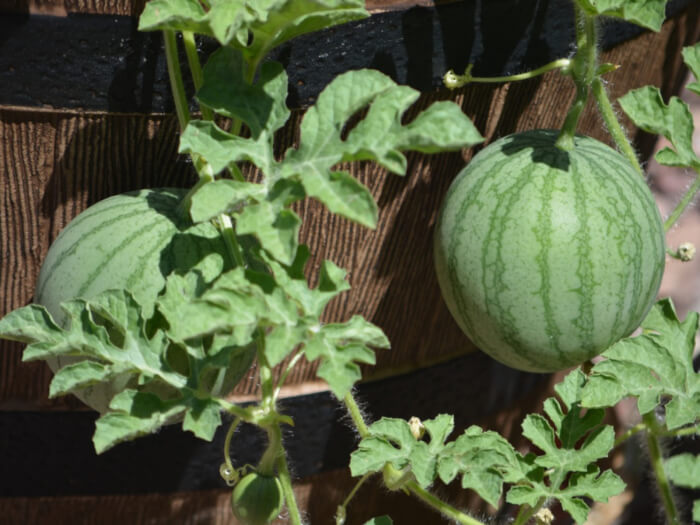
Small melon and watermelon varieties are great for climbing if you give them strong support. As the vines grow upward, the fruit can be held in fabric slings tied to the trellis.
Choose compact types like cantaloupes or personal-size watermelons for the best results. They need lots of sun and regular watering to produce sweet, juicy fruit. It’s a fun way to turn a plain wall into a summer harvest spot.
#8 Chayote
 Source: Schoolgardenweekly
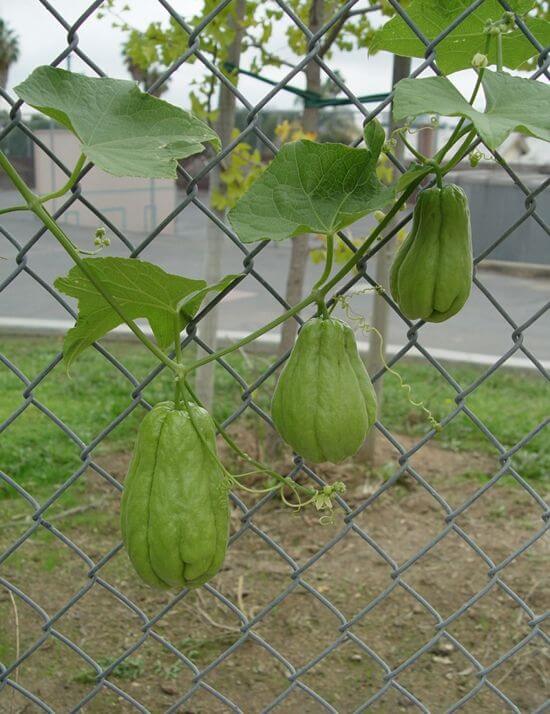
Chayote is a tropical vine that climbs quickly and covers large areas with bright green leaves. It loves growing up fences and trellises, especially in warm, moist climates.
The fruits resemble pale green pears and taste mild, making them easy to cook in different dishes. A single plant can give you dozens of fruits by season’s end. Just make sure it gets enough sun and space to spread.
#9 Loofah (Luffa)
 Source: Nhm
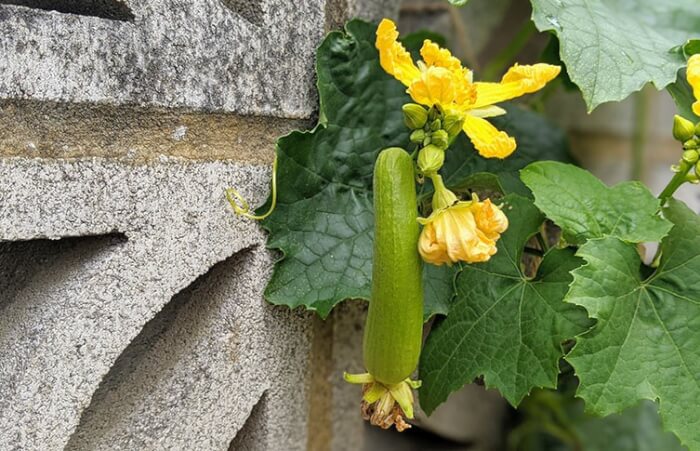
Loofahs are more than just bath sponges, they’re also edible when young and tender. These climbing vines thrive in warm weather and enjoy a sunny spot with well-draining soil. As the vines grow tall, they’ll need a trellis or arch to stretch across.
Let the fruit mature on the vine if you’re growing them for sponges. The yellow flowers and long gourds are visually striking too.
#10 Hops
 Source: Gulleygreenhouse
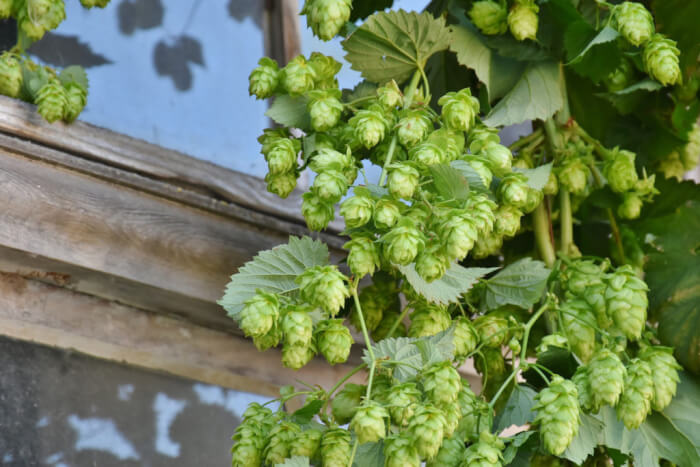
Though best known for beer-making, hops can also be a stunning vertical plant for a garden wall. Their vines grow fast up to 20 feet in a single season and wrap easily around wires or strings.
They prefer full sun and benefit from regular pruning to encourage airflow. While you may not use the cones for brewing, they make a beautiful privacy screen. Their soft foliage adds texture and movement to any vertical space.
#11 Lablab Beans
 Source: Gardenerspath
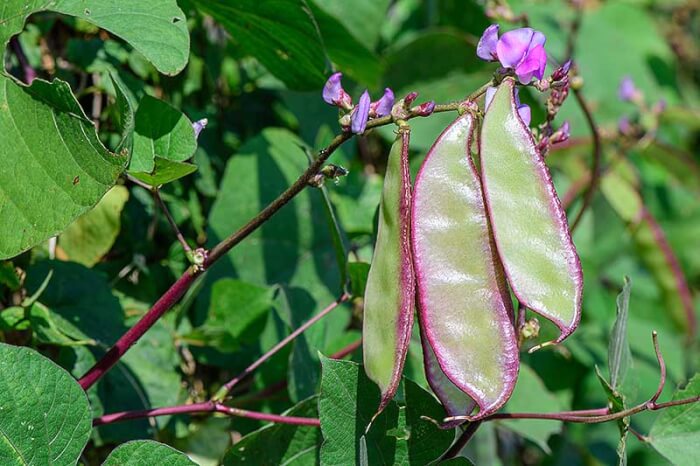
Lablab beans grow as vigorous vines that love the heat and bring color with their purple stems and flowers. These beans flourish in large containers or raised beds with a trellis.
They need regular watering and support once the vines take off. The pods, leaves, and seeds are all edible when prepared properly. Lablab plants are especially popular in tropical gardens.
#12 Tomatoes
 Source: Thisnzlife
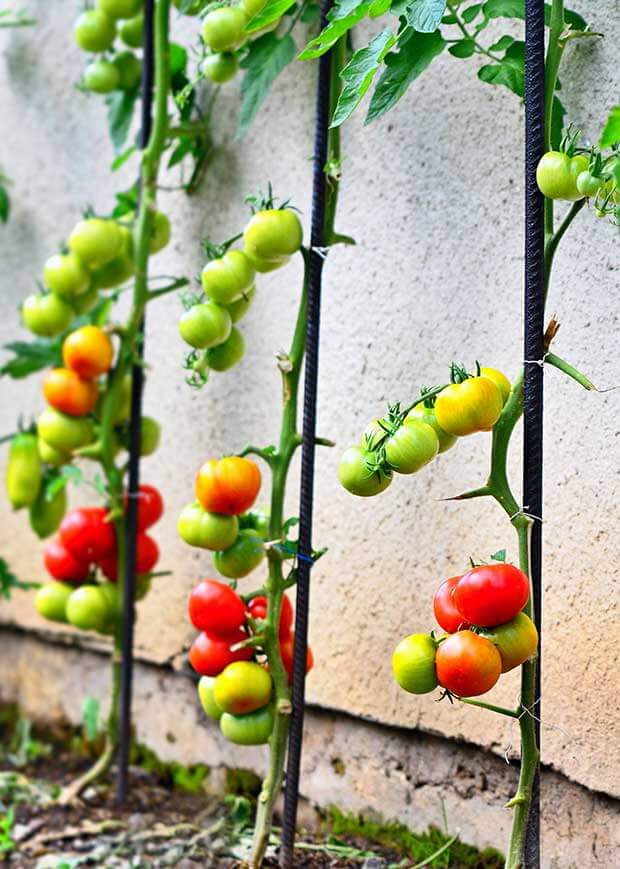
Indeterminate tomatoes, or vining types, are natural climbers that need a little training. By tying them to trellises or cages, you can save space and keep the fruit off the ground.
They need at least six hours of sunlight and consistent watering to thrive. Pruning side shoots helps keep the plant tidy and focused on producing fruit. There’s something rewarding about picking ripe tomatoes straight from the vine.
#13 Bitter Melon
 Source: Morningchores
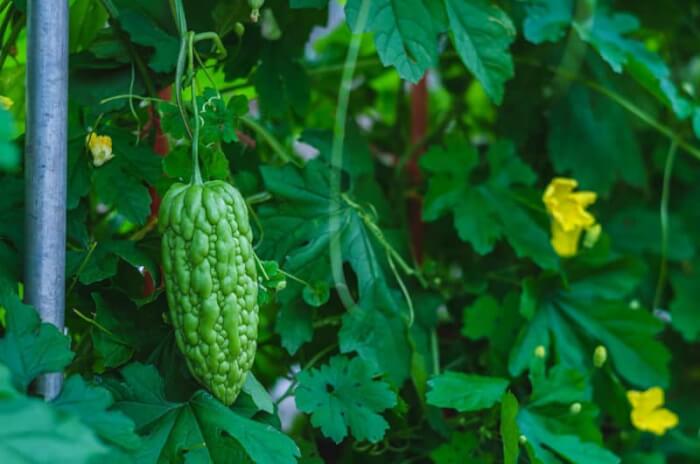
Bitter melon is a fast-growing vine that thrives in heat and humidity. It’s a staple in many Asian kitchens and grows well on pergolas or trellises with plenty of sunlight. The lobed fruits hang down like lanterns and are harvested while still green.
This plant appreciates fertile soil and consistent watering. Its unique shape and flavor make it stand out in both the garden and the kitchen.