
The Fulani braid is a fantastic hairstyle. Therefore, if you’ve been looking for risky yet lovely braided hairstyles, look no further since they are right here!
Let’s begin by defining what Fulani braids are. It is a distinct hairstyle with a large following in African regions that bears the name of the Fula ethnic group.
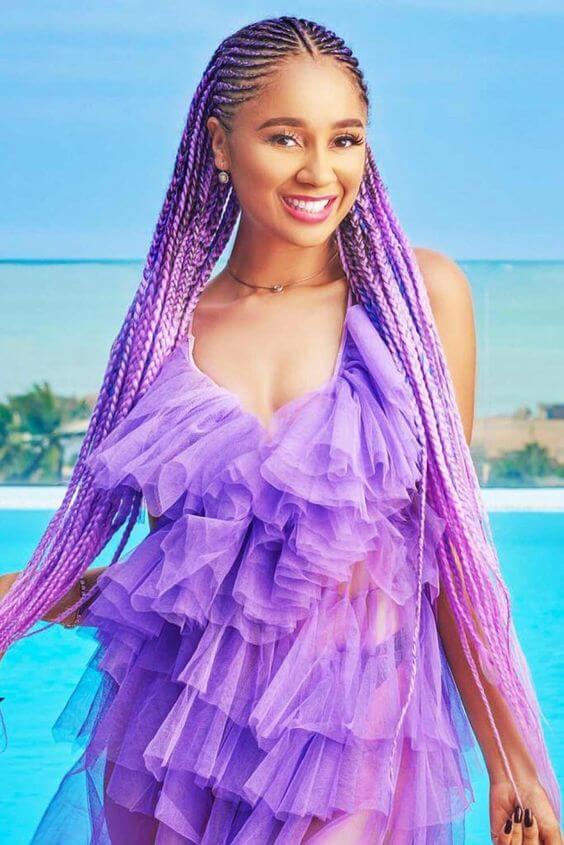
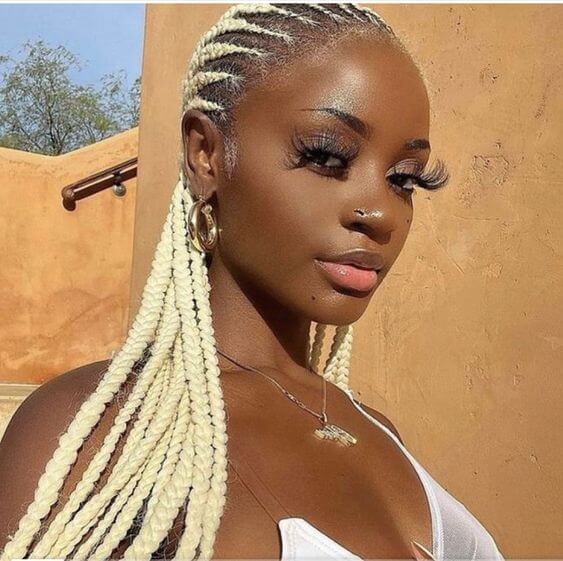
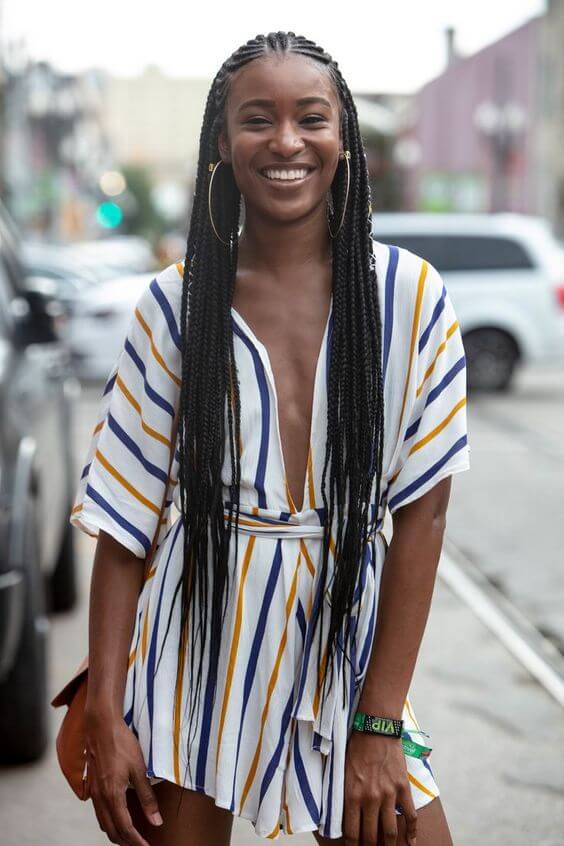
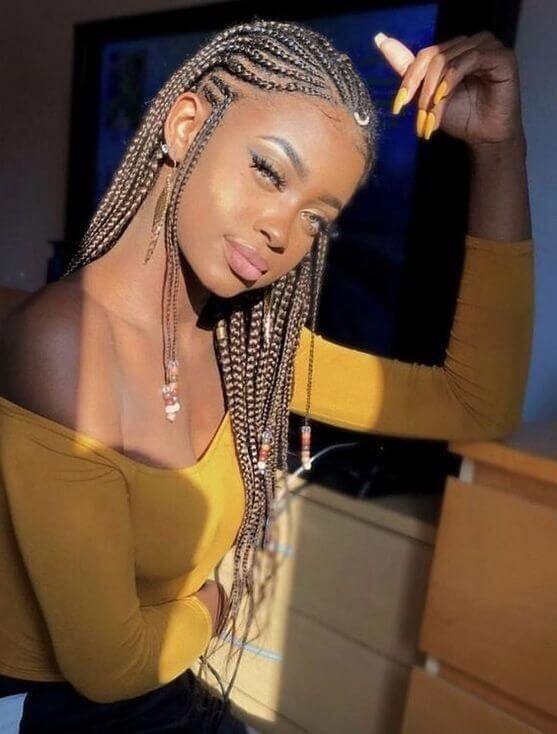
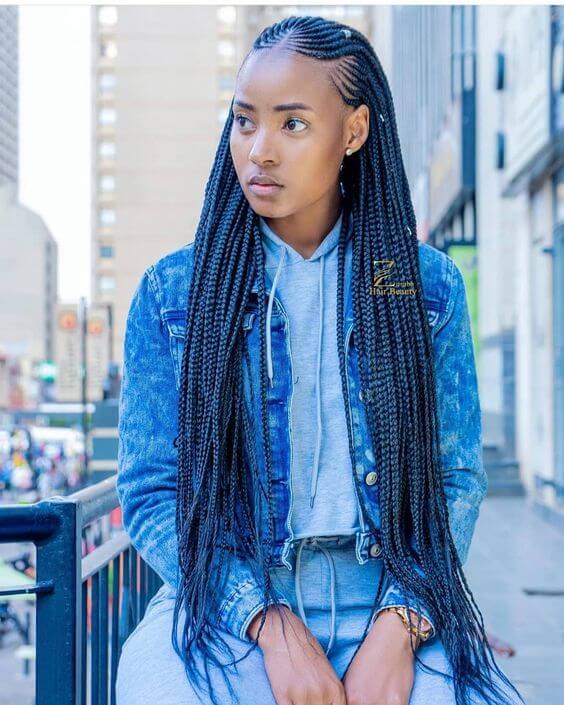
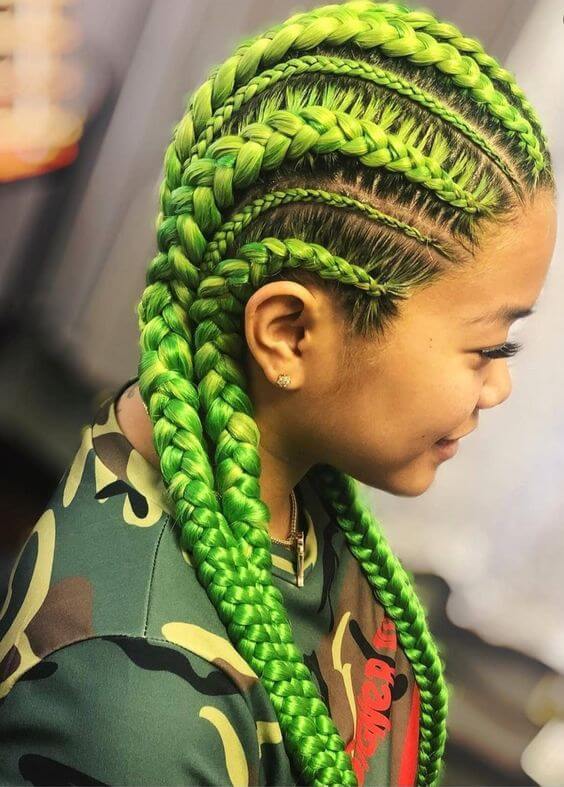
It is distinguished by remarkable patterns of thin or medium-thick braids that are securely plaited and adhere closely to the head.
Authentic Fulani braids, often referred to as Fulani tribal braids, are favored by many women all over the world as a means of personal expression.
One of the celebs who has always loved braids is Alicia Keys. Additionally, numerous Fulani braid styles frequently include ornate beads, rings, and chains in addition to colorful extensions.
Gorgeous Styles Of Fulani Braids
We are certain that African Fulani braids are elegant and lovely. Here is a compilation of the most well-liked and fashionable Fulani braided hairstyles to support this viewpoint. Hit the “Share” button if you think the same.
#1
#2
The Reign of the Fulani Braid
The Fulani braid is more than just a trending hairstyle; it is a profound expression of West African cultural heritage, artistry, and identity.
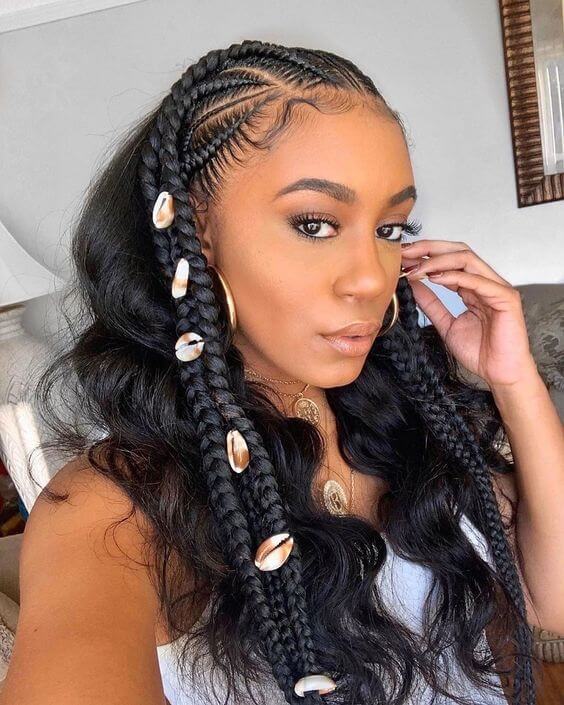
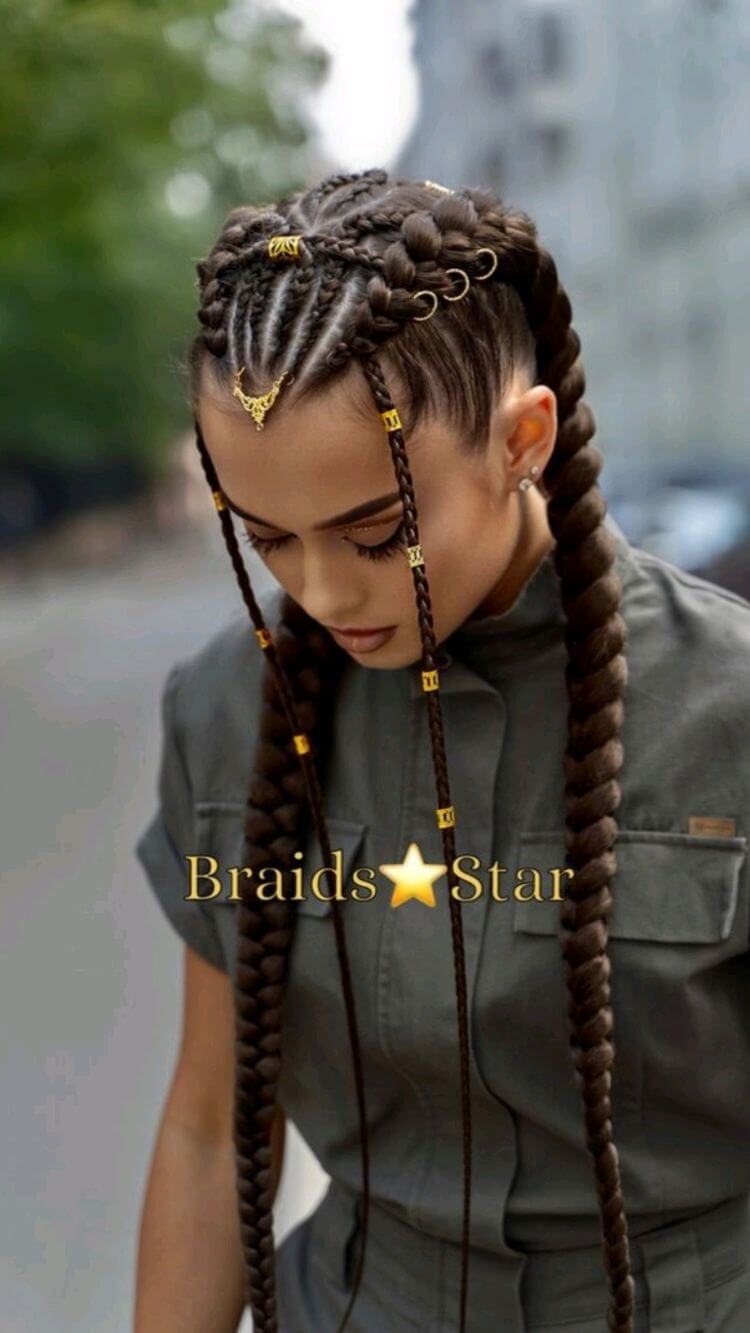
Named after the nomadic Fula or Fulani people, this style is instantly recognizable by its distinctive pattern: thin-to-medium cornrows that often flow from the hairline towards the back of the head, typically decorated with beads, cuffs, and cowrie shells.
The style’s enduring popularity today is a testament to its beauty, versatility, and deep-rooted history, which spans centuries and symbolizes status, spirituality, and tribal affiliation.
#3
#4
#5
A Look Back At The History and Cultural Roots
The tradition of the Fulani braid is deeply intertwined with the daily life and history of the Fulani people, who are traditionally pastoralists.
For them, hair styling was, and remains, a sacred social ritual and a non-verbal form of communication.
#6
#7
Symbolism and Status
In historical Fulani culture, the way a woman wore her hair could communicate a wealth of information to her community:
- Marital Status: Specific braiding patterns could indicate whether a woman was married, engaged, or single.
#8
#9
#10
- Wealth and Rank: The lavishness of the hair accessories often signified a family’s wealth and social standing. The use of gold, amber, and highly prized cowrie shells spoke volumes about the wearer’s status.
- Tribal Identity: Specific twists and parting styles were unique to different sub-groups within the Fulani community, acting as a visual identifier of one’s origin.
#11
#12
#13
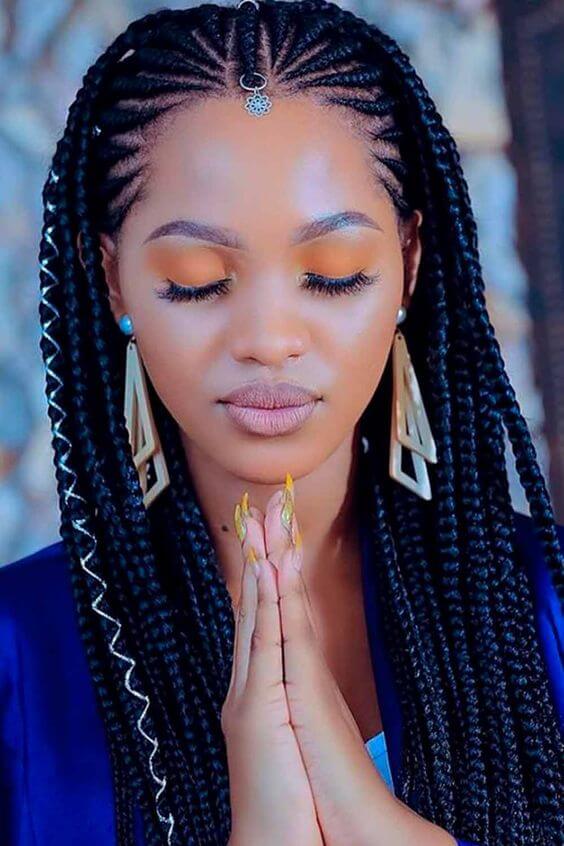
The Signature Look
The defining characteristic of the traditional Fulani braid is the unique combination of braiding techniques and accessories:
- Central Parting: Often, a prominent cornrow is braided down the center of the head, from the forehead to the crown or nape, acting as an anchor for the surrounding rows.
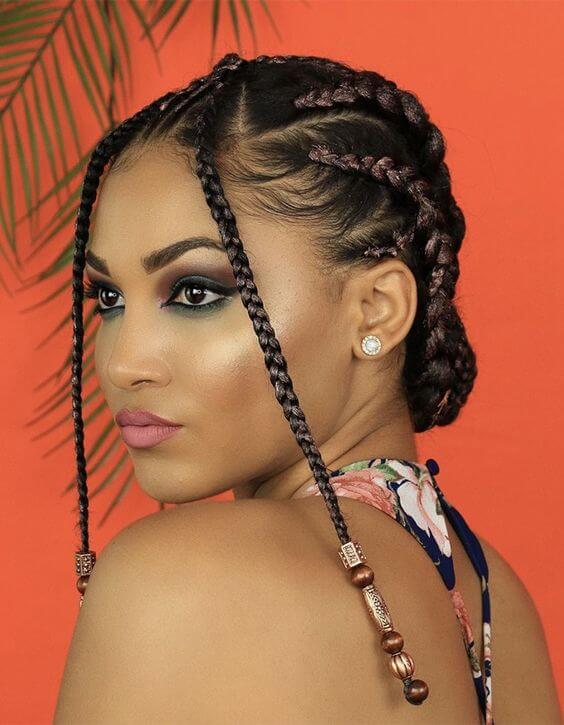
- Directional Braiding: Rows are typically braided in patterns that curve towards the face or sweep around the head, often leaving the sides or back free-flowing.
#14
#15
#16
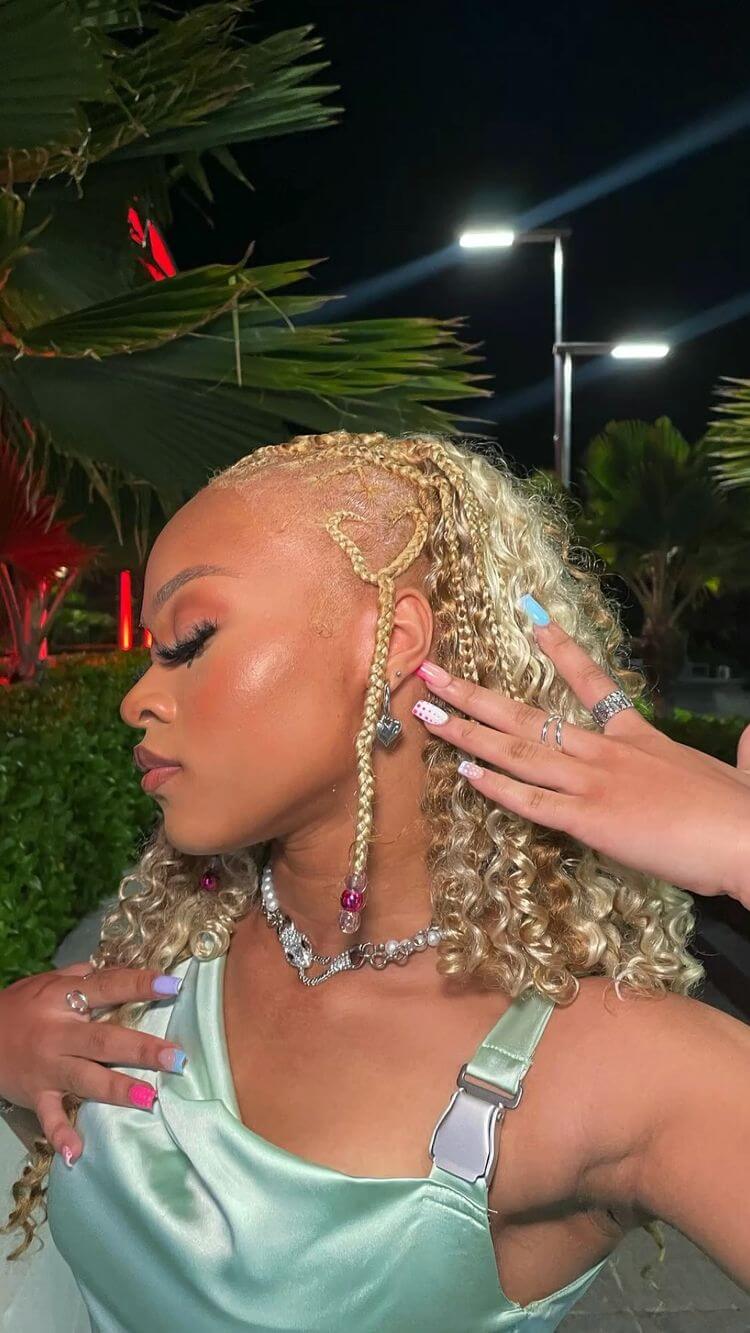
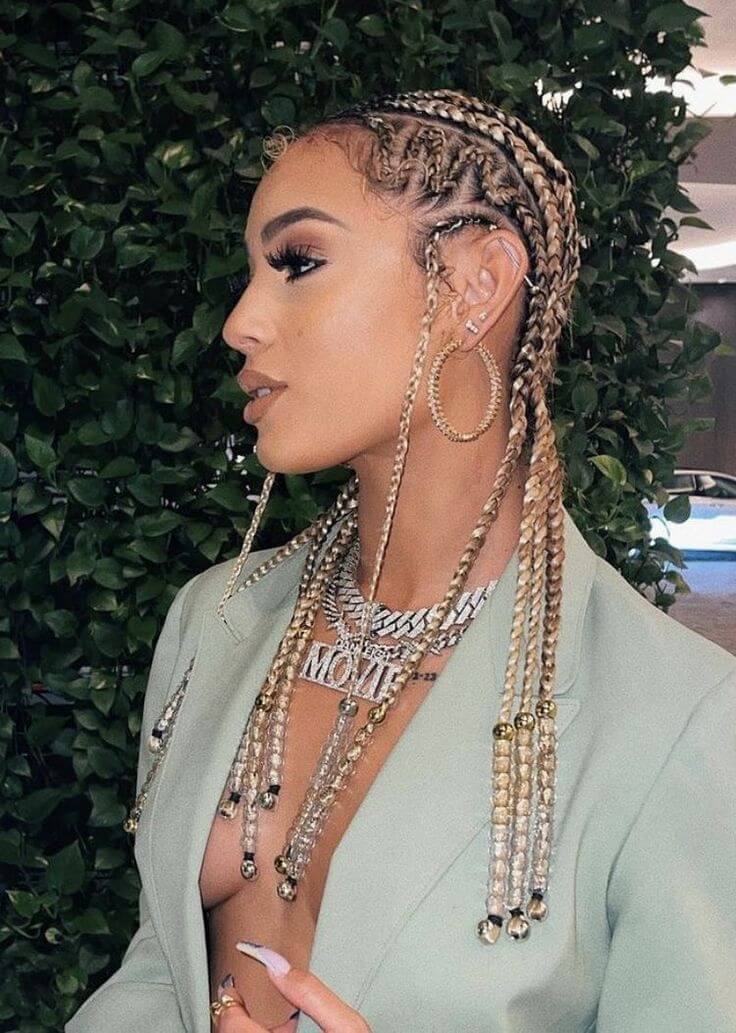
- Hanging Braids: Several single, thin braids are often left loose and free-hanging on the sides of the face, acting as delicate face-framing pieces.
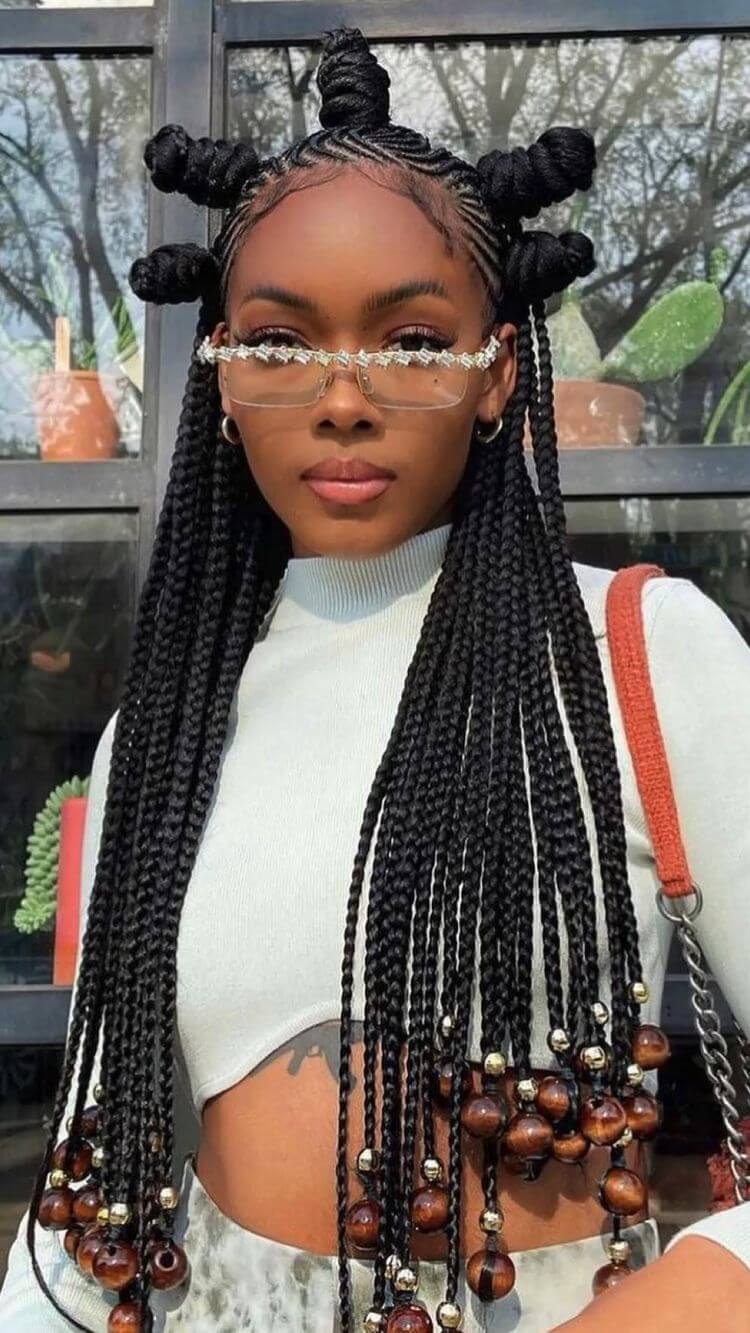
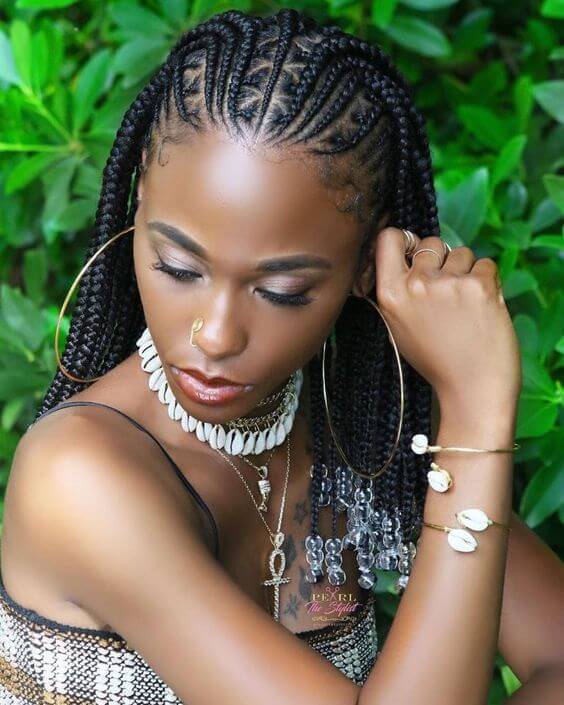
- Adornment: No traditional Fulani braid is complete without its signature accessories. Cowrie shells, a sacred and ancient symbol of wealth and femininity, are intricately woven into the braids. Wooden or metal beads and small, decorative cuffs are added to the ends of the braids.
#17
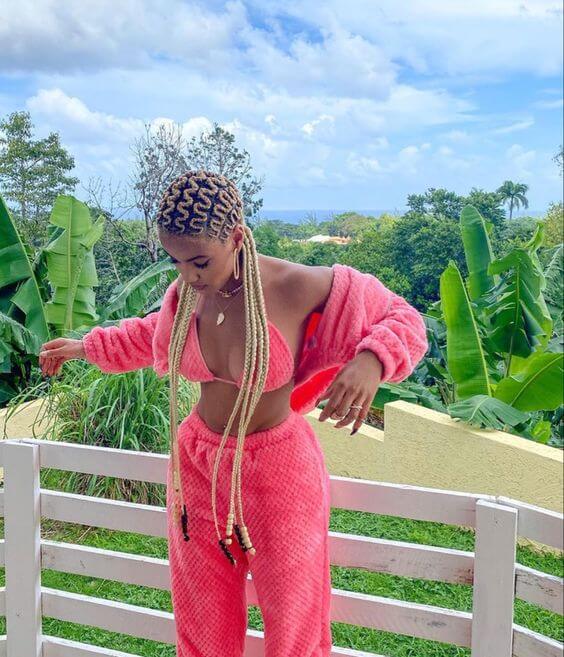
#18
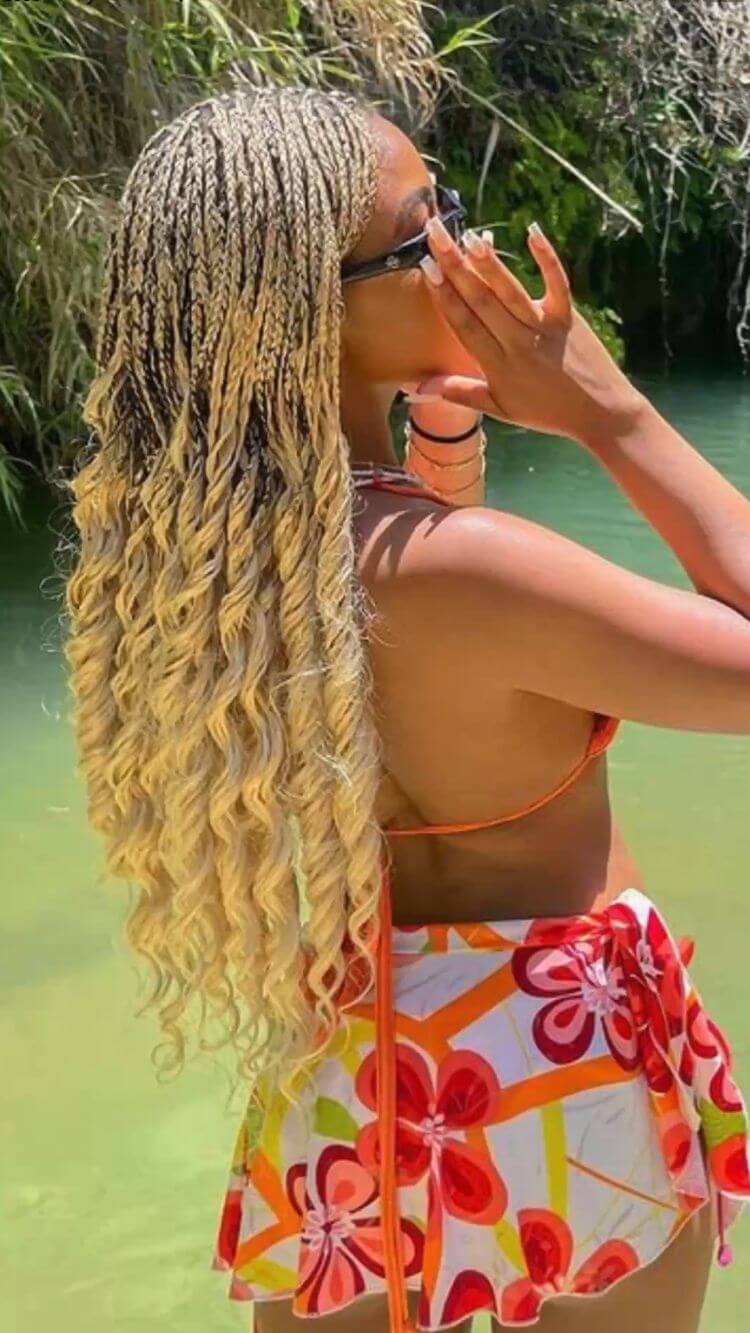
#19
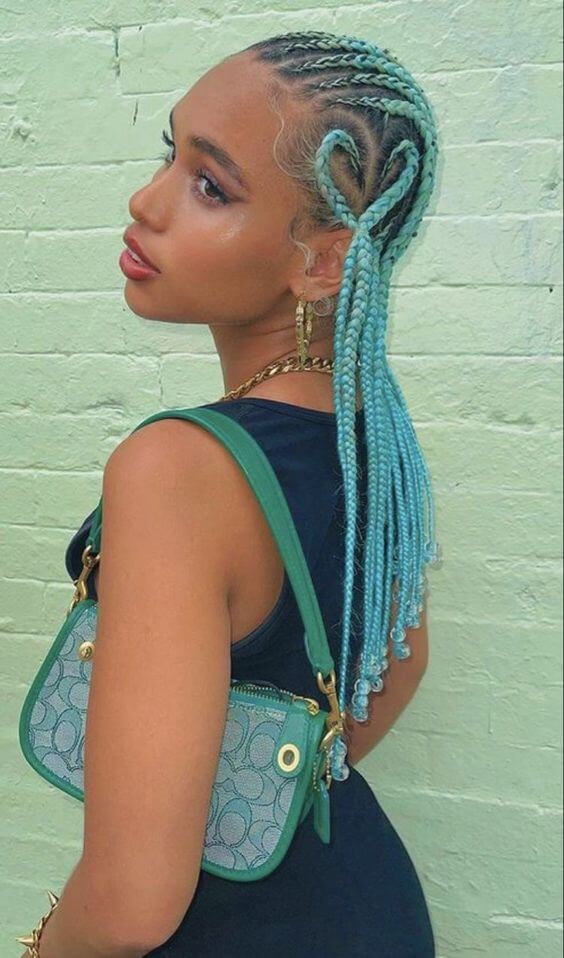
Modern Fulani Braids
Today’s iteration of the Fulani braid has evolved into a powerhouse protective style that embraces modern flair while staying true to its traditional structure.
Its adaptability allows it to be styled on all hair types and lengths, often using braiding hair extensions for added length and durability.
#20
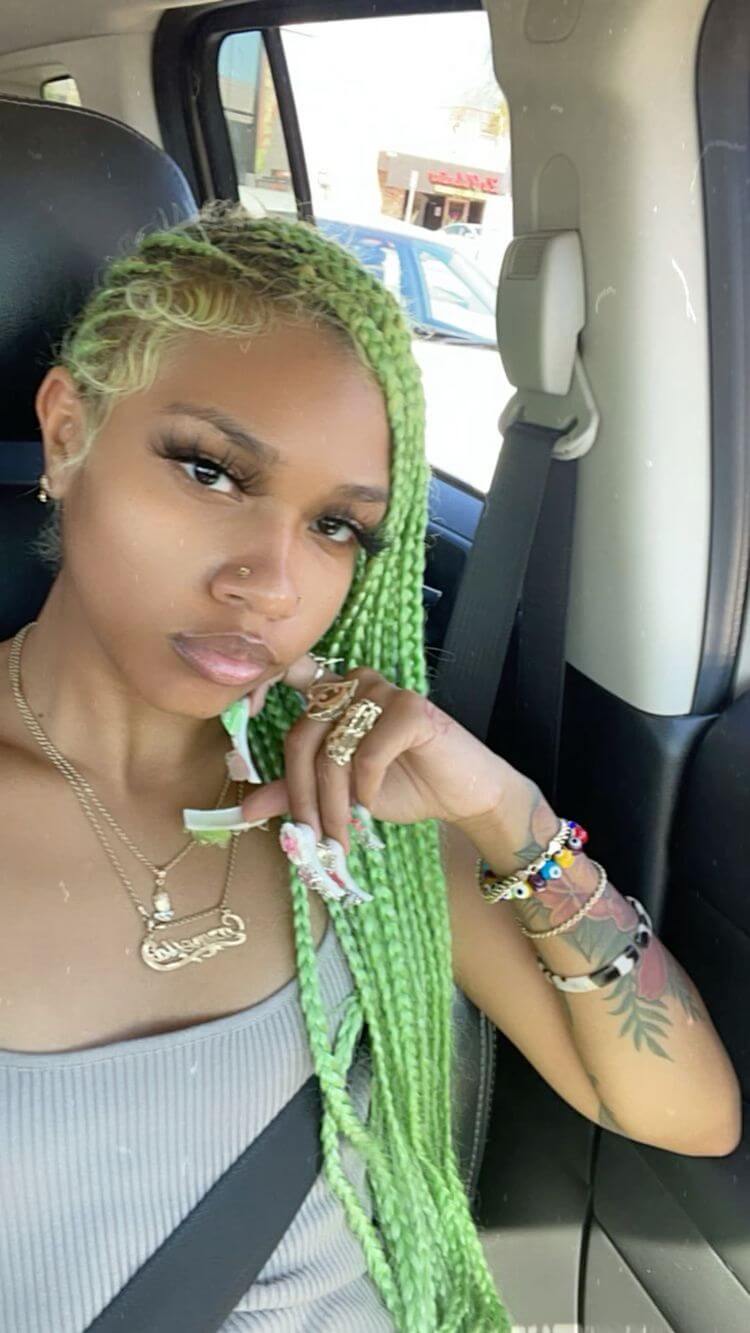
#21
#22
The Classic Look
The most popular modern style mimics the traditional design with the signature central cornrow and rows that swoop backward or diagonally.
This version is often executed using extensions that create long, uniform braids, and is finished with sleek gold or silver cuffs and simple wooden beads at the tips.
#23
#24
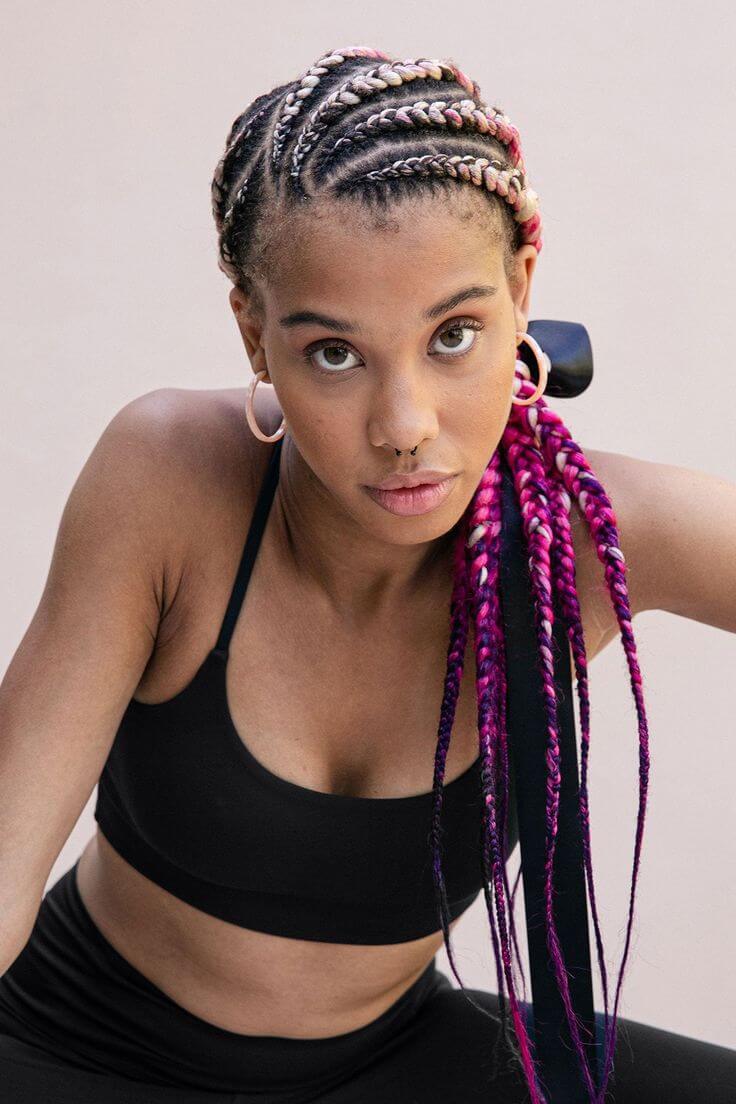
Jumbo Fulani Braids
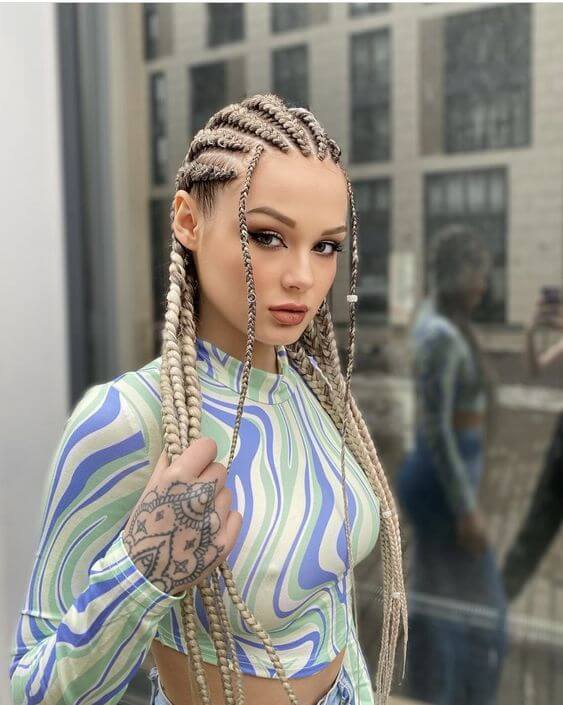
For a bolder, quicker-to-install look, the cornrows and hanging braids are made significantly thicker.
This style is chunky and impactful, making the distinctive patterns stand out even more.
#25
#26
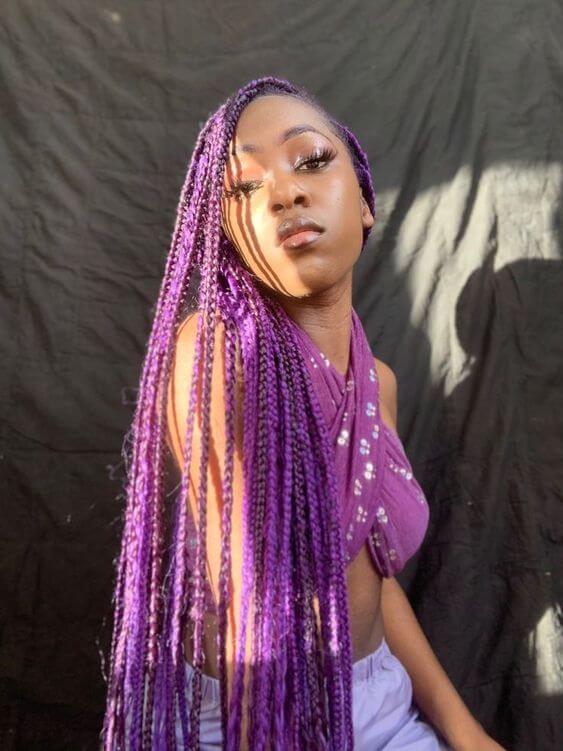
Bohemian Fulani
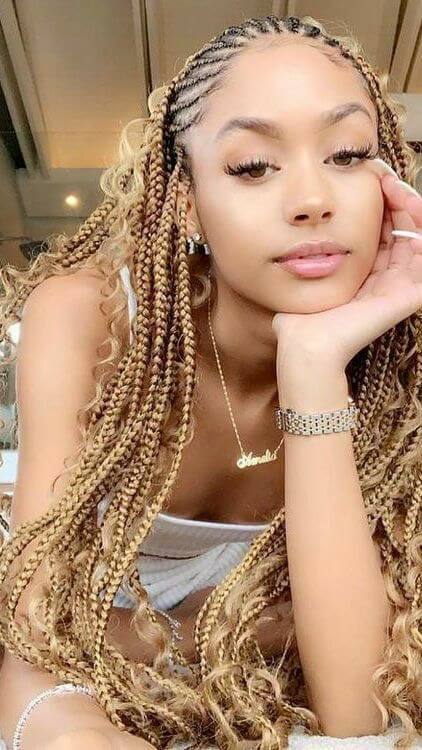
This style blends the structure of the traditional cornrows with the texture of Goddess braids or micro-braids.
Instead of uniform, neat ends, the ends of the hanging braids are often left loose, curled, or sealed with hot water to create a wavy, ethereal texture.
Cowrie shells and natural wooden beads perfectly complement this carefree vibe.
#27
#28
#29
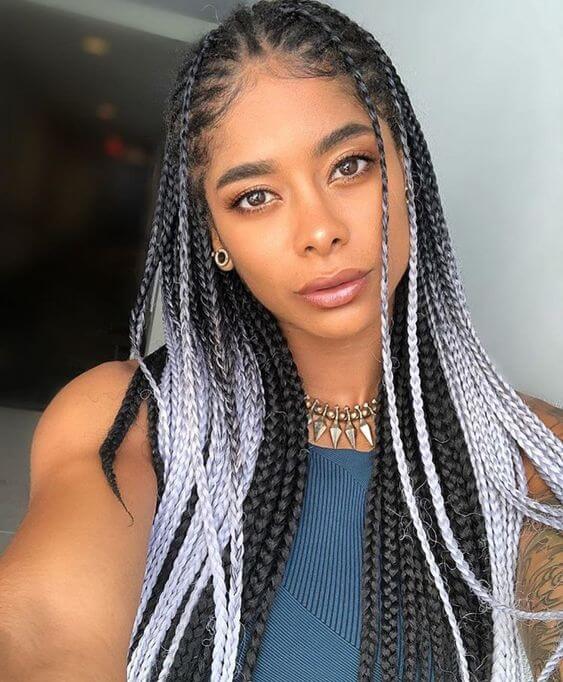
Fulani Updos
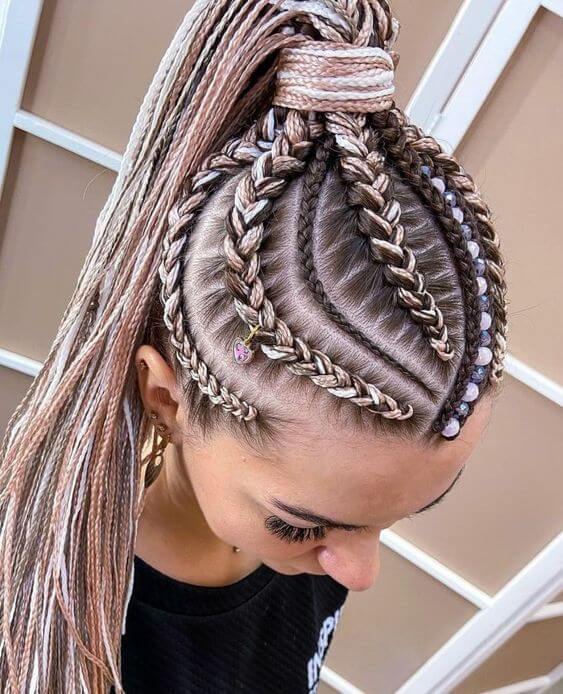
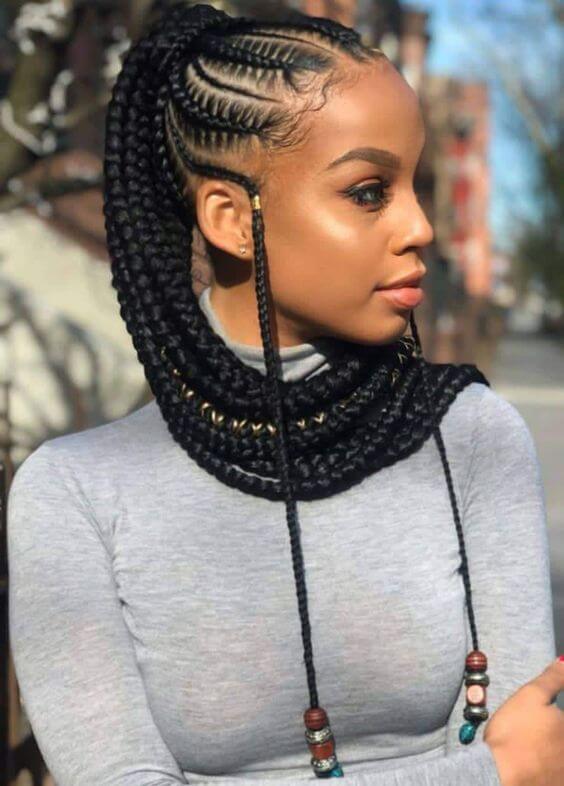
The versatility of the cornrow base allows for stunning updos.
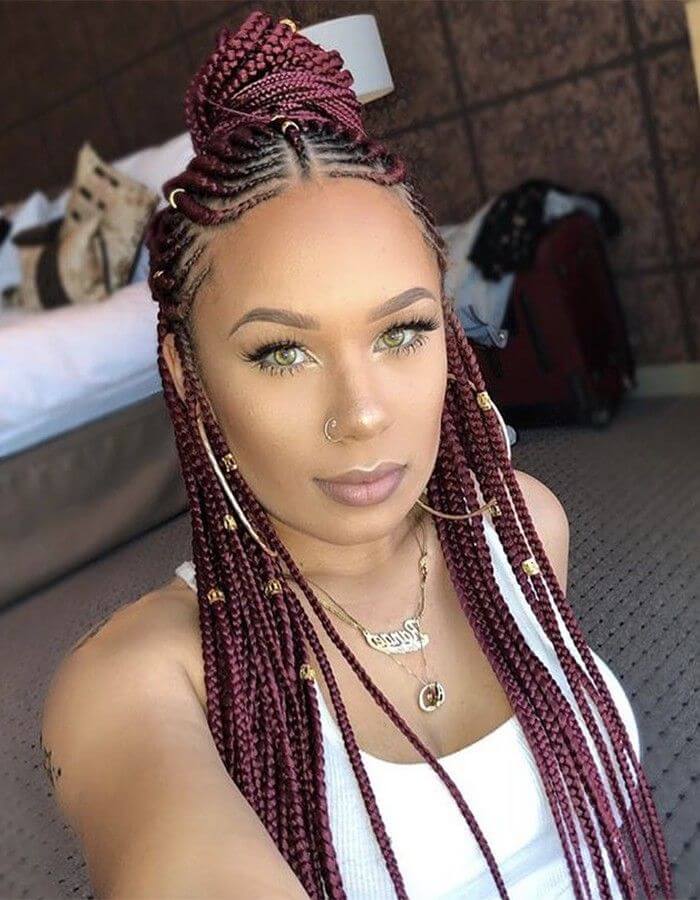
The braids can be directed up the sides of the head and then twisted into a massive, ornate bun, or swept into a high ponytail adorned with gold cuffs and large beads.
This option is particularly popular for formal events and weddings.
#30
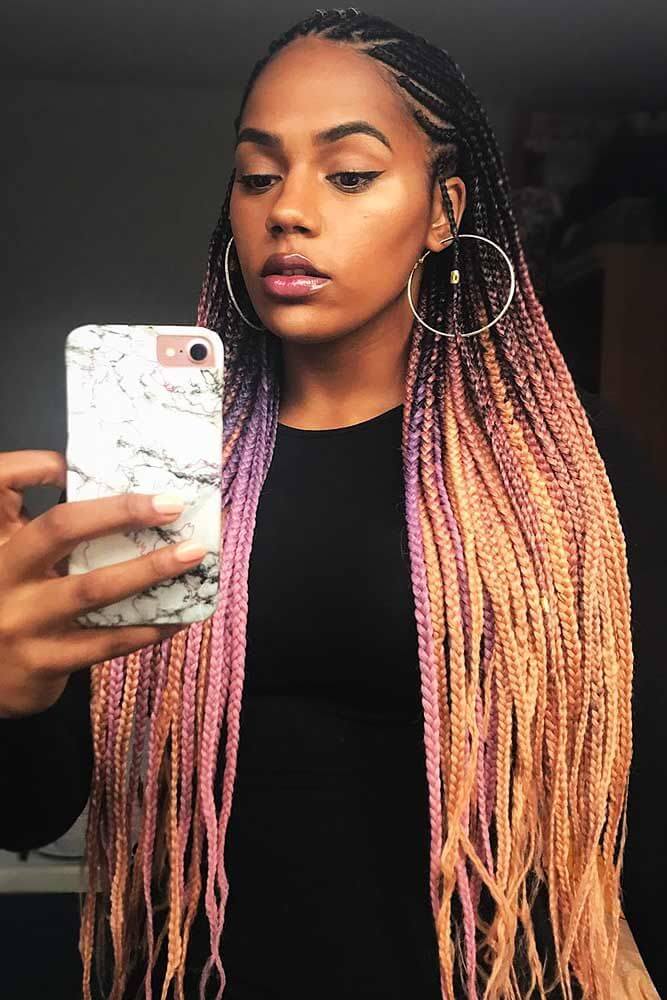
#31
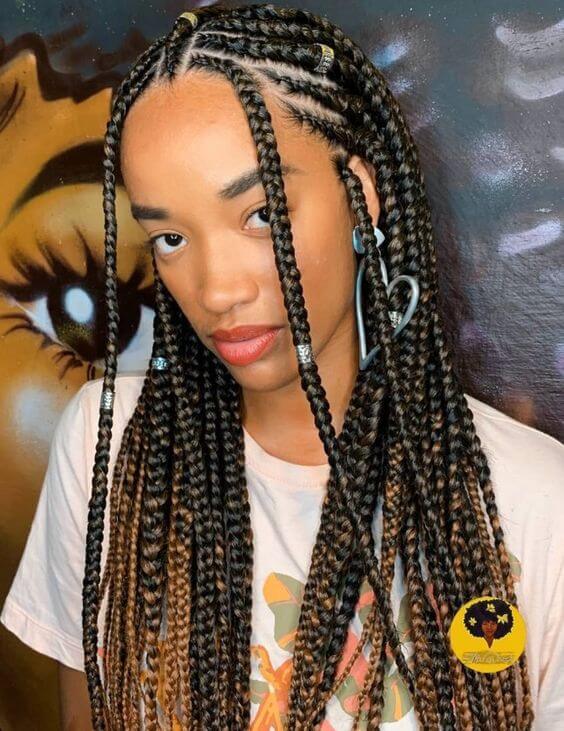
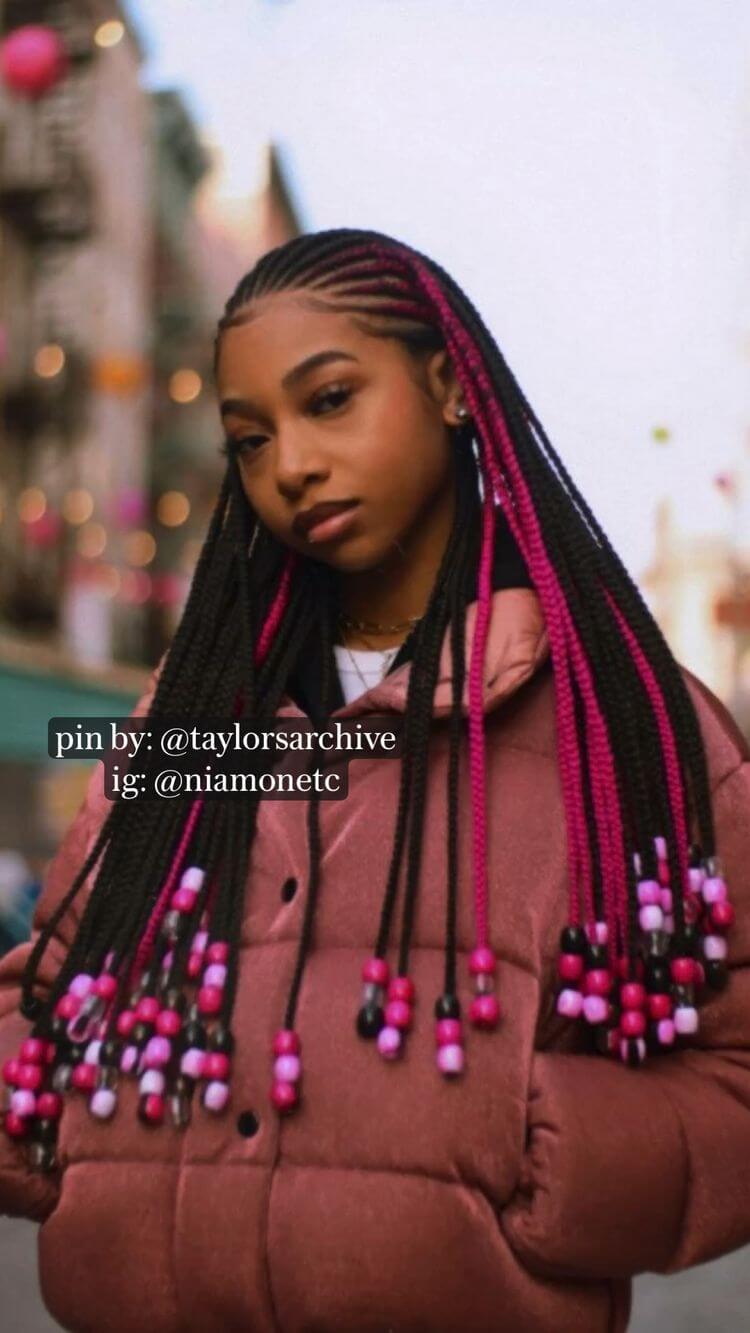
Color and Contrast
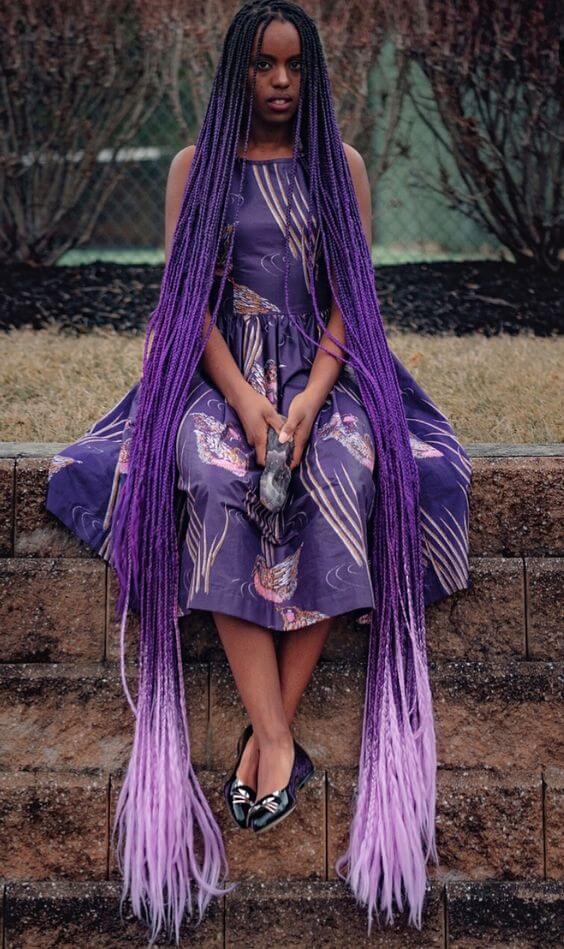
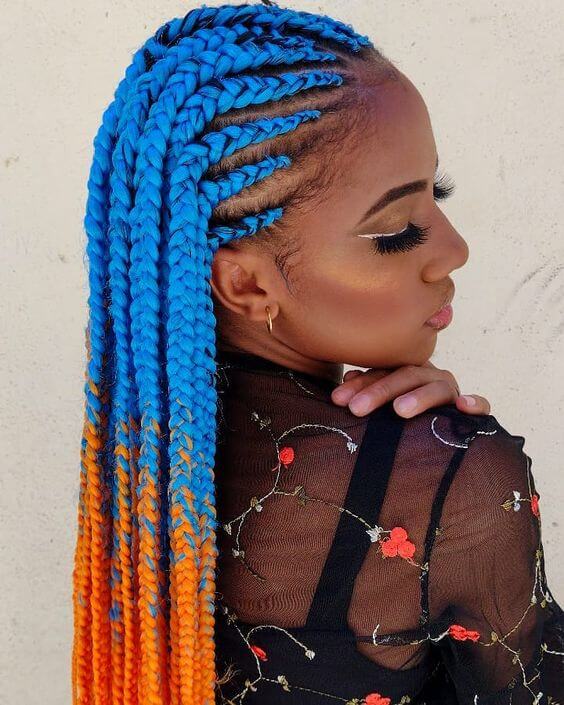
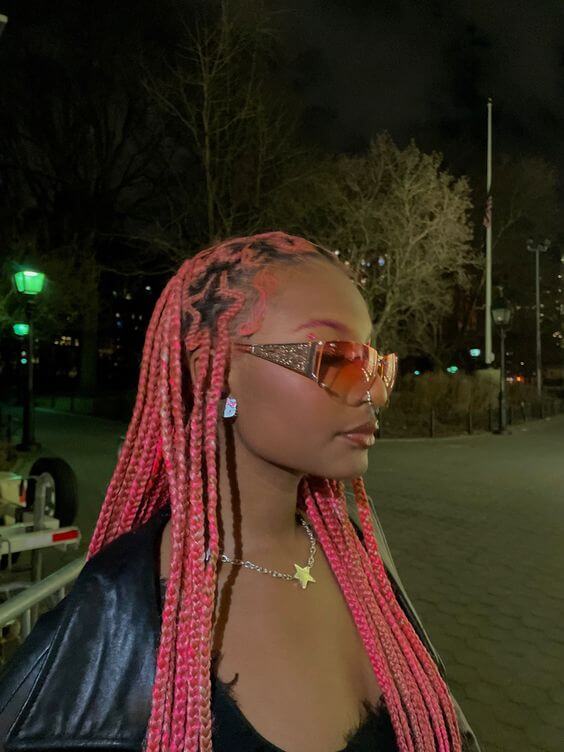
Modern stylists often experiment with color, using braiding hair in vibrant shades like burgundy, honey blonde, or electric blue for the hanging sections.
This adds a contemporary contrast to the typically dark base hair, bringing a fresh edge to the ancestral style.
#32
Q&A On Fulani Braids
Here are some responses to some of the most typical inquiries concerning Fulani braids.
- How long may Fulani braids be worn?
Your braids can last up to five weeks without needing to be fixed if you take careful care of them.
- What is the price of a Fulani braid?
The style has a big impact on how much Fulani braids cost. But the typical cost is $200.
- Are hair damages caused by Fulani braids?
Those braids are even beneficial for hair because they give it a rest, unless you plait them too tightly.
- How should Fulani braids be cared for?
Only once every two weeks should they be washed. Avoid tightening hairstyles, keep them safe at night, and retouch the edges as needed.