
Fragrant plants that repel flies are a natural way to keep your home and garden pest-free. Instead of relying on chemical sprays, you can grow herbs and flowers that naturally discourage flies with their strong scents.
These plants not only add beauty and greenery to your space but also bring practical benefits you will appreciate every day.
By placing them near doors, windows, or outdoor seating areas, you can enjoy fresh air without being bothered by buzzing insects. Some of these plants even double as culinary herbs, giving you flavorful additions for your cooking.
With just a little care, they thrive in pots or garden beds, making them easy options for any home. Here are 6 fragrant plants that can help keep flies away while enhancing your surroundings.
#1 Lavender
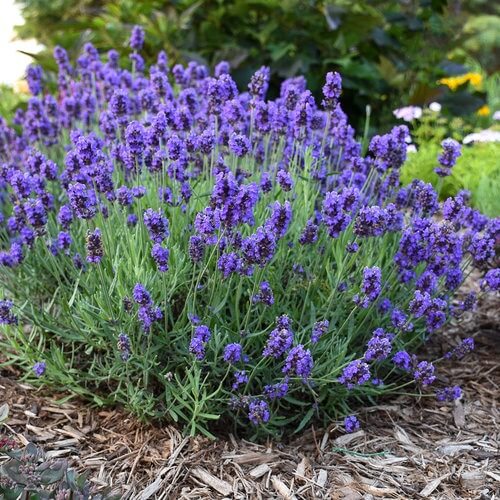
Lavender is a timeless favorite with its calming fragrance and clusters of purple blooms. Its scent works as a natural repellent against flies, fleas, and mosquitoes.
You can plant it along pathways, in garden beds, or in pots by your patio for maximum effect. Trim back the flowers after blooming to encourage more growth.
Dried lavender bundles also work well indoors to keep pests away. Besides its repellent qualities, it brings a sense of relaxation and beauty wherever it grows.
#2 Citronella Grass
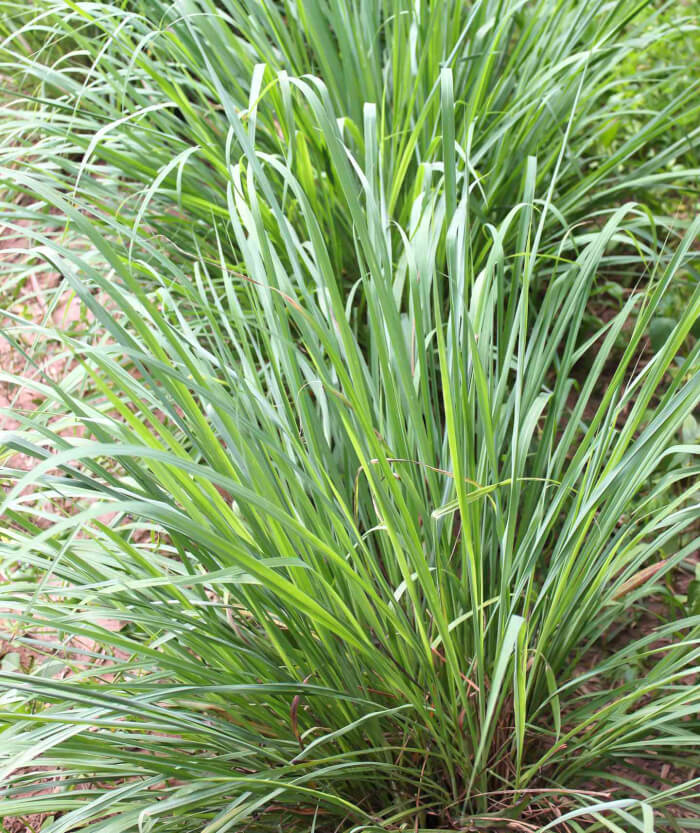
Citronella Grass is well known for the oil extracted from its leaves, which is used in candles and sprays to repel insects. Its strong lemony aroma discourages flies and mosquitoes from lingering nearby.
Grow it in large pots or garden beds with full sun for the best results. Water regularly to keep the plant healthy, but make sure the soil drains well.
Unlike culinary lemongrass, this variety is not for cooking. Keep a few pots near outdoor sitting areas to enjoy bug-free evenings.
#3 Wormwood
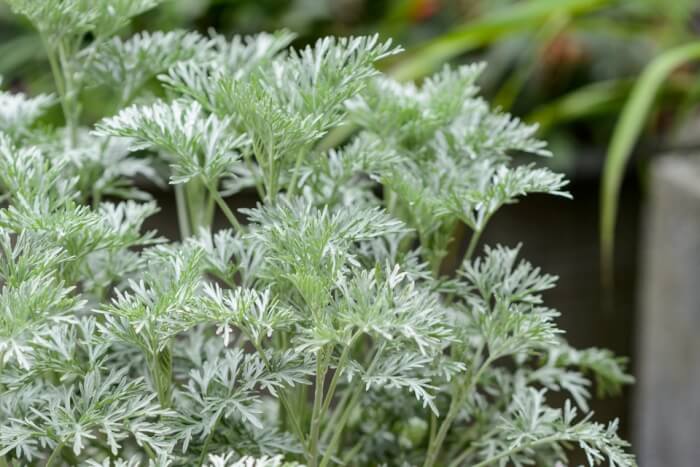
Wormwood stands out with silver-green leaves and a velvety texture that adds elegance to the garden. Its strong fragrance and natural oils repel flies, moths, ants, and even rodents. Plant it in sunny spots with well-drained soil for healthy growth.
Avoid overwatering, as it prefers drier conditions. You can also use dried wormwood leaves in sachets to deter pests indoors. While it is ornamental, its practical use as a pest deterrent makes it a valuable plant.
#4 Sweet Basil
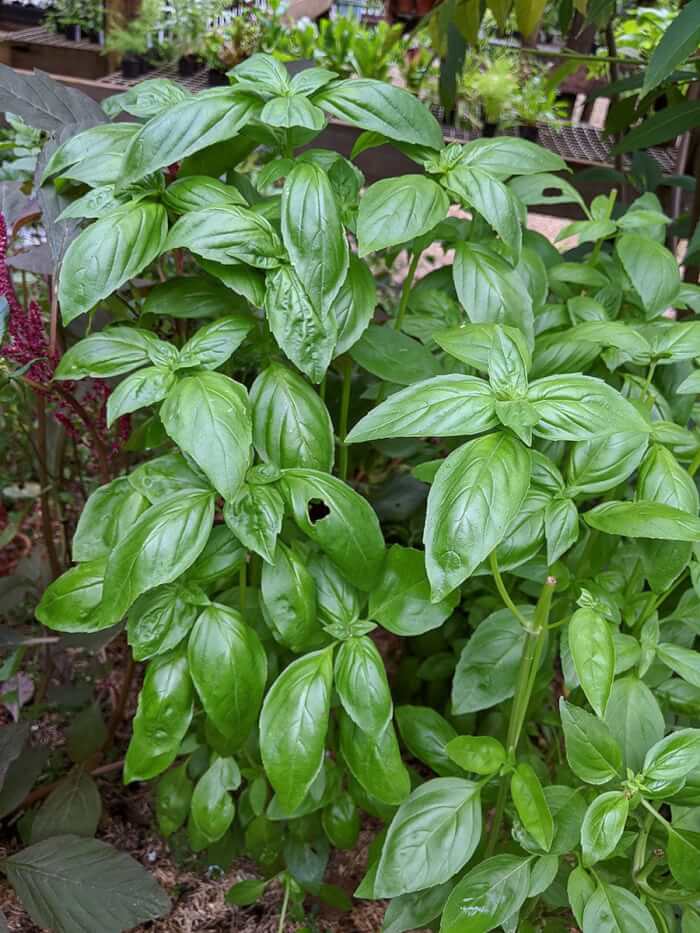
Sweet Basil is more than just a kitchen herb; its pungent scent helps keep flies and mosquitoes away. You can grow it in pots near doors, windows, or outdoor tables to enjoy both its fragrance and flavor.
Pinch back the flowers to keep the plant producing lush leaves for your meals. Water regularly and give it at least 6 hours of sunlight a day.
Its dual purpose as a natural repellent and a cooking staple makes it one of the easiest plants to add to your home.
#5 Tansy
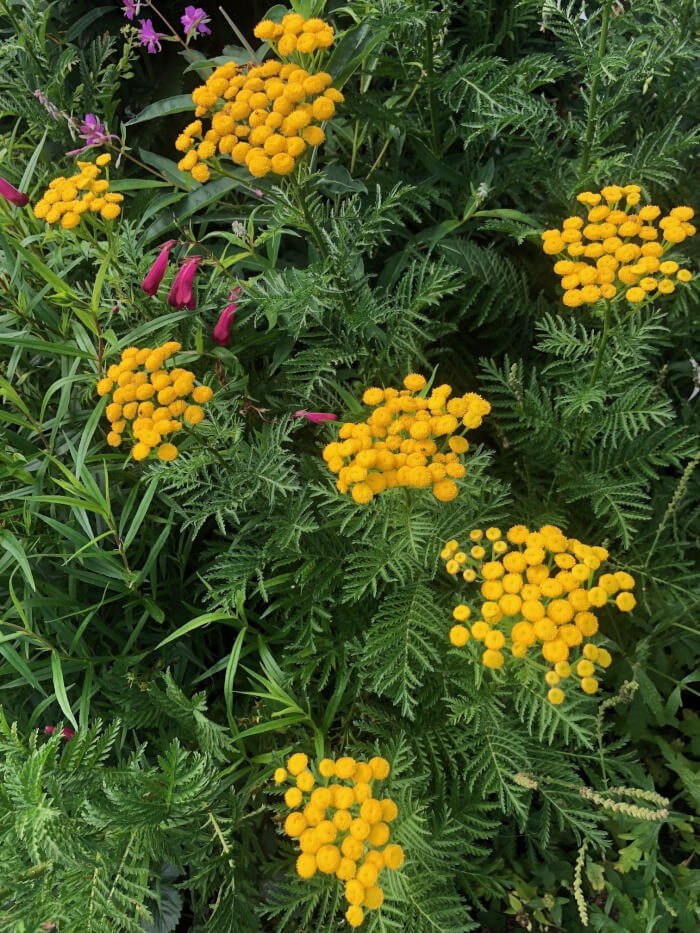
Tansy is an old-fashioned herb with small yellow button-like flowers and fern-like leaves. Historically used for medicinal purposes, it is now valued mainly for its insect-repelling qualities.
Plant it in sunny spots, but give it room to spread, as it can grow quickly. Harvest the leaves and flowers to make natural insect sprays or use dried bundles around the house.
It effectively keeps flies, larvae, and even ants at bay. Its cheerful flowers also brighten up garden beds while doing the work of pest control.
#6 Bay Laurel
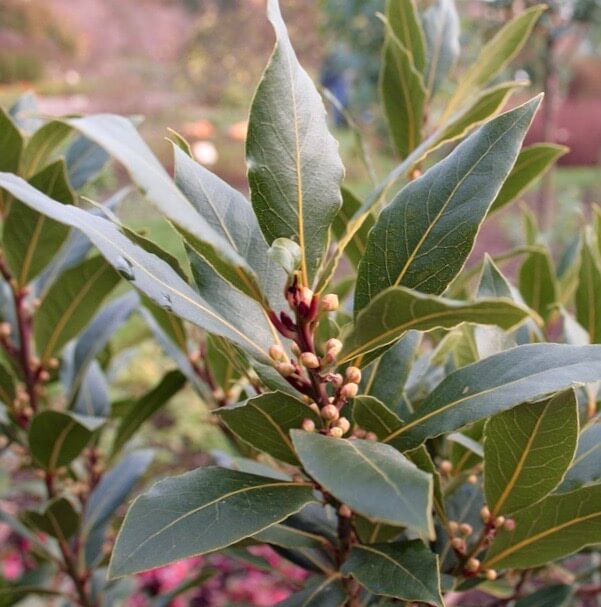
Bay Laurel is a versatile plant that provides both culinary leaves and natural pest protection. Its strong aroma deters flies, moths, and even pantry pests like roaches. Grow it in pots so you can bring it indoors during winter in colder climates.
Keep the soil moist but not soggy and prune lightly to maintain its shape. Dried bay leaves placed in cupboards or tied near windows work as long-lasting natural repellents.
With this plant, you get both flavor for your dishes and cleaner, pest-free spaces.