
Tomatoes are one of the easy-to-grow vegetables, but to harvest a successful tomato season both in quality and quantity, you shouldn’t miss out on the post today.
Here, we will share some tips that will help your tomato plants be healthy, productive, and tasty. They are easy to find, sometimes available at home, or can be bought anywhere. Are you ready to learn about them with us?
You know that gardening brings pleasure to everyone. When you grow successfully, you will get a great result. And these tips promise to help your tomato garden grow as you desire, even better than you thought. It is so amazing, right?
A bountiful harvest of thick, juicy, plump, sweet, and a bit acrid tomatoes is waiting for you. Not just that, picking them fresh and eating right in the garden, the delightful taste you get is just unmatchable, all are better than buying outside.
#1 Fish Heads
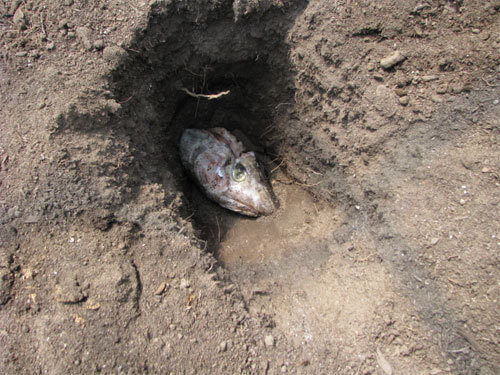
Fish heads are one of the oldest natural fertilizers, packed with nitrogen, phosphorus, calcium, and trace elements that tomatoes need to thrive. As they decompose, they release nutrients slowly, feeding plants for weeks.
Native American gardeners used fish as a secret weapon for stronger crops, and you can do the same. Bury fish heads at least a foot deep to prevent animals from digging them up.
For an instant boost, blend scraps with water and a splash of milk to create a homemade liquid fertilizer. You’ll notice healthier foliage, sturdier stems, and higher yields over time.
#2 Eggshells
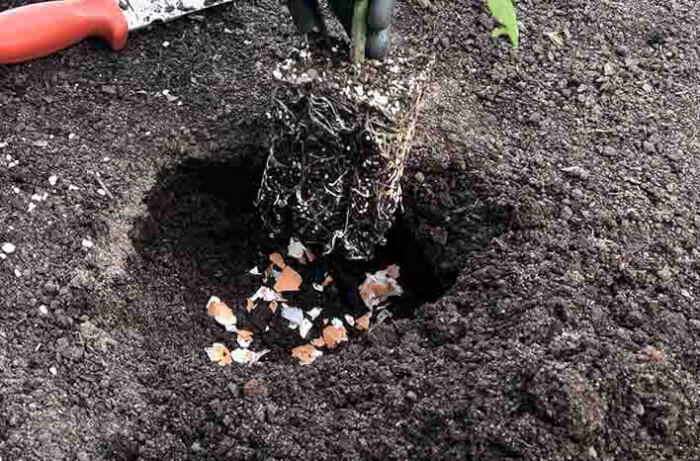
Eggshells are more than kitchen waste; they’re a calcium-rich resource that protects tomatoes from blossom end rot. This common problem causes dark, sunken spots on fruit when plants lack enough calcium.
Crush shells into fine pieces or powder to help them break down faster in soil. Add them directly into planting holes, or scatter them around the base to provide ongoing nutrition.
Their coarse edges also deter snails and slugs, offering a double benefit. For best results, rinse and dry shells before use so they decompose more easily.
#3 Epsom Salt
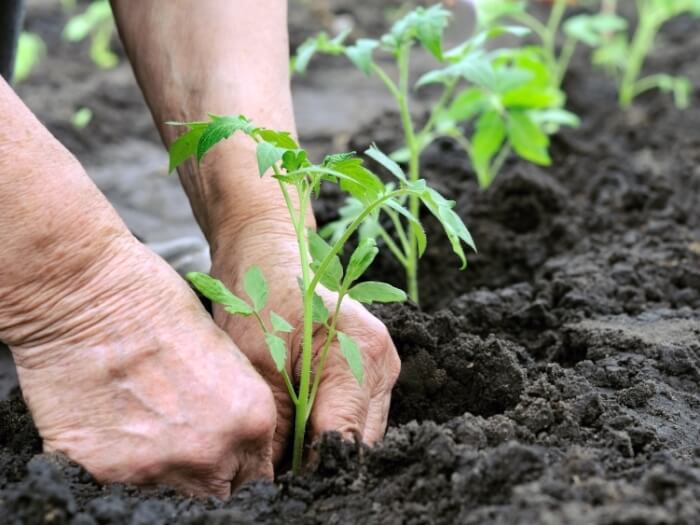
Magnesium is critical for photosynthesis, and that’s exactly what Epsom salt delivers. Without enough magnesium, tomato leaves turn yellow and fruit production slows.
Adding 1–2 tablespoons of Epsom salt to planting holes can prevent deficiency from the start. You can also dissolve it in water (1 tablespoon per gallon) and spray directly on leaves for fast absorption.
Many gardeners report stronger plants and sweeter fruit after regular use. Just remember to apply moderately, as too much magnesium can disrupt soil balance.
#4 Coffee Grounds
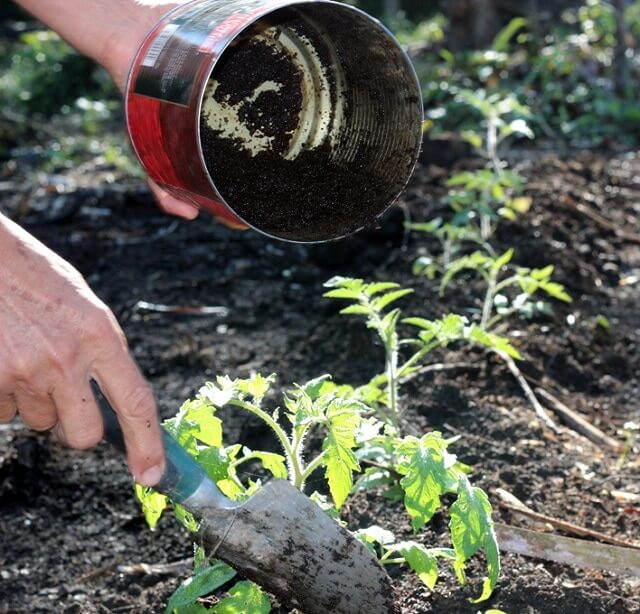
Used coffee grounds enrich the soil with nitrogen while improving aeration and water retention. Tomatoes benefit from this slow-release nutrient source, especially during early growth.
Sprinkle grounds in a thin layer around plants, mix into compost, or brew a “coffee tea” by steeping grounds in water overnight. They also act as a light mulch, helping to regulate soil temperature and discourage weeds.
Because coffee grounds are slightly acidic, they’re especially helpful if your soil is too alkaline. Combined with compost, they create a nutrient-dense growing medium.
#5 Aspirin
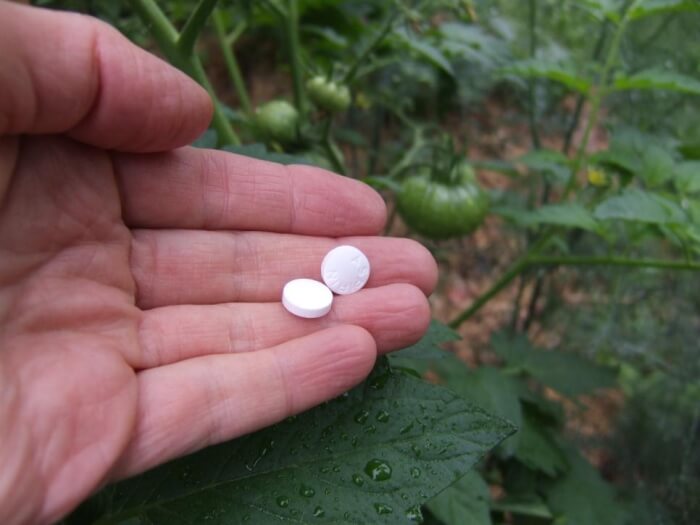
It may surprise you, but aspirin can help tomatoes resist disease and produce bigger harvests. The salicylic acid in aspirin mimics natural plant hormones that trigger defense responses.
Drop 2–3 crushed tablets in each planting hole or dissolve a few in water and spray on leaves. This treatment can reduce the risk of blight, mildew, and other common tomato diseases.
Healthier plants mean better fruit set and stronger yields. Think of it as giving your tomatoes a natural immune system booster.
#6 Baking Soda
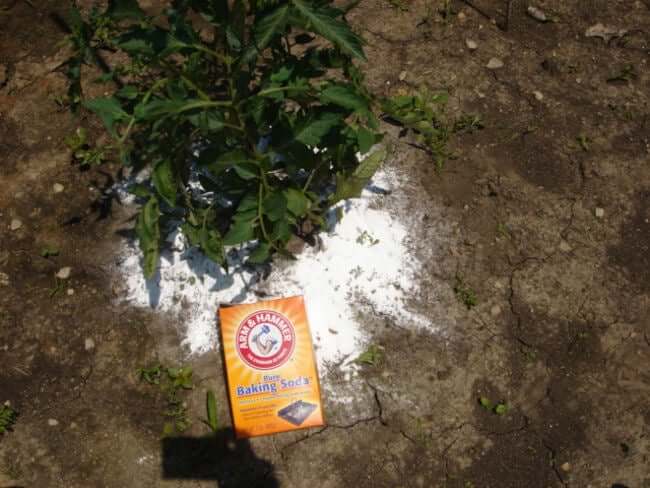
Baking soda is a clever trick for gardeners aiming to grow sweeter tomatoes. Sprinkling a small amount around the base lowers soil acidity, which helps reduce tartness in the fruit.
This method works best in soils that are already slightly acidic. Apply sparingly; too much can disrupt soil health and harm beneficial microbes.
Combining this with consistent watering and sunlight can help you harvest flavorful, well-balanced tomatoes. It’s a simple kitchen hack that can improve taste without chemicals.
#7 Bone Meal
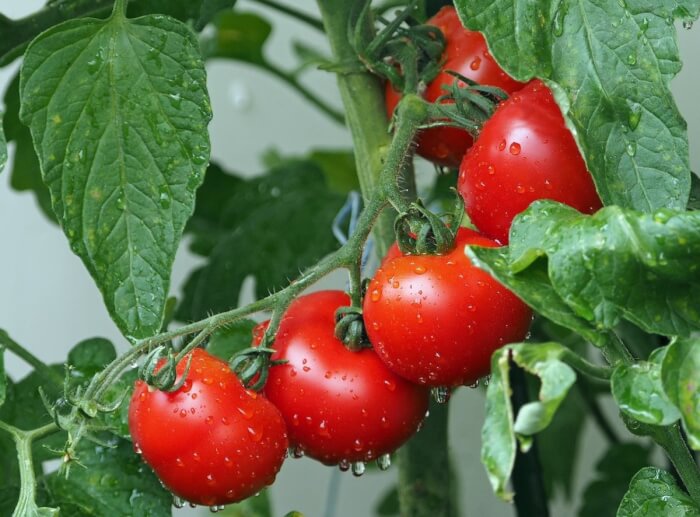
Bone meal provides phosphorus, an essential nutrient for root growth, flower production, and fruit development. Tomatoes grown in phosphorus-rich soil tend to produce more blossoms, which means more fruit.
Add a handful of bone meal into the planting hole or scratch it into the soil around established plants. It also contains calcium, which supports cell structure and prevents issues like blossom end rot.
Since bone meal releases nutrients slowly, it’s perfect for providing steady nourishment throughout the season. Pairing it with compost creates an ideal long-term feeding system.