
A simple pencil can be much more than a writing tool. In the garden, it becomes a surprisingly handy helper for planting, marking, and even caring for your plants.
Many gardeners overlook its potential, but once you try these tricks, you’ll start saving every stub and shaving.
Pencil wood, graphite, and shavings can benefit your plants in ways you might not expect. They can help you start seeds with precision, keep track of plant names, and even deter pests.
With just a little creativity, you can turn something ordinary into a useful gardening ally. Let’s see how you can put your pencils to work.
#1 Sowing Seeds
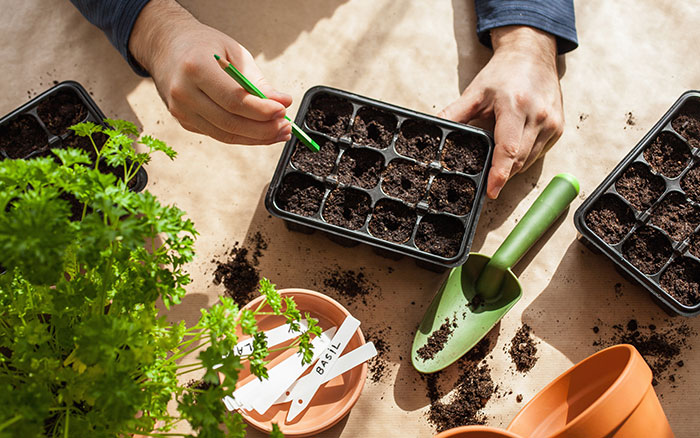
Tiny seeds can be tricky to handle, but a pencil makes the job simple. Lightly moisten the tip so seeds stick just enough to place them exactly where you want.
Tap gently over the soil and cover with a thin layer. This method works beautifully for even the smallest seeds, reducing waste and mess. Keep a dedicated “seed pencil” in your garden kit for quick planting.
#2 Garden Marker
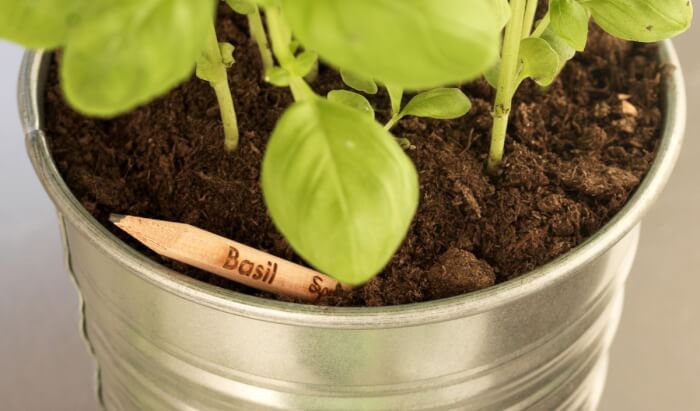
A pencil can double as a sturdy plant marker that survives in sun, rain, and wind. Write directly on wooden plant tags or even on flat stones.
The graphite resists fading and smudging outdoors. To make it last longer, coat the surface with a clear, non-toxic sealant. You’ll always know what’s growing where without having to guess.
#3 Pencil Shavings as Mulch
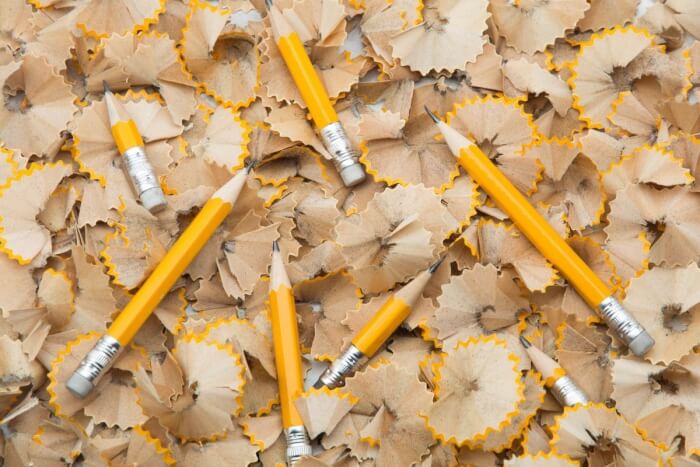
Those curls of cedar and graphite from sharpening can be repurposed to cover the soil. Spread a thin layer around plant bases to help lock in moisture and limit weeds.
Since pencils are made from non-toxic materials, they break down safely. Over time, they add organic matter to the soil while keeping the garden looking tidy.
#4 Pencil Shaving Compost
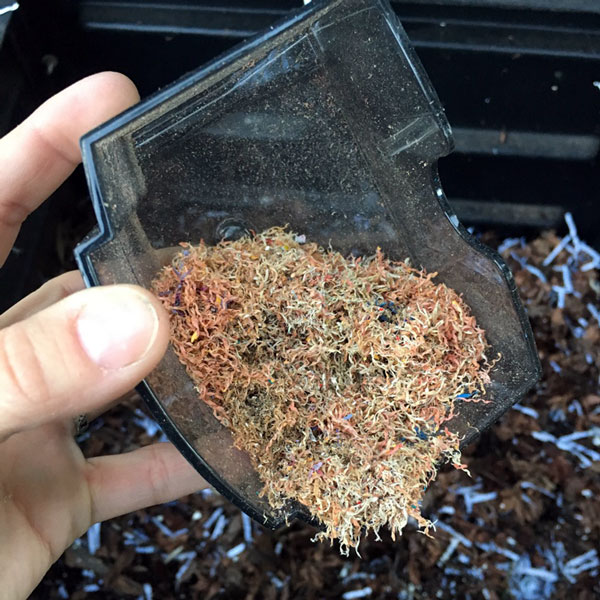
Pencil shavings can also work inside your compost pile. Their carbon content balances nitrogen-rich materials like kitchen scraps.
Mix them in to improve airflow and reduce odors. The cedar aroma may help keep certain pests away. Just be sure to avoid shavings from pencils coated with paint or lacquer.
#5 Transplant Seedlings
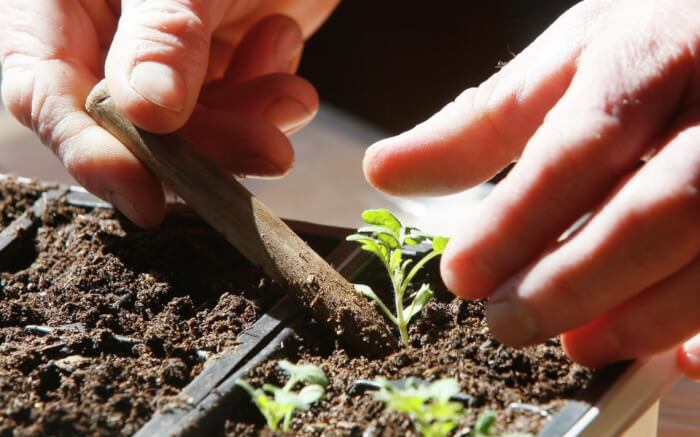
When moving young plants, a pencil is gentle enough to lift them without harm. Slide the tip under the root ball, loosen the soil, and ease the seedling out.
Place it into a prepared hole and press the soil back around it. This simple trick minimizes transplant shock and keeps delicate roots intact.
#6 Support Young Plants
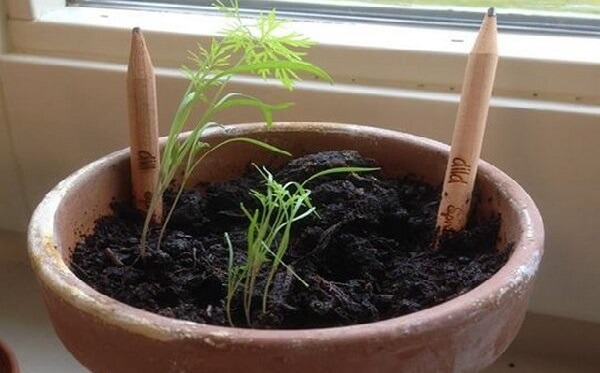
A pencil can be the perfect mini stake for seedlings or small plants. Push it into the soil beside the stem and tie loosely with soft fabric or twine.
This keeps the plant upright until it strengthens on its own. Choose unpainted pencils so there’s no coating to leach into the soil.
#7 Help Watching Out The Watering Needs
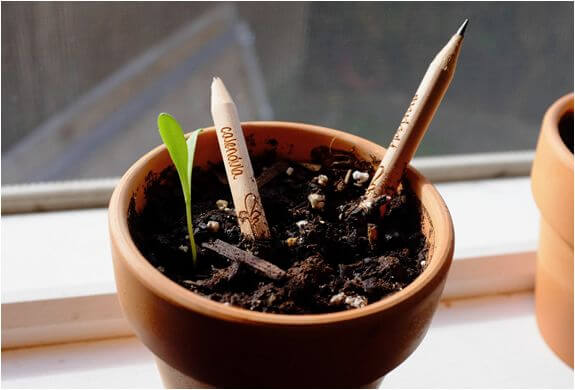
If you’re unsure when to water, use a pencil as a tester. Push it halfway into the soil and leave it for a moment.
When you pull it out, check for dampness or soil clinging to the wood. If it’s dry, it’s time to water. This quick check helps you avoid over- or under-watering.