
Keeping your plants healthy doesn’t always mean reaching for chemical sprays. In fact, many natural pesticides are just as effective, safer for your soil, and easy to make at home.
Ingredients like tomato leaves, orange peels, garlic, and neem oil can repel harmful pests while keeping your garden eco-friendly and thriving.
These simple remedies are not only affordable but also help reduce waste and protect pollinators. With a little preparation, you can create your own organic solutions that work against insects without damaging the balance of your garden.
Here are eight proven options you can start using today.
#1 Tomato Leaves
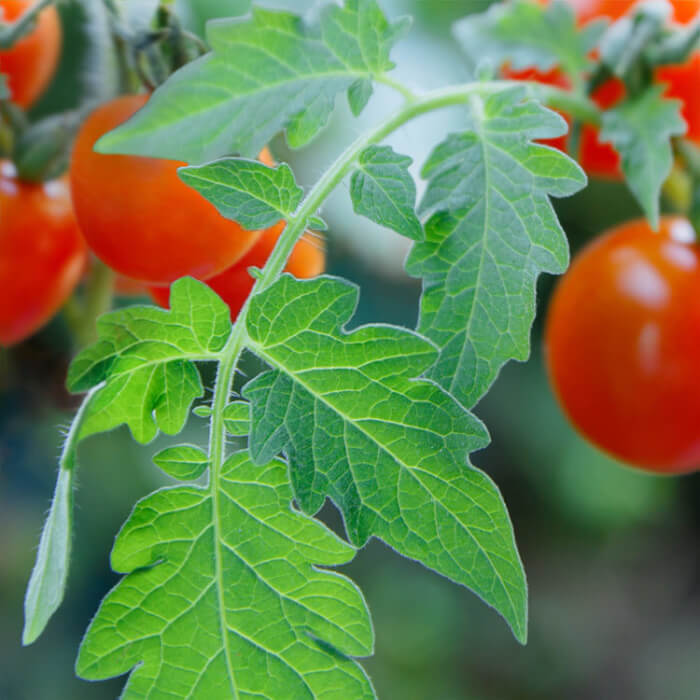
Tomato leaves have been used in folk gardening for centuries as a natural insect repellent. They contain alkaloids, such as tomatine, that are toxic to aphids, whiteflies, and caterpillars.
Gardeners in many rural communities often relied on tomato leaf teas before synthetic pesticides were invented, proving their effectiveness in protecting crops.
To make your own spray, chop about two cups of fresh tomato leaves and soak them in four cups of water overnight. Strain the mixture into a spray bottle and apply directly to the underside of leaves, where most pests hide.
Repeat every few days during an infestation for best results. You can also combine tomato leaves with garlic or onion water for a stronger formula. Keep in mind that while safe for plants, it’s best not to spray this solution directly on vegetables you’ll harvest within 24 hours.
#2 Orange Peels

In many Asian and Mediterranean households, orange peels are not just discarded but used in cleaning, natural medicine, and gardening.
The essential oil found in orange peels, d-limonene, is a potent insecticide that breaks down the waxy coating of soft-bodied insects like ants, aphids, and mites, causing them to suffocate.
To prepare, boil one liter of water and add two cups of fresh orange peels. Let it simmer for 10–15 minutes, then cool and strain the liquid. Add a few drops of neem oil or insecticidal soap to increase its strength before pouring it into a spray bottle.
Spray around plant bases or directly onto infected leaves. For potted plants indoors, place a few dried orange peels in the soil to naturally repel fungus gnats. Aside from pest control, this spray leaves a fresh citrus aroma in the garden, making it pleasant to use.
#3 Chrysanthemum
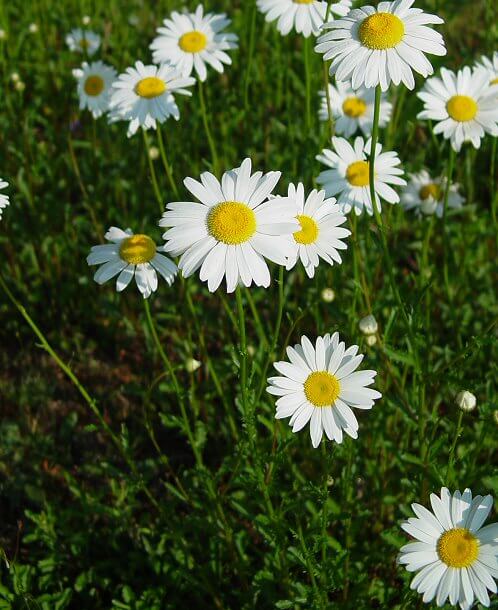
Chrysanthemums are more than just ornamental flowers. For centuries, gardeners have valued them for their natural pesticide content known as pyrethrins, which attack the nervous system of insects.
This compound is still the base ingredient in many commercial organic sprays. In some cultures, chrysanthemum tea was brewed not just for health but also to protect household plants.
To make a homemade version, boil 100 grams of dried chrysanthemum flowers in one liter of water for about 30 minutes. Once cooled, strain and pour into a spray bottle. Use it against mosquitoes, fleas, aphids, and beetles.
For heavy infestations, spray in the evening so the solution has time to coat leaves without evaporating too quickly in the sun.
Store leftovers in the fridge for up to a week, then prepare a fresh batch. As with all sprays, test on a single leaf first to ensure your plant shows no sensitivity.
#4 Salt
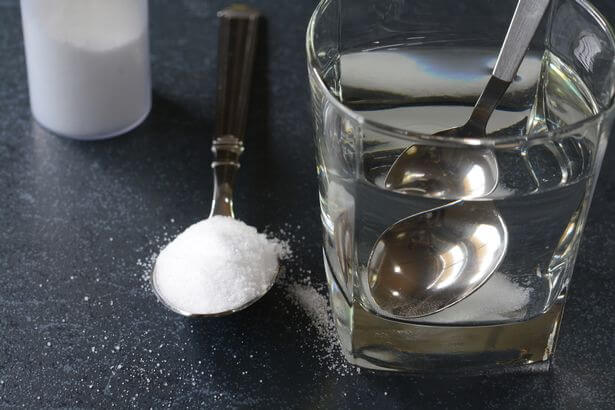
Salt has been an inexpensive home remedy for centuries, used in cleaning, preserving, and even gardening. A simple salt spray can control soft-bodied pests like spider mites, caterpillars, and slugs by dehydrating them.
Farmers in coastal regions often noticed reduced pest infestations where sea spray naturally reached their crops, inspiring this traditional method.
To use, dissolve two tablespoons of table salt in one gallon of water. Pour into a spray bottle and apply to plant leaves, focusing on the undersides where mites usually cluster.
This works best as a short-term solution, since overuse can alter soil salinity and harm roots. For container plants, move them outdoors before spraying to prevent salt buildup in potting soil.
You can also use salt water as a barrier spray around raised beds to deter crawling pests like snails. Always rinse edible crops with fresh water before consuming if they were treated.
#5 Neem Oil
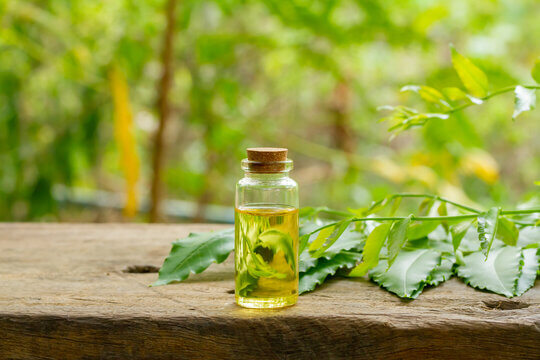
Neem oil has been a cornerstone of Indian agriculture for over 2,000 years. Extracted from the seeds of the neem tree, it works as both a pesticide and a fungicide.
Its compounds disrupt insect feeding and reproduction, making it highly effective against over 200 pests, including aphids, mealybugs, whiteflies, and leaf miners. Many organic farmers still use it as their go-to solution for protecting crops.
To make a spray, mix one teaspoon of neem oil with half a teaspoon of insecticidal soap in a liter of warm water. Shake well to emulsify before applying. Spray leaves thoroughly, ensuring you cover both the tops and undersides.
Apply every 7–10 days until pests are gone. For prevention, spray monthly during the growing season. Neem oil also works as a soil drench against root-knot nematodes.
Remember to apply it during the evening or early morning to avoid harming beneficial pollinators.
#6 Pepper

Hot peppers have long been used in natural gardening because their active compound, capsaicin, irritates and repels insects.
Farmers in Central and South America, where peppers originated, often sprinkled pepper water around crops to deter ants and beetles. This spicy spray not only deters pests but also discourages larger intruders like rabbits or squirrels from chewing on leaves.
To prepare, boil one cup of water and stir in three tablespoons of hot pepper powder. Let it steep for one hour, then strain the liquid. Mix with one tablespoon of dish soap and one tablespoon of vegetable oil, then dilute in one liter of water.
Spray on leaves, focusing on new growth where pests like to feed. Reapply after rain for maximum effectiveness. Wear gloves when making the spray to avoid skin irritation. For an extra punch, combine peppers with garlic for a double repellent effect.
#7 Garlic/Onion spray
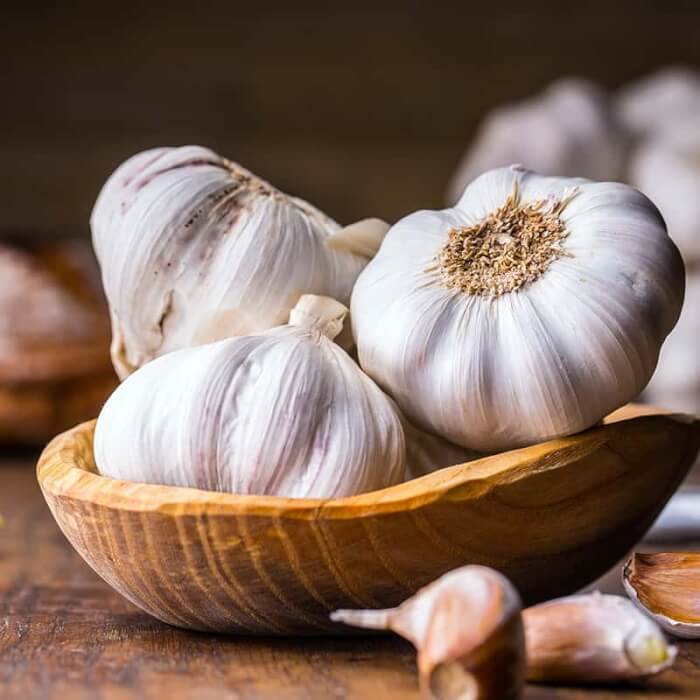
Garlic and onion have been used since ancient times as natural pest repellents, both in medicine and in the garden. Their sulfur compounds produce a strong odor that insects find overwhelming, driving them away from treated plants. This method is particularly effective against aphids, caterpillars, and leafhoppers.
To make the spray, blend one bulb of garlic with one onion until smooth. Mix this paste with a tablespoon of pepper and insecticidal soap in one liter of water. Let the mixture sit for an hour, then strain before use.
Spray on both sides of the leaves to keep pests from settling in. You can also plant garlic and onions near roses, tomatoes, or cabbage as a natural companion planting strategy to deter insects.
The bonus is that you’ll have an edible harvest too. Keep this spray in the refrigerator and use it within one week for the best potency.
#8 Tobacco

Tobacco has historically been used as a pesticide, dating back to the 1600s in Europe. The nicotine in tobacco is toxic to many soft-bodied insects, including aphids, caterpillars, and whiteflies.
However, it must be used carefully since it can also harm beneficial insects and is not safe for crops like tomatoes, peppers, or eggplants, which are part of the same plant family.
To create a spray, soak two tablespoons of dried tobacco leaves in one gallon of water for one to two hours. Add one teaspoon of dishwashing soap and a pinch of hot pepper powder for extra strength.
Strain the mixture and pour it into a spray bottle. Apply to infected plants, focusing on leaves with visible pest damage. Avoid spraying in full sun, as the mixture may scorch leaves.
Use this solution sparingly and rotate with other natural pesticides to prevent overexposure in your garden ecosystem.