
Indoor plants require sunlight just as much as water and soil to thrive. While many houseplants adapt well to low-light corners, they still show distress when the light isn’t enough.
If you’ve noticed your plant leaning toward the window, producing tiny leaves, or slowing its growth, these are clear signals it’s craving more sun. Light fuels photosynthesis, the process that keeps plants alive and healthy.
Without it, their colors fade, foliage weakens, and growth halts. The good news is that these warning signs are easy to spot, and a few small adjustments can bring your greenery back to life.
Let’s explore the most common signs your houseplants need more sunlight and how you can fix them.
#1 Brown Tips And Leaves
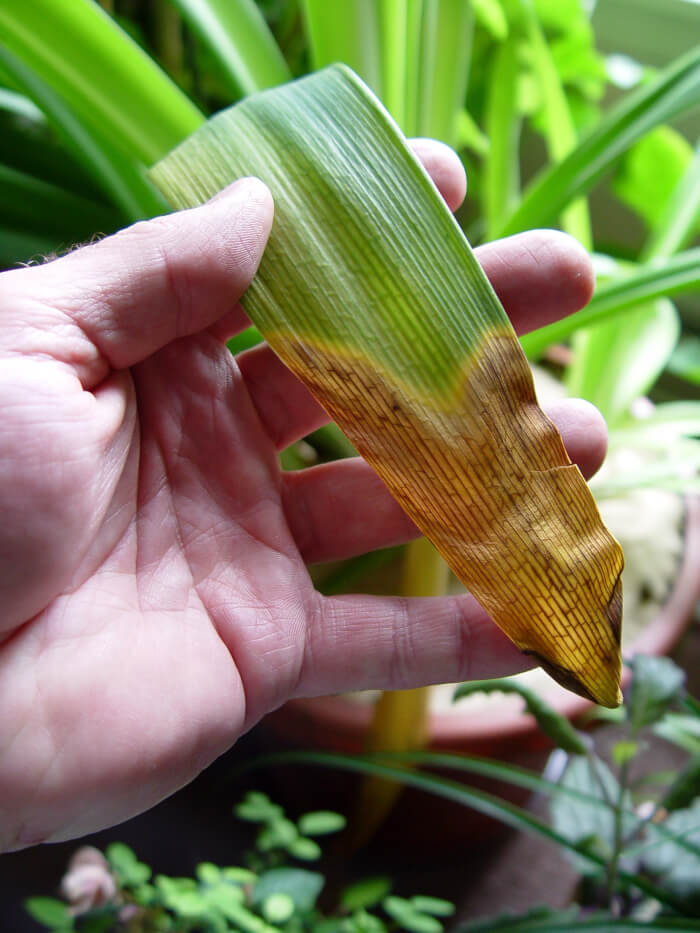
When leaf tips turn brown or whole leaves dry out, your plant may be struggling in dim conditions. Too much fertilizer can worsen the issue, but lack of light is often the main cause.
Place your plant closer to a sunny window or use a grow light if natural sunlight is limited. Water only when the soil feels dry to the touch.
Adjusting both light and watering will usually help leaves recover. Regularly trimming away damaged foliage also encourages healthier growth.
#2 Soil Stays Wet For Long
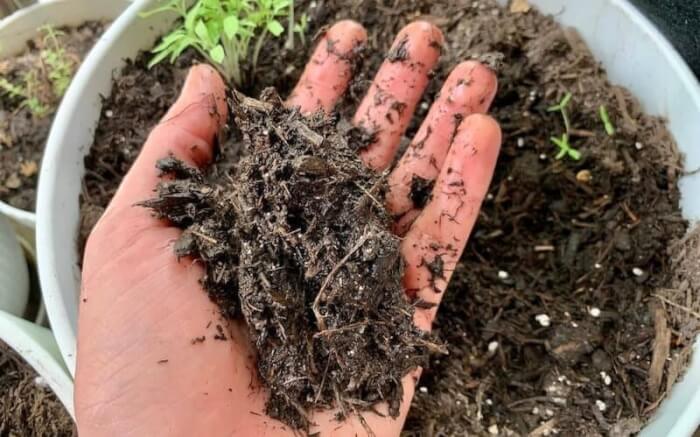
Healthy soil should dry slightly between waterings. If your plant’s soil remains soggy for several days, it’s often a sign of low light. Without sunlight, roots can’t absorb water efficiently, leaving the soil wet and airless.
Move the plant to a brighter location and check drainage holes to prevent rot. Use a well-draining potting mix to improve airflow around the roots. This simple change can prevent future problems.
#3 Plant Moves To The Light’s Source
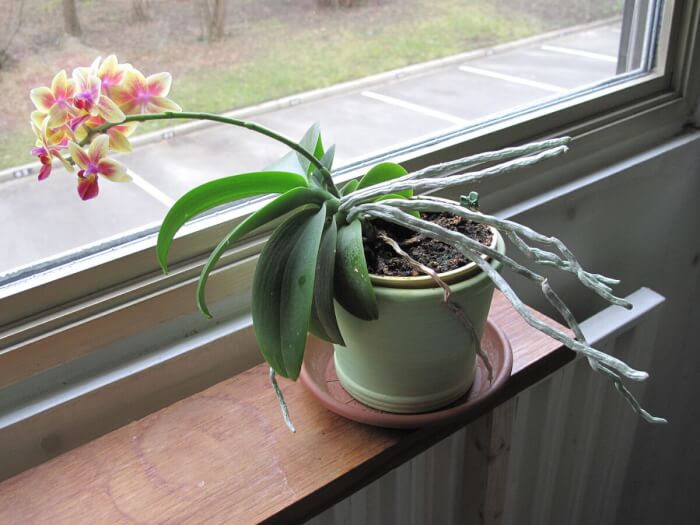
When a plant stretches awkwardly toward the nearest light source, it’s signaling that it isn’t getting enough sun. You might notice stems bending and leaves tilting toward the brightest spot in the room.
Rotate the pot every few days so all sides receive even light. If possible, place the plant directly near a south- or west-facing window. Over time, this helps balance growth and prevents weak, leaning stems.
#4 Faded Colors
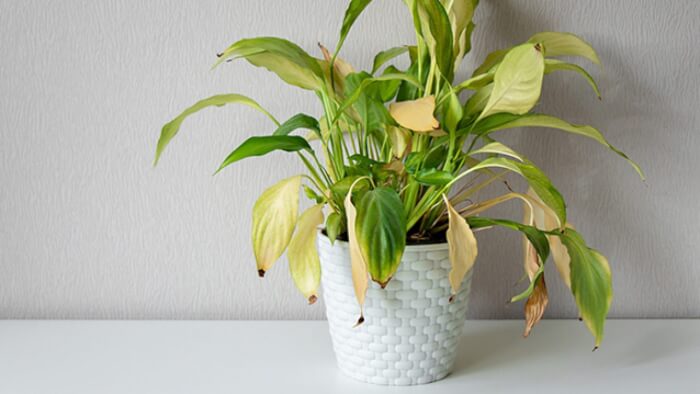
Bright green or variegated foliage losing its vibrancy is a sure indicator of low light. Plants that naturally have patterned or colorful leaves are especially prone to fading.
Relocate them to a space where they get at least a few hours of bright, indirect light daily. Cleaning dust off leaves will also help them absorb light more effectively. Restoring their natural color often takes just a few weeks of better exposure.
#5 Smaller Leaves
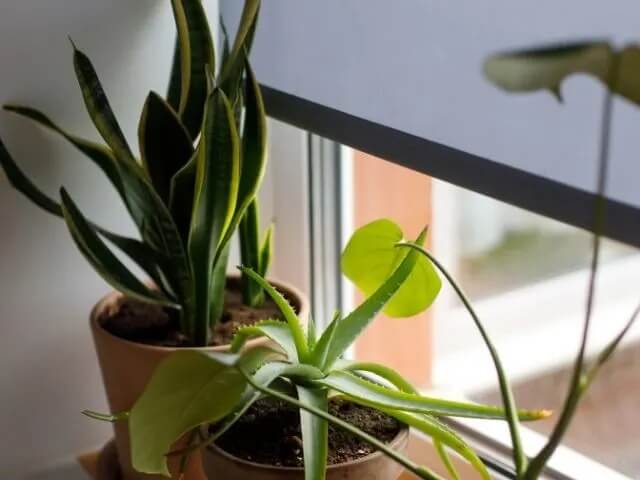
If new leaves are unusually small and lack their typical shine, your plant likely isn’t receiving enough sun to fuel proper growth. The roots can only do so much without energy from photosynthesis.
Place the plant in a brighter spot and check that it receives at least a few hours of daylight. Fertilizer can support growth, but sunlight is the real key. Over time, new leaves will appear fuller and healthier.
#6 Mushy Foliage
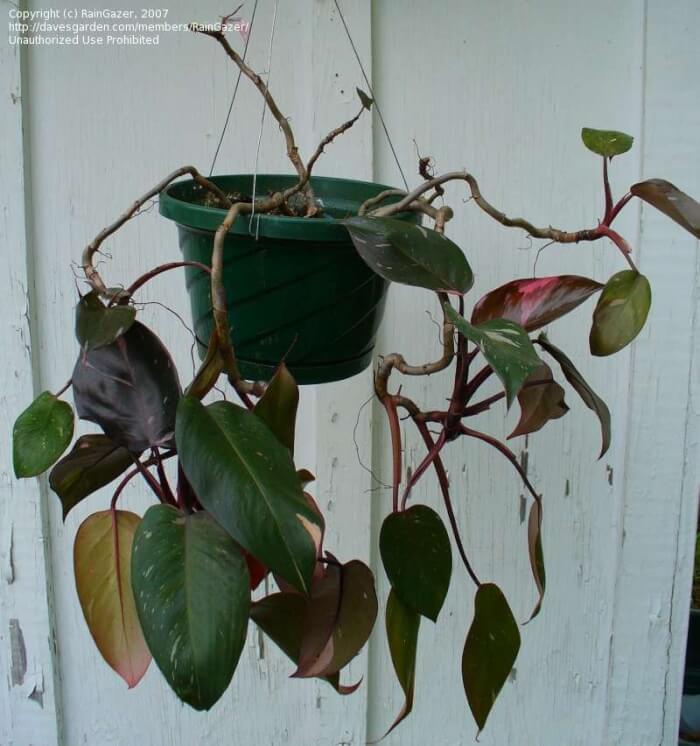
Soft, mushy leaves often mean a plant is overwatered, but low light is usually part of the problem. Without enough sun, plants can’t process the water you give them, leading to soggy, collapsing foliage.
To fix this, cut back on watering and provide brighter conditions. Allow the soil to dry almost completely before the next drink. With more light, new leaves should emerge firm and strong.
#7 Leggy Growth
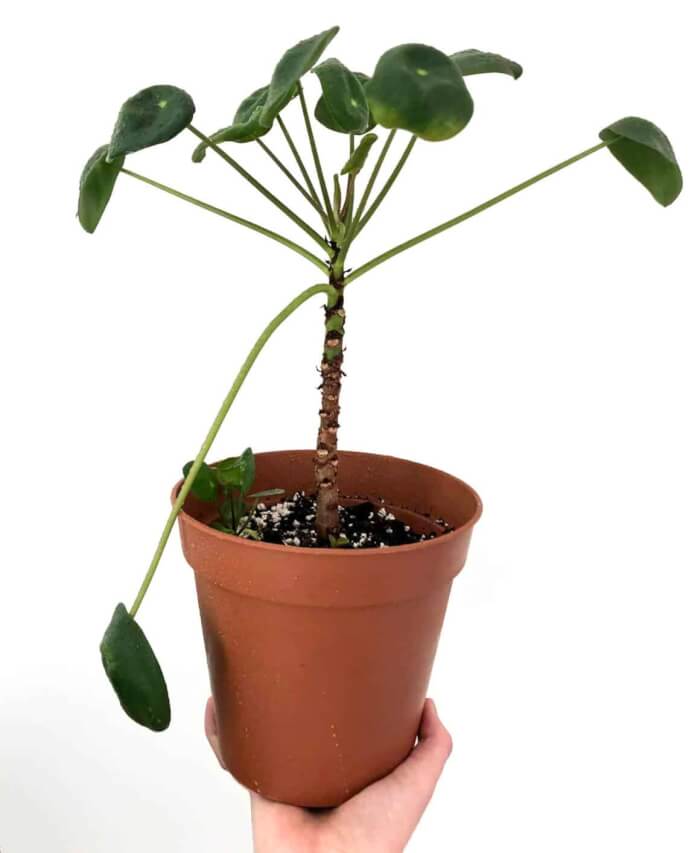
Long, stretched stems with wide gaps between leaves are a classic sign of light deprivation. The plant is essentially reaching out in search of the sun. Trim back overly long stems to encourage bushier growth.
Relocate it to a sunny windowsill or add supplemental lighting. Within a few weeks, new growth should appear more compact and healthy. Keeping up with pruning helps maintain a balanced shape.
#8 Pause On Growth
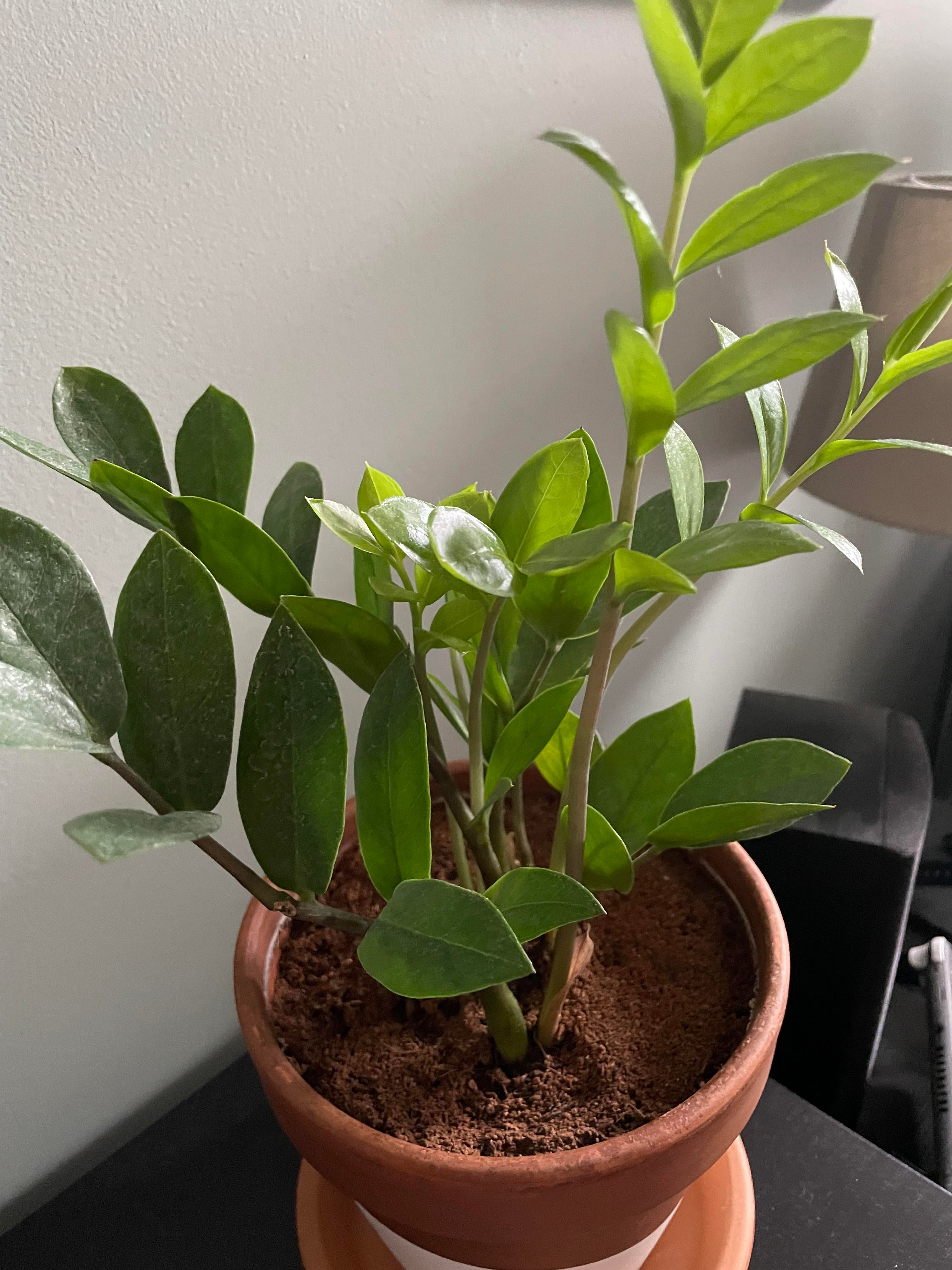
If months go by without new leaves or shoots, your plant may be stuck in survival mode due to lack of light. While some species naturally grow slower in winter, constant stalling indicates a deeper issue.
Increase its exposure by placing it near a brighter window or using a grow light during shorter days. Combine this with consistent watering and occasional feeding. Soon, you’ll see signs of fresh growth returning.