
You’ve probably tossed back a handful of sunflower seeds without giving them much thought. They’re salty, crunchy, and the perfect snack for a movie night or long road trip.
But what if I told you that these little kernels pack more secrets than you think? From surprising health benefits to sneaky risks, sunflower seeds can be both a superfood and a snack you should treat with a bit of caution.
In this guide, we’ll uncover 11 facts that might just change how you eat them forever. You’ll learn about their powerhouse nutrients, the right way to enjoy them, and even who should think twice before indulging.
Whether you’re a lifelong fan or just curious, this is the inside scoop on sunflower seeds that you won’t want to miss.
1. Sunflower seeds are packed with Vitamin E
According to the USDA, a single ounce of sunflower seeds contains over 7 milligrams of vitamin E, which is nearly half your daily recommended intake.
Vitamin E is a powerful antioxidant that helps protect your cells from damage and keeps your skin looking youthful.
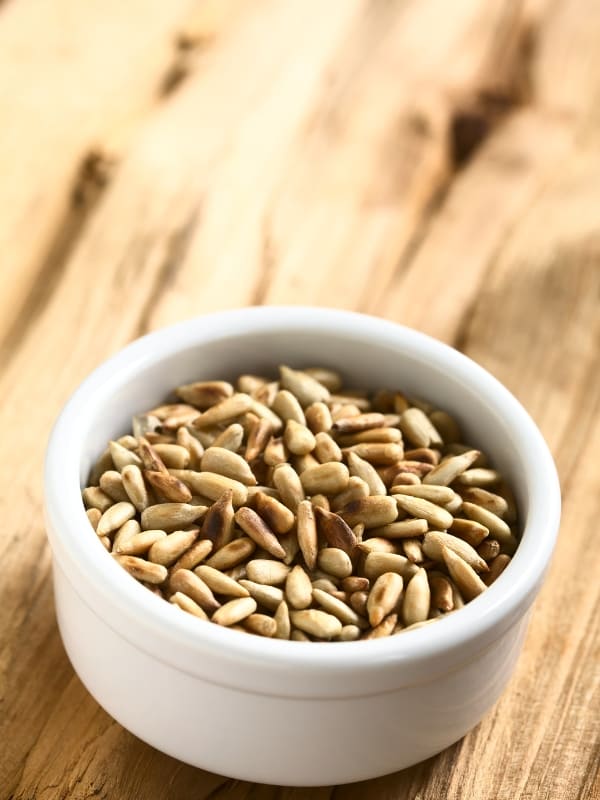
To get the most out of this benefit, enjoy sunflower seeds raw or lightly roasted, as high heat can reduce vitamin E content. Add them to oatmeal, smoothies, or salads for a nutrient boost without overloading on salt.
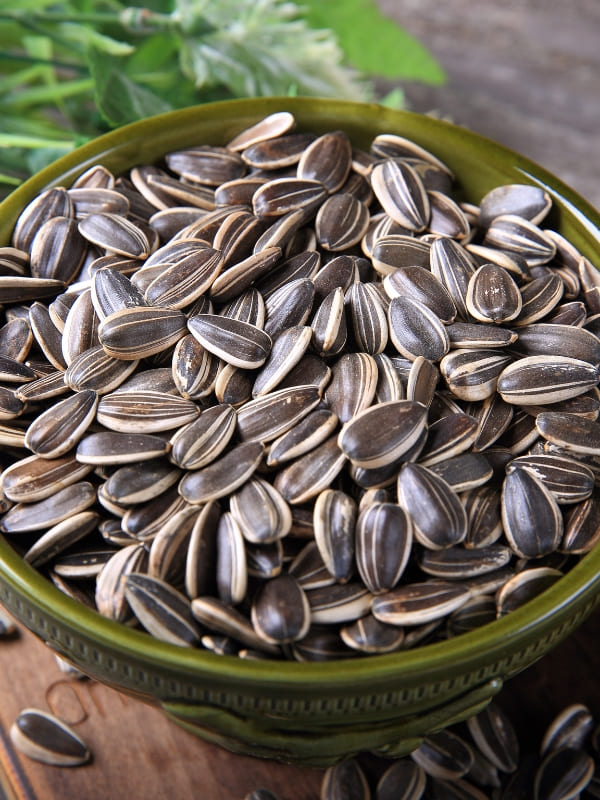
2. They support heart health
Research published in The Journal of Nutrition shows that sunflower seeds’ high levels of phytosterols and healthy fats can help lower LDL cholesterol.
These compounds work to improve blood vessel function and reduce inflammation, both of which are key for cardiovascular health.
Try eating a small handful daily instead of processed snacks. Opt for unsalted seeds to avoid excess sodium, which can counteract heart benefits. Pair them with fresh fruit for a balanced snack that’s both satisfying and heart-friendly.
3. They contain mood-boosting nutrients
Sunflower seeds are rich in magnesium, a mineral linked to reduced anxiety and improved mood. A study from the National Institutes of Health suggests that magnesium helps regulate neurotransmitters that affect emotional well-being.
For a calming effect, sprinkle sunflower seeds over Greek yogurt with a drizzle of honey. This combo not only delivers magnesium but also protein for steady energy.
Keep a small jar at your desk so you can grab a handful when stress starts to creep in.

4. They can be a great source of plant-based protein
If you’re looking for a protein boost without turning to meat, sunflower seeds can help. Each small handful contains around 5–6 grams of protein, making them a great addition to vegetarian or vegan diets.
Protein helps repair tissues, build muscle, and keep you feeling full for longer. You can sprinkle sunflower seeds on stir-fries, pasta, or smoothie bowls for an easy upgrade.
5. Sunflower seeds can be high in sodium if salted
Many packaged sunflower seeds are heavily salted, which can raise your daily sodium intake more than you realize. Too much sodium can lead to high blood pressure and other health concerns.
Choosing unsalted or lightly salted sunflower seeds helps you enjoy their benefits without the downsides. You can also roast your own at home with herbs and spices for flavor without excess salt.
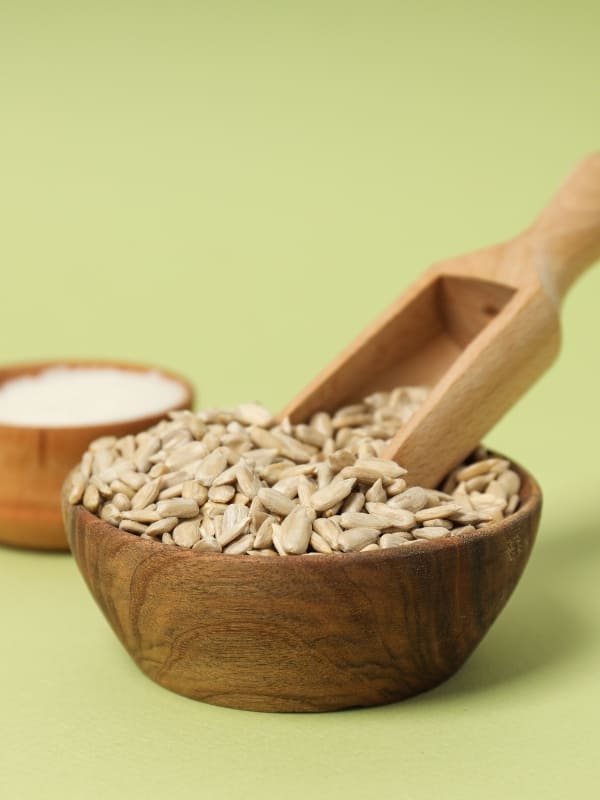
6. They can support healthy skin
Sunflower seeds are rich in vitamin E, which helps protect your skin from damage caused by the sun and pollution. This vitamin works to keep your skin soft, smooth, and hydrated by strengthening its natural barrier.
Antioxidants in the seeds also fight free radicals that contribute to aging. Adding them to your diet can be a tasty way to nourish your skin from the inside out.
7. They may help with blood sugar control
The combination of protein, fiber, and healthy fats in sunflower seeds can help slow the absorption of sugar into your bloodstream. This can prevent sudden spikes and crashes in blood sugar levels.
People with insulin resistance or type 2 diabetes may find that adding sunflower seeds to meals or snacks helps with better blood sugar management. Try pairing them with fresh fruit for a balanced snack.

8. They can boost your immune system
Sunflower seeds contain zinc and selenium, two minerals that help strengthen your immune system. Zinc plays a role in producing immune cells, while selenium helps your body fight off infections and supports thyroid health.
Regularly eating a small portion of sunflower seeds can give your body extra defense against seasonal illnesses.
9. Sunflower seeds can improve bone health
Magnesium and phosphorus in sunflower seeds are both essential for maintaining strong and healthy bones. These minerals help your body absorb and use calcium more effectively.
If you include sunflower seeds along with other calcium-rich foods, you’re helping your bones stay sturdy over the long term. They make an excellent topping for yogurt, which adds even more bone-supporting nutrients.
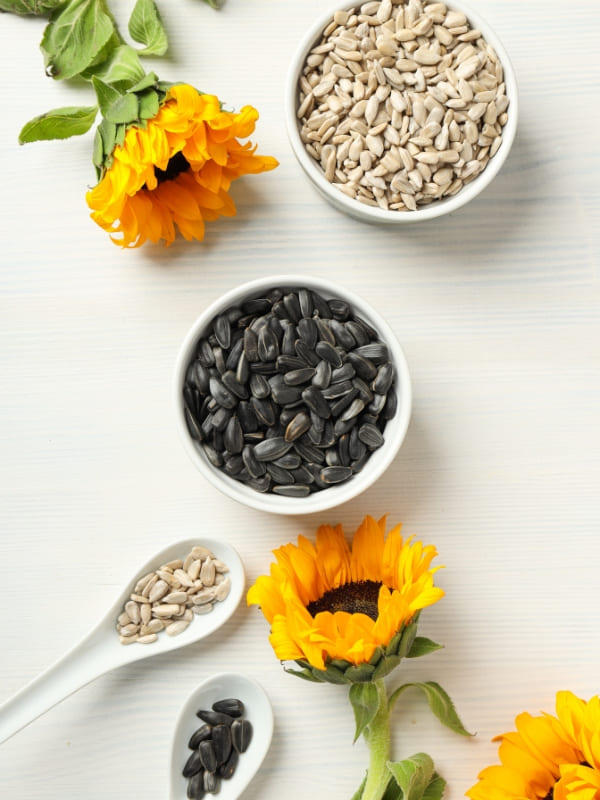
10. They are incredibly versatile in recipes
You can enjoy sunflower seeds in far more ways than just eating them by the handful. They make a crunchy topping for salads, oatmeal, and roasted vegetables.
You can blend them into smoothies, stir them into homemade granola, or even use sunflower seed butter as a spread. Their mild, nutty flavor works well in both sweet and savory dishes.
11. They should be eaten in moderation
Even though sunflower seeds are healthy, they are also calorie-dense due to their fat content. Eating too much can add more calories than you realize, which might lead to weight gain over time.
A sensible serving is about a small handful, or roughly 1 ounce. Enjoying them in moderation helps you get all their benefits without overdoing it.
Cautions and Precautions
People with nut or seed allergies should avoid them entirely, as reactions can range from mild itching to severe anaphylaxis. Those with high blood pressure should steer clear of heavily salted varieties to prevent excessive sodium intake.
Eating sunflower seeds in large amounts can also cause digestive discomfort due to their fiber content. Some flavored versions contain added sugars and unhealthy oils, which reduce their nutritional value. Always check the label before buying.
If you’ve never eaten sunflower seeds before, test for sensitivity by starting with a very small portion and monitoring your body’s reaction over the next 24 hours.
Disclaimer
This article is for informational purposes only and does not substitute for professional medical advice.
Always consult with a healthcare provider before making significant changes to your diet or trying new remedies, especially if you have underlying health conditions.
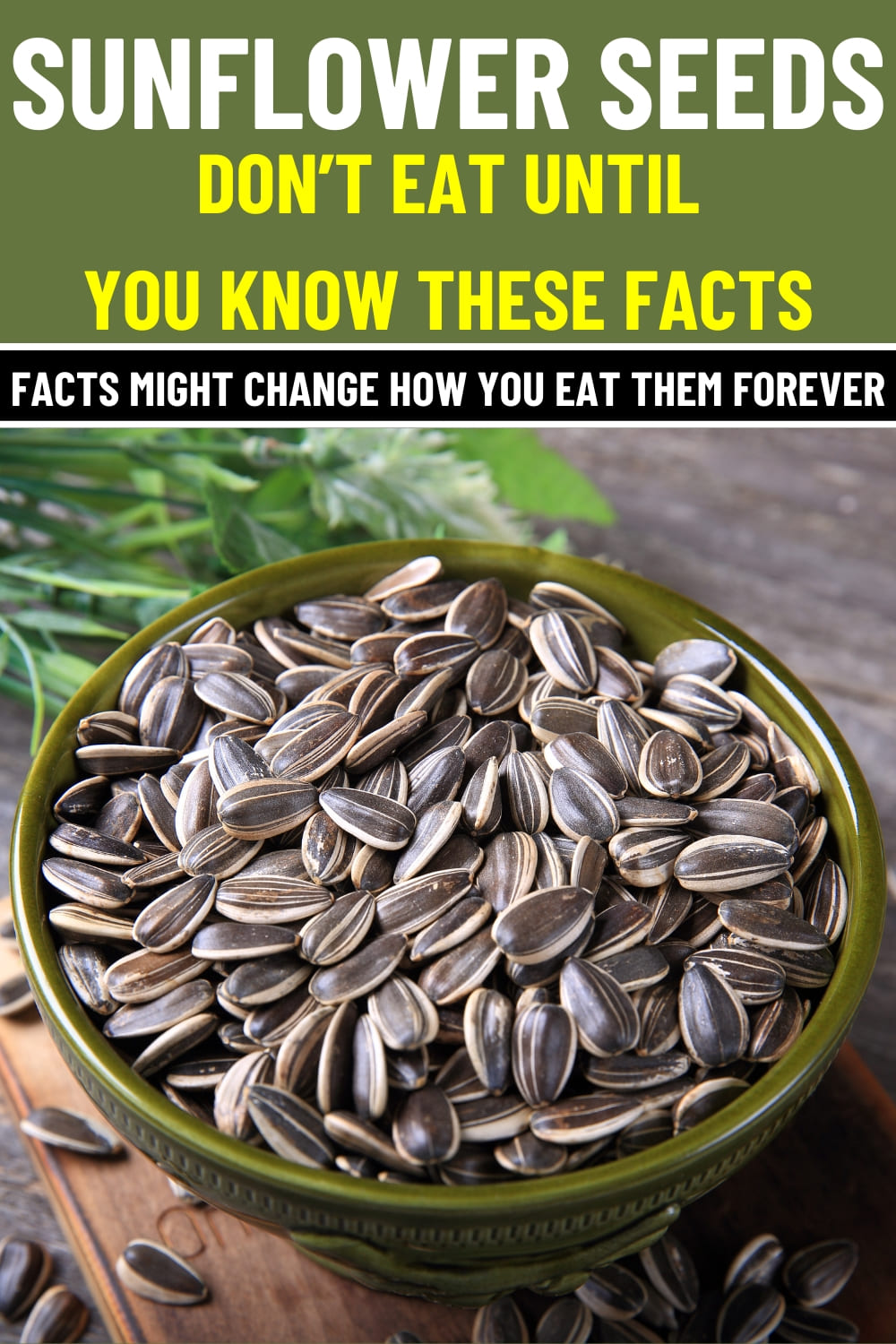
11 Surprising Facts About Sunflower Seeds That Will Change How You Eat Them