
Hey there, fellow hair enthusiasts! We all dream of rocking those gorgeous, healthy locks – the kind that gleam with a natural shine and feel unbelievably smooth to the touch. It’s the ultimate hair goal, right?
But sometimes, without even realizing it, our everyday routines are playing saboteur, secretly damaging and weakening our precious strands. It’s those little, unconscious habits, the ones we don’t even think twice about, that can mess with our hair’s health.
But don’t you worry your lovely head! The good news is, achieving that luscious, vibrant hair isn’t some far-off fantasy.
We’ve rounded up 15 super simple yet amazing habits that you can easily weave into your daily life. These are straightforward, game-changing tips designed to protect your hair from sneaky damage and give it the ultimate boost it needs to grow strong, healthy, and radiant.
Get ready to transform your hair game – it’s going to be a fun ride!
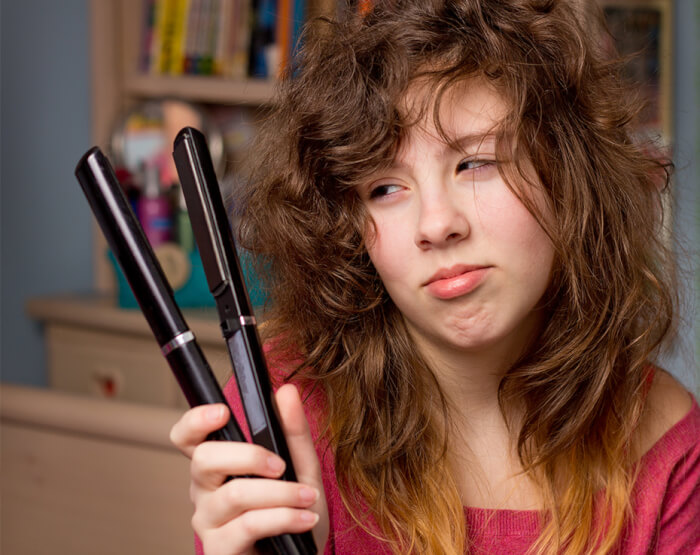
Tip 1: Don’t Overapply Heat On Hair
 Source: unknown
- Cover with a layer of protective oil
- Choose the lowest heating mode
- Works neatly and quickly to avoid the amount of heat reaching the hair as little as possible.
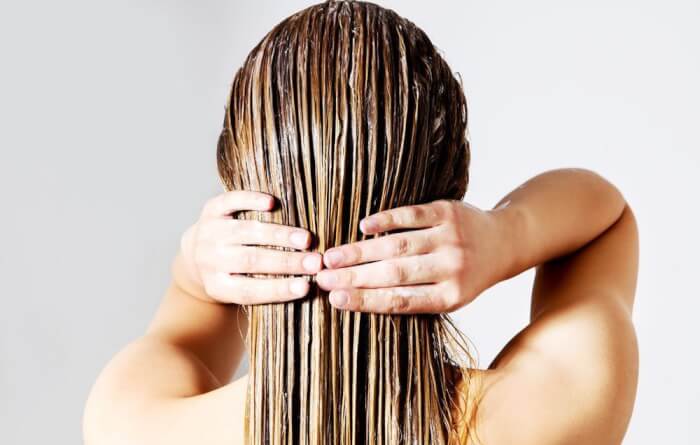
Tip 2: Regular Conditioning
 Source: unknown
Conditioner not only makes your hair look better, but it also strengthens and protects it from the sun’s harmful UV rays.
If you have thick hair, apply this cream to the bottom of your hair to avoid weighing it down. For dark hair, coat the ends thoroughly to nourish the fragile ends.
Tip 3: Deal Carefully With Wet Hair
 Source: unknown
When the hair is wet, it will be in an extremely elastic state. Brushing hair while the water is still dripping can easily break the hair and damage the cuticle.
If you have straight hair, let your hair air dry, then use a wide-tooth comb to gently comb.
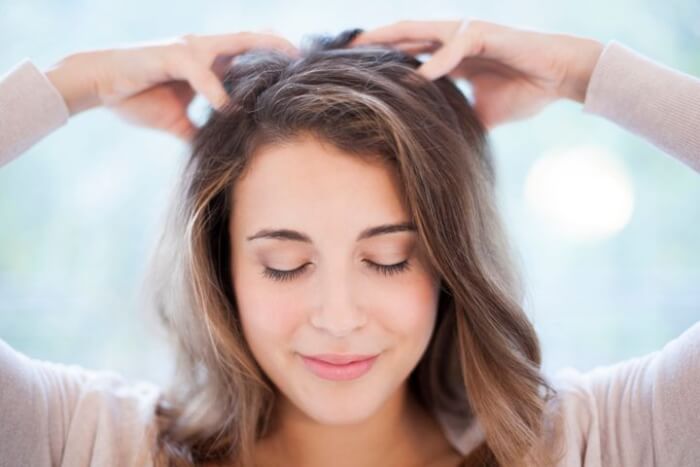
Tip 4: Massage
 Source: unknown
Some small studies have shown that regular head massage can help hair grow thicker, and this hypothesis is still under investigation.
But massage is known to help relieve stress and tension that can contribute to hair loss. In addition, you can use a specialized tool for scalp massage for a few minutes every day.
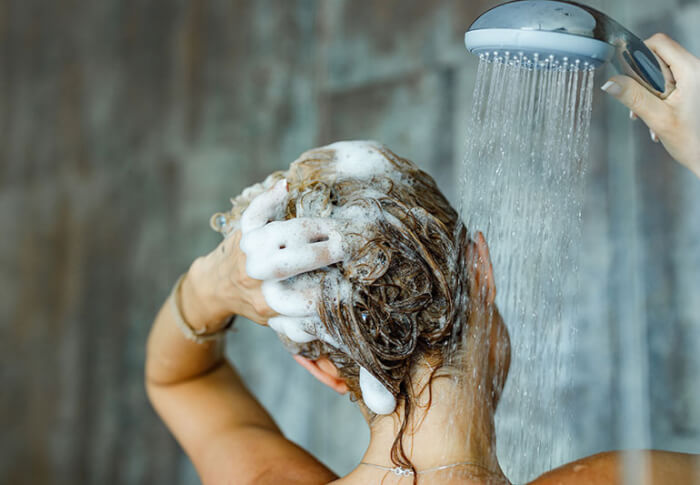
Tip 5: Wash The Right Way
 Source: unknown
Using too much shampoo can strip away the natural oils of the scalp, making the hair dry, and using too little will not clean the scalp.
Therefore, you should only take a sufficient amount according to the instructions on the product packaging.
Tip 6: Suitable Hair Masks
 Source: unknown
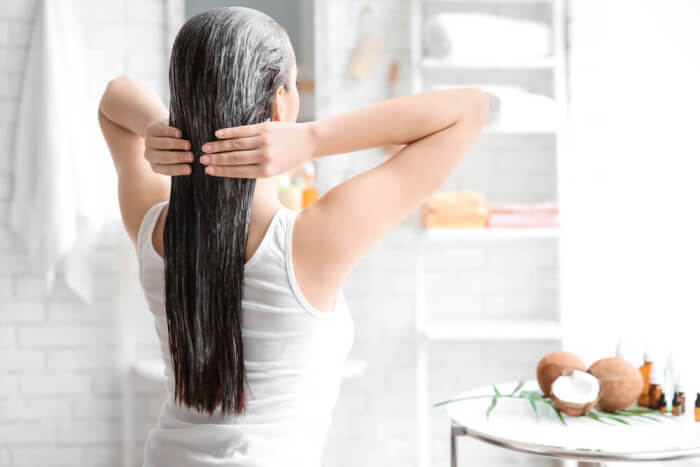
Using a hair mask helps to add nutrients and increase moisture to the hair. With regular use, you can have softer, healthier, and longer hair faster.
You can make your hair masks from natural ingredients or buy ready-made products with natural herbal extracts.
Tip 7: Protect Your Hair
 Source: unknown
Protects hair from exposure to harmful environmental agents. They can make hair frizzy and brittle.
So when going out, you should protect your hair by wearing a hat to limit your hair’s exposure to the air and sunlight outside.
Tip 8: Avoid Overuse Of Chemicals
 Source: unknown
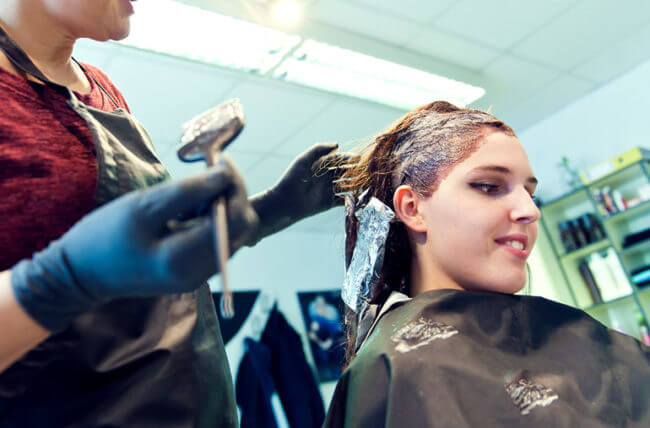
Using chemicals to straighten, dye, and curl hair regularly will easily make the fibers brittle and prone to breaking.
It is best to limit the use of these chemicals, and the best interval for each hairdo is from 6 months to 1 year.
Tip 9: Healthy Eating
 Source: BHHR
No nutritional supplement has been proven to help hair grow faster. But a lack of certain nutrients can affect your hair. Iron deficiency can cause anemia and hair loss.
Nutrients such as vitamins B and D, zinc, omega-3 fatty acids, and vitamin B biotin are important factors for healthy hair.
You can consult with your doctor to see if you should take a multivitamin or supplement and how much is enough for your body.
Tip 10: Use Cold Water
 Source: unknown
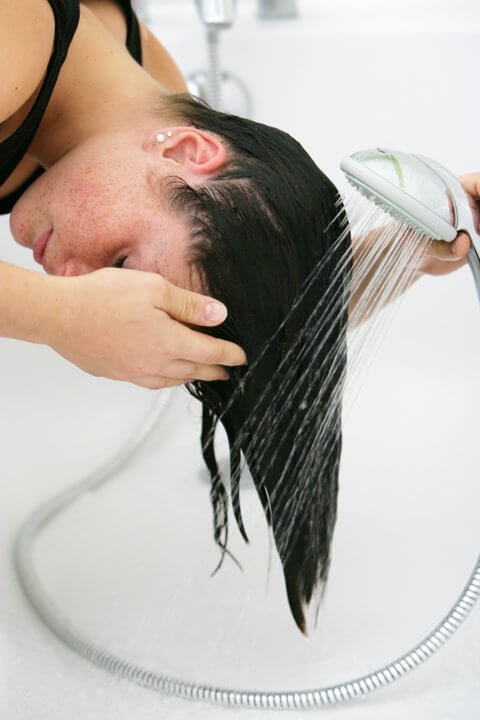
Using hot water to wash your hair can damage the scalp, making it dry and prone to split ends.
Therefore, to maintain moisture for your hair and scalp, wash your hair with cold water.
Tip 11: Choose Satin Pillow Covers
 Source: unknown
Thick cotton sheets feel good against your skin, but they may not be the best choice if you have delicate hair. Satin is a better choice.
It won’t make the hair grow faster, but it can reduce friction, frizz, and breakage, and also add a luxurious feel to the room.
Tip 12: Don’t Braid Tightly During Bedtime
 Source: unknown
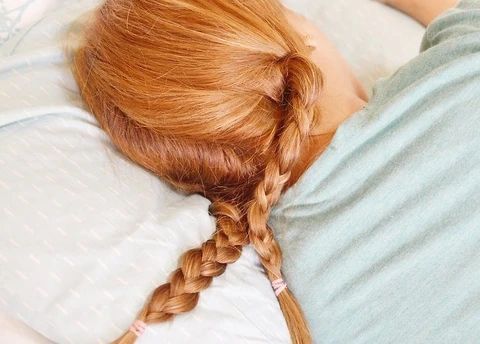
When you head to bed, it’s definitely best to let loose or just tie your long hair loosely when you go to sleep. This simple habit can make a huge difference, helping your hair avoid tangles and hair loss.
When your hair is left down or tied too tightly, it can rub against your pillow, leading to friction, knots, and breakage. A loose braid, a low ponytail, or even a soft bun on top of your head can protect your strands from all that tossing and turning.
This gentle approach minimizes stress on your hair follicles and reduces friction, so you wake up with smoother hair and less of it left on your pillow!
Tip 13: Dry Your Hair Before Bedtime
 Source: unknown
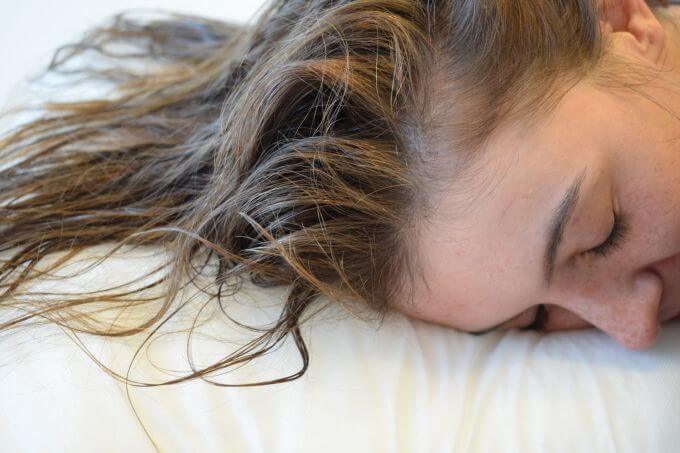
Going to sleep with wet hair isn’t just a minor inconvenience; it can lead to several uncomfortable and potentially harmful issues.
Firstly, the dampness creates a perfect breeding ground for bacteria and fungi on your scalp, which can cause various scalp diseases like dandruff or fungal infections.
More directly, hair is also weaker and more prone to breakage when wet. This means that tossing and turning on a pillow with damp strands can cause significant friction and stretching, leading to increased hair loss and damage.
Tip 14: Avoid Tight Hair Ties
 Source: unknown
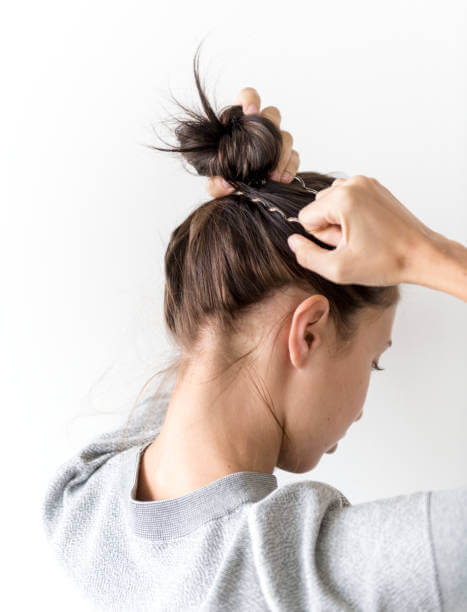
You should avoid using elastic bands to tie your hair because they can easily break your hair.
Tightly tying the hair also makes the hairs squeeze together, increasing friction and leading to hair damage.
Tip 15: Relax
 Source: unknown
Nothing damages your hair more than stress. No matter how meticulously you follow hair care routines, use the best products, or adopt healthy habits, if you don’t de-stress, your hair will genuinely never be as beautiful as it could be.
Stress impacts your body in countless ways, and your hair is no exception. Chronic stress can push hair follicles into a resting phase prematurely, leading to increased shedding and thinning.
It can also exacerbate scalp conditions, affect nutrient absorption, and simply leave your hair looking dull, lackluster, and less vibrant. Addressing the root cause of stress is just as vital as any topical treatment for achieving truly radiant and resilient hair.