
Yogurt has many uses in the garden, and it’s more than just a healthy snack for you. The nutrients and probiotics in yogurt can enrich soil, strengthen roots, and even protect plants from pests and disease.
If you’ve ever wondered how to reuse leftover or expired yogurt, your garden is the perfect place to start.
By adding yogurt to compost, spraying it on leaves, or mixing it into soil, you can encourage stronger plant growth without relying heavily on chemical fertilizers.
It’s an inexpensive and natural way to keep your vegetables, herbs, and trees thriving. Here are 5 incredible uses of yogurt for your gardening work that will surprise you.
#1 A Organic Fertilizer

Yogurt makes an excellent natural fertilizer, delivering phosphorus and nitrogen that plants need to grow strong. Mix plain yogurt with water in equal parts, then pour it around the base of your plants once or twice a month.
Tomatoes, peppers, and leafy greens especially benefit from this boost. The calcium in yogurt also helps prevent stunted growth and blossom end rot. Over time, the soil becomes richer, and your plants will reward you with healthier yields.
#2 Perfect for Compost
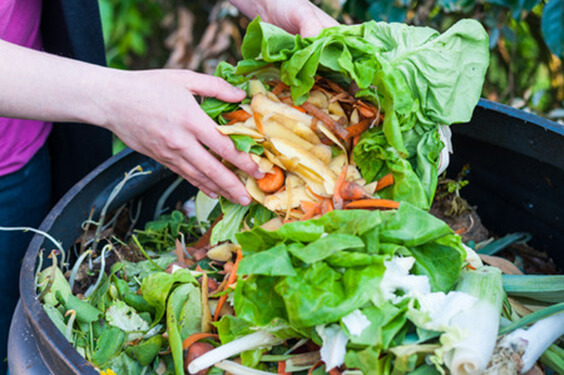
Adding yogurt to your compost pile speeds up decomposition and encourages beneficial microbes to thrive. Simply pour leftover yogurt into the center of your compost, then cover it with sawdust, dry leaves, or grass clippings.
The good bacteria in yogurt help balance the pile and break down organic matter faster. This results in nutrient-rich compost that improves soil fertility. Using yogurt this way ensures nothing goes to waste in your kitchen.
#3 Repel Mildew

Powdery mildew and mold can quickly damage your plants, but yogurt offers a natural solution. Combine one tablespoon of plain yogurt with a cup of water and transfer the mixture into a spray bottle.
Apply directly to affected leaves every few days until symptoms fade. The lactic acid and probiotics in yogurt help reduce fungal growth while being gentle on plants.
This method is especially useful for roses, cucumbers, and zucchini, which often suffer from mildew.
#4 Used to Feed Citrus Trees
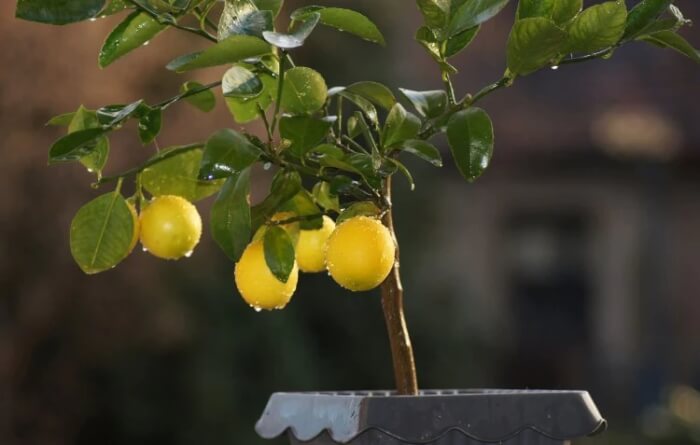
Citrus trees love calcium and beneficial bacteria, both of which yogurt provides in abundance. Sprinkle a cup or two of plain yogurt around the roots of lemon, lime, or orange trees every 4–6 weeks.
Water thoroughly so the nutrients soak into the soil. Over time, you’ll notice stronger growth and improved fruit quality. This simple step is a natural way to boost citrus health without synthetic fertilizers.
#5 Encourage The Growth of Moss

If you’ve ever admired moss-covered stones or walls, yogurt can help you achieve the look. Blend one cup of plain yogurt with a small handful of moss until it forms a thick paste.
Spread this mixture on rocks, bricks, or shaded soil where you want moss to grow. Keep the surface lightly watered, and within weeks, soft green moss will begin to spread. It’s an easy, creative way to add a natural touch to your garden decor.