
Dealing with insects in the garden can be frustrating, especially when they damage your plants. While chemical pesticides may seem like the quickest fix, they can harm your health, upset the balance of your soil, and disrupt beneficial wildlife.
A better solution is to let nature help you. Certain flowers repel insects while adding color, fragrance, and beauty to your garden. Some even provide edible leaves or blooms, giving you a double benefit.
By planting these varieties, you can enjoy a healthier garden that is both vibrant and pest-free.
#1 Lavender
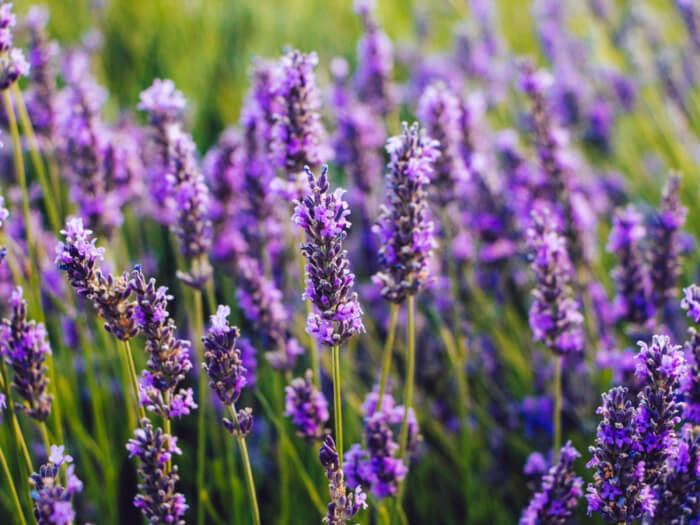
Lavender’s fragrant purple blooms and silvery-green foliage bring both beauty and function to the garden. Its scent deters many unwanted insects while attracting bees and butterflies.
Plant it in full sun and well-drained soil for the best growth. Trim back after flowering to keep it neat and encourage fresh blooms. You can also dry the flowers for sachets or teas.
#2 Catmint
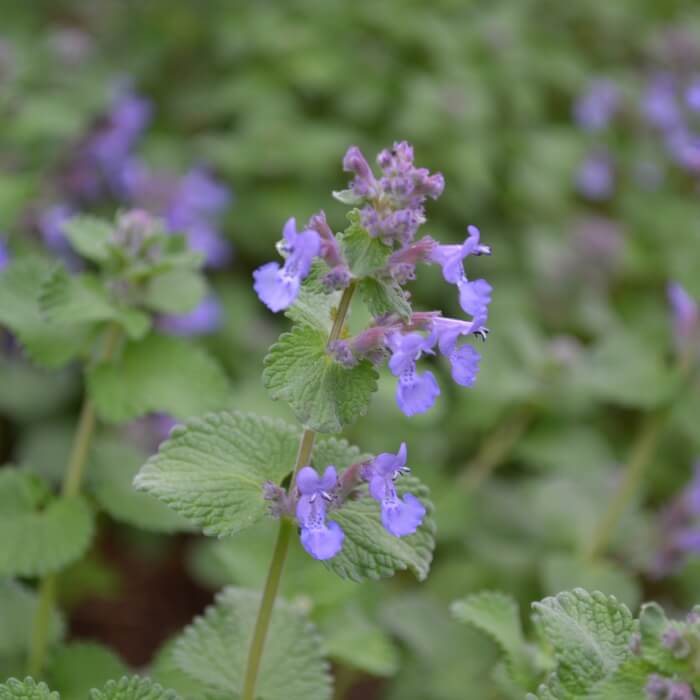
Catmint’s soft blue flowers and aromatic foliage are disliked by many insects, as well as rabbits and deer. It thrives in sunny spots and tolerates dry soil well.
Cut it back after the first bloom to encourage a second flush of flowers. The plant’s gentle sway in the breeze adds movement and charm to garden borders. It’s a great choice for attracting pollinators while keeping pests away.
#3 Butter Daisy
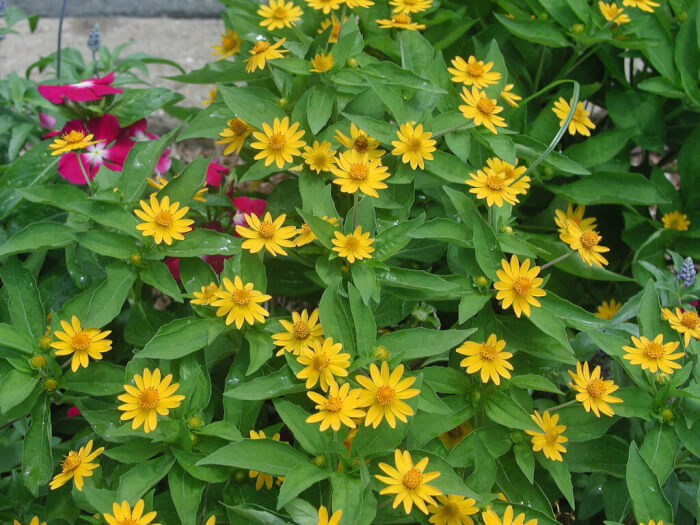
Butter daisy brightens the garden with sunny yellow flowers that bloom for months. It grows easily in full sun and prefers regular watering, especially in hot weather. Deadhead spent flowers to encourage continuous blooms.
It can self-seed, so you might find cheerful surprises popping up the next season. This plant brings a constant splash of color while discouraging unwanted bugs.
#4 Dianthus
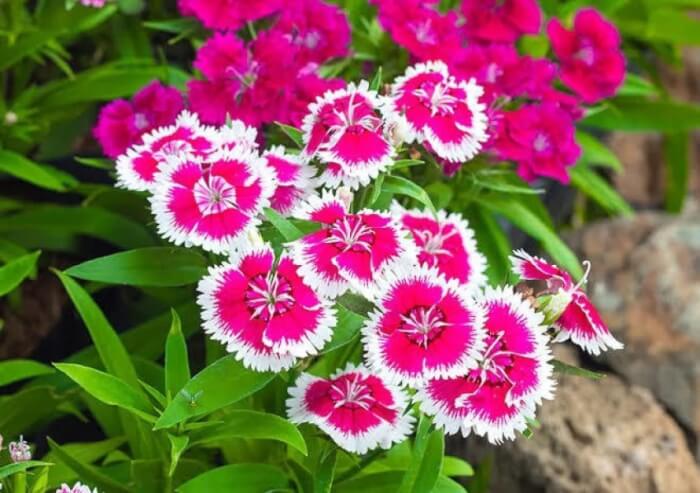
Dianthus has a sweet yet spicy clove fragrance that people love but many insects avoid. It thrives in well-drained soil and enjoys a sunny or lightly shaded spot.
Water at the base to keep its foliage healthy. The frilly-edged flowers come in a range of colors, adding elegance to rock gardens and borders. Regular deadheading keeps them blooming longer.
#5 Russian Sage
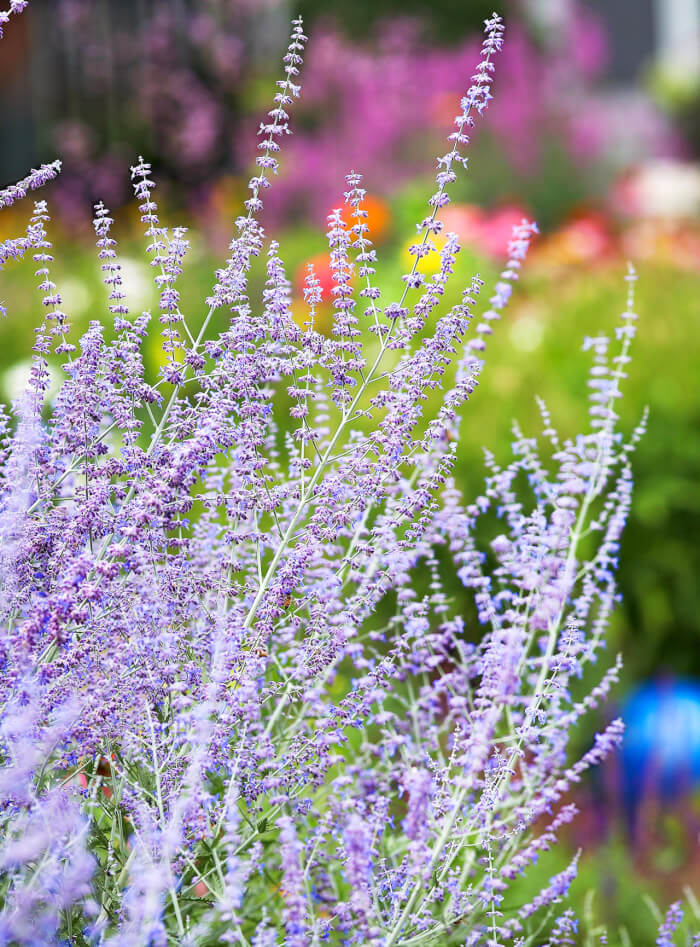
Russian sage offers tall, airy spires of lavender-blue flowers that bees adore, but its herbal scent keeps many harmful insects at bay.
Plant it in full sun with well-drained soil for the strongest growth. Its fuzzy leaves and sturdy stems stand up well to heat and drought. Cut back in early spring to refresh the plant. It’s a lovely way to add height and fragrance to your garden.
#6 African Lily
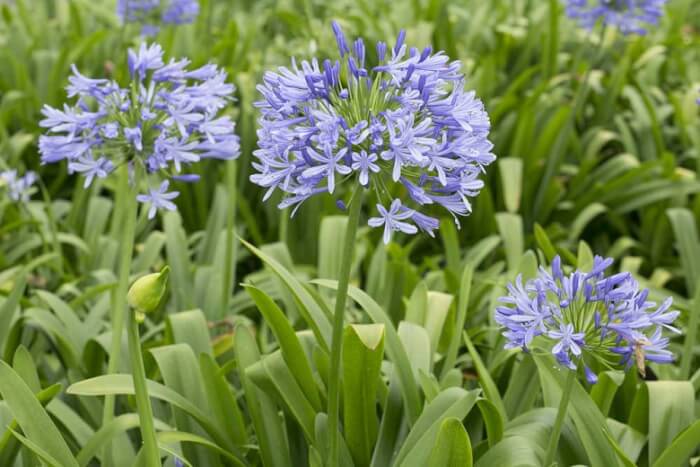
African lily produces bold clusters of blue or white flowers atop tall stems, with strong foliage that resists insect damage.
Give it a sunny location and rich, well-drained soil. Water regularly during the growing season, then reduce watering once it finishes blooming. Its tropical look adds a touch of drama to garden beds. It’s also striking in large containers.
#7 Bloody Cranesbill
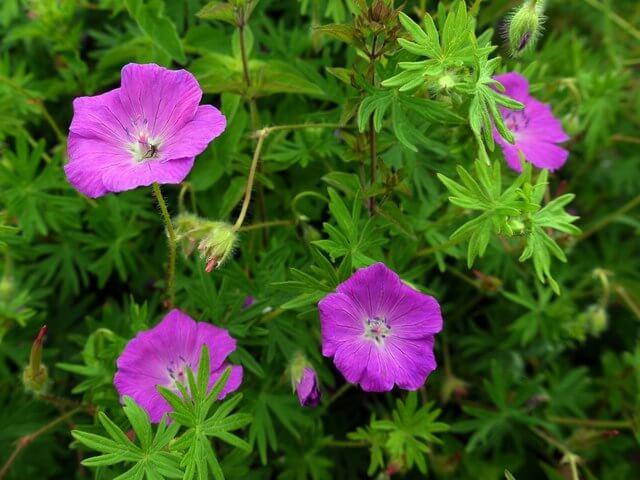
Bloody cranesbill is a hardy perennial with small but vibrant pinkish-purple blooms. It grows well in partial shade and average soil, making it versatile for many garden spots.
The foliage forms a neat mound that stays attractive through the season. Water regularly in dry spells, but avoid overwatering. It’s a low-maintenance plant that quietly keeps pests from taking over.