
Japanese garden plants play the most important role in shaping a tranquil and harmonious landscape. While stones, ponds, and wooden bridges provide structure, it is the foliage and flowers that carry the spirit of calm.
The right plants add movement in the wind, color through the seasons, and an atmosphere of balance. Many are perennials that stay green year-round, while others bloom dramatically for short but memorable moments.
With a mix of trees, shrubs, and flowering accents, you can recreate the peaceful beauty of a Japanese garden at home. Here are 10 plants that bring timeless charm and harmony to any space.
#1 Bamboo
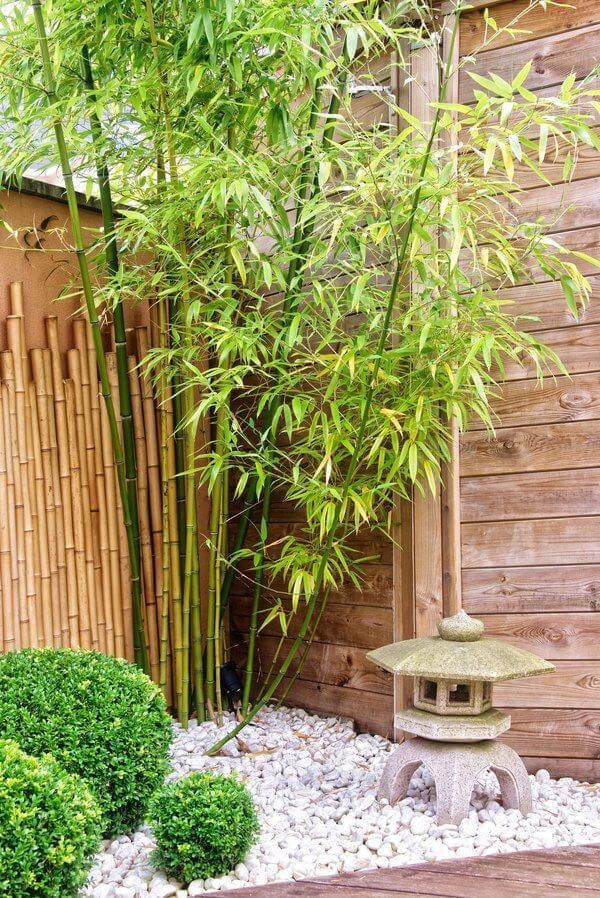
Bamboo is a symbol of strength and resilience, often used to create natural screens in Japanese gardens. You can choose dwarf varieties for groundcover or tall species that tower gracefully above pathways.
Plant bamboo in well-drained soil with regular moisture to keep it lush. To prevent spreading, grow it in containers or use root barriers in the ground.
Its rustling leaves create a soothing sound when the wind passes through. Adding bamboo instantly gives your garden a serene, authentic feel.
#2 Japanese Maple
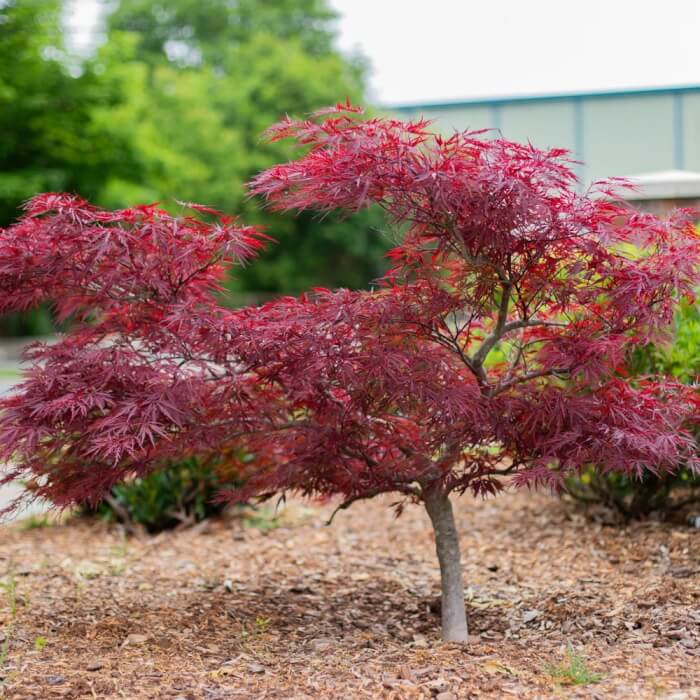
Japanese Maple is admired for its delicate, lacy leaves that change color with the seasons. In spring, its foliage glows bright green, while autumn brings shades of crimson, orange, and gold.
This tree prefers partial shade and moist, well-draining soil. Dwarf types fit beautifully in pots, while larger varieties can serve as dramatic focal points.
Keep the soil evenly damp during hot summers to avoid leaf scorch. A Japanese maple brings elegance and seasonal beauty to any garden design.
#3 Lotus
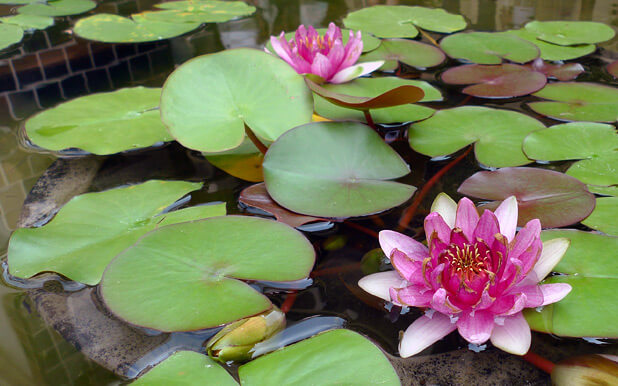
Lotus flowers bring grace to ponds or water features, making them essential for Japanese-inspired landscapes. Their broad leaves float on the water’s surface while pink, white, or yellow blooms rise above.
To grow lotus, plant rhizomes in shallow containers filled with heavy clay soil, then submerge them in water. They love warmth and full sun, thriving during hot summers.
Flowers open during the day and close at night, creating a rhythm that feels meditative. A blooming lotus is a symbol of purity and spiritual renewal.
#4 Camellia (Camellia Japonica)
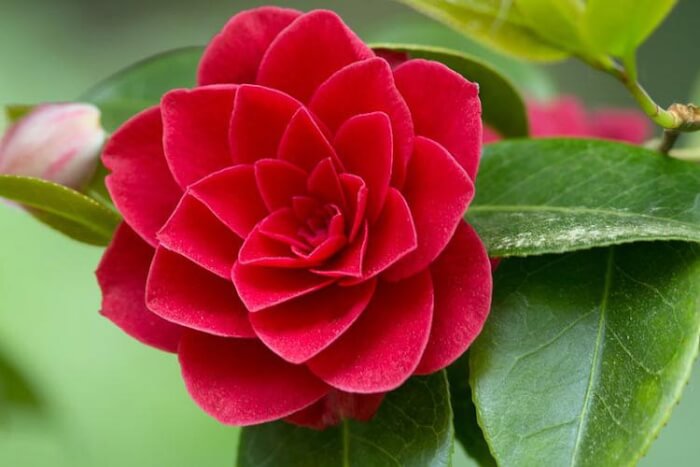
Camellias add color and fragrance in late winter and spring when gardens often feel bare. Their glossy evergreen leaves frame blossoms in pink, red, white, or yellow.
Plant camellias in acidic, well-draining soil and choose a location with morning sun but afternoon shade. Keep the soil moist, especially during dry spells, to encourage healthy blooms.
Regular pruning after flowering helps maintain a neat shape. With their elegant flowers, camellias give your garden a refined, timeless charm.
#5 Peonies
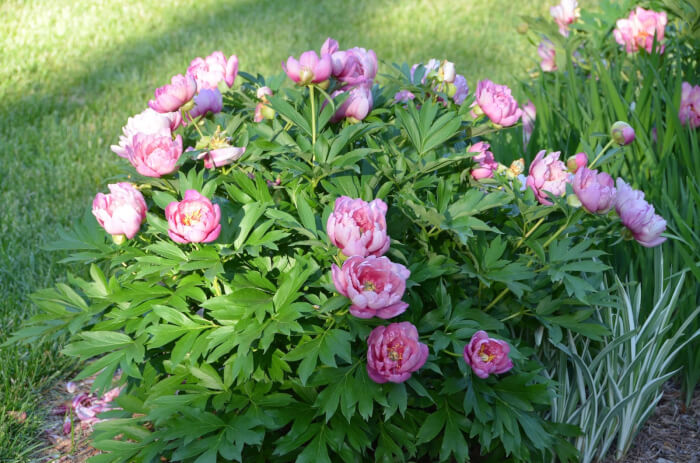
Peonies are showstoppers with their lush, ruffled blooms in shades of pink, red, and white. They thrive in cool to temperate climates and prefer full sun with rich, well-drained soil.
Plant peony roots in the fall for flowers the following spring and summer. Water them deeply during dry periods, and mulch the base to protect from harsh weather.
Once established, peonies can live for decades with minimal care. Their blooms symbolize prosperity and romance in Japanese tradition.
#6 Japanese Water Iris
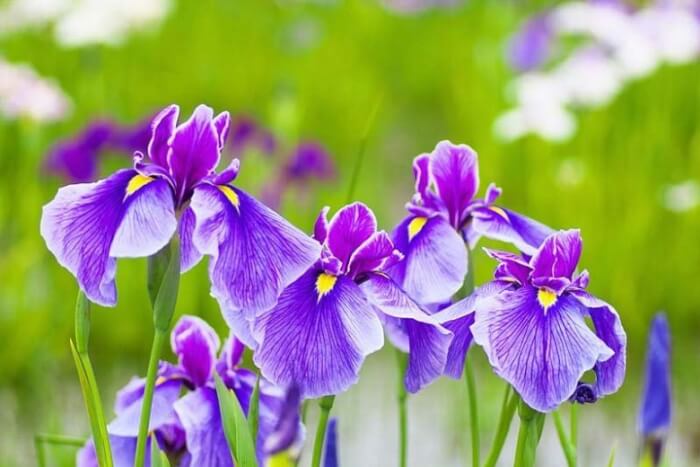
Japanese Water Iris brings bold texture with its tall, sword-shaped leaves and striking flowers. Blossoms appear in early to midsummer, with colors ranging from deep violet to soft pink and white.
These plants love wet soil and are perfect along pond edges or water features. Plant them in full sun for the best display, but they tolerate partial shade too.
Divide clumps every few years to keep them vigorous and blooming well. Their graceful form adds elegance and movement to a garden.
#7 Wisteria
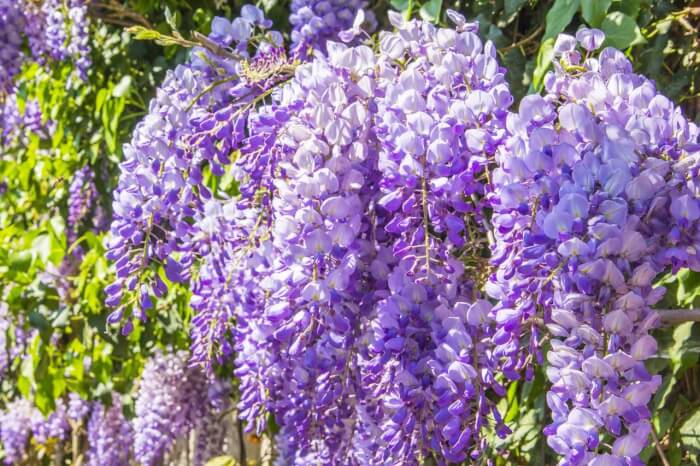
Wisteria creates cascades of violet, lavender, or white blooms that hang like fragrant curtains. This vigorous climber thrives on trellises, pergolas, or arbors, adding height and drama to the garden.
Plant wisteria in fertile, well-drained soil and give it full sun for maximum flowering. Pruning twice a year keeps its growth in check and encourages more blooms.
Its foliage turns golden in fall, adding seasonal interest. When in full bloom, wisteria transforms any space into a magical retreat.
#8 Japanese Boxwood
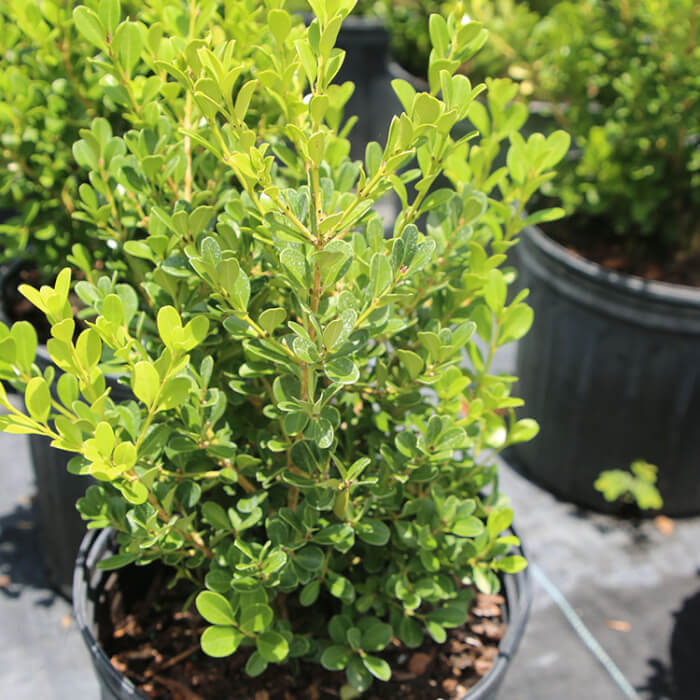
Japanese Boxwood is a reliable evergreen shrub that stays lush throughout the year. Its small, glossy leaves make it perfect for shaping into neat hedges or low borders. It grows happily in a wide range of soils as long as they drain well.
For a Japanese garden, use it to frame walkways or accent stone lanterns. Water regularly during the first year to help it establish strong roots. Its tidy appearance gives structure and balance to garden designs.
#9 Japanese Black Pine
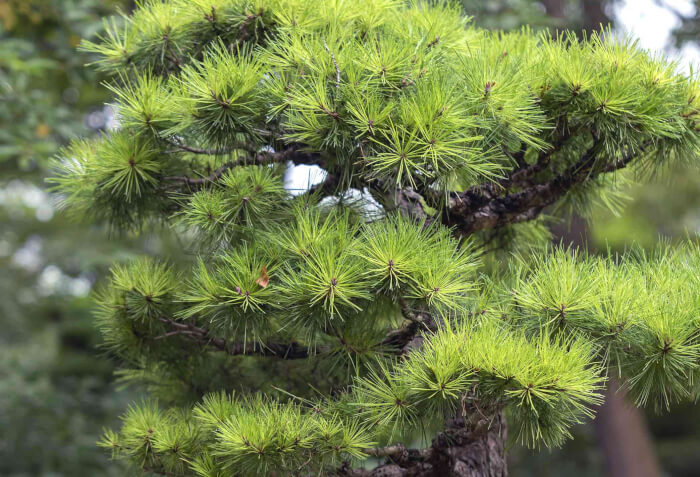
Japanese Black Pine is prized for its rugged, windswept look and is often trained as bonsai. In the garden, it can reach towering heights of up to 100 feet, but regular pruning keeps it smaller.
It grows best in full sun and sandy, well-draining soil. During spring, it produces subtle flowers followed by pinecones that add texture.
Shaping its branches creates dramatic silhouettes that stand out against rocks or water. This pine adds strength and timeless character to Japanese landscapes.
#10 Rhododendrons
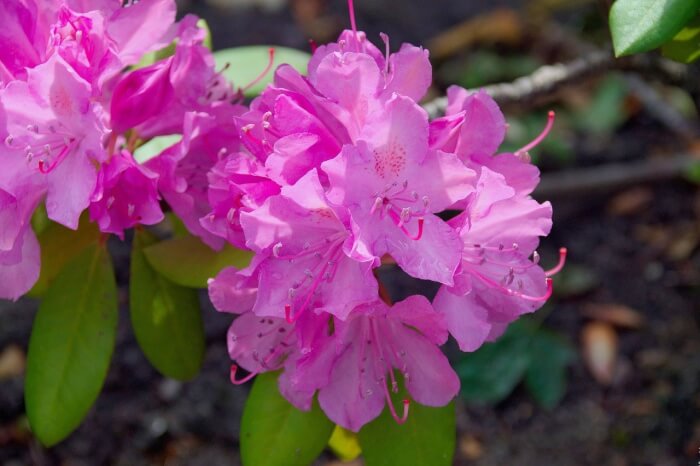
Rhododendrons brighten spring and summer gardens with clusters of large, vibrant flowers. They come in colors ranging from white and pink to deep purple. These shrubs thrive in acidic, well-drained soil with partial shade.
Keep the soil moist but not waterlogged to protect their shallow roots. Prune lightly after flowering to maintain shape and encourage next year’s blooms.
Their bold blossoms and evergreen foliage make them an essential part of Japanese-inspired gardens.