
Stunning cut flowers that you can propagate from your bouquet give you the chance to turn a gift into a lasting treasure. Instead of letting blossoms fade away in a vase, you can root their stems and watch them grow into living plants.
It’s an affordable way to expand your garden while keeping the memory of a special bouquet alive. Most of these flowers are easy to root with just soil, water, and patience.
You don’t need to be an expert gardener to succeed. Here are 10 beautiful cut flowers you can propagate and enjoy for seasons to come.
#1 Lavender
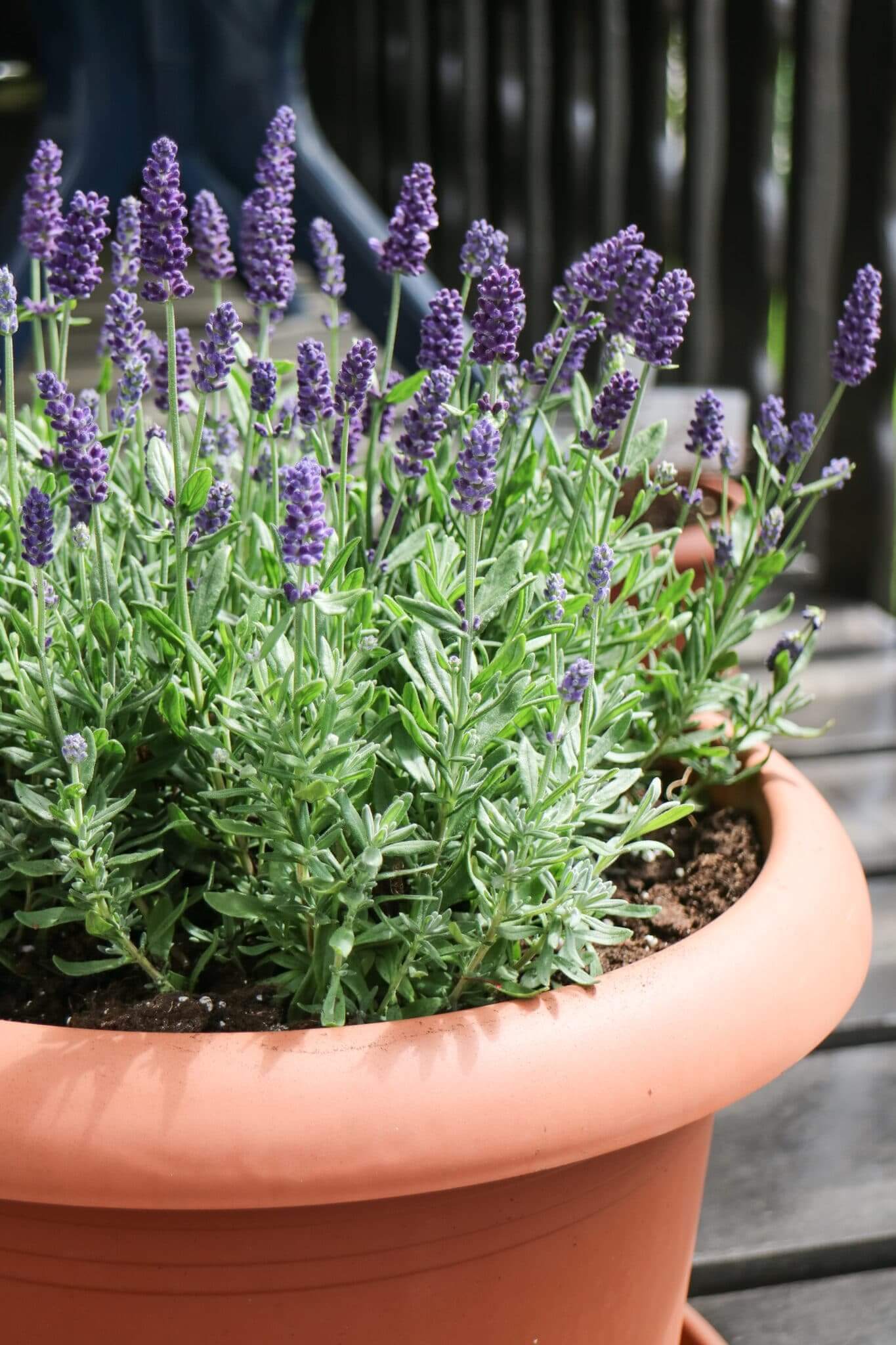
Lavender cuttings can grow into fragrant plants with little effort. Choose a healthy stem and trim the bottom by a few millimeters.
Dip the end in rooting hormone and place it in a pot of moist soil. Keep the container in bright light and water lightly. In 3–5 weeks, roots should begin forming. Soon, you’ll have fresh lavender to perfume your home and garden.
#2 Chrysanthemum
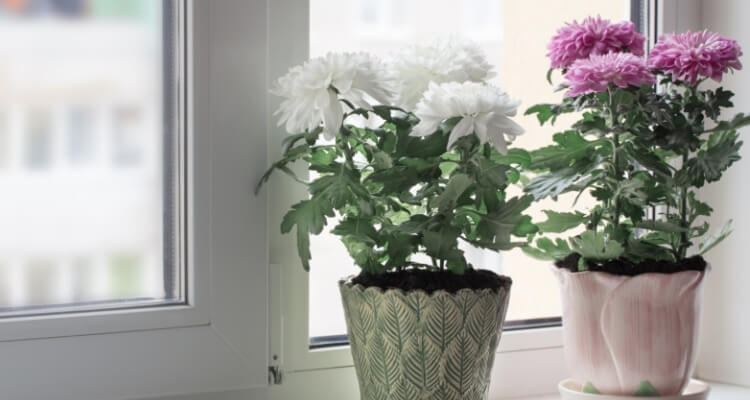 Chrysanthemums root quickly from bouquet stems when given the right care. Take a cutting and dip the end into rooting hormone.
Plant it in a pot with a light soil mix and keep it in indirect sunlight. Mist the soil to hold moisture without overwatering. Roots usually form in several weeks. Once established, the plant will reward you with cheerful blooms.
#3 Azalea
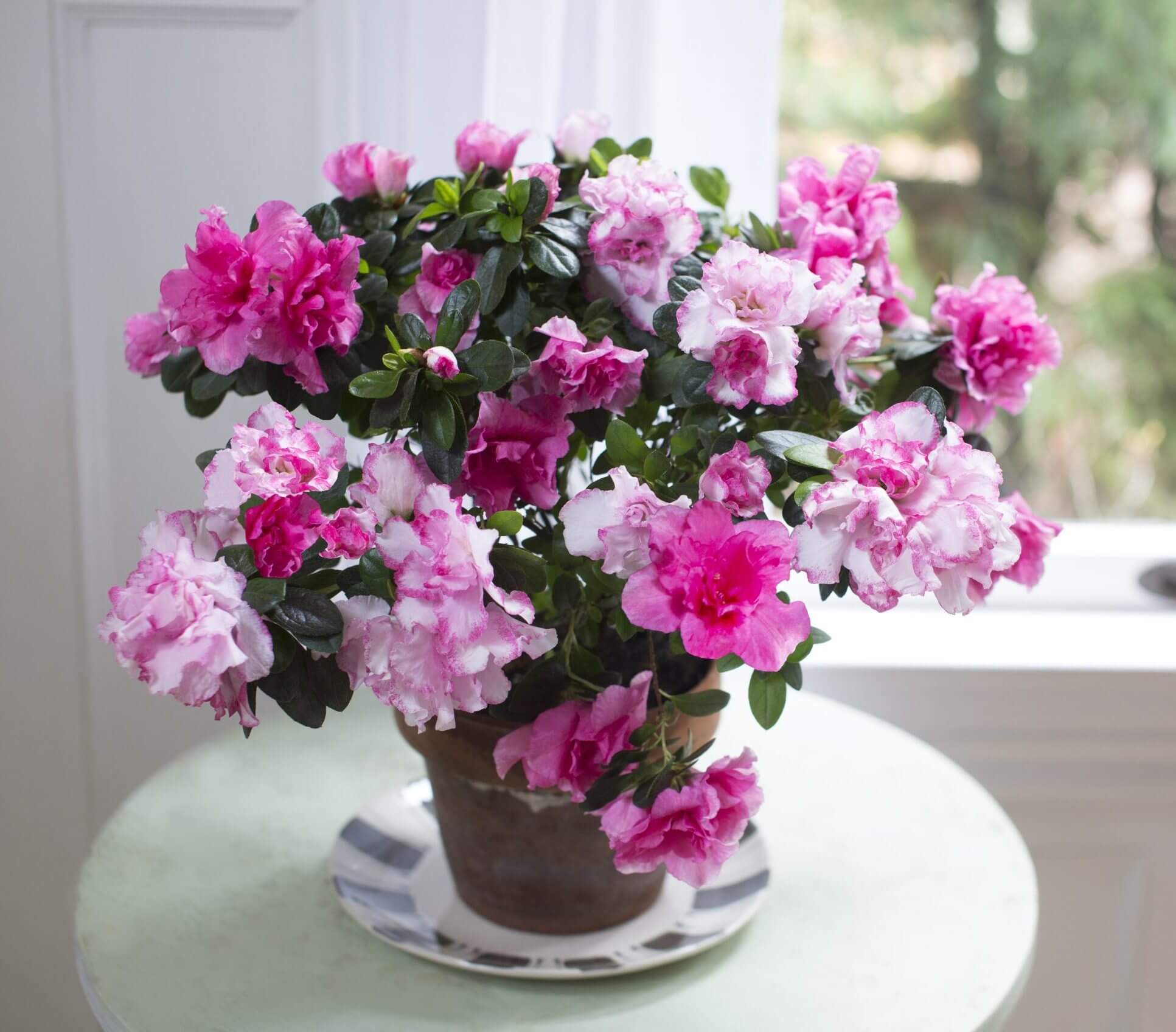
Azaleas can be propagated by trimming a half-inch from the stem ends. Dip the fresh cut into rooting hormone and plant it in a potting mix.
Place the pot in bright but indirect light to avoid leaf scorch. Water gently to keep the soil slightly moist. After 4–6 weeks, new roots will appear. Your once-cut flower can now thrive as a full plant indoors or outdoors.
#4 Gerbera
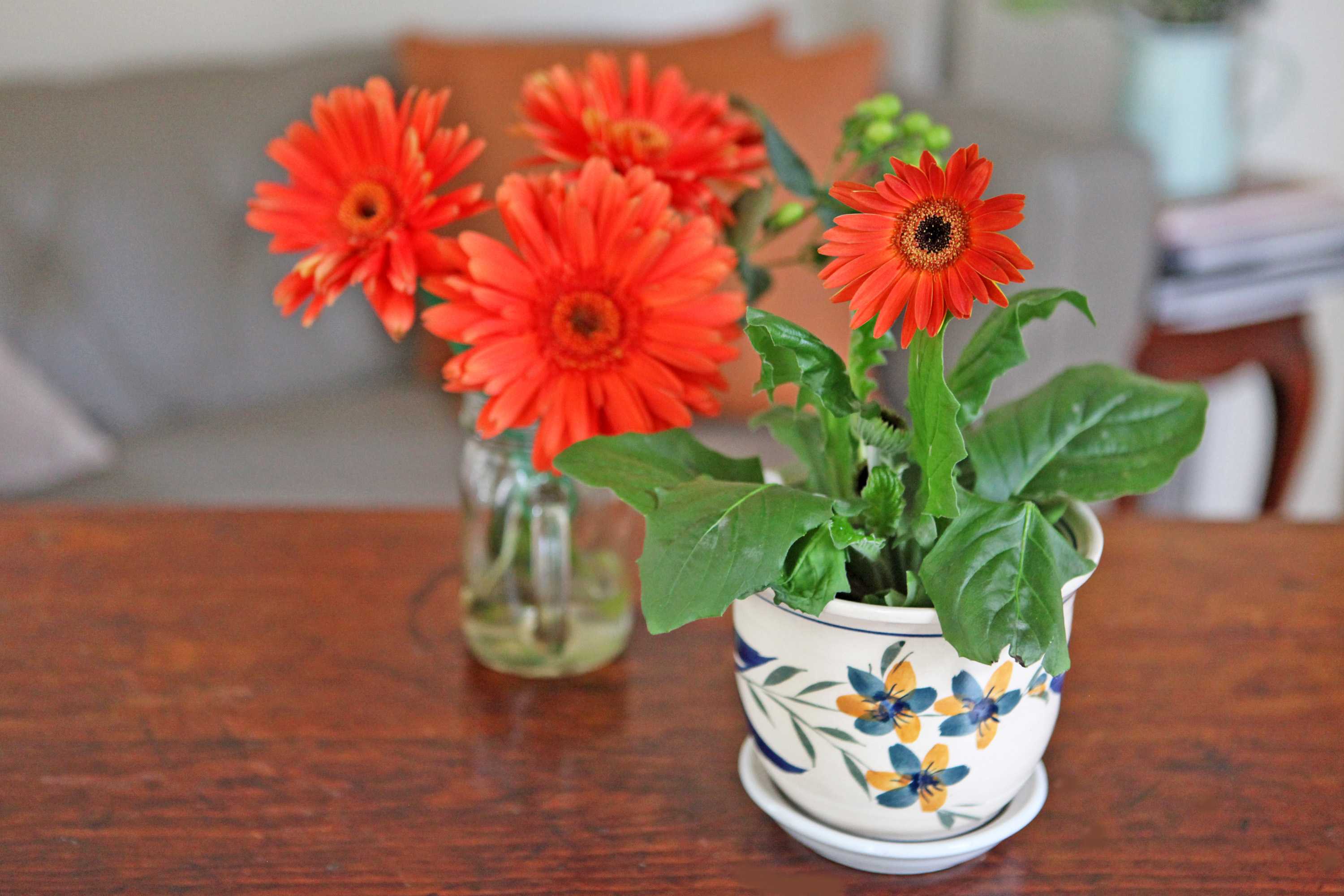
Gerbera daisies bring vivid color and can be regrown from bouquet stems. Select a piece 6–8 inches long and strip away flowers and lower leaves.
Dip the cut end in rooting hormone and place it into soil. Keep it in bright, indirect light and mist to maintain moisture. New roots typically develop in a few weeks. Before long, you’ll see fresh growth and vibrant blooms again.
#5 Honeysuckle
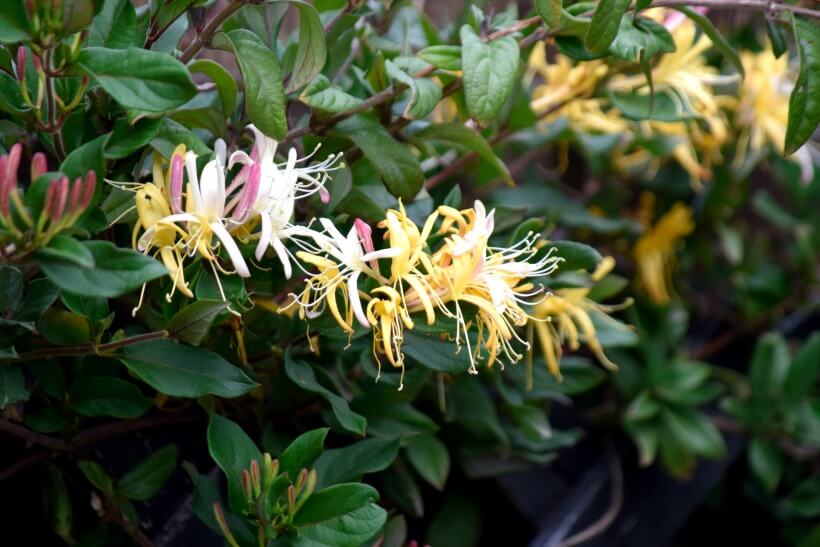
Honeysuckle cuttings root well in both water and soil. Trim softwood stems, leaving two leaves at the top. Place the lower end into the seed-starting mix or water.
Keep it in a bright, warm spot and mist regularly. Roots usually emerge within 2–4 weeks. This vine will eventually reward you with its sweet scent and nectar-rich flowers.
#6 Rose

Roses from bouquets can be turned into lasting plants with ease. Cut a healthy stem and dip the end into rooting hormone. Place it in a container with soil and water, ensuring it stays moist.
Cover the pot with a plastic dome or bag to trap humidity. Keep it in indirect sunlight while roots develop. Over time, you’ll see fresh leaves forming on your new rose plant.
#7 Dahlia
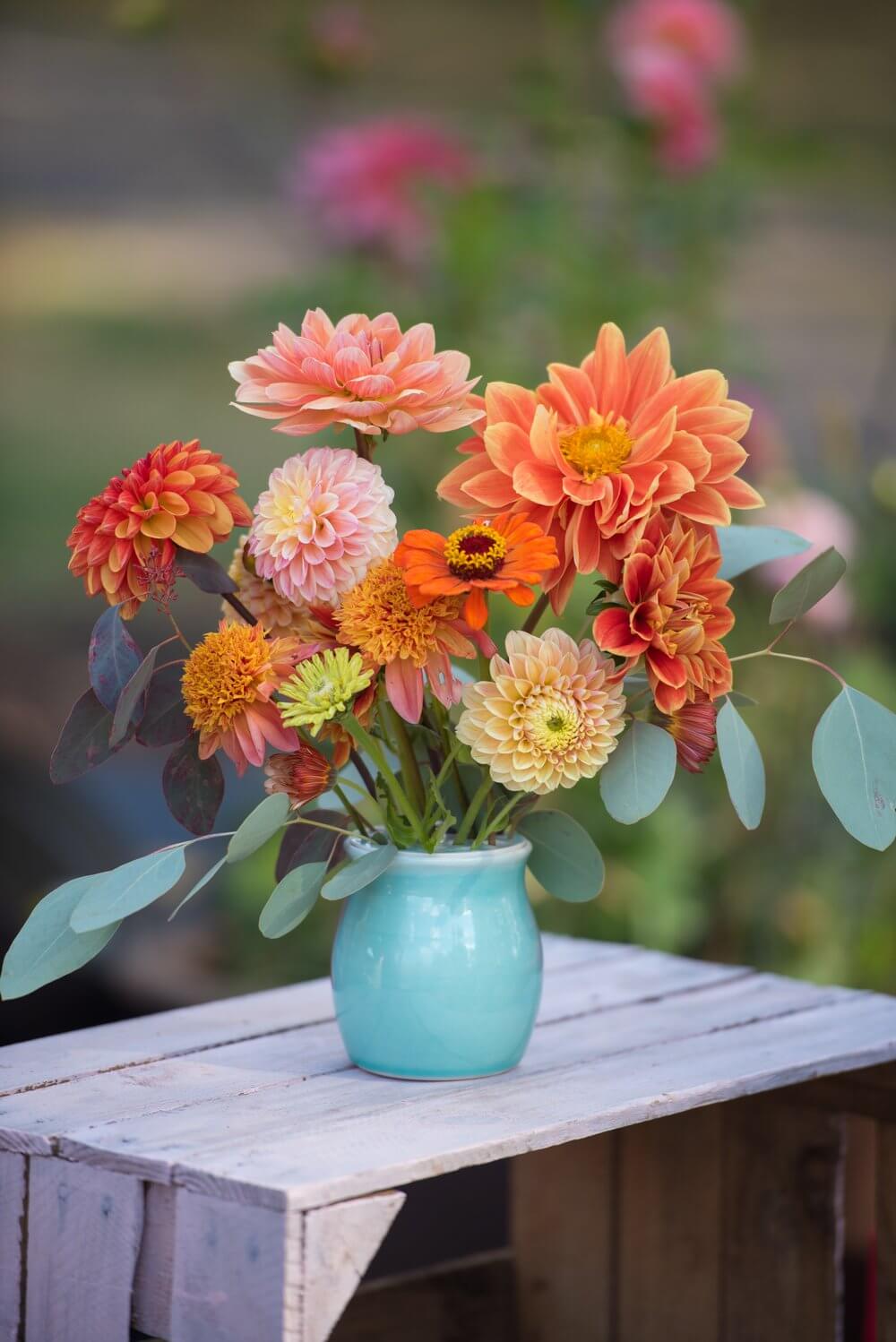
Dahlias grow quickly when started from short cuttings. Snip 3–6 inch stems and coat the ends with rooting hormone. Plant them in a light, well-draining mix.
Keep the soil moist but not soggy and provide indirect light. In 2–3 weeks, roots will begin to appear. With care, you’ll enjoy their striking, colorful blooms in the next season.
#8 Aster
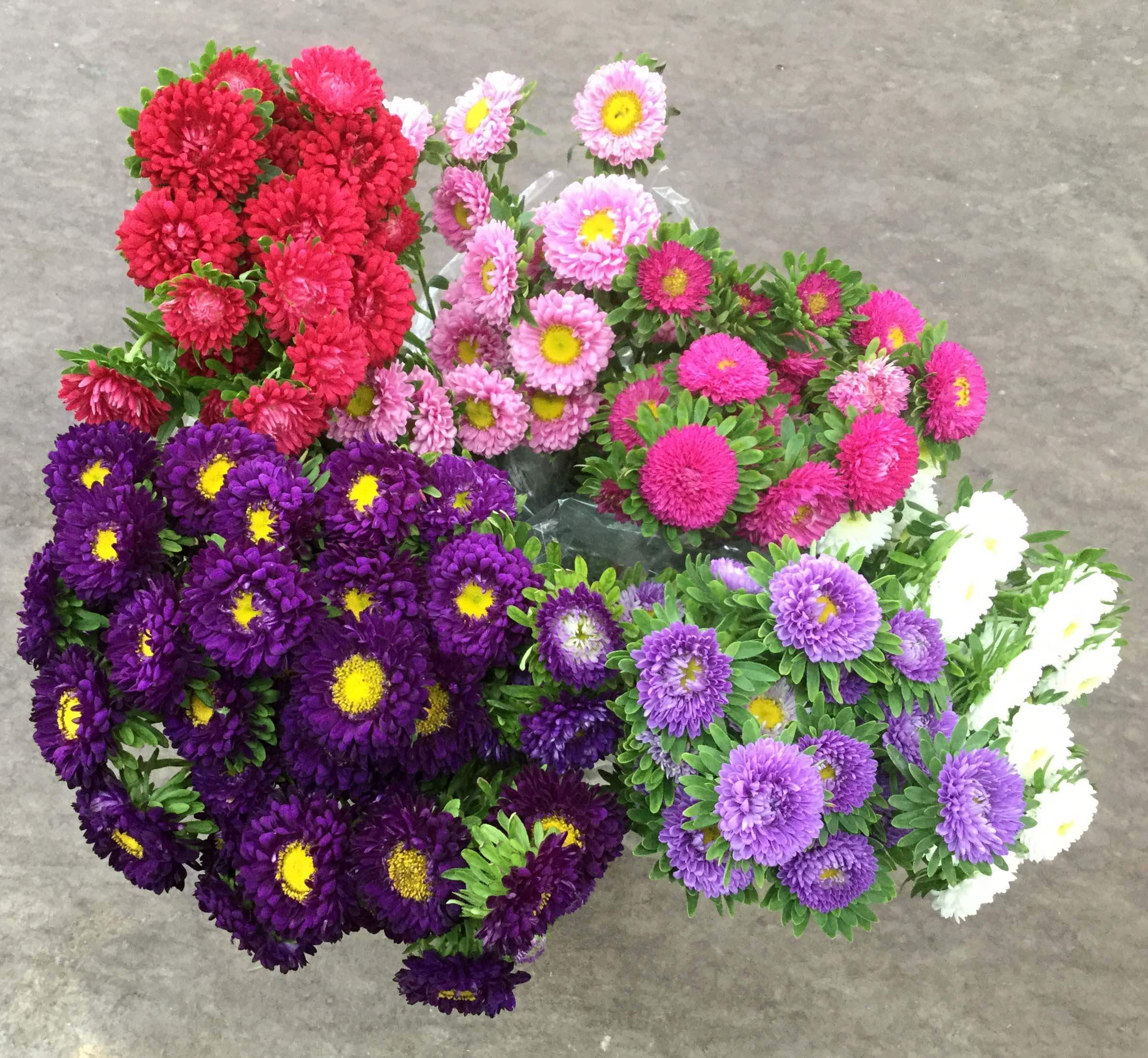
Asters are easy to propagate and love cool conditions. Take a 3–5 inch cutting and place it in a pot with well-draining soil. Cover the container with a clear plastic bag to hold in moisture.
Keep it in indirect light and check the soil regularly. Roots should form in 4–6 weeks. Once established, your new plant will produce charming daisy-like flowers.
#9 Hydrangea

Hydrangea stems root well if handled carefully. Choose a cutting with at least one set of leaves. Remove the bottom leaves and dip the cut end in rooting hormone.
Plant it in a potting mix of half peat moss and half perlite or sand. Keep the soil evenly moist and provide bright, indirect light. In 3–4 weeks, roots will form and growth will begin.
#10 Lilac
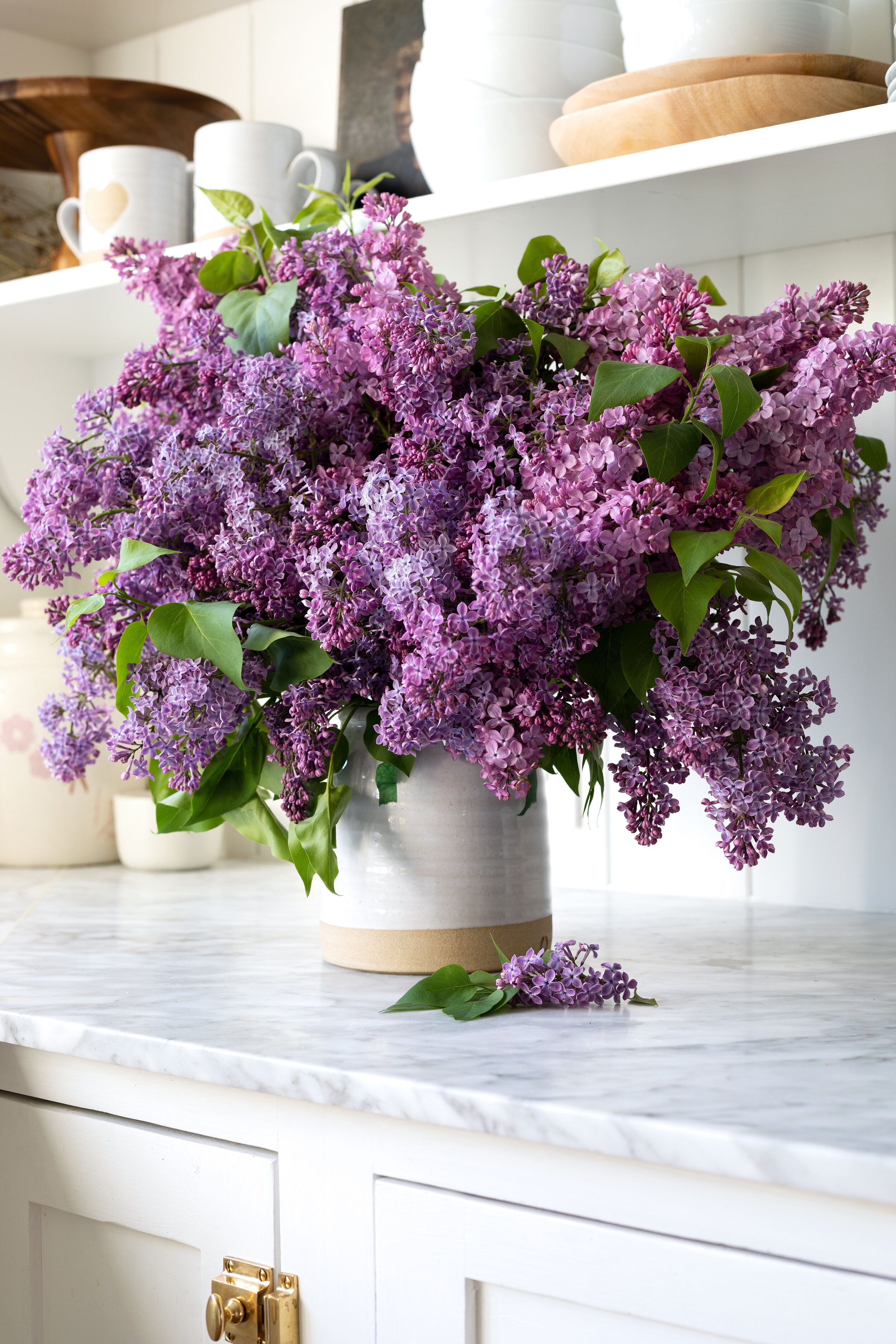
Lilacs can be regrown by trimming a fresh cutting about half an inch from the base. Dip it in rooting hormone and place it in soil-filled pots.
Cover with a clear bag to keep the humidity high. Keep the container moist and in indirect light. Roots take 6–8 weeks to appear. With patience, you’ll soon have a fragrant lilac plant of your own.