
Slugs can be one of the most frustrating garden pests, leaving holes in leaves and destroying your hard work overnight.
Instead of relying on pellets or sprays that may harm your soil and other wildlife, you can plant varieties that slugs naturally steer clear of.
These plants don’t just protect your garden, they also add beauty, texture, and color to your outdoor space. You’ll enjoy healthier greenery without having to fight an endless battle.
With a little planning, you can create a landscape that’s both stunning and slug-resistant. Here are ten plants that look great and keep those slimy visitors away.
#1 Jacob’s Ladder
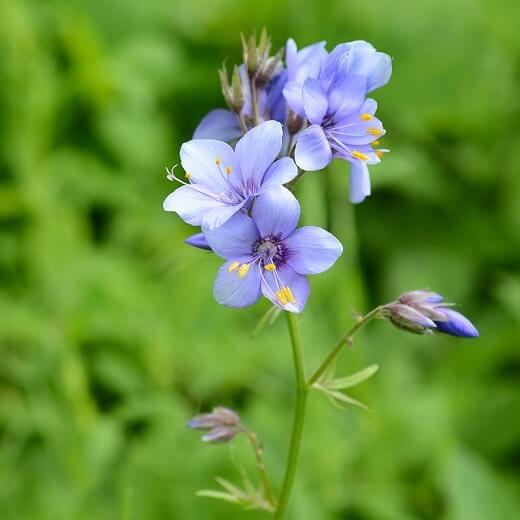
Jacob’s Ladder brightens shady corners with delicate blue or lavender blooms and graceful foliage. Its fresh, fern-like leaves make it as pretty as it is practical for slug control.
Slugs tend to ignore this plant, giving it a chance to thrive with minimal trouble. It prefers moist, well-drained soil and partial shade. Water regularly in dry spells and remove spent flowers to encourage more blooms.
#2 Tree Peony
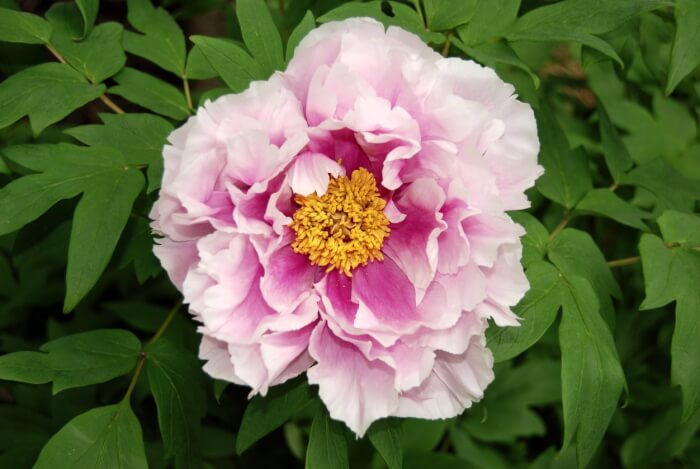
Tree Peony rewards patience with large, silky flowers that draw every eye in the garden. The plant’s sturdy stems and textured leaves help it stay off the slug menu.
Give it a sunny or lightly shaded spot with rich soil to see it at its best. Mulch around the base to hold in moisture and protect roots. Prune lightly after blooming to maintain shape.
#3 Catmint
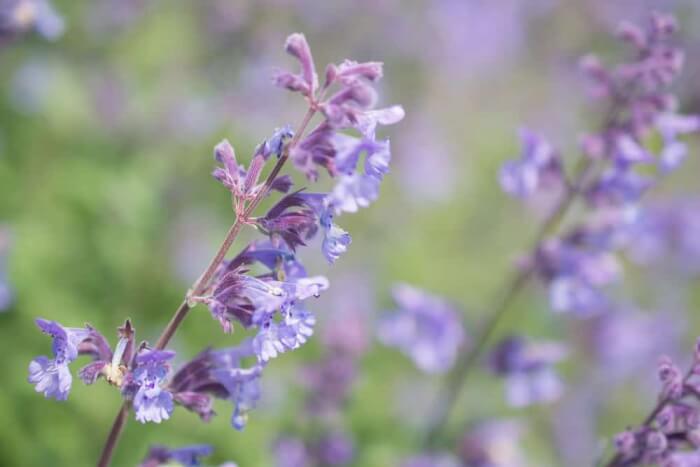
Catmint’s aromatic leaves release a scent that slugs dislike, making it a natural deterrent. Its soft purple flowers bloom for weeks, attracting bees and butterflies instead of pests.
Plant it in sunny spots with well-drained soil for the best growth. Trim it back after the first flush of flowers to encourage more blooms. Water sparingly once established.
#4 Lenten Rose
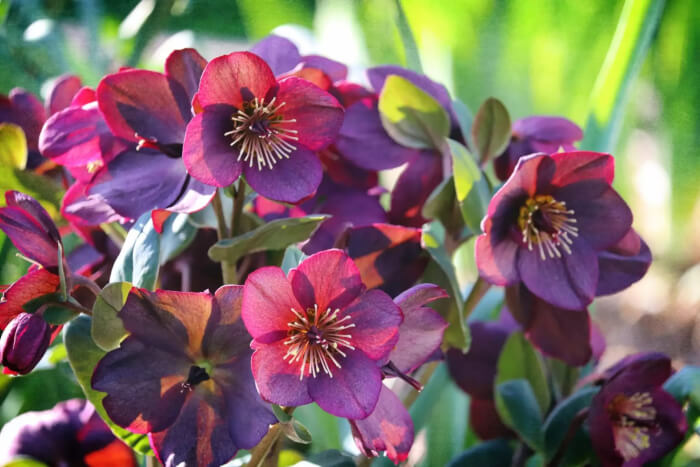
Lenten Rose is a hardy perennial with tough, glossy leaves that slugs avoid. Its early blooms in pink, white, or purple add life to the garden before most plants wake up.
It thrives in partial shade with soil rich in organic matter. Water during dry periods to keep it healthy. Remove old leaves in late winter for a fresh start.
#5 Columbine
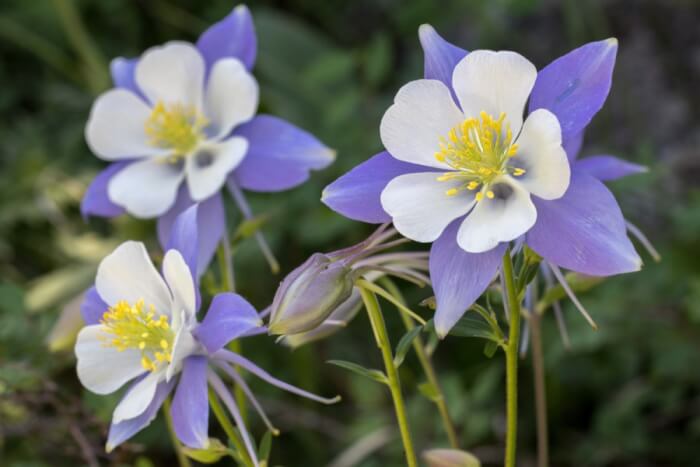
Columbine produces charming, nodding flowers in a range of colors, all held above pretty, clover-like foliage. Slugs tend to leave it alone, letting you enjoy its natural beauty without damage.
It grows best in partial shade but tolerates sun in cooler climates. Keep the soil evenly moist during its growing season. Allow a few flowers to go to seed for natural spreading.
#6 Lamb’s Ears
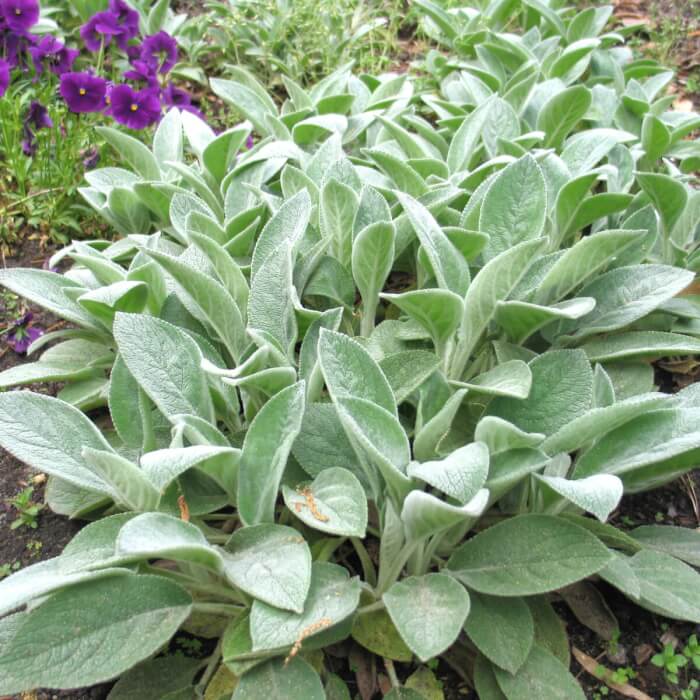
Lamb’s Ears are loved for their soft, fuzzy leaves that are unappealing to slugs. Their silvery foliage adds brightness to garden beds and borders.
Plant them in sunny spots with well-drained soil to prevent root rot. They tolerate drought well, making them perfect for low-maintenance areas. Trim spent flower spikes to keep them tidy.
#7 Yucca
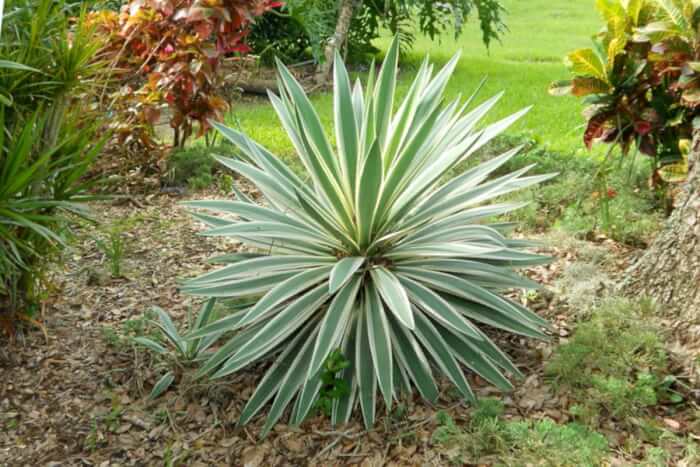
Yucca plants offer dramatic, sword-like leaves that slugs avoid thanks to their tough texture. Their bold form makes a striking focal point in the landscape.
Choose a sunny location with dry, sandy soil for best results. Water deeply but infrequently to mimic desert conditions. Remove older leaves at the base for a clean look.
#8 Ferns
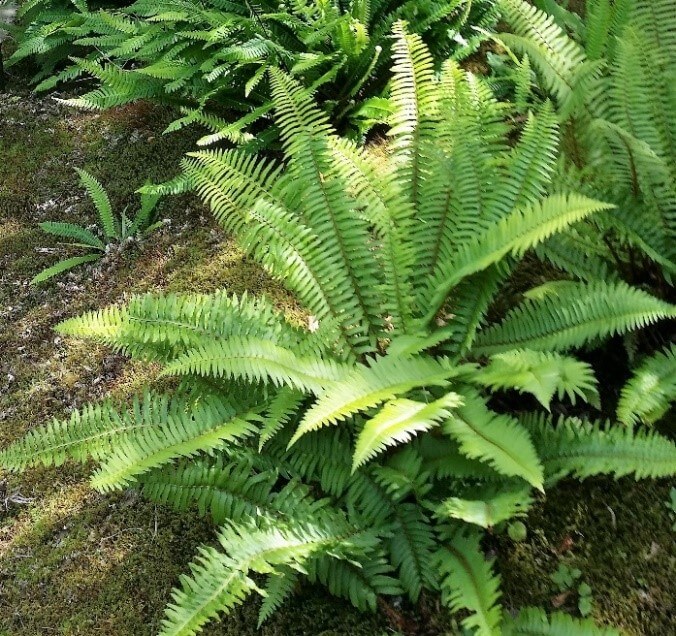
Ferns bring lush greenery to shaded spots without tempting slugs. Their graceful fronds add movement and texture to the garden. They thrive in moist, well-drained soil with plenty of organic matter.
Water regularly during dry weather to keep fronds fresh. Divide overcrowded clumps in early spring to encourage new growth.
#9 Wormwood
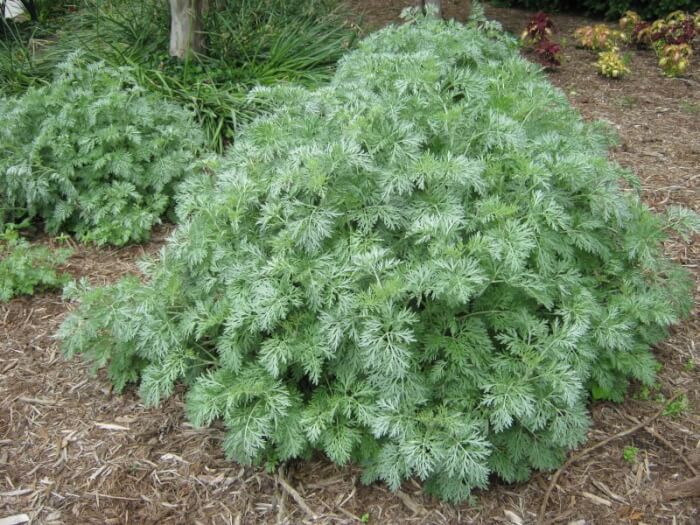
Wormwood’s silvery leaves and aromatic scent keep slugs at bay while adding a soft, feathery texture to plantings. It’s a great choice for low-maintenance areas that need a touch of elegance.
Plant in full sun and poor, dry soil for the best leaf color. Trim back in midsummer to keep the plant compact. Avoid overwatering to prevent root problems.
#10 Spurge
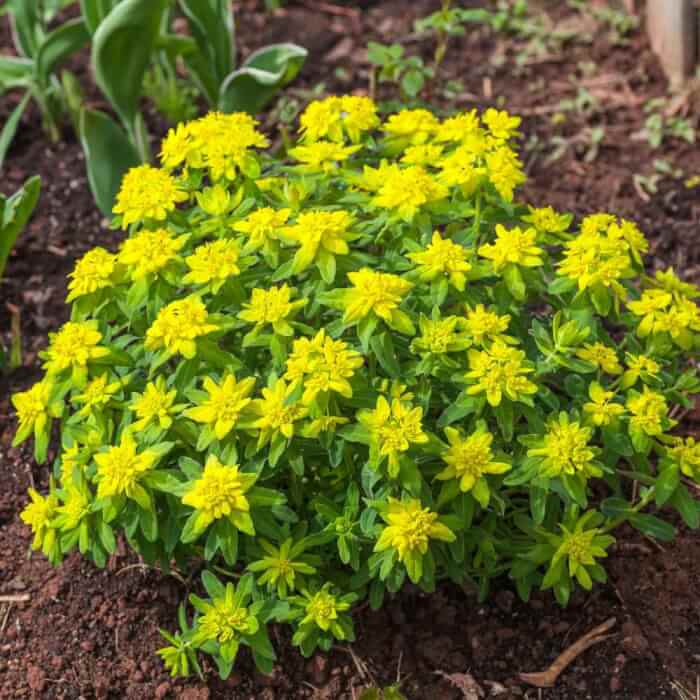
Spurge offers colorful bracts and unique foliage that slugs dislike due to its bitter sap. It’s ideal for adding interest to sunny borders or rock gardens.
Plant it in well-drained soil and give it full sun for the richest color. Wear gloves when handling, as the sap can irritate skin. Cut back stems after flowering to maintain shape.