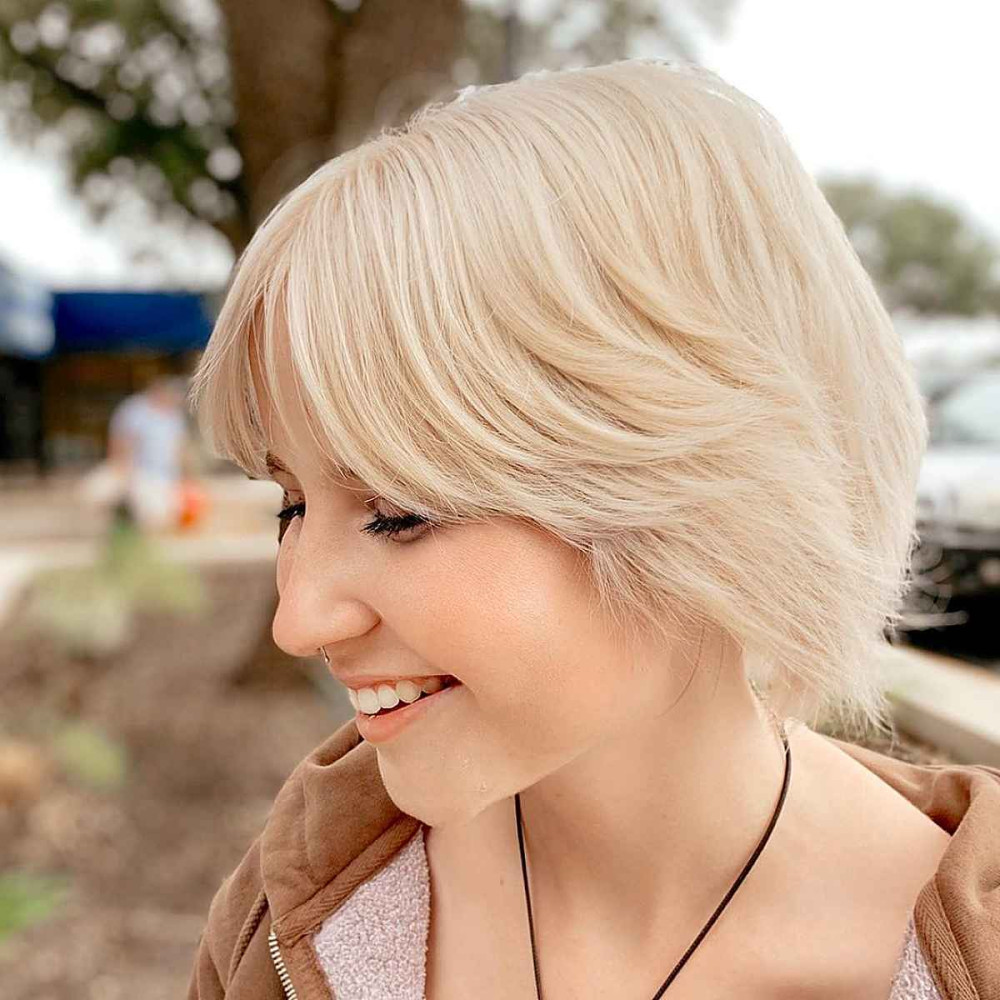
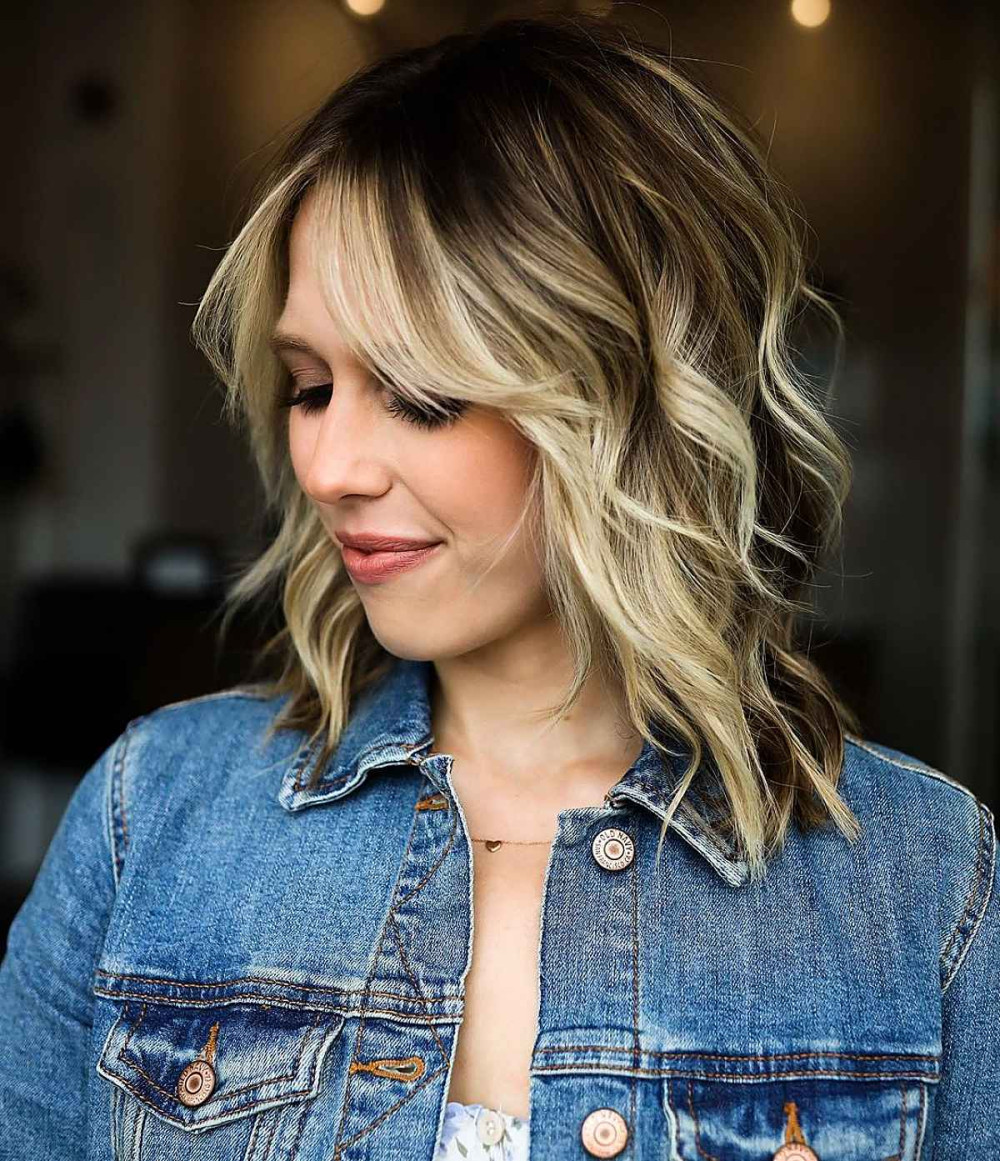
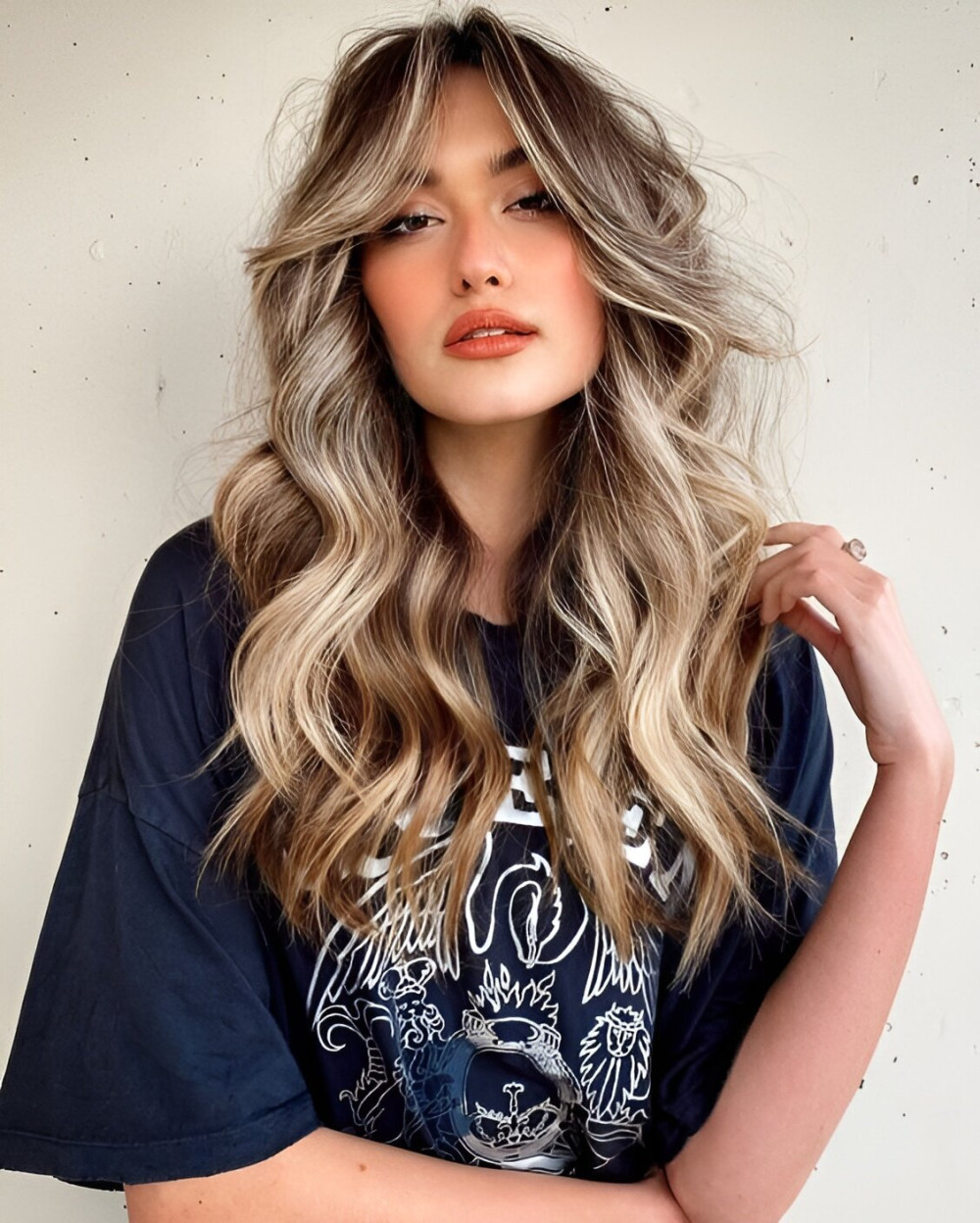
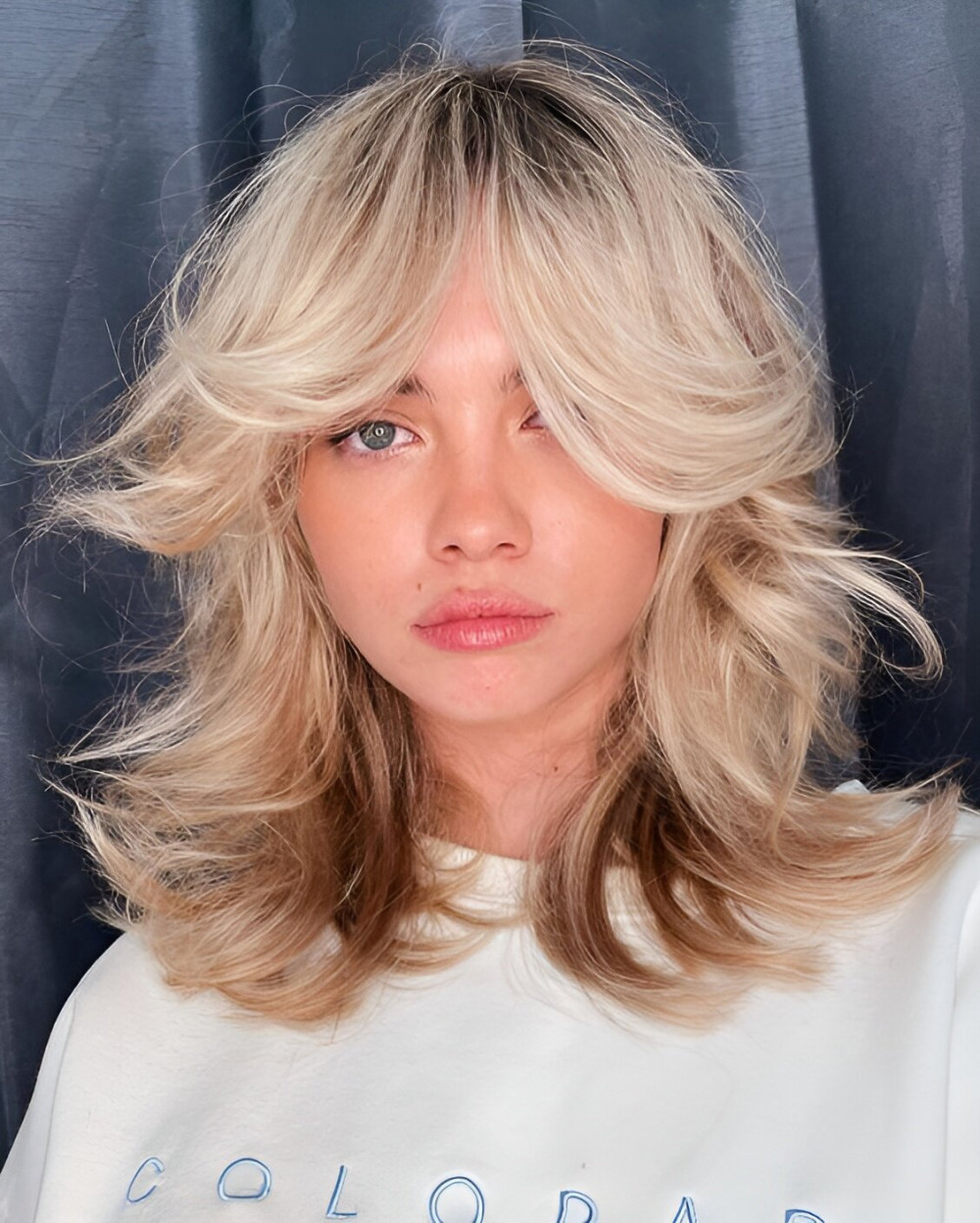
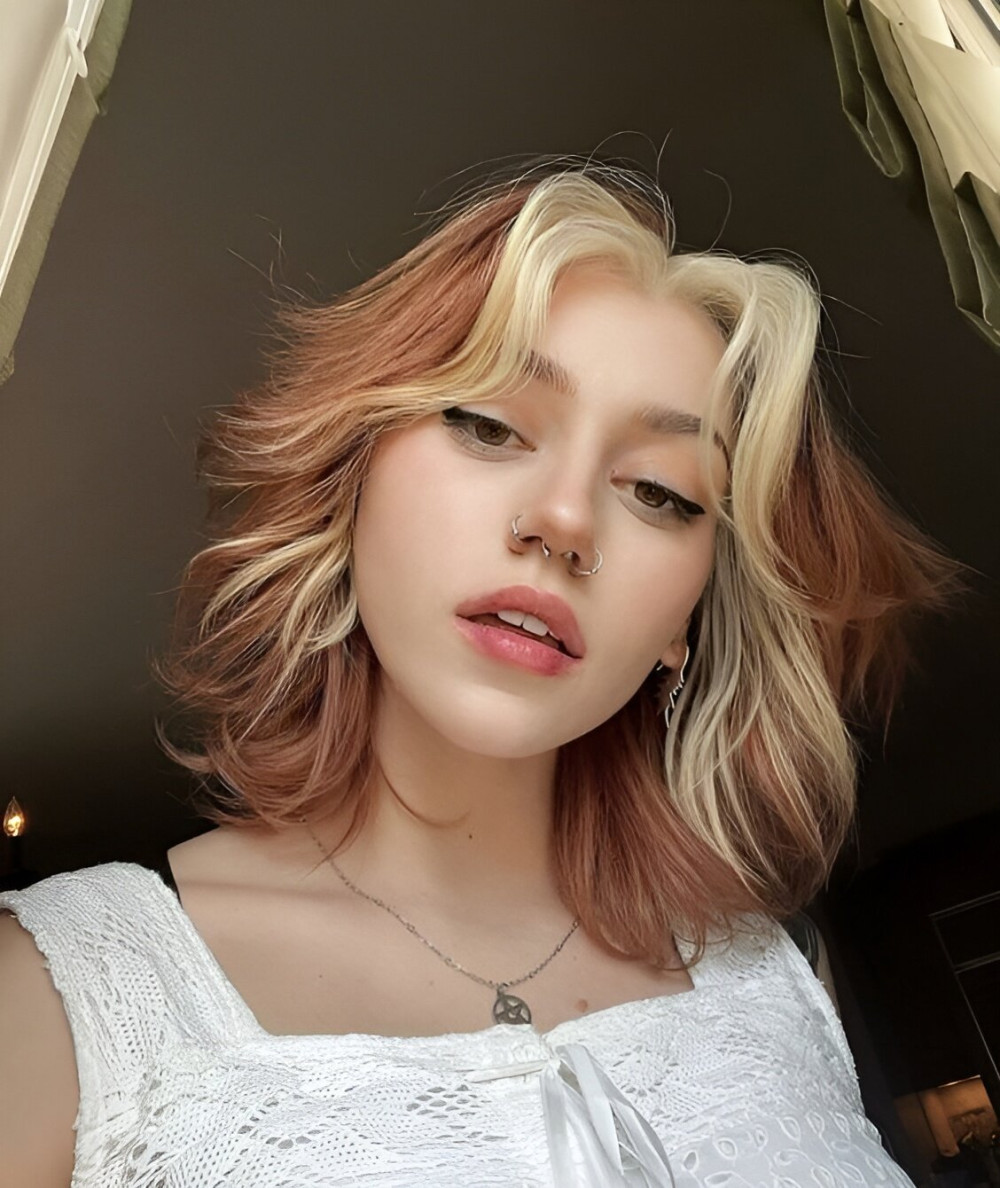
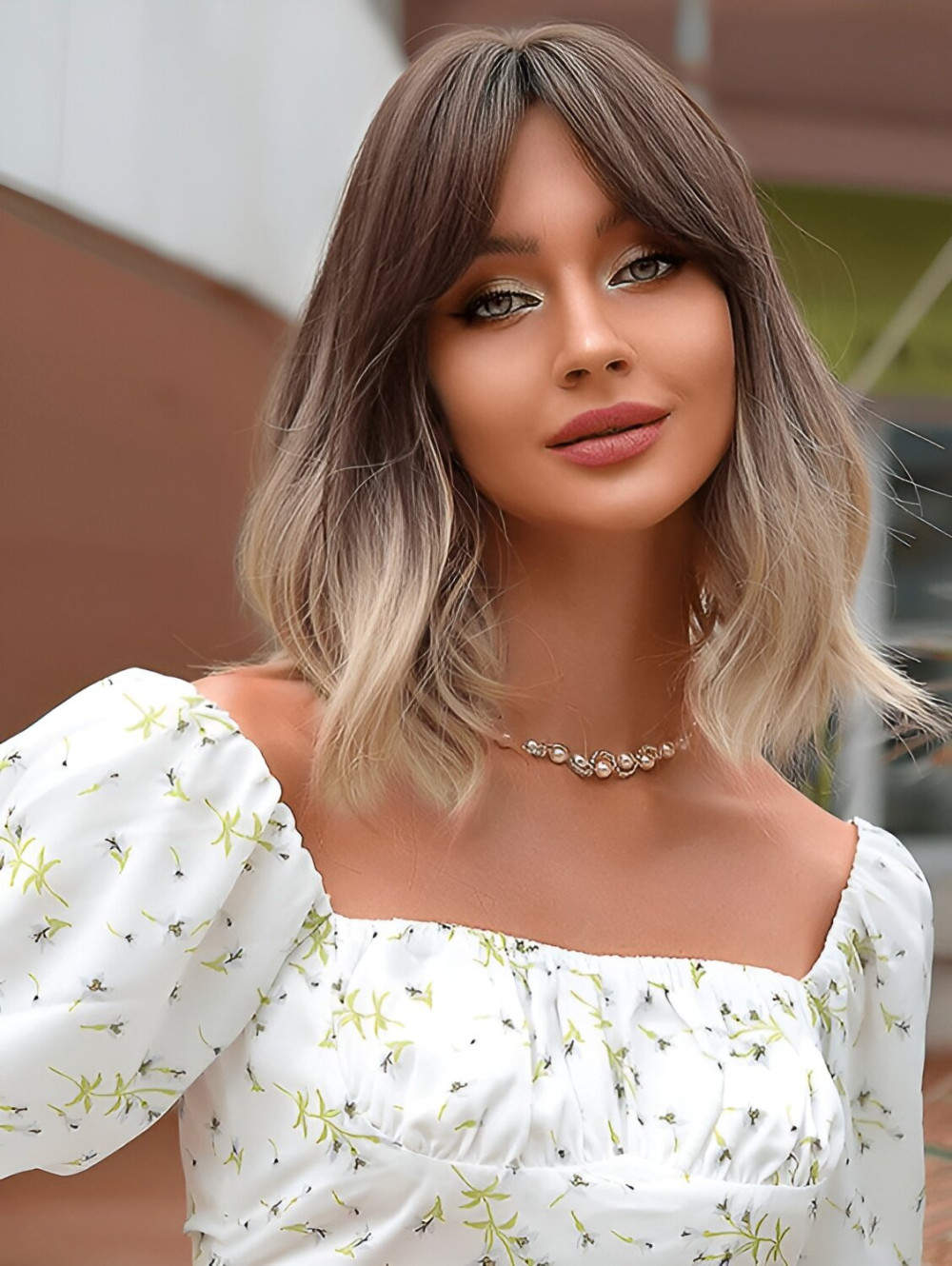
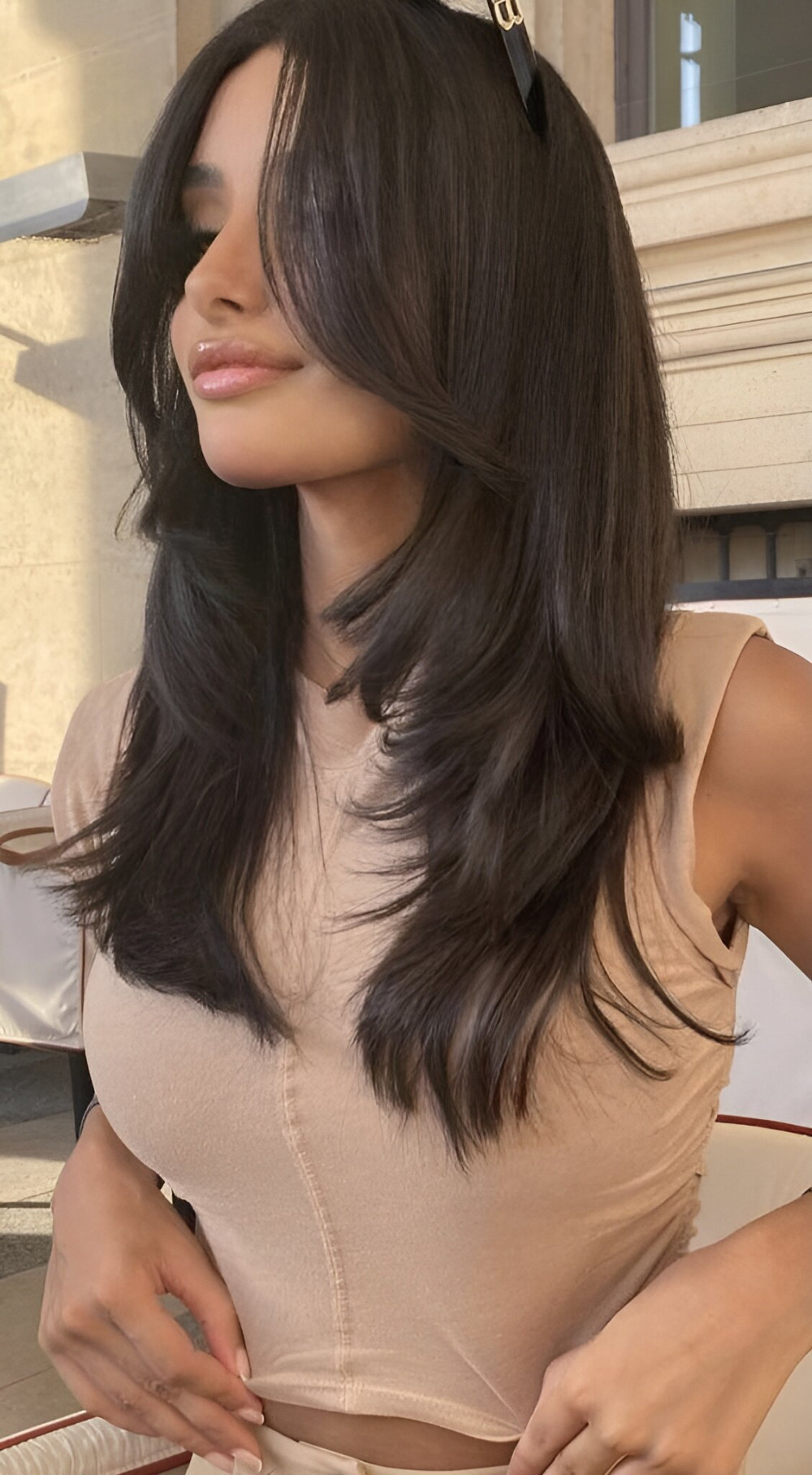
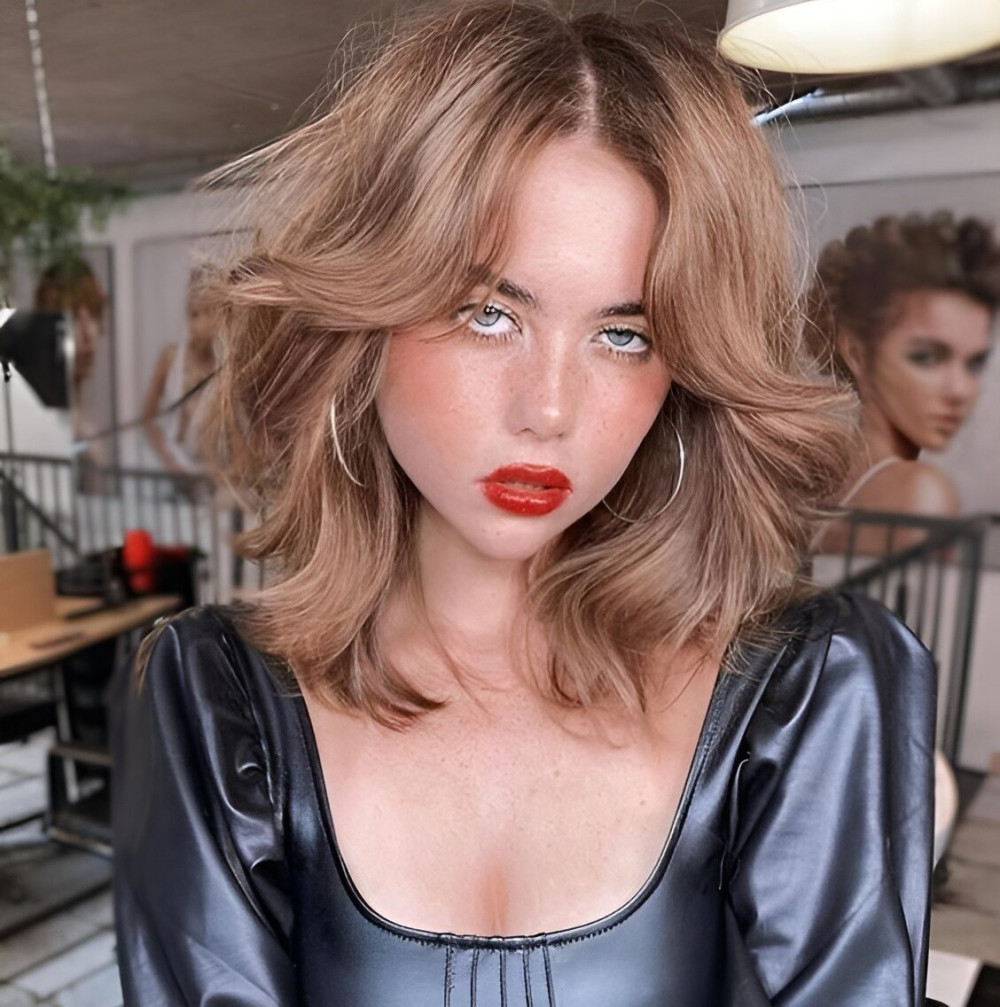
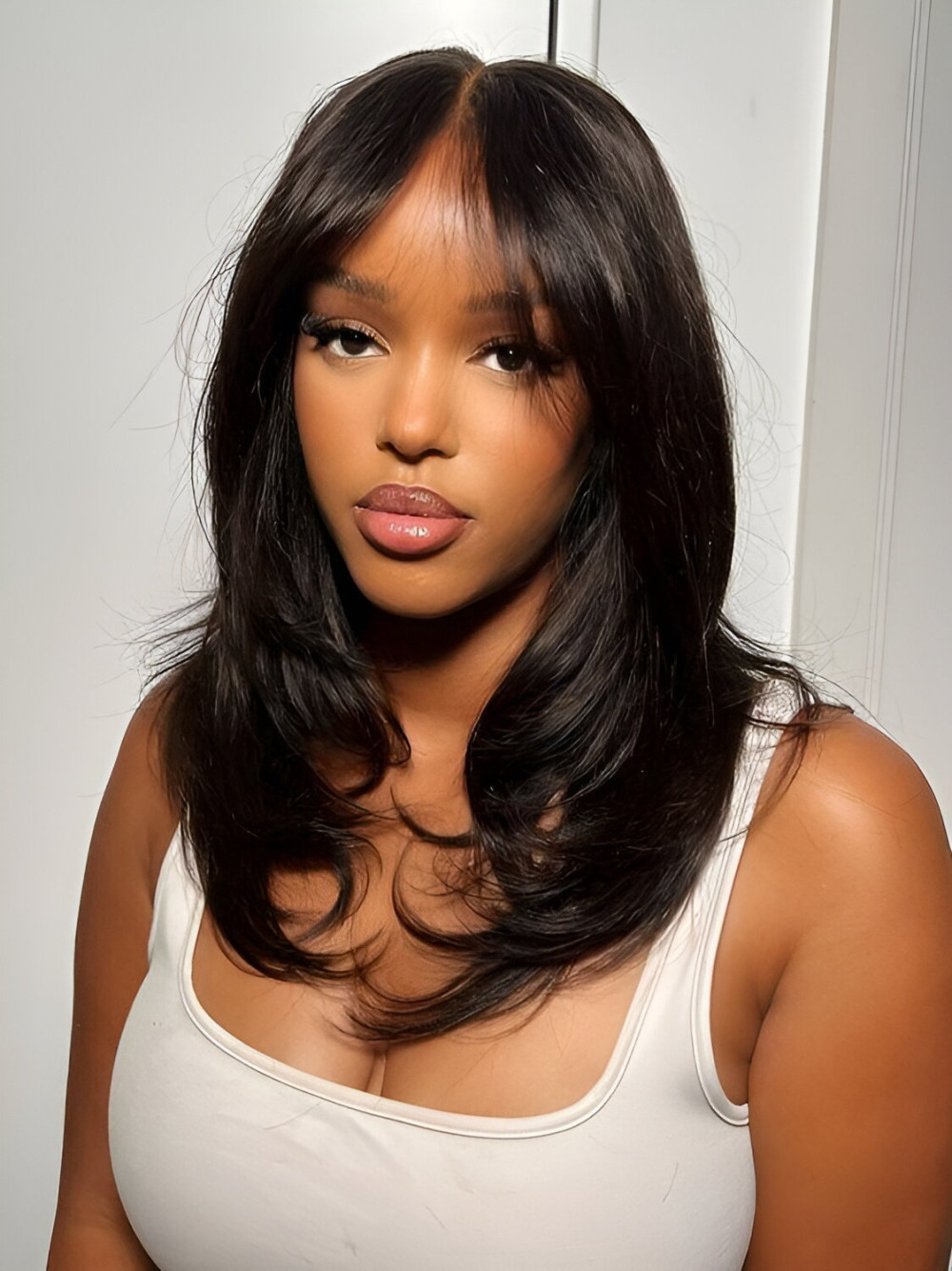
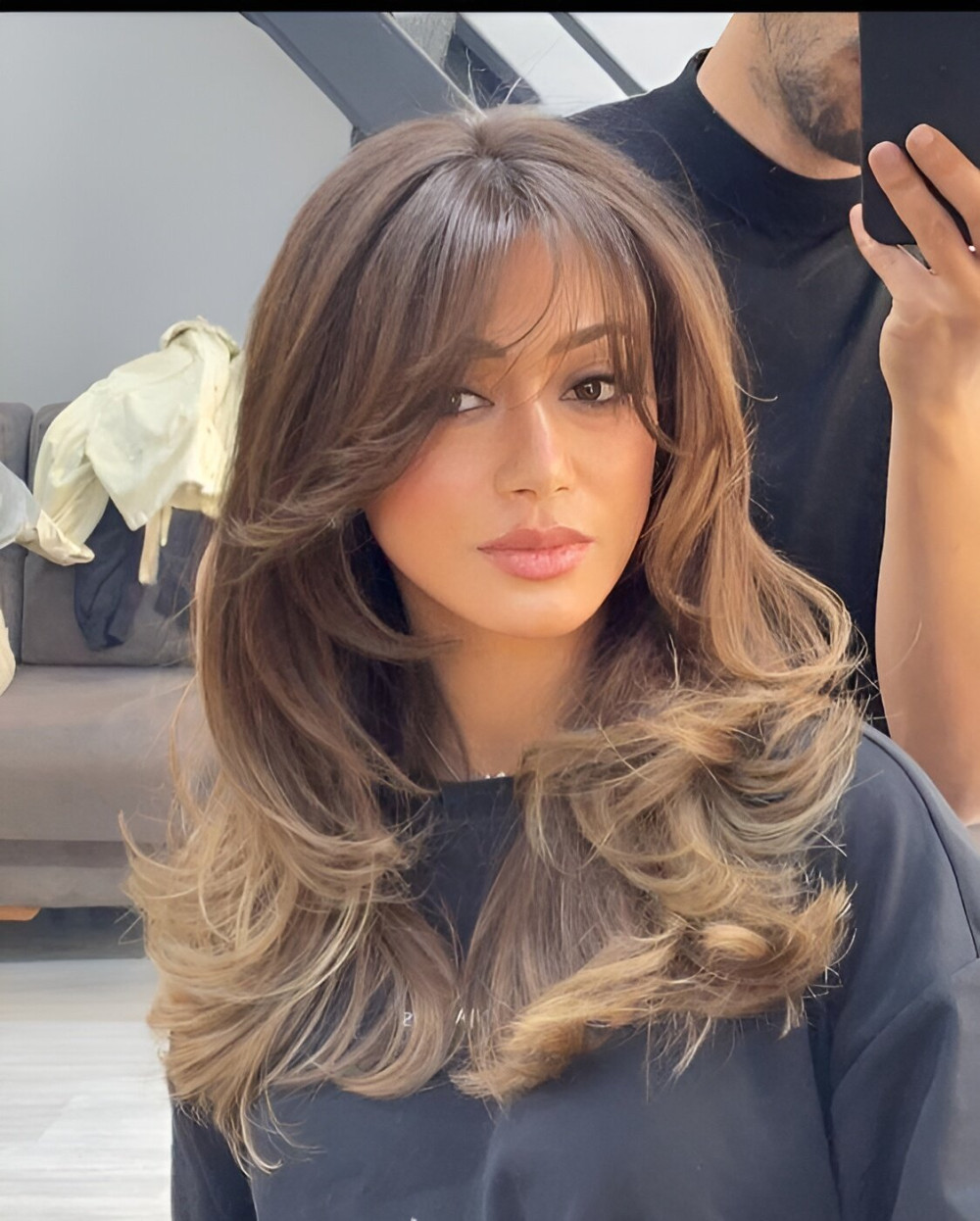
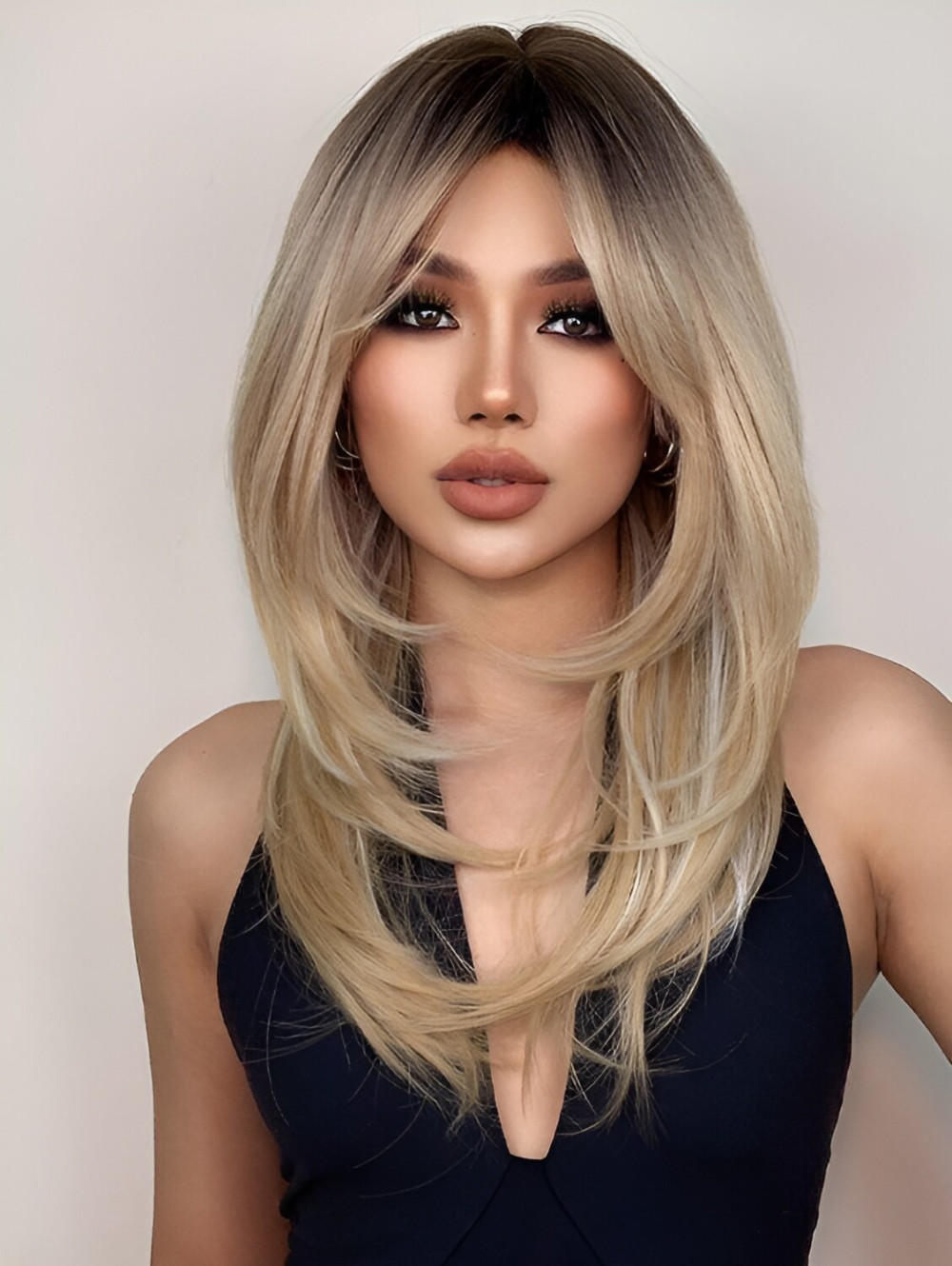
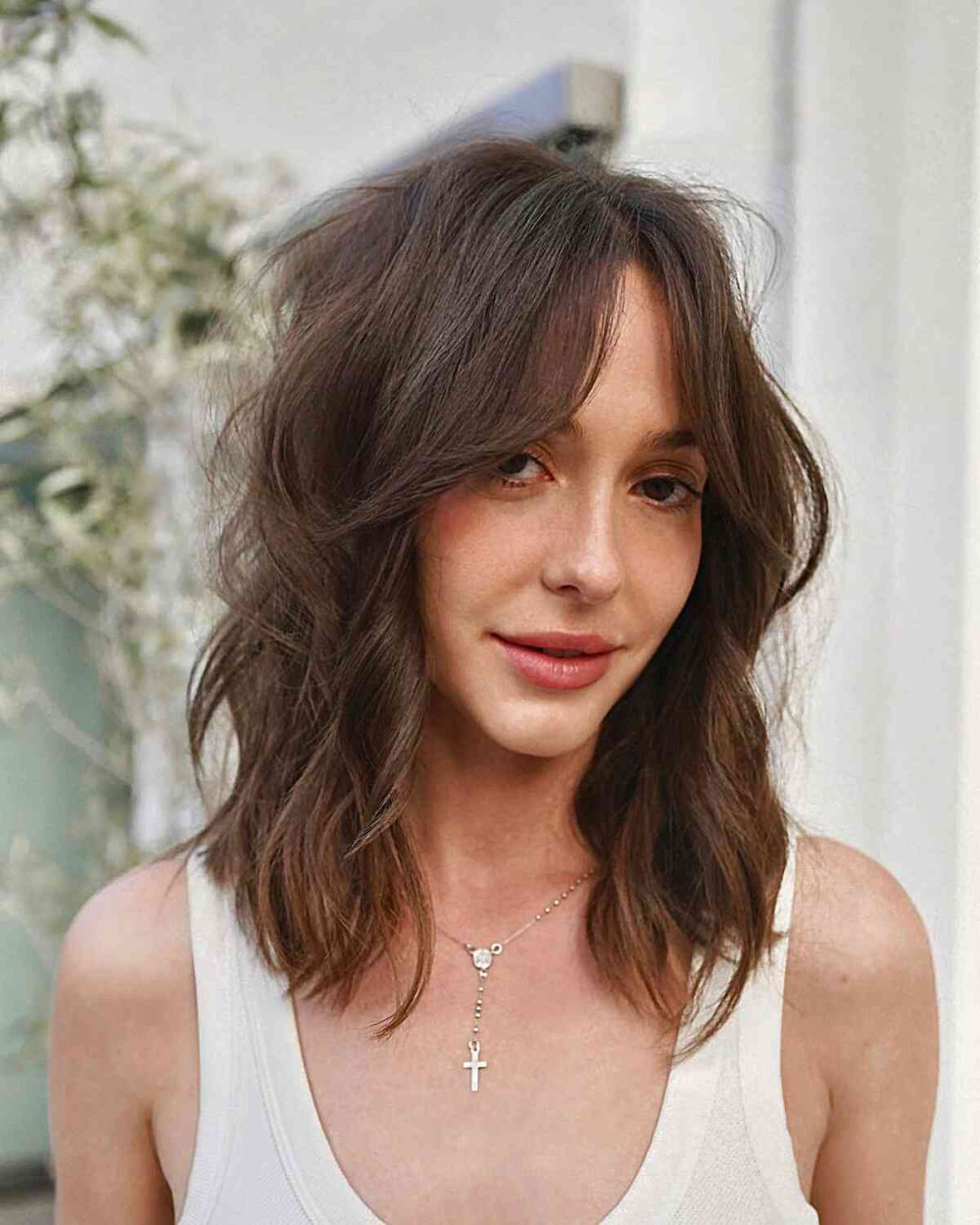
The 90s style is making a big comeback everywhere, and we’re all rooting for it. Along with the 90s wave are the classy face-framing layered hairstyles. The layers add volume, texture, movement, and shape to your locks, making them look more flattering than ever.
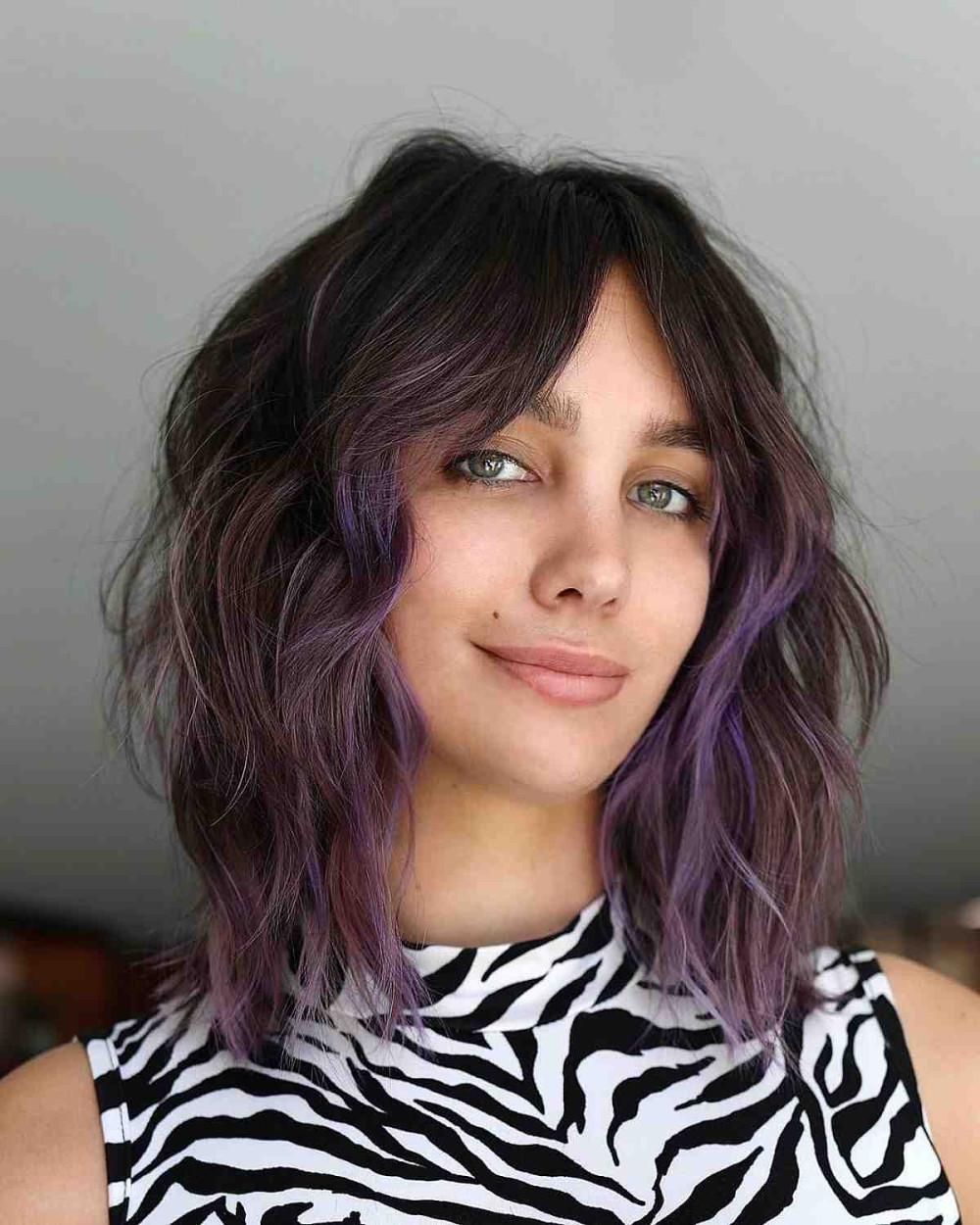
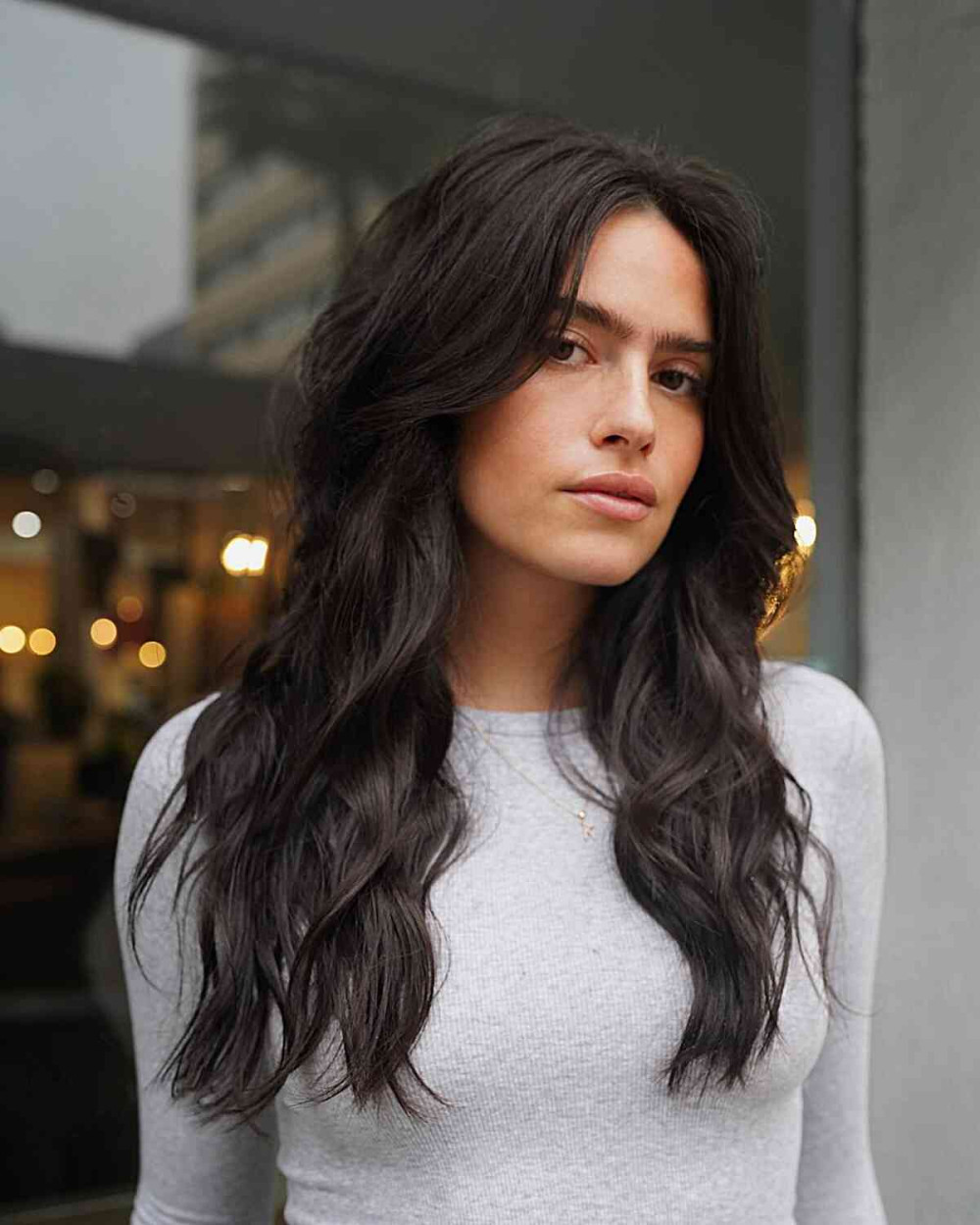
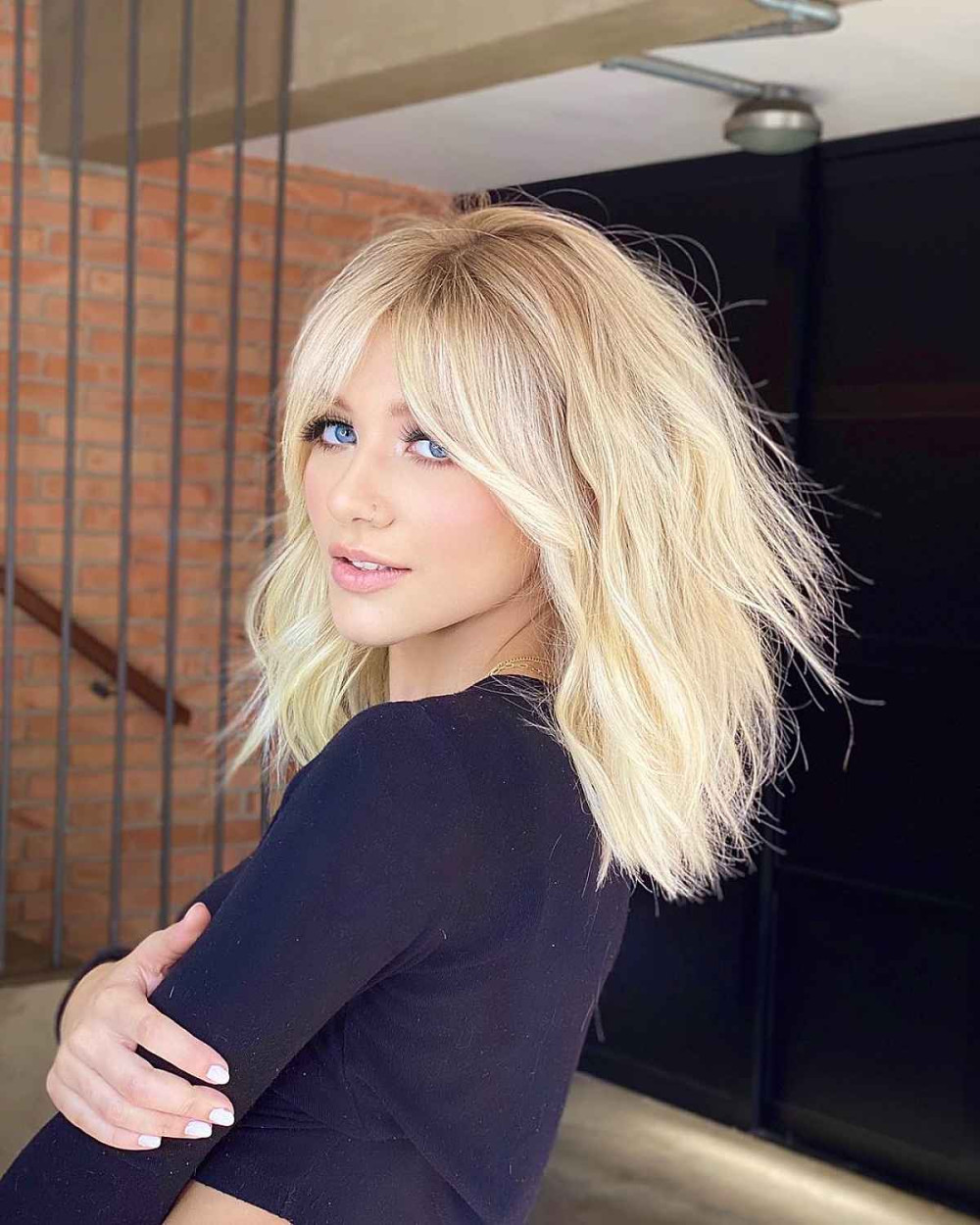
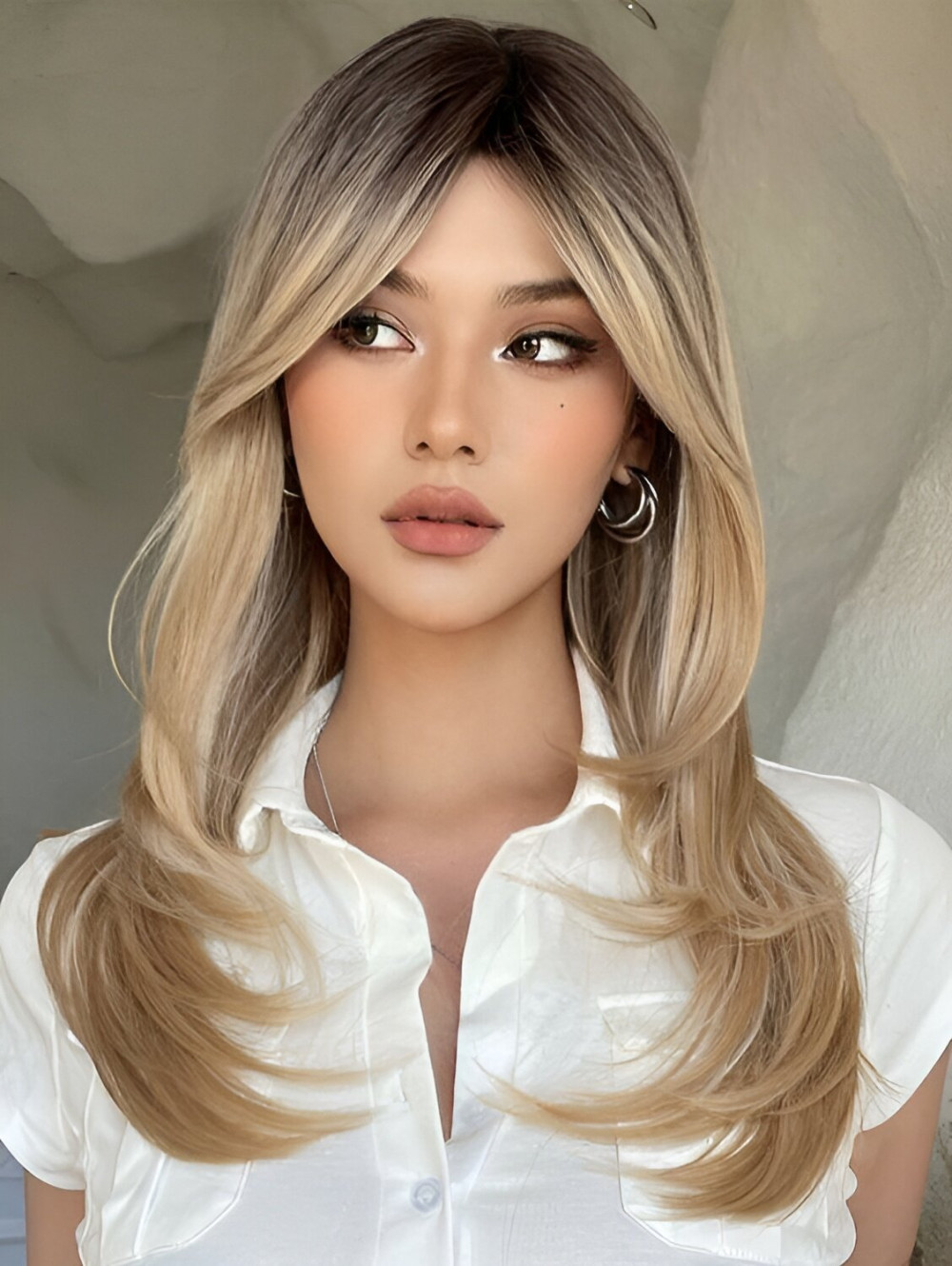
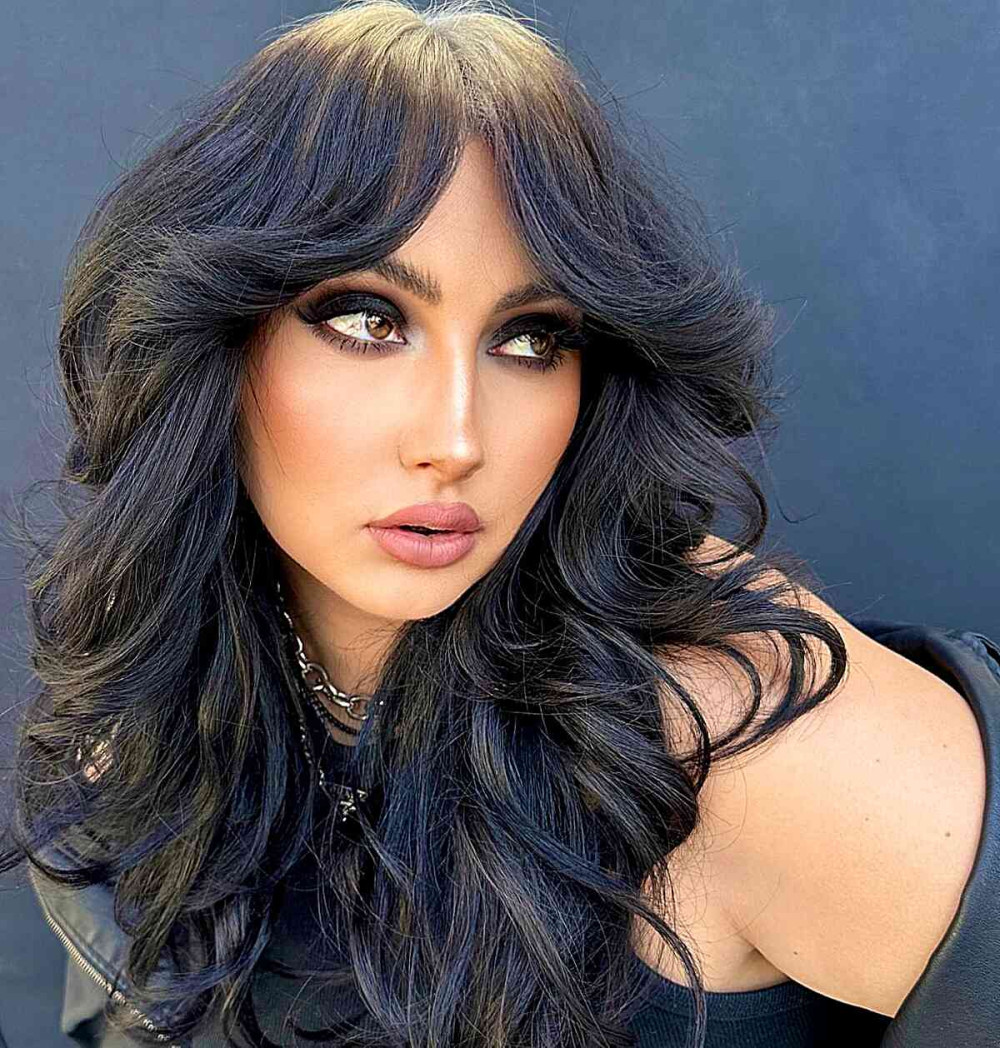
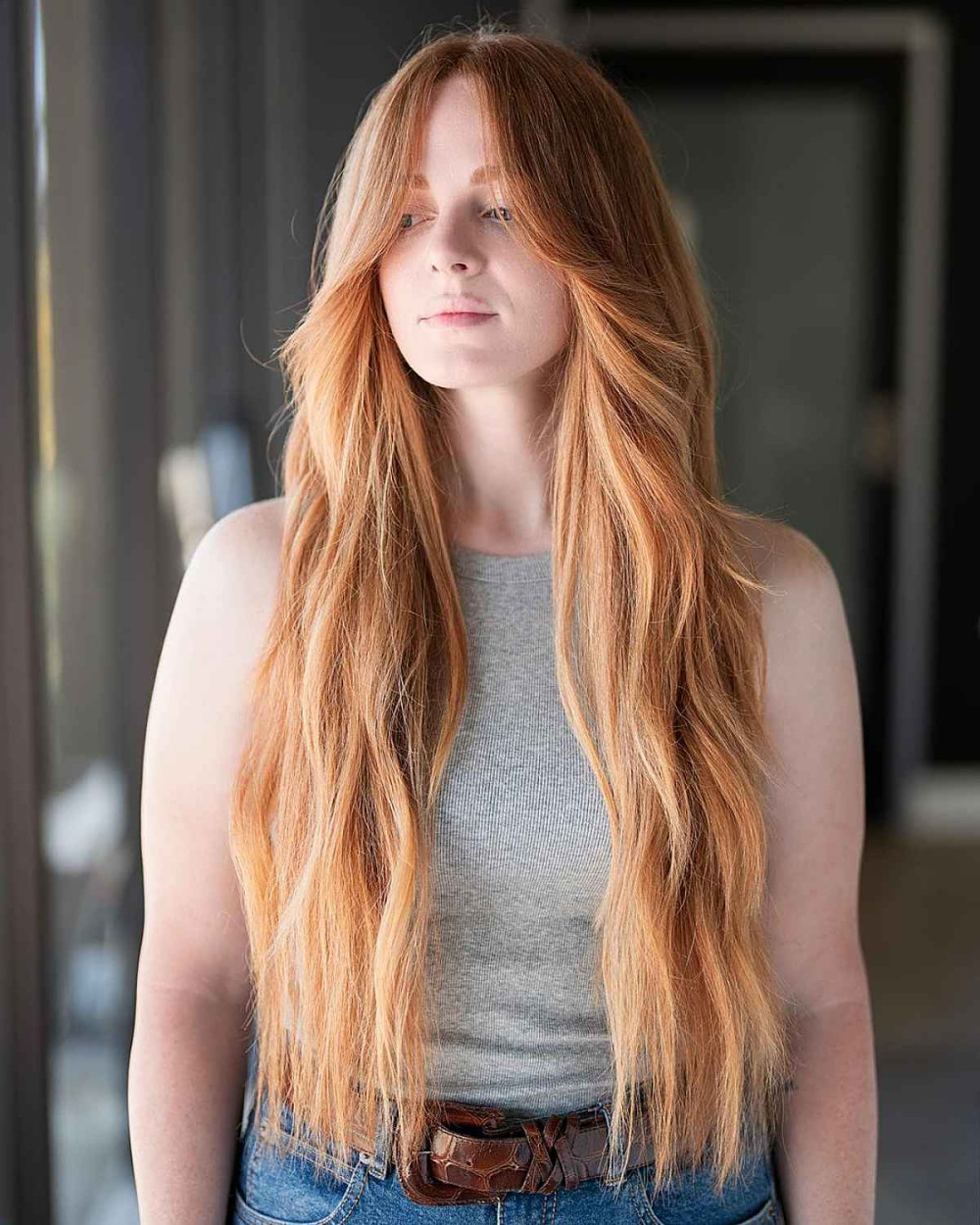
Combining this style with curtain bangs is a great idea for the ultimate soft and sultry look. So if you want something timeless and gorgeous, these haircuts might just be what you need.
Ahead are the prettiest face-framing layered hair ideas to rock with curtain bangs. Share this with your hairdresser, and let them help you pick out the best style for you. These ideas can be a fabulous inspiration for your next salon trip, so save them to your board now!
1.
2.
3.
Why Face-Framing Layers are the Must-Have Haircut Upgrade
The face-framing layered hairstyle is arguably the most essential and transformative technique in modern hair cutting.
It’s the secret sauce that takes a basic bob, a long shag, or even a simple curtain fringe and elevates it into a look that feels instantly customized, dynamic, and effortlessly chic.
Far from the blunt, choppy layers of the past, today’s face-framing technique is defined by softness, seamless blending, and strategic movement designed to highlight the wearer’s best features.
4.
5.
6.
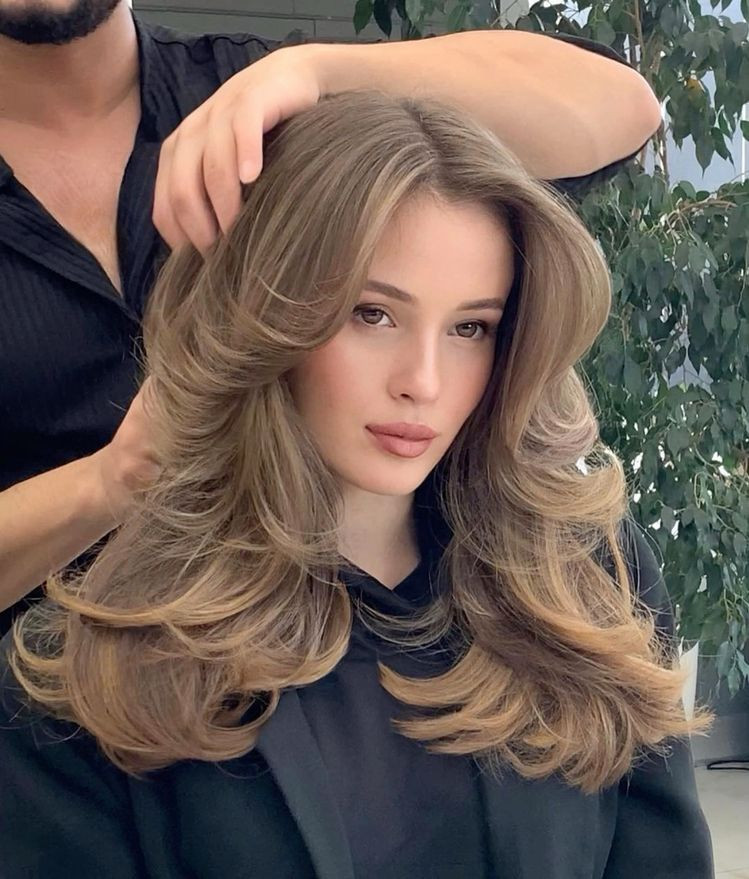
The power of these layers lies in their ability to manipulate texture and volume precisely where the eye focuses: around the jawline, cheekbones, and chin.
This strategic placement allows the hair to curve inward, accentuating bone structure, or fall away, creating lightness.
Whether you have pin-straight fine hair or thick, voluminous curls, adding the right face-framing layers is the fastest way to inject personality, movement, and a flattering shape into your hairstyle without sacrificing overall length.
7.
8.
9.
Cutting Techniques
A successful face-framing layer requires intention. The cut must be tailored to the hair’s texture and the desired finished look.
The Starting Point (The Longest Layer)
The most flattering layers begin at the level of the collarbone or jawline. Starting any higher (like at the temples) can create excessive volume around the cheeks, which can sometimes look dated or overly retro.
The longest layer should be precisely measured to hit a flattering point on the neck or shoulders.
10.
11.
12.
The Blending Angle (The Seamless Transition)
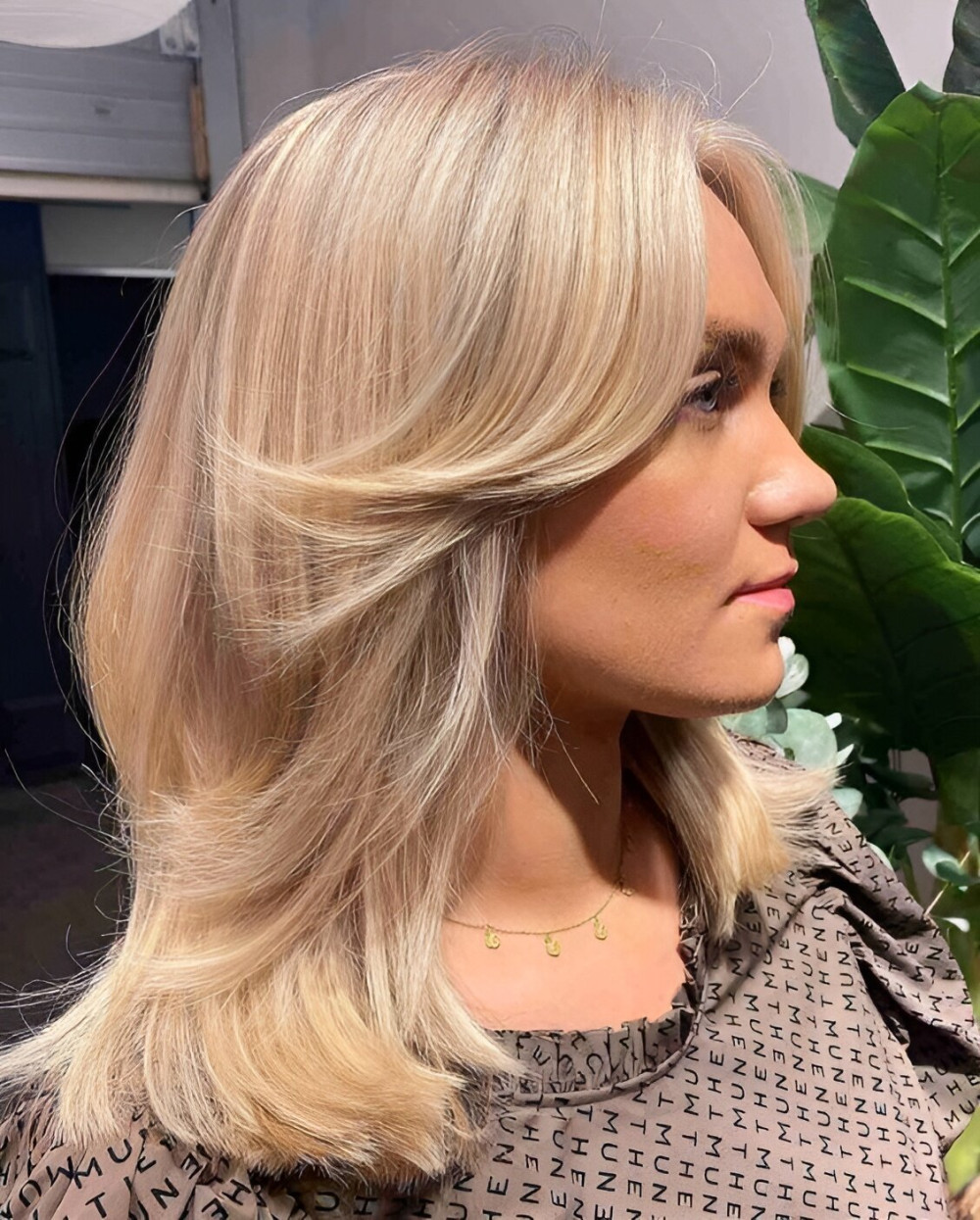
The key to the modern face frame is the angle. The stylist cuts the hair on a gradual diagonal angle from the starting point down to the ends.
This technique ensures that the shorter pieces melt seamlessly into the longer lengths, avoiding any visible “steps” or chunkiness. This seamless blend is what makes the cut look expensive and polished.
13.
14.
Texturizing for Movement
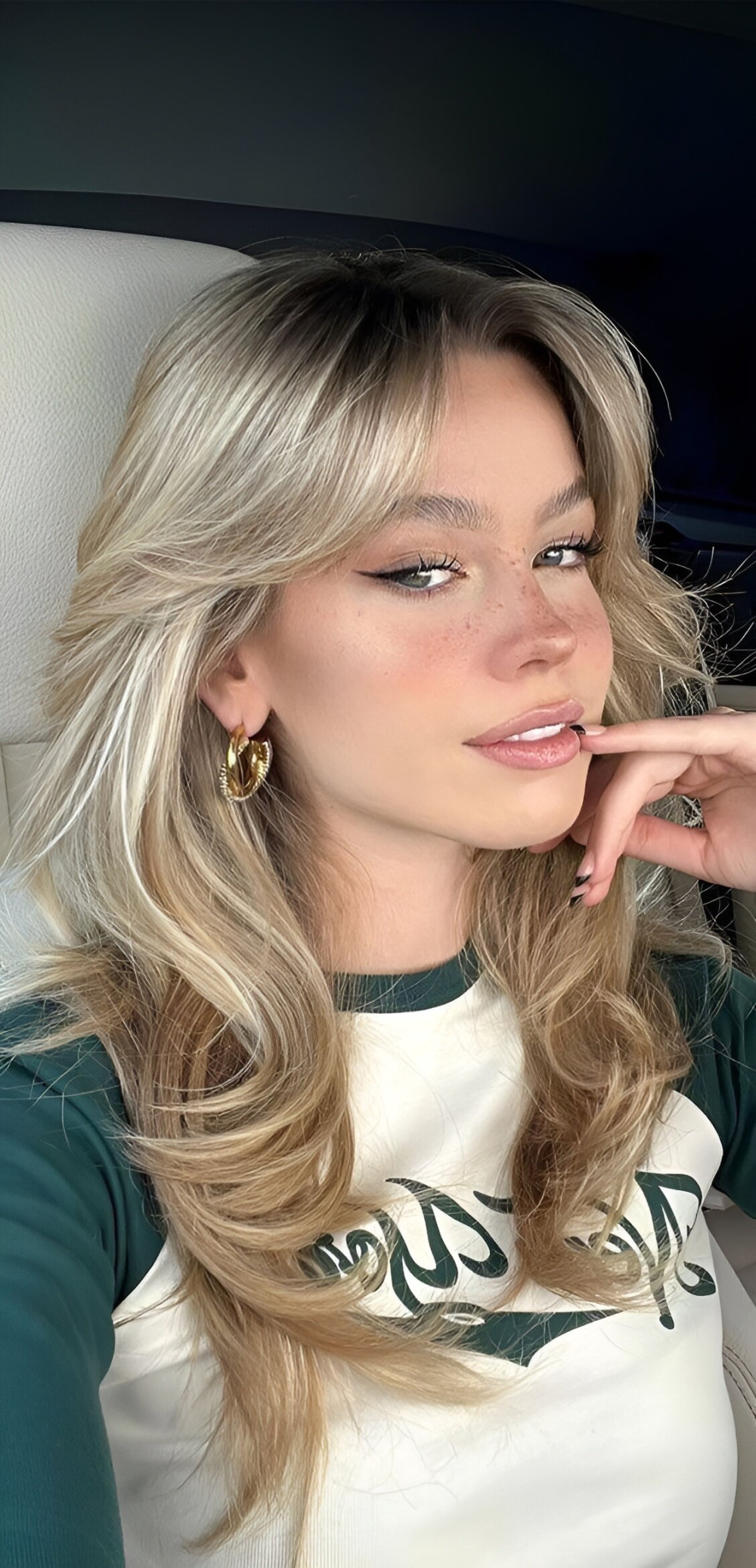
Once the layers are cut, the stylist must add internal texture to prevent the ends from looking heavy.
- Point Cutting: Cutting into the ends vertically (point cutting) removes bulk and ensures the ends look wispy and light, allowing the hair to naturally bend and curve around the face.
- Slicing: For thick hair, the stylist may use slicing or sliding techniques to remove internal weight, which gives the layers better movement and prevents them from puffing out.
15.
16.
17.
Why Layers Flatter Every Face
Face-framing layers work because they break up the vertical lines of the face, drawing the eye to desirable features.
Accentuating the Cheekbones
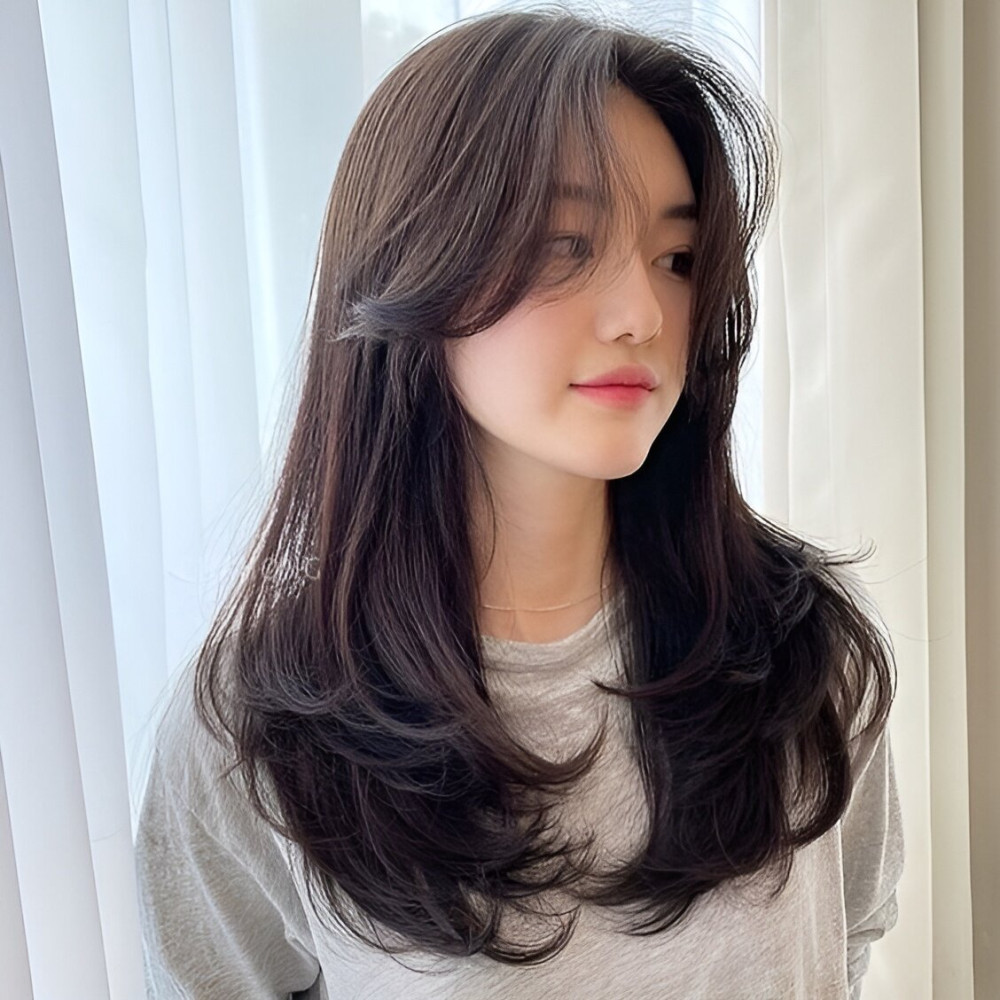
For fine to medium hair, blow-drying the face-framing layers with a round brush or using a curling iron to flip the hair outward creates instant lift.
When the hair swoops away from the face just under the cheekbones, it emphasizes the sharpness of the structure and gives an immediate facelift effect.
18.
19.
20.

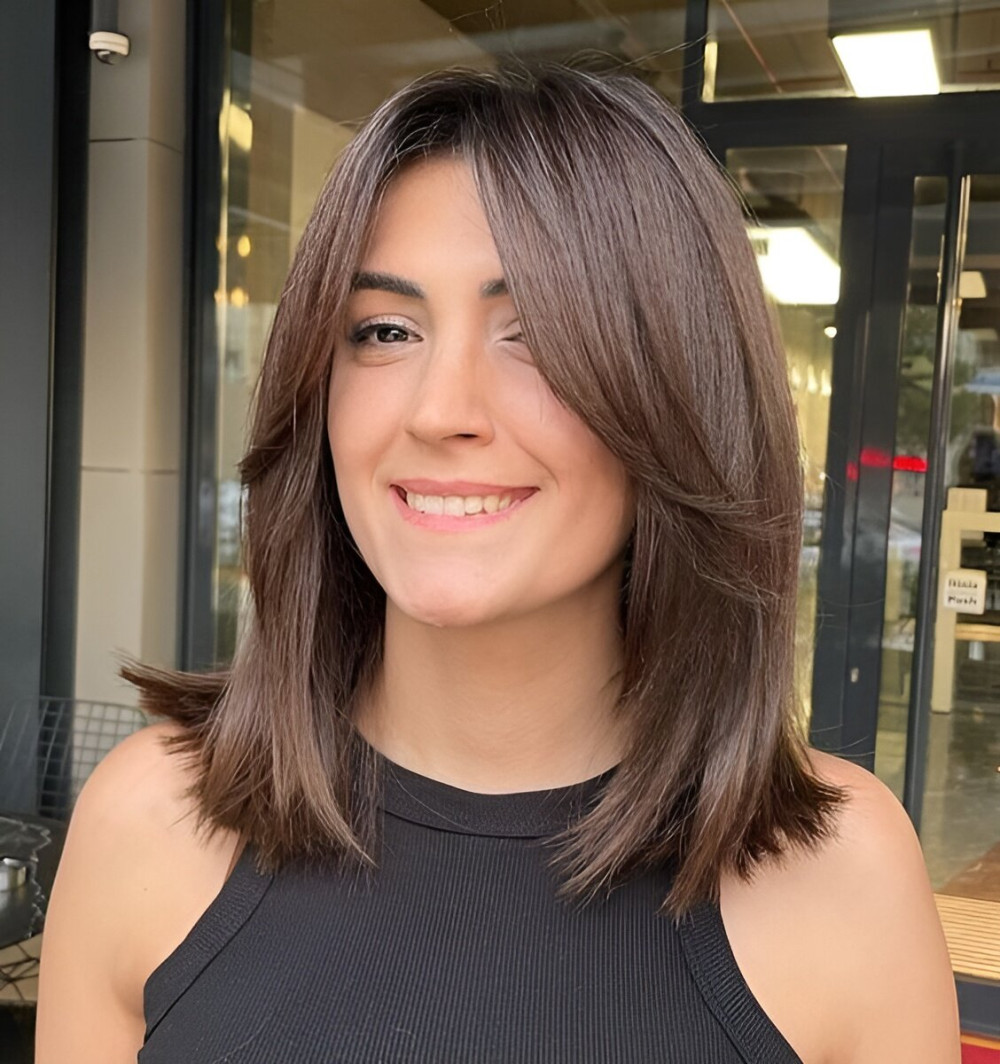
Softening the Jawline
For hair that is prone to volume or for those with a strong square or angular jawline, styling the layers to tuck or curve inward is essential.
Using a large round brush to gently roll the ends of the layers under the jaw softens the corners, creating a rounder, gentler silhouette.
21.
22.
Adding Volume and Movement
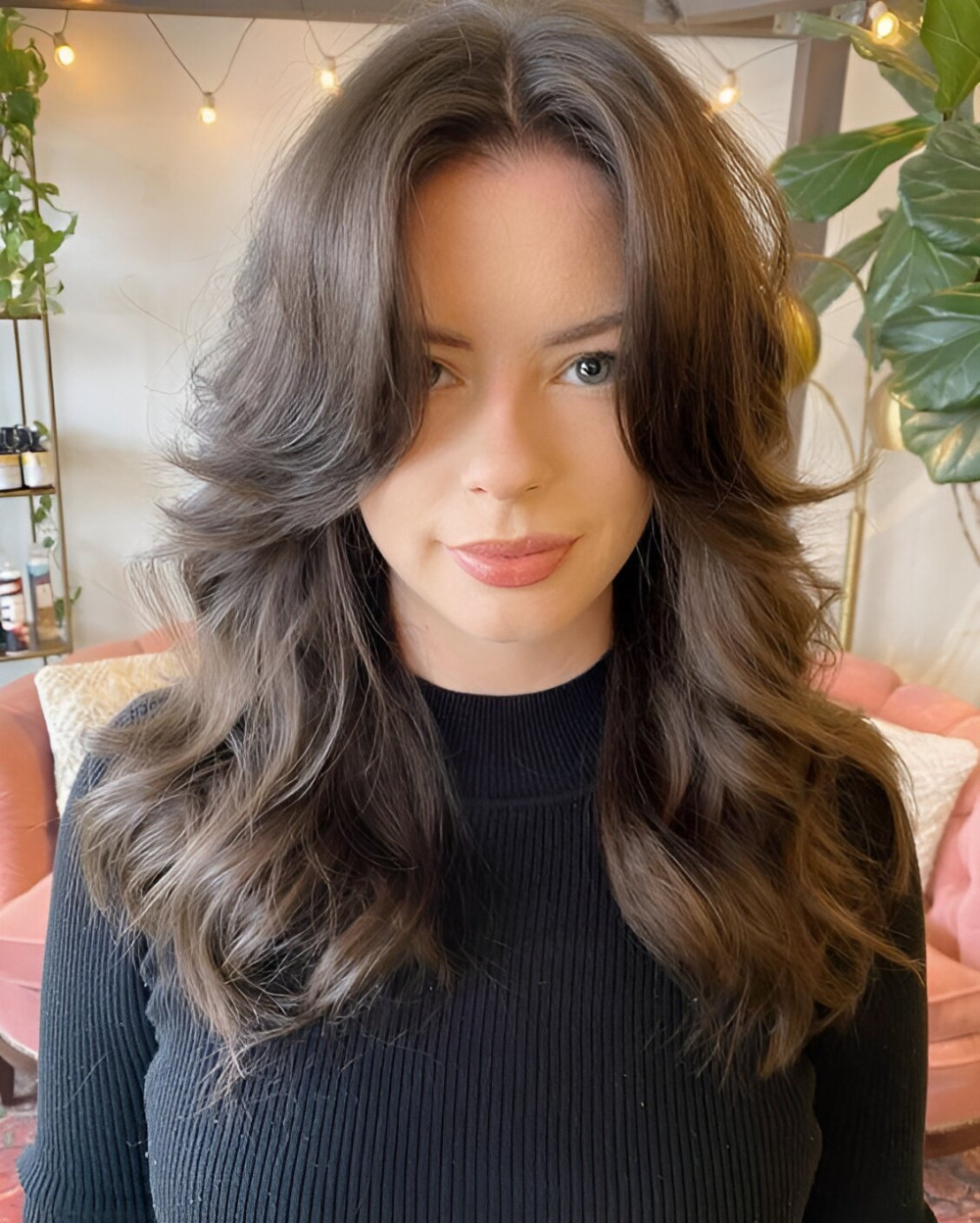
A long, one-length haircut often looks flat and lifeless on top.
Face-framing layers, especially when the shortest layer is strategically placed a couple of inches from the ends, create an illusion of movement and volume even in straight hair.
When the hair moves, the layers catch the light and create natural dimension.
23.
24.
25.
Pairing Layers with Fringes
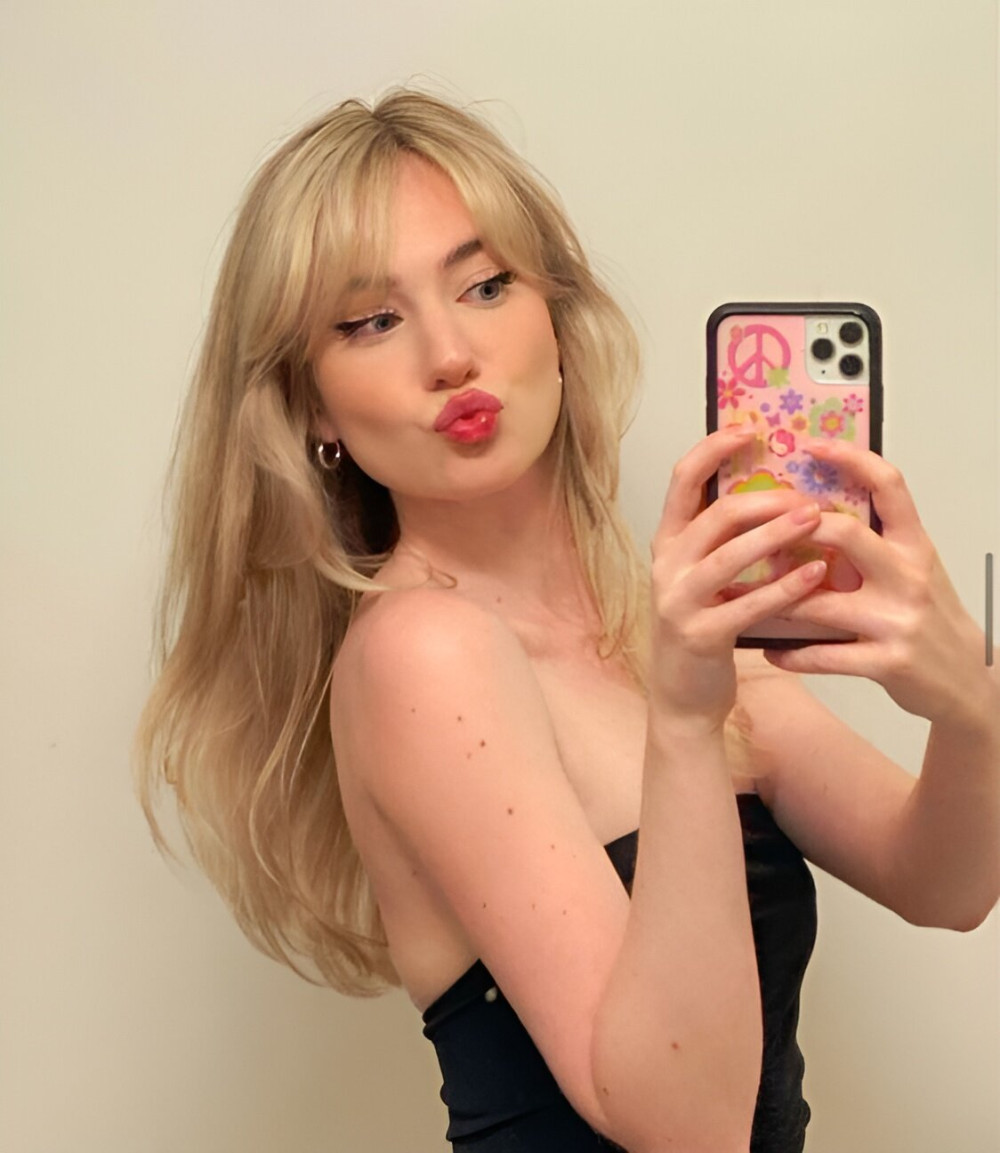
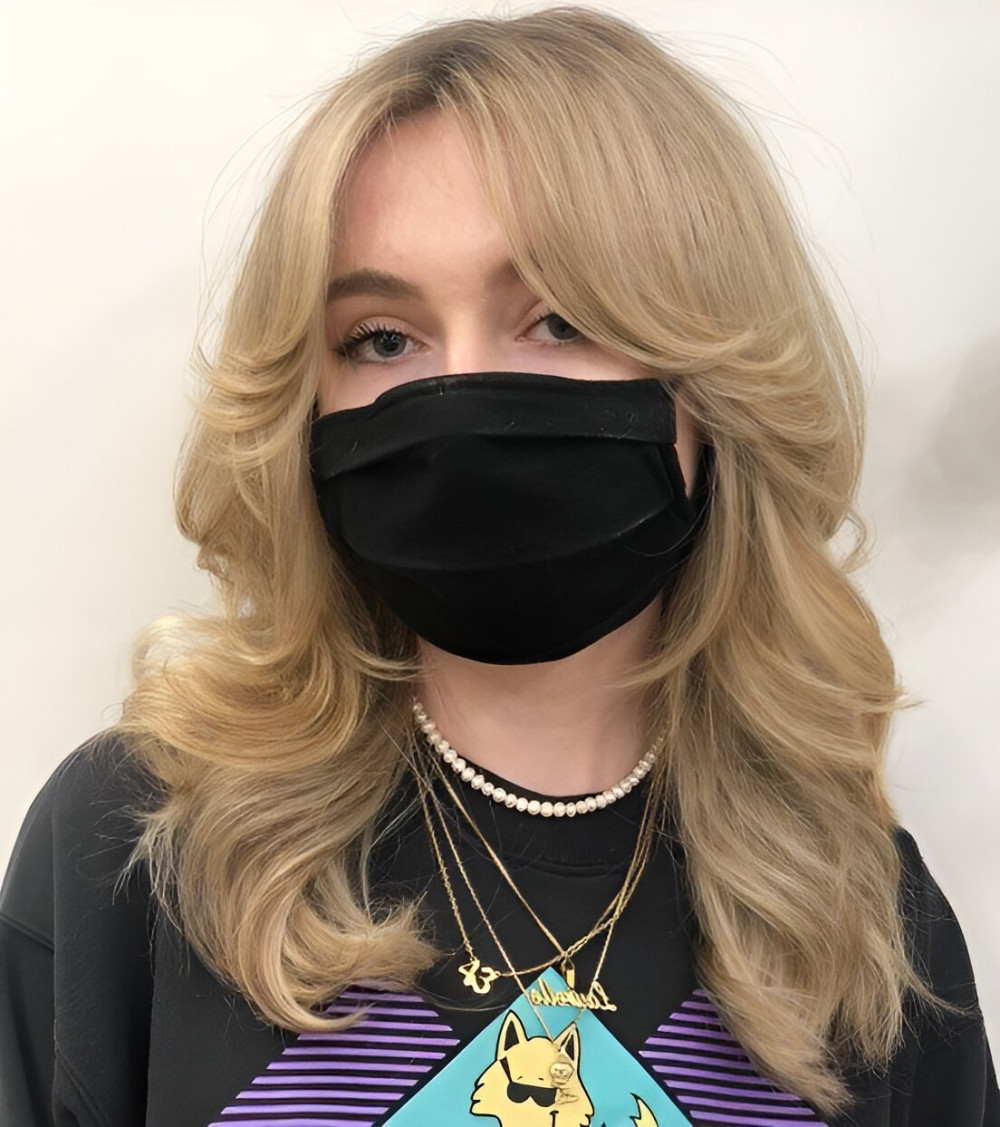
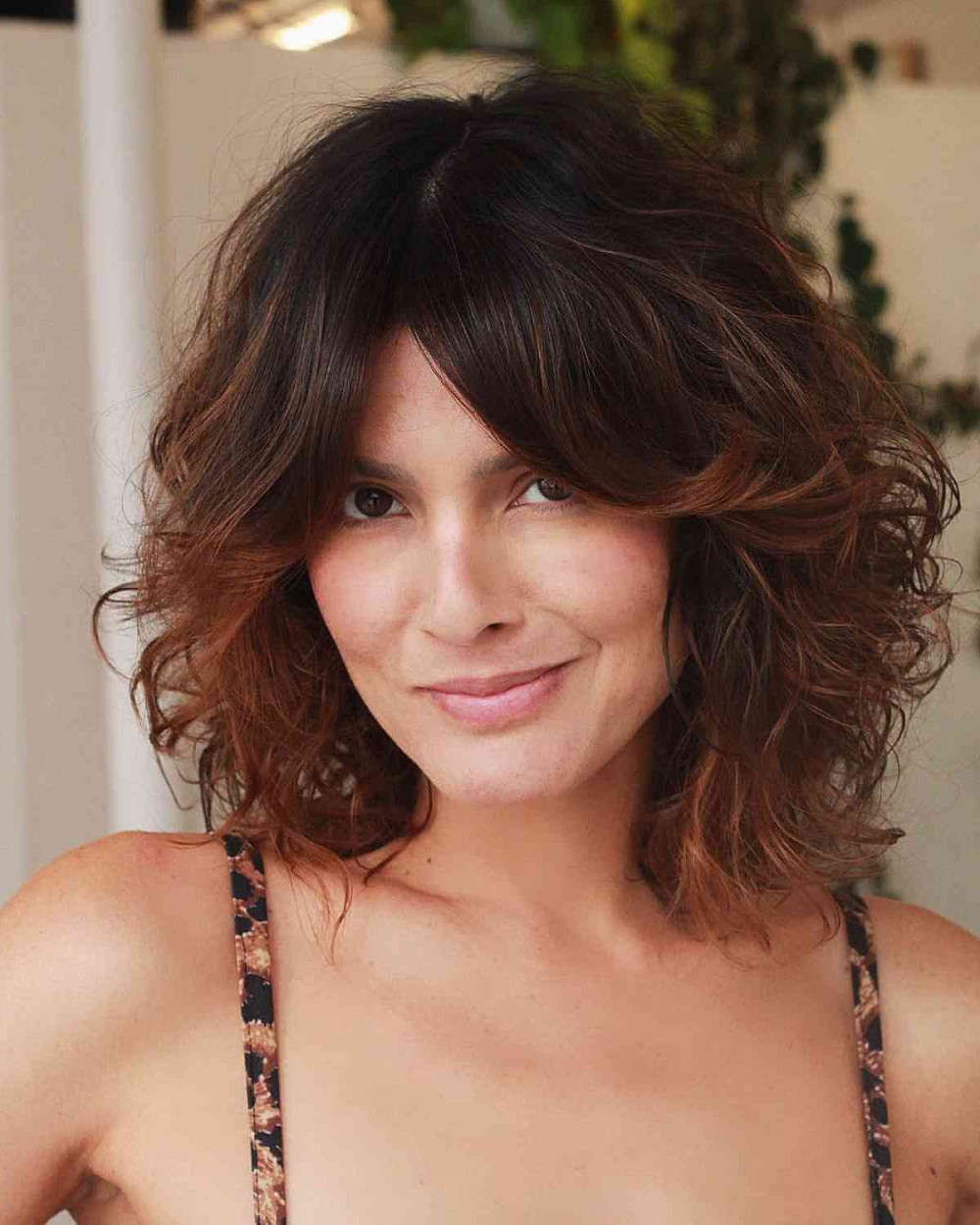
The face-framing layer works in perfect synergy with any type of fringe (bangs), creating a cohesive and polished look.
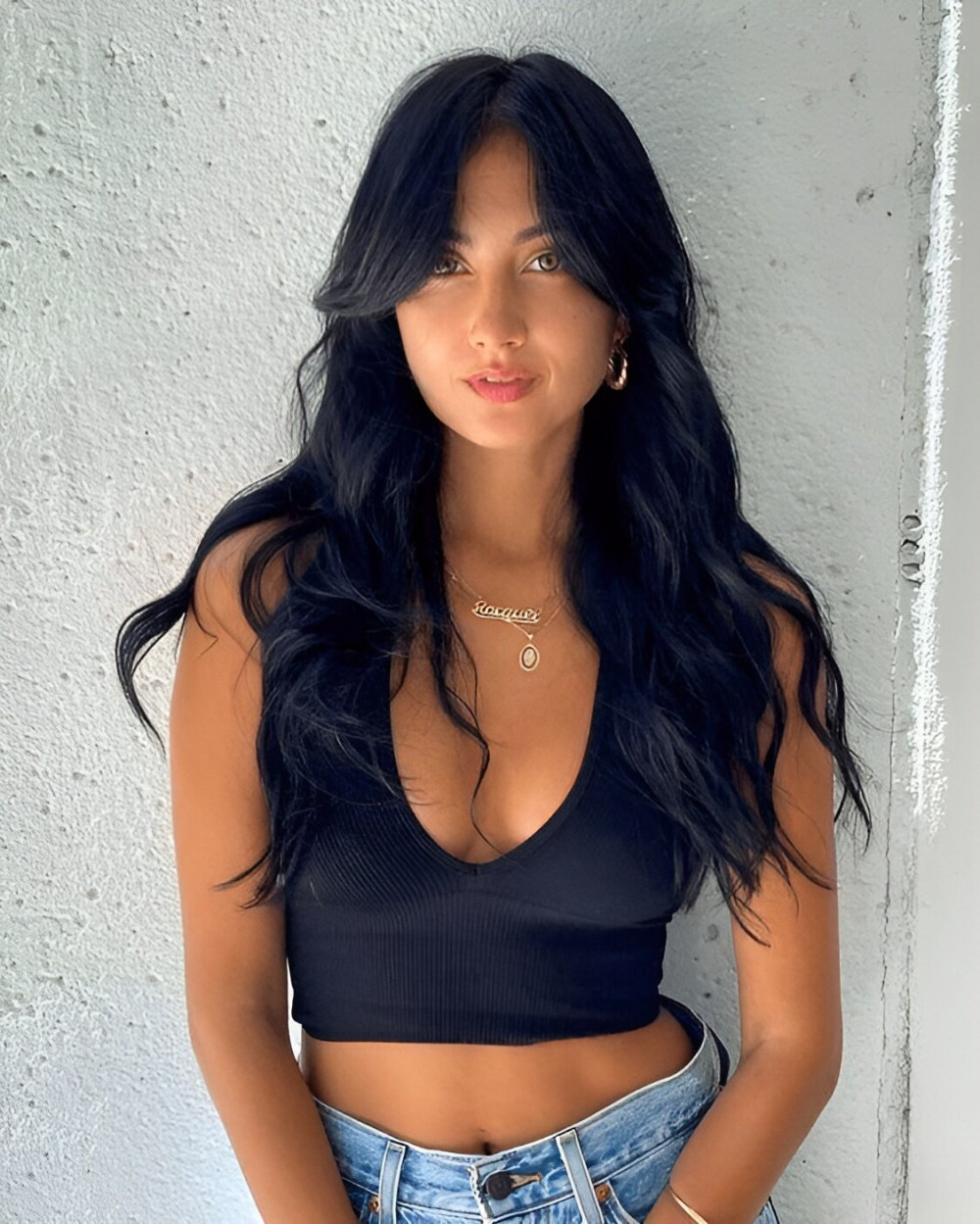
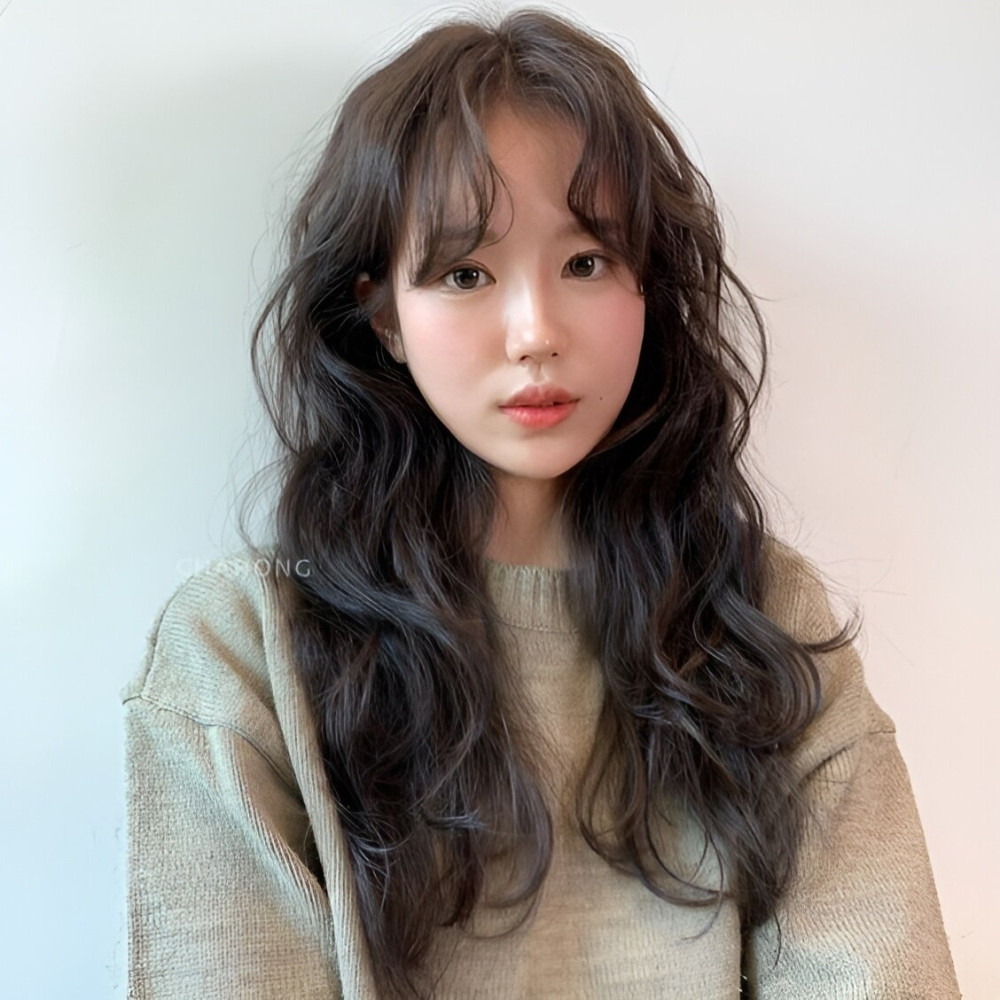
- The Curtain Fringe: This is the most popular pairing. The curtain fringe is essentially the shortest face-framing layer, parted down the middle. This short layer then flows seamlessly into the longer layers around the jaw and shoulders, creating a beautiful, soft waterfall effect that frames the entire face.
- The Bottleneck Bang: This softer version of the full fringe has shorter layers over the forehead that lengthen drastically around the temples, blending instantly into the longest face-framing pieces. This look is incredibly modern and softens the forehead while emphasizing the eyes.
26.
27.
28.
29.
30.