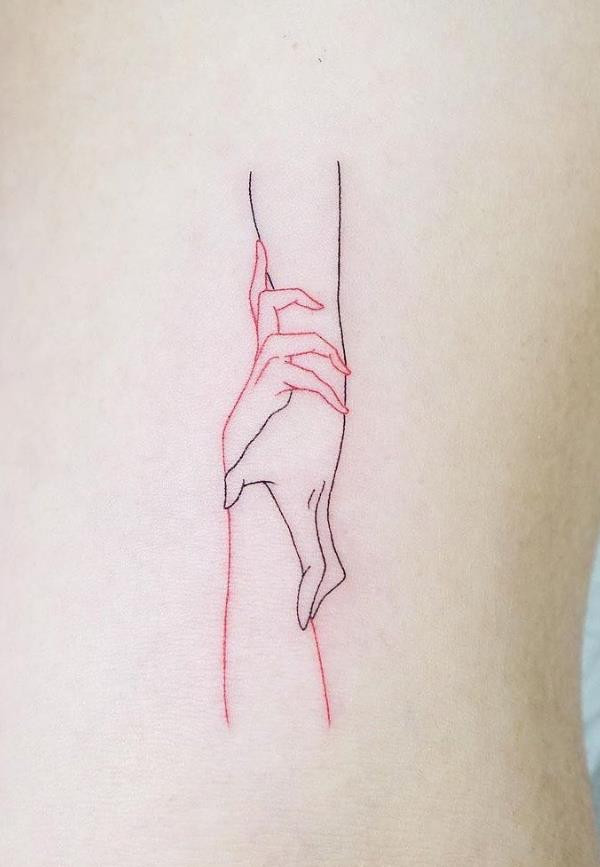
Nowadays, tattoos have become a form of self-expression. More than just beautiful body art, they can show the world around us a piece of our personality, dreams, and hopes.
So what should you get for your next tattoo? Among all types of tattoos, watercolor tattoos are many people’s favorite. Why don’t we start from here?
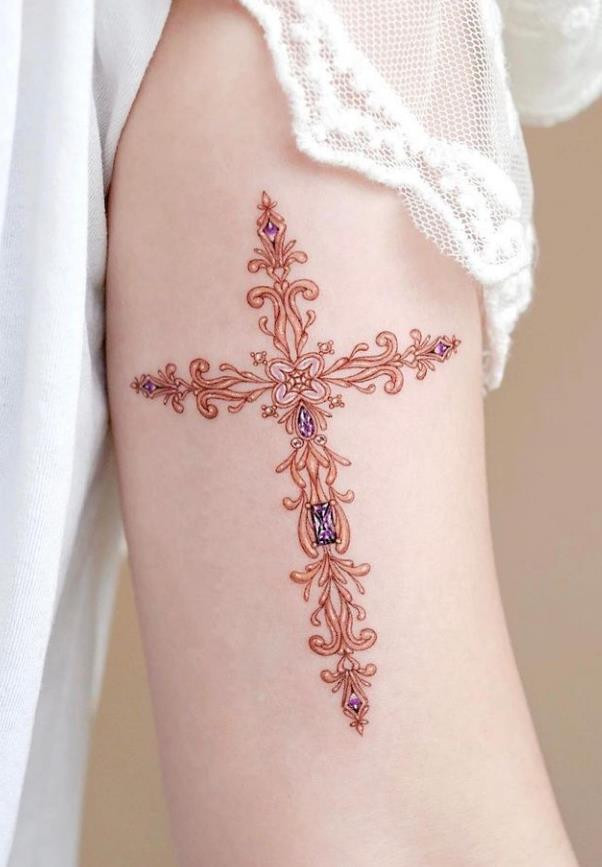
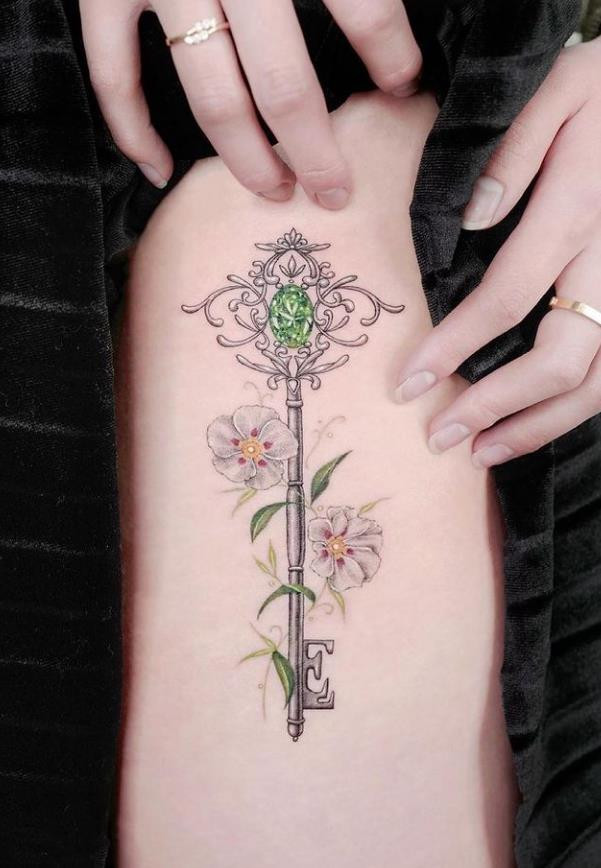
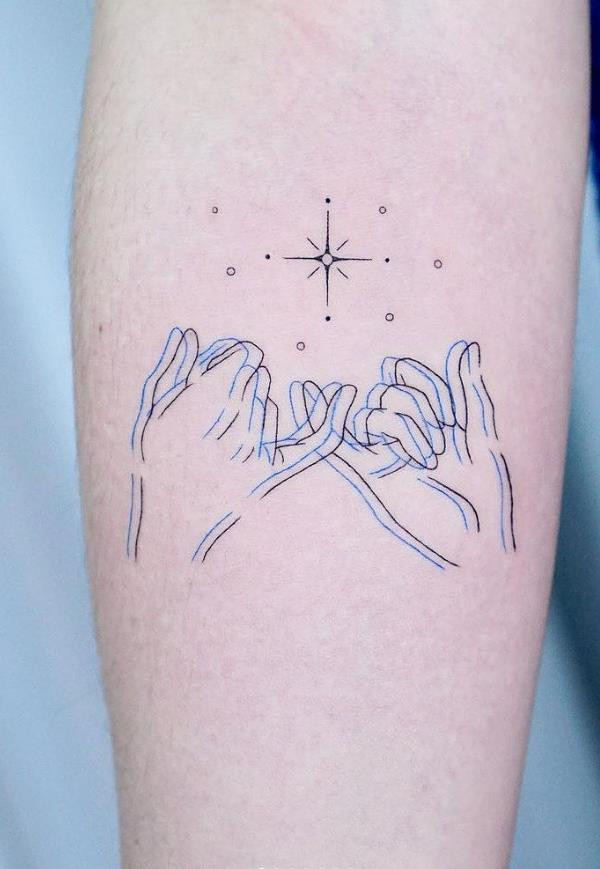
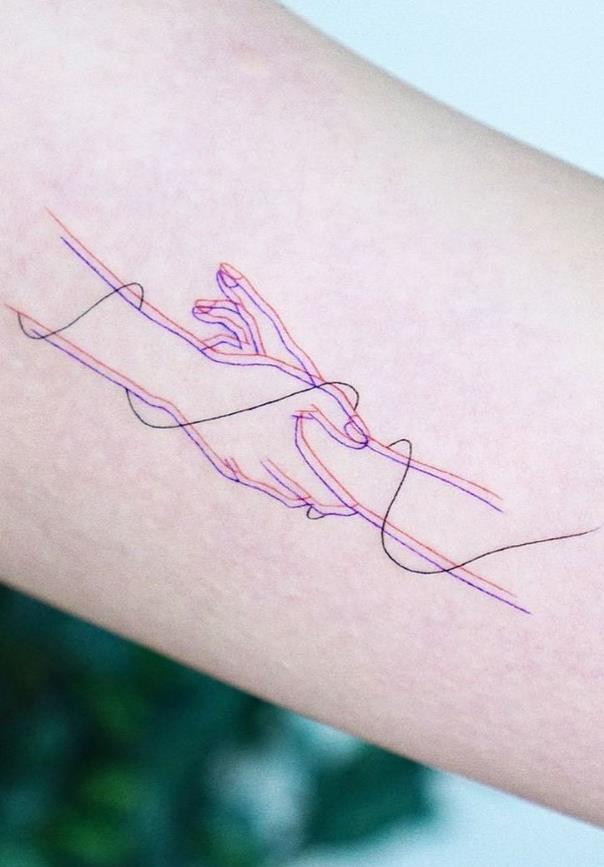
Watercolor tattoos are very popular for their beauty and intricate details. However, the best thing about these ink art is their versatility. You can turn anything into a watercolor tattoo with enough creativity and talent.
If not, professional tattoo artists are always happy to help. So let this be your guide on how to nail your watercolor tattoos, and find out which design is the best for you.
There are endless designs online, but we have gathered the best ones on this list. If you don’t want to spend hours mindlessly scrolling through the Internet, this list is for you. Save this to your inspo board and use them for your future tattoo appointments!
1.
2.
3.
4.
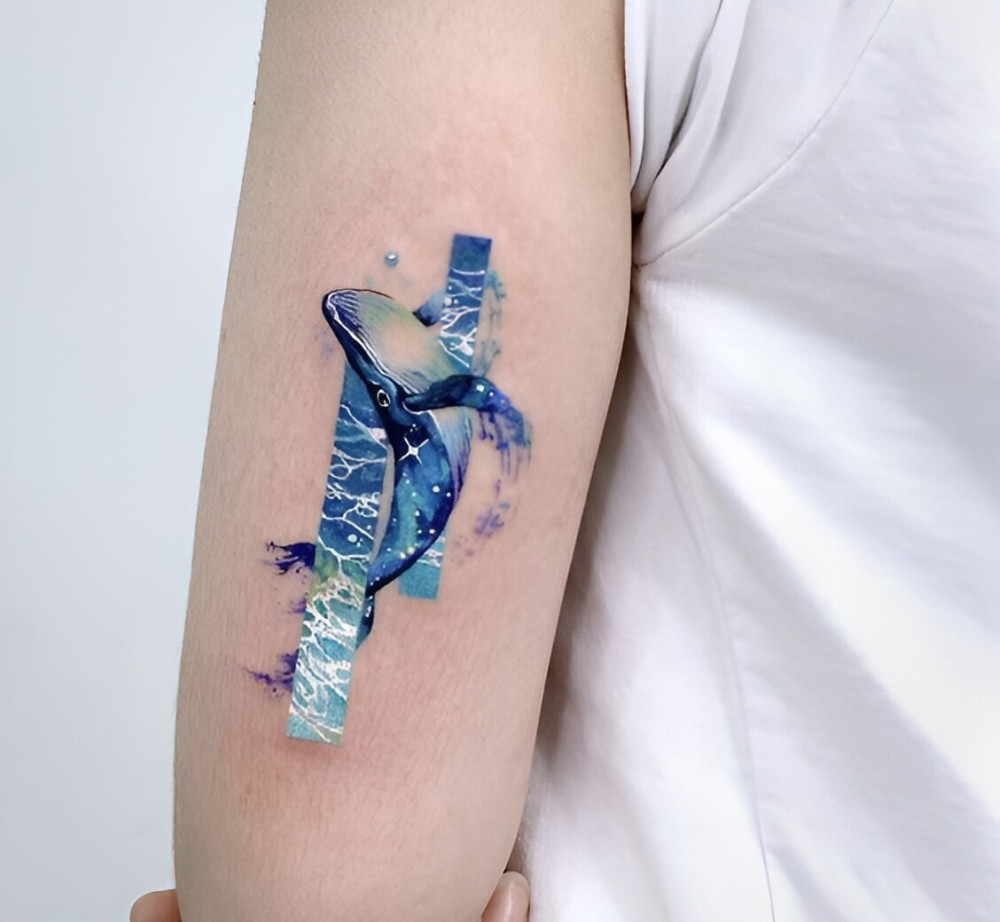
The Allure of the Watercolor Tattoo
The watercolor tattoo is perhaps the most captivating and aesthetically delicate style to emerge in modern body art.
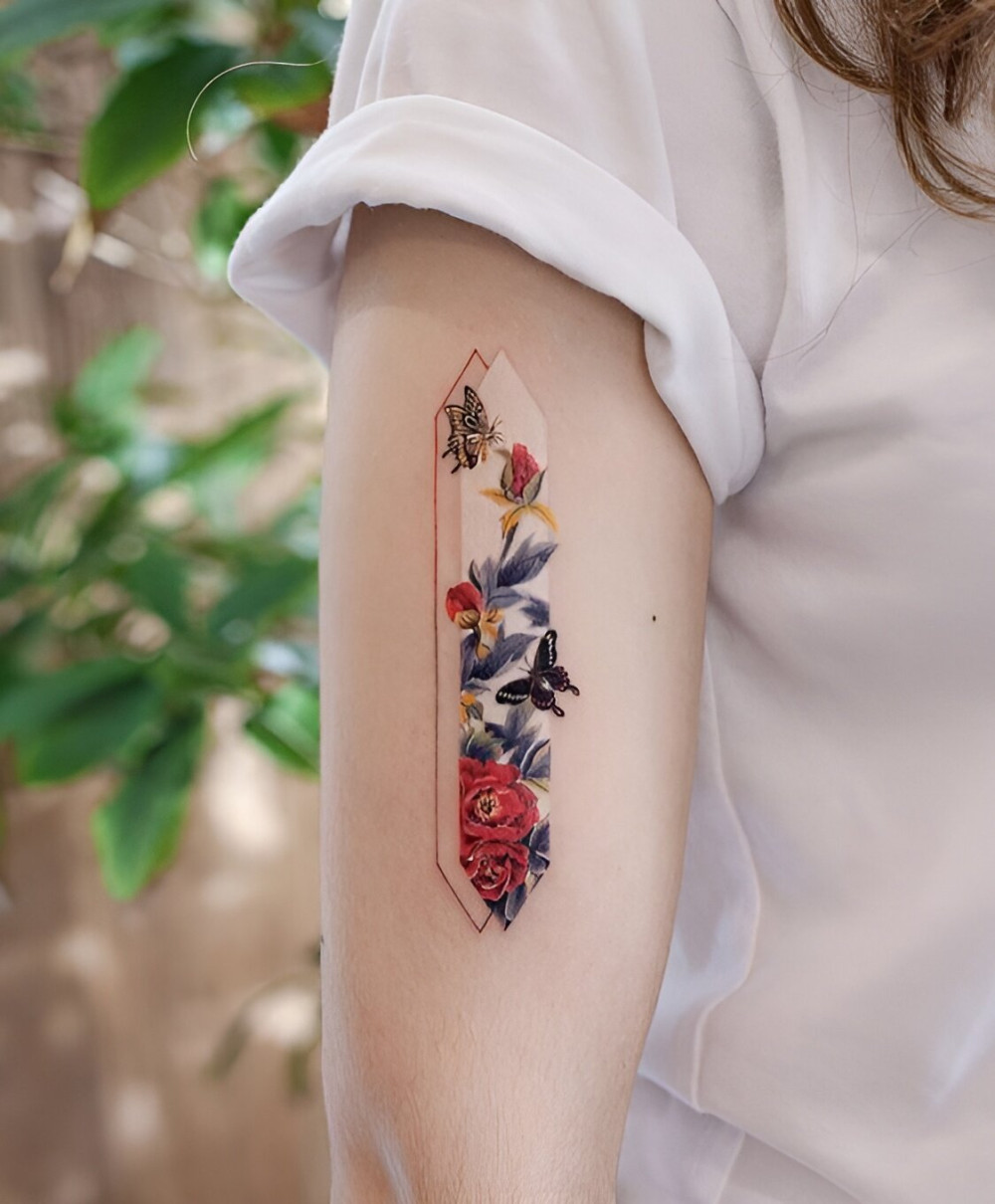
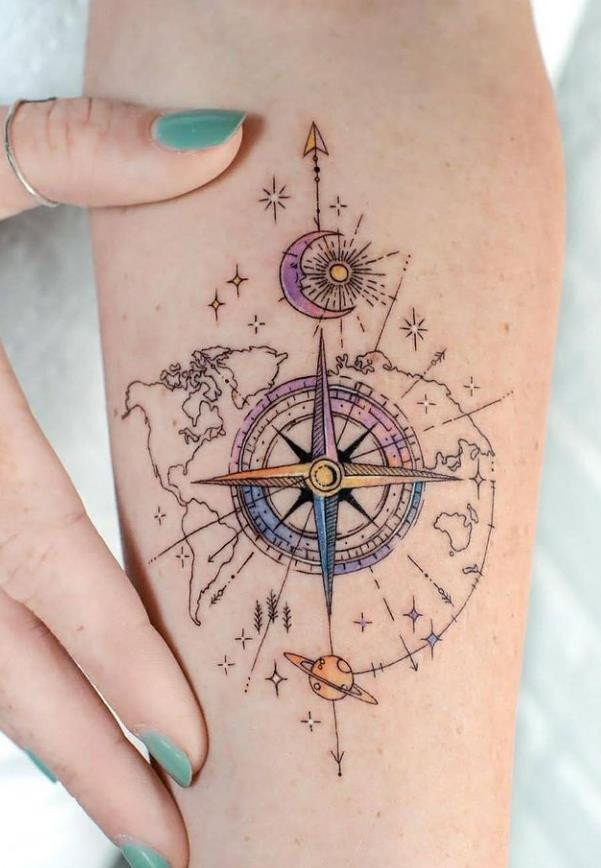
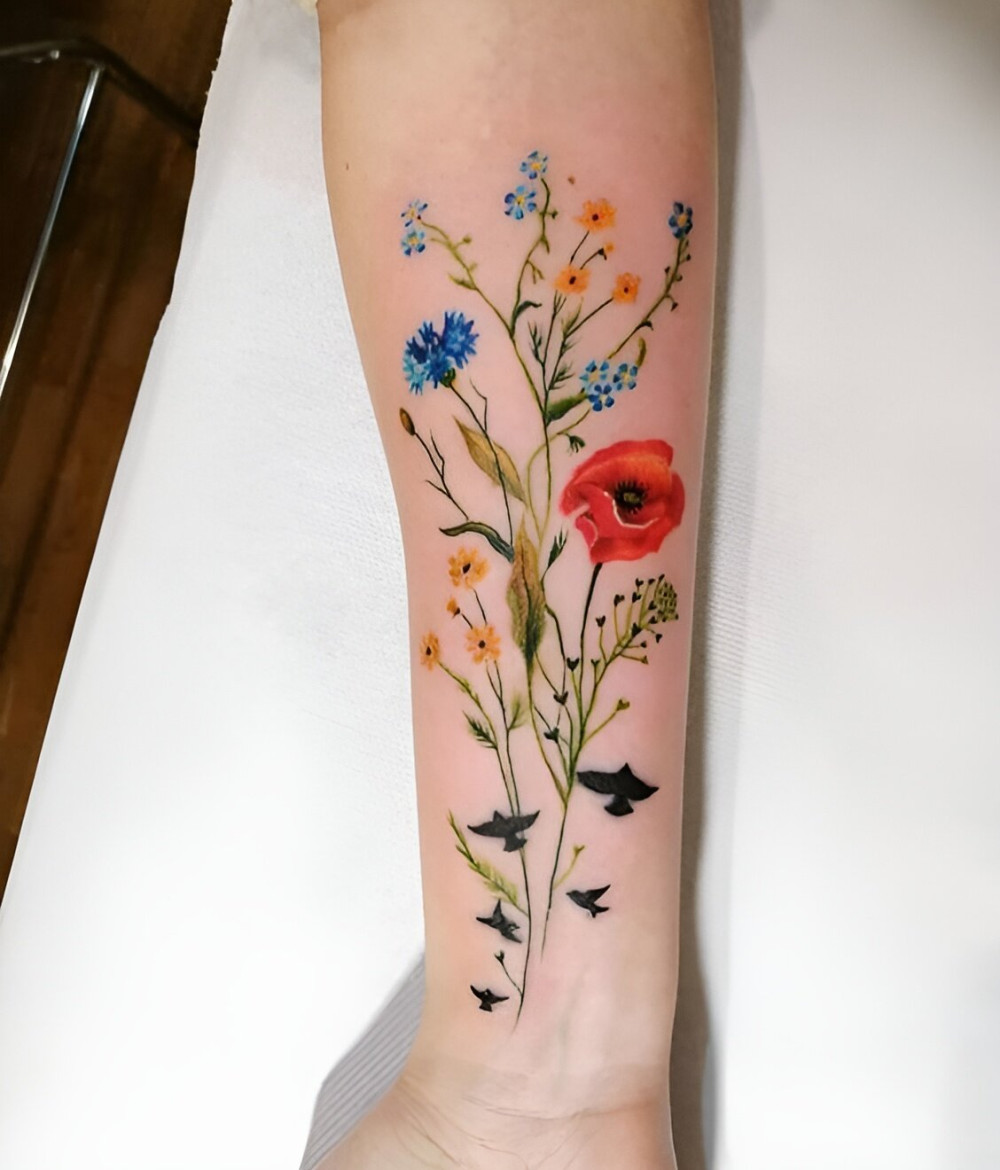
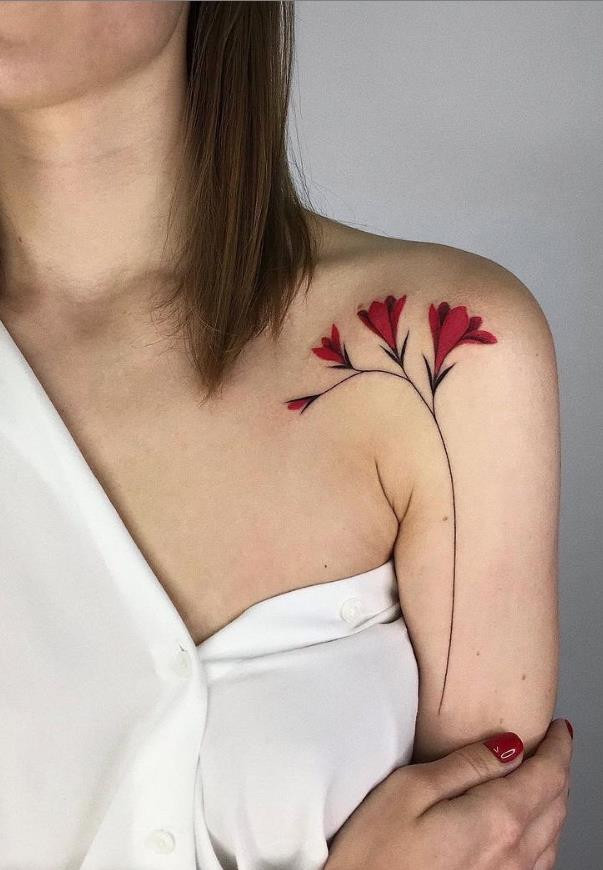
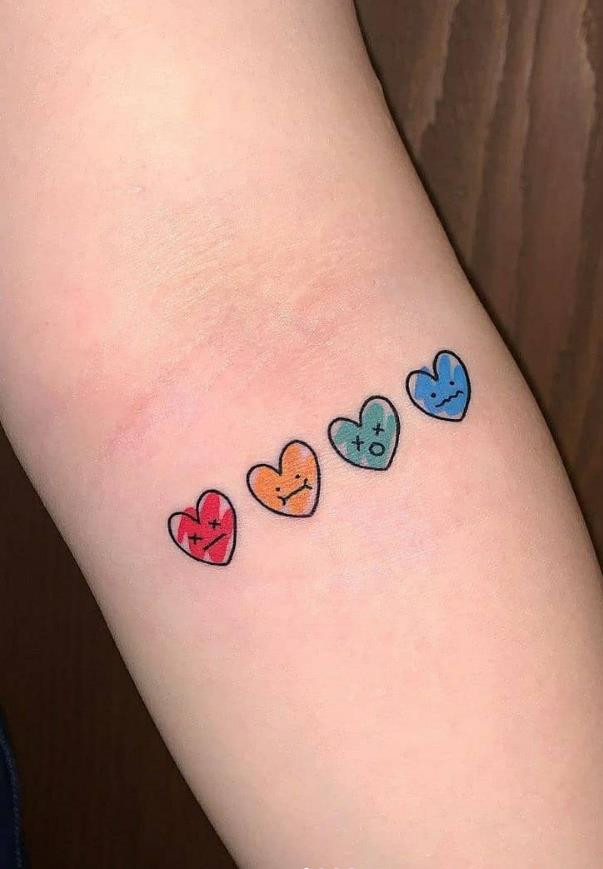
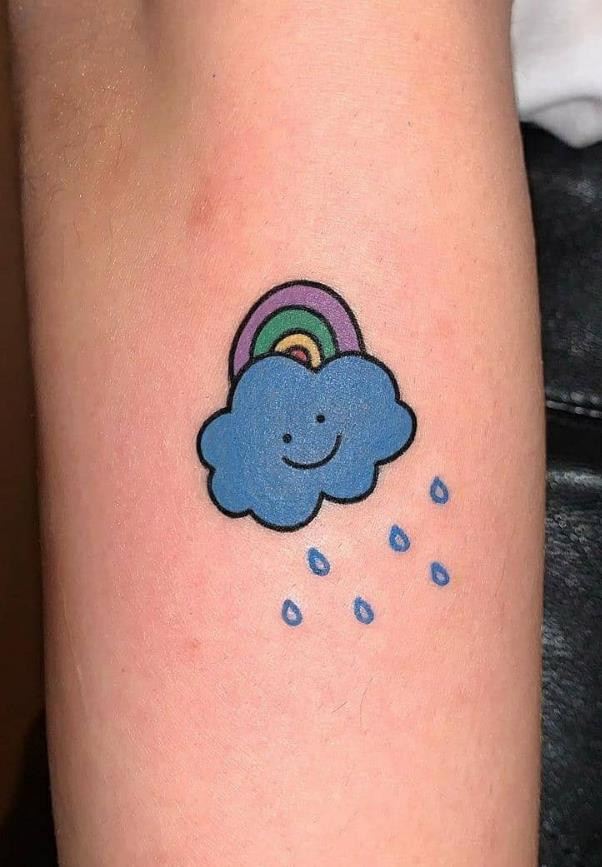
Rejecting the constraints of heavy black outlines and bold, saturated fills, this style mimics the fluid, spontaneous beauty of a watercolor painting on paper.
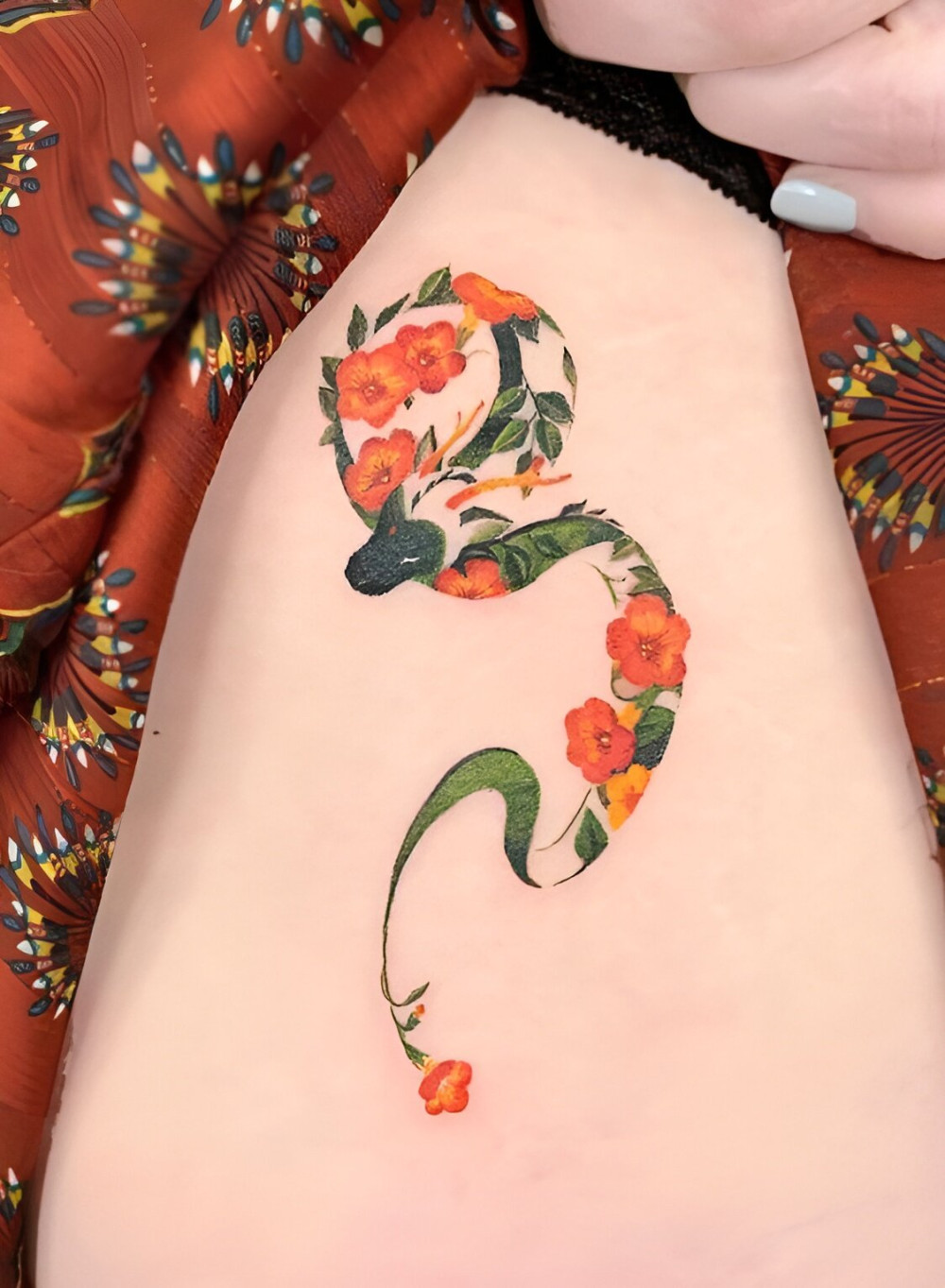
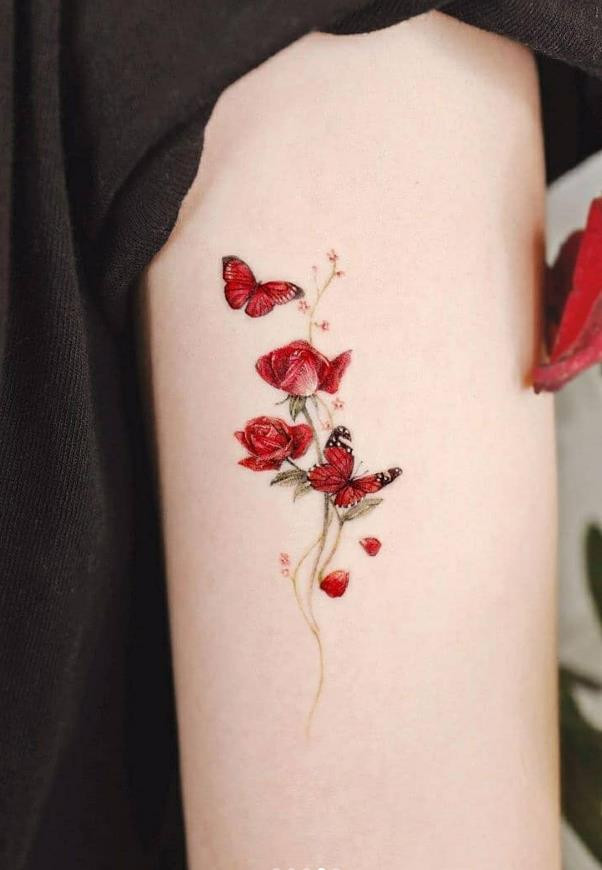
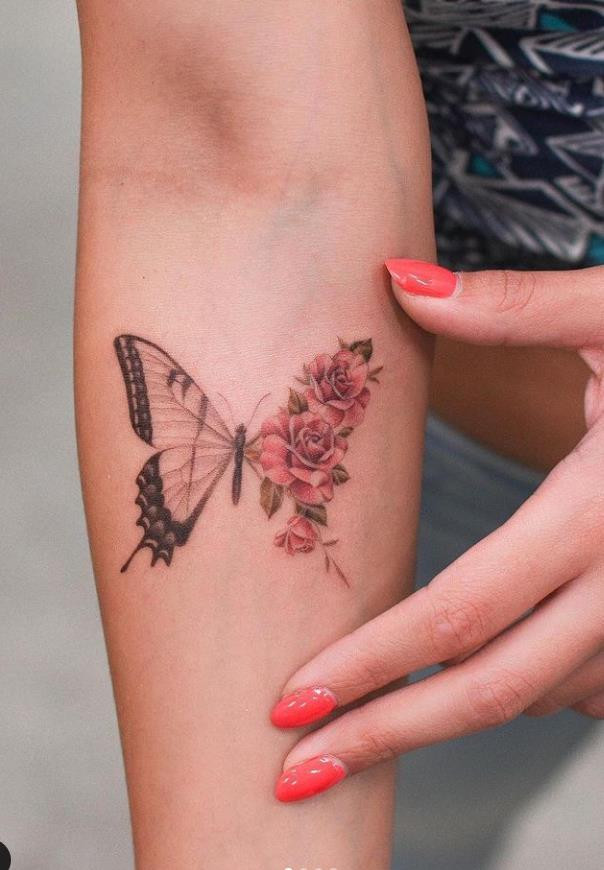
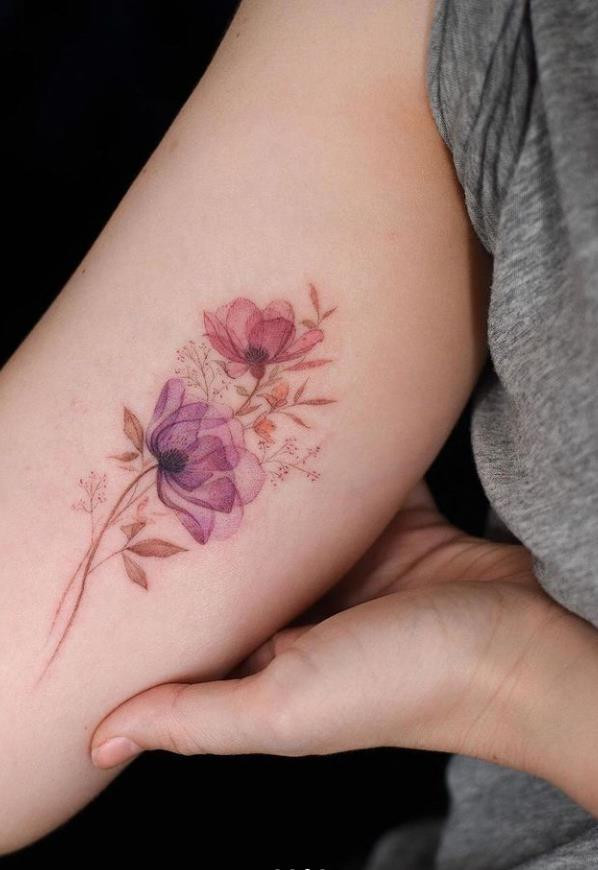
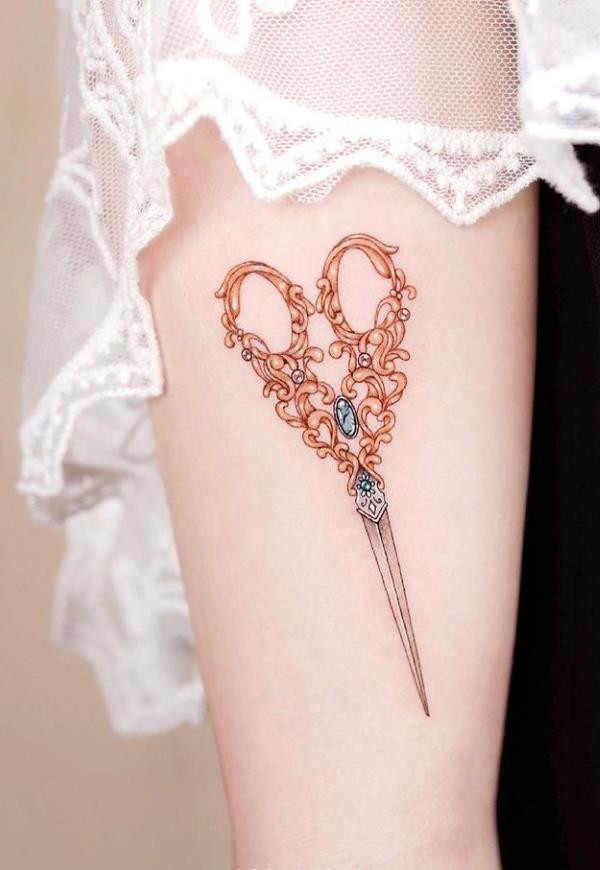
Characterized by soft, blurred edges, subtle color blending, and intentional “splatter” or “wash” effects, the watercolor tattoo transforms the skin into a canvas where color seems to flow and bleed organically.
5.
6.
7.
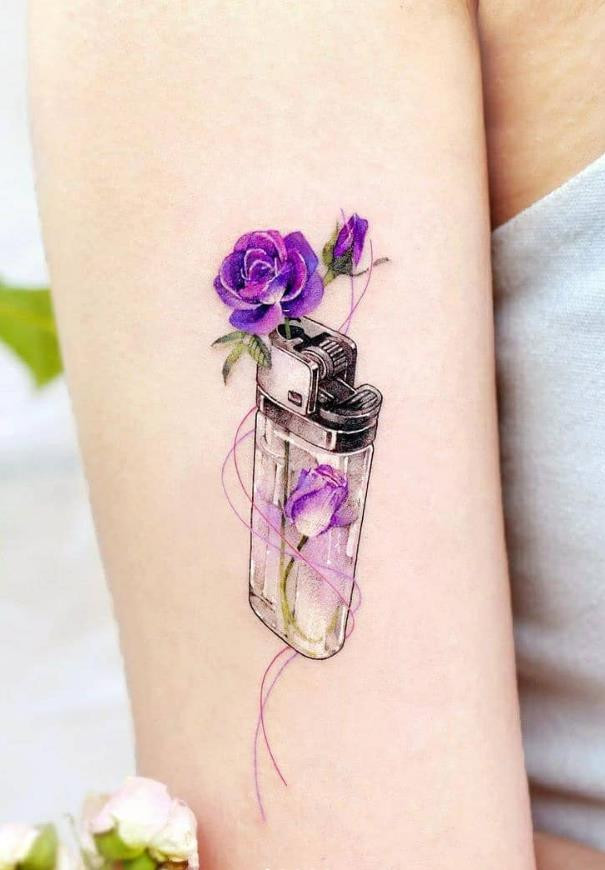
The allure of this technique is rooted in its ability to express emotion, movement, and a sense of lightness that traditional tattoos often lack.
It gives the impression of a transient, vibrant wash of color that has been magically made permanent.
8.
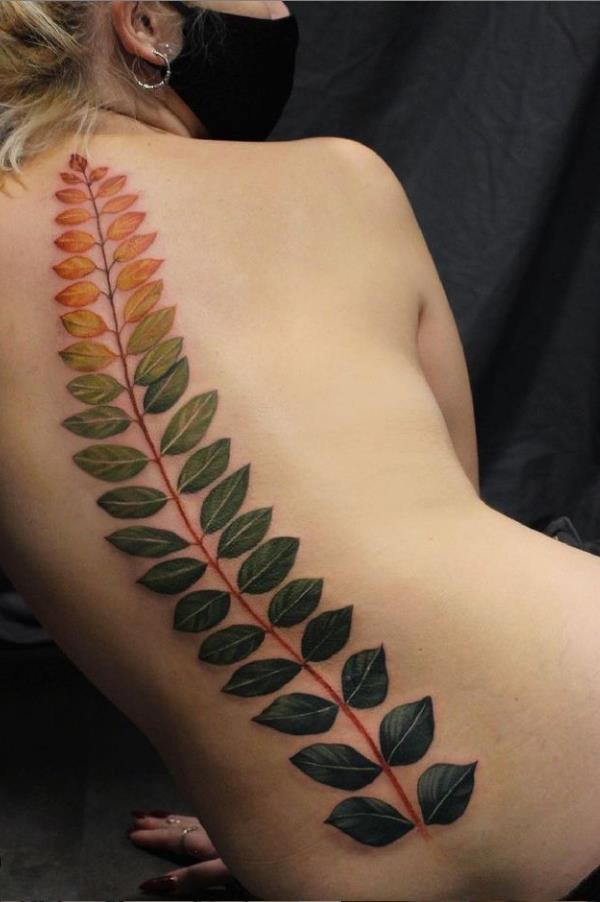
9.
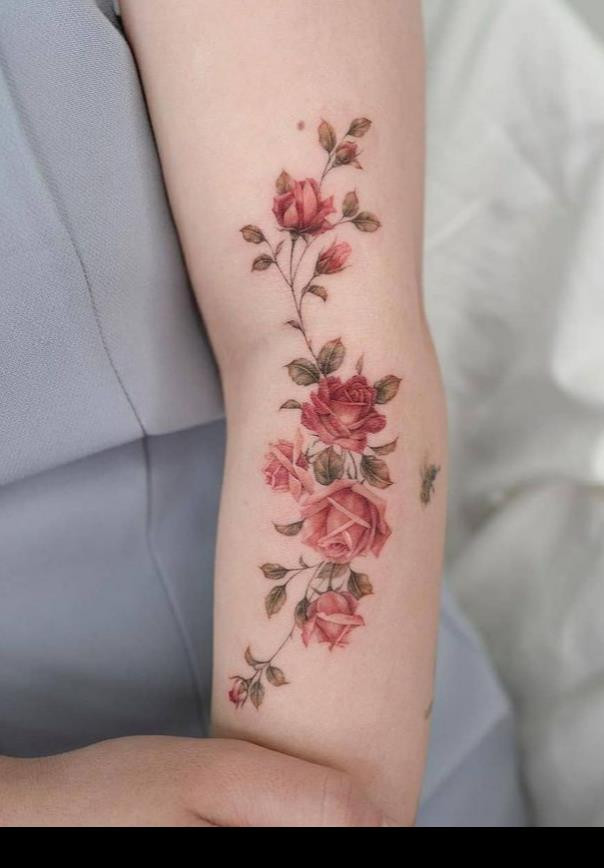
While visually stunning, mastering the watercolor tattoo requires a highly specialized skill set that relies on blending, layering, and negative space rather than the foundational structure of outlines.
This guide explores the unique charm, technical challenges, and essential considerations for embracing this ephemeral and beautiful art form.
10.
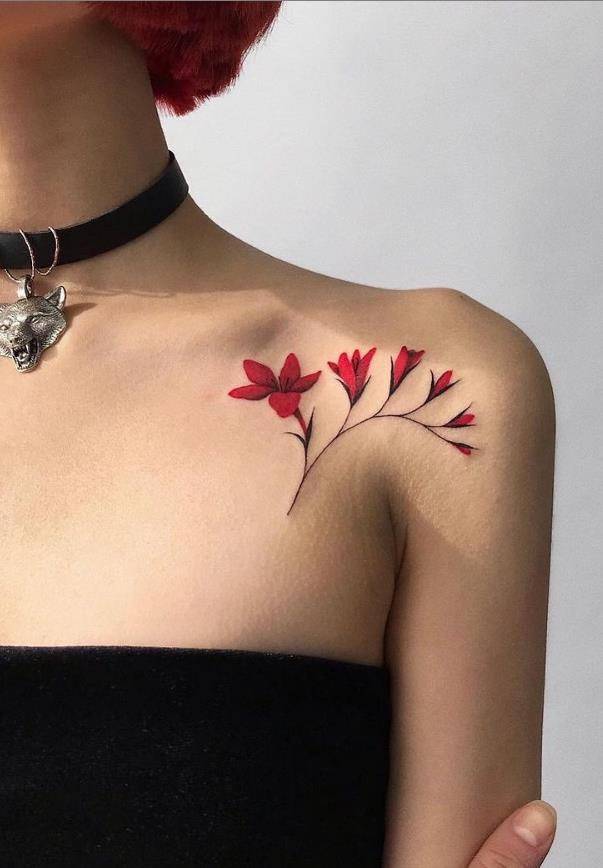
11.
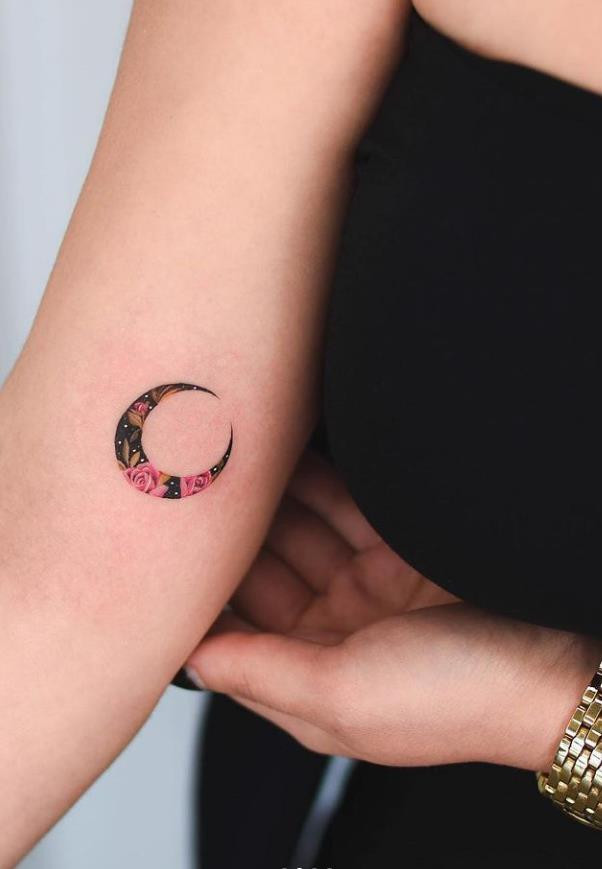
The Aesthetic and Emotional Charm
The watercolor style resonates so deeply because it evokes feelings of spontaneity, freedom, and artistic expression.
Fluidity and Movement
Traditional tattoos are static; watercolor tattoos are dynamic.
The soft, bleeding edges and intentional drips create an illusion of movement and energy.
A bird seems to soar with a gust of color behind it, or a floral design looks as though it’s been recently painted and is still wet. This fluidity makes the tattoo feel alive and expressive.
12.
13.
14.
The Power of Color and Lightness
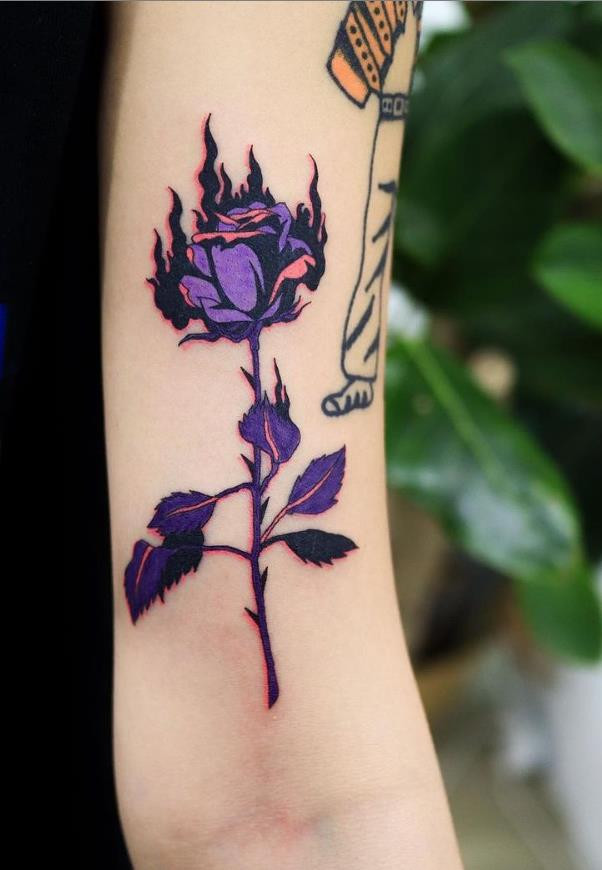
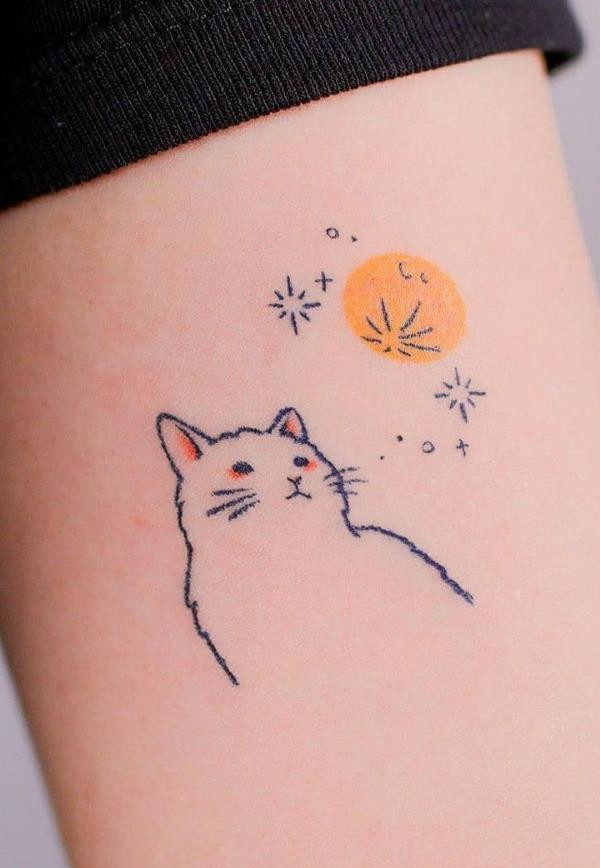
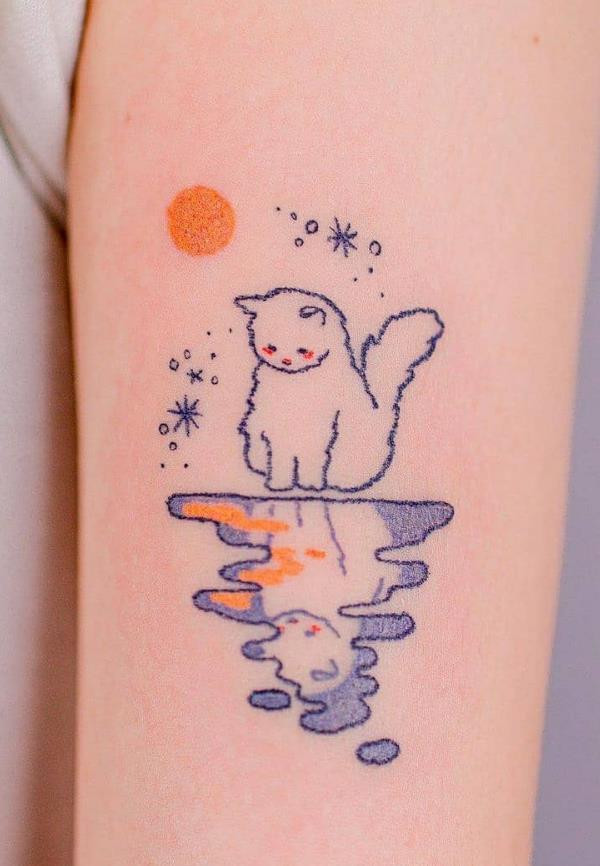
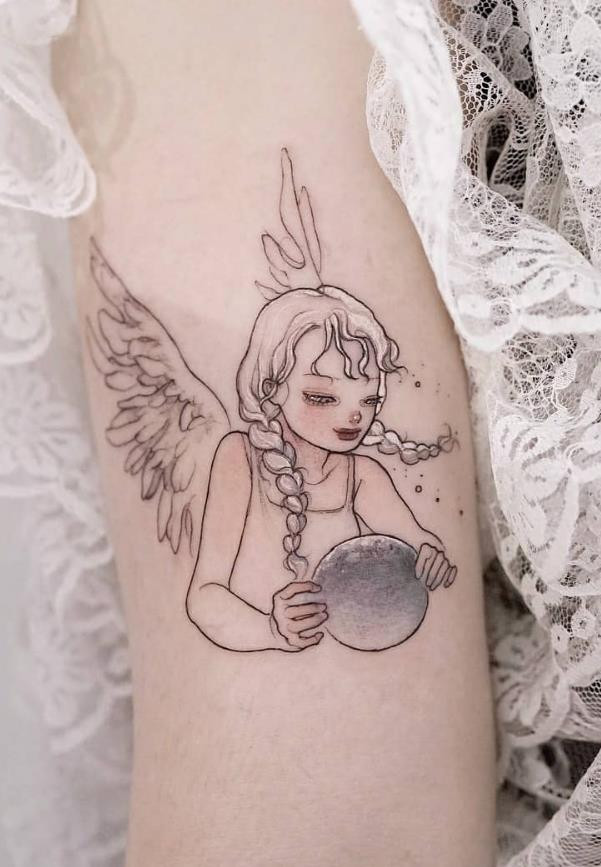
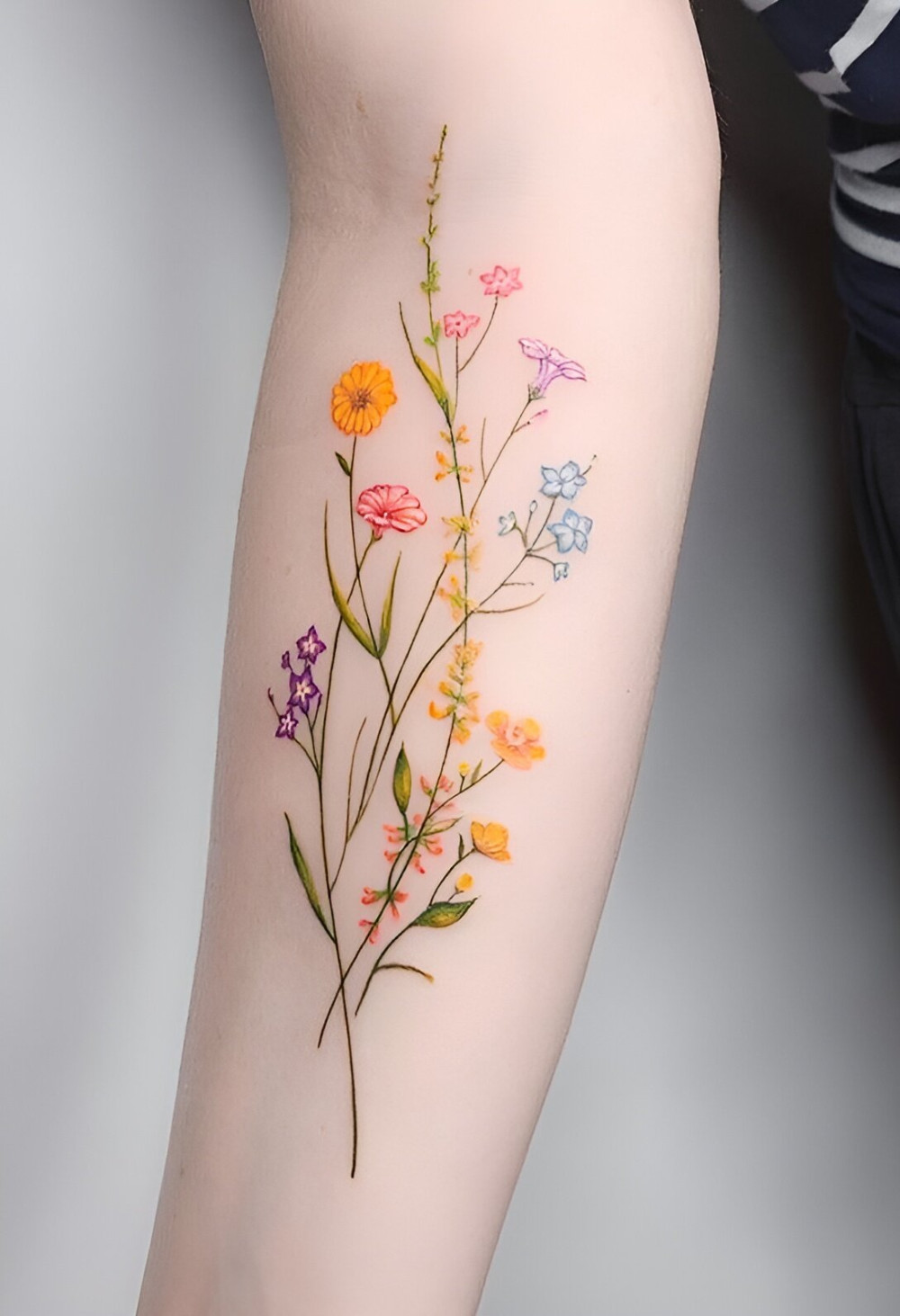
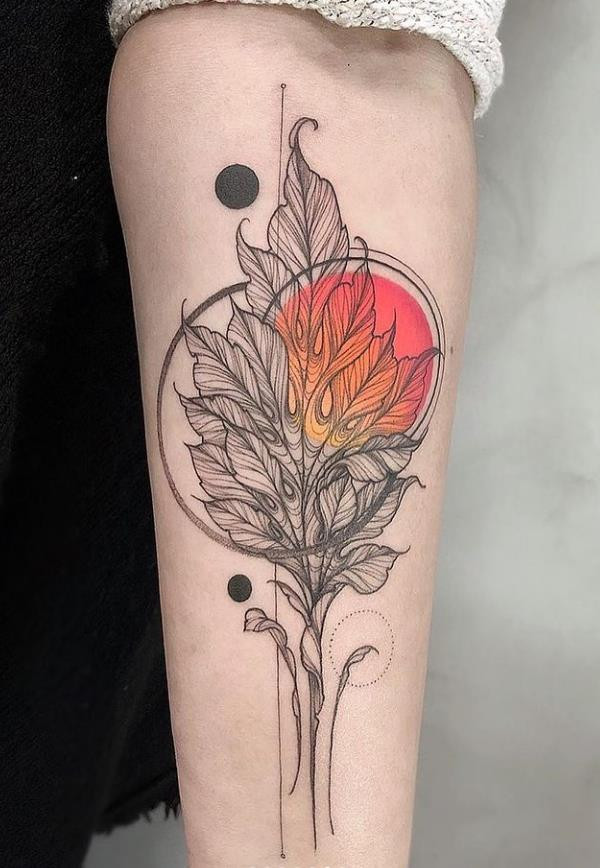
Watercolor tattoos prioritize color over line work. The artist uses diluted pigments and layers to create subtle shading and translucency.
This layering technique allows the skin tone to peek through, giving the colors a luminous, airy quality that is visually softer and less heavy than solid color packing.
The result is vibrant without being aggressive.
15.
16.
17.
Emphasis on Artistic Expression
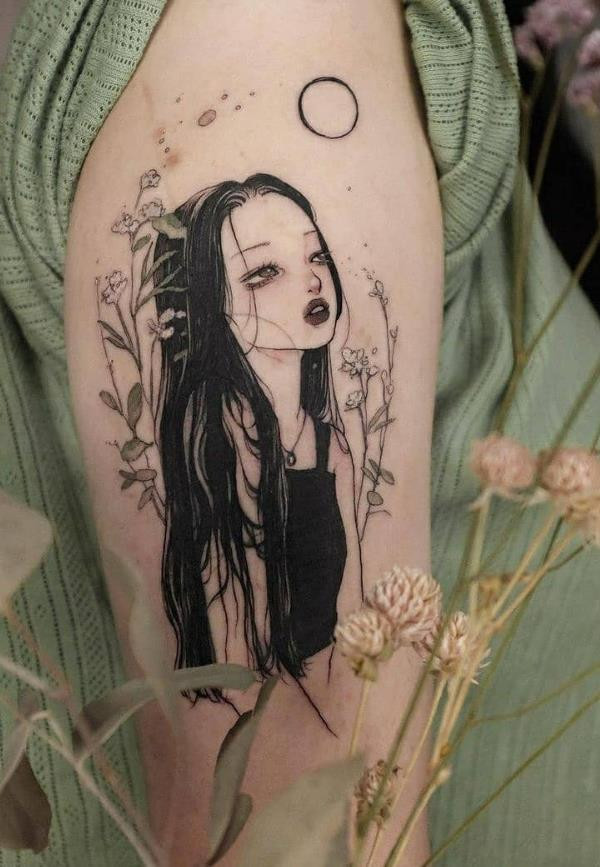
This style is inherently painterly. It moves away from perfect realism toward abstract expression.
The artist has the freedom to let color run outside the lines, using splatters and washes as intentional design elements that emphasize feeling and mood rather than strict botanical or anatomical accuracy.
18.
19.
20.
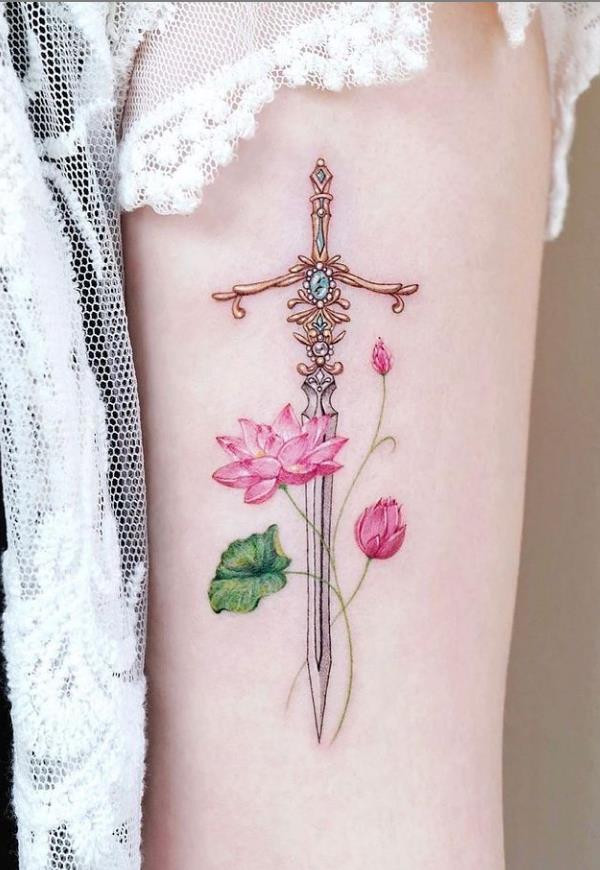
Technical Challenges and Artistic Mastery
The watercolor style is one of the most technically demanding, requiring the artist to rely on expertise in blending and shading rather than relying on solid linework.
The Absence of the Outline
The biggest difference is the omission of the heavy, defining black outline used to give most tattoos longevity and structure.
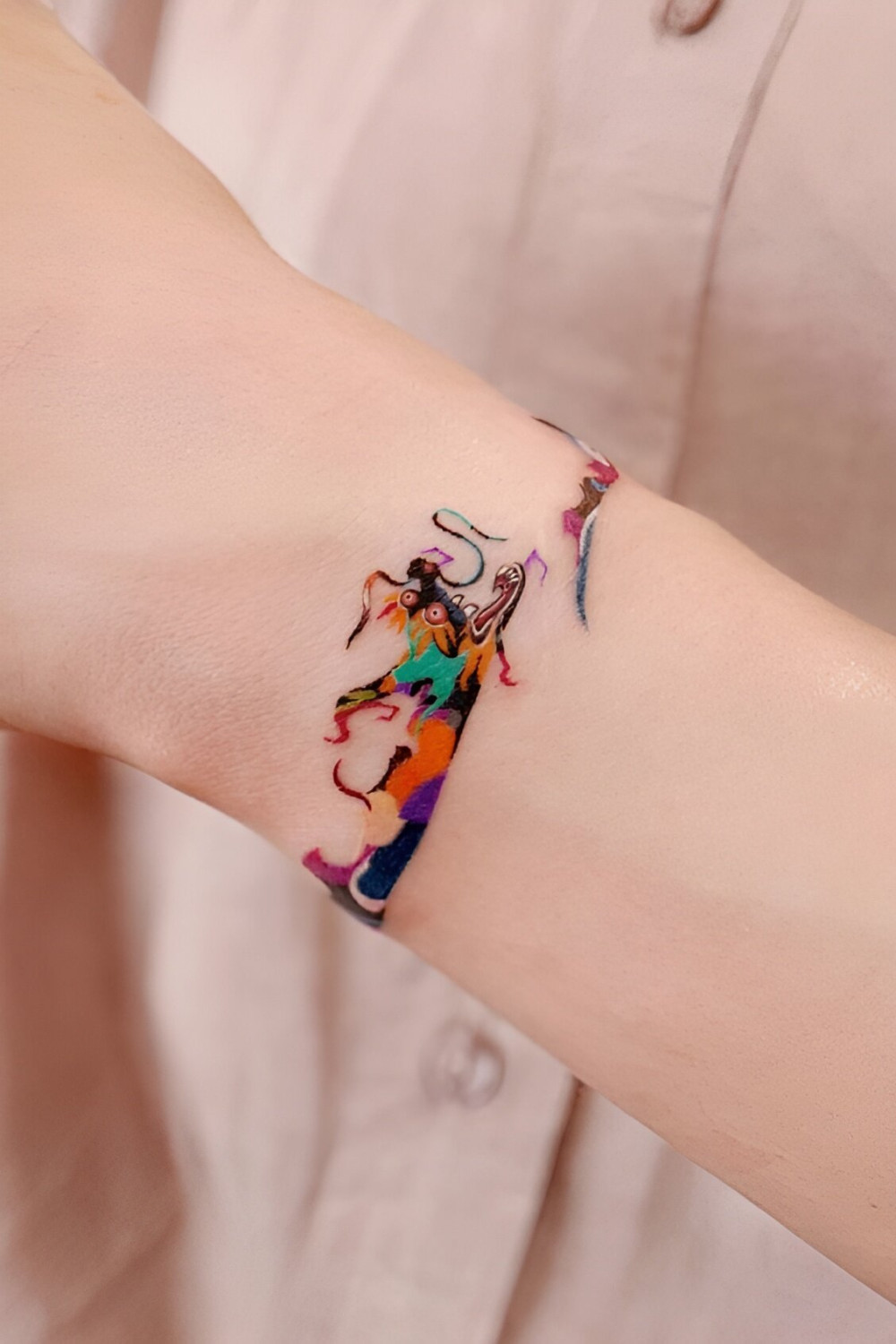
The Challenge: Without an outline, the artist must use color density and shading to define the shape and prevent the tattoo from looking like a bruise. This requires precise control over needle depth and pigment saturation.
21.
22.
23.
Mastering the “Wash” and “Splatter”
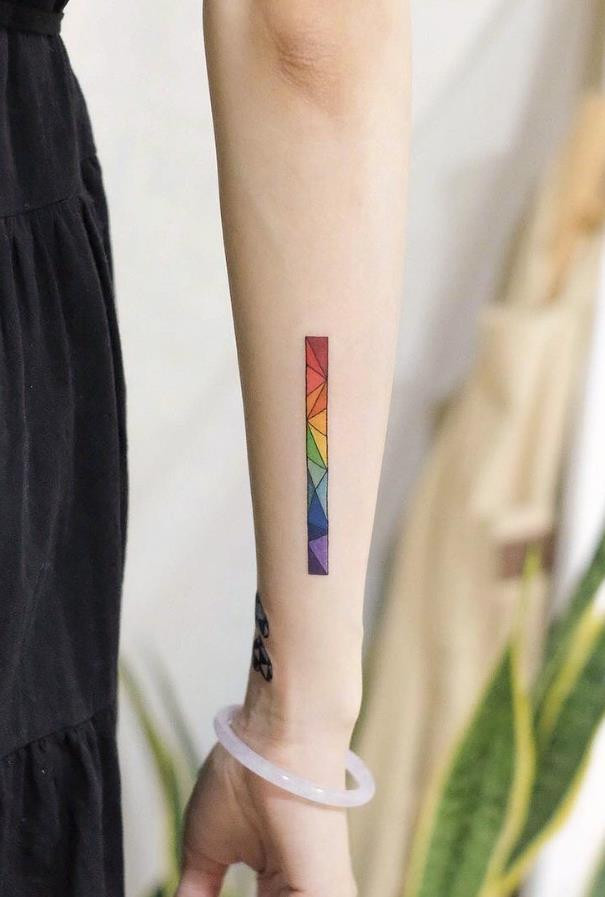
The signature watercolor effect is achieved through specialized techniques:
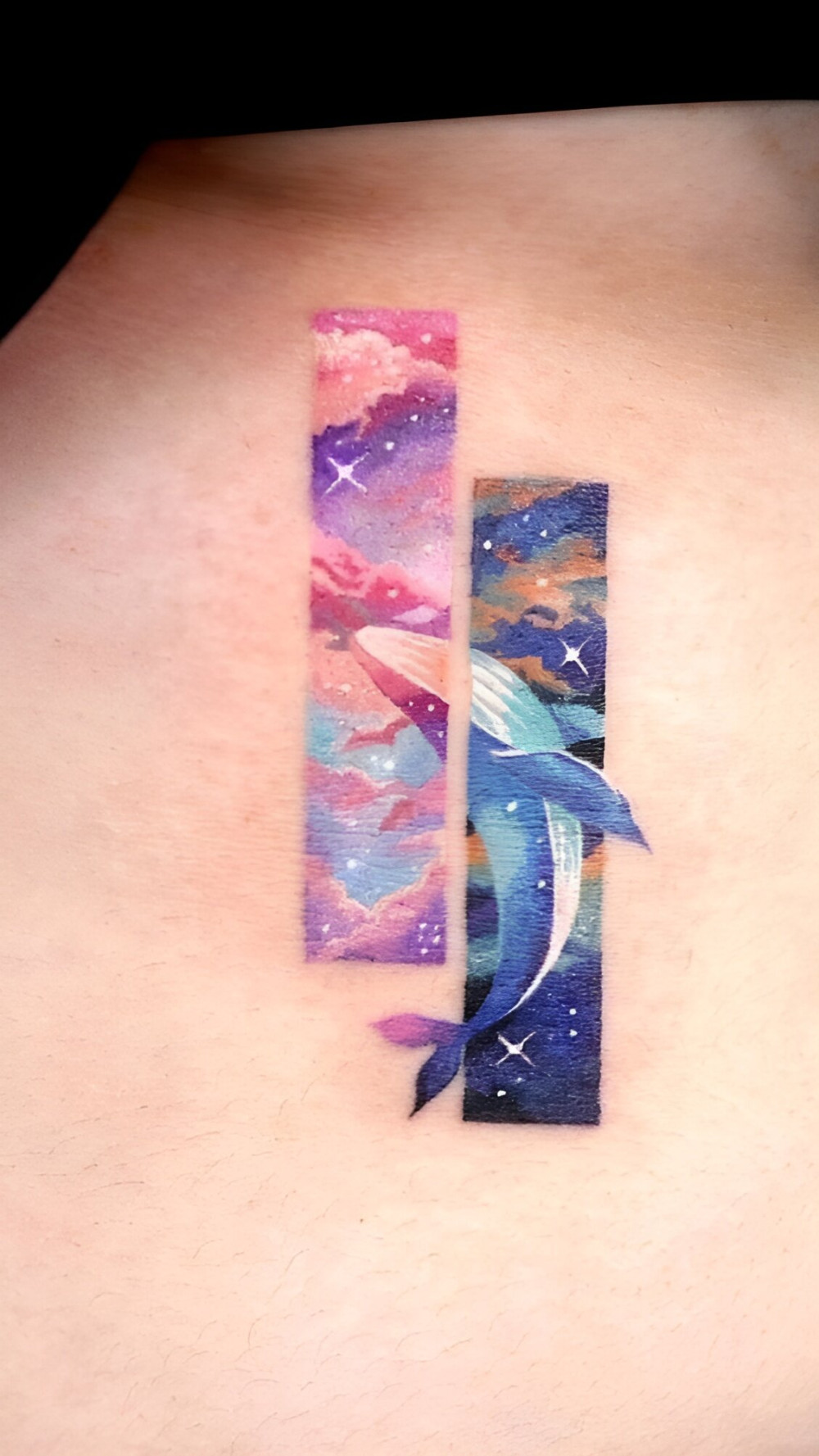
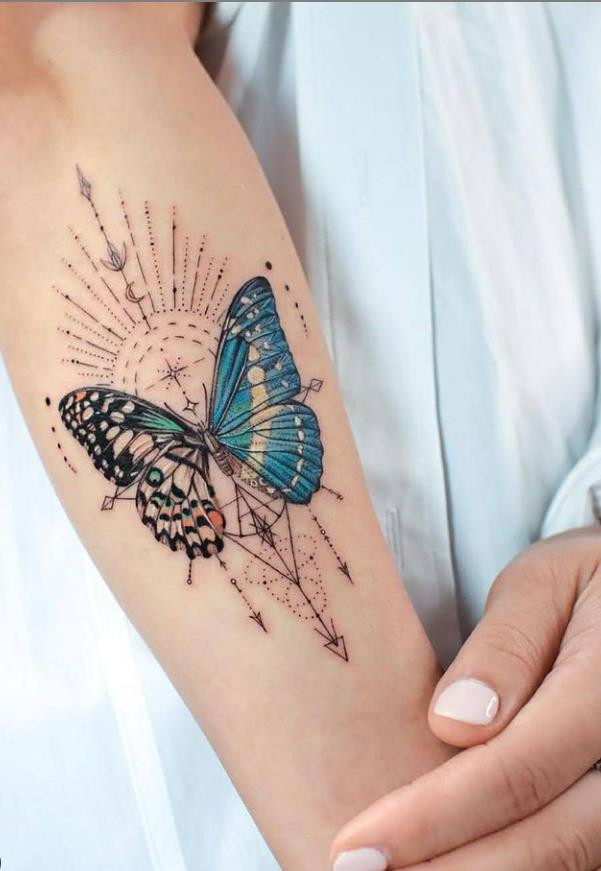
- The Wash: Creating a soft, translucent field of color is done by using highly diluted pigment and layering it gently. The edges of the color must be worked meticulously to create a soft, blurred effect where the color seamlessly melts into the surrounding skin.
24.
25.
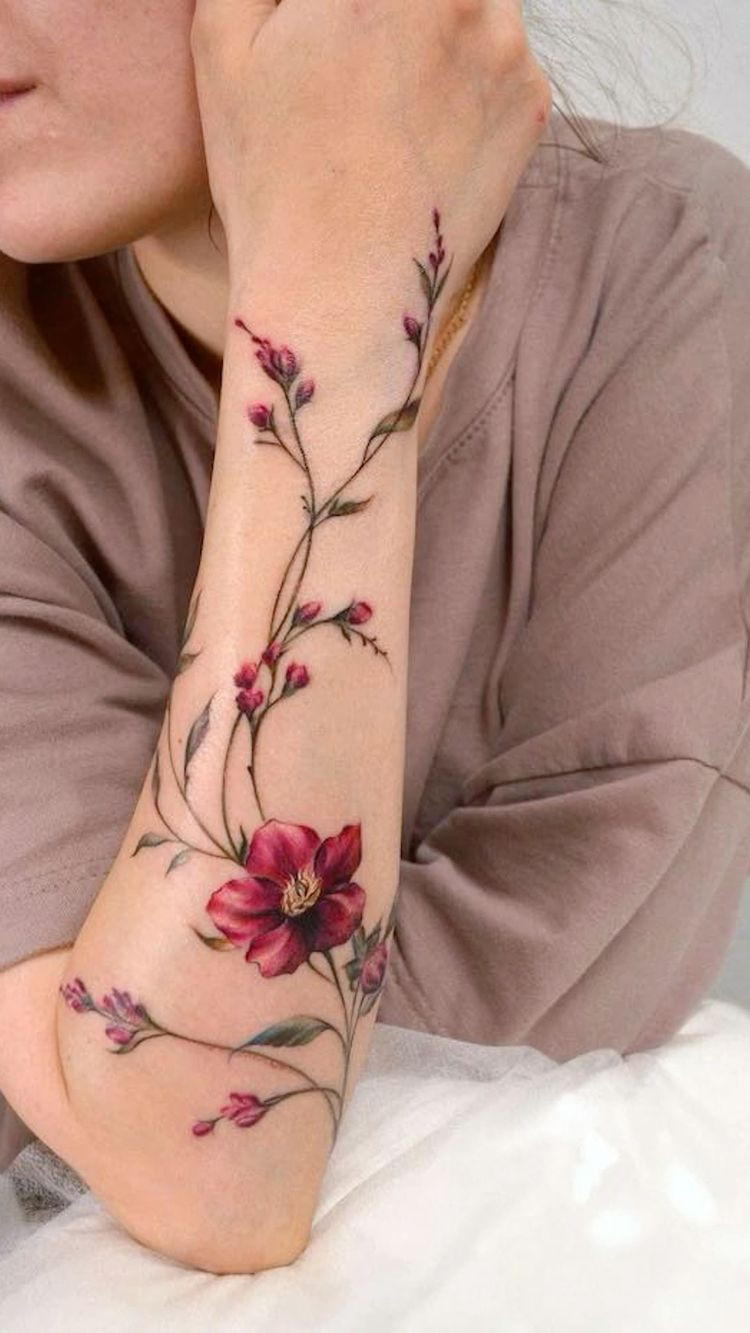
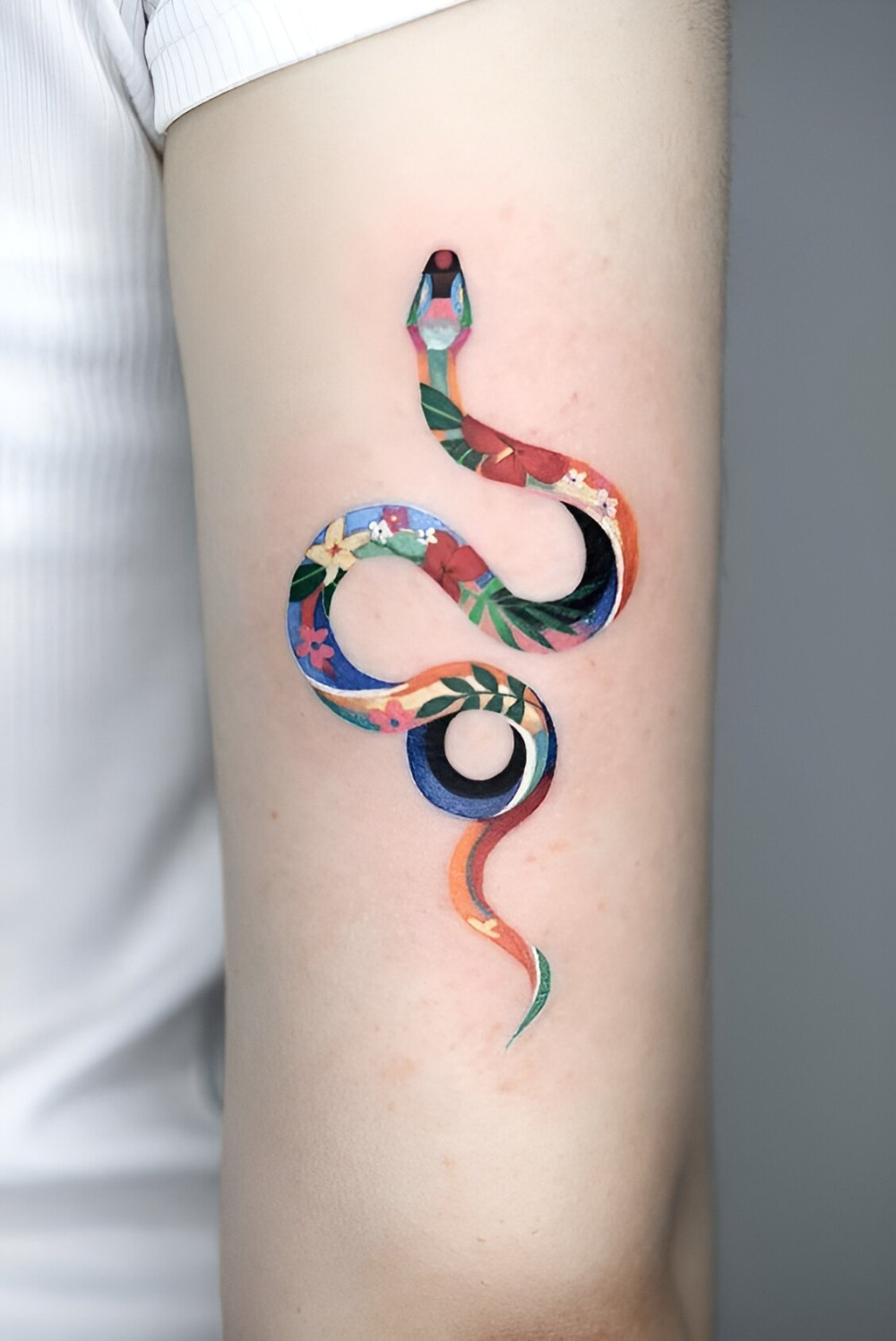
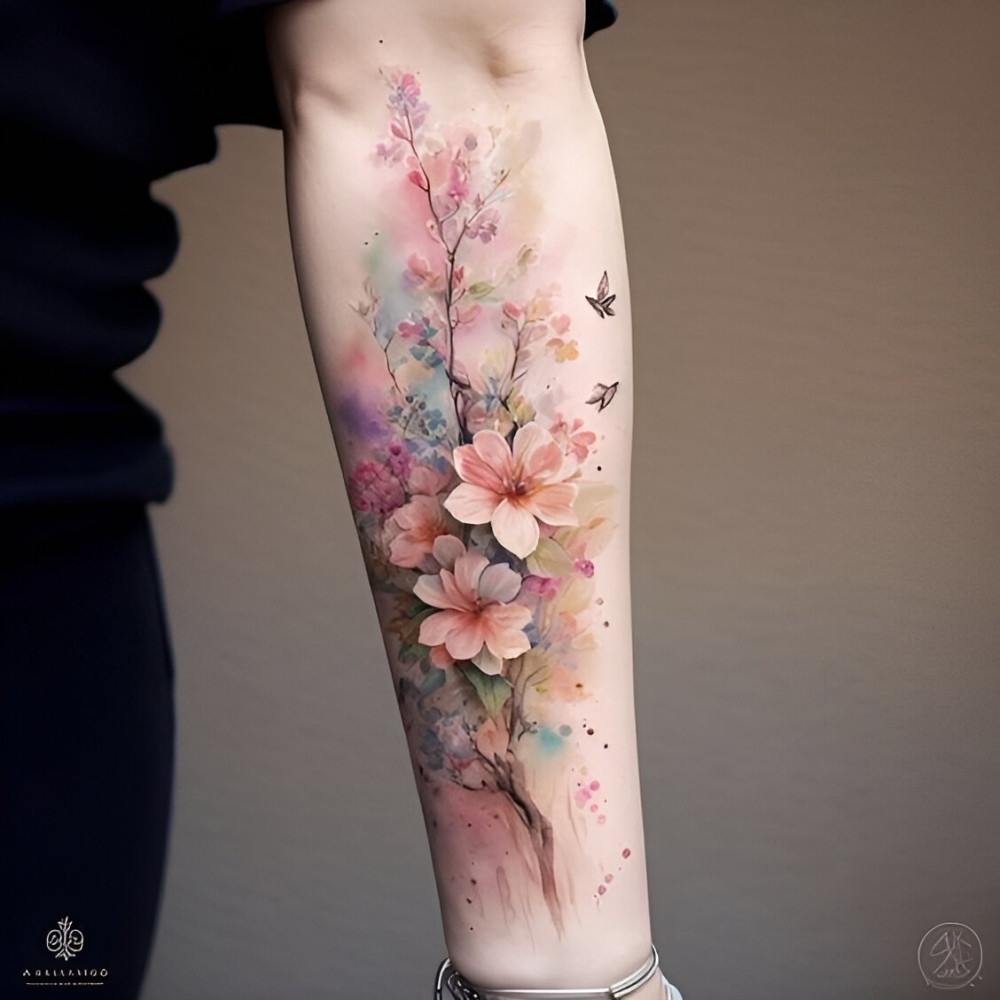
- The Splatter: The “drips” and “splashes” that often frame the main image are created using rapid needle movements and specific pigment manipulation to give the look of paint thrown onto the canvas. These splatters are crucial for adding energy and defining the abstract border of the piece.
26.
27.
Defining Shapes with Negative Space
Because color blending can be tricky, artists often rely on negative space (uninked skin) to define the boundaries of the image.
For instance, the white of a bird’s eye or the sharp edge of a petal must be carefully maintained as a void within the surrounding color wash.
28.
29.
Aftercare and Longevity Considerations
Due to the lack of heavy black outlines and the use of diluted, light pigments, watercolor tattoos require dedicated aftercare to maintain their vibrancy over time.
The Fading Factor
The elements that make watercolor tattoos beautiful are the same elements that make them more prone to fading than traditional tattoos. Lighter pigments (yellows, pinks, light blues) break down faster when exposed to the sun.
30.
31.
32.
Strict Sun Protection is Essential
Sunlight is the ultimate enemy of the watercolor tattoo. UV rays break down the lighter color molecules quickly, resulting in the design looking muted and faded prematurely.
Daily Ritual: Once healed, the tattoo must be coated with a high-SPF, broad-spectrum sunscreen (SPF 30 or higher) every day, year-round, regardless of the weather.
33.
34.
35.
Touch-Ups and Maintenance
Due to the nature of the style, touch-ups are generally necessary sooner than with traditional tattoos, typically within 5-10 years.
The owner should be prepared to have the artist re-saturate the lighter washes and sharpen any blurred edges to maintain the original clarity and vibrancy.
36.
37.
38.
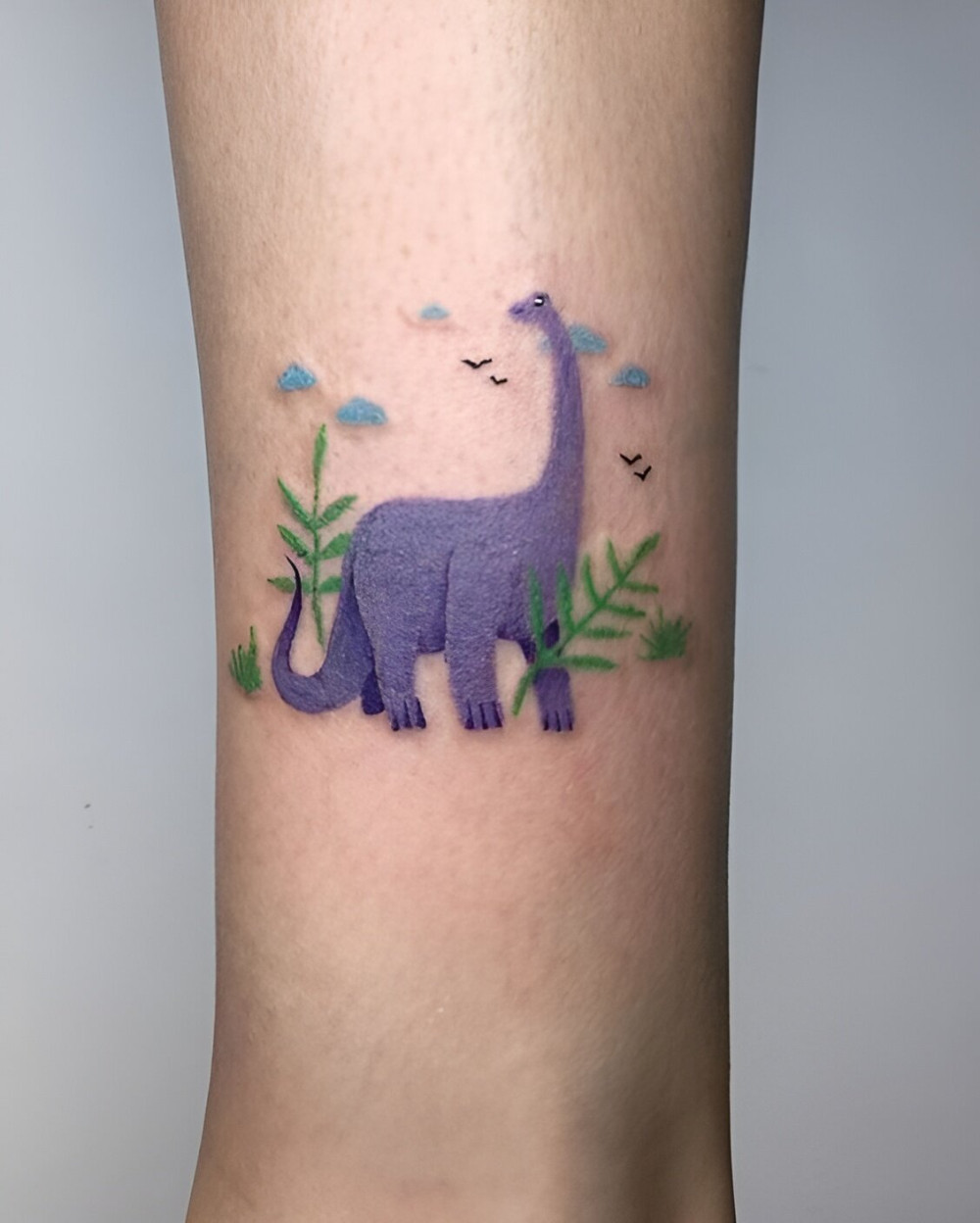
The alluring watercolor tattoo is a beautiful investment in artistic skin expression.
By choosing an experienced artist and committing to strict sun protection, the fluidity and charm of this style can be enjoyed for years to come.
39.
40.
41.
42.
43.
44.
45.