
Black women are blessed with thick, dense hair that can be expertly styled into breathtaking hairstyles. However, the natural dryness and brittleness of kinky require hair special care.
With winter on the horizon, cold weather can be particularly damaging to textured hair since the wind dries out our kinks and causes breakage. Protective hairstyles are designed to lessen the strain that the environment puts on natural hair.
Benefits of protective hairstyles
Protective hairstyles are truly vital, offering a multifaceted approach to both beauty and hair health. They go far beyond just looking good, providing a range of crucial benefits for your strands.
Firstly, they ensure you look polished and put-together with minimal daily effort. But more importantly, they strategically tuck your hair ends away and shield them from potentially harmful elements like harsh weather, friction from clothing, and daily manipulation.
#1 Long Senegalese Twists
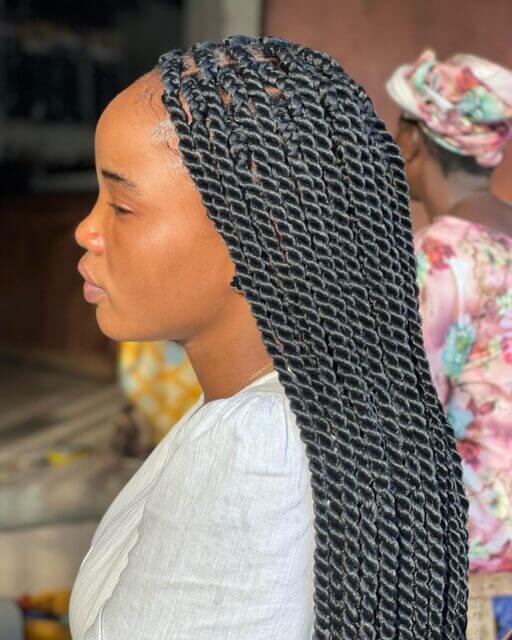 Source: Unknown
#2 Reddish Brown Box Braids with Curly Ends
 Source: Unknown
#3 Feed-in Braids with Hair Rings
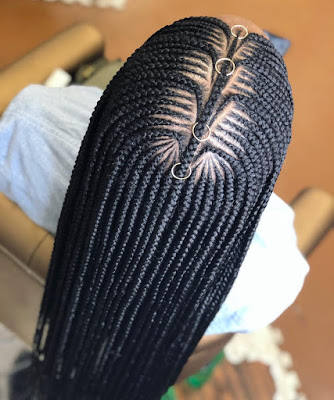 Source: Unknown
Beyond that, these styles are instrumental in preserving hydration, locking in moisture that might otherwise escape. They also significantly aid in length retention, as the reduced breakage allows your hair to grow without constant setbacks.
And crucially, they offer essential protection against the margins thinning, safeguarding those delicate edges that are often most vulnerable.
#4 Cornrow Braids Side Sweep Hairstyle
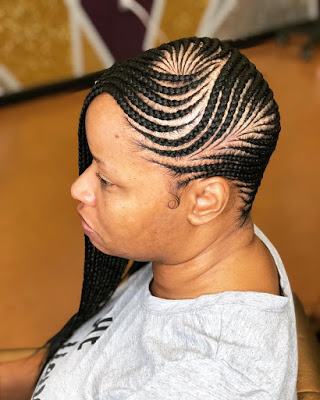 Source: Unknown
#5 Jumbo Feed-in Braids with Defined Edges
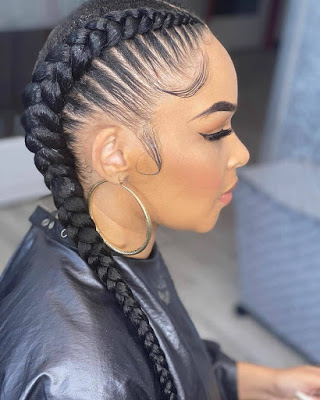 Source: Unknown
What’s the best way to maintain protective styles?
One of the most crucial things is to wear a silk bonnet or scarf at night to maintain your protective style looking as sharp as it did when you left the salon.
Unlike cotton, silk prevents frizz and helps your hair retain moisture, which in turn helps you extend the wear of your look.
#6 Cornrow Braids with Defined Parts
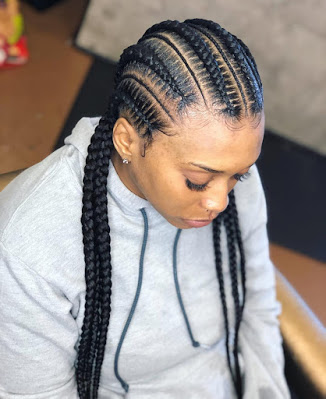 Source: Unknown
#7 Chunky Braids for Protective Styling
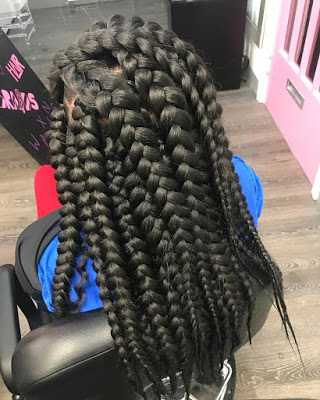 Source: Unknown
Don’t expect your hairstyle to endure for two months if you aren’t sleeping with a bonnet on, advises Helena Koudou, the creator of Slayed in Braids.
We also recommend adding hair oil to your scalp and giving yourself a nice three-minute scalp massage. After a few weeks, you’ll unavoidably start to notice that your protective braids appear smoother.
#8 Classic Box Braids with Side Part
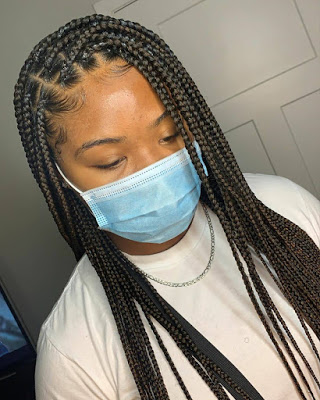 Source: Unknown
#9 Jumbo Box Braids with Colorful Yarn Wraps
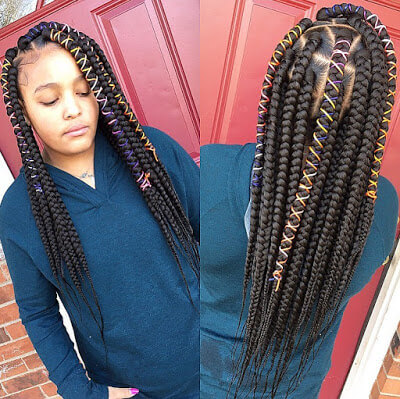 Source: Unknown
How long should protective styles be worn?
Protective hairstyles shouldn’t last more than two months, although designs with extensions like knotless box braids can frequently survive more than that.
If you keep wearing them, you run the danger of dehydrating your hair and slowing its growth.
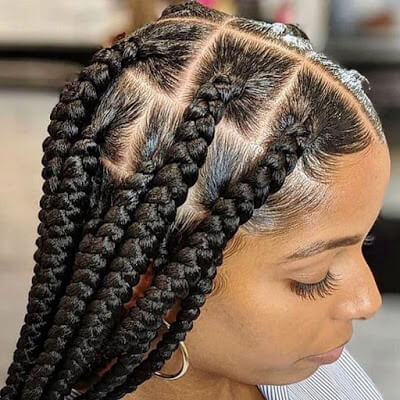
#10 Jumbo Box Braids with Defined Square Parts
 Source: Unknown
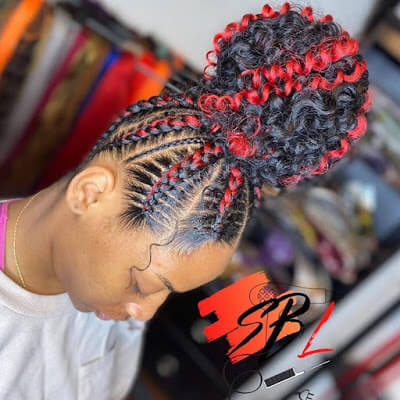
#11 Cornrow Braids Updo with Textured Hair
 Source: Unknown
You can alternate styles as long as you plan cuts every six weeks. It is best to experiment with a style utilizing extensions before switching to a more straightforward one, such as plaiting or twisting.
Your natural hair will be protected by both, although they impose “different strains” on it.
Here we’ll reveal the simple yet eye-catching protective hairstyles along with tips on how to take care of your natural hair.
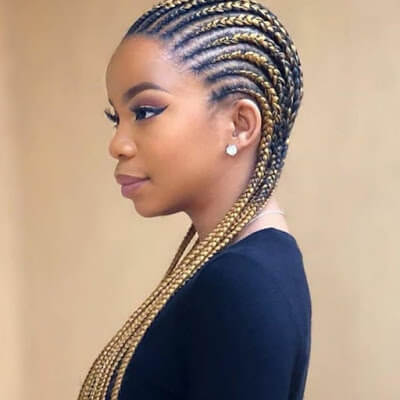
#12 Cornrow Braids with Two-Tone Extensions
 Source: Unknown
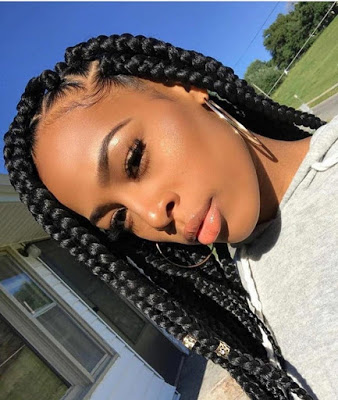
#13 African Braids Hairstyle with Hair Beads
 Source: Unknown