
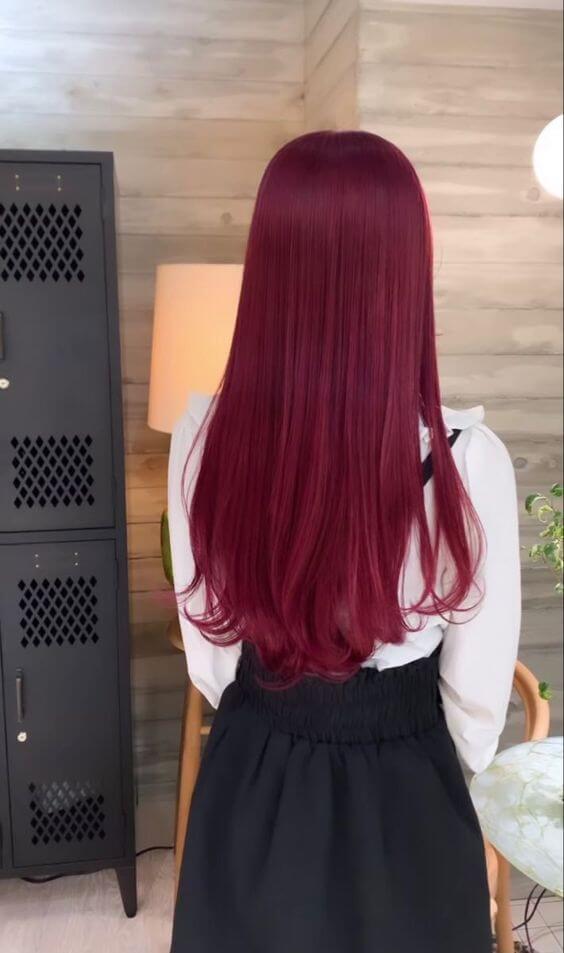
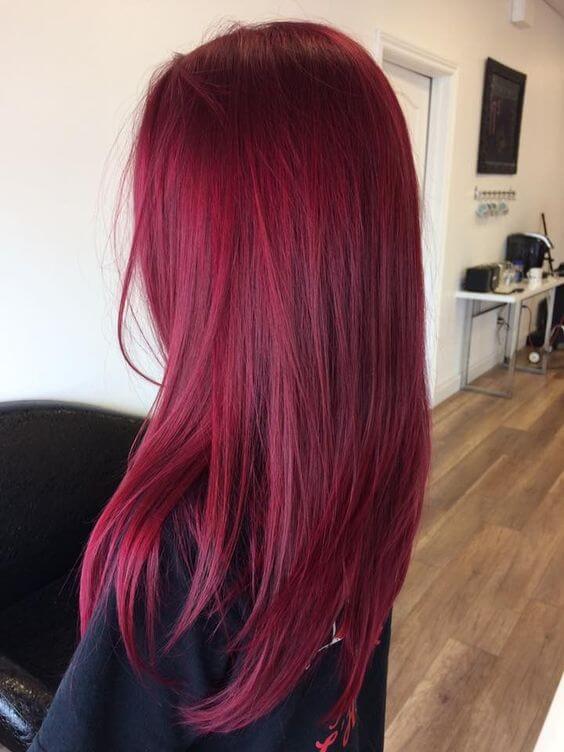
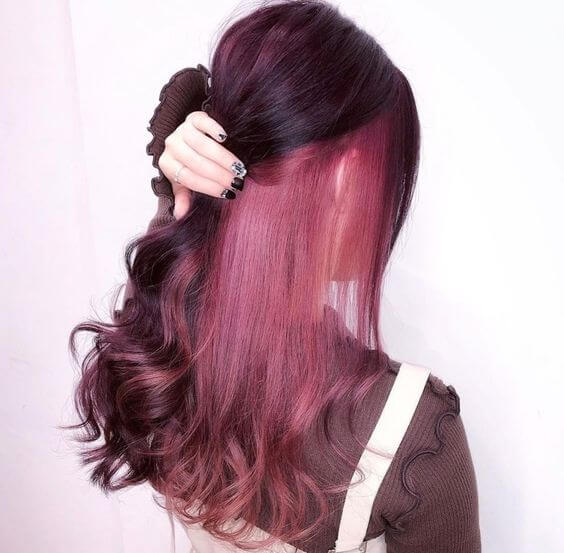
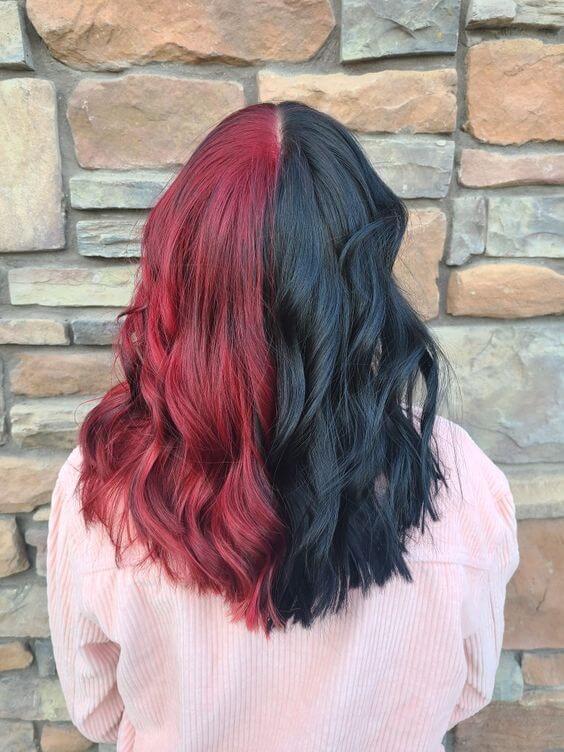
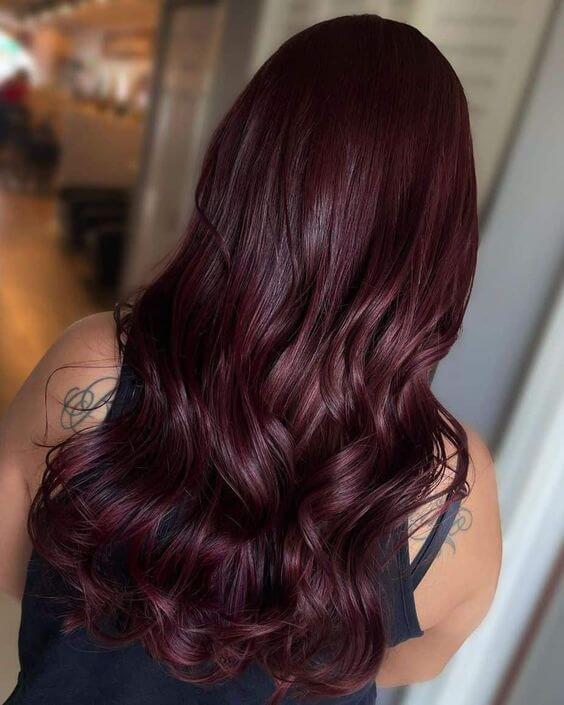
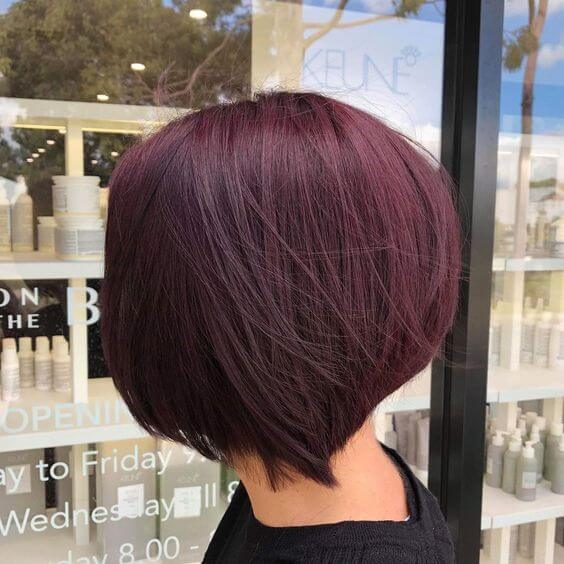
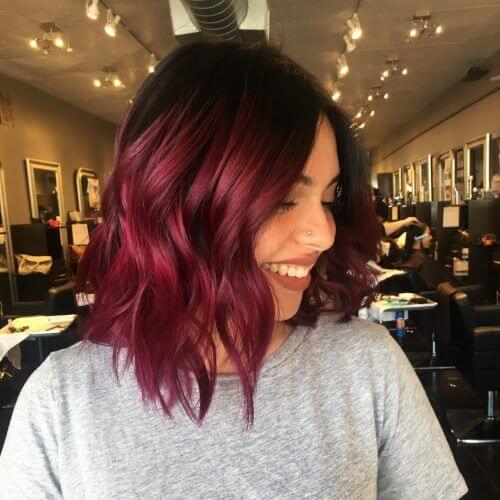
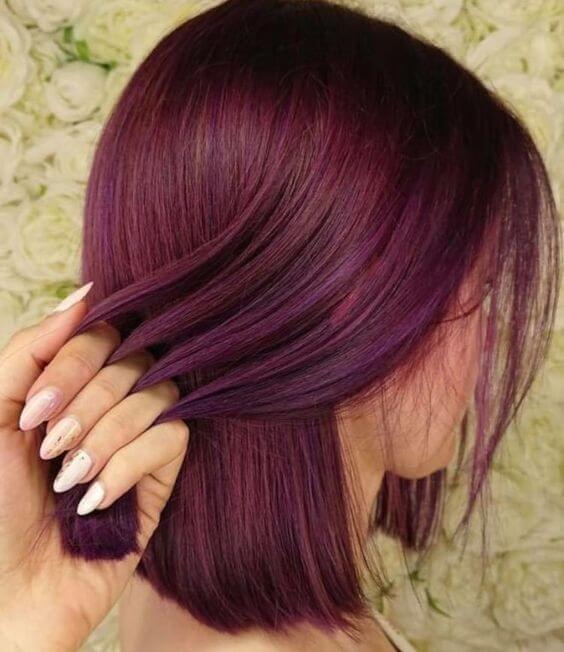
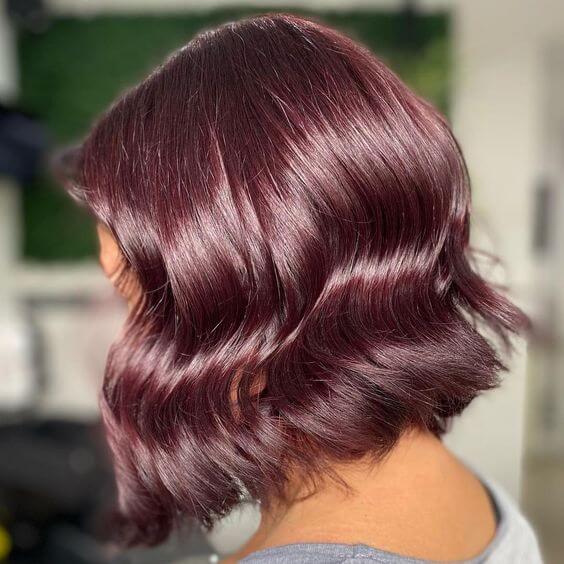
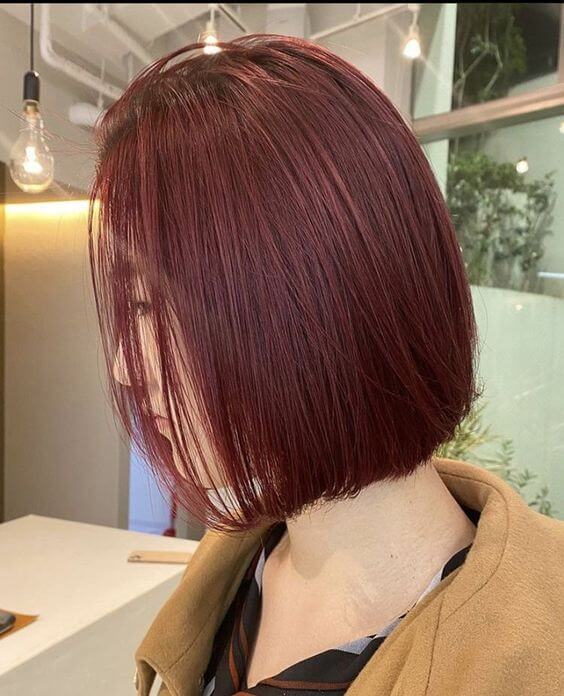
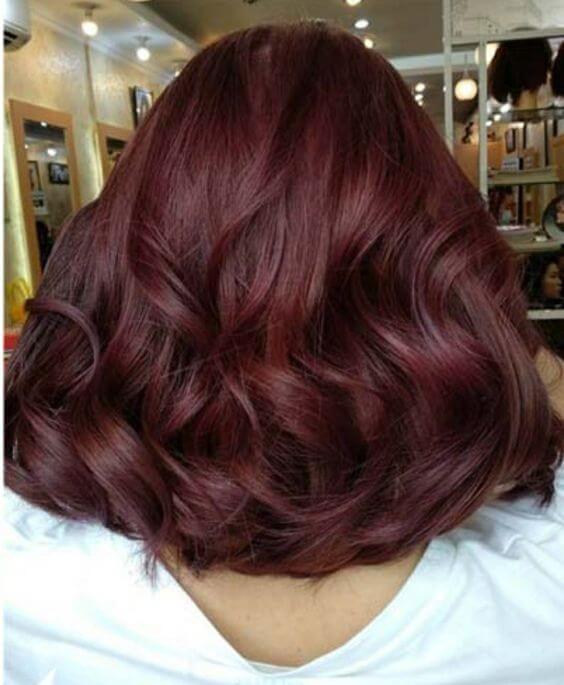
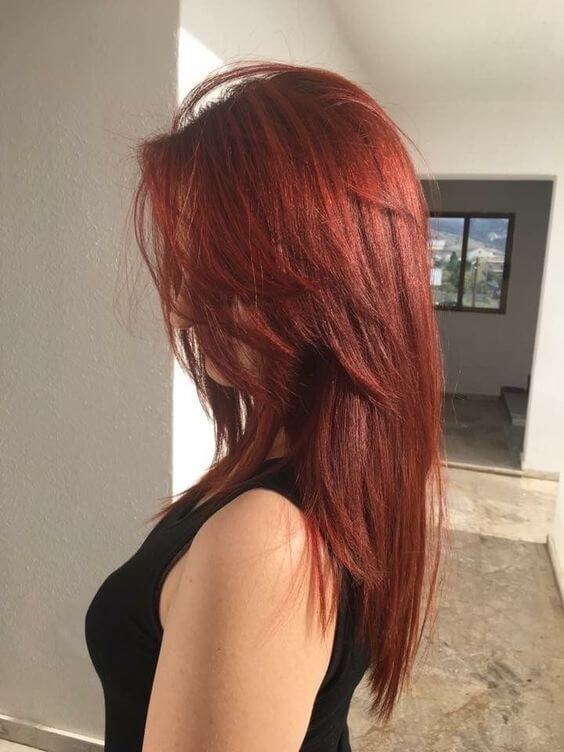
Burgundy hair (dark red, red wine color) is a popular hair color for brunettes. This magnificent shade is sometimes also resorted to, appearing brighter, well, much brighter for blondes and women with medium brown hair.
Even redheads can experiment with burgundy-inspired hues, although they should lean more toward the warmer hues with a cinnamon admixture.
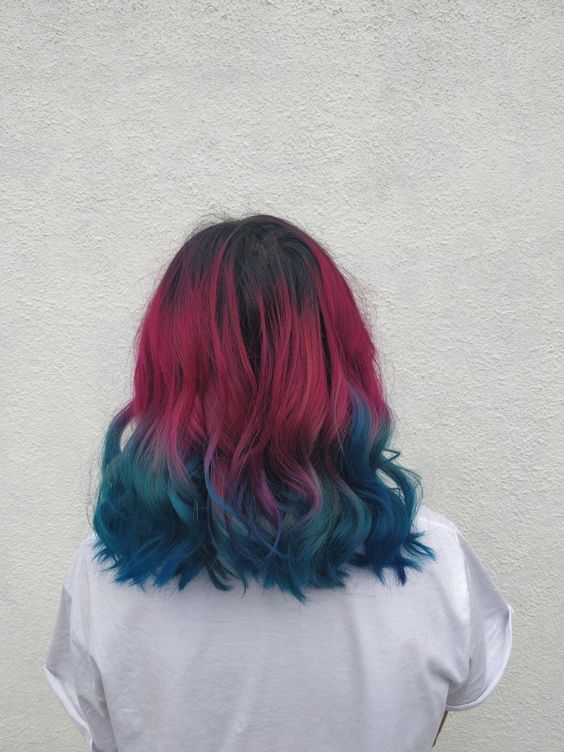
Which one to choose – classic, vivid, vintage burgundy, maroon, or oxblood? Keep reading to get 25 illustrative examples of how to dye or renew your hair using coloristic techniques using the dark red hue.
#1
 Source: unknown
#2
 Source: unknown
#3
 Source: unknown
Your Expert Guide to Maintaining Vibrant Burgundy Hair Color
Burgundy, a rich, deep hue that blends red, purple, and brown tones, is one of the most sophisticated and head-turning hair colors. It conveys luxury, warmth, and depth, making it a perennial favorite.
However, as a member of the red color family, burgundy is notoriously difficult to maintain.
The red pigment molecule is significantly larger than others, meaning it struggles to fully penetrate the hair cortex and is often the first to wash out, leaving behind dull, brassy, or faded brown tones.
#4
 Source: unknown
#5
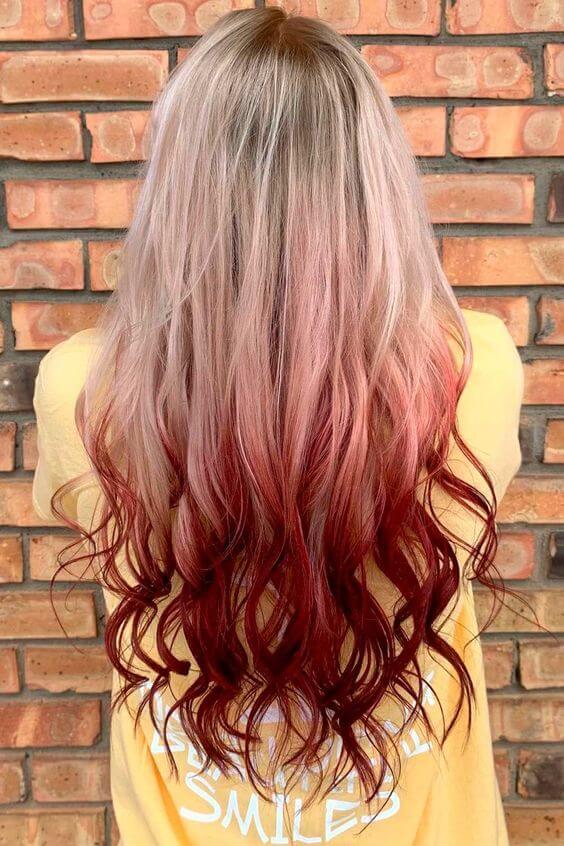 Source: unknown
#6
 Source: unknown
To keep that deep radiance locked in and prevent your vibrant burgundy from fading into a murky shadow, a standard color-safe routine is simply not enough.
Maintaining burgundy hair is a strategic lifestyle commitment that requires dedicated color-depositing products, a strict cold-water washing regimen, and comprehensive heat and environmental protection.
This guide outlines the essential steps and product choices you need to ensure your burgundy remains brilliant, saturated, and effortlessly chic between salon visits.
#7
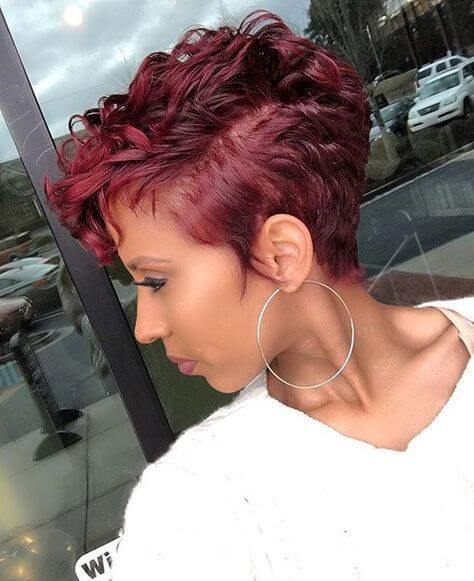 Source: unknown
#8
 Source: unknown
#9
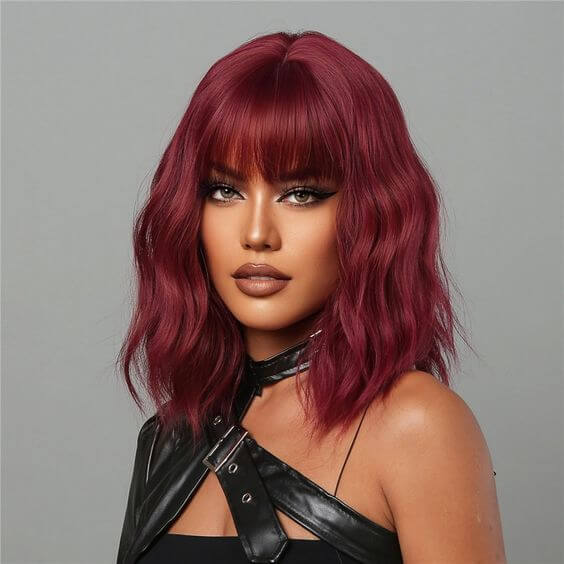 Source: unknown
Setting the Stage for Longevity
Color longevity begins long before the dye application. The health and pre-treatment of the hair are crucial for locking in the elusive red-purple molecules.
Hair Health is Color Retention
Red pigments adhere best to healthy, less-porous hair.
Pre-Treatment: For hair that has been significantly bleached or damaged, using bond-building treatments (like Olaplex, K18, or similar systems) in the weeks leading up to your coloring appointment is essential. These treatments rebuild the disulfide bonds, creating a smoother, less porous surface for the dye to latch onto.
Deep Condition: Apply a rich, moisturizing deep conditioner 2-3 days before your appointment. Well-hydrated hair will accept the color more evenly, reducing patchiness and premature fading.
#10
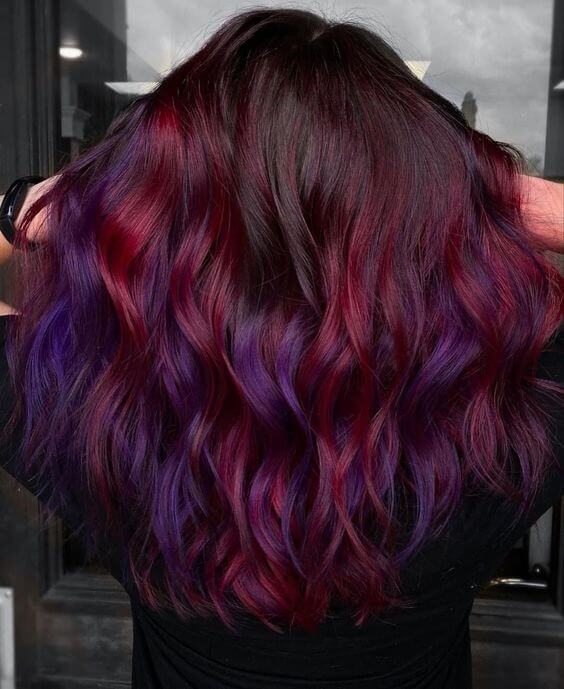 Source: unknown
#11
 Source: unknown
#12
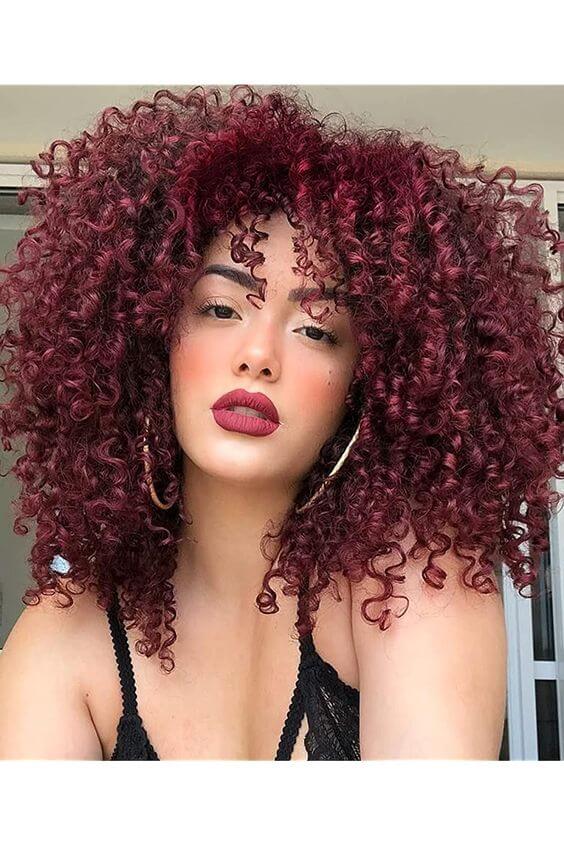 Source: unknown
#13
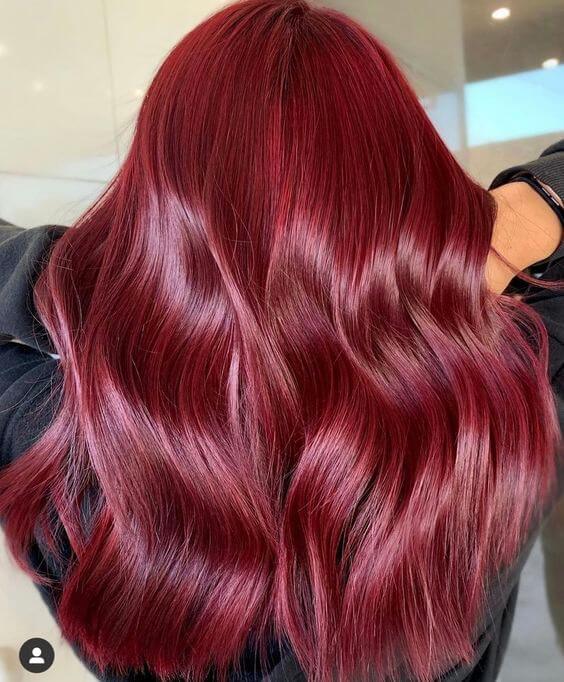 Source: unknown
The First Wash Wait
After your coloring service, resist the urge to wash your hair immediately.
- The 72-Hour Rule: Wait a minimum of 48 to 72 hours before the first wash. This allows the dye molecules time to fully settle and oxidize within the hair shaft, maximizing color fixation.
#14
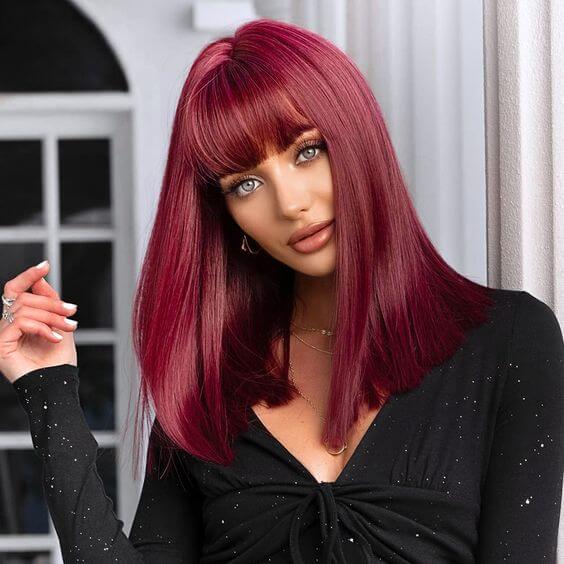 Source: unknown
#15
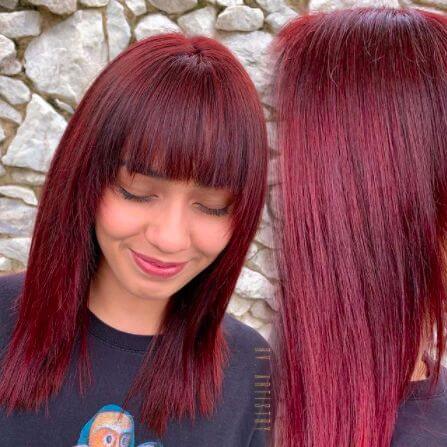 Source: unknown
The Strategic Wash Day Protocol
Washing technique and product choice are the two biggest factors that determine how fast your burgundy fades.
The Cold Water Mandate
Heat is the ultimate enemy of burgundy color. Hot water rapidly opens the hair cuticle, allowing the red pigment to rush out.
Technique: Always wash your hair with the coldest water you can tolerate. Rinse your conditioner with icy-cold water for at least 30 seconds to force the cuticle to close and trap the color inside.
#16
 Source: unknown
#17
 Source: unknown
#18
 Source: unknown
Minimize Washing Frequency
The less water and shampoo your hair encounters, the longer the color lasts.
- Frequency: Limit washing to 1-2 times per week.
- Dry Shampoo Dependency: Invest in a high-quality, residue-free dry shampoo to manage oil between washes. Pro Tip: Look for tinted dry shampoos if you find white residue dulls the vibrancy.
#19
 Source: unknown
#20
 Source: unknown
Product Checklist: Sulfate-Free Only
Ensure every product you use is explicitly labeled “Sulfate-Free” and “Color-Safe.”
Sulfate Avoidance: Sulfates (SLS and SLES) are powerful detergents that aggressively strip color from the hair. Opt for gentle, low-pH cleansing formulas.
#21
 Source: unknown
#22
 Source: unknown
Environmental and Heat Defense
External elements can rapidly break down the fragile red-purple molecules.
1. Heat Styling: Lower the Temperature
Heat tools degrade color and damage the hair’s cuticle, making it porous.
- Reduce Use: Limit heat styling to essential occasions only.
- Thermal Protectant: Always, without exception, apply a thermal heat protectant spray before using any tool (blow dryer, straightener, curler). This creates a barrier and minimizes the color-stripping effects of high temperatures.
- Temperature Setting: Use the lowest effective heat setting possible.
 Source: unknown
#24
 Source: unknown
#25
 Source: unknown
Sun and UV Protection
UV rays are notorious for breaking down hair color pigment.
- Physical Barrier: Wear a wide-brimmed hat or wrap your hair in a stylish scarf when exposed to direct sunlight for long periods.
- UV Sprays: Use leave-in conditioning sprays or oils that specifically contain UV filters to shield the hair from sun exposure.
Chlorine and Salt Water
Both chlorine and sea salt can aggressively strip color and even change the tone of lightened hair.
- Pre-Wet and Condition: Before swimming, completely saturate your hair with fresh water and apply a leave-in conditioner or hair oil. The hair acts like a sponge, filling up on fresh water and oil, leaving less room to absorb the damaging chemicals or salt.
- Rinse Immediately: Shampoo and condition your hair lightly immediately after swimming to remove all chemical residue.