
DIY garden edging is one of the simplest and most satisfying ways to elevate your outdoor space. With just a few materials and a touch of creativity, you can define flower beds, separate pathways, and give your garden a polished, intentional look.
Each edging idea brings its own charm, whether you lean toward rustic textures, recycled materials, or clean modern lines. The best part is that these projects don’t require professional tools or large budgets, just a bit of effort and imagination.
By experimenting with what you already have at home, you can create edges that both organize and beautify your yard. Let’s explore 16 easy DIY garden edging ideas that will make your garden stand out effortlessly.
#1. Pallet Wood Edging
 Source: Ideal Home
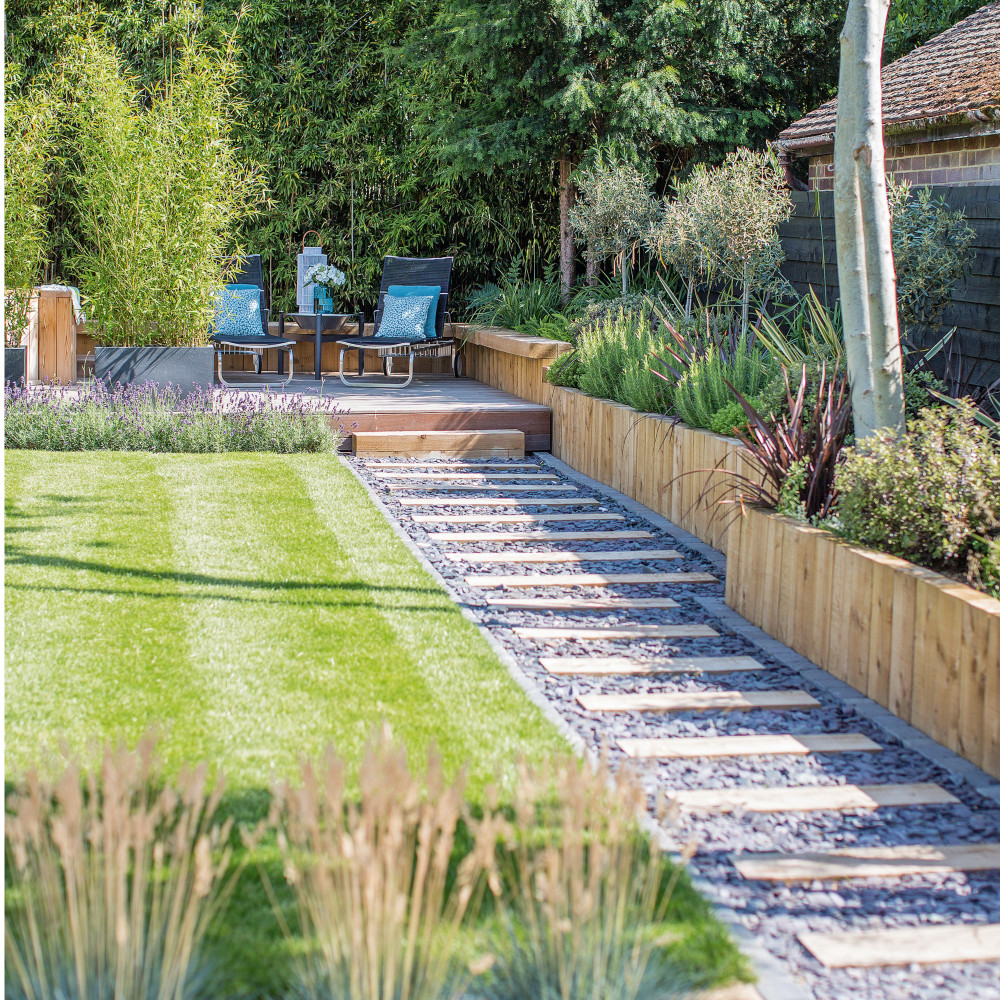
This pallet wood edging adds clean structure and warmth to your garden while maintaining a natural look. The soft wood tones blend effortlessly with greenery, creating an inviting path or defined garden border.
You can easily craft this by cutting reclaimed pallet boards to size and securing them with wooden stakes or screws. The straight lines offer a polished finish that suits both contemporary and rustic spaces.
Adding gravel between paths or near the wood enhances contrast and keeps weeds at bay. This is a great weekend project that costs little but makes your garden look thoughtfully designed.
#2. Stone Edging
 Source: Gardenstone
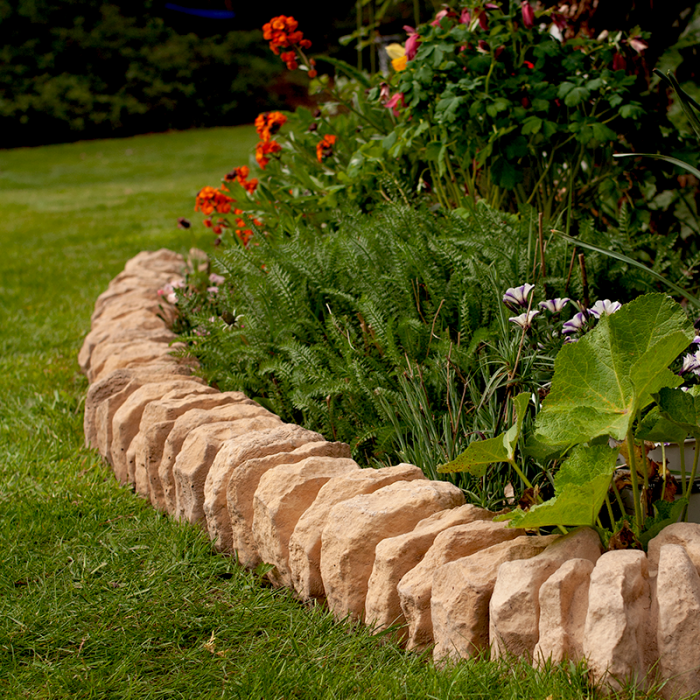
Stone edging brings timeless charm and durability to your garden, blending naturally with flowers and greenery. The uneven textures of each stone add character while creating a sturdy barrier between your lawn and planting beds.
You can use sandstone, limestone, or even river rocks, depending on your garden’s look. Simply dig a shallow trench, line up the stones snugly, and backfill with soil to secure them in place.
The result is an elegant, organic border that’s low-maintenance and weather-resistant. This edging works beautifully in cottage gardens or any outdoor space where you want a touch of natural elegance.
#3. Bottle Edging
 Source: Pinterest
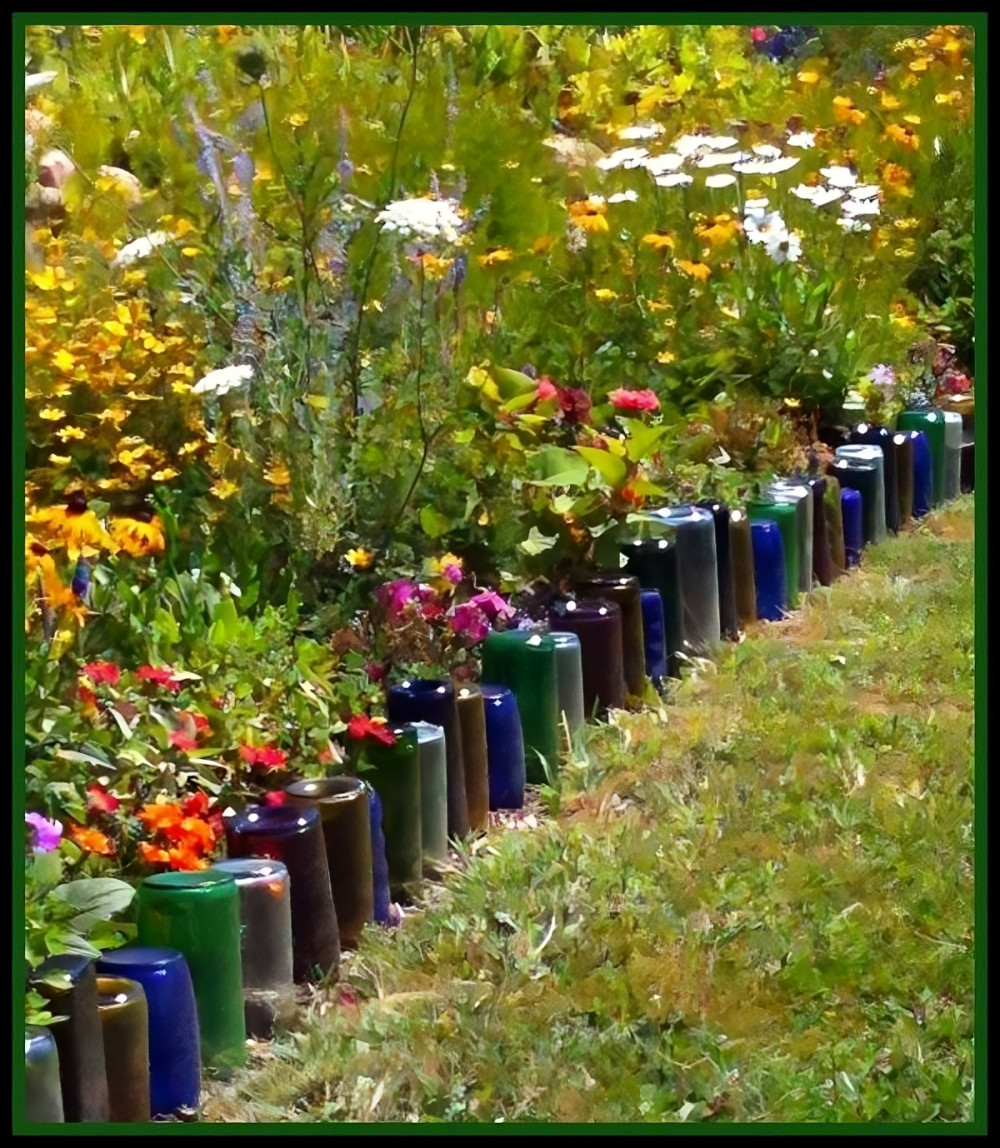
Bottle edging adds a colorful and whimsical touch to your garden while giving new life to recycled materials. The rich hues of glass bottles catch sunlight beautifully, adding a playful sparkle to your flower borders.
To create this, collect bottles of similar height, dig a narrow trench, and bury them neck-down in the soil until stable. Mixing shades of blue, green, and amber creates an artistic border that feels both unique and eco-friendly.
It’s a fun project to do on a sunny afternoon, especially if you enjoy upcycling. This edging idea turns everyday waste into an eye-catching design element that brightens your garden naturally.
#4. Log Edging
 Source: House Grail
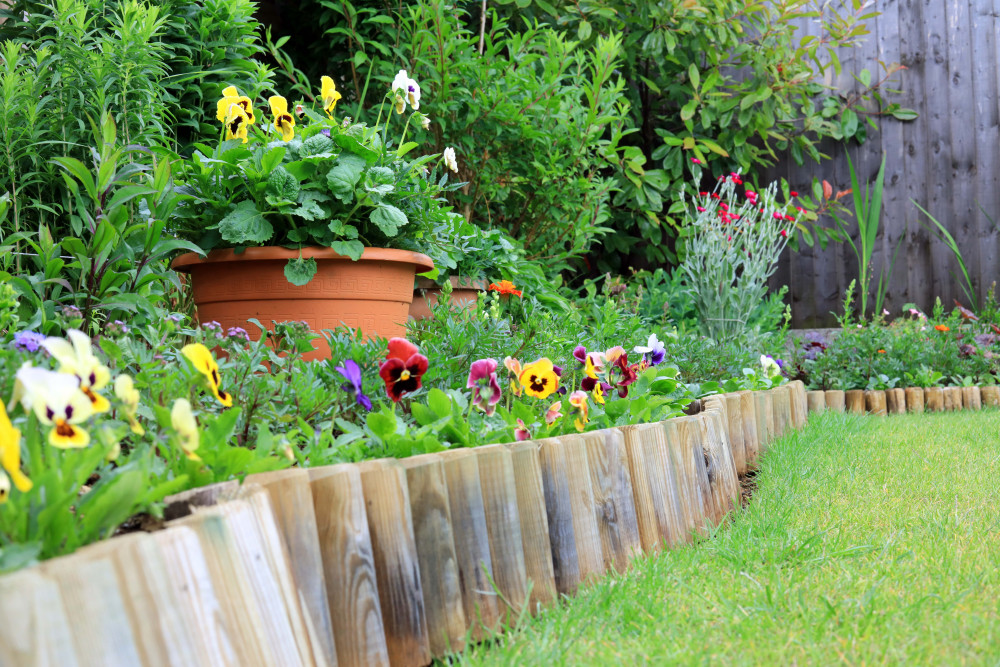
Log edging brings a cozy, woodland charm to any garden while keeping flower beds neatly contained. The soft, natural tones of the wood blend beautifully with bright blooms and green foliage.
You can use cut logs or half-round timbers, arranging them vertically in a shallow trench for stability. Treat the wood to resist moisture and extend its life, especially if you live in a damp climate.
This type of edging works wonderfully in cottage gardens or along winding pathways. It’s a simple way to add texture and warmth while maintaining a rustic, natural vibe throughout your outdoor space.
#5. Concrete Edging
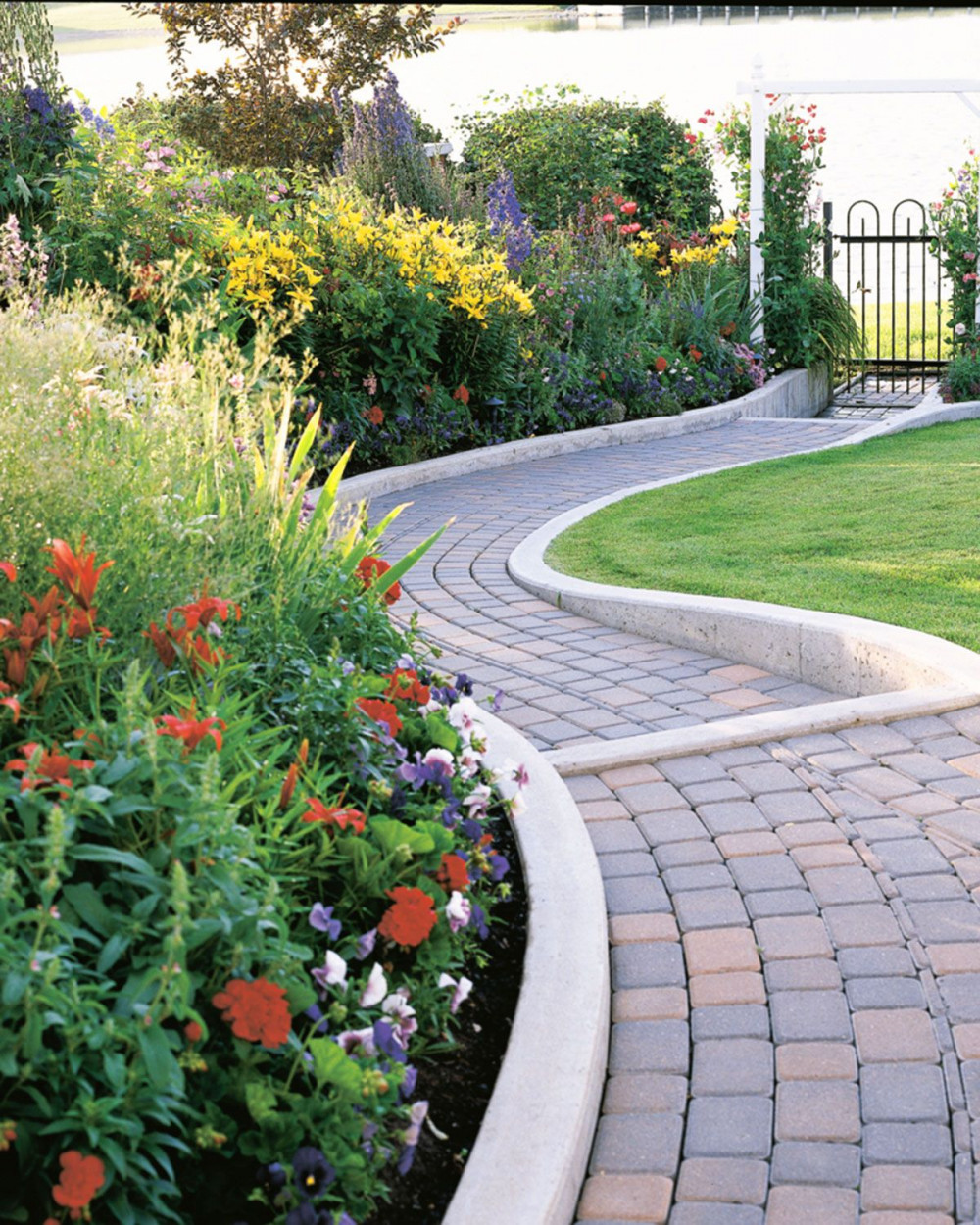 Source: Better Homes & Gardens
Concrete edging gives your garden a clean, polished look that lasts for years without much upkeep. Its smooth curves and firm structure make it perfect for separating flower beds from walkways or lawns.
You can use pre-cast blocks or pour your own concrete for a fully customized design. Start by outlining your border, then dig a shallow trench and set the edging in place before it hardens.
The result is a neat, modern boundary that highlights colorful blooms beautifully. This option suits both formal gardens and contemporary outdoor spaces that value crisp, defined lines.
#6. Shell Edging
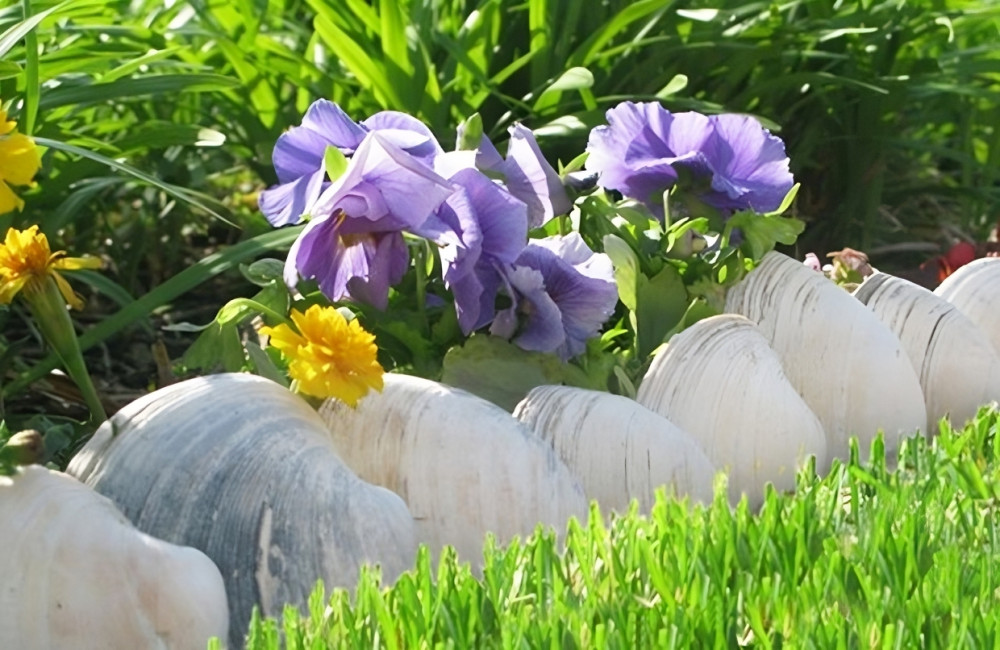 Source: Caruth Studio
Shell edging brings a breezy coastal charm to your garden, perfect for anyone who loves seaside-inspired decor. Large clam or conch shells create a soft, natural border that pairs beautifully with colorful flowers and lush greenery.
To make this look, dig a shallow groove along your flower bed and press the shells halfway into the soil for stability. Mixing shell sizes adds visual texture and a more organic feel.
It’s ideal for sandy or beachside gardens but works just as well in any backyard that needs a touch of whimsy. Over time, the shells weather gently, blending gracefully into the landscape while keeping your edges neat and defined.
#7. Terracotta Edging
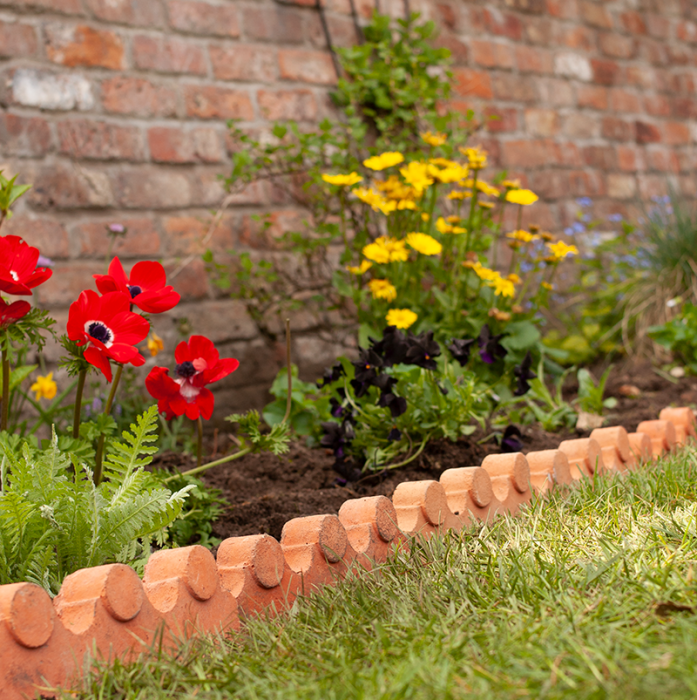 Source: Gardenstone
Terracotta edging adds a warm, rustic glow to your garden that feels timeless and welcoming. The earthy tones complement vibrant flowers and lush greens, giving your beds a tidy, finished look.
You can use terracotta tiles or small curved borders, pressing them firmly into the soil to keep them in place. This style works beautifully in cottage or Mediterranean-inspired gardens.
To install, mark your border line, dig a narrow trench, and set each piece snugly together for a seamless edge. It’s a simple upgrade that instantly elevates the charm and structure of your outdoor space.
#8. Gabion Edging
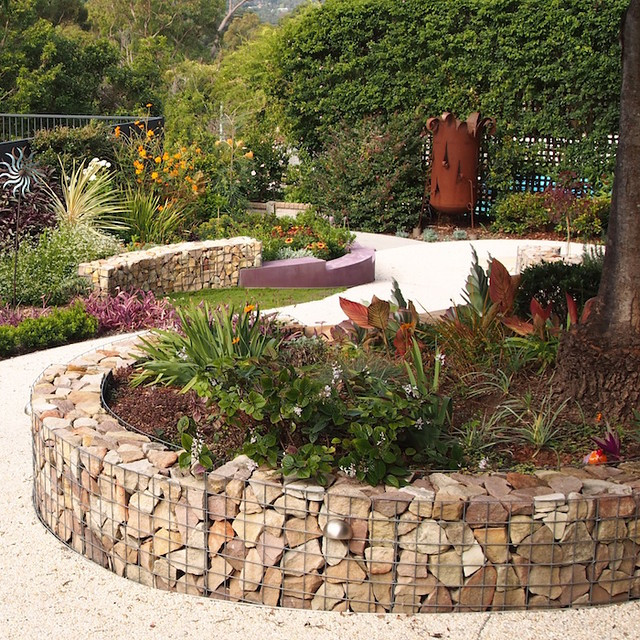 Source: Flickr
Gabion edging combines rugged beauty with modern structure, creating a striking visual element in your garden. Made by filling wire cages with stones, this type of edging adds texture and strength while blending seamlessly with natural surroundings.
You can choose stones in various colors or sizes for a custom look that matches your landscape. To build it, line up your gabion baskets, fill them evenly with rocks, and compact them for stability.
It’s ideal for sloped areas or raised beds where extra support is needed. Beyond its function, gabion edging gives your garden a contemporary edge that feels both bold and organic.
#9. Railroad Tie Edging
 Source: Ideal Home
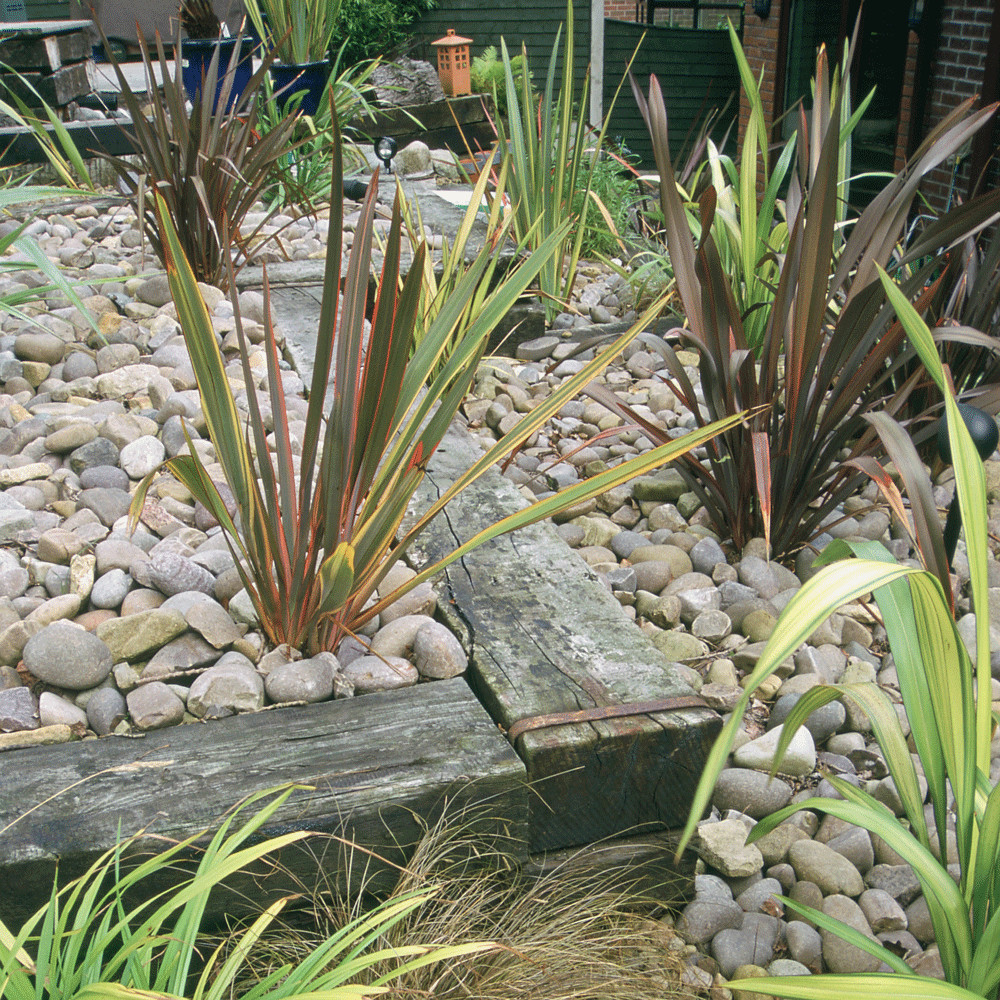
Railroad tie edging brings a strong, rustic feel that fits perfectly in natural or country-style gardens. These thick wooden beams create clear boundaries and help prevent soil erosion, especially in sloped areas.
To install, dig a shallow trench and lay the ties evenly, securing them with metal stakes for extra stability. The dark, weathered wood contrasts beautifully with gravel, pebbles, or greenery, giving your landscape an authentic, time-worn charm.
You can stack the ties to build raised beds or use a single layer for simple edging. With minimal upkeep, this durable option can last for years while adding texture and character to your outdoor space.
#10. Rope Edging
 Source: New England Garden Ornaments
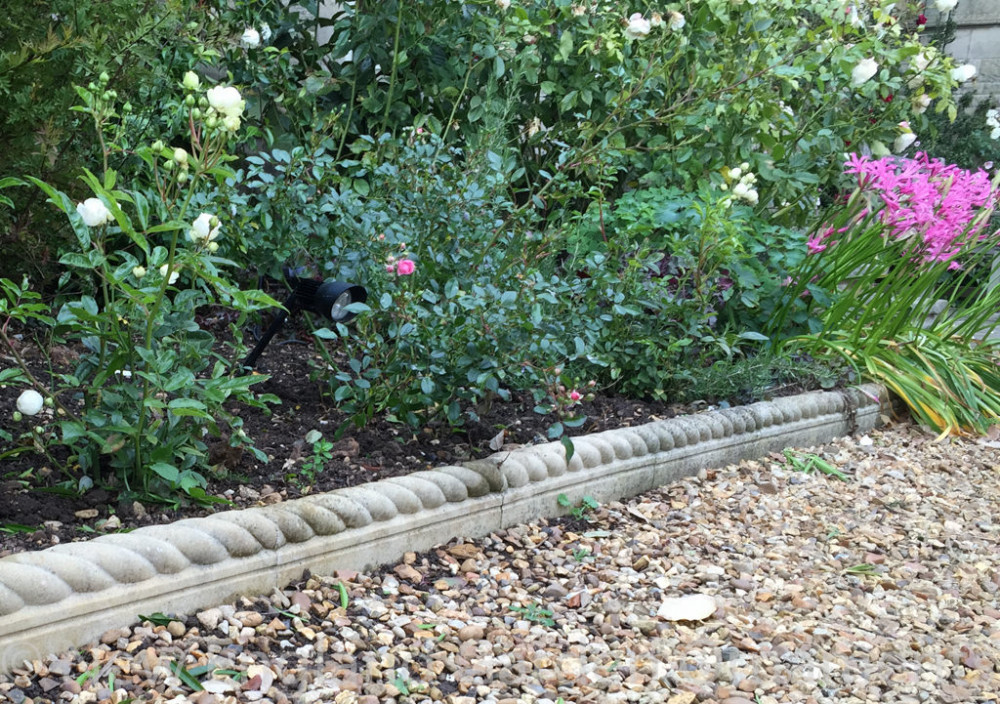
Rope edging adds a charming vintage touch that softens the look of your flower beds and pathways. Its rounded pattern brings a sense of elegance that suits both cottage-style and formal gardens.
You can use pre-cast concrete rope borders or lay decorative rope-like molds along the edge for a classic finish. To install, prepare a level trench, set each piece snugly, and backfill with soil or gravel to secure it in place.
The subtle curves beautifully frame plants while preventing gravel or mulch from spilling out. With its timeless appeal, rope edging is an easy way to add graceful definition to your garden design.
#11. Metal Edging
 Source: Ideal Home
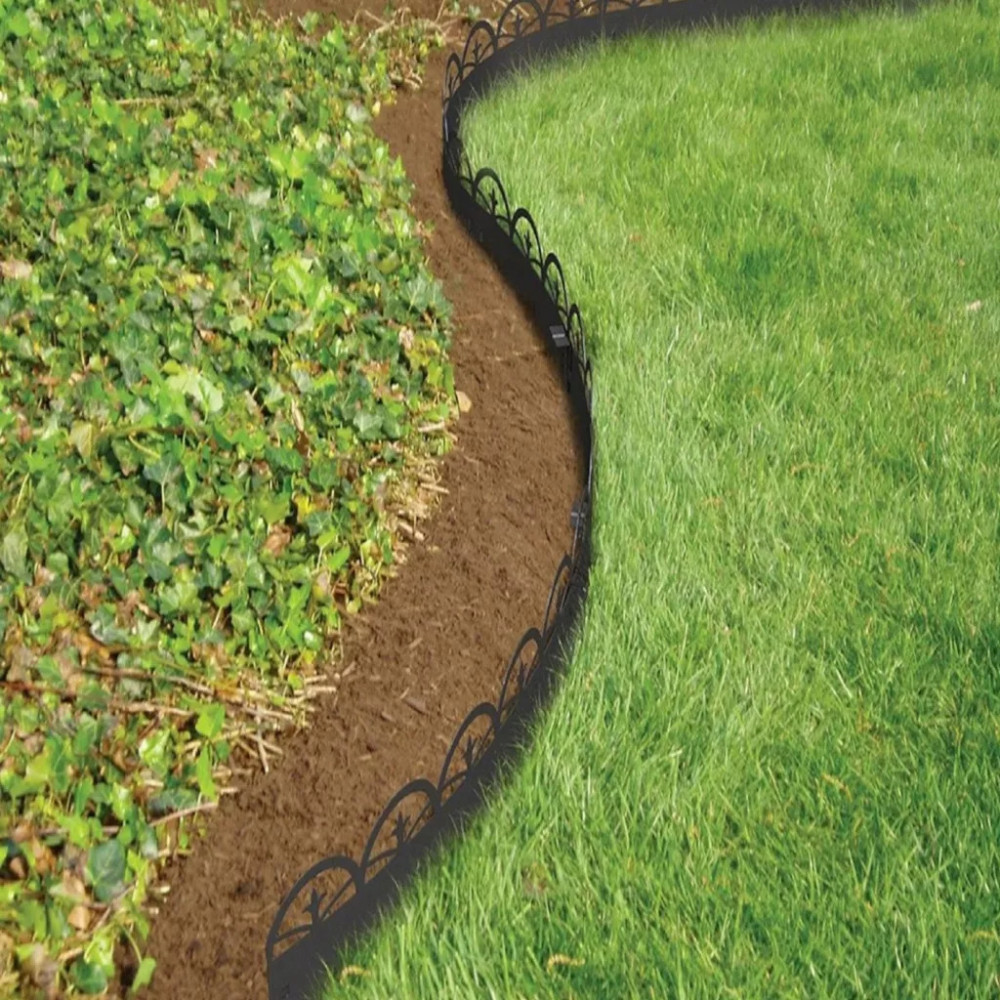
Metal edging gives your garden a sleek, professional finish that works beautifully in modern or minimalist landscapes. It creates crisp, clean lines between lawn and flower beds while preventing grass from creeping into your planting areas.
You can choose steel or aluminum strips, both easy to bend into curves or keep straight for a structured look. To install, dig a shallow trench, position the edging flush with the soil, and anchor it firmly using metal stakes.
The durable material withstands weather and resists rust, keeping its sharp appearance for years. It’s a practical way to achieve a refined, polished edge that makes your garden feel effortlessly organized.
#12. Rubber Edging
 Source: Amazon UK
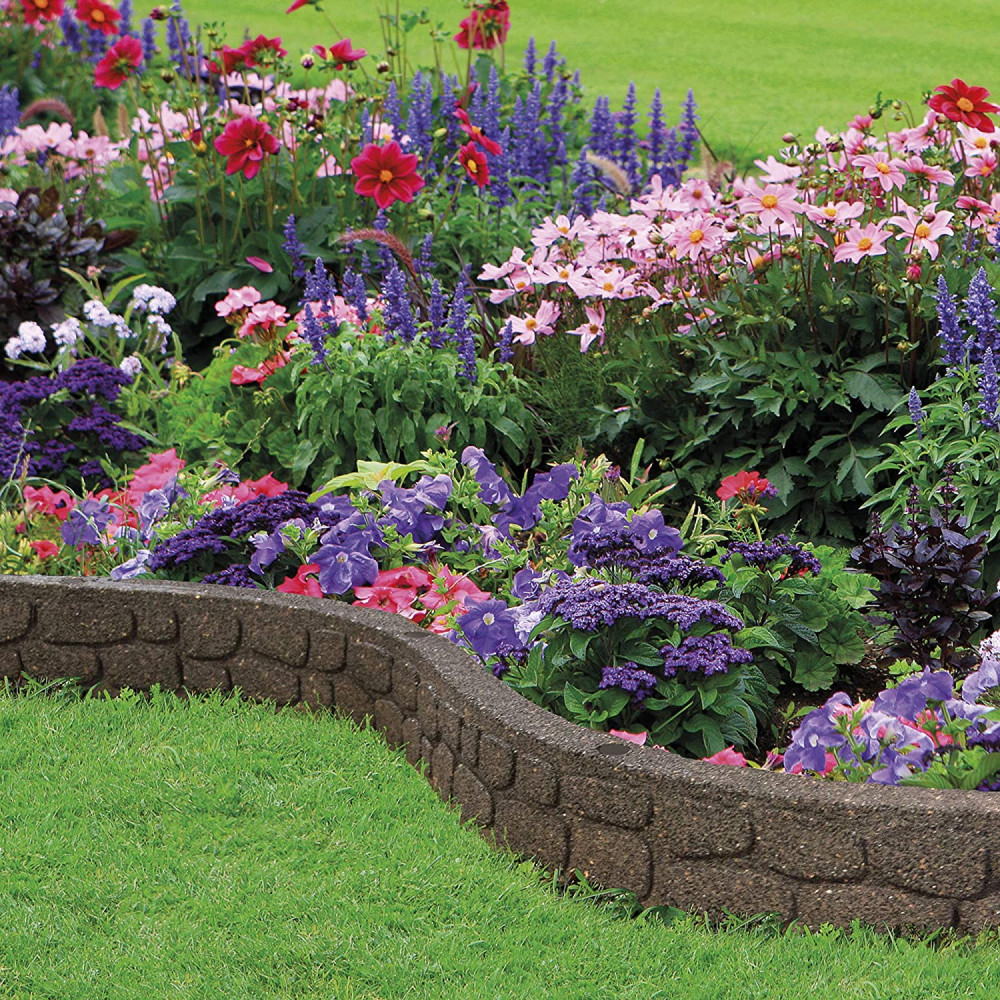
Rubber edging is an eco-friendly and flexible choice made from recycled materials that blends durability with charm. It’s perfect for shaping around flower beds or curved paths while keeping grass neatly in check.
Installation is simple: lay the pieces along your garden border, secure them with stakes, and press them firmly into the soil. This material withstands harsh weather and won’t crack, fade, or rot over time.
The stone-like texture offers a natural look without the weight or upkeep of real stone. With minimal effort, you can give your garden smooth, clean edges that stay tidy season after season.
#13. Brick Edging
 Source: MyGardenLife
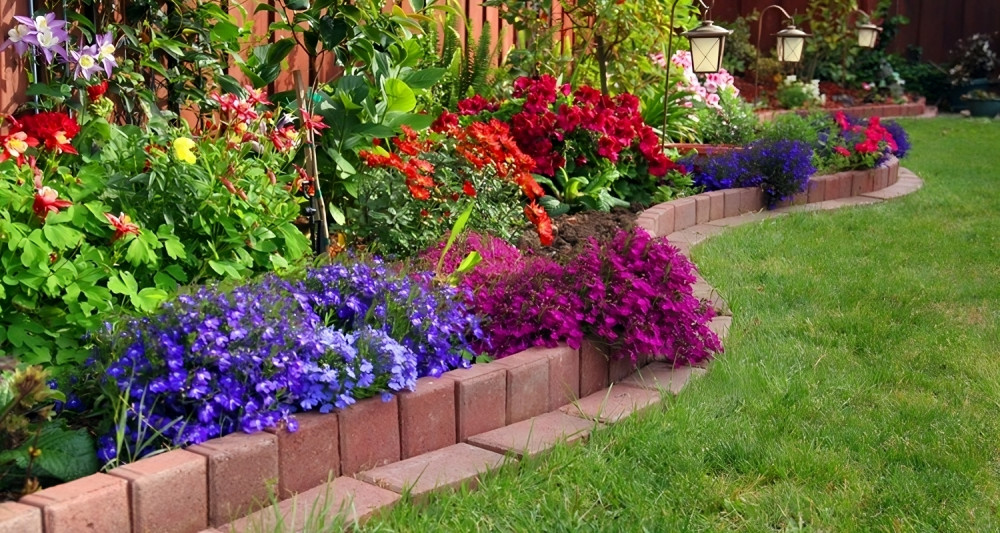
Brick edging brings timeless beauty and structure to any garden, offering both function and character. The warm tones and classic shape create a clean transition between your lawn and flower beds.
You can lay the bricks flat for a low-profile edge or stand them upright for more definition. To install, dig a shallow trench, line it with sand for leveling, and press each brick firmly into place.
The result is a sturdy border that keeps soil contained while adding a polished, traditional finish. With its lasting durability and elegant appeal, brick edging can instantly elevate the charm of your garden.
#14. Bamboo Edging
 Source: UK Bamboo Supplies
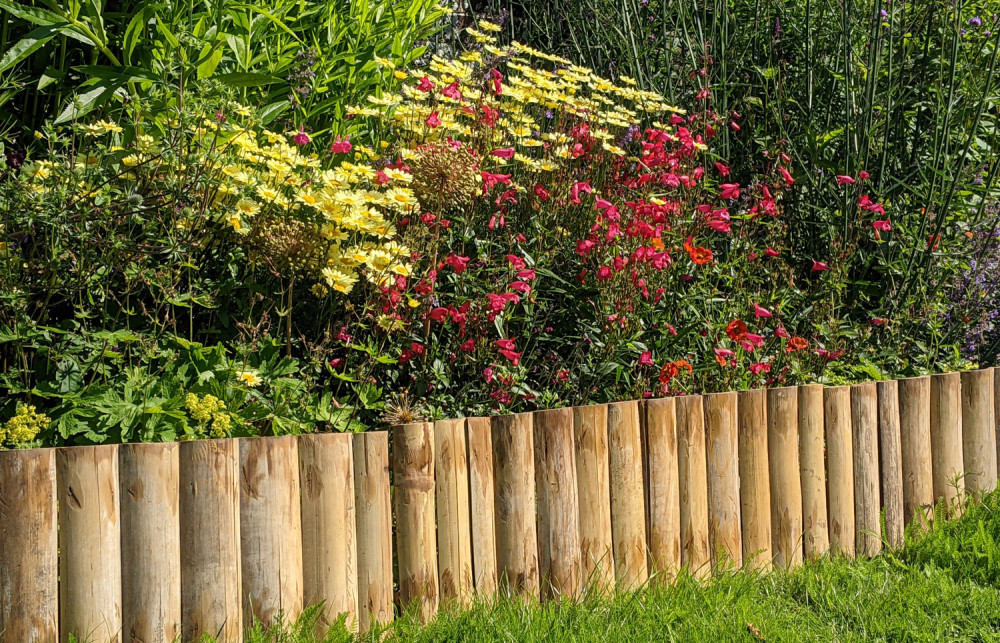
Bamboo edging adds a natural, tropical touch to your garden that feels warm and organic. It’s perfect for framing flower beds or pathways while blending seamlessly into lush greenery.
You can use pre-cut bamboo rolls or individual canes secured with garden stakes. To install, simply dig a narrow trench, place the bamboo upright, and pack soil firmly around the base.
The natural material is lightweight yet sturdy, giving your garden a neat border without feeling rigid. Over time, its golden tone weathers beautifully, creating a relaxed, earthy look that complements almost any garden style.
#15. Plate Edging
 Source: Pinterest
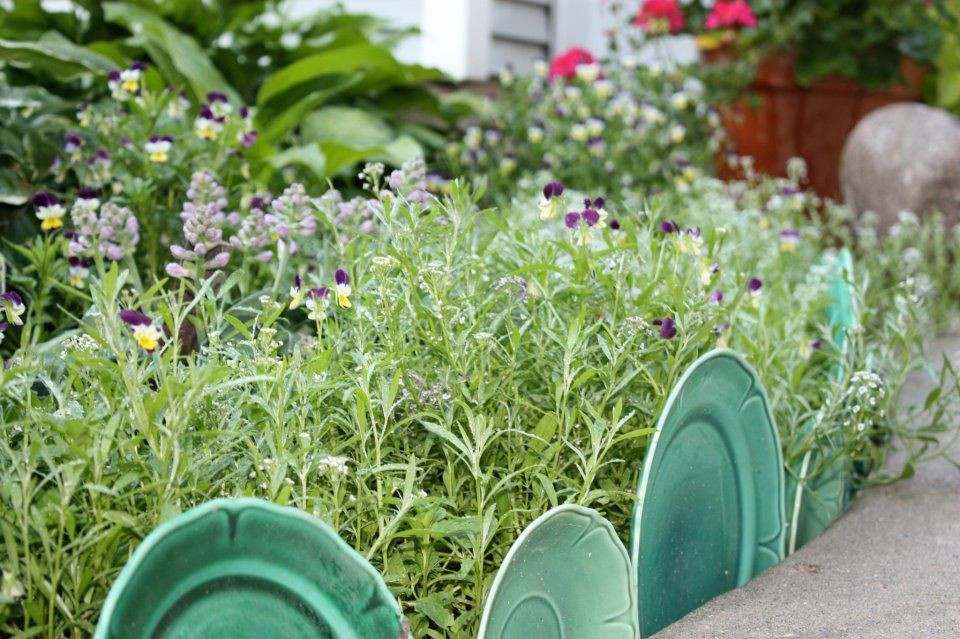
Plate edging is a whimsical and artistic way to add personality to your garden borders. By repurposing colorful ceramic or porcelain plates, you can create a playful edge that looks like a piece of outdoor art.
To make it, simply dig a narrow trench and bury each plate halfway into the soil so they stand upright and secure. Mixing different shapes and shades adds extra charm and visual interest.
This idea works beautifully along flower beds or walkways, catching sunlight and color throughout the day. It’s an easy, budget-friendly project that turns forgotten dishes into something unexpectedly delightful.
#16. Upcycled Garden Hose Edging
 Source: Pinterest
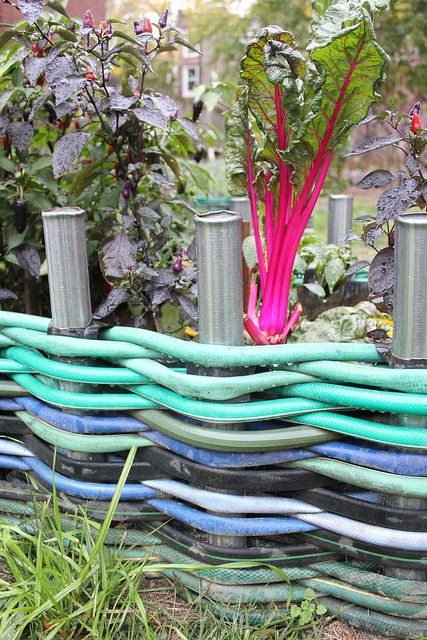
Upcycled garden hose edging is a creative and eco-friendly way to bring new life to old materials. By weaving worn-out hoses between sturdy posts, you can create a colorful, flexible border that stands out beautifully in any garden.
The texture and color variations of different hoses add a unique charm and a hint of rustic character. To make it, cut the hoses to equal lengths, secure upright supports, and weave them in and out for a snug fit.
It’s practical too, this type of edging holds soil well and resists weathering. With just a few materials and a bit of patience, you can turn discarded hoses into an eye-catching feature that celebrates sustainability and style.