
Nutrient-rich vegetables for the garden are a smart choice if you want healthier meals and a more vibrant backyard. These vegetables are loaded with essential vitamins, minerals, and antioxidants, all while being surprisingly easy to grow.
You can plant them in raised beds, containers, or traditional garden soil, depending on your space. They add beauty with lush leaves or colorful heads while also supporting your well-being.
With each harvest, you get food that is fresh, flavorful, and packed with goodness. Let’s look at 11 of the best vegetables to grow for maximum nutrition.
#1 Carrots
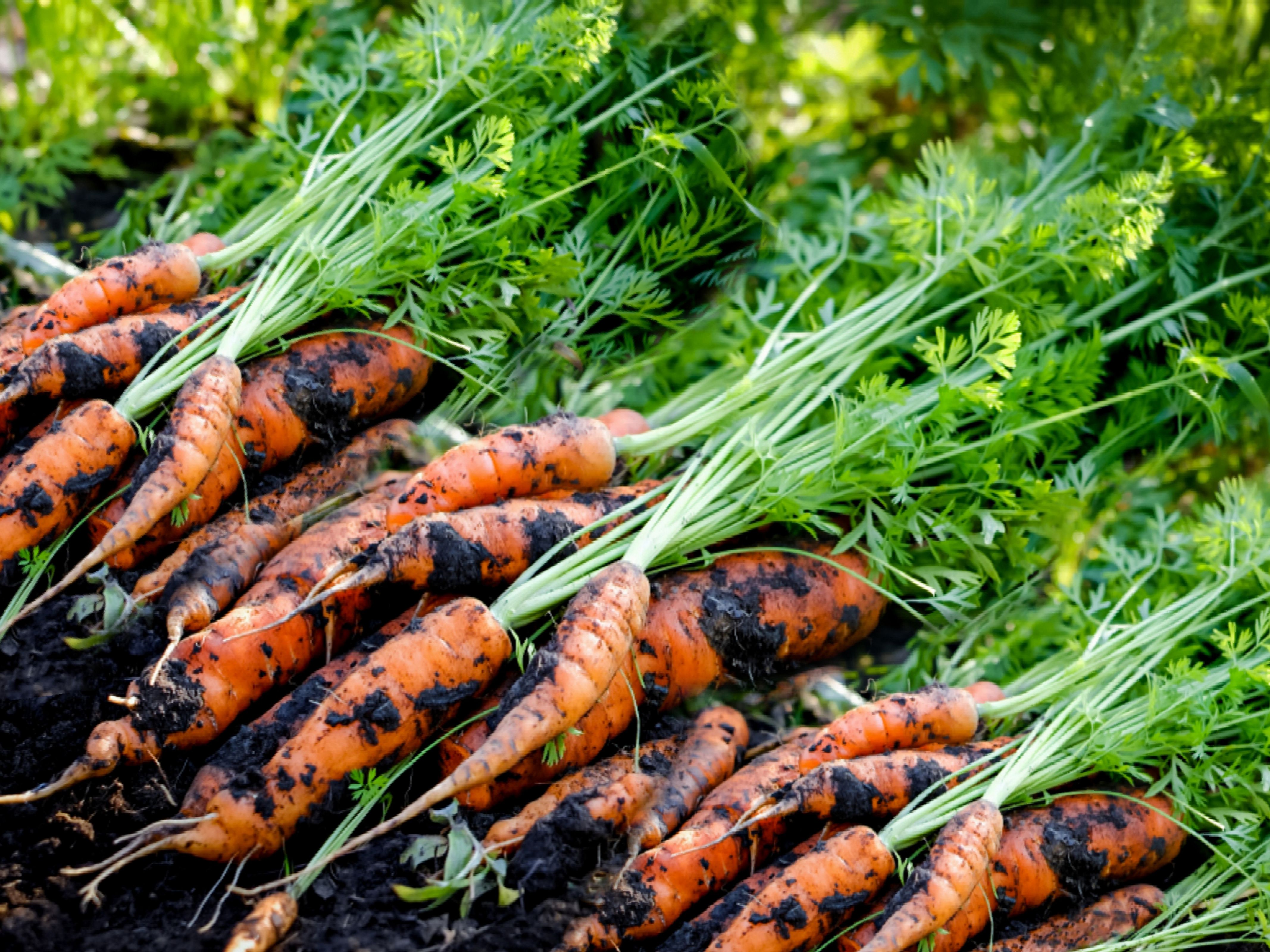
Carrots are cool-season crops that thrive when planted in loose, well-drained soil. Rich in beta carotene, they help support eye health and boost your immune system.
You can find them in shades beyond orange, such as purple, yellow, and white, adding variety to your harvest. Sow seeds directly in the ground about 2 to 3 weeks before the last frost.
Keep the soil consistently moist until germination begins. Thin seedlings early to give each root space to grow.
#2 Beets
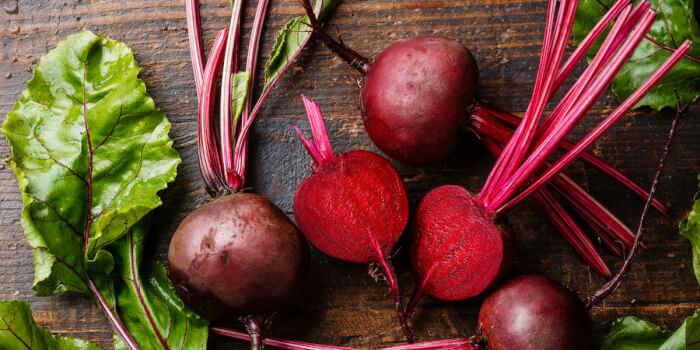
Beets are nutrient-dense vegetables full of fiber, folate, iron, and vitamin C. Both the roots and leafy greens can be harvested, giving you double the benefit from one plant.
They grow best in full sun with well-drained, fertile soil. Sow seeds directly outdoors in early spring or fall for the sweetest roots.
Water regularly to keep the soil evenly moist, which helps prevent cracking. Harvest when the roots are about 2 inches in diameter for the best flavor.
#3 Sweet Potato
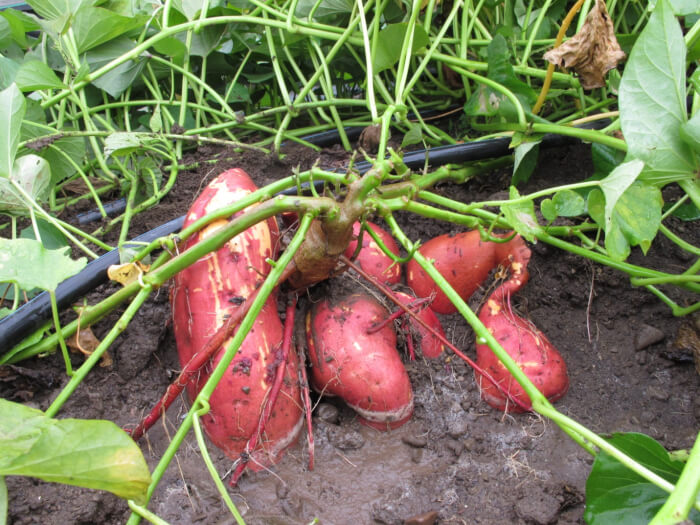
Sweet potatoes provide nutritious tubers and edible leafy greens, making them a versatile crop. Their roots are rich in vitamin A, fiber, and potassium, perfect for a balanced diet.
Plant slips in warm soil after the danger of frost has passed. Give them full sun and plenty of space for vines to spread. Loosen the soil before planting to encourage tuber growth.
Dig up your harvest in late summer or early fall once the leaves begin to yellow.
#4 Garlic
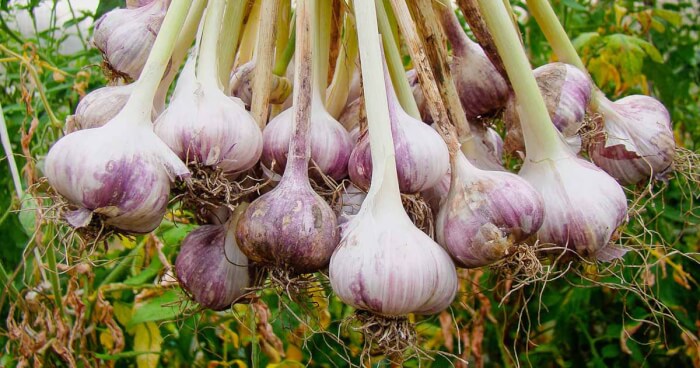
Garlic is one of the easiest crops to grow and offers impressive health benefits. Each clove contains compounds that support heart health and immunity.
Plant cloves in fall about 2 inches deep and 6 inches apart. Keep the bed weed-free and mulch heavily to protect during cold months.
In late spring, water consistently to encourage plump bulbs. Harvest when the lower leaves turn brown, then cure bulbs in a dry, airy space for long storage.
#5 Kale
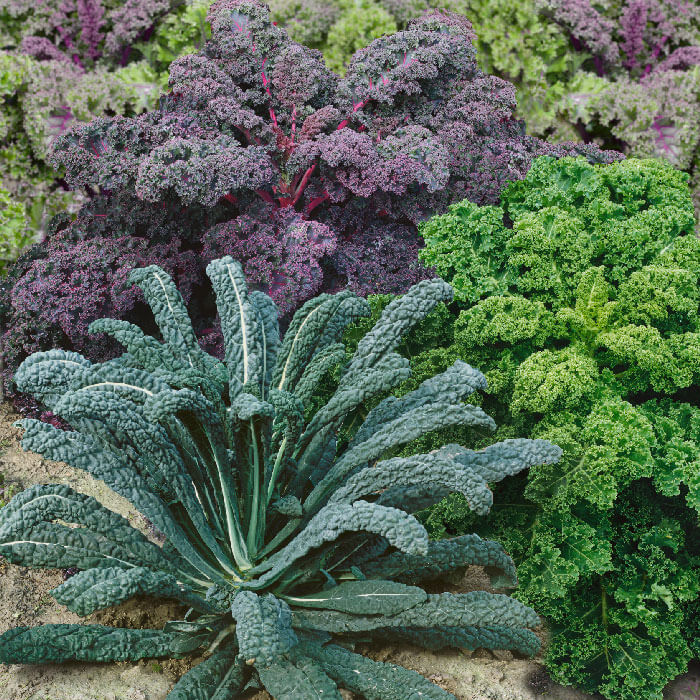
Kale is one of the healthiest greens, filled with vitamins A, C, and K along with iron and calcium. It thrives in cooler temperatures and can withstand light frost.
Plant seeds directly in the garden or start indoors and transplant after frost danger passes. Provide consistent watering and mulch to retain moisture.
Harvest the outer leaves regularly to keep new growth coming. Young leaves are tender for salads, while mature leaves are ideal for soups and sautés.
#6 Cabbage
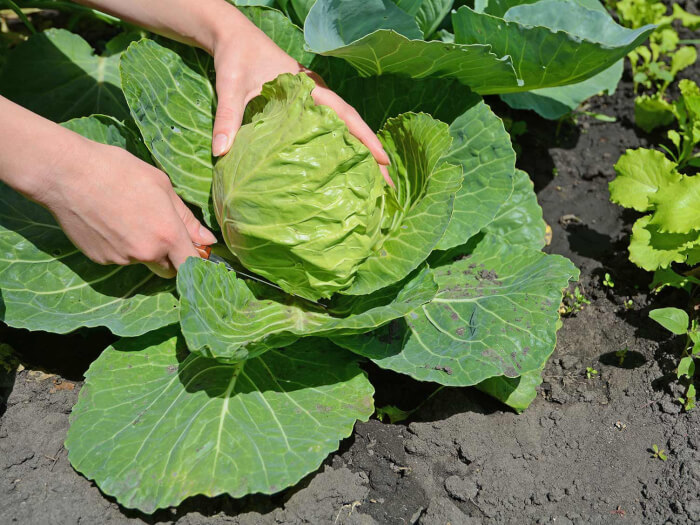
Cabbage is a hardy vegetable that packs vitamin C, vitamin K, and fiber into every head. It is low in calories but adds plenty of crunch and nutrition to meals.
Start seeds indoors about 6 weeks before the last frost, then transplant outside once hardened. Give them rich soil and steady watering to prevent heads from splitting.
Space plants 12 to 18 inches apart for full-sized heads. Harvest when the heads feel firm and tight.
#7 Cauliflower
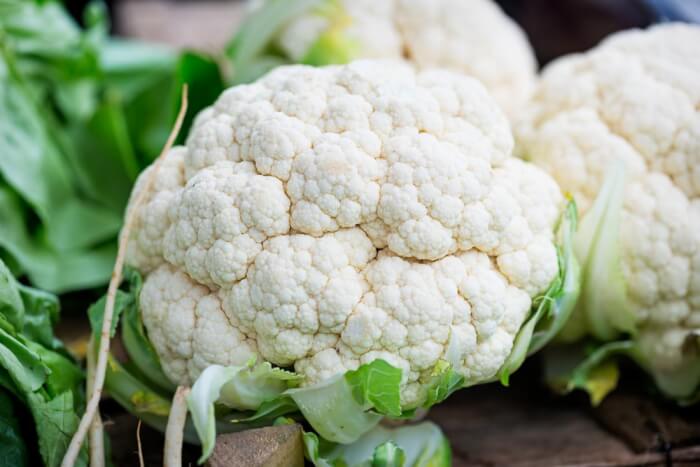
Cauliflower is loaded with antioxidants and vitamins, often praised for its cancer-fighting properties. The heads, leaves, and stems are all edible. Grow it in fertile, well-drained soil with consistent moisture.
Plant seedlings in early spring or late summer to avoid extreme heat. Protect the heads by tying the outer leaves over them when they are about the size of an egg. Harvest when the curds are compact and white.
#8 Brussels Sprouts
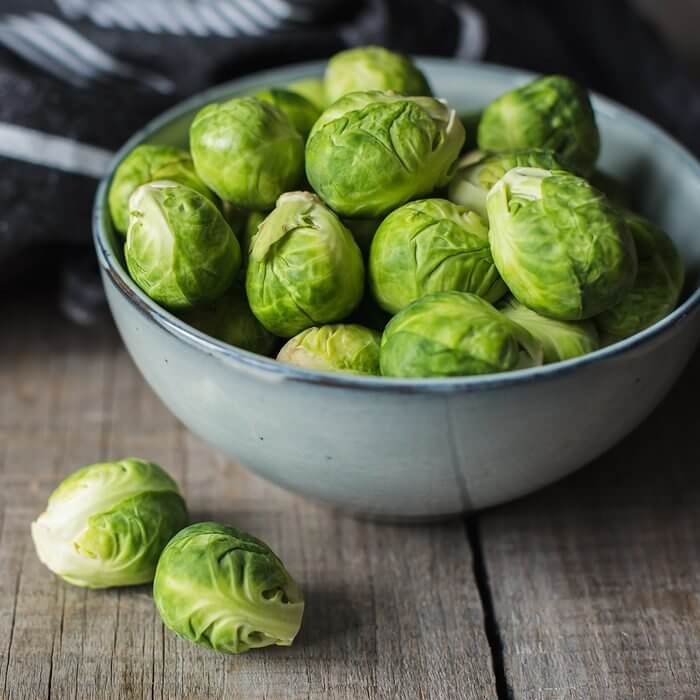
Brussels sprouts are tiny cabbages packed with vitamins C and K, folate, and iron. They grow tall stalks that can be striking in the garden. Plant seedlings in late spring for a fall harvest, as they prefer cool weather.
Provide fertile soil enriched with compost for steady growth. Remove yellowing leaves from the base of the stalk to channel energy into sprouts. Harvest from the bottom up once the sprouts are firm and about an inch wide.
#9 Broccoli
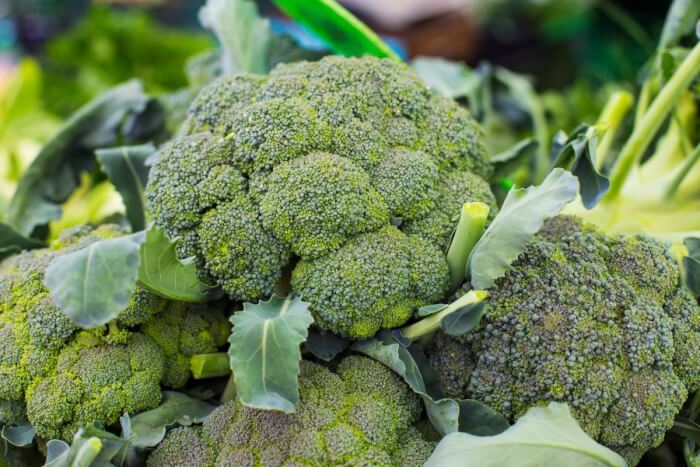
Broccoli is rich in vitamin C, vitamin A, and vitamin K, making it a superfood vegetable. Its florets and stems can both be enjoyed in a wide range of dishes. Plant seedlings in early spring or fall when temperatures are cooler.
Use fertile soil and water consistently to avoid stress on the plants. Harvest the main head when it is firm and tight, before flowers open. Side shoots will keep producing smaller heads for weeks afterward.
#10 Spinach
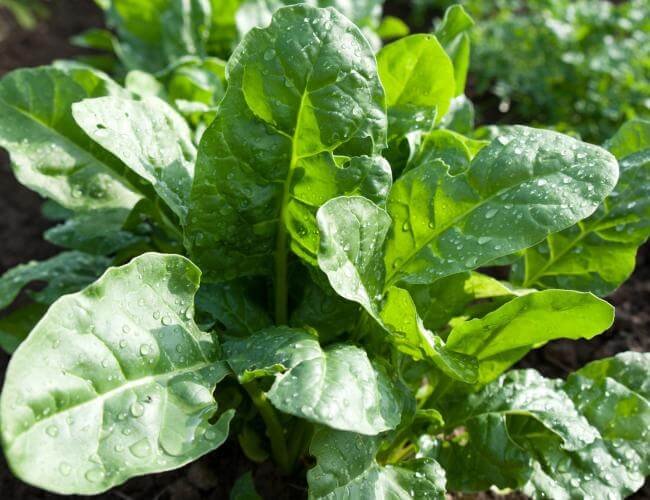
Spinach is packed with iron, vitamins A, C, and K, and antioxidants that support heart and eye health. It thrives in cool weather and matures quickly, often within 6 weeks. Direct sow seeds in spring or fall in moist, fertile soil.
Thin seedlings to allow room for growth and keep the soil consistently watered. Harvest outer leaves regularly to encourage more production. Enjoy it fresh in salads or cooked in soups and pastas.
#11 Tomato
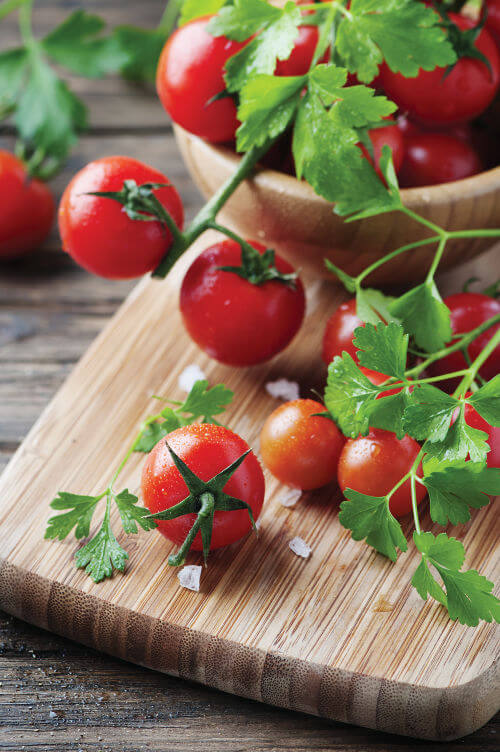
Tomatoes are nutritional powerhouses filled with lycopene, vitamin C, and potassium. They grow well in containers, raised beds, or garden soil. Start seeds indoors 6 to 8 weeks before the last frost date, or buy young seedlings for quicker planting.
Provide full sun and support with cages or stakes. Water deeply once or twice a week to promote strong roots. Harvest when fruits are fully colored and slightly soft to the touch.