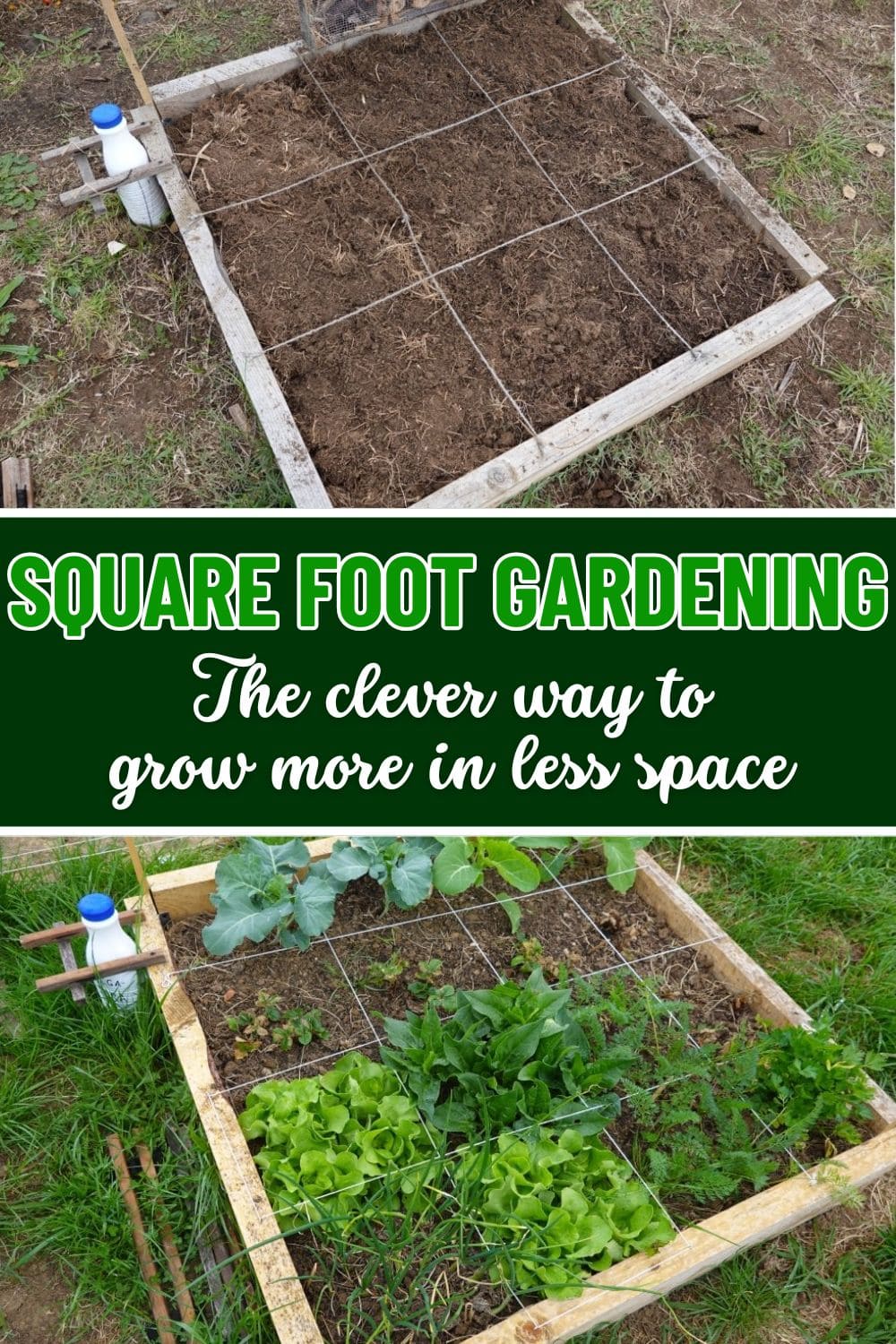
If you’ve ever looked at your small backyard or patio and thought, “I wish I had space for a real garden,” let me tell you, you do.
You just need to rethink how you grow. That’s exactly what square foot gardening does.
It’s one of the smartest, simplest ways to grow a lush, productive garden without wasting an inch of soil.
What Makes Square Foot Gardening Special
Traditional gardens are laid out in long rows with lots of wasted space in between. Square foot gardening flips that idea on its head.
Instead of rows, you use a raised bed divided into one-foot squares, a perfect grid where every plant has just enough room to thrive.
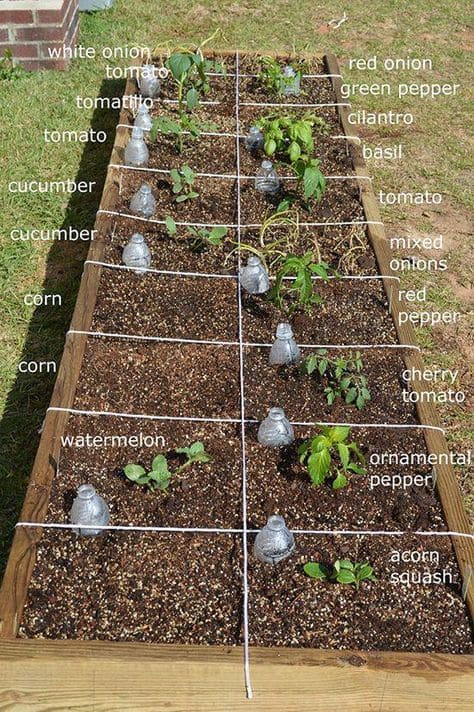
Each square becomes its own little ecosystem. You might plant one tomato plant in a square, four heads of lettuce in another, or sixteen carrots tucked neatly in rows.
You plan it visually, like a living puzzle, which keeps things tidy and balanced.
Because the soil is loose and rich, plants grow faster and healthier. The layout also prevents weeds from taking over, and watering becomes more efficient since you’re only hydrating a compact space that truly needs it.
Building Your First Square Foot Garden
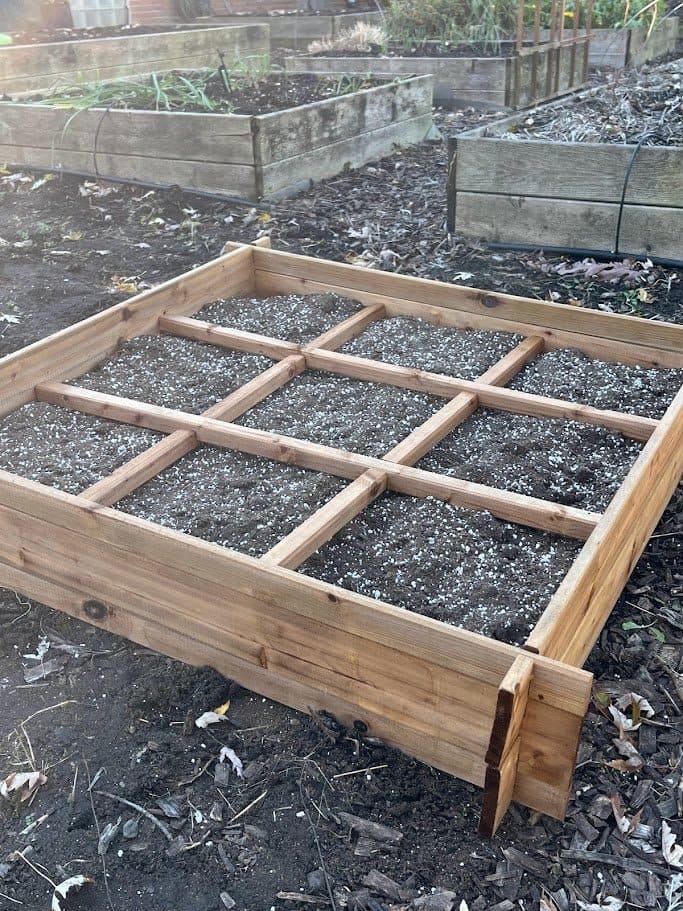
Start with a raised bed that’s about four feet wide, that’s the sweet spot where you can reach the center from any side without stepping on the soil.
The depth should be at least six inches, though twelve inches gives you more flexibility for root crops like carrots or beets.
Additionally, choose a sunny spot that gets six to eight hours of sunlight every day. You line the bottom with cardboard or newspaper to block weeds, then fill the bed with a mix that drains well but holds moisture.
Plus, a blend of compost, coco coir (or peat moss), and vermiculite is perfect for this. It’s light, nutrient-rich, and easy to work with.
Once the bed is filled, stretch string or lay down narrow wooden strips to mark out one-foot squares. Now your garden is ready for planting.
Planting Like a Pro
The key to square foot gardening is spacing. Each square fits a specific number of plants depending on how large they grow.
A tomato plant, for example, takes an entire square, while lettuce or spinach can fit four to six. Tiny crops like carrots or radishes can be planted sixteen per square, that’s a lot of food in a small space.
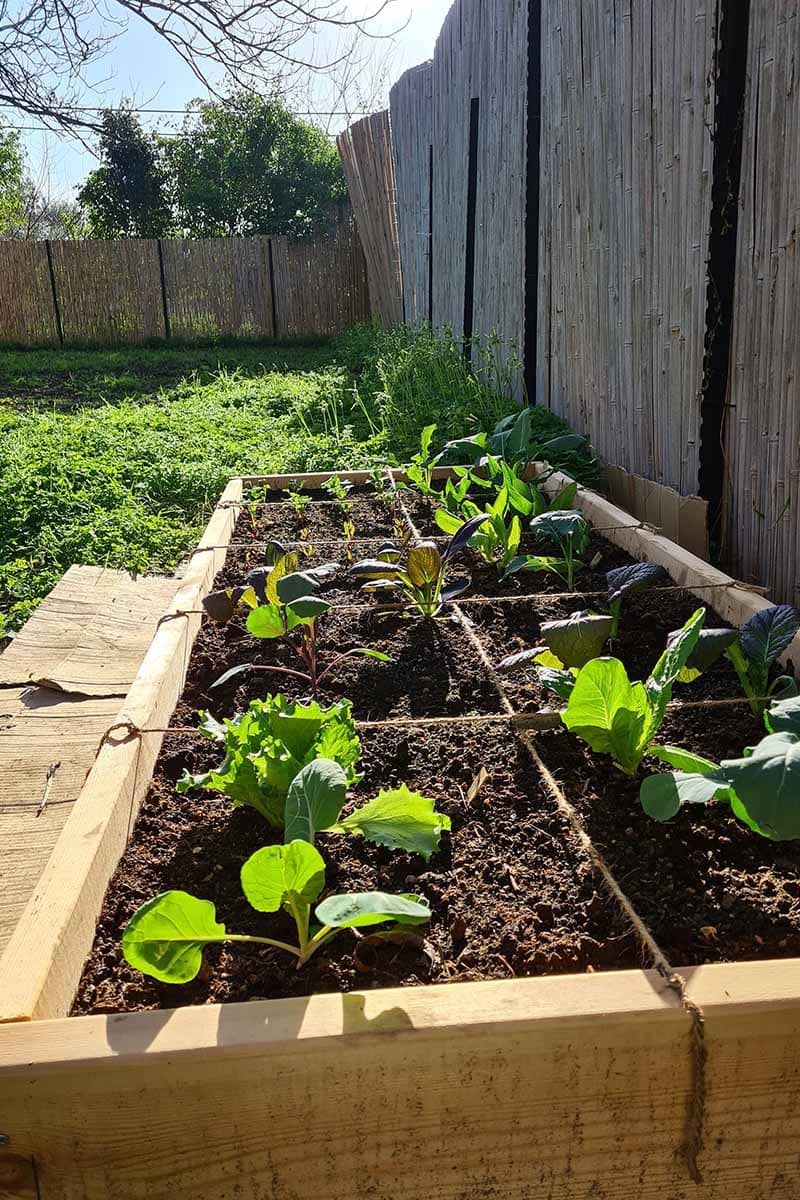
This spacing does more than just save room. It helps the plants support each other.
The close canopy of leaves shades the soil, keeping it cool and moist. That reduces weeds, slows evaporation, and creates a microclimate where everything grows stronger.
To get the best results, you can mix crops wisely. Place tall plants like tomatoes or beans on the north side of the bed so they won’t cast shade over smaller crops.
Then fill the front squares with shorter plants like herbs, lettuces, and flowers. Marigolds, nasturtiums, or basil can even help repel pests naturally.
Why Gardeners Swear by This Method
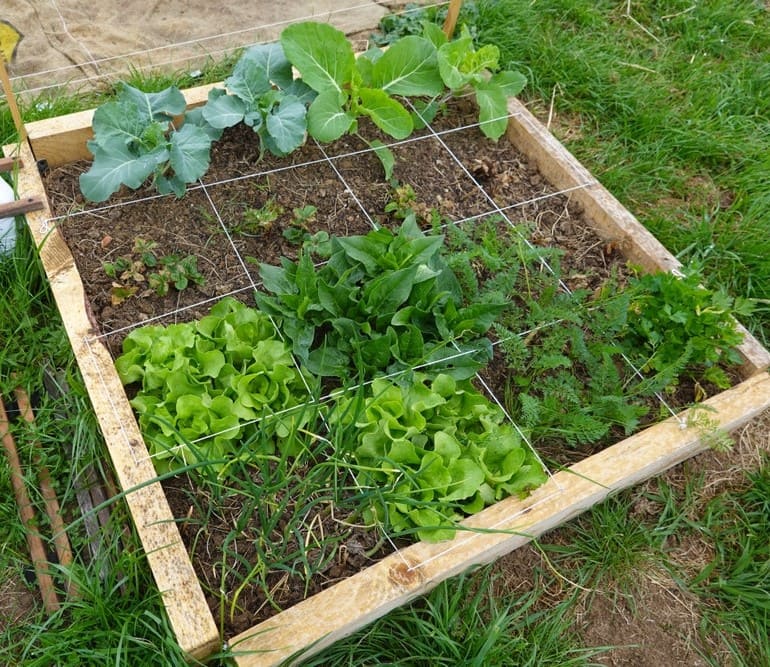
There’s a reason square foot gardening has become a go-to for urban gardeners and homesteaders alike. It’s not just about saving space, it’s about saving effort.
Because you’re growing in smaller, organized sections, you’ll spend less time weeding and more time harvesting.
The soil stays healthier because it’s never compacted, and nutrients stay balanced since each square can be refreshed with compost between plantings.
Bonus, it’s easier to manage pests and diseases. If one square is affected, you can remove or treat just that section without disturbing the rest. And since you rotate what you grow in each square, pest populations don’t get a chance to settle in.
Keeping Your Garden Thriving
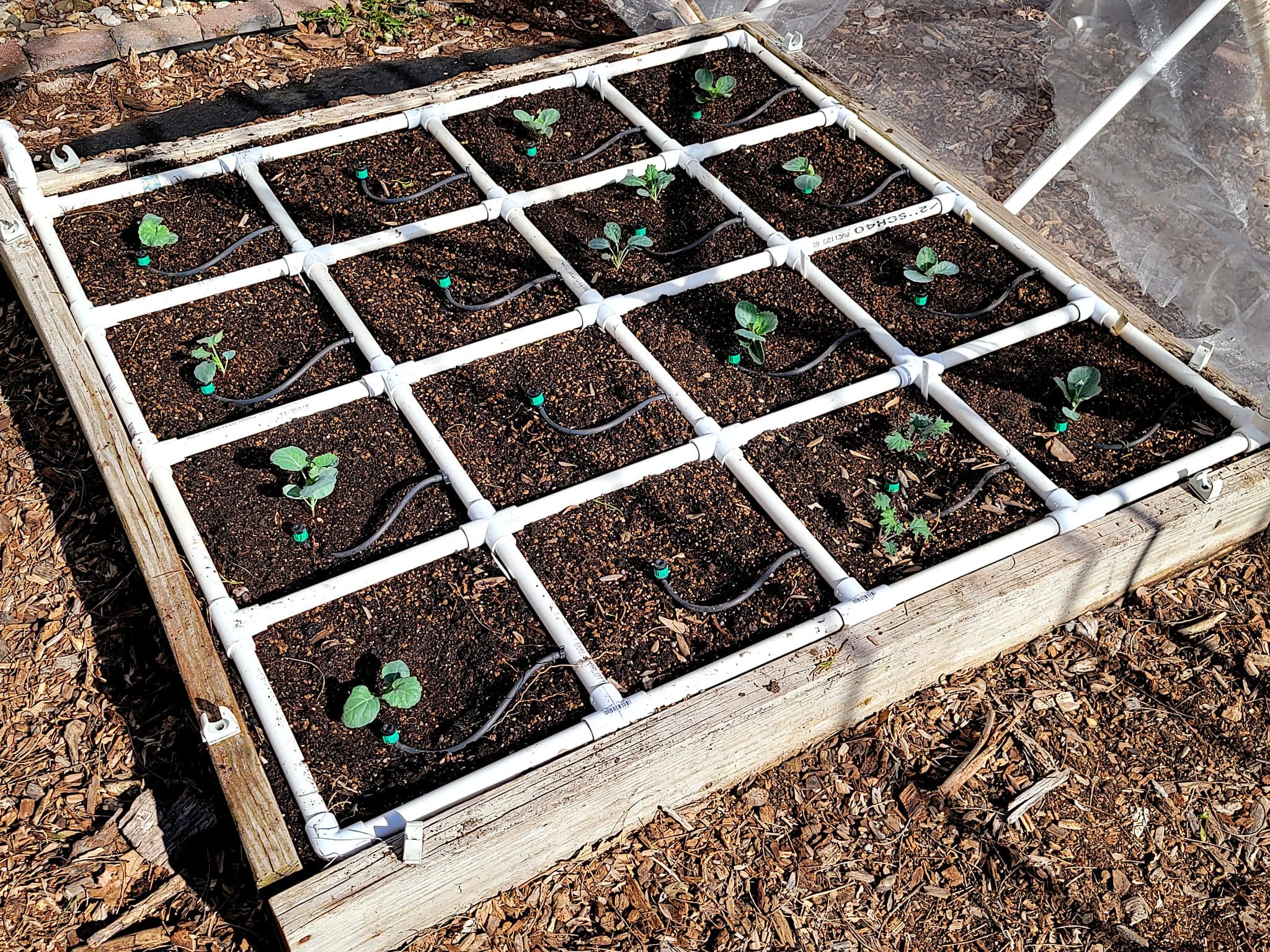
Watering is simple but important. Since everything grows close together, the soil stays damp longer.
A gentle soak every couple of days is often enough, though in hot weather you may need to water daily. Mulching with straw or shredded leaves helps lock in moisture even more.
After each harvest, you mix in a scoop of compost before replanting the same square. This keeps your soil fertile and allows for continuous growing all season.
You can plant cool-weather crops like spinach and peas in early spring, then switch to summer favorites like peppers and beans once the heat arrives. When autumn comes, fill the squares again with kale, lettuce, or carrots.
A Few Gentle Reminders
Don’t rush to fill your garden with everything at once. Start with plants you love to eat and that grow quickly, like lettuce, radishes, or herbs.
As you gain confidence, expand to larger crops. Pay attention to how much sun and water each plant prefers, and don’t be afraid to experiment as the beauty of this system is that mistakes are small and easy to fix.
And remember, your soil is alive. Feed it with compost, avoid stepping on it, and it will reward you for years.
The Joy of Square Foot Gardening
There’s something deeply satisfying about standing over a square foot garden . You can see your progress every day, from the first green shoots to the moment you pick your own salad straight from the bed.
What I love most about this method is how approachable it feels. It’s gardening stripped down to what truly matters: rich soil, good sunlight, and thoughtful care.
Even if you only have a few feet to spare, you can create something beautiful, edible, and full of life.