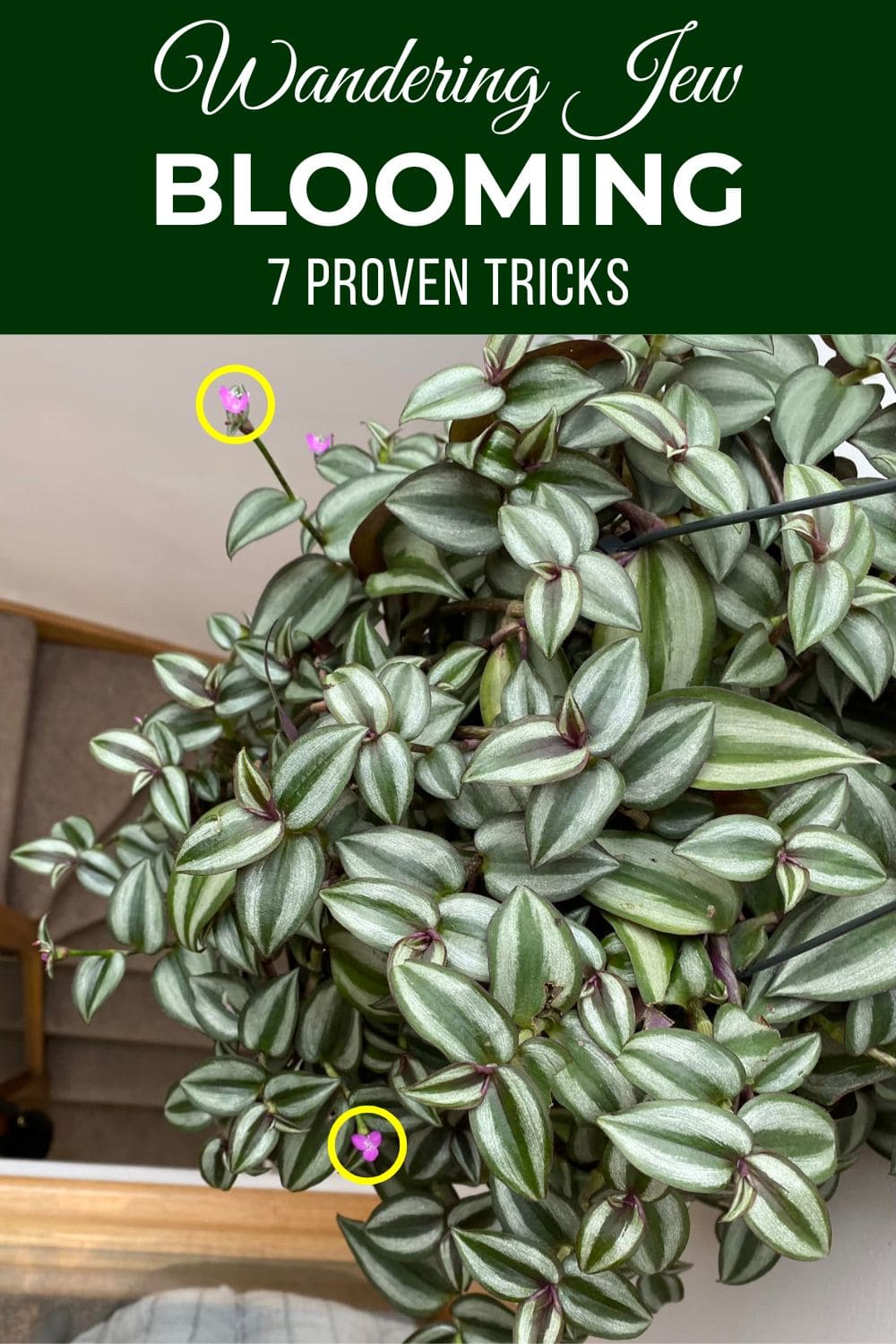
The wandering jew, or Tradescantia zebrina and its cousins, is a houseplant adored for its shimmering, jewel-toned leaves and trailing vines.
Most people grow it for foliage, but did you know this plant can also produce delicate blooms?
Tiny flowers in shades of purple, pink, or white sometimes appear when conditions are just right. They don’t last long, but when they do show up, it feels like a hidden bonus.
If you’ve been wondering how to coax your Wandering Jew into flowering, the secret lies in creating the right environment. Below are seven proven tricks that can increase your chances of seeing those elusive blooms.
1. Light Is the Bloom Trigger
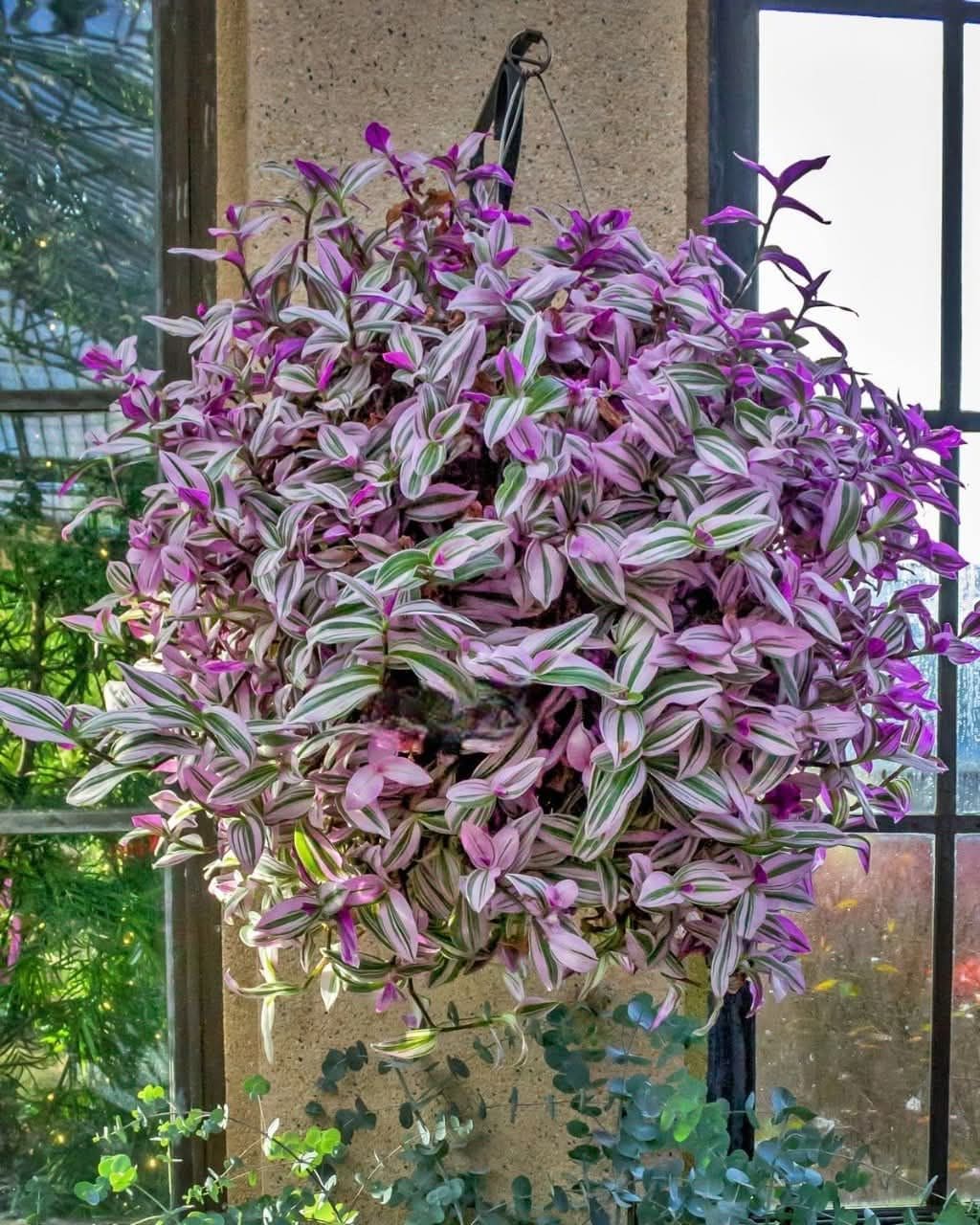
More than anything else, wandering jew needs bright, indirect light to bloom.
Without enough light, the plant invests its energy into leaves and vines, leaving flowers out of the picture. A dim corner will keep it alive, but you’ll never see blossoms there.
The best spot is a windowsill with filtered sunlight and east-facing windows are ideal. If you only have weak natural light, don’t hesitate to use a grow light.
Aim for 10-12 hours of gentle, steady light each day. The more balanced the light exposure, the more likely you’ll see blooms.
2. Keep Temperatures Warm and Consistent
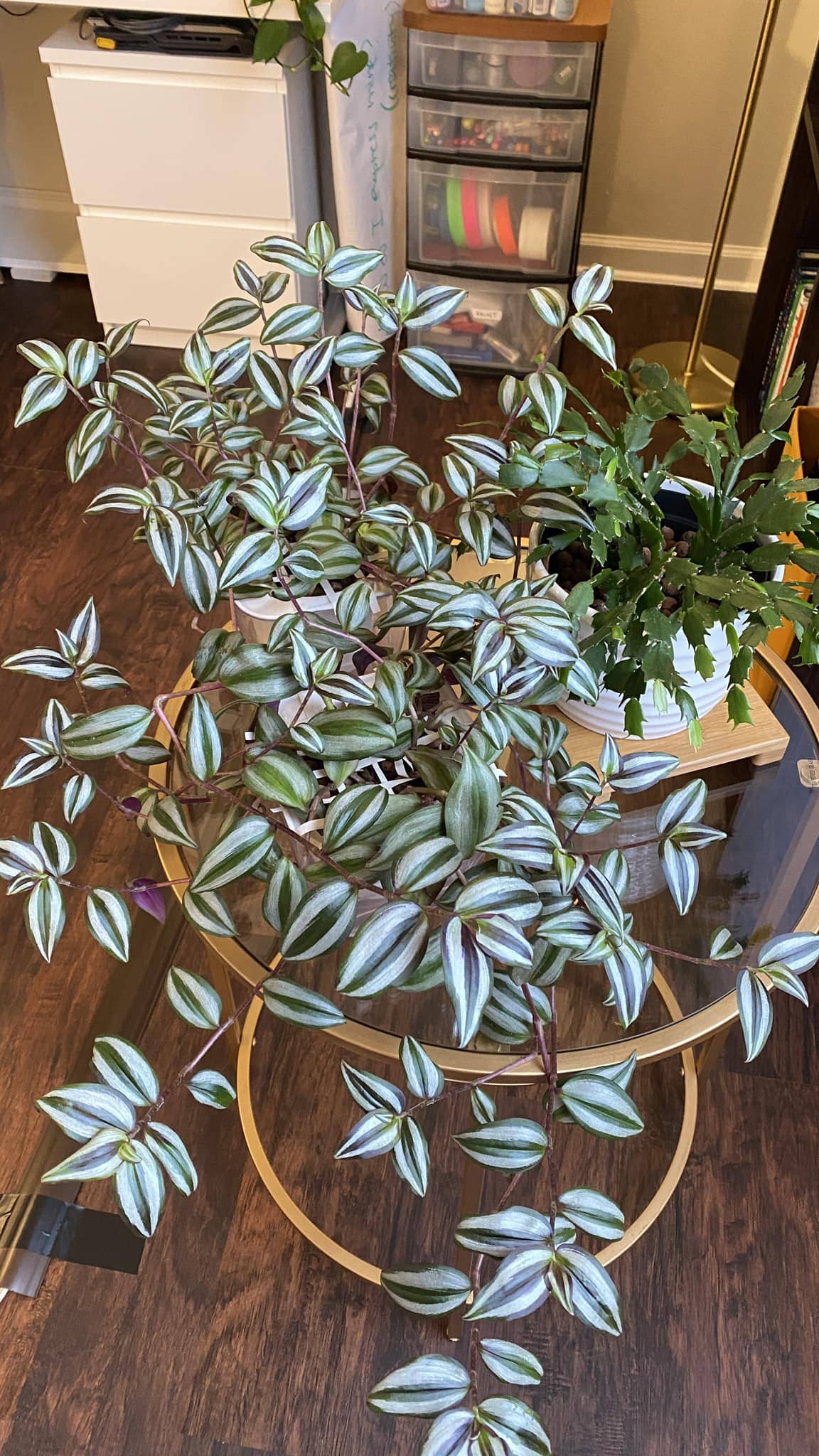
Tradescantia is a tropical native, and it responds best when temperatures mimic that environment. You aim to keep your room between 65-80°F (18-27°C).
Anything colder can stall flowering, while big temperature swings stress the plant and reduce its chances of blooming.
Drafty windows or air conditioning vents are the enemies here. Your plant will be happiest in a spot where warmth feels steady.
Pairing warmth with stable humidity also helps, it keeps foliage lush and encourages flowering energy.
3. Water Smarter, Not Harder
Here’s a little secret: a wandering jew is more likely to bloom if you slightly adjust your watering habits. Keeping soil constantly wet makes it focus on leaf growth.
Also, allowing the top inch of soil to dry out between waterings adds a touch of mild stress, which can trigger blooms.
Be careful, though. You don’t want the soil bone-dry to the point of wilting.
You need to water, let it nearly dry, then water again. This simple shift can signal to the plant that it’s time to reproduce and flowers are how it does that.
4. Fertilize With Flower Power in Mind
Most plant owners feed their Wandering Jew with general-purpose fertilizers that are heavy on nitrogen. That keeps the leaves vibrant, but too much nitrogen actually prevents flowers.
If you’re serious about blooms, switch to a balanced fertilizer or one higher in phosphorus, which directly supports flowering.
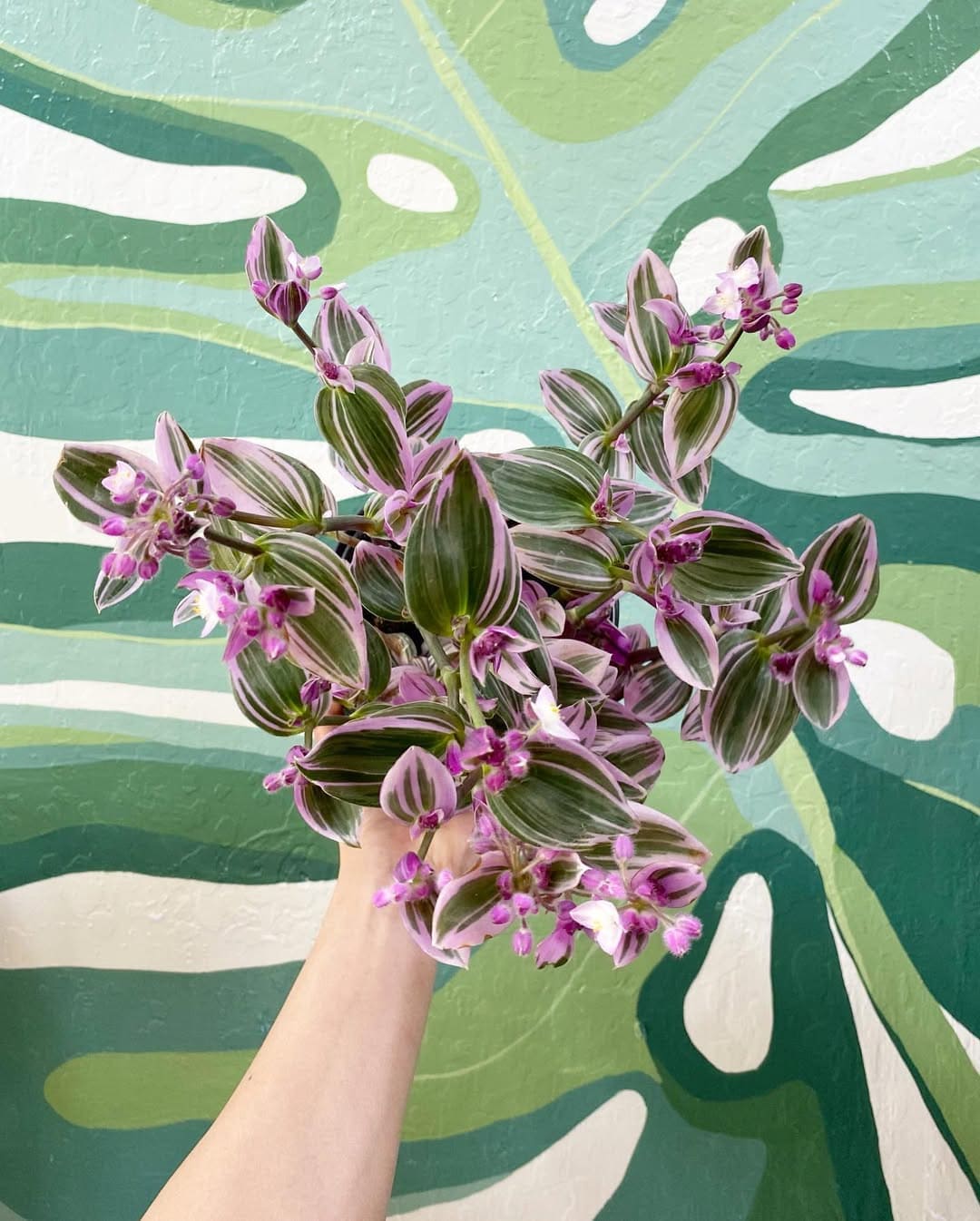
Look for a formula such as 10-20-10. Then use it once a month during spring and summer, but dilute it to half strength.
Overfeeding can do more harm than good. Think of fertilizer as a gentle nudge, not a flood of nutrients.
5. Prune to Encourage Fresh Growth
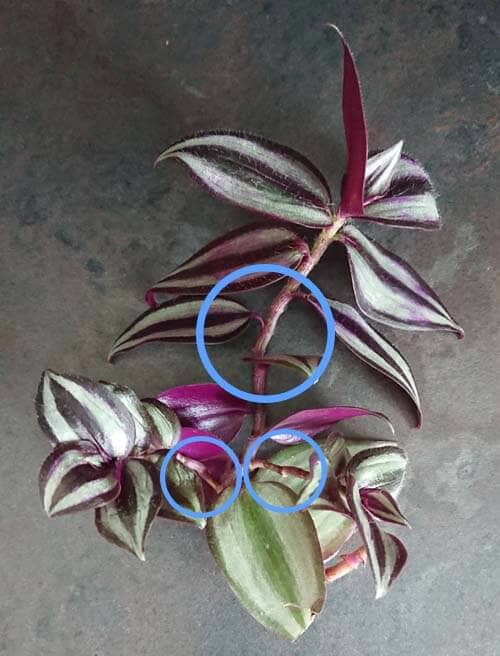
This plant is at its best when you prune it regularly. Trimming encourages branching and prevents vines from becoming leggy.
But here’s the bonus: Wandering jew flowers are more likely to appear on newer growth.
By snipping back long stems and pinching tips, you stimulate fresh shoots. Those shoots are the ones most capable of producing flowers.
Plus, pruning keeps the plant bushy, colorful, and overall healthier, an ideal setup for blooming.
6. Add Gentle Stress for Motivation
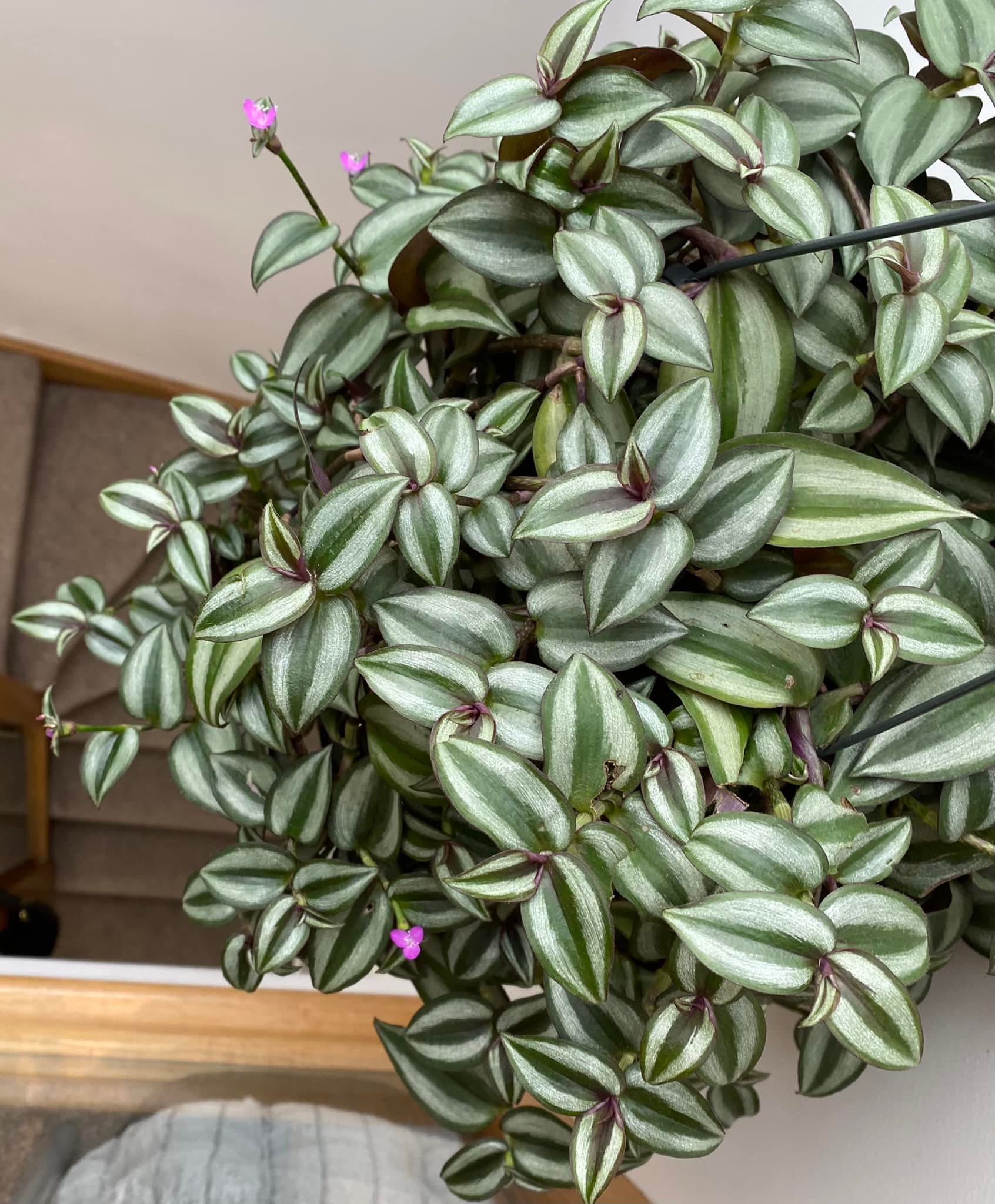
In nature, plants often flower when they sense conditions are shifting.
You can mimic this by introducing gentle stress: slightly reducing water, letting the plant stay a little root-bound, or giving it brighter conditions than usual.
The idea isn’t to harm the plant, but to encourage it to focus on reproduction.
A snug pot, less frequent watering, or brighter light than it’s used to can push your wandering jew to put out flowers as part of its survival strategy.
7. Manage Expectations and Be Patient
Even with perfect care, not all Wandering Jew plants bloom indoors.
Some varieties are naturally more generous with flowers, while others rarely bloom outside their native habitat. And when they do appear, the flowers are small and fleeting.
You can think of blooms as the cherry on top rather than the main attraction.
If your plant is vibrant, full, and healthy, you’re already winning. Flowers will come as a bonus surprise when conditions align.
Final Thoughts
Seeing a wandering jew bloom indoors is rare, but it’s far from impossible.
With enough light, warmth, thoughtful watering, the right fertilizer, and regular pruning, you can give your plant the best shot at producing its delicate blossoms.
Instead, focus on creating a thriving environment. When flowers do appear, you’ll know you’ve mastered the art of caring for this stunning plant.