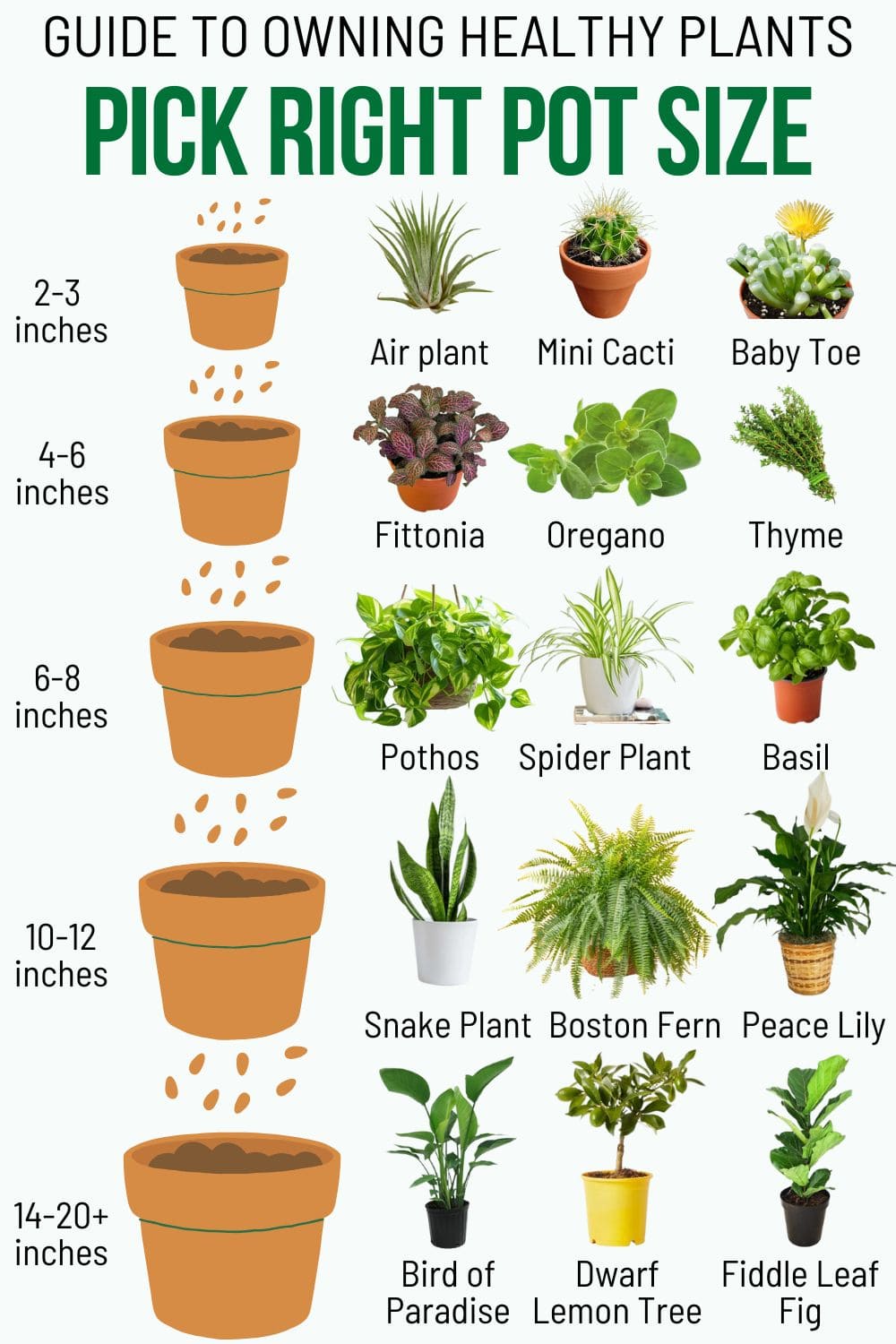
Choosing the right pot size might not seem like a big deal at first glance, but it’s one of the most important decisions you’ll make for your plants.
Think of pots like shoes, if they’re too tight, your roots are cramped and growth slows down. If they’re too loose, you’ll be dealing with too much soil and soggy roots.
When you get the pot size right, your plant thrives, looking fuller, healthier, and more vibrant. This guide will walk you through what works best in every container size so you’ll always know where to start.
Why Pot Size Matters
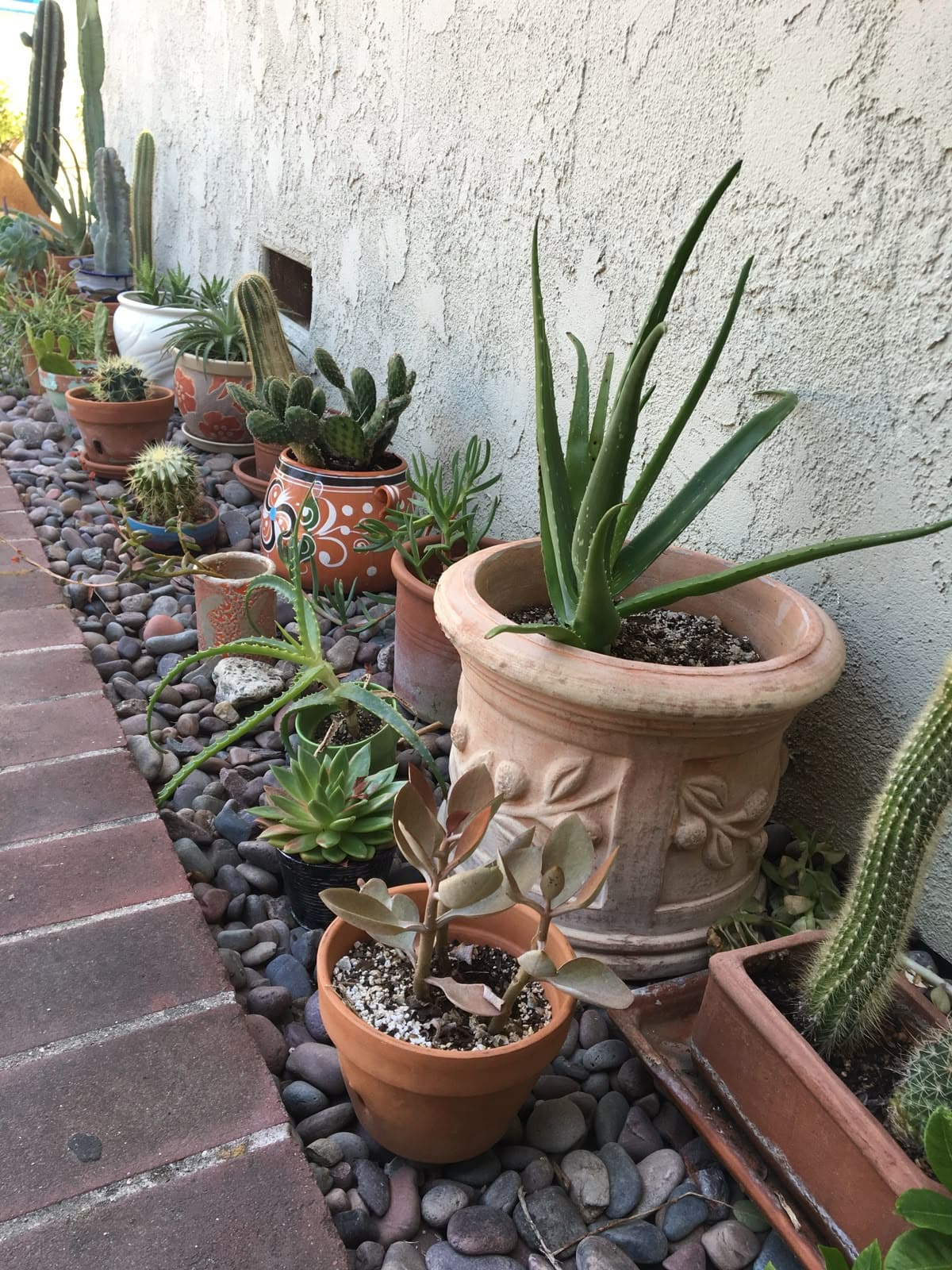
A pot is the entire environment your plant’s roots call home. The wrong size can easily throw off the balance between soil, water, and air.
A pot that’s too big retains water for too long, which suffocates the roots and can cause root rot. A too-small pot, on the other hand, restricts roots, making your plant stressed and dehydrated.
Picking the right size helps your plant grow steadily, stay hydrated properly, and avoid unnecessary health issues.
It also makes your care routine simpler as watering and fertilizing fall into a natural rhythm instead of becoming a constant guessing game.
2-3 Inches: Tiny Pots for Tiny Plants
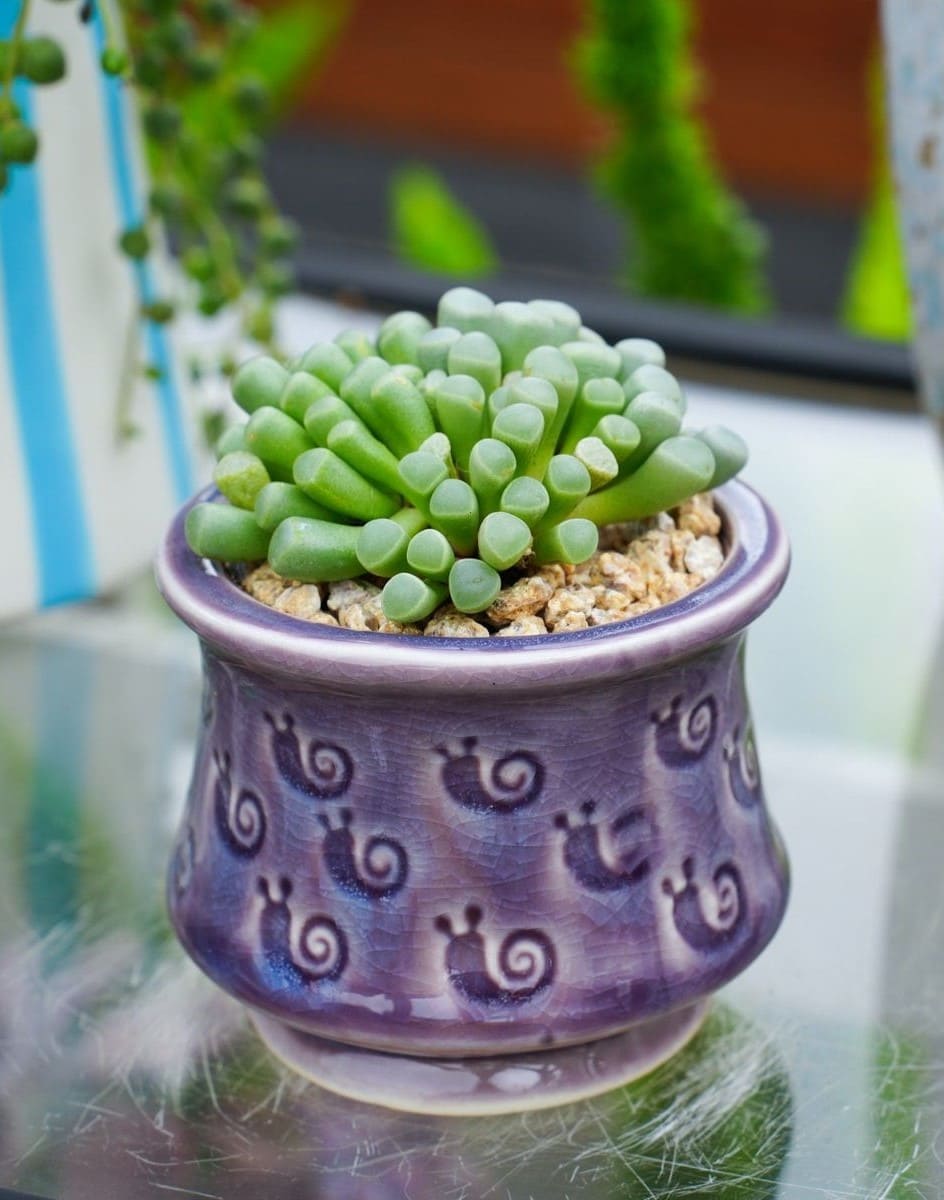
These are the smallest pots you’ll see, and they’re perfect for miniature plants with shallow roots. Air plants, Lithops, Baby Toes, and Mini Cacti thrive here.
These plants naturally stay small, so they don’t need much space for roots. Tiny pots dry out quickly, which is exactly what many of these little desert dwellers prefer.
You can display them on a sunny windowsill, group them together for a cute arrangement, or even use them as tabletop décor.
Just remember, because these pots dry out faster, you’ll need to check moisture levels a little more often.
4-6 Inches: Small Pots for Herbs and Compact Plants
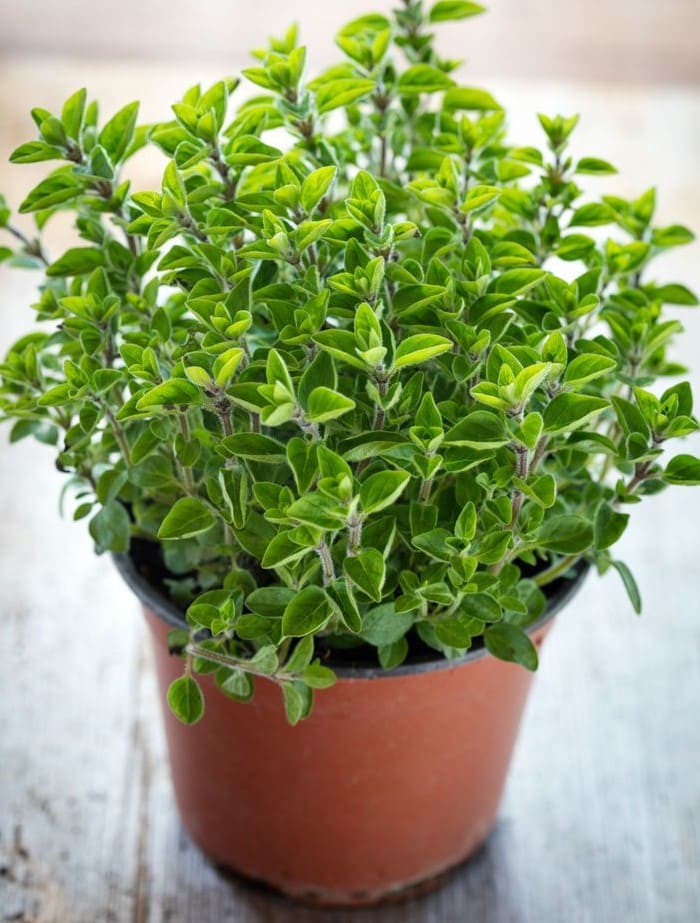
This pot size is ideal for compact plants that need a bit more soil than tiny pots can offer.
Herbs like oregano and thyme grow beautifully in 4-6 inch pots, making them perfect for your kitchen windowsill.
Smaller foliage plants like Fittonia and Sedum Burrito also thrive in this size because their roots stay comfortably snug without being overcrowded.
Small pots are lightweight, easy to move, and they give you flexibility, great if you like to rearrange your plants often. Plus, these are perfect for anyone short on space.
6-8 Inches: Medium Pots for Everyday Houseplants
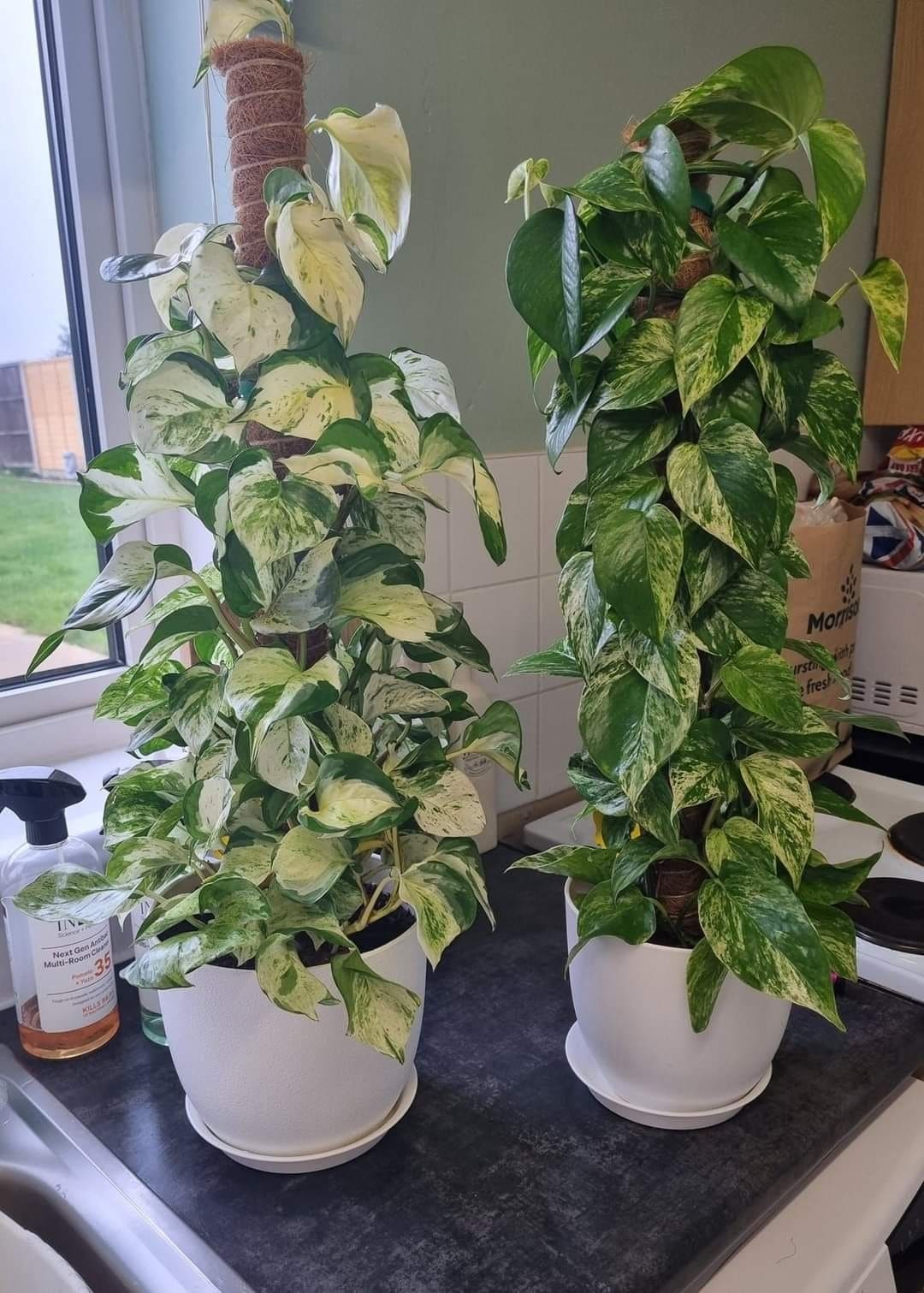
This size is the sweet spot for many common houseplants. Pothos, Spider Plants, Basil, and Calathea Orbifolia all do well in 6-8 inch pots.
These containers are large enough to support a growing root system, but not so large that you risk water sitting around too long.
Medium pots also give plants room to grow fuller and lusher, making them perfect for shelves, countertops, and tabletops.
If you’re new to plant care, this is often the safest size to start with, as it balances convenience with healthy growth.
10-12 Inches: Large Pots for Stronger Roots
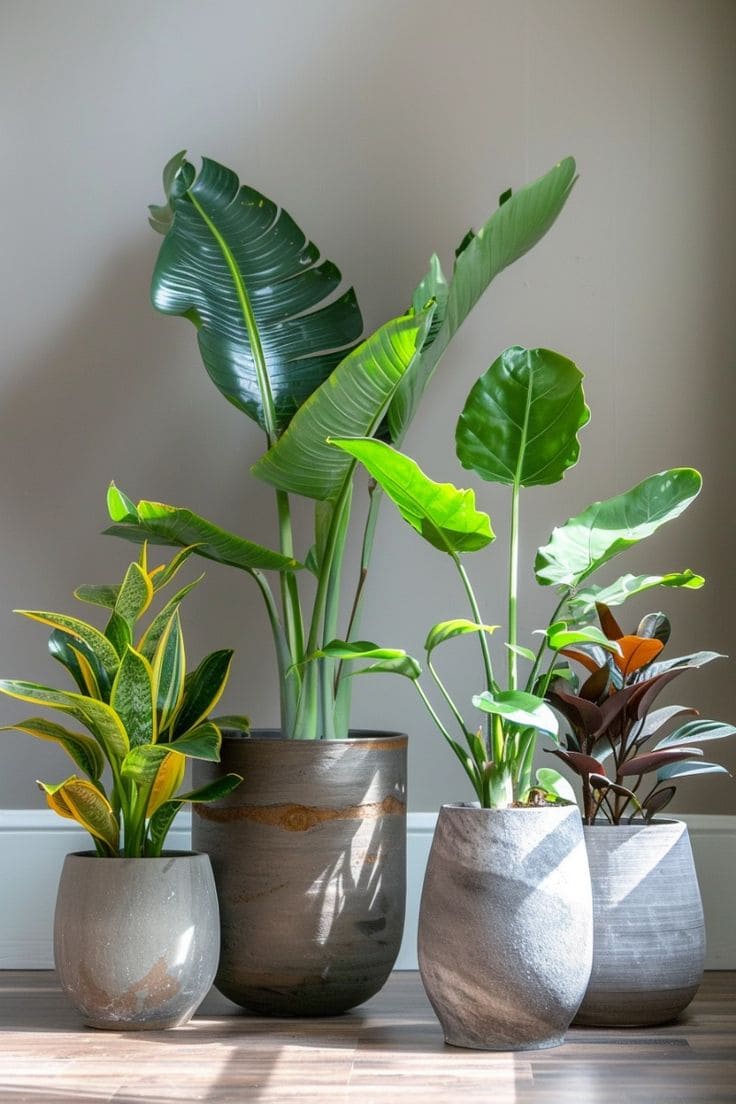
When your plants outgrow their medium homes, it’s time to upgrade. Large pots provide enough depth for roots to stretch, which is essential for bigger houseplants.
Snake Plants, Boston Ferns, Peace Lilies, and ZZ Plants thrive in this range. These plants are often used as statement pieces in living rooms or entryways, filling corners and adding lush greenery to spaces that need life.
Keep in mind that larger pots hold more water, so you’ll need to adjust your watering habits.
Bonus, too much moisture can still harm even the hardiest plant if you’re not paying attention.
14-20+ Inches: Extra-Large Pots for Statement Plants
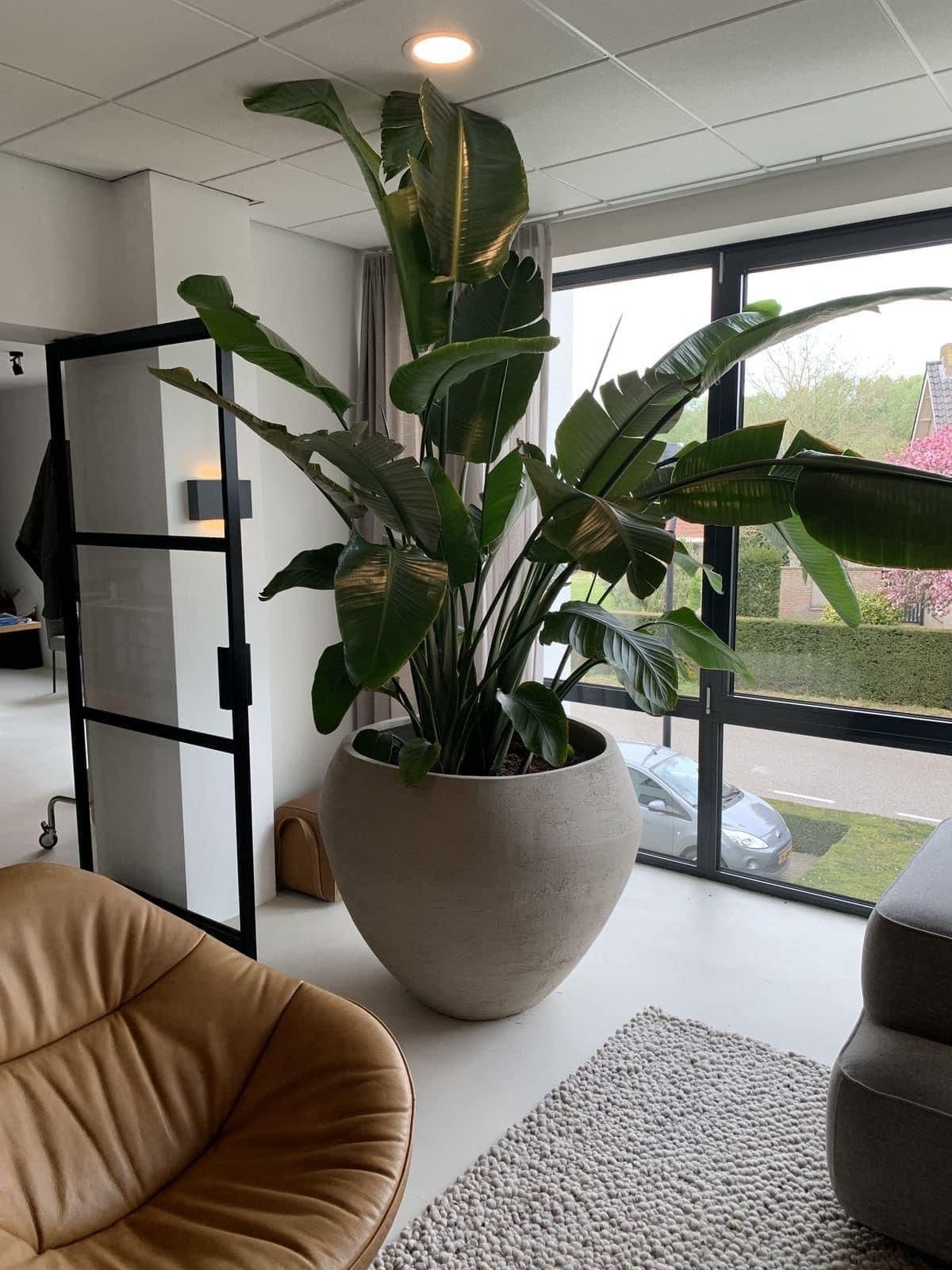
These are the giants of the plant world. Extra-large pots are best reserved for plants that will truly make a statement.
Bird of Paradise, Rubber Plants, Dwarf Lemon Trees, and the ever-popular Fiddle Leaf Fig are perfect candidates. These pots provide the stability and soil depth needed for plants to grow tall and strong.
Because of their size, these pots are heavy once filled with soil, so choose their location carefully, you won’t want to move them often.
Place them in open areas where they can breathe and serve as natural focal points.
Repotting Tips
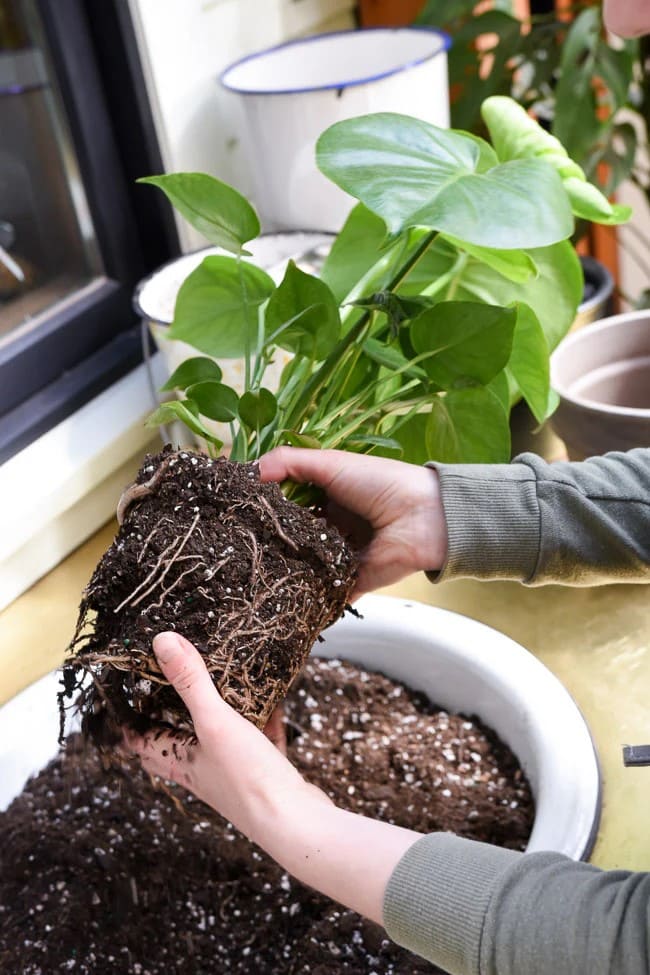
Repotting is a natural part of plant care, but it’s not something you should do too often. A good rule of thumb is to go up just one pot size at a time.
For example, if your plant is in a 6-inch pot, move it to an 8-inch pot, not straight to a 14-inch one. Gradual upsizing allows roots to adjust without being overwhelmed by excess soil.
Look for signs that it’s time to repot: roots poking out of the drainage holes, the plant drying out too quickly after watering, or slowed growth despite good care.
When you repot, use fresh soil to give your plant a nutrient boost, and always make sure there’s proper drainage.