
Gardening in humid zones can feel tricky, but the truth is, some plants absolutely thrive in these conditions. Instead of fighting soggy soil and heavy air, you can fill those damp corners with species that naturally love the moisture.
These plants not only handle humidity with ease but also bring striking foliage, vibrant blooms, and valuable habitats for pollinators.
The best part? Many of them are low-maintenance, hardy, and adaptable. They’ll grow happily in spots where other plants fail, turning overlooked areas into lush, living beauty.
If you’ve been struggling with waterlogged soil or sticky summer weather, here are the top choices that will flourish right in your garden.
#1 Butterfly Weed
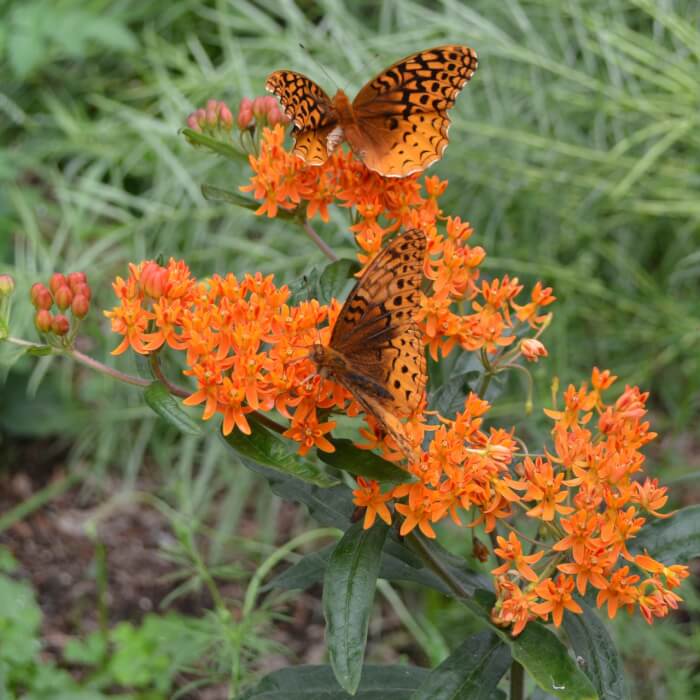
Butterfly Weed is a cheerful addition with bright orange flowers that butterflies can’t resist. It thrives in zones 3–9 and tolerates damp conditions without trouble.
Once established, this perennial grows with little fuss and fills your garden with color during summer. You can plant it along borders or near wet patches where drainage is poor.
Give it full sun for the best flowering, and enjoy the parade of monarchs and bees that come to visit.
#2 Iris
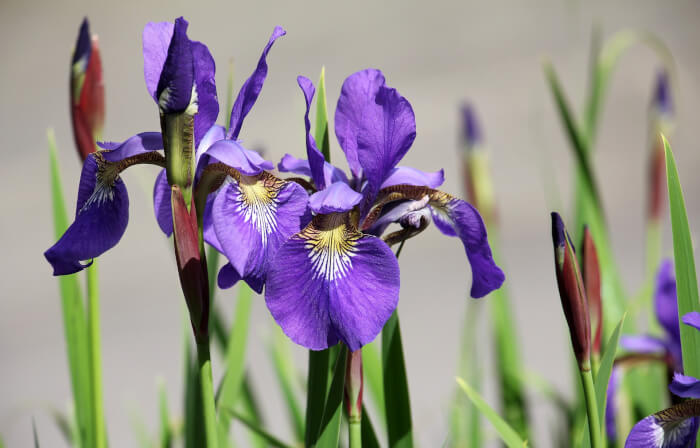
Irises bring drama to humid gardens with their tall stalks and vibrant blooms in purple, yellow, blue, or white. These perennials thrive in zones 3–9 and even handle standing water.
Once planted, they multiply quickly, giving you a larger display each year. Place them in full sun to part shade, and keep the soil consistently moist. A clump of irises by a pond or low spot adds elegance and helps stabilize the soil.
#3 Elephant’s Ear
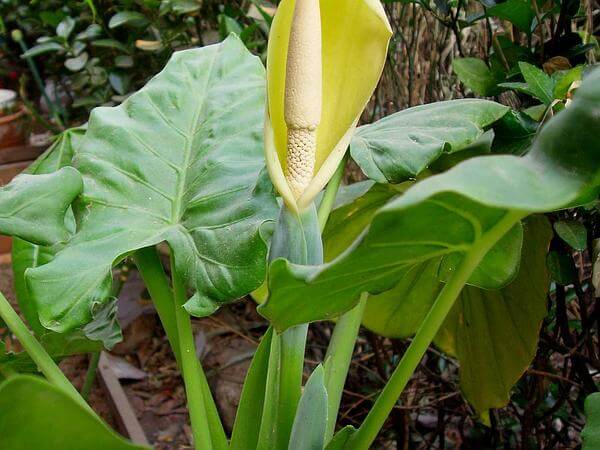
Elephant’s Ear is known for its huge, heart-shaped leaves that instantly create a tropical vibe. In zones 10–11, they grow outdoors year-round, but in cooler regions, you can pot them and overwinter indoors.
They prefer consistently moist soil and partial shade, though they’ll tolerate full sun with enough water. Their towering leaves can reach six feet, making them a striking background plant for shady, damp corners of your garden.
#4 Pickerelweed
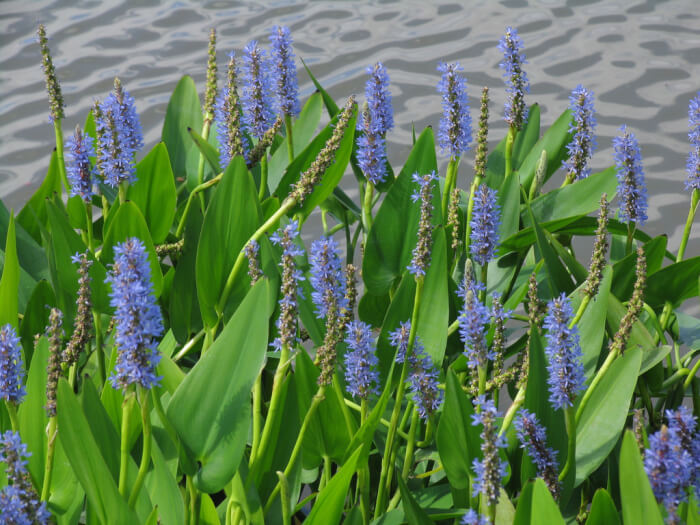
Pickerelweed is perfect for humid zones with water features. Growing in zones 3–10, it thrives in standing water at the edge of ponds or in boggy beds.
Its spiky clusters of violet-blue flowers bloom from early summer through fall, attracting bees and butterflies. Plant the roots just below the water surface, and they’ll spread naturally to create a lush, colorful edge.
This plant doubles as a habitat for frogs and dragonflies, making your garden more alive.
#5 Lily of the Valley
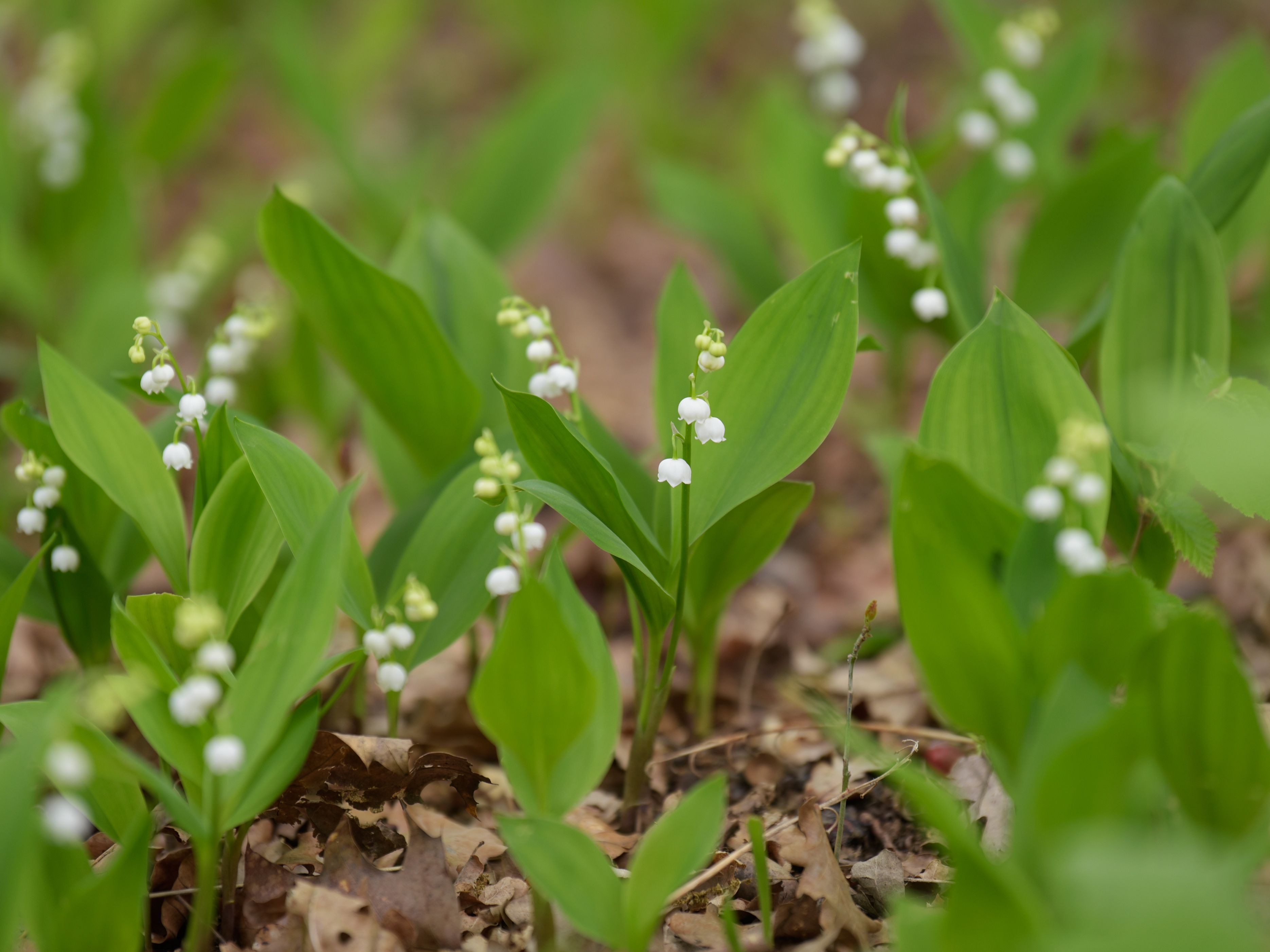 Lily of the Valley is prized for its sweetly fragrant, bell-shaped flowers that appear in spring. Best suited for zones 2–9, it loves moist soil and partial shade.
This hardy perennial spreads quickly to form dense ground cover, so it’s perfect for filling damp, shaded corners. Keep in mind it can become invasive in some areas, so plant it where it has space to spread.
With its delicate look and enchanting scent, it’s a classic for cottage-style gardens.
#6 Painted Fern
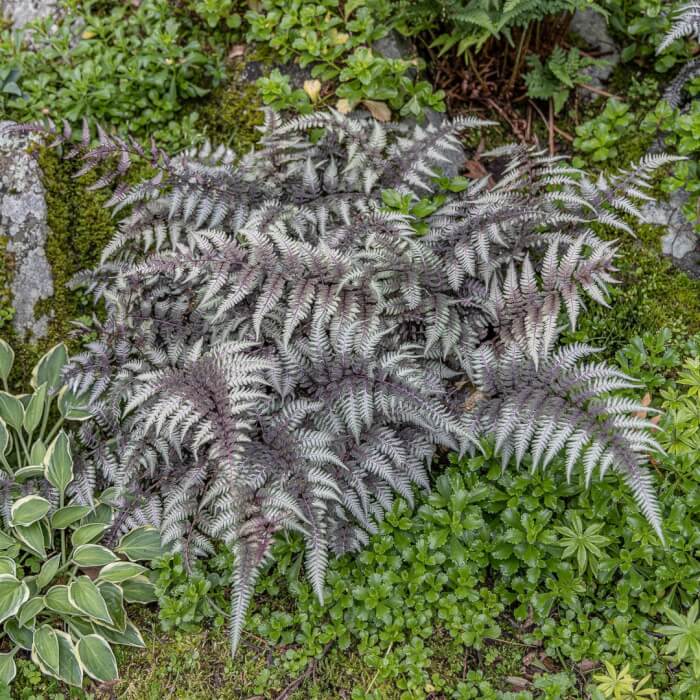
Painted Fern adds a soft, artistic touch to humid gardens. Native to Japan and hardy in zones 4–9, it features silver-gray fronds brushed with hints of burgundy and green.
This fern thrives in consistently moist soil and dappled shade, making it ideal for woodland-style plantings. Pair it with hostas or astilbes for a layered, lush effect.
It’s low-maintenance, deer-resistant, and a perfect choice for bringing texture to shady, damp areas.
#7 Amethyst Pearl Phlox
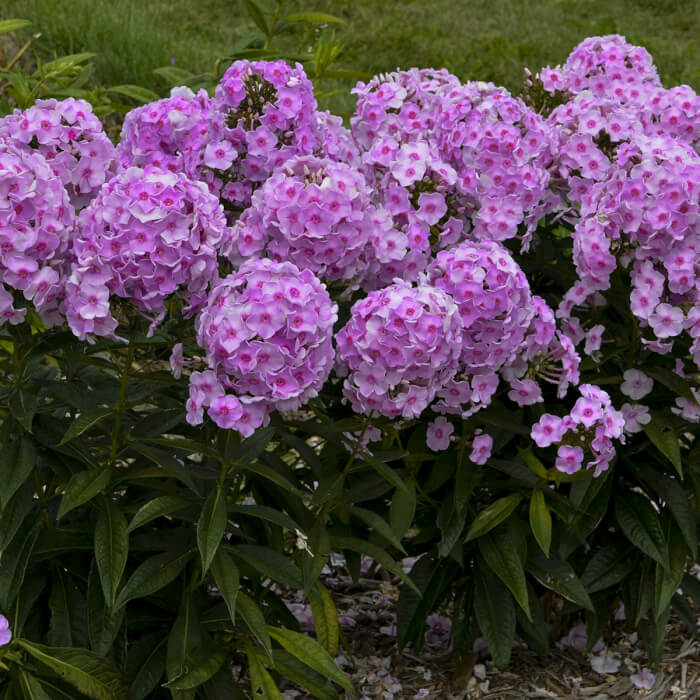
Amethyst Pearl Phlox offers clouds of delicate lavender blooms that attract butterflies and hummingbirds. This perennial grows best in zones 3–8 and tolerates the humidity beautifully.
Plant it in full sun to part shade, and make sure the soil stays moist but not soggy. It’s a great choice for pollinator gardens or mass plantings, where its flowers create a carpet of color.
A little deadheading encourages even more blooms through summer.
#8 Ostrich Fern
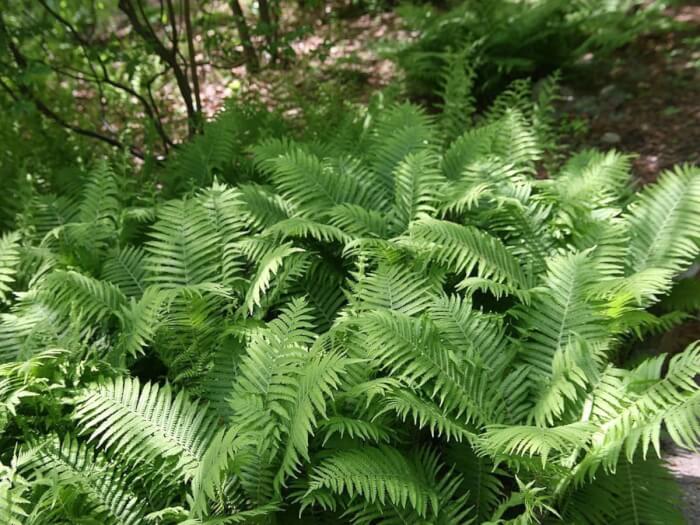
Ostrich Fern is a lush, dramatic fern that flourishes in humid zones. Growing in zones 3–9, it produces tall, feathery fronds that resemble ostrich plumes. It spreads by rhizomes, making it perfect for naturalizing shaded, damp areas.
This fern prefers full to partial shade and consistently moist soil. Plant it under trees or along streams, and it will create a rich green backdrop for flowering plants. Its fiddleheads are even edible in spring, a bonus for adventurous gardeners.
#9 Blue Camassia
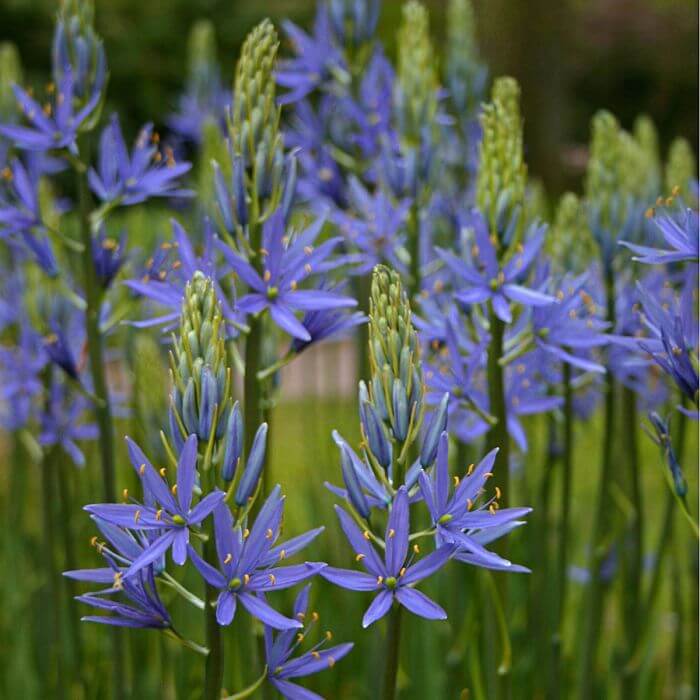
Blue Camassia is a stunning bulb plant that thrives in moist soil. Hardy in zones 3–9, it produces starry blue flowers on tall spikes in late spring. The foliage remains attractive after bloom, adding texture to wet areas of your garden.
Camassia tolerates partial shade but performs best in full sun. Since deer and rabbits usually avoid it, this plant is a reliable choice for wildlife-friendly yet low-maintenance landscapes.
#10 Bugbane
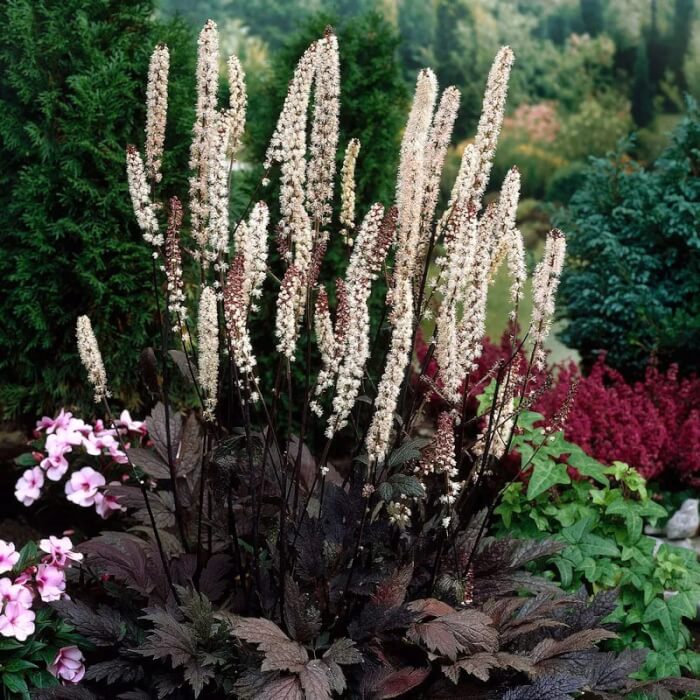
Bugbane, also called black cohosh, stands out with tall spires of white flowers that perfume the air. It thrives in zones 3–9, preferring moist, slightly acidic soil.
This perennial does well in partial shade and adds height to garden beds, reaching up to 6 feet tall. Beyond beauty, it’s also known for repelling certain insects.
Plant Bugbane near shaded patios or seating areas, and you’ll enjoy both its graceful blooms and its natural mosquito-repelling qualities.
Tips for Maintaining a Humid-Zone Garden
Growing plants in humid conditions may sound effortless, but the extra moisture can sometimes invite problems like fungal disease, root rot, and aggressive weeds. The good news is that with a few smart practices, you can turn damp soil into a thriving garden space.
-
Mulch Wisely: Use shredded bark, straw, or pine needles around plants to regulate soil temperature and lock in moisture without creating soggy conditions. Avoid heavy mulches that compact easily.
-
Choose Companions: Pair humidity-loving plants like ferns and irises with shrubs or perennials that tolerate the same environment. This prevents weak growth and competition for nutrients.
-
Improve Drainage: If your soil holds too much water, consider raised beds or add compost and coarse sand to improve structure. Even water-loving plants grow stronger when their roots can breathe.
-
Keep Airflow in Mind: Space plants properly to allow air circulation. Crowded plantings stay wet longer, making them vulnerable to fungal issues.
-
Watch for Pests and Disease: Humidity can encourage slugs, snails, and mildew. Handpick slugs, set beer traps, or use copper barriers, and treat fungal spots early with organic fungicides like neem oil.
By working with your climate instead of against it, you can transform damp corners into lush, vibrant spaces full of color and life. Once you find the right mix of plants, your humid-zone garden can quickly become the most striking part of your landscape.