
The best edible trees for wildlife not only fill your garden with natural beauty but also provide food and shelter for birds, bees, and other creatures.
These trees carry colorful berries and fruits that thrive through different seasons, ensuring your garden stays lively year-round.
By planting them, you create a habitat that helps wildlife flourish while adding structure and charm to your landscape. Many are easy to grow, require little maintenance, and thrive in a wide range of soils and climates.
A single tree can transform your backyard into a vibrant ecosystem buzzing with life.
#1 Spindle
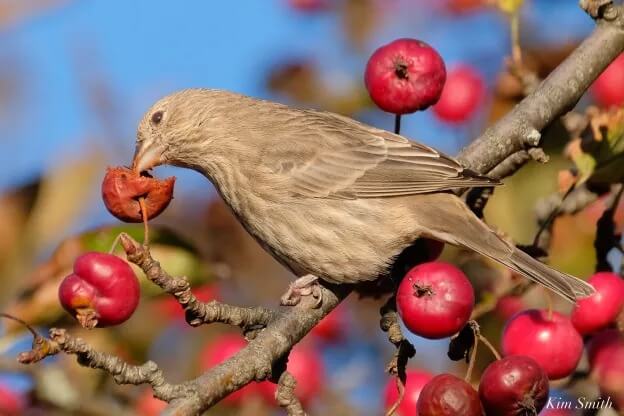
The spindle tree is a hardy choice that thrives in zones 5 to 9 with sun or partial shade. Its oval green leaves turn fiery crimson in autumn, creating a striking seasonal display.
In late spring, delicate star-shaped flowers appear before giving way to crimson-pink fruit that splits to reveal bright orange seeds. Robins and other birds flock to the berries, making it a lively addition to any garden.
It grows happily in well-drained soil and adapts easily to most garden conditions. If you want a tree that balances ornamental beauty with wildlife value, the spindle is a smart pick.
#2 Cotoneaster
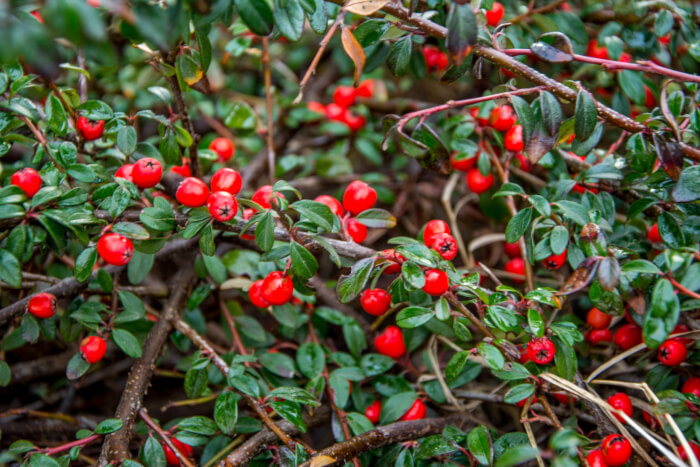
Cotoneaster is a low-maintenance shrub or small tree that produces dense clusters of white flowers in spring. By late summer, these transform into red, orange, or yellow berries that last into winter.
The glossy green leaves and arching branches create a graceful structure for borders and hedges. Birds adore its berries, especially in colder months when food is scarce.
Plant cotoneaster in full sun and well-drained soil for best results. Once established, it needs little care and provides a reliable food source for your feathered visitors.
#3 Juniper
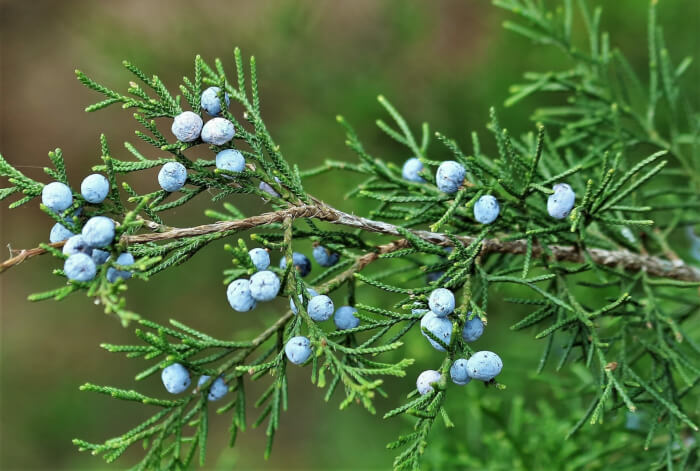
Juniper is a tough evergreen that produces small blue-black berries enjoyed by many songbirds. Its dense branches offer excellent cover from wind and predators, making it both food and shelter in one.
This plant grows best in slightly acidic, nutrient-rich soil with good drainage. Place it in a sunny location for vigorous growth and heavier berry production.
Juniper is also drought-tolerant once established, making it easy to maintain. By planting juniper, you create a safe and nourishing haven for wildlife year after year.
#4 Hawthorn
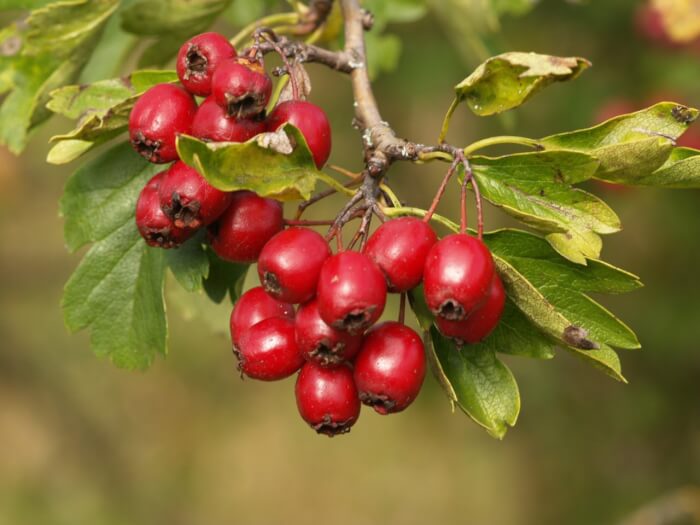
Hawthorn is a classic wildlife tree that produces clusters of white blossoms in spring, followed by abundant red berries in autumn. Starlings, finches, and thrushes feast on its fruit, while pollinators flock to its fragrant flowers.
The thorny branches also offer nesting protection for small birds. Hawthorn tolerates a wide range of soils and can be grown in sun or partial shade.
It requires very little attention once rooted, making it a reliable and resilient addition to the garden. This tree adds seasonal color while keeping wildlife well-fed.
#5 Winterberry
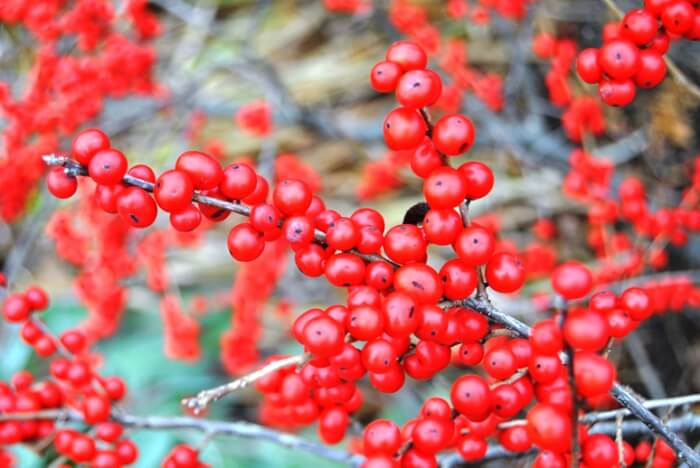
Winterberry lights up gardens with clusters of bright red berries that last through the cold months. Birds rely on these fruits for food when other sources are scarce.
In summer, the plant produces delicate greenish-white flowers before shifting into its vibrant winter display. Winterberry thrives in wet soils, so it is perfect for rain gardens or low-lying areas.
It performs best with full sun or partial shade. By adding winterberry, you ensure your garden remains colorful and wildlife-friendly even in the depths of winter.
#6 Wild Cherry
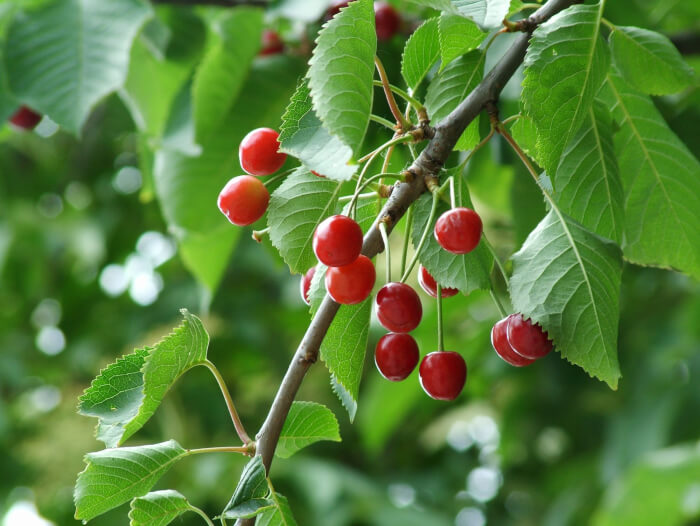
Wild cherry trees reward you with a spring show of white blossoms followed by clusters of small red cherries. These fruits are loved not only by birds but also by squirrels, mice, and other small animals.
The tree grows best in full sun and well-drained soil, though it tolerates most conditions. Regular watering during dry spells helps ensure good fruiting.
Beyond feeding wildlife, the cherries can also be used for homemade jams and preserves. A wild cherry adds both beauty and productivity to your garden.
#7 Elderberry
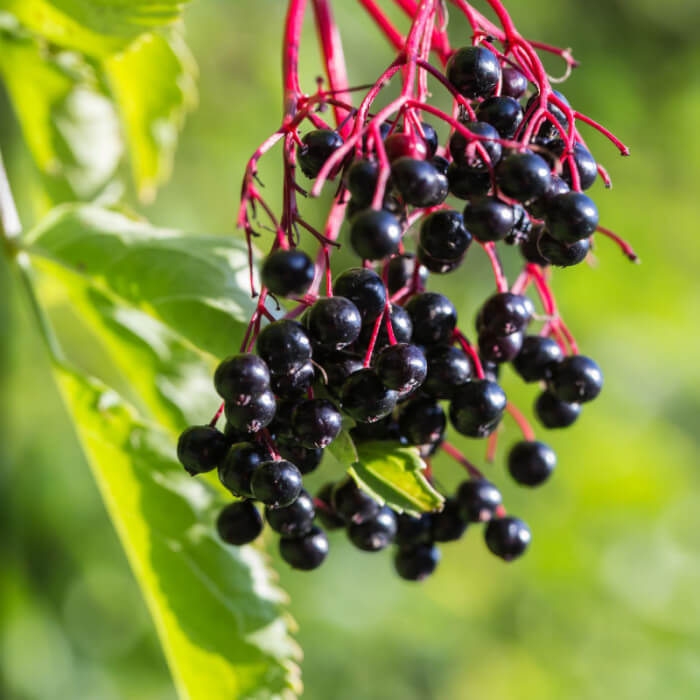
Elderberry is a versatile tree with clusters of creamy white flowers in early summer that attract pollinators. Later, these turn into rich purple berries that birds devour in autumn. It thrives in damp soil, making it ideal for wetter spots in the garden.
Elderberries can also be harvested for syrups, wines, and jams, offering benefits to both humans and wildlife. Regular pruning will keep the plant healthy and productive.
Plant elderberry for a tree that looks good, tastes good, and supports garden biodiversity.
#8 Holly
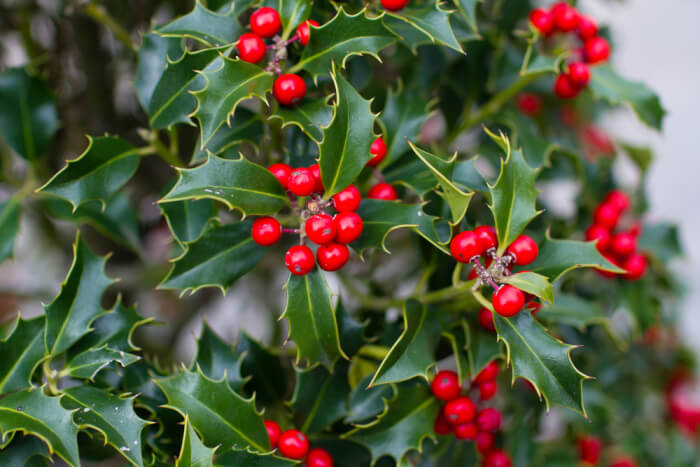
Holly is a traditional evergreen that produces glossy leaves and bright red berries loved by many bird species. The dense foliage doubles as a nesting site and provides shelter through the winter.
Holly grows well in sun or partial shade with moist, well-drained soil. For berries to appear, you’ll need both male and female plants nearby.
Trim lightly in early spring to maintain shape without disturbing fruit production. This tree combines year-round greenery with seasonal bursts of color, making it a garden classic.
#9 Rowan
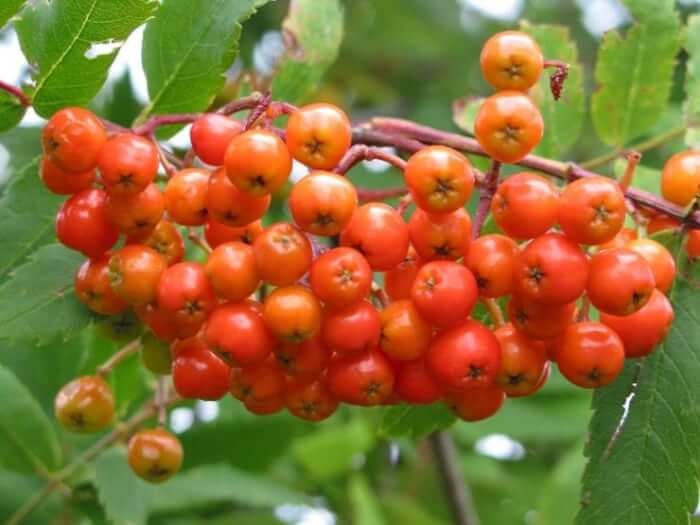
Rowan, also called mountain ash, is prized for its clusters of orange-red berries that brighten autumn gardens. Blackbirds, thrushes, and starlings rely on its fruit for nourishment.
It thrives in fertile, well-drained soil but struggles in clay or waterlogged areas. Rowans do best in open sunny spots but will tolerate some shade.
Their feathery leaves turn golden in fall, adding extra seasonal beauty. With minimal care, rowan provides both ornamental interest and vital food for wildlife.
#10 Crab Apple
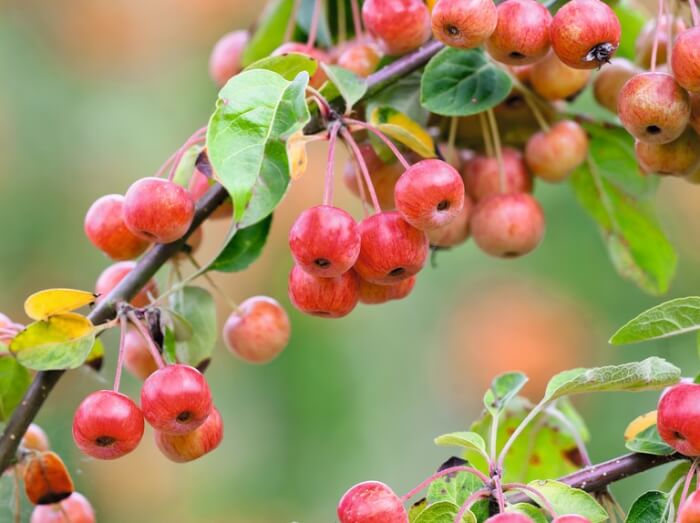
Crab apple trees are small but mighty, offering blossoms in spring and heavy fruit crops in autumn. The apples persist into winter, feeding birds long after other food sources have disappeared.
They grow best in full sun with fertile, well-drained soil. Many varieties are available, so you can choose one to suit your garden size and climate.
Regular pruning will keep the shape neat and improve flowering. Crab apples enrich your garden with blossoms, fragrance, and abundant wildlife activity.