
Got a soggy corner in your yard that just won’t dry out? Instead of fighting the moisture, why not lean into it with some beautiful flowering plants that actually love wet soil?
These bloomers don’t just survive in boggy conditions; they come alive with vibrant color, texture, and wildlife-attracting charm.
Some do best in full sun, while others prefer a bit of shade, but they all have one thing in common: they’re perfect for damp areas that most plants avoid.
With the right mix of sunlight and rich, moist soil, these flowers will light up your landscape and turn trouble spots into showstoppers. Scroll through to see which ones catch your eye. You might be surprised by how much beauty a bog can hold.
#1 Ligularia
 Source: Waltersgardens
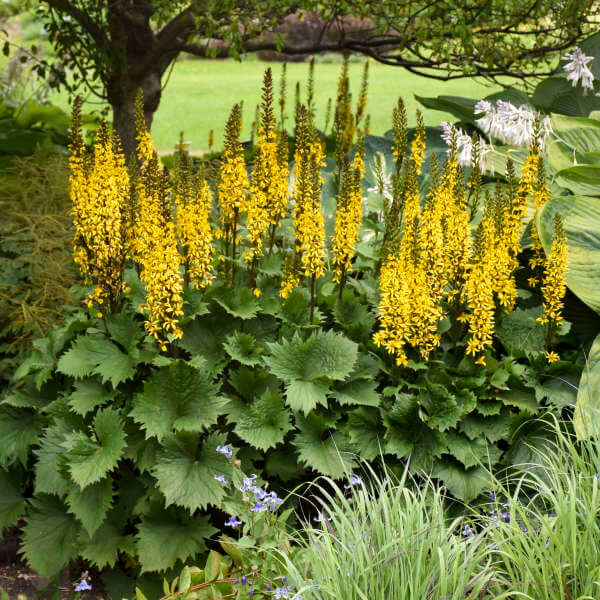
Ligularia adds bold drama to damp, shady spots with its large, glossy leaves and bright golden-orange blooms. The underside of its foliage often takes on a rich purple tone, giving it year-round interest.
It performs well in moist, well-draining soil that’s rich in organic matter and gets protection from harsh afternoon sun. You’ll notice its flower spikes reaching up in late summer, creating a striking contrast against the deep green leaves.
Try placing it near a shaded pond edge or along a north-facing fence. Keep the soil evenly moist to help the foliage stay full and lush.
#2 Monarda
 Source: Thespruce
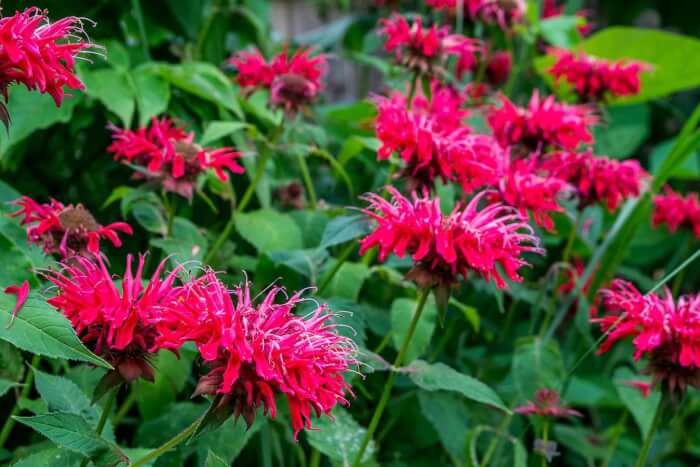
Monarda lights up late summer gardens with bright, nectar-rich flowers that attract bees, butterflies, and hummingbirds. Its aromatic leaves have a citrusy-mint scent and can even help repel mosquitoes when gently crushed.
This plant appreciates rich, moist soil and grows best where it gets morning sun and some afternoon shade. You might see birds feeding on its seeds well into fall.
Adding mulch around the base can help keep moisture consistent. Let it self-sow if you want more blooms year after year.
#3 Siberian Iris
 Source: Gardeningknowhow
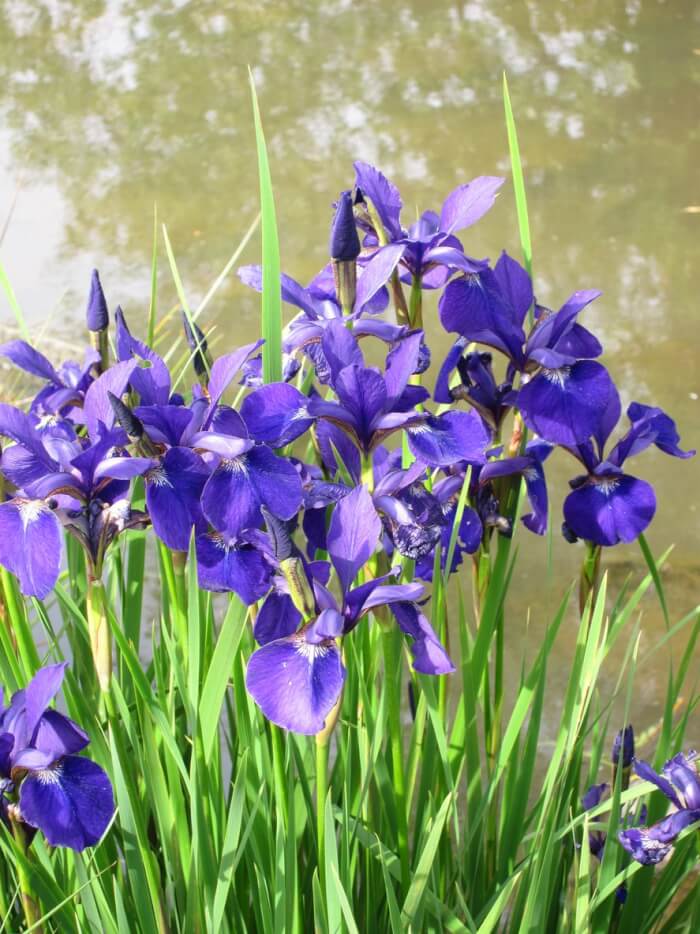
Siberian Iris is a low-maintenance beauty that brings elegance to bog gardens with its tall stems and delicate, butterfly-shaped flowers. It does well in moist, fertile soil and thrives in full sun to part shade.
The grass-like foliage stays attractive even when not in bloom, offering structure through the seasons. You’ll get the best results by planting it near a water feature or in consistently damp soil.
Once established, it spreads gently to form graceful clumps. Keep the soil lightly mulched to help lock in moisture.
#4 Goat’s Beard
 Source: Gardeningknowhow
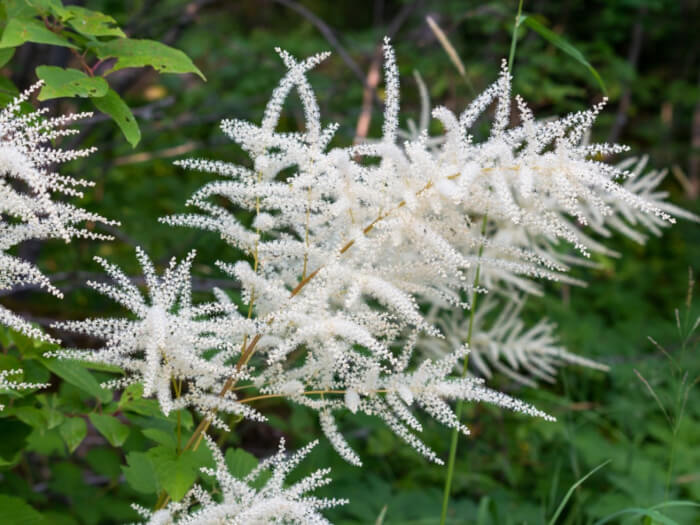
Goat’s Beard offers creamy, feathery blooms that rise above fern-like foliage, adding texture to shady, damp corners. It blooms early in the summer and prefers a bit of shelter from intense sun.
Rich, consistently moist soil helps this plant reach its full size, often growing into a bushy, eye-catching clump. It works well at the back of a border where it can stand tall without overpowering other plants.
This perennial stays put once planted, so choose a spot it can settle into. Water during dry spells to keep the foliage looking fresh.
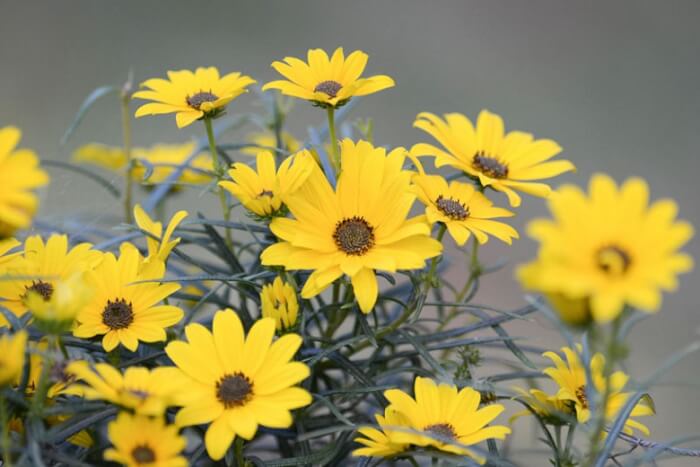
#5 Swamp Sunflower
 Source: Gardenia
Swamp Sunflower brings a cheerful glow with its golden-yellow flowers that appear in late summer and fall. It grows quickly and can stretch tall, especially in full sun with occasional shade.
Moist soil helps it bloom generously and supports its busy visitors, bees, butterflies, and even birds. You’ll find it brightening up rain gardens or low-lying areas that collect water.
It may need some staking in windy spots due to its height. Trim it back after blooming to encourage a fuller shape next season.
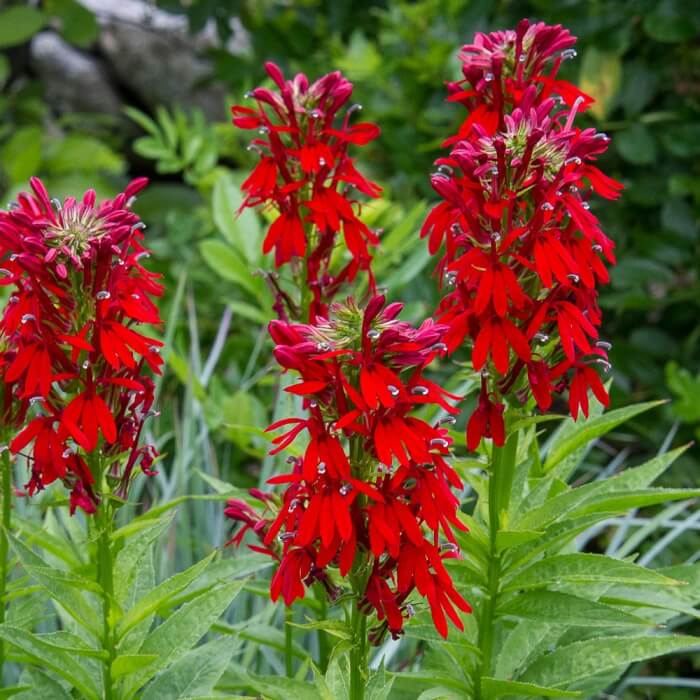
#6 Cardinal Flower
 Source: Whiteflowerfarm
Cardinal Flower stands out with its striking red spikes and lush green leaves, creating a bold accent in wet garden beds. Its vibrant blooms are rich in nectar and loved by hummingbirds.
It grows best in moist, fertile soil with plenty of organic matter and enjoys either full sun or partial shade. Adding a thick layer of mulch helps retain the moisture it craves.
You might notice it blooming late in the season, offering color just when many flowers fade. Give it a consistently damp spot, and it will reward you with showy vertical drama.
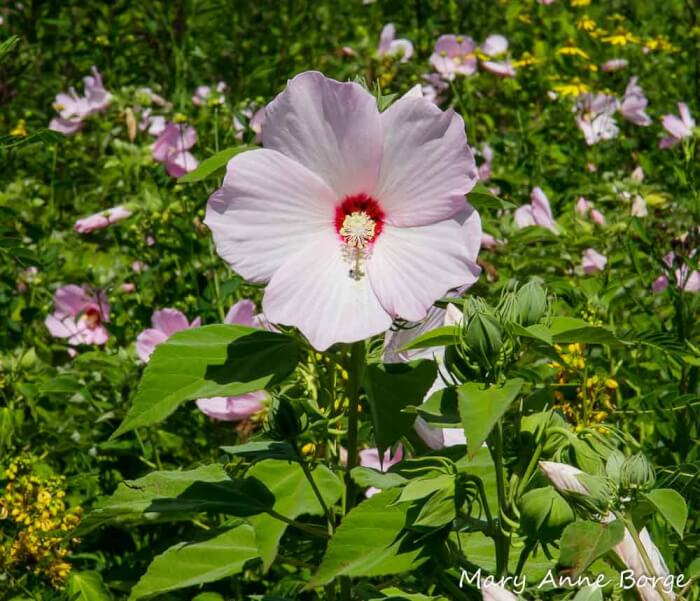
#7 Swamp Rose Mallow
 Source: Thenaturalweb
Swamp Rose Mallow brings a tropical touch to soggy gardens with its oversized blooms in pink, red, white, or lavender. A member of the hibiscus family, it thrives in rich, wet soil and handles full sun with ease.
The flowers can span several inches wide, and each one opens for just a day, though new blooms keep coming for weeks. It’s a magnet for butterflies and a fun way to liven up pond edges or marshy borders.
Water deeply during dry spells to support its rapid growth. You’ll see its full glory during the warmest months of summer.
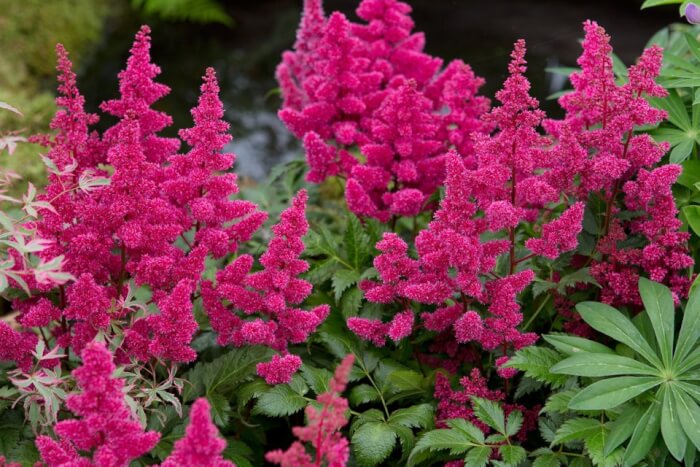
#8 Astilbe
 Source: Gardenersworld
Astilbe adds softness and texture to boggy or shaded spots with its feathery, plume-like flowers in shades of pink, red, white, and lavender. It thrives in damp, humus-rich soil and appreciates protection from hot afternoon sun.
The fern-like foliage stays attractive even after the blooms fade, keeping your garden looking full. You can group them in clusters for a lush, layered effect.
Regular watering helps them maintain strong color and prevents drying out. Add compost in spring to support healthy blooms.
#9 Turtlehead
 Source: Gardenia
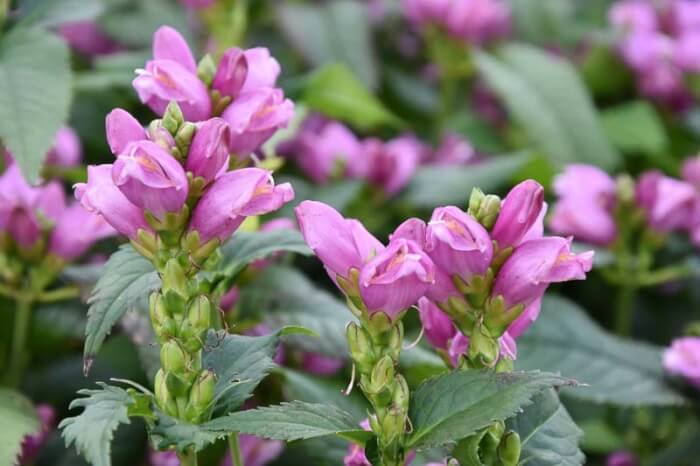
Turtlehead gets its name from the charming, turtle-shaped blooms that peek out in late summer and early fall. It’s a hardy, low-maintenance perennial that enjoys damp, loamy soil and part shade, though it can tolerate some sun.
The sturdy stems rarely flop, making it a neat addition to rain gardens and wet borders. Its white, pink, or purple flowers attract bees and butterflies with ease.
You might find it blends well alongside ferns and hostas. Water regularly, especially during dry weeks, to help it flourish.
#10 Mimulus
 Source: Gardenia
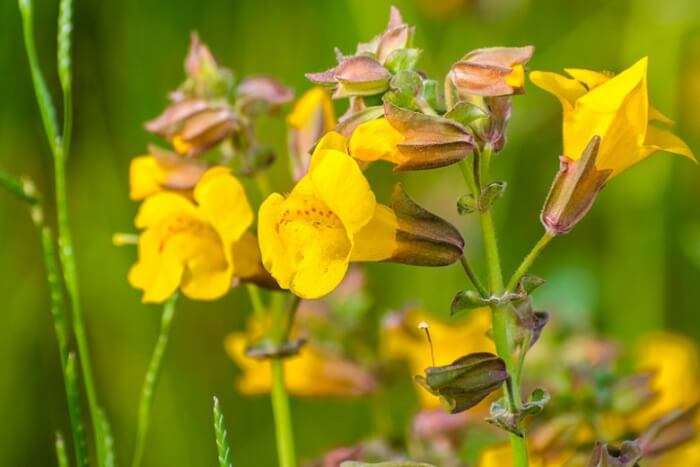
Mimulus brings playful charm with its spotted, orchid-like flowers that bloom in cheerful shades of red, orange, yellow, and lilac. It prefers moist, well-draining soil and a little afternoon shade, especially in hotter climates.
This flowering perennial is a great choice for the edges of ponds or streams. The plant enjoys cooler temperatures and will keep blooming if the soil stays consistently damp.
Its compact growth makes it ideal for small wet spots or container bog gardens. Add compost in early spring to fuel a longer bloom time.
#11 Primrose
 Source: Gardeningknowhow
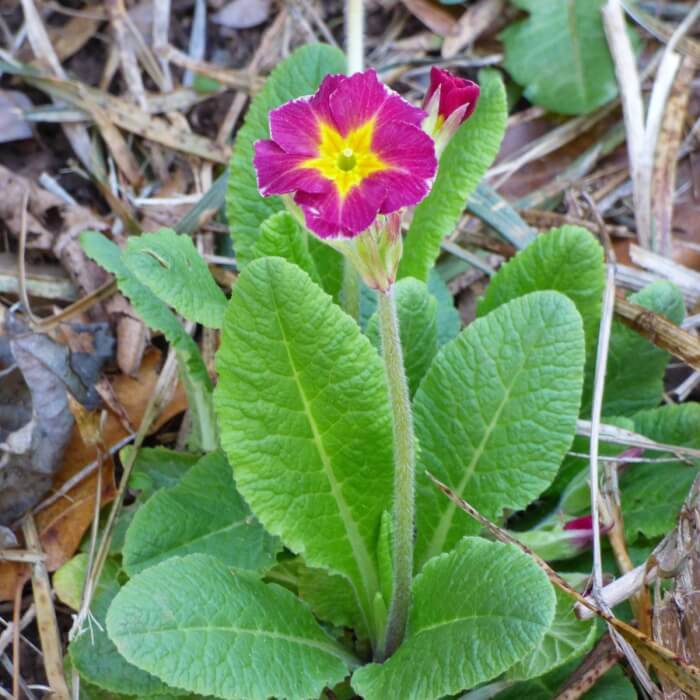
Primrose offers a soft, cottage-style charm with clusters of bright flowers in pink, yellow, red, and blue hues. It grows well in damp, rich soil and can brighten up shady, wet corners with very little fuss.
Its leaves form a low rosette, making it a perfect ground-hugging option around larger plants. Over time, it gently multiplies and spreads, creating a cheerful carpet of blooms each spring.
Keep the soil moist and consider adding a layer of mulch to help it thrive. A little shade during the heat of the day keeps the flowers fresher for longer.
#12 Lady’s Tresses
 Source: Firstnature
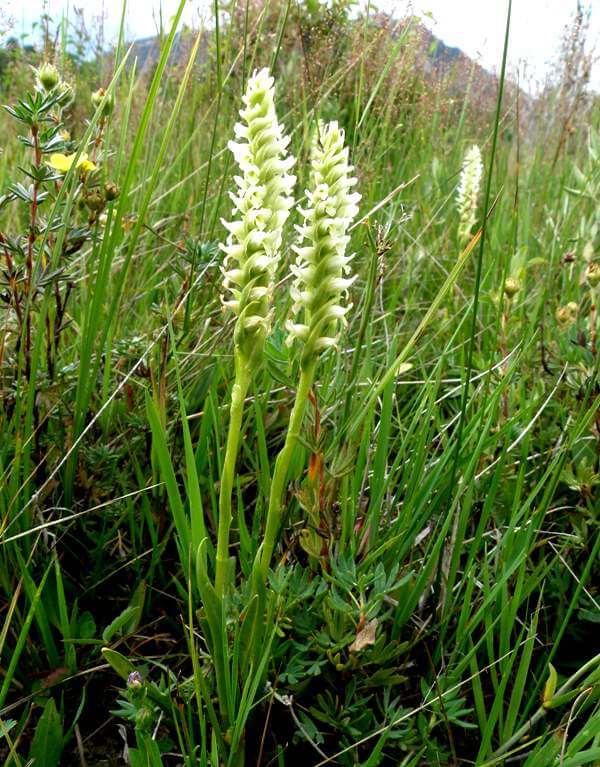
Lady’s Tresses brings elegance to bog gardens with its spiraled spikes of tiny white flowers that give off a delicate fragrance. It grows best in moist, slightly acidic soil and does well in partial shade.
Its upright form and tidy habit make it easy to tuck into small wet spaces. The blooms appear in late summer to fall and attract pollinators like bees and butterflies.
It’s an easygoing perennial that fits beautifully in naturalized or woodland-style gardens. Water regularly to keep the soil evenly damp throughout the growing season.