
The most invasive plant species spread aggressively, crowd out native plants, and cause long-term problems in your yard and garden. Many of them look harmless at first glance, even beautiful with vibrant flowers or lush foliage.
However, once established, they are extremely difficult to remove and can damage entire ecosystems.
Spotting these plants early and taking action is the best way to protect your landscape. Pulling young plants before they seed, avoiding them in garden centers, and choosing native alternatives can save you endless frustration.
Below, you’ll find 12 of the most invasive plants you should keep out of your garden to avoid headaches later on.
#1 Common Buckthorn
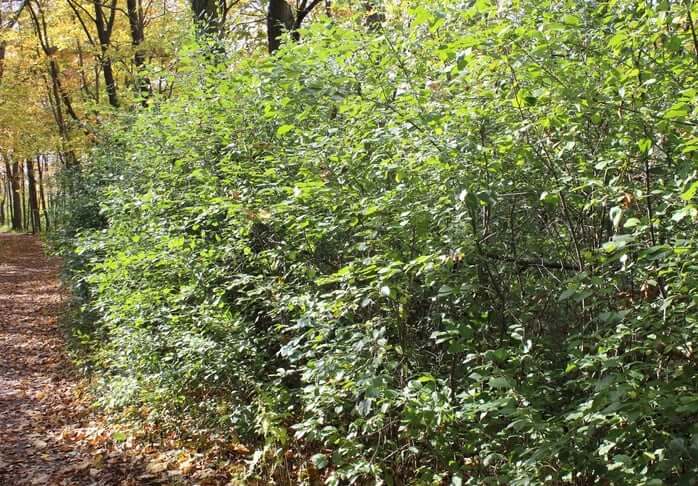
Common Buckthorn was introduced in the 19th century, but quickly turned into a serious invader. It grows fast, forming dense thickets that outcompete native plants.
Worse, it hosts pests and diseases that damage soil health and nearby vegetation. If you see seedlings, pull them out immediately before roots get established.
Larger shrubs may need cutting and treatment to prevent regrowth. Replacing it with native shrubs will keep your garden healthier.
#2 Purple Loosestrife
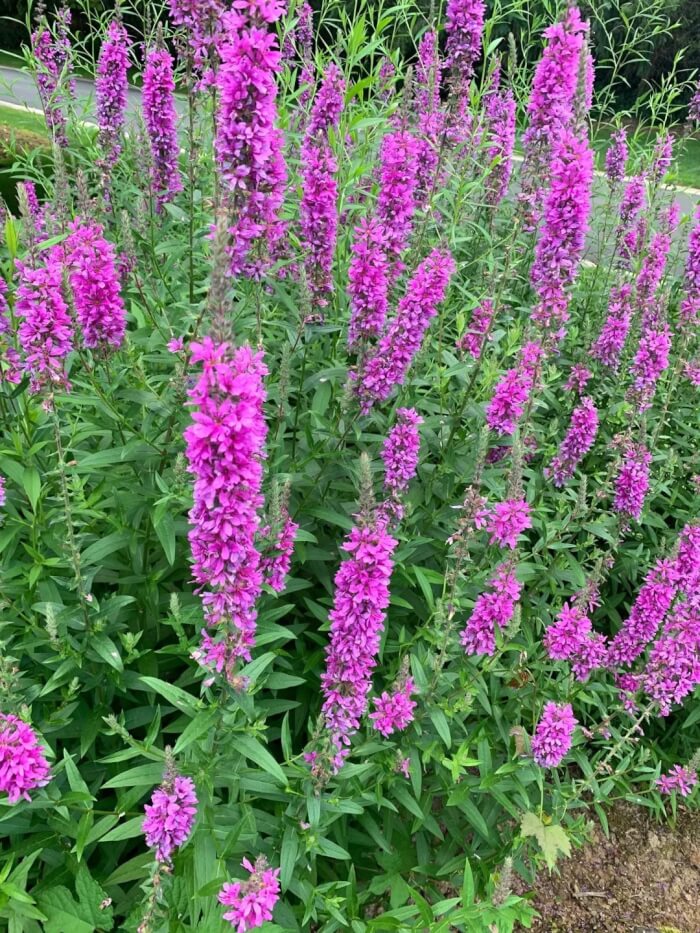
Purple Loosestrife looks charming with its tall spikes of purple flowers, but it wreaks havoc in wetlands. It spreads rapidly and destroys habitats for birds, fish, and insects.
Each plant can produce thousands of seeds that travel easily on the wind and water. If it shows up in your garden, remove it quickly by digging out the roots.
Always bag and dispose of flower heads to stop further spread. Choose native wildflowers instead for a safe splash of color.
#3 Japanese Knotweed
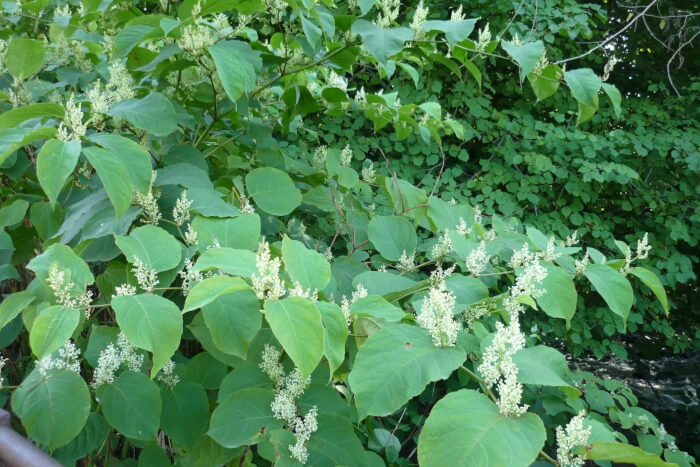
Japanese Knotweed is one of the toughest invasive plants to control. Its bamboo-like stems can push through concrete, pipes, and building foundations.
Once it takes hold, it spreads by underground rhizomes that can travel many feet from the main plant. Cutting it back only encourages stronger regrowth, so removal requires persistence.
Professionals often use repeated digging or specialized herbicides to manage it. Keeping it out of your garden entirely is the best strategy.
#4 Dame’s Rocket
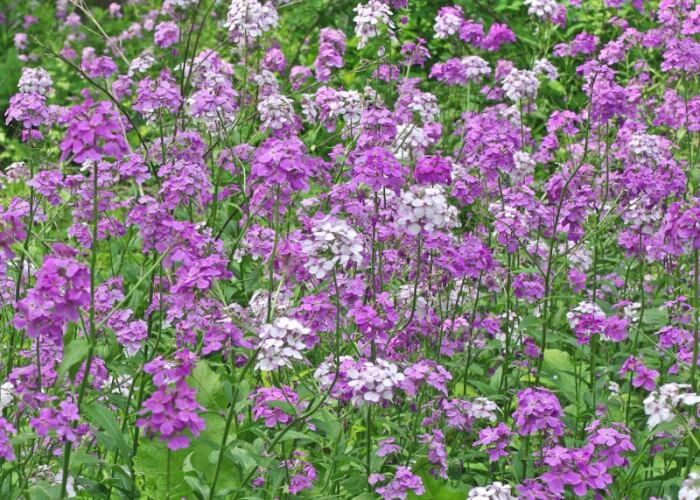
Dame’s Rocket charms gardeners with fragrant pink, purple, and white flowers in late spring. Unfortunately, this beauty spreads aggressively and displaces native wildflowers. It often sneaks into gardens through wildflower seed mixes.
To prevent invasion, learn to identify its four-petaled blooms, which distinguish it from native phlox. Remove plants before they go to seed and replace them with pollinator-friendly alternatives.
You’ll protect biodiversity while still enjoying colorful blooms.
#5 Cheatgrass
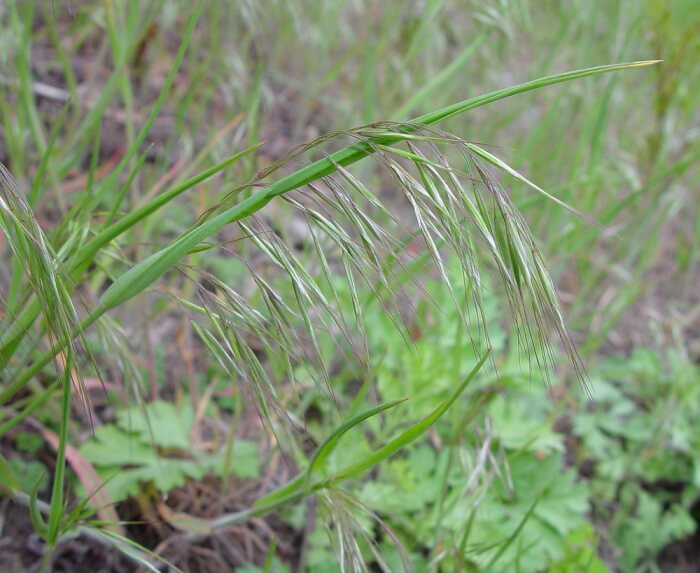
Cheatgrass, originally from Eurasia and Africa, is one of the most destructive invasive grasses in North America. It grows in dense mats that prevent native plants from thriving. The dry stalks ignite easily, increasing the risk of wildfires in your area.
Hand-pulling works in small patches if done before seed set. For larger infestations, mowing and careful management are necessary. Keeping this grass out of your garden helps preserve both safety and native diversity.
#6 Kudzu
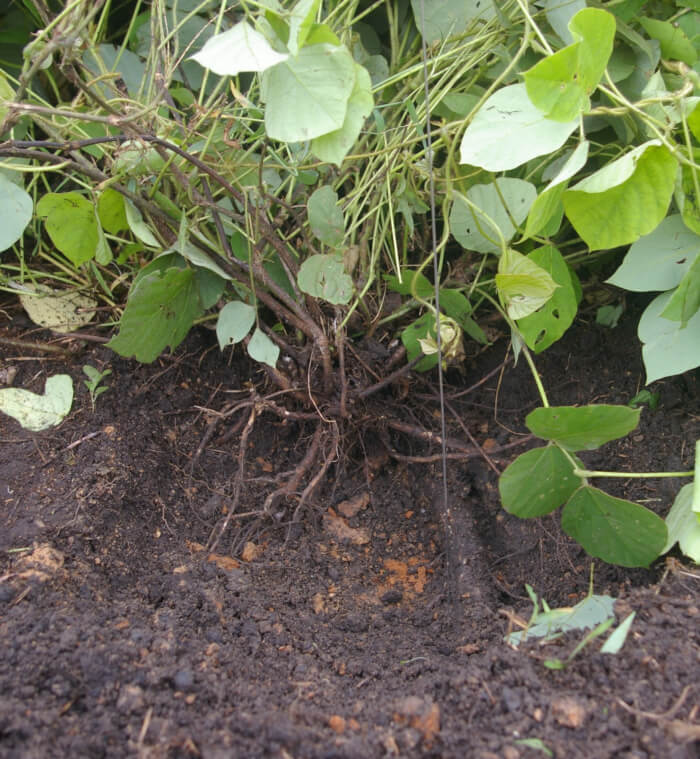
Kudzu has earned the nickname “the vine that ate the South” for good reason. It can grow a foot a day in summer, covering trees, houses, and utility poles. According to the USDA, it spreads over 150,000 acres every year in the United States.
Cutting it back only offers temporary relief, as underground tubers fuel regrowth. Consistent removal and smothering techniques are needed for control. Avoid planting it under any circumstance, no matter how lush it looks.
#7 Cogongrass
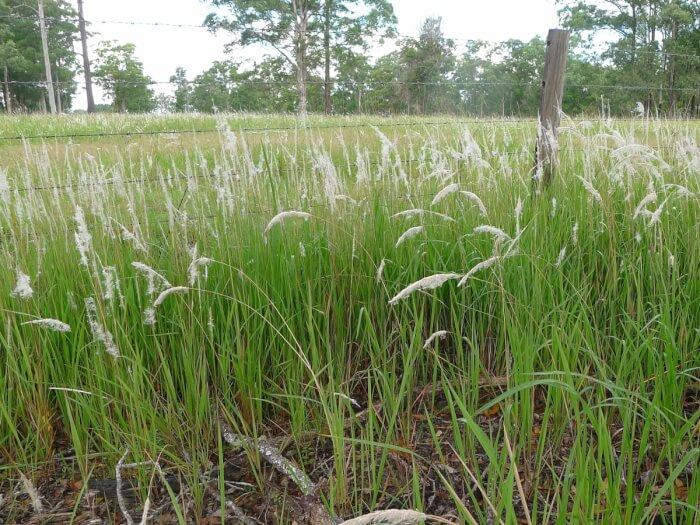
Cogongrass may appear like an ordinary ornamental grass, but it is ranked among the world’s worst invasive species. It forms dense mats that choke out nearly every plant around it.
Its razor-sharp leaves make it unpleasant to handle, and it’s highly flammable, creating a fire hazard. If you spot it in your yard, dig out the rhizomes and dispose of them carefully.
Replacing it with safe native grasses will give you the same texture without the danger.
#8 Bittersweet
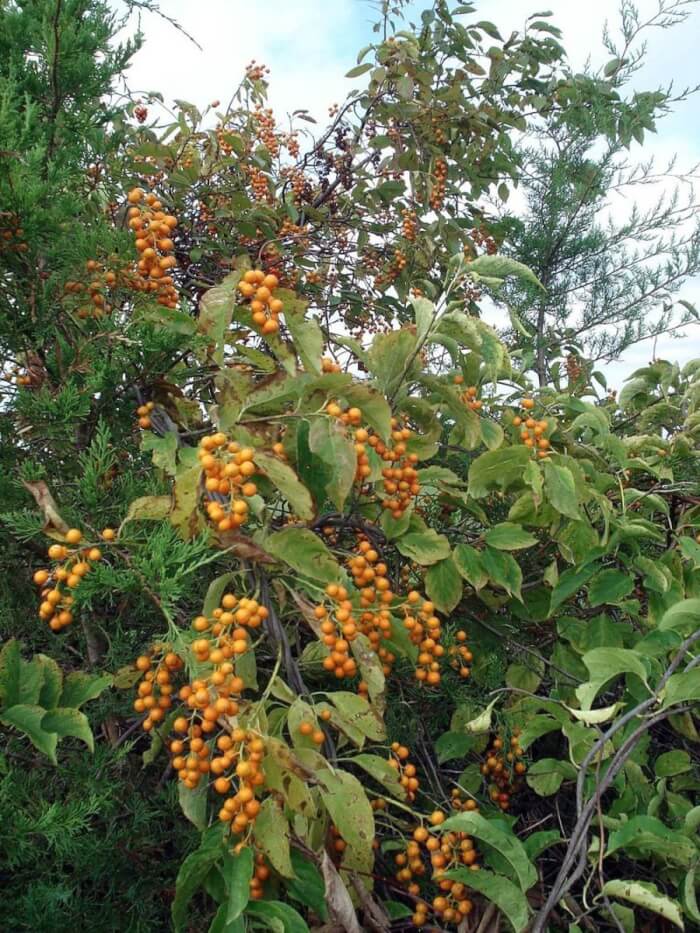
Bittersweet is a woody vine that twines around trees and shrubs, eventually strangling them. In winter, it looks attractive with clusters of bright orange berries. However, birds spread its seeds far and wide, starting new infestations with ease.
Removing it requires cutting the vines at ground level and digging out the roots. Monitor your garden closely, as it often re-sprouts. Planting native alternatives like American bittersweet keeps your landscape beautiful without the risk.
#9 Giant Hogweed
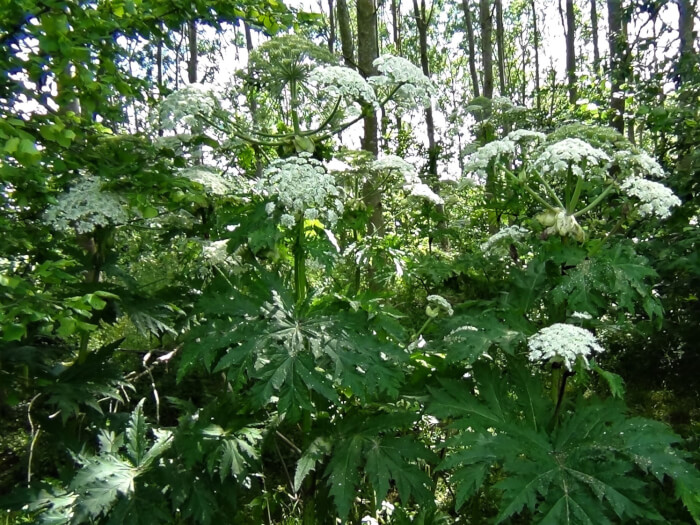
Giant Hogweed is not just invasive; it’s dangerous to your health. Its towering stems and large umbrella-shaped flowers look impressive, but the sap can cause severe burns and scarring when exposed to sunlight.
In extreme cases, contact with the eyes may cause blindness. If you find it, never touch it with your bare hands.
Wear protective clothing, carefully dig out the plant, and dispose of it safely. Call local authorities if you discover large infestations.
#10 Spotted Knapweed
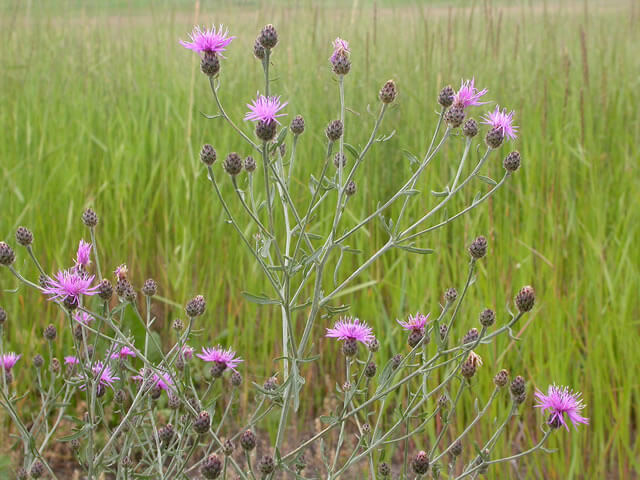
Spotted Knapweed may look harmless with its thistle-like purple flowers, but it aggressively takes over meadows and fields. It releases chemicals into the soil that prevent other plants from growing.
Once established, it is very difficult to remove. Hand-pulling young plants is effective, but mature stands require repeated effort.
Re-seeding with native grasses after removal helps prevent it from returning. Watch for its distinctive spotted bracts to catch it early.
#11 Barberry
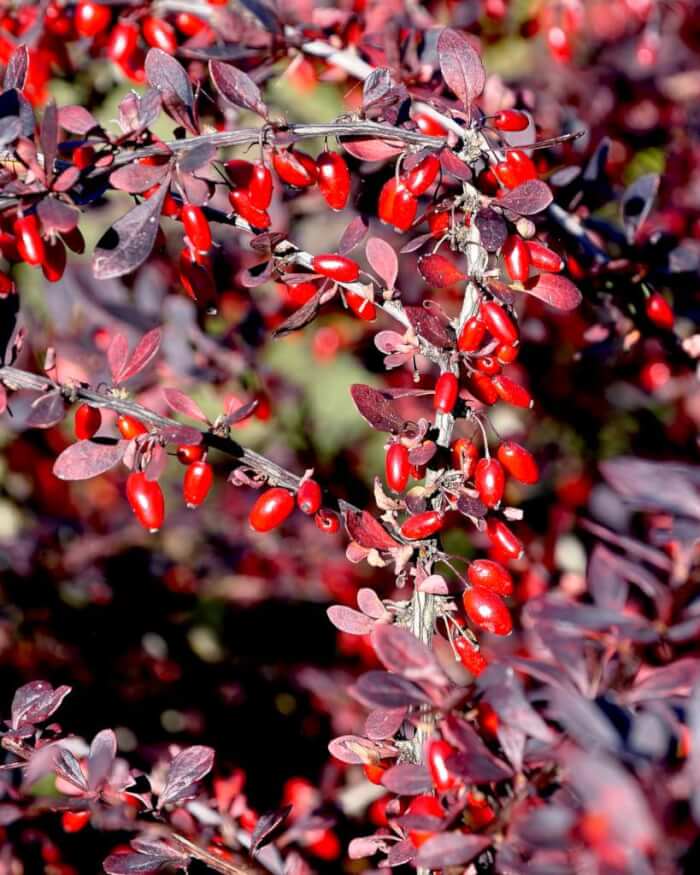
Japanese Barberry is a common ornamental shrub, yet it spreads into forests and fields, displacing native plants. Its dense thickets create humid microclimates where deer ticks thrive, increasing the risk of Lyme disease.
Birds eat the berries and spread the seeds over long distances. If you already have barberry, consider removing it and replacing it with native shrubs like winterberry or dogwood. By doing so, you protect both your garden and your health.
#12 Canada Thistle
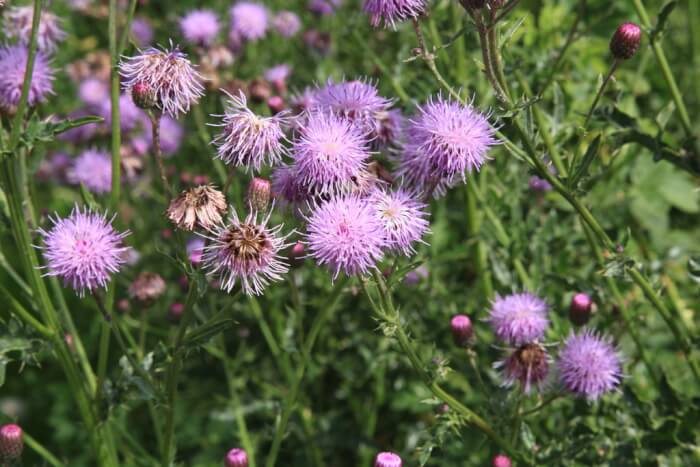
Canada Thistle is one of the most persistent invasive weeds. Its prickly leaves and creeping root system make it hard to handle. Left unchecked, it quickly spreads through fields, stream banks, and gardens.
Digging alone often fails, since roots can extend several feet underground. Repeated mowing or smothering with mulch can help weaken the plant over time. Removing this weed early prevents years of frustration and keeps your garden manageable.