
Growing vegetables and herbs as houseplants is one of the easiest ways to combine beauty and function in your living space. These plants thrive indoors with very little effort, bringing color, fragrance, and fresh food right to your table.
Many of them grow well in compact containers, making them perfect for kitchens, balconies, or windowsills. With a little sunlight or a simple LED grow light, you can keep them healthy year-round.
They not only upgrade your décor but also ensure you always have fresh flavors on hand. Let’s explore 12 vegetables and herbs that can live happily inside your home.
#1 Lettuce
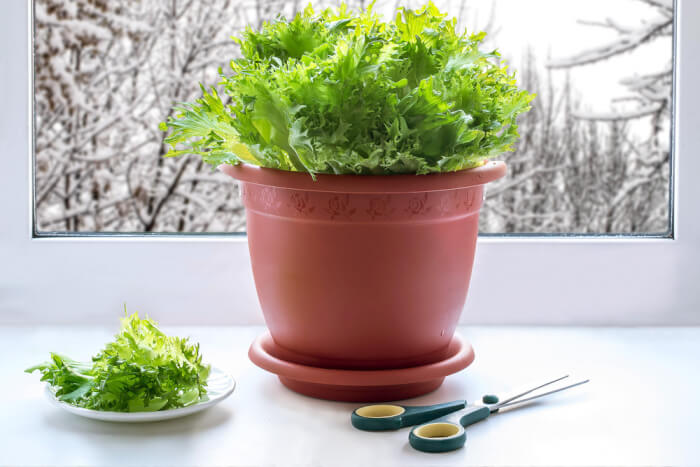
Lettuce is one of the easiest leafy greens to grow indoors. You can sow seeds directly in a potting mix or regrow leaves from leftover kitchen scraps. Place the container on a sunny windowsill where it gets at least 4–6 hours of light each day.
Keep the soil evenly moist for tender, crisp leaves. Harvest the outer leaves regularly so the plant continues to produce new growth. Fresh lettuce from your own pot tastes much better than store-bought.
#2 Tomatoes
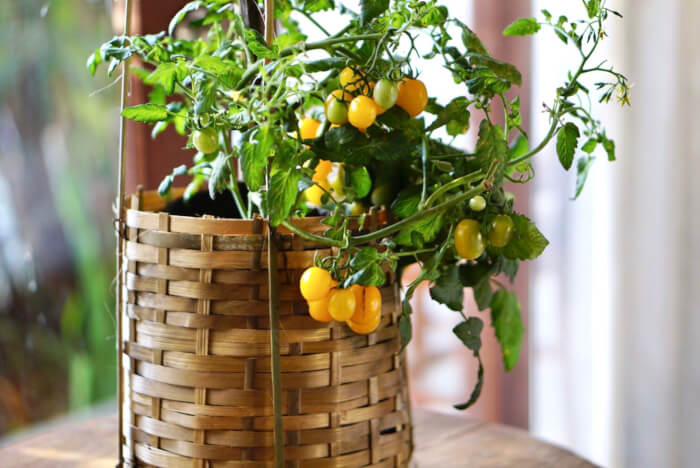
Dwarf tomato varieties adapt beautifully to indoor growing. They provide clusters of small, flavorful fruits that brighten up your living space. Start seeds in small pots and transplant them into a larger container once seedlings are sturdy.
Make sure they receive 6–8 hours of direct sunlight or use grow lights to keep them thriving. Water deeply but allow the topsoil to dry between watering.
With a little support, your tomato plant will give you homegrown snacks right inside your home.
#3 Mustard Green
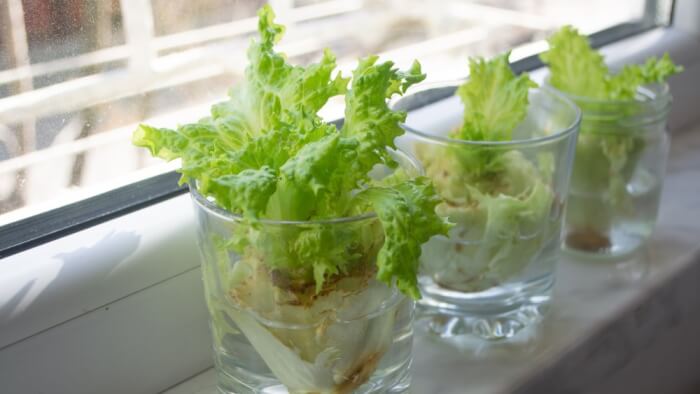
Mustard greens grow fast and give you a continuous supply of nutrient-rich leaves. They do well in pots and can even regrow in water if placed in jars on the windowsill.
Sow seeds in a shallow container filled with potting mix and keep the soil moist. They need some light, but not much, so even low-light rooms are fine.
Snip young leaves to add a peppery flavor to soups or salads. Regular harvesting helps new leaves sprout quickly.
#4 Spinach
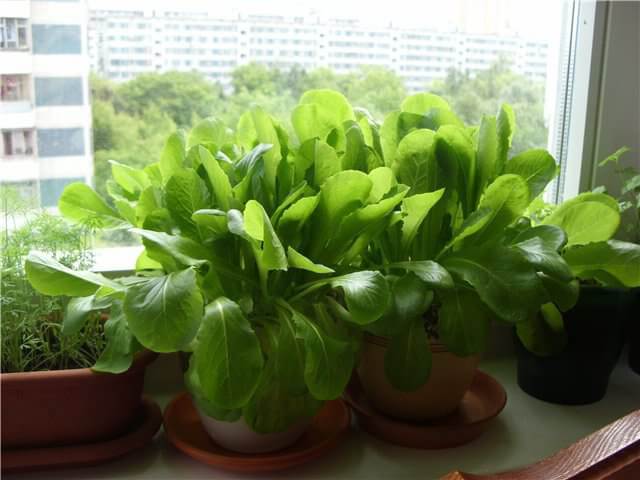
Spinach is a cool-weather crop that thrives in indoor containers. It can grow under natural sunlight or with simple LED grow lights, making it perfect for small apartments. Sow seeds directly into a pot filled with nutrient-rich soil.
Keep the soil consistently moist but not soggy to avoid root issues. Harvest the outer leaves once they reach a good size, and the plant will keep producing. With fresh spinach available, you’ll always have greens for smoothies, stir-fries, or salads.
#5 Microgreens
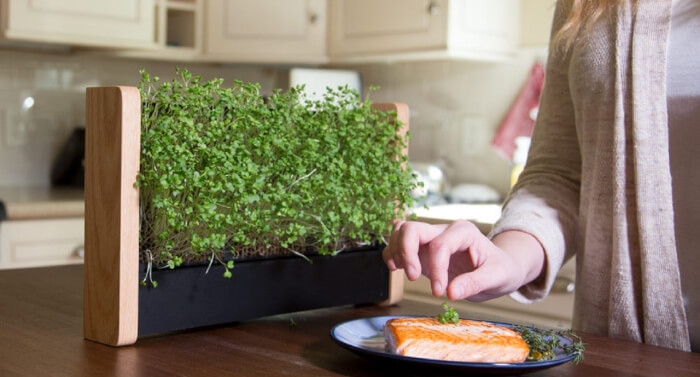
Microgreens are packed with nutrients and grow incredibly fast. You can harvest them just 5 to 7 days after sowing, making them perfect for impatient gardeners.
Fill a shallow tray with soil, scatter seeds of your favorite vegetables or herbs, and mist lightly with water. Place the tray in bright light or under a grow lamp.
Cut the young shoots just above the soil line when they reach 2–3 inches tall. These vibrant greens are delicious on sandwiches, salads, and soups.
#6 Ginger
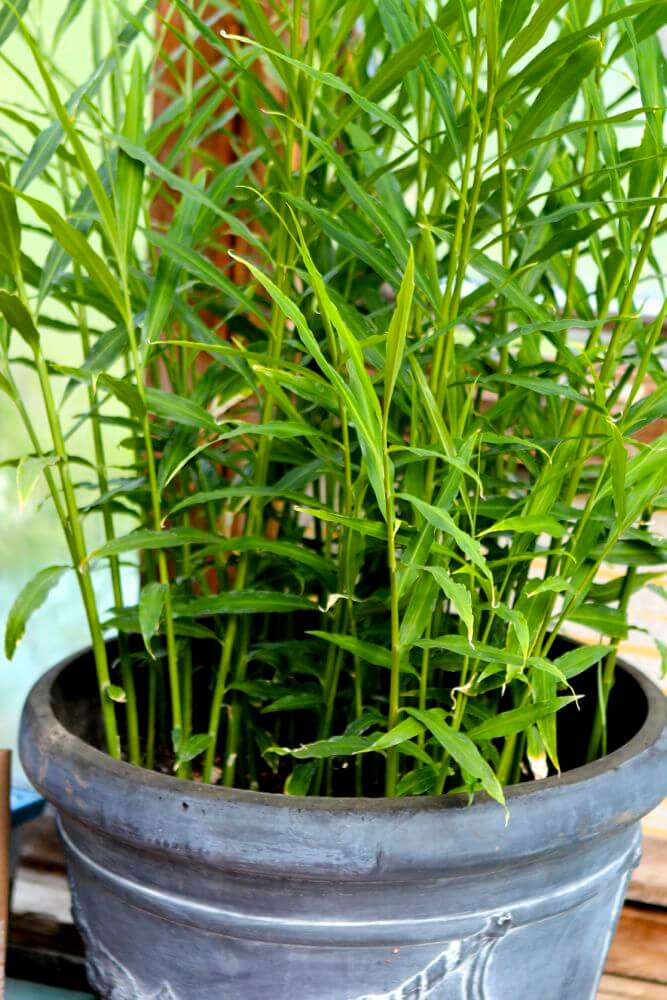
Ginger adds both beauty and flavor when grown indoors. You can start a new plant by planting a fresh rhizome with visible buds into a pot of moist soil. Place it in a warm spot with indirect light for steady growth.
Water regularly but allow the soil to drain well, as ginger dislikes soggy conditions. Green shoots will appear and add a fresh look to your kitchen. Harvest small pieces of the root as needed, leaving the rest to continue growing.
#7 Scallions
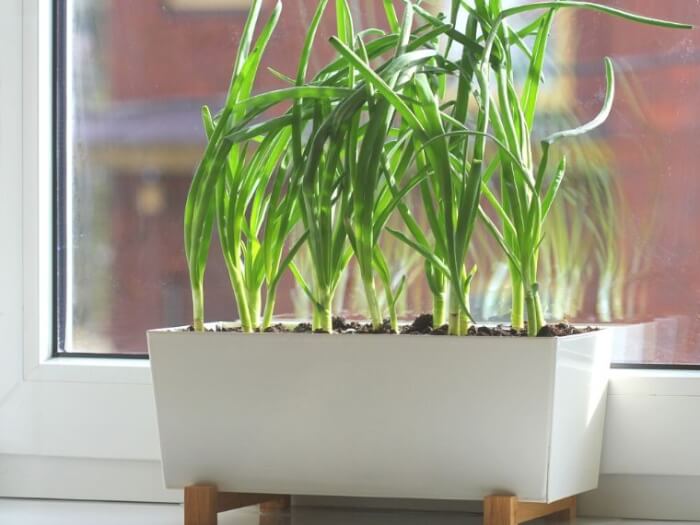
Scallions are among the easiest herbs to regrow inside your home. You can place cut ends in a glass of water or plant them directly in soil. Keep them near a sunny windowsill for quick regrowth.
Change the water every few days if using the water method. Once the green shoots reach a good height, snip them for cooking and let the plant regrow again.
Having scallions indoors ensures you never run out of garnish for soups and noodles.
#8 Basil
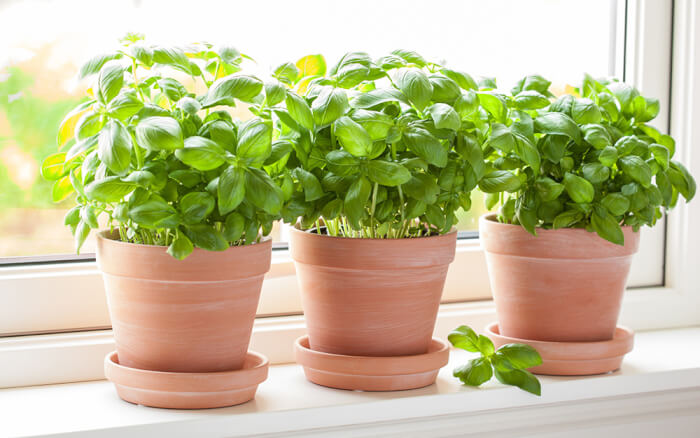
Basil is a versatile herb that grows happily indoors with minimal care. You can start it from seeds or by rooting cuttings in water before transferring them to soil. It loves bright, indirect sunlight, so keep the pot on a sunny windowsill.
Pinch off flower buds to keep the plant focused on leaf production. Harvest regularly by trimming the top leaves to encourage bushier growth. Fresh basil will make your pasta, pizzas, and salads taste even better.
#9 Rosemary
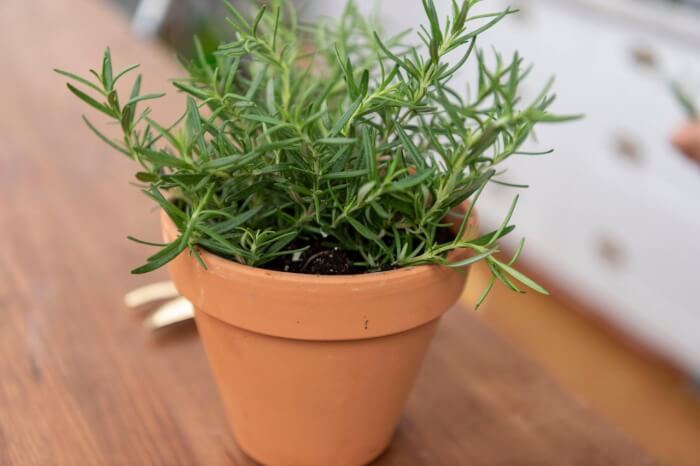
Rosemary adds a classy touch to indoor décor while giving you a steady supply of fragrant leaves. It prefers bright light, so place the pot near a sunny south-facing window.
Water only when the top inch of soil is dry, as rosemary dislikes being overwatered. You can grow it in ceramic pots or even glass jars for an elegant display.
Trim the sprigs regularly to use in roasts, bread, or tea. Its strong fragrance also freshens up the room.
#10 Oregano
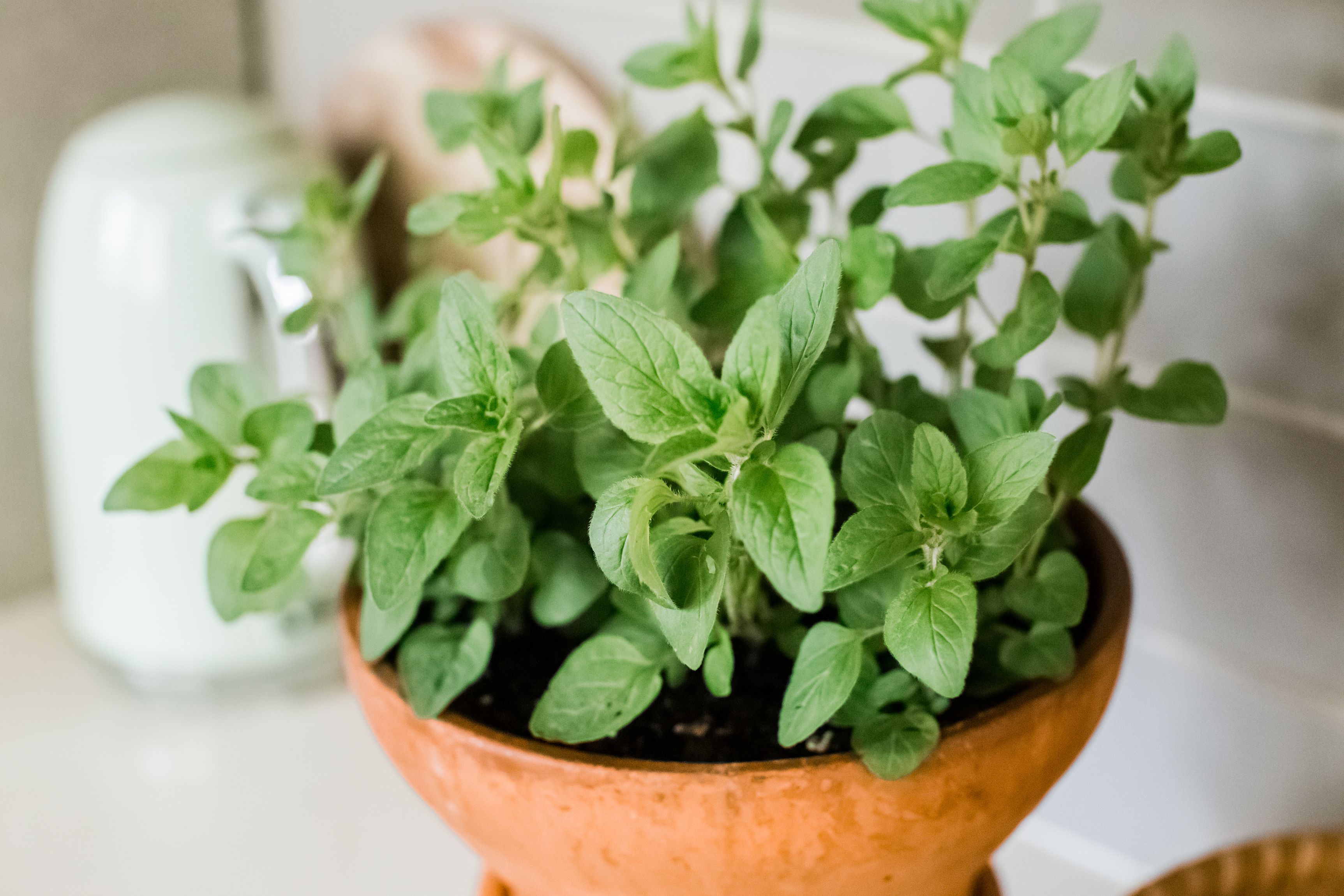
Oregano is a hardy herb that adapts well to indoor growing. You can propagate it easily from cuttings and plant them in a container filled with well-draining soil. It thrives in indirect light but appreciates a few hours of sun each day.
Water lightly, allowing the soil to dry slightly between watering. Harvest leaves often to keep the plant compact and productive. Fresh oregano adds a bold, earthy flavor to pasta sauces and soups.
#11 Mint
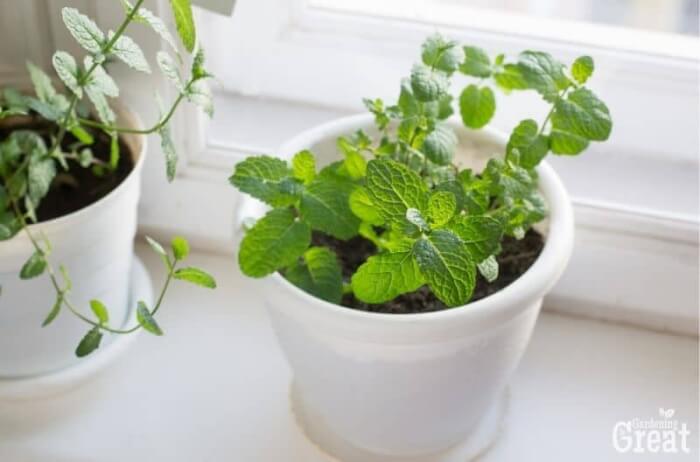
Mint grows quickly and fills your home with a refreshing fragrance. You can start it from cuttings or small nursery plants in a simple pot. Keep the soil moist but not soggy and provide indirect light.
To keep mint healthy, trim the tips often, which also encourages bushy growth. It spreads fast, so a container is the best way to keep it under control. Use fresh mint leaves in teas, desserts, or even cocktails for a burst of flavor.
#12 Thyme
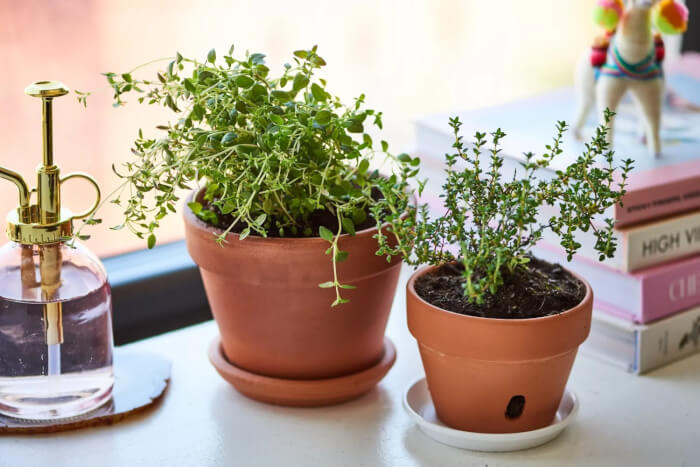
Thyme is a small but powerful herb that thrives in indoor containers. It can be grown from seeds or cuttings and prefers well-draining soil. Place the pot where it receives good light, or use a grow light to help it along.
Water sparingly since thyme prefers drier conditions. Trim the stems often to promote new growth and to keep the plant neat. A handful of fresh thyme will add a wonderful aroma and flavor to soups and roasts.