
When the air turns cold and the sniffles creep in, your garden might hold the relief you’ve been needing. Cough, congestion, and scratchy throats can throw off your mood fast, but nature has always had its quiet remedies.
These herbs aren’t just flavorful kitchen staples; they’ve been trusted for centuries to calm inflammation, ease breathing, and bring comfort through the chill.
Growing them at home gives you fresh access to gentle healing without a medicine cabinet full of chemicals. Many can be brewed into teas, added to steamy infusions, or enjoyed simply for their calming scent.
If winter often weighs on your energy or health, these herbs can become your botanical allies.
#1 Sage
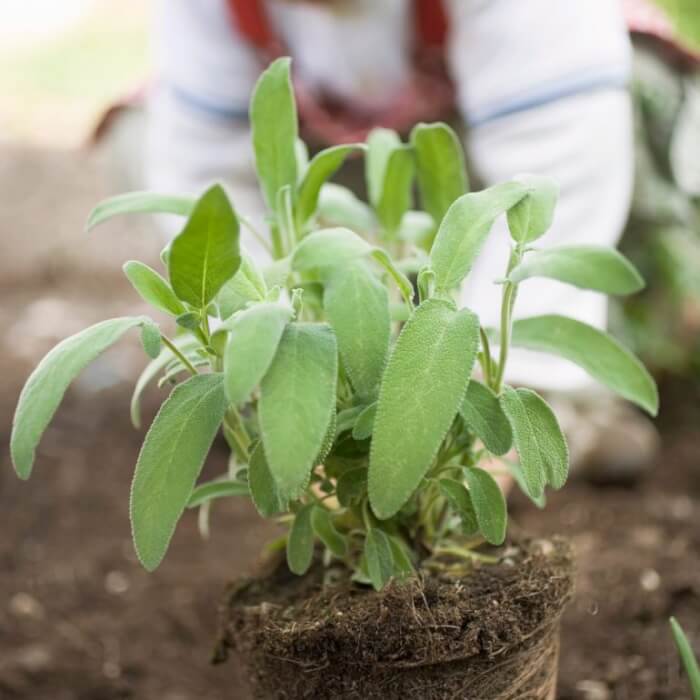 Source: Sowgoodnaturally
Sage holds powerful antibacterial and astringent properties that ease sore throats and reduce coughing fits. It’s commonly steeped into a warm herbal tea that brings quick relief, especially when you’re feeling scratchy or hoarse.
You can use both fresh and dried leaves, depending on your harvest. Growing it near a sunny kitchen window keeps it within reach all season. This herb has an earthy aroma that feels both grounding and soothing.
#2 Thyme
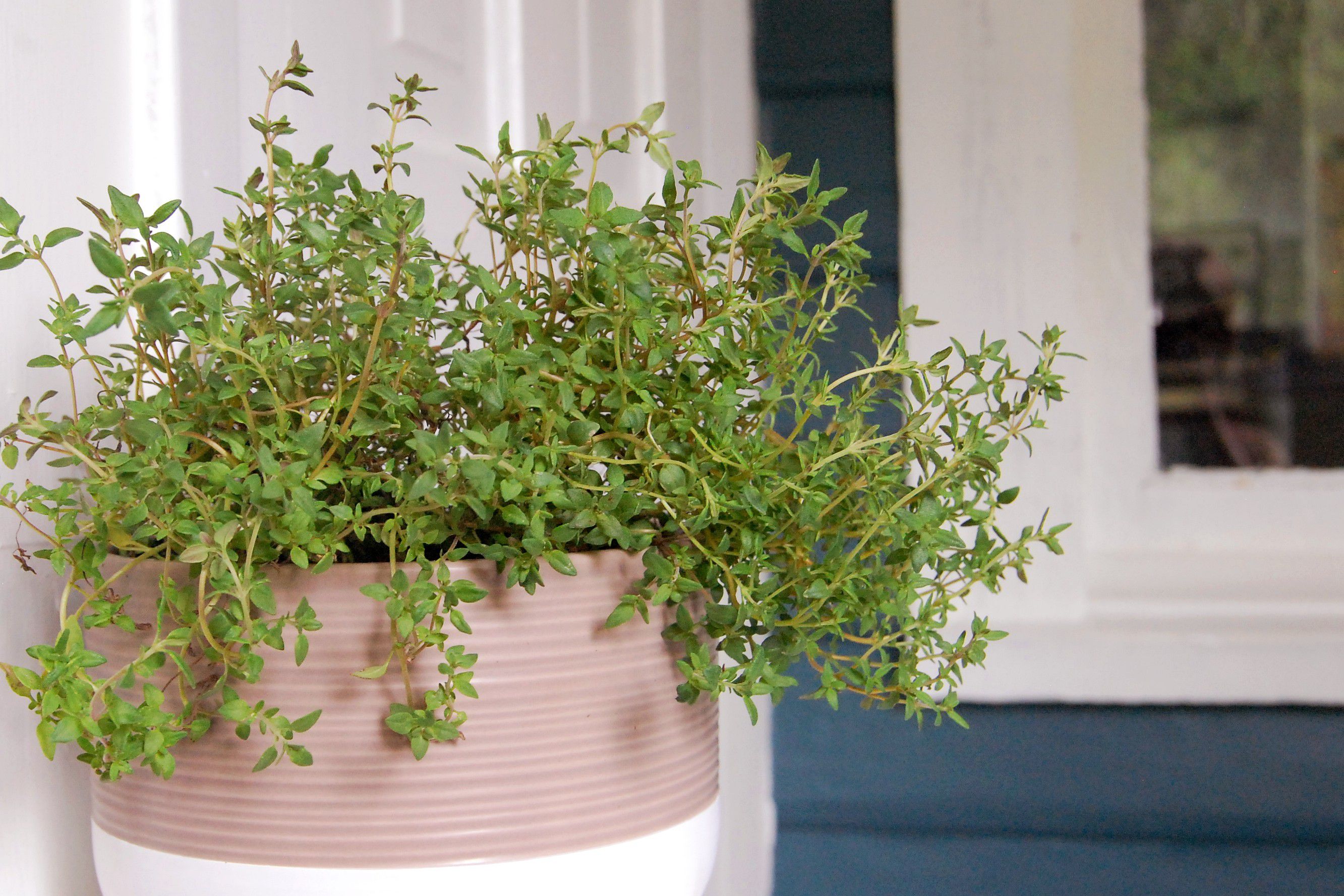 Source: Thespruce
Thyme is rich in essential oils that help loosen mucus and fight respiratory infections. It’s been used for generations as a natural way to calm the throat and soothe bronchial discomfort.
Steeping a few sprigs in boiling water makes a simple, comforting tea. This herb thrives in pots on windowsills with plenty of sun. A touch of honey in your thyme brew adds both flavor and healing power.
#3 Peppermint
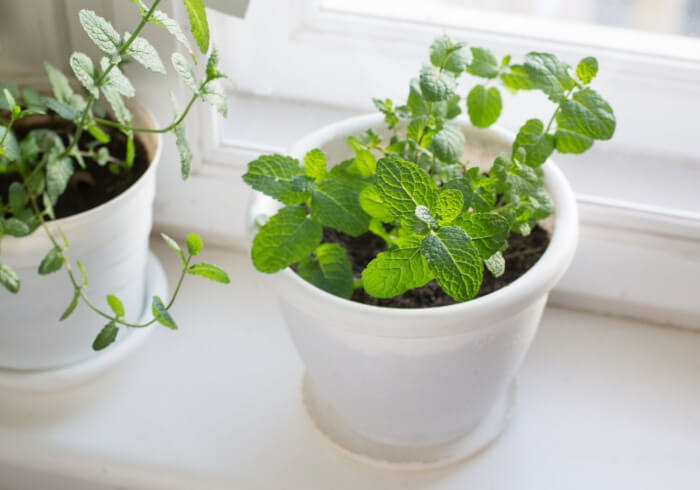 Source: Growyouryard
Peppermint’s menthol content gives it that cool, refreshing kick that helps open your sinuses and soothe your chest. It works gently to calm coughs and reduce congestion when steeped in hot water.
Even inhaling its steam can make breathing easier during tough colds. You’ll want to place it where it gets partial sunlight and well-drained soil. Its leaves double as flavorful additions to tea, desserts, or even bathwater.
#4 Marjoram
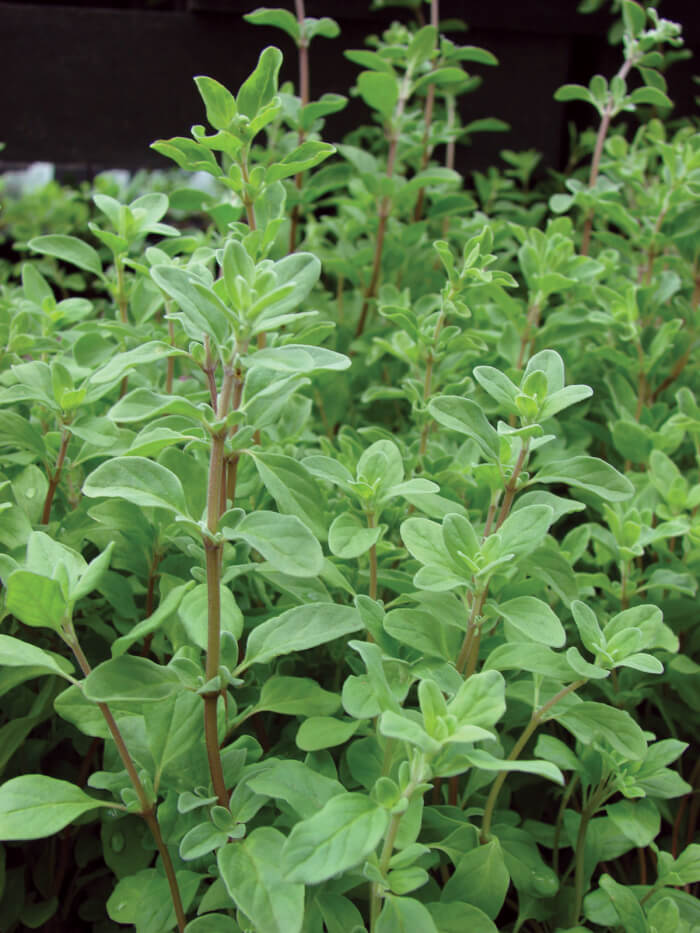 Source: Britannica
Marjoram brings anti-inflammatory and antimicrobial benefits to your winter toolkit. It supports your immune system and provides gentle relief from stuffy noses and dry coughing.
Use its leaves in herbal teas or steep them in a bowl of steaming water for inhalation. This herb prefers bright light and moderate watering. Its delicate flavor and calming nature make it a welcome addition to cozy nights in.
#5 Chamomile
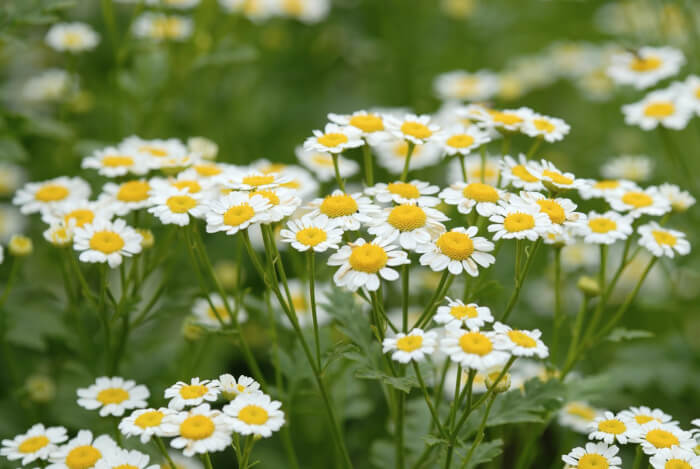 Source: Tegoder
Chamomile helps relax tense muscles and ease coughing fits, thanks to its gentle antispasmodic qualities. Drinking its tea before bed can calm both your nerves and your symptoms.
You can also add the dried flowers to a warm steam bowl to clear out your sinuses. It does well in containers and needs plenty of sunshine to thrive. There’s something deeply comforting about its soft scent and golden color.
#6 Oregano
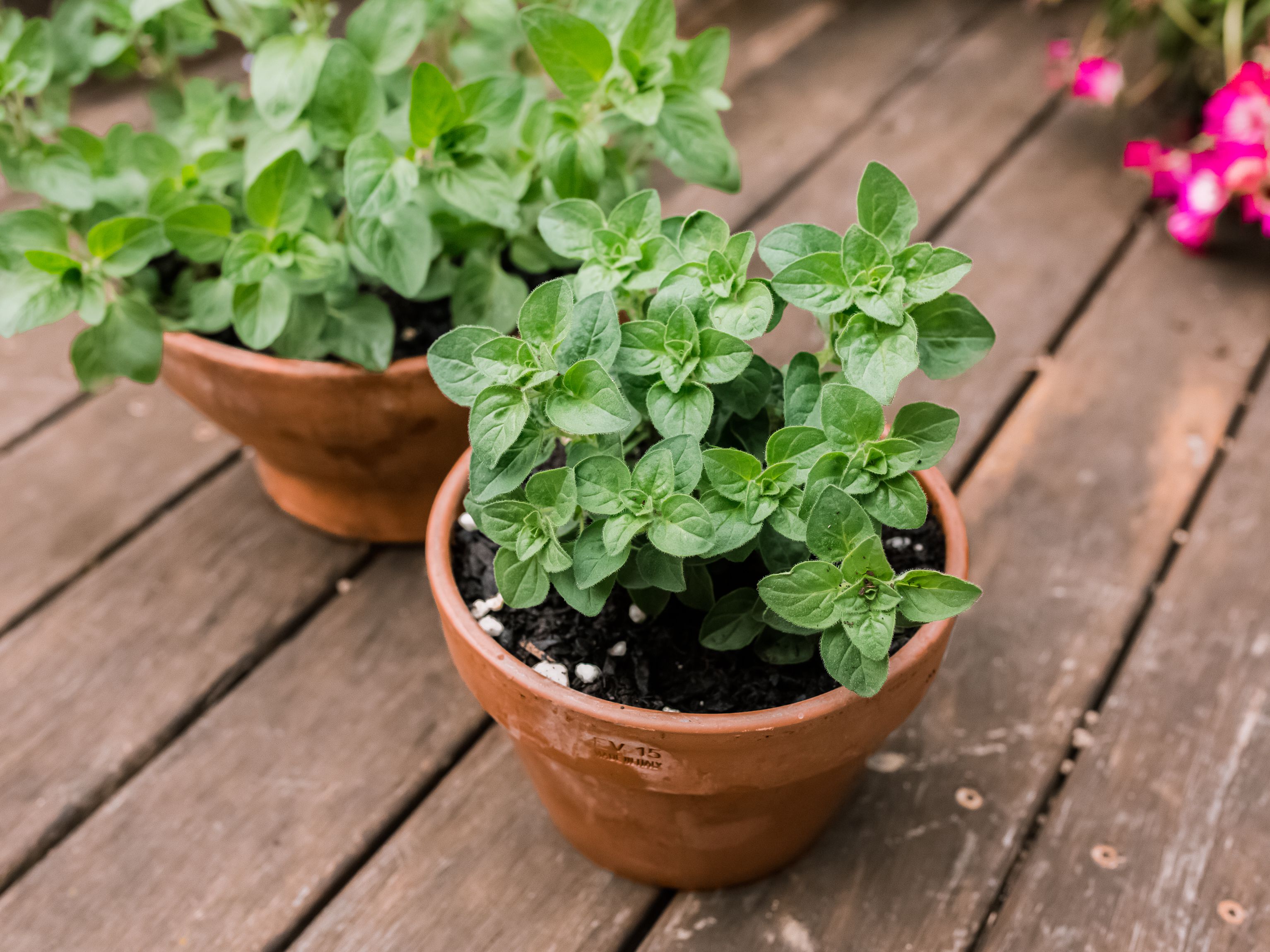 Source: Thespruce
Oregano is more than a bold kitchen herb; it’s packed with compounds that help combat the flu, cough, and mild fevers. It’s easy to make into a tea by steeping a few fresh leaves in hot water.
Many also use it in natural steam remedies to clear out congestion. Place it where it gets full sun and trim regularly to encourage growth. Its strong aroma often signals it’s doing your body some good.
#7 Betel Leaf
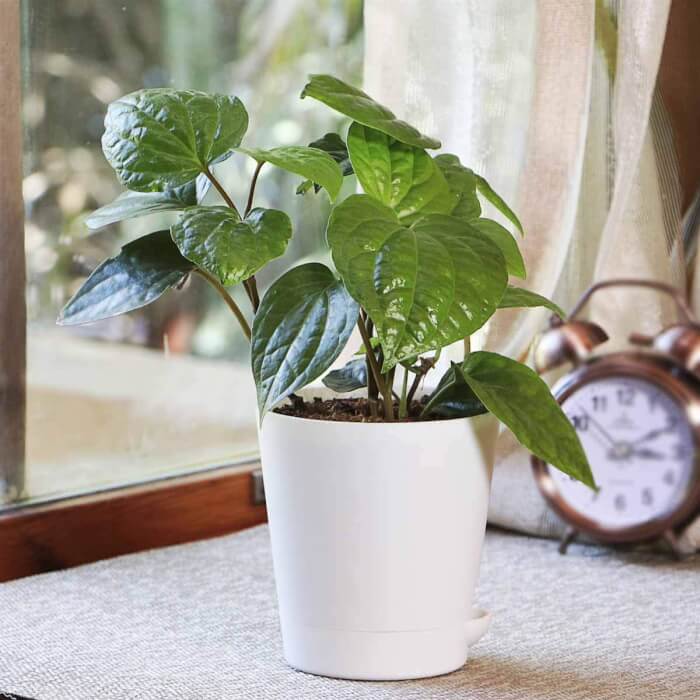 Source: Plantkaro
Betel leaves are a traditional remedy for chest congestion and lingering coughs. A common practice involves warming the leaf, brushing it with mustard oil, and resting it on the chest to help clear the airways.
Though less common in Western gardens, it can be grown in containers with warmth and humidity. The glossy leaves also bring an exotic beauty to your indoor garden. With care, it becomes both functional and ornamental.
#8 Lemon Balm
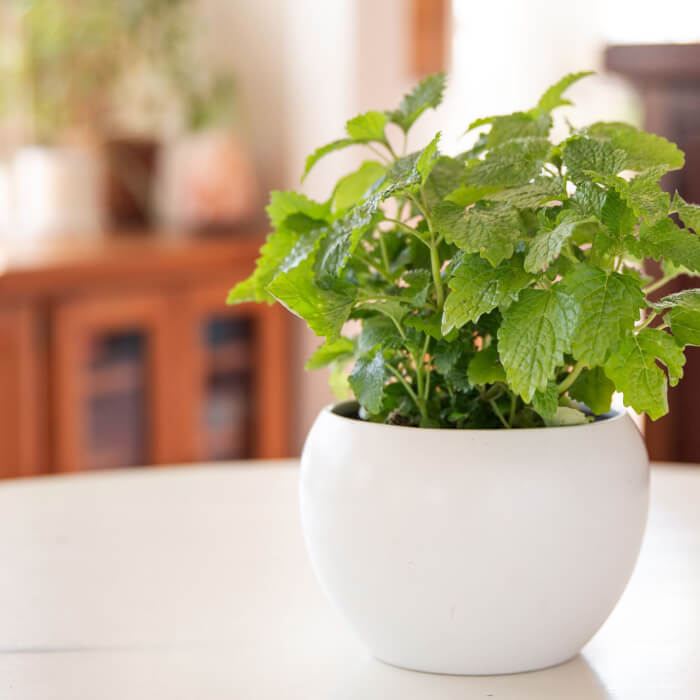 Source: Thespruce
Lemon Balm carries antiviral qualities and a soft citrus scent that brightens the senses during cold spells. Its calming effect can ease restlessness, fevers, and tension that often come with the flu.
To make tea, simply steep a handful of leaves in boiling water for several minutes. This herb flourishes in partial shade with consistent watering. It also attracts pollinators if you decide to move it outdoors in warmer months.
#9 Catnip
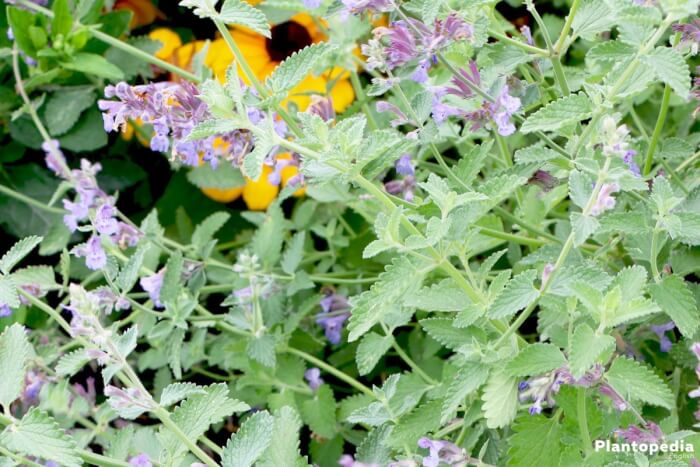 Source: Plantopedia
Catnip isn’t just for feline fun, it’s also a calming herb for humans. It helps lower fevers, relax the body, and ease coughs when brewed into tea. Many use it during colds to reduce tension and help sleep come more easily.
Grow it in full sunlight and pinch back blooms to encourage leafy growth. Its subtle minty flavor makes it an unexpected but effective winter companion
#10 Lemon Verbena
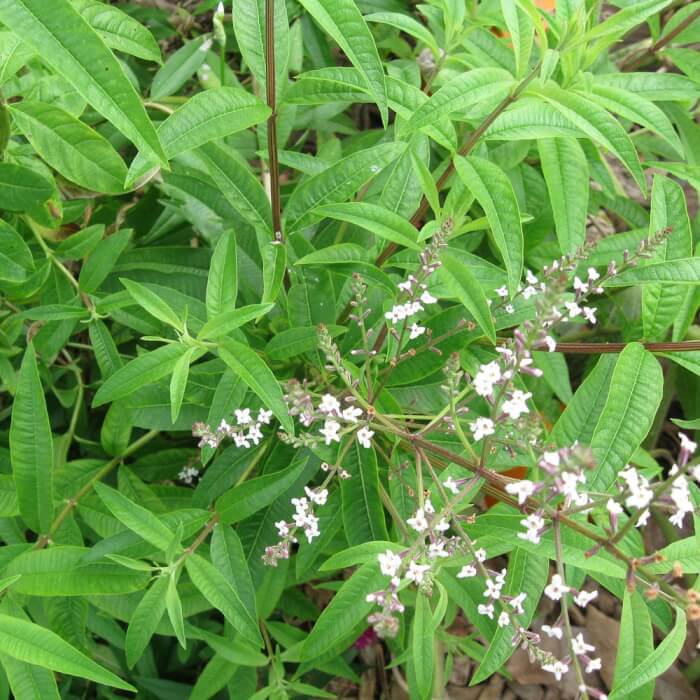 Source: Growjoy
Lemon Verbena has a strong citrus fragrance that lifts your mood and clears your head. Its soothing properties can ease colds, coughing, and even asthma symptoms. Steep the leaves in hot water for a naturally sweet and fragrant tea.
It grows well in pots that get plenty of sun and well-drained soil. With its bright green leaves and lemony aroma, it brings a spark of energy during dreary days.
#11 Lemongrass
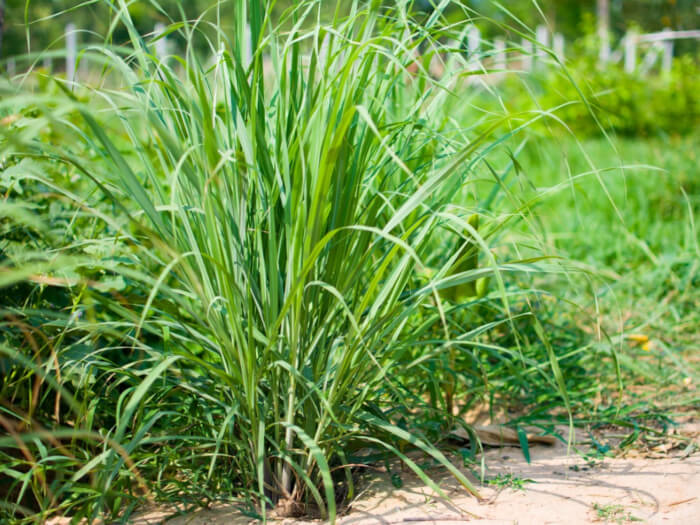 Source: Gardeningknowhow
Lemongrass is known for reducing inflammation and easing the discomfort that comes with coughs or a sore throat. It pairs beautifully with ginger in hot infusions to calm your system and clear phlegm.
For best results, slice the stalks before steeping to release more of its essential oils. This tropical herb does well in warm spots with rich, moist soil. Its tall blades add movement and elegance to any kitchen garden
#12 Holy Basil
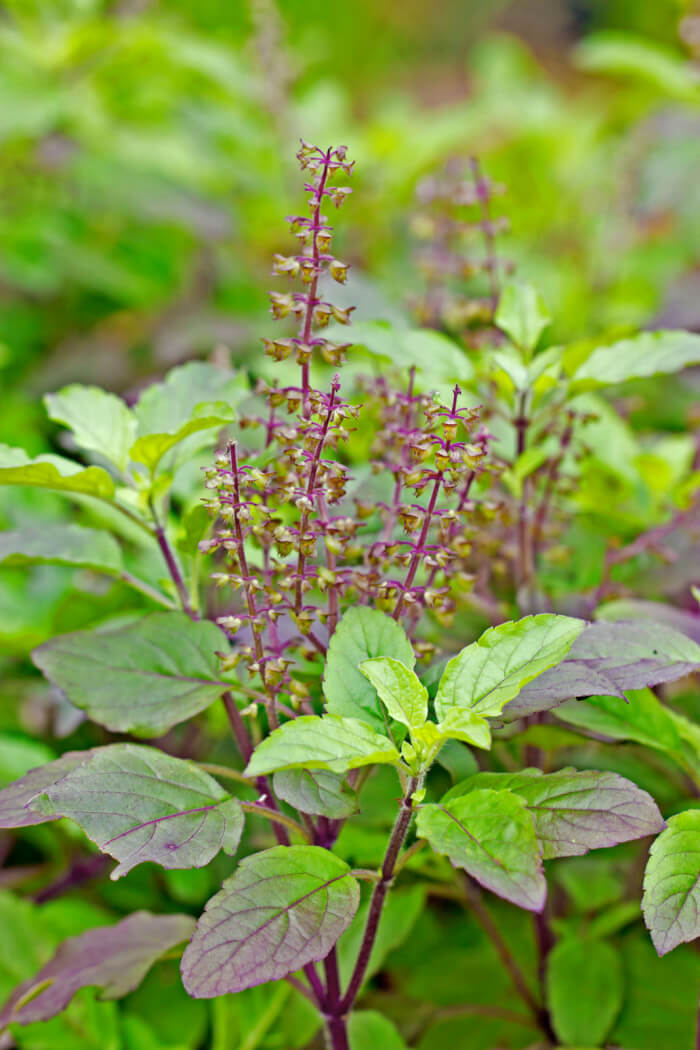 Source: Britannica
Holy Basil, or Tulsi, is revered for its deep healing potential across multiple winter issues. It supports the lungs, reduces fevers, and eases respiratory irritation when sipped in tea. Some use it daily in warm water as a gentle immunity boost.
It enjoys warmth, regular sunlight, and moderate watering. You’ll find its peppery scent both grounding and comforting on colder days.
#13 Rosemary
 Source: Gardenersworld
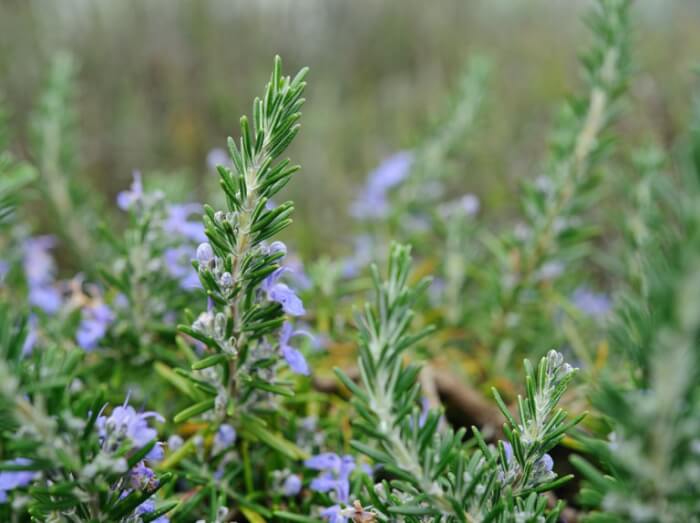
Rosemary is packed with antioxidants that help shield your body from winter ailments. Its oils offer relief for sore throats and help improve circulation. Brew its sprigs into a fragrant tea, or inhale steam from a pot of boiling rosemary water.
It loves a sunny spot and slightly dry soil between waterings. The woodsy scent and resilience of this herb make it a staple through every season.