
Your houseplants might look calm and carefree, but they often struggle in silence. You might notice yellowing leaves, droopy stems, or slowed growth, and wonder what went wrong.
Surprisingly, these symptoms aren’t always caused by pests or disease. In many cases, simple care mistakes are the real reason your plant isn’t thriving.
Things like light, humidity, and soil choice can quietly make or break your plant’s health. Let’s uncover seven common houseplant problems so you can spot them early and keep your leafy friends happy.
#1 Extreme Temperatures
 Source: Bhg
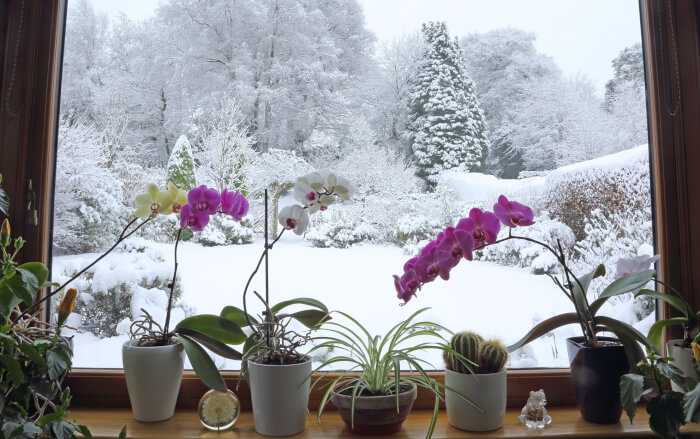
Plants feel stressed just like we do when temperatures swing too high or too low. Cold drafts or intense heat from nearby appliances can shock their system. If your plant’s leaves start curling or dropping, temperature stress could be the cause.
Try to keep them in a space where the climate stays relatively stable throughout the day. Avoid placing them next to heaters, radiators, or drafty windows. Most houseplants prefer a cozy range between 65–75°F.
#2 Sunburn
 Source: Bhg
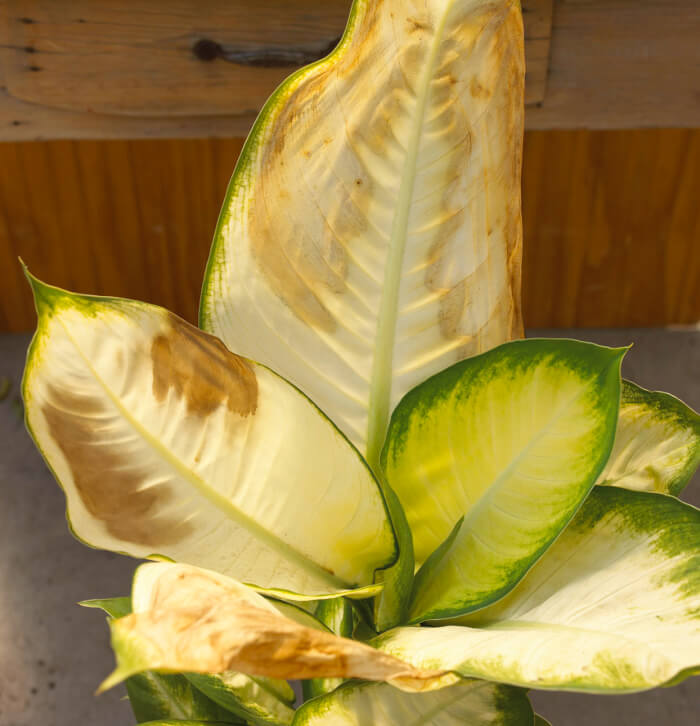
Bright light helps plants grow, but too much direct sun can scorch their delicate leaves. You might notice brown patches, crispy edges, or faded color, classic signs of sunburn.
If your plant lives on a sunny windowsill, try filtering the light with a sheer curtain or moving it a few feet away. Rotating the pot occasionally also helps even out light exposure.
Some tropical plants do better with indirect light instead of harsh afternoon rays.
#3 Replace Pots Frequently For Houseplants
 Source: Huffpost
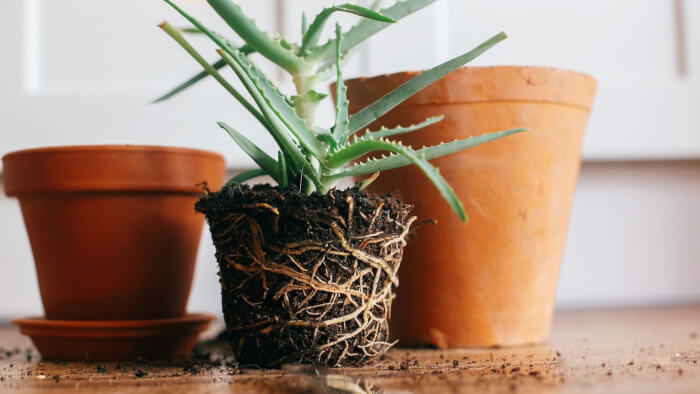
While a new pot might seem like a refresh, frequent repotting can actually stress your plant. Roots need time to settle and adjust to their surroundings. Constant changes in soil, pot size, and light can slow growth or trigger leaf drop.
Unless roots are outgrowing the container or the soil is poor, there’s no need to repot more than once every 1–2 years. When repotting, try to keep the same direction the plant was facing to reduce shock.
#4 Wrong Soil
 Source: Herebydesign
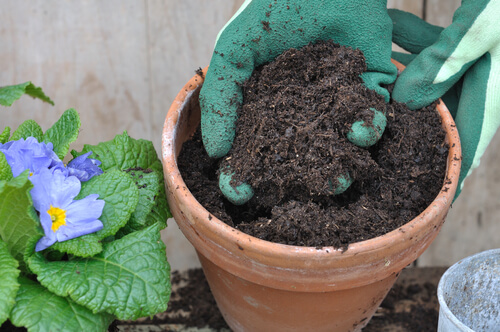
Not all soil is created equal, and using the wrong type can smother your plant’s roots. Heavy soil can hold too much water, while overly sandy mixes might not hold enough. If your plant seems unhappy, the issue could be lurking below the surface.
Check the tag or care guide for your plant’s preferred soil type: cactus mix, orchid bark, or rich indoor potting soil, for example. A well-draining mix usually keeps roots breathing and healthy.
#5 Wrong Humidity Levels
 Source: Reddit
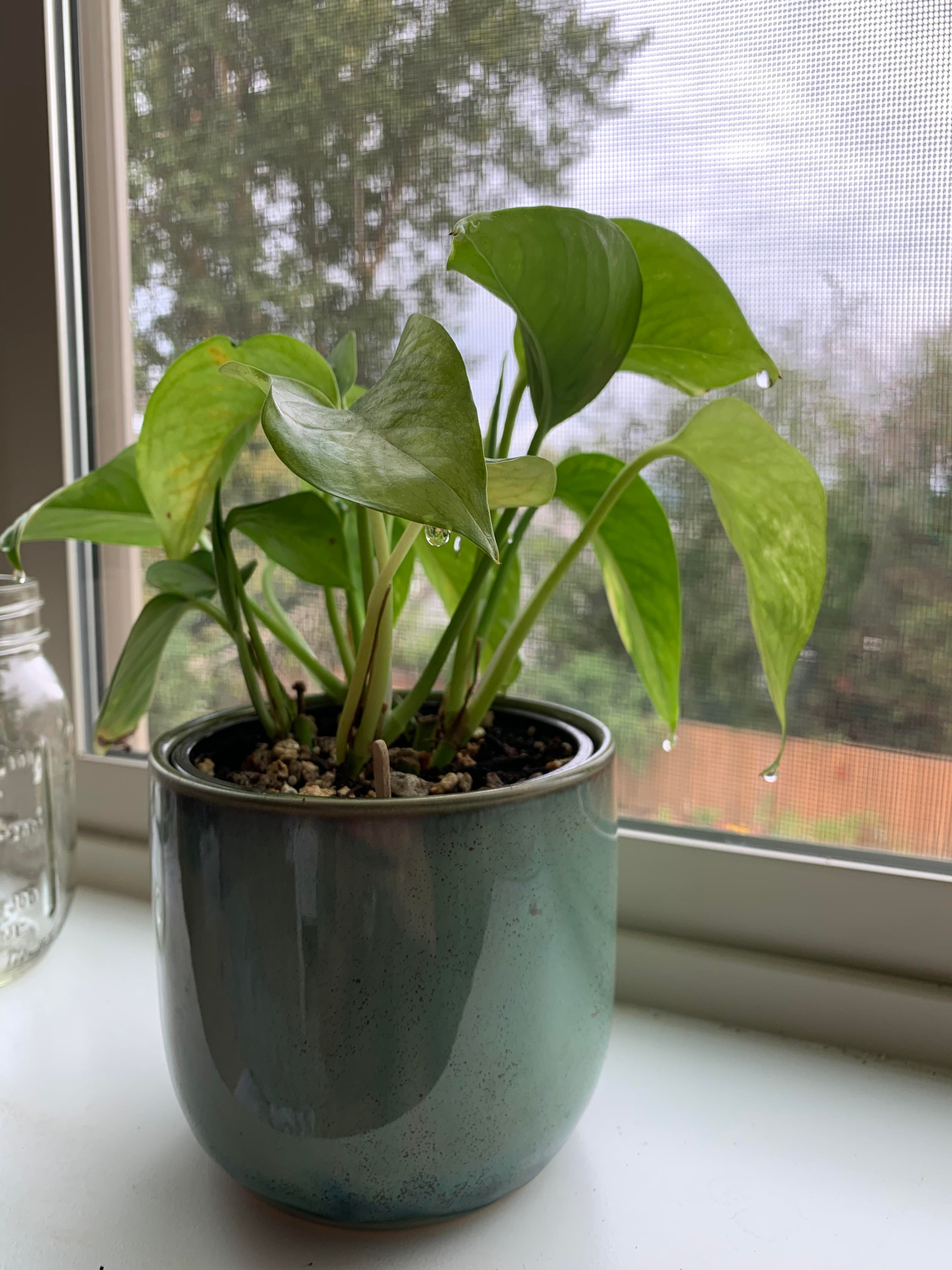
Many houseplants, especially tropical varieties, love humid environments. If your home’s air is too dry, you may see crispy leaf tips or curling edges.
A simple way to boost humidity is to group plants together or set them on trays filled with pebbles and water. Rooms like bathrooms or kitchens often provide a naturally humid environment.
You could also mist the leaves occasionally, but avoid overdoing it to prevent mildew.
#6 Underwatering
 Source: Gardeningknowhow
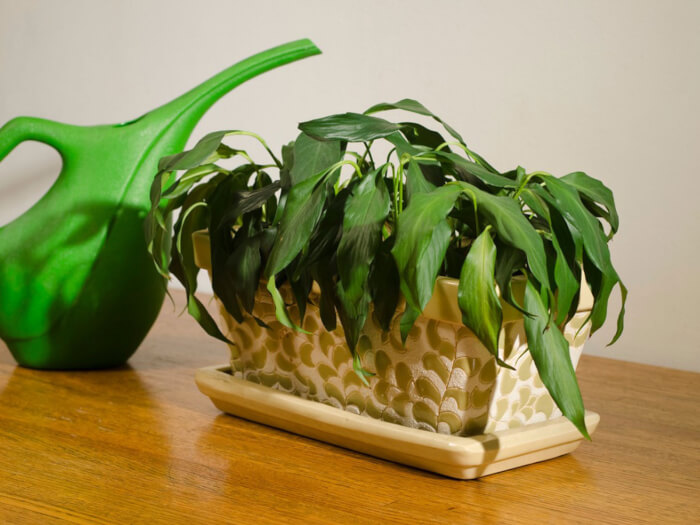
If your plant’s leaves look droopy, crispy, or pale, it might be thirsty. Some plants bounce back quickly after a good drink, but repeated underwatering can cause long-term stress.
Check the soil regularly. If it feels dry an inch below the surface, it’s time to water. Different plants have different needs, so get to know their rhythms. Adding a reminder to your calendar can help you keep track without overthinking it.
#7 Overwatering
 Source: Morningchores
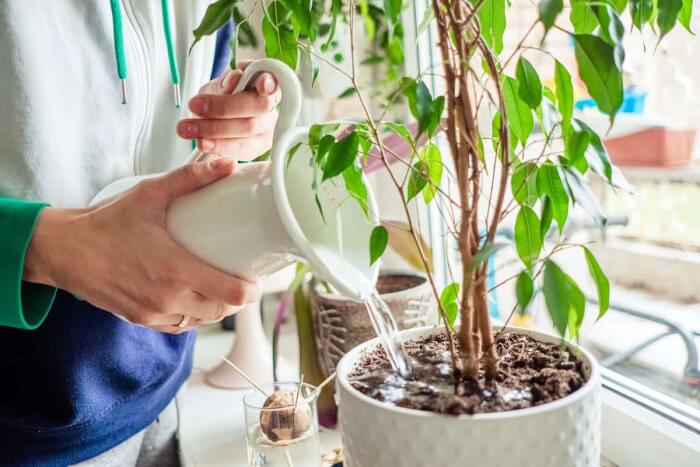
It’s easy to think watering more is always better, but soggy roots can suffocate your plant. Yellowing leaves, mushy stems, or a funky smell from the soil often point to too much water. If the pot doesn’t have good drainage, the problem worsens.
Let the top few inches of soil dry before the next watering, and always empty saucers so roots don’t sit in water. A moisture meter can give you a clearer idea of when it’s actually time to water again.