
Chemical fertilizers may promise quick results, but they often damage the soil and affect long-term plant health. Natural alternatives, on the other hand, not only provide essential nutrients but also help reduce household waste.
Many of the best options can be found right in your kitchen, waiting to be reused. Banana peels, eggshells, coffee grounds, and other everyday materials break down slowly, feeding your plants over time.
They add nitrogen, calcium, magnesium, and potassium back into the soil, everything a healthy garden craves. By learning how to use them, you’ll strengthen your plants naturally while caring for the environment.
#1 Coffee Grounds
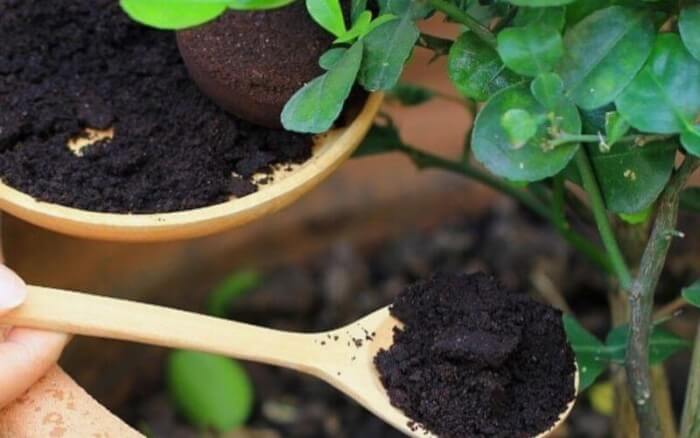
Coffee grounds are rich in nitrogen, which fuels leafy growth and strengthens stems. You can sprinkle them lightly on the soil surface, mix them into potting soil, or add them to compost for a bigger boost.
Used grounds are best since they have lower acidity. For houseplants, a thin layer every few weeks is plenty. Too much can compact the soil, so moderation keeps roots healthy.
#2 Wood Ashes
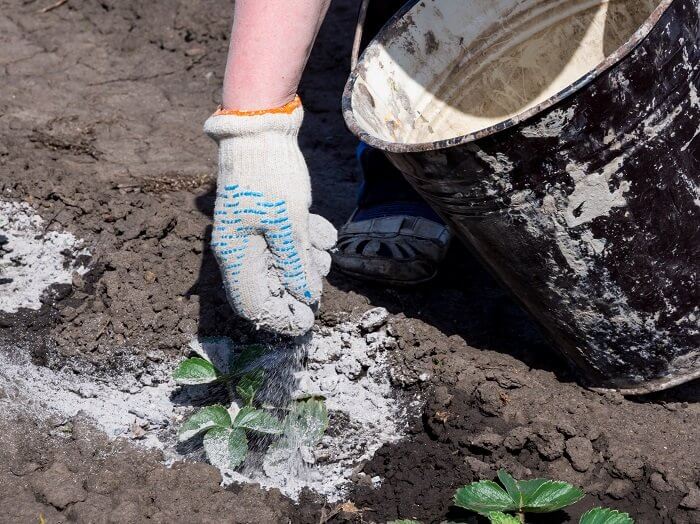
Wood ash supplies potassium and calcium, helping plants bloom and build stronger cell walls. Scatter a thin layer over garden beds or work it into the compost pile to balance acidity.
It’s especially useful if your soil is too acidic, as it raises pH levels. Avoid using ash from treated wood, which contains harmful chemicals. Always test the soil first, since too much ash can make it overly alkaline.
#3 Expired Animal Feed
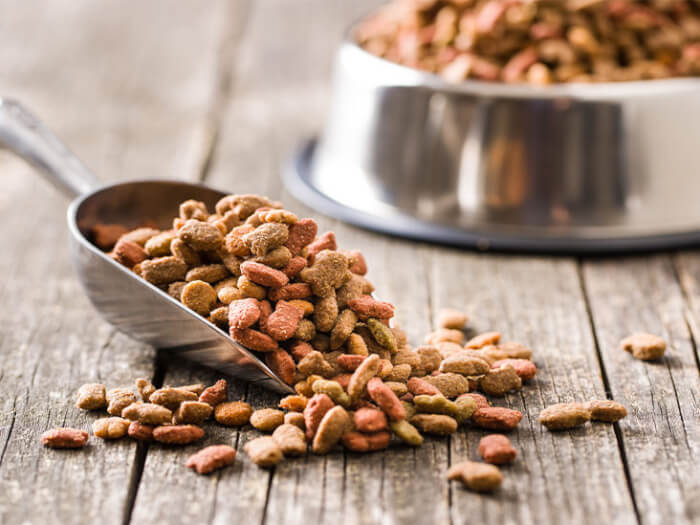
Old livestock or poultry feed often contains protein, calcium, and nitrogen that plants can reuse. Instead of throwing it out, mix small amounts into your compost pile for a nutrient-rich blend.
You can also scatter it around perennials and cover it with mulch so it breaks down slowly. Just make sure it’s kept damp enough to decompose instead of attracting pests.
#4 Egg Shells
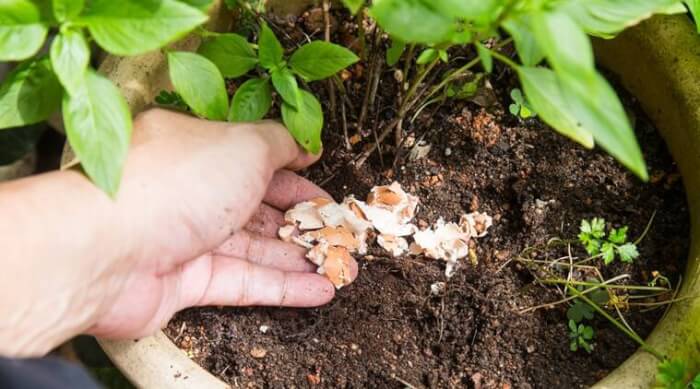
Eggshells are packed with calcium, which prevents issues like blossom end rot in tomatoes and peppers. Crush the shells into small pieces and sprinkle them directly into the soil or at the bottom of planting holes.
You can also grind them into a fine powder for faster absorption. Another bonus: shells act as a natural barrier against slugs and snails. Rinse them first to avoid odors or unwanted pests.
#5 Composting
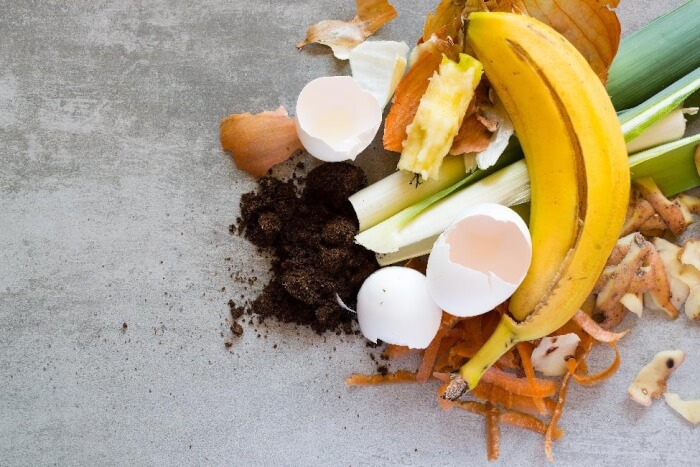
Compost is nature’s way of recycling food and garden scraps into nutrient-rich soil. Vegetable peels, fruit cores, coffee filters, and yard clippings all break down into a dark, crumbly fertilizer.
Start a small compost bin or pile in your yard, turning it every week to speed up decomposition. You can also use kitchen composters indoors to create a steady supply for houseplants.
Regular composting improves soil structure while feeding plants naturally.
#6 Banana Skins
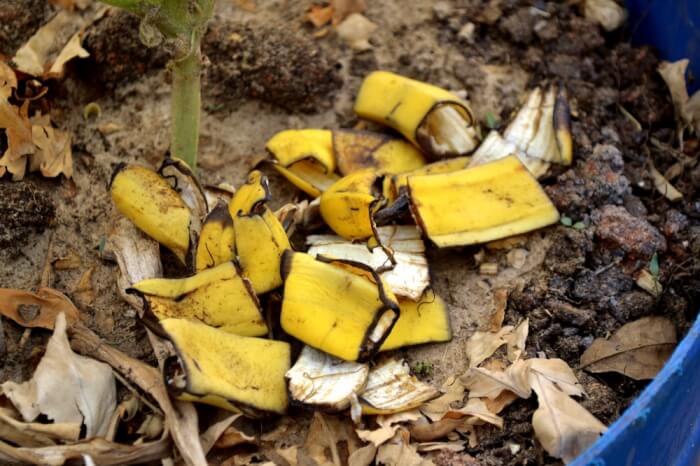
Banana peels release potassium and phosphorus, two nutrients vital for strong roots and flowering. Chop the skins into small pieces so they decompose quickly, then bury them an inch beneath the soil.
For indoor plants, you can soak peels in water for a few days and use the liquid as fertilizer. They also help repel aphids when tucked around the base of plants. Using banana skins is a simple way to recycle waste into garden gold.
#7 Manure
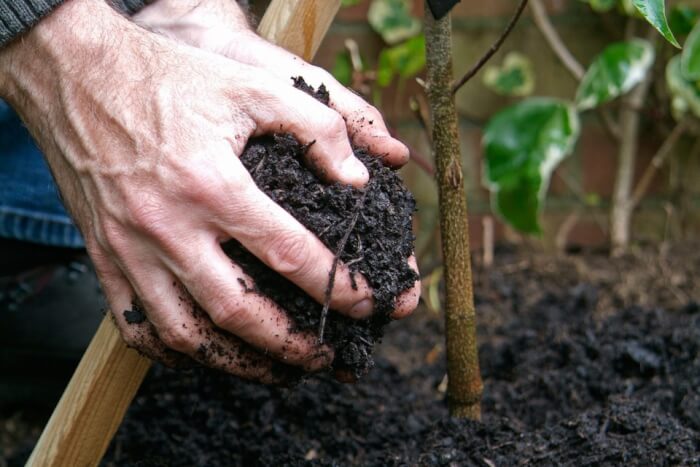
Well-aged manure enriches soil with nitrogen, phosphorus, and organic matter. Compost it first so it’s safe for plants and less likely to burn tender roots. Once ready, spread a thin layer over vegetable beds or mix it into soil before planting.
Cow, horse, and chicken manure are excellent choices, but avoid dog or cat waste due to harmful pathogens. A balanced application improves soil texture and long-term fertility.
#8 Epsom Salt
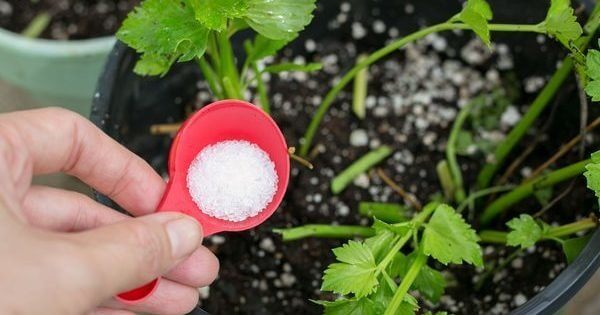
Epsom salt provides magnesium and sulfur, nutrients that boost photosynthesis and encourage bushy growth. It works especially well on roses, peppers, and tomatoes, which often show magnesium deficiencies.
You can mix one tablespoon in a gallon of water and use it as a foliar spray or soil drench once a month. Sprinkling a spoonful in the planting hole also supports seedlings. It’s a quick way to give plants a visible health lift.
Final Thoughts
Feeding your plants doesn’t have to mean buying chemical fertilizers. By reusing common kitchen and household items, you not only cut costs but also create a more sustainable garden.
With these natural methods, you give your plants a steady supply of nutrients while keeping waste out of landfills. Start experimenting with one or two of these options, and you’ll quickly see stronger growth and healthier blooms.