
Edible succulents are not only eye-catching in your garden but also full of surprising flavors and health benefits. These unique plants thrive with minimal care, making them a practical choice if you want both beauty and food from the same source.
Many of them provide fruits, leaves, or stems that can be eaten raw, cooked, or even blended into refreshing drinks. When you grow succulents you can eat, you gain a steady supply of nutrient-rich food right at your doorstep.
Some are packed with antioxidants, while others offer a tangy, salty bite that pairs beautifully with everyday meals. With just a little attention to soil, sunlight, and water, these plants can reward you for years.
Let’s explore 8 edible succulents you’ll love adding to your kitchen and garden.
#1 Dragon Fruit
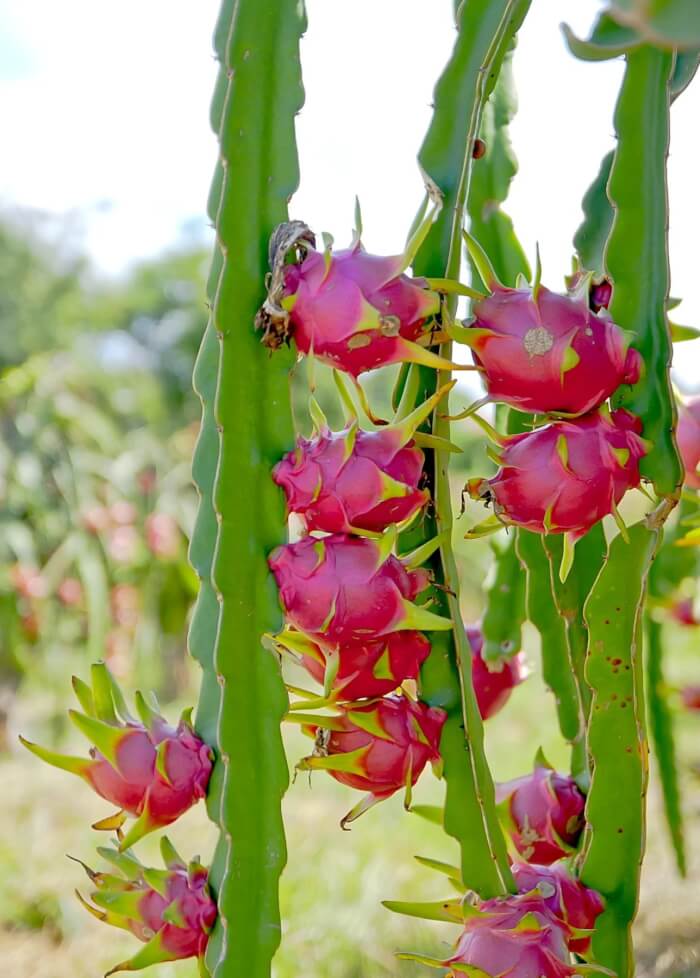
Dragon Fruit, also called pitaya, is a tropical cactus that produces striking pink-skinned fruits with sweet white or red flesh. You can enjoy it fresh with a spoon, toss cubes into fruit salads, or blend it into smoothies.
The plant prefers warm temperatures and well-drained soil, making it ideal for sunny patios or greenhouses. To encourage fruiting, provide a sturdy trellis for its climbing stems.
Water moderately and allow the soil to dry slightly between drinks. With its dazzling flowers and tasty harvest, Dragon Fruit is both decorative and practical.
#2 Purslane
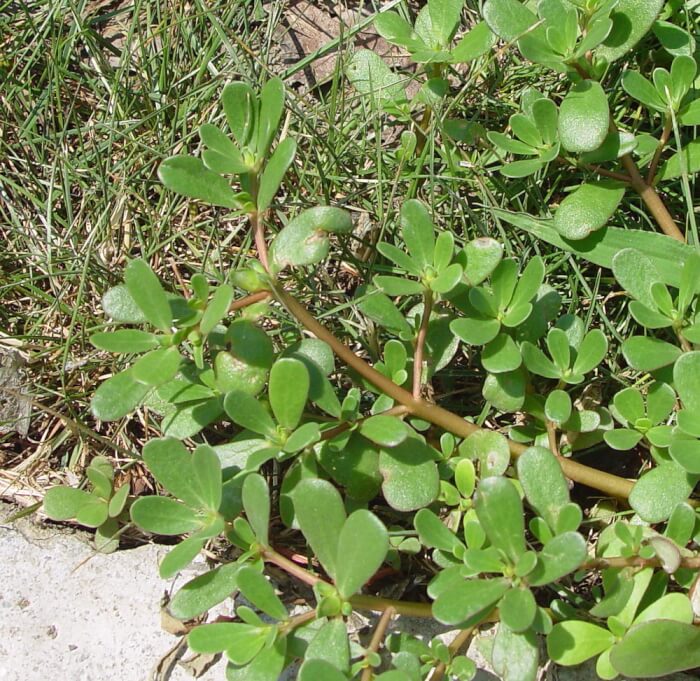
Purslane is often mistaken for a weed, yet it’s one of the healthiest greens you can grow. Its tender stems and leaves have a slightly sour, lemony taste that works well in salads, soups, or stir-fries.
Rich in omega-3 fatty acids, it’s a nutritious addition to your meals. This succulent grows quickly in pots or garden beds and adapts to many soil conditions.
Water lightly, as it thrives in dry spots once established. With its bright green foliage and tiny yellow flowers, Purslane is both edible and charming.
#3 Aloe
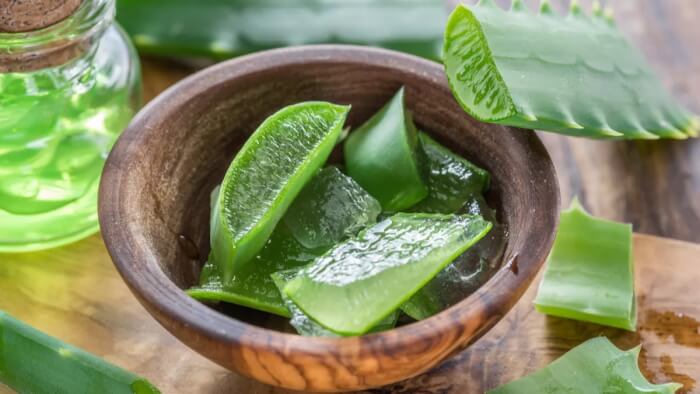
Aloe Vera is well known for soothing burns, but its inner gel is also edible. You can blend the clear gel into smoothies or juices for a refreshing boost of antioxidants and vitamin C.
Be sure to remove the yellow latex just under the skin, as it can cause stomach discomfort. Aloe thrives in warm, sunny conditions with sandy, well-drained soil.
Water sparingly, allowing the soil to dry completely before adding more. Growing Aloe gives you a natural healer and a health drink in one plant.
#4 Prickly Pear Cactus
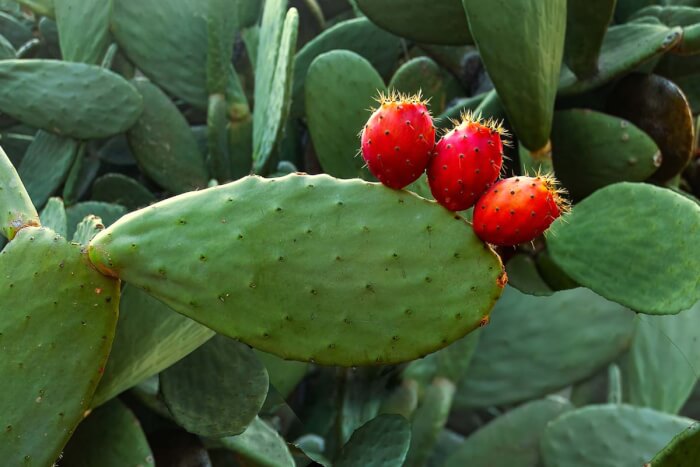
Prickly Pear Cactus is famous for its colorful, edible fruits that are sweet and refreshing. Its flat pads, called nopales, are also edible once the spines are carefully removed. You can grill, sauté, or chop the pads into salads for a tangy, unique flavor.
The cactus loves full sun and sandy soil, thriving in warm climates. Water deeply but infrequently to mimic desert conditions. With its vibrant flowers and tasty harvest, Prickly Pear offers beauty and food together.
#5 Saguaro Cactus
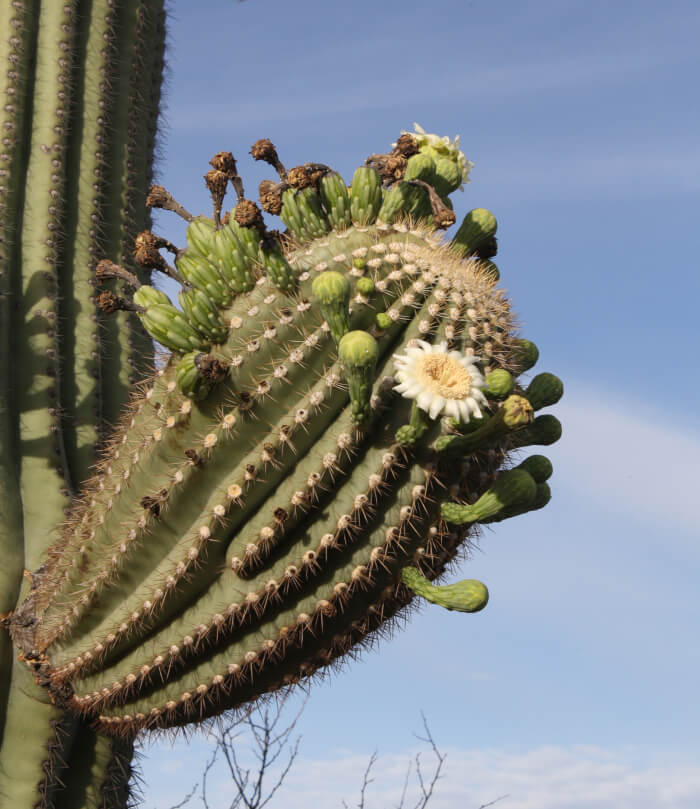
The Saguaro Cactus is iconic in desert landscapes, but it also produces edible red fruits. These fruits ripen in summer and have a sweet, berry-like taste. You can eat them fresh, cook them into syrups, or use them for jams.
This cactus requires full sun and thrives in sandy, well-draining soil. Growing it indoors in small pots works during its early years, but it can reach towering heights outdoors.
With patience, Saguaro rewards you with both dramatic beauty and delicious fruits.
#6 Salicornia
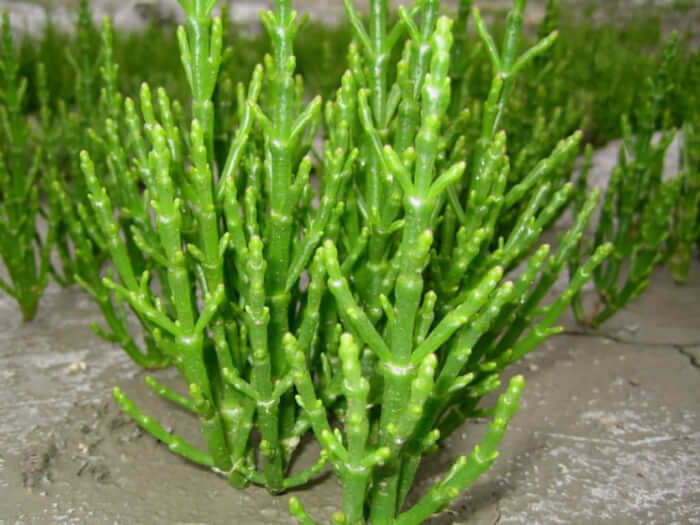
Salicornia, also called sea beans or samphire, is a marsh-loving succulent with a naturally salty flavor. It’s often found near beaches and works well in salads, stir-fries, or as a garnish for seafood dishes.
This plant thrives in sandy, well-drained soil and enjoys salty or brackish water conditions. Grow it in pots if you want a steady supply for cooking.
Harvest the young stems regularly to keep the plant productive. Its crisp texture and briny taste make it a favorite among chefs.
#7 Barrel Cactus
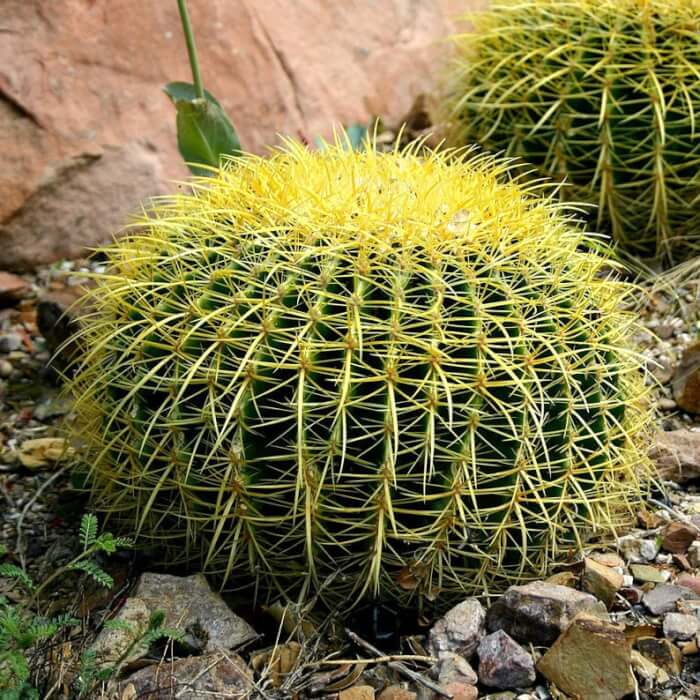
Barrel Cactus produces tart, lemony fruits that can be eaten raw or cooked. The fruits can also be blended into smoothies or dried for later use. This cactus prefers full sun and sandy soil, thriving with very little water.
Place the pot near a south or west-facing window for strong growth indoors. Handle carefully, as the spines are sharp. With its round shape and colorful fruit, it adds both flavor and a striking presence to your garden.
#8 Sedum
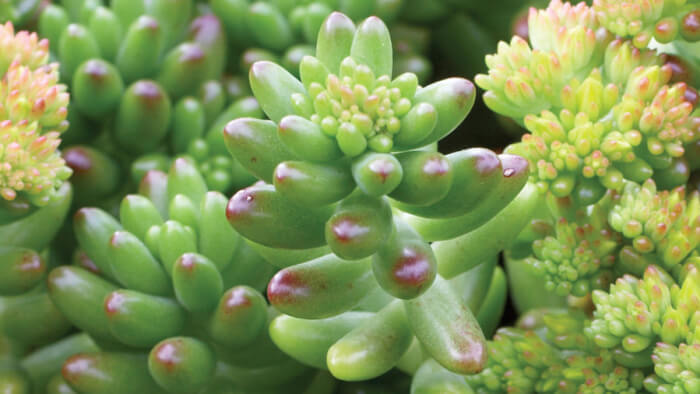
Sedum is a low-maintenance succulent with many edible species. Its leaves have a mild, slightly peppery flavor and can be eaten fresh or lightly cooked. Be cautious, as yellow-flowering sedums must be cooked before eating.
Grow it in containers or rock gardens where it needs very little water. Water only when the soil is dry to the touch. By harvesting small amounts, you’ll add unique texture and taste to your salads without much effort.