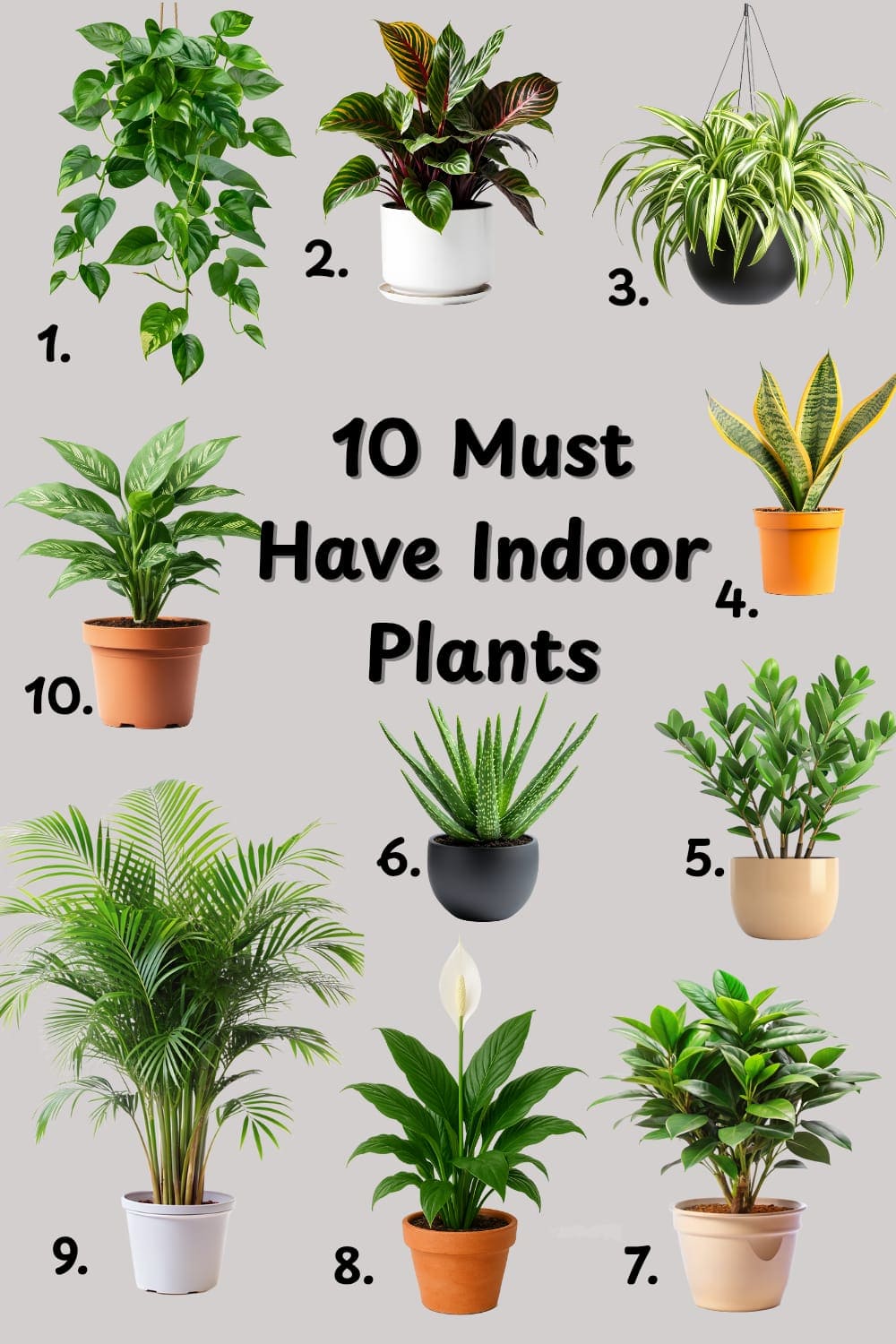
Indoor plants are more than just decorations; they’re living companions that improve air quality, boost mood, and add warmth to any space.
But with so many options out there, it’s easy to feel overwhelmed about which ones are truly worth the effort.
After years of experimenting with dozens of houseplants, I’ve narrowed it down to ten that really stand out for their beauty, resilience, and adaptability.
Let’s dive into the details of each so you can pick the perfect ones for your home.
1. Golden Pothos (Epipremnum aureum)
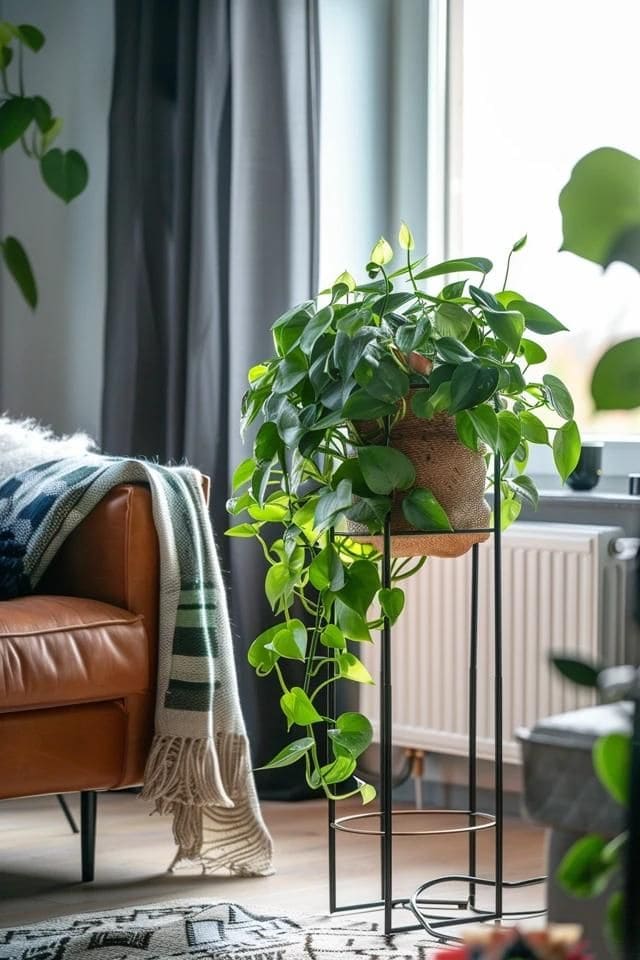
- Light: Thrives in low to bright, indirect light
- Water: Every 1-2 weeks; allow soil to dry slightly between waterings
- USDA Zones: 10-12
Golden pothos is a plant that practically thrives on neglect. If your home doesn’t get much natural sunlight, or if you often forget to water, this one’s a lifesaver.
Its trailing vines look beautiful draped over bookshelves, hanging baskets, or even winding up a trellis.
Pothos is also known for its ability to filter toxins like formaldehyde and benzene from the air.
For renters, students, or busy professionals, this plant gives you lush greenery without asking for much in return.
2. Calathea (Calathea spp.)
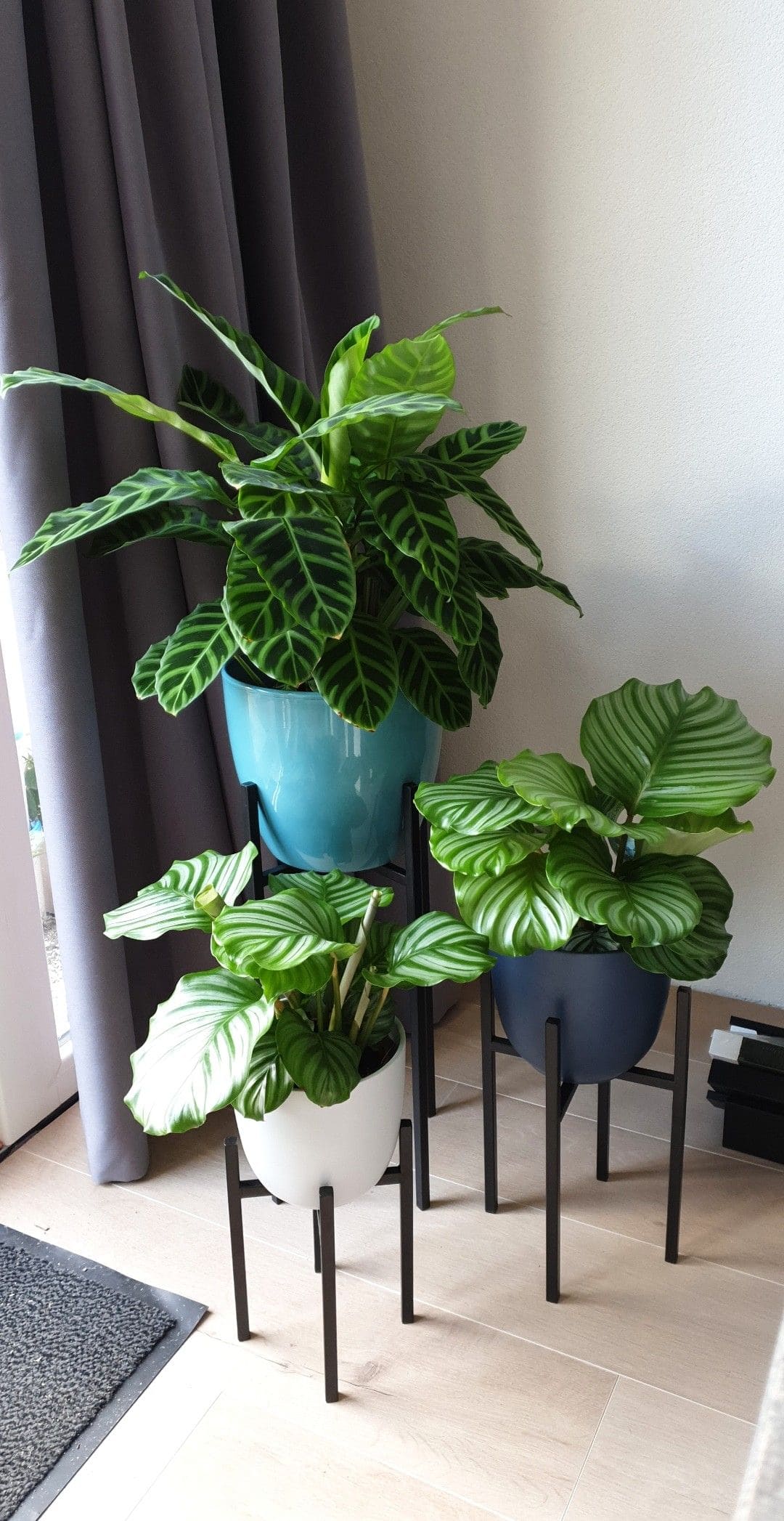
- Light: Medium to low, indirect light
- Water: Keep soil evenly moist; avoid letting it dry completely
- USDA Zones: 11-12
Calatheas are show-offs, and that’s exactly why people love them.
Their leaves display stunning patterns such as stripes, feathering, or spots and they move with the day, folding upward in the evening as if in prayer.
However, they can be sensitive: they dislike tap water with chemicals and need a more humid environment.
If you’re someone who enjoys nurturing your plants and creating a little indoor jungle, a Calathea will reward your care with unmatched beauty.
3. Spider Plant (Chlorophytum comosum)
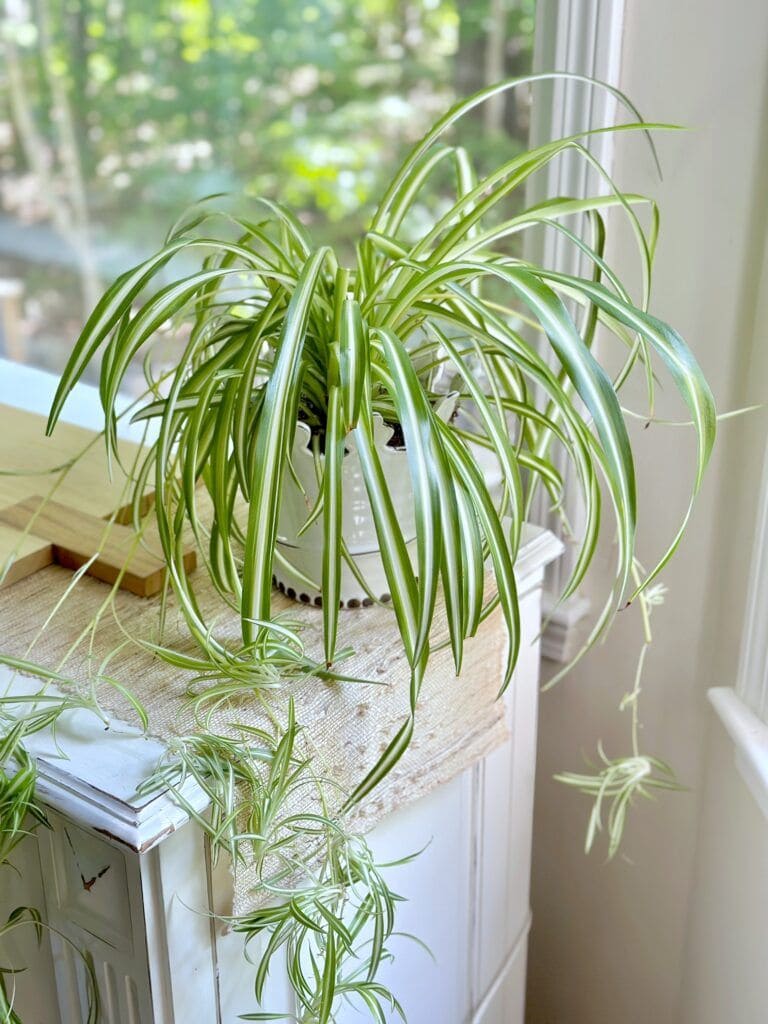
- Light: Bright, indirect light
- Water: Every 1-2 weeks; allow soil to dry a bit between waterings
- USDA Zones: 9-11
Spider plants are perfect for anyone who wants a plant that just keeps giving. Their arching leaves spill gracefully, and they constantly produce offshoots, tiny spiderettes that you can propagate and share with friends.
They adapt to different environments, so they’ll grow just as happily in a kitchen with filtered light as in a bright office.
For families, they’re a safe, non-toxic choice, and their lively look makes them feel cheerful and fresh.
See also: The Easiest Way To Multiply Your Spider Plants In Water
4. Snake Plant (Sansevieria trifasciata)
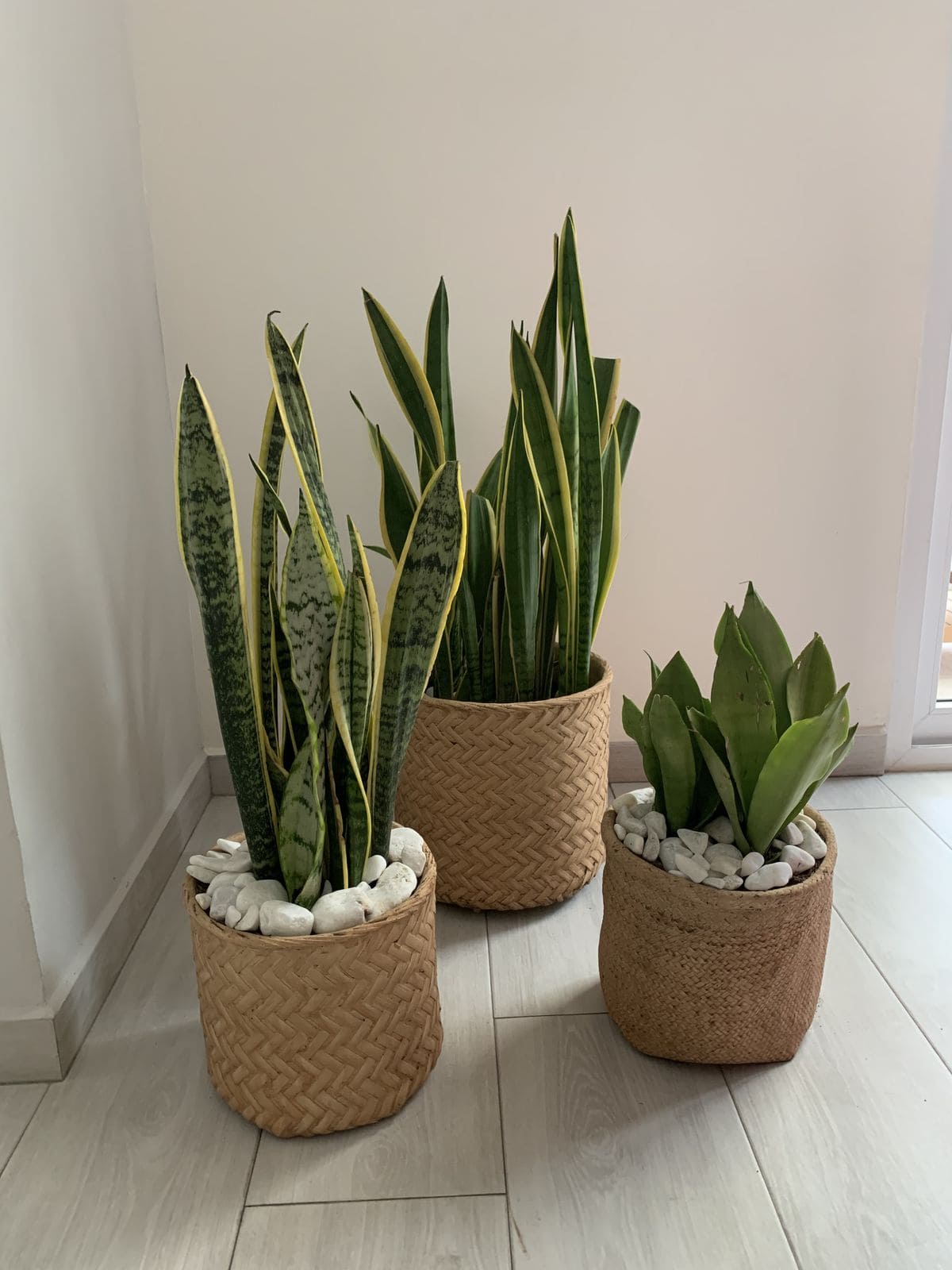
- Light: Low to bright; highly adaptable
- Water: Once every 2-3 weeks; resists drought
- USDA Zones: 9-11
If you’re looking for a plant that asks for almost nothing, the Snake Plant is your answer. Its tall, upright leaves look striking in modern, minimal homes, and it’s one of the best plants for improving indoor air quality.
Uniquely, it releases oxygen at night, making it an excellent bedroom plant.
Snake plants thrive in neglect, so if you travel often or simply don’t want to fuss over watering, this plant is practically indestructible.
5. ZZ Plant (Zamioculcas zamiifolia)
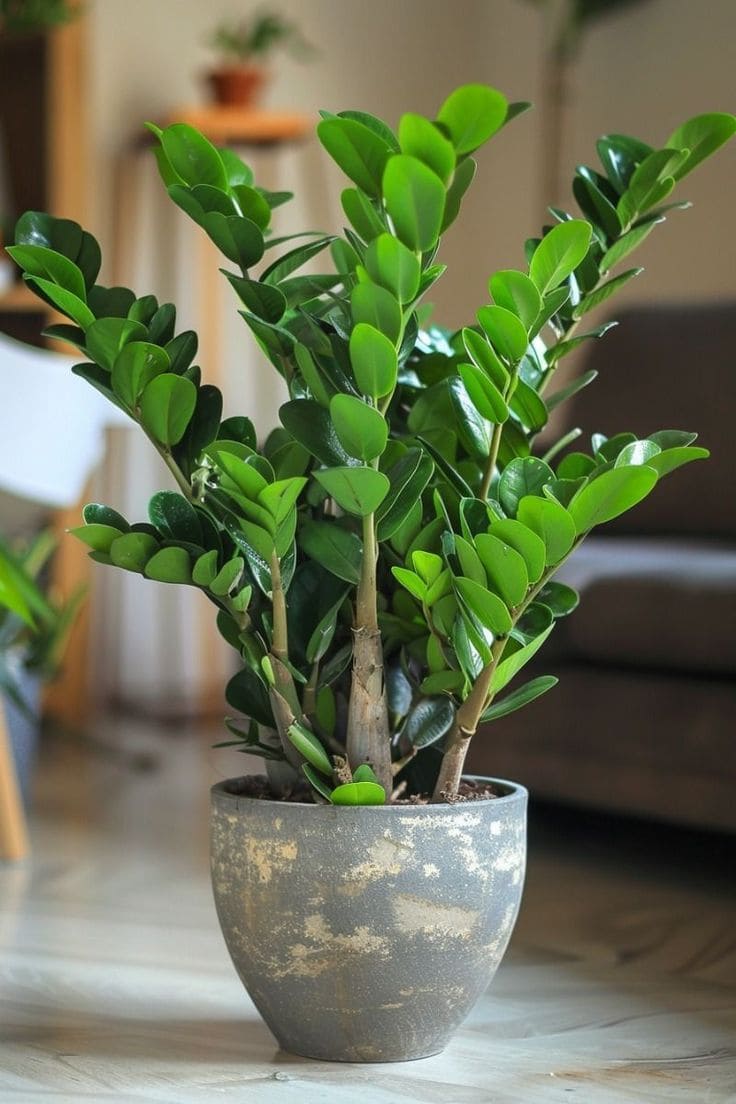
- Light: Low to bright, indirect light
- Water: Every 2-3 weeks; tolerates long dry spells
- USDA Zones: 9-10
The ZZ plant is the ultimate low-maintenance beauty. Its glossy, deep green leaves give it a polished, almost fake-looking charm, but it’s very much alive.
This plant stores water in its rhizomes, so it can go weeks without attention.
It’s also one of the few plants that does well in windowless rooms with fluorescent lighting, perfect for offices or low-light apartments. If you’ve killed plants before, a ZZ is your redemption plant.
6. Aloe Vera (Aloe barbadensis miller)
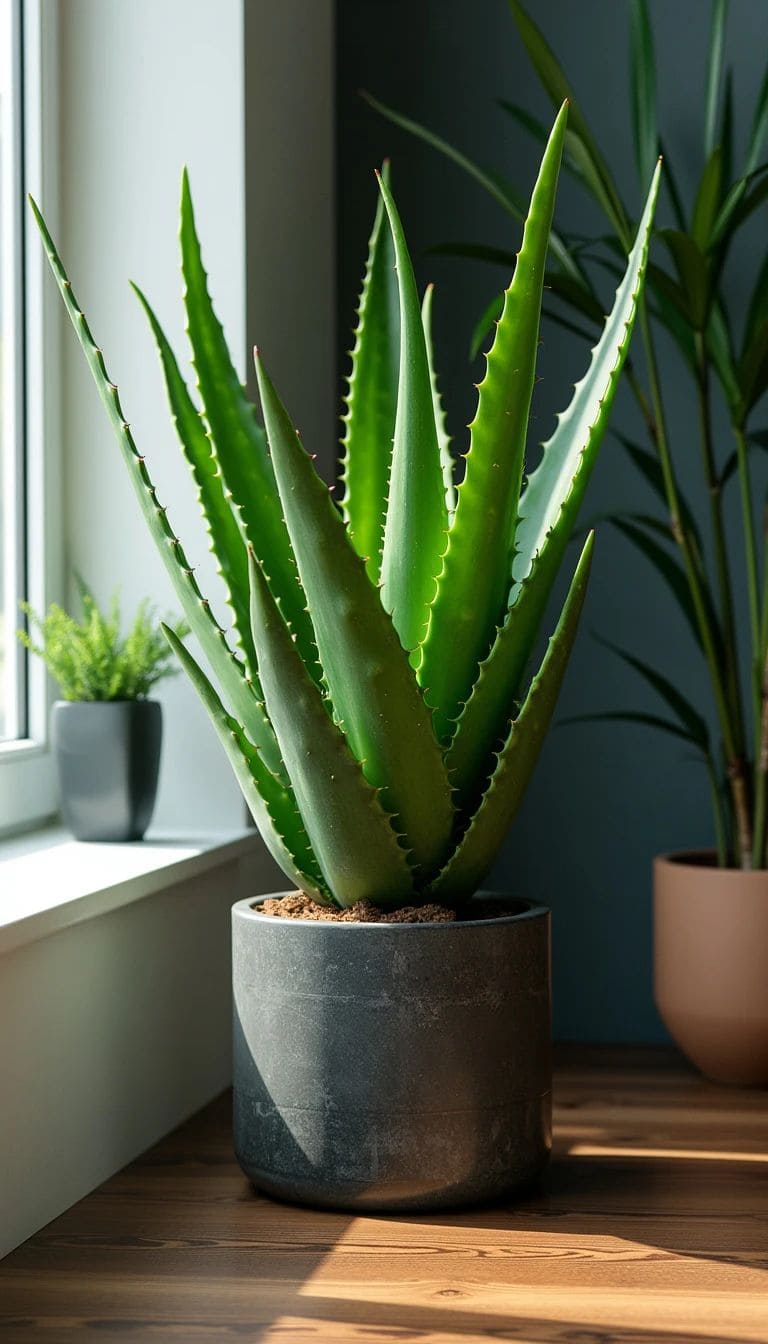
- Light: Prefers bright, direct sunlight
- Water: Infrequently; let soil dry out completely
- USDA Zones: 9-11
Aloe vera is both practical and decorative. Its fleshy, spiky leaves hold soothing gel that can treat burns and minor skin irritations, a handy natural remedy to keep in the house.
It thrives on neglect as long as it gets sunlight, making it ideal for a sunny kitchen windowsill or balcony.
Aloe loves dry soil, so overwatering is its only real enemy. If you’re looking for a dual-purpose plant that’s both healing and beautiful, Aloe is a must.
7. Rubber Plant (Ficus elastica)
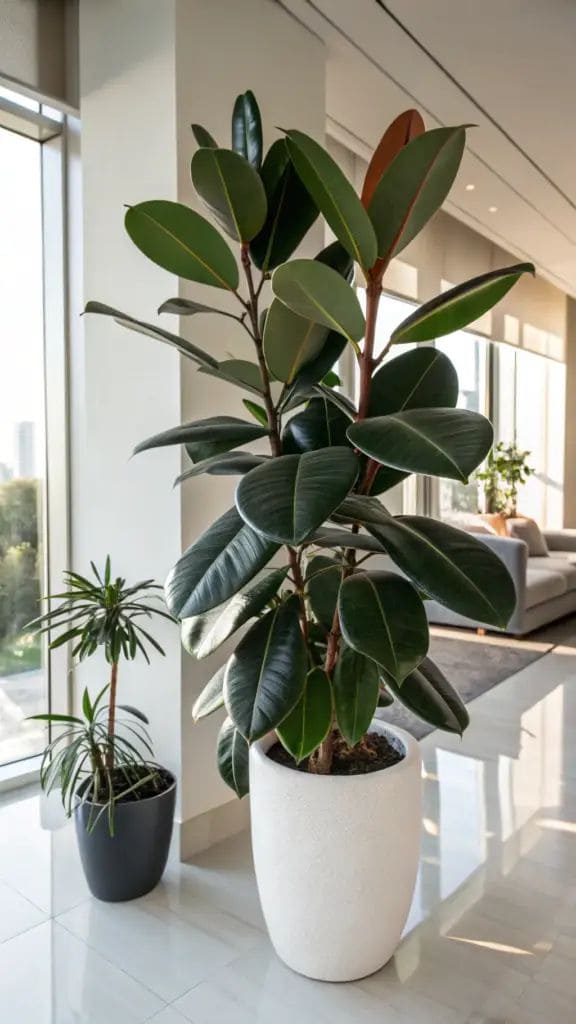
- Light: Bright, indirect light
- Water: Weekly; allow the top inch of soil to dry out
- USDA Zones: 10-12
Rubber plants make bold statements. Their large, glossy leaves bring drama to any room, and they can adapt to remain compact in a pot or grow into a tall indoor tree.
They’re also great air-purifiers, though they do need consistent care.
Regular wiping of their leaves keeps them dust-free and shining. For living rooms, offices, or spaces where you want a focal plant, the Rubber Plant is unmatched in elegance.
8. Peace Lily (Spathiphyllum spp.)
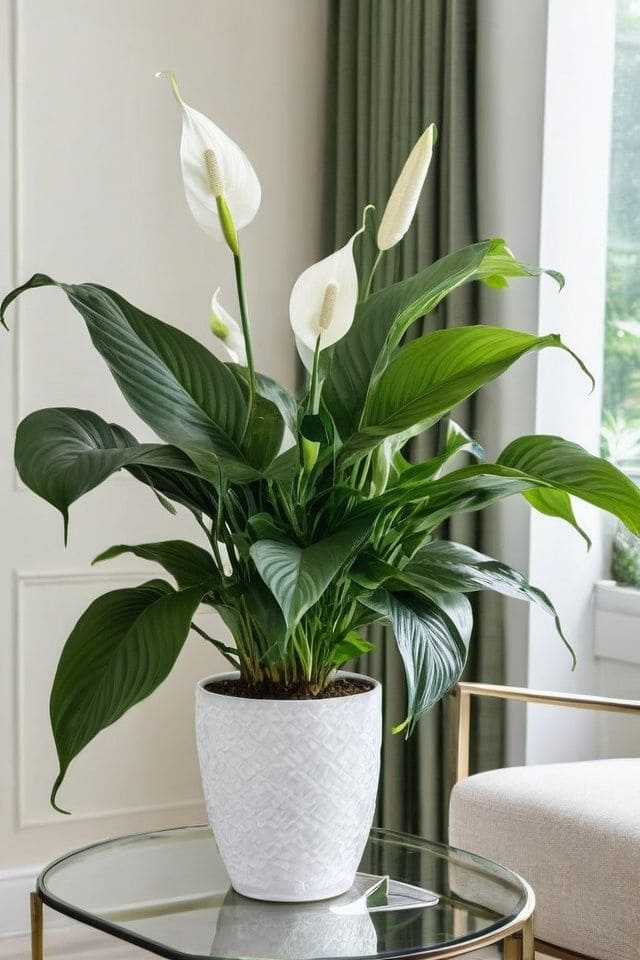
- Light: Low to medium, indirect light
- Water: Weekly; likes consistently moist soil
- USDA Zones: 11-12
Peace lilies are elegant plants that offer something rare indoors: blooms. Their white, sail-like flowers appear even in low-light conditions, brightening dark corners of your home.
They’re also among the best air-purifying plants, known to reduce pollutants like ammonia and benzene.
While they do like humidity and regular watering, they’ll tell you when they’re thirsty by drooping slightly, making it hard to overwater.
For bedrooms or offices, their calming presence is unbeatable.
Read more: 10 Ways To Get Your Peace Lily To Bloom More Often
9. Areca Palm (Dypsis lutescens)
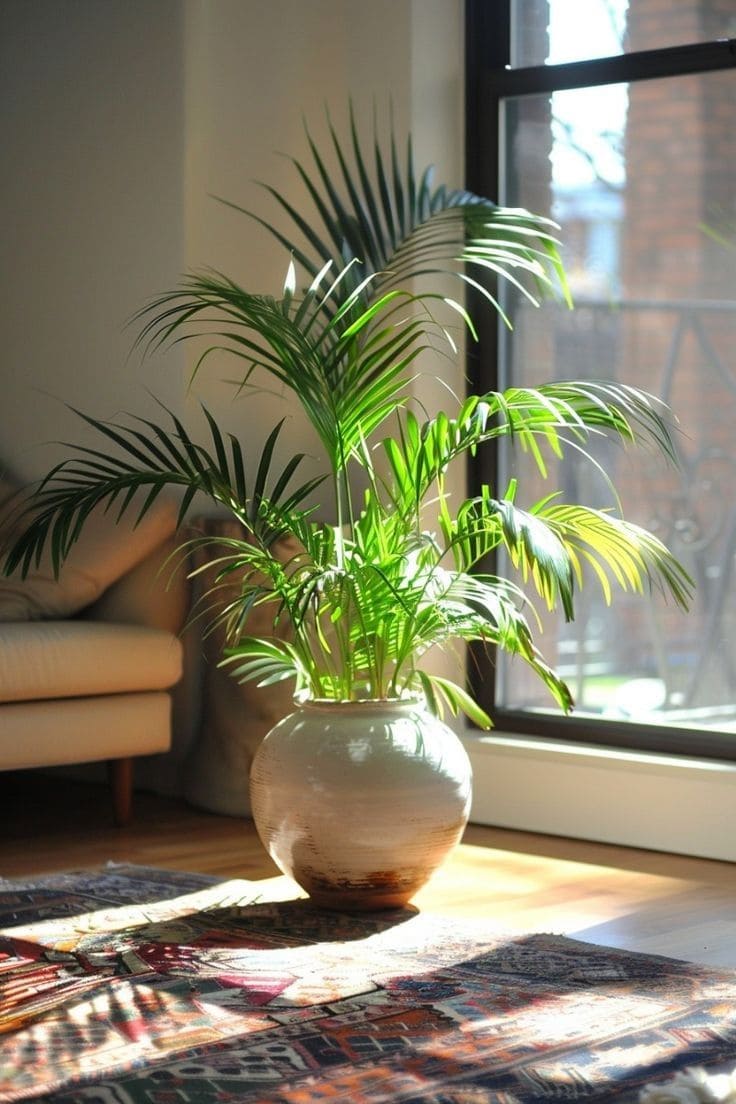
- Light: Bright, indirect light
- Water: Weekly; keep soil slightly moist
- USDA Zones: 10-11
Areca palms instantly transform a space into a tropical retreat. Their feathery, arching fronds soften corners and bring movement and life into rooms.
They thrive in bright spaces without direct sun and love consistent watering.
If you’ve ever wanted a plant that makes you feel like you’re on vacation, the areca palm does the trick. It’s also safe for pets, which makes it an even more versatile choice for families.
10. Dieffenbachia (Dieffenbachia spp.)
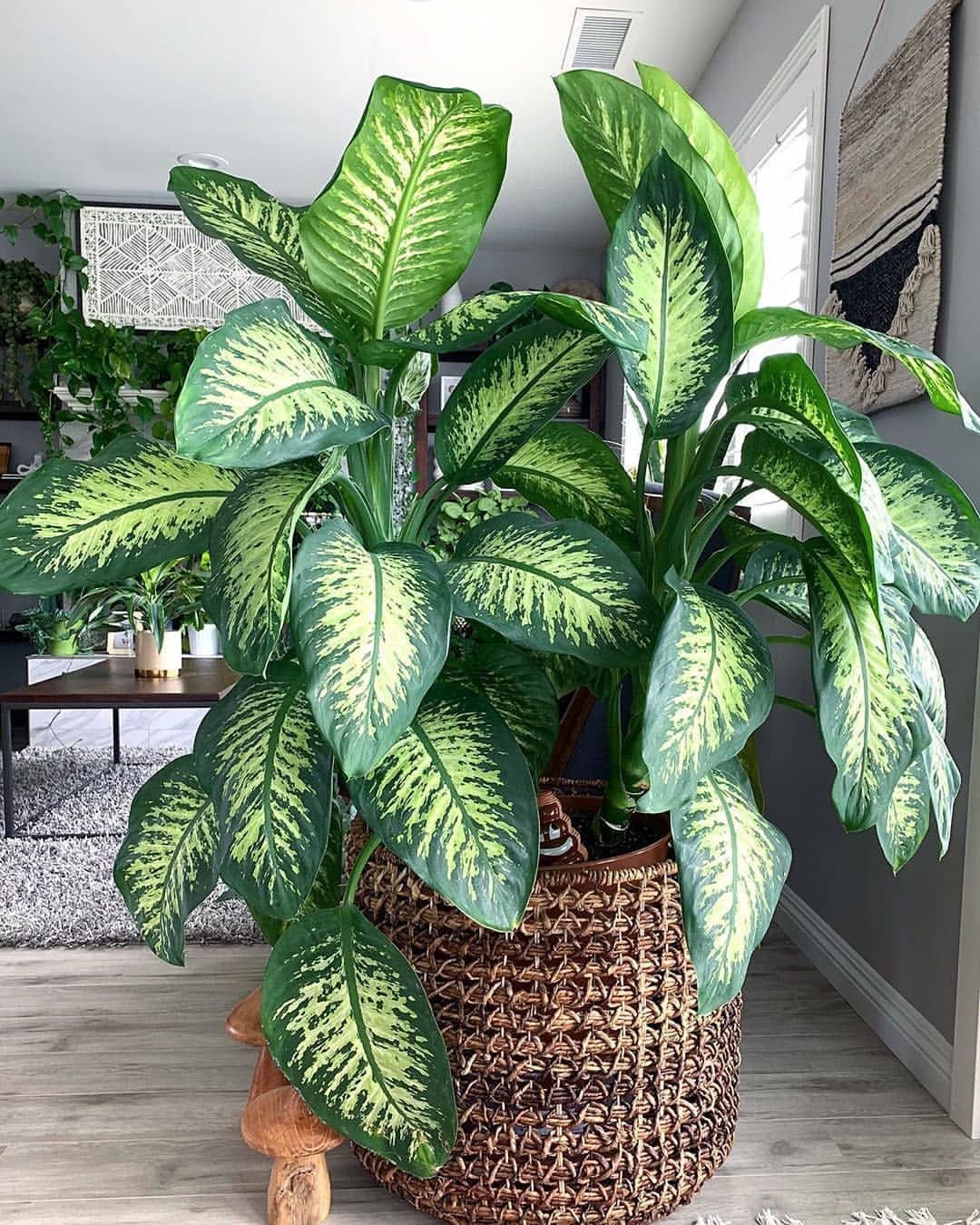
- Light: Medium, indirect light
- Water: Weekly; keep soil slightly moist but not soggy
- USDA Zones: 10-12
Dieffenbachia, also called Dumb Cane, is known for its bold, variegated leaves that add instant impact to any space. It thrives in indirect light, making it suitable for living rooms and hallways.
However, it is toxic if ingested, so it’s best avoided in homes with curious pets or children.
With its striking patterns and lush growth, it’s a plant that brings the feel of a mini jungle indoors.
Final Thoughts
Choosing the right indoor plant isn’t just about what looks good, it’s about matching the plant to your lifestyle and environment.
If you want effortless greenery, go for Snake Plants or ZZ Plants. If you enjoy nurturing and don’t mind a bit of extra care, Calatheas or Rubber Plants will reward you with beauty and character.
And if you’re after something practical, Aloe and Peace Lilies add both function and elegance.
With these ten options, there’s a plant for every type of home and personality. Start with one, get to know its needs, and let your indoor garden grow from there.