
Natural healing begins in the garden. For centuries, people have turned to herbs to soothe pain, calm nerves, and support their bodies, often with incredible results.
Instead of buying costly herbal products, you can nurture these powerful plants yourself and enjoy their benefits fresh from the source.
Many of them thrive with little care and offer more than just medicinal perks; they scent your space, brighten up your landscape, and bring beauty to daily life.
Whether you keep them on a kitchen windowsill or tucked into raised beds outside, they’re ready to work their quiet magic. Let’s explore the herbs that do more than decorate; they heal, restore, and uplift.
#1 Mint
 Source: Gardenerspath
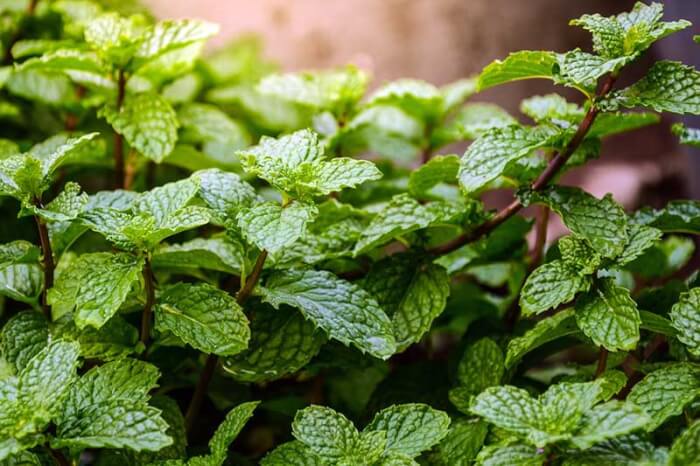
Mint’s cooling flavor is just the start. Beneath its crisp aroma lies a herb used for easing digestive upsets, calming nerves, and reducing inflammation. Many people sip it as a tea to manage mild headaches or relieve anxiety.
It grows best in a container where its roots won’t take over. You can harvest the leaves regularly, fresh or dried, and use them in teas, desserts, or herbal infusions. This plant offers a refreshing burst of wellness you’ll want nearby.
#2 Goldenseal
 Source: Nativewildflowers
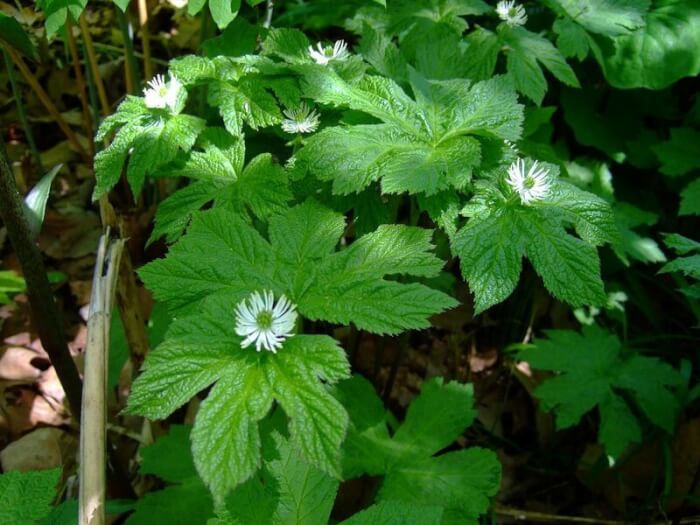
Goldenseal is best known for its antibacterial properties and is often used during the cold season. The roots are most commonly made into a tea or tincture to support the immune system.
Though it’s a woodland native, it adapts to shaded garden spots when grown in rich, moist soil. Harvest the roots after the second or third year for maximum potency.
It’s a patient grower, but worth it for those looking to keep herbal remedies close.
#3 Feverfew
 Source: Healthline
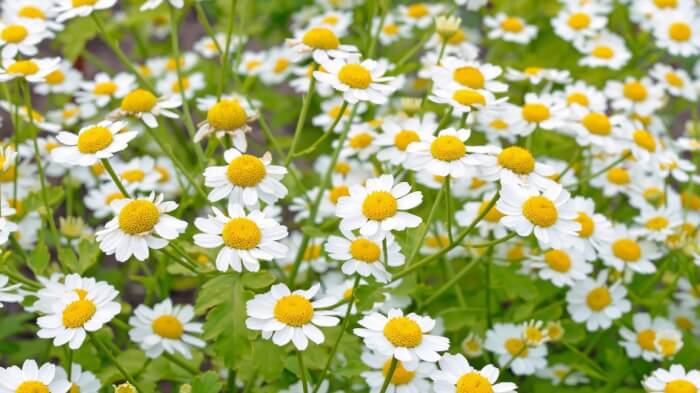
Feverfew has long been used to relieve headaches and reduce fever symptoms. This small, daisy-like plant contains compounds that help soothe migraines and ease arthritis discomfort.
Some gardeners dry the leaves for tea or create tinctures for quick relief. It’s simple to grow in a sunny spot with well-draining soil and can reseed itself once established.
Just touching its leaves can release a strong scent that hints at its medicinal strength.
#4 Ginseng
 Source: Masterclass
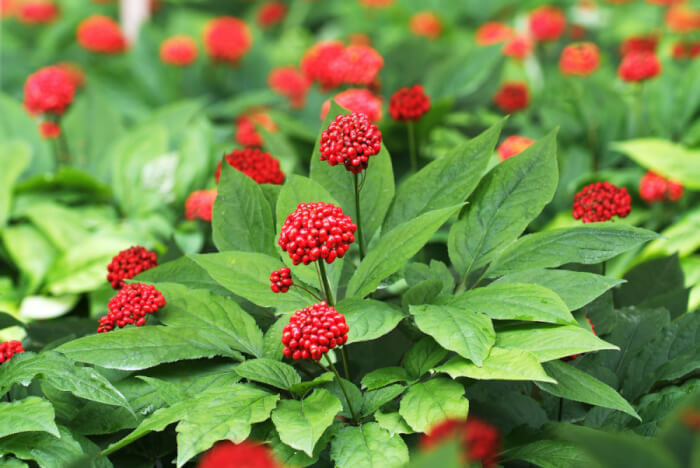
Ginseng is valued for restoring energy and strengthening the body’s response to stress. Its roots are the powerhouse, often steeped in tea or used in tonic blends.
Growing it requires patience; it can take years to reach maturity, but its rewards are long-lasting. It thrives in shady spots with deep, loamy soil and appreciates a gentle touch.
Many herbalists rely on it during winter when energy feels low and colds linger.
#5 Lavender
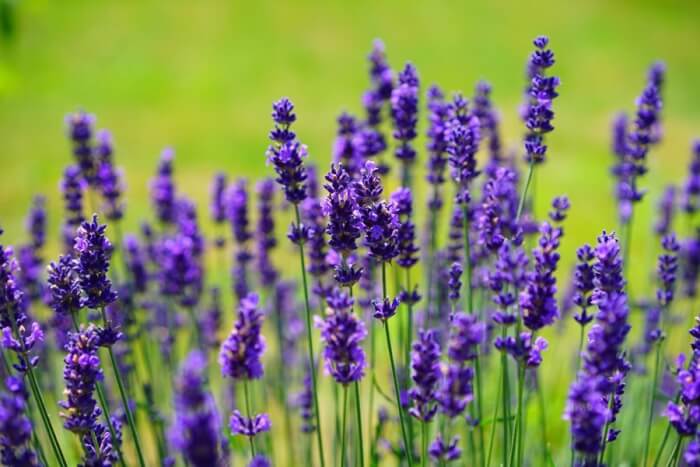 Source: Gardendesign
Lavender fills the air with calm. Its scent is used to ease anxiety, support sleep, and lift the mood during tense moments. You can dry the flowers for sachets or brew a gentle tea to unwind at night.
This hardy plant loves sun and well-drained soil, and once it’s happy, it keeps coming back. Its purple blooms bring charm and tranquility to garden beds or pots alike.
#6 Yarrow
 Source: Learnkegerator
Yarrow is a reliable herbal ally when it comes to first aid. Its leaves and flowers have been used to stop bleeding and reduce inflammation. In the garden, it grows easily with little fuss and draws pollinators while offering healing benefits.
You can use it fresh or dried, depending on how you plan to apply it. Some use powdered yarrow in homemade salves or add it to bath soaks for skin support.
#7 Holy Basil
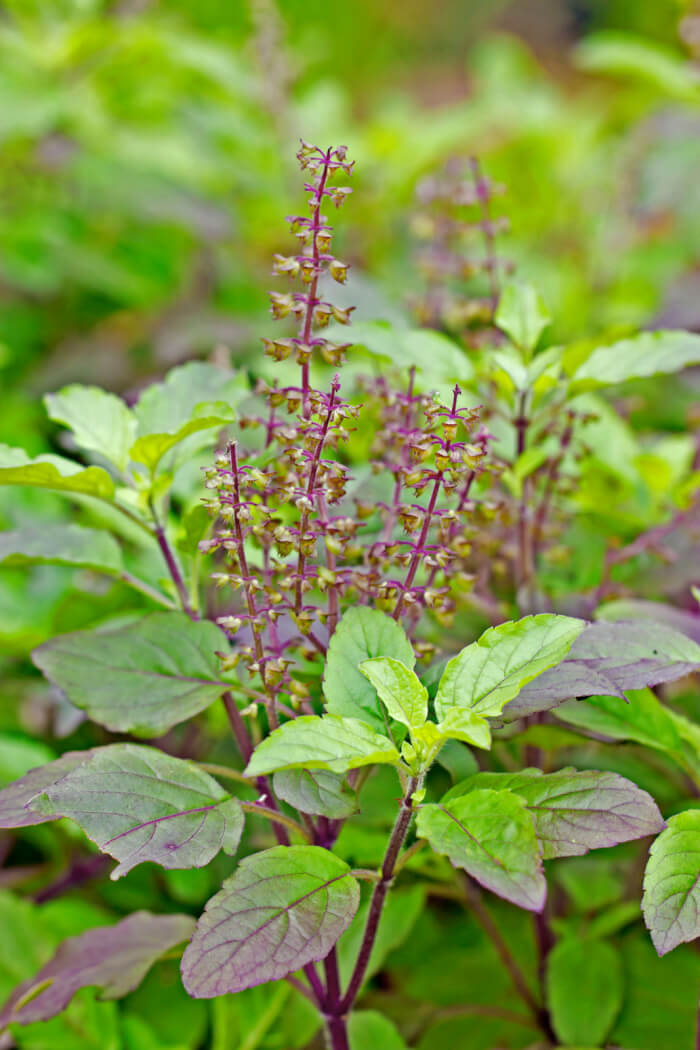 Source: Britannica
Holy Basil, or Tulsi, carries a sacred reputation in traditional medicine. It’s believed to protect the body from stress, infections, and inflammation. The leaves are often steeped into tea that helps with breathing, digestion, and focus.
You’ll find it grows quickly in warm weather and prefers frequent harvests to keep it thriving. Its spicy scent and lush green leaves make it a favorite for both health and heart.
#8 Calendula
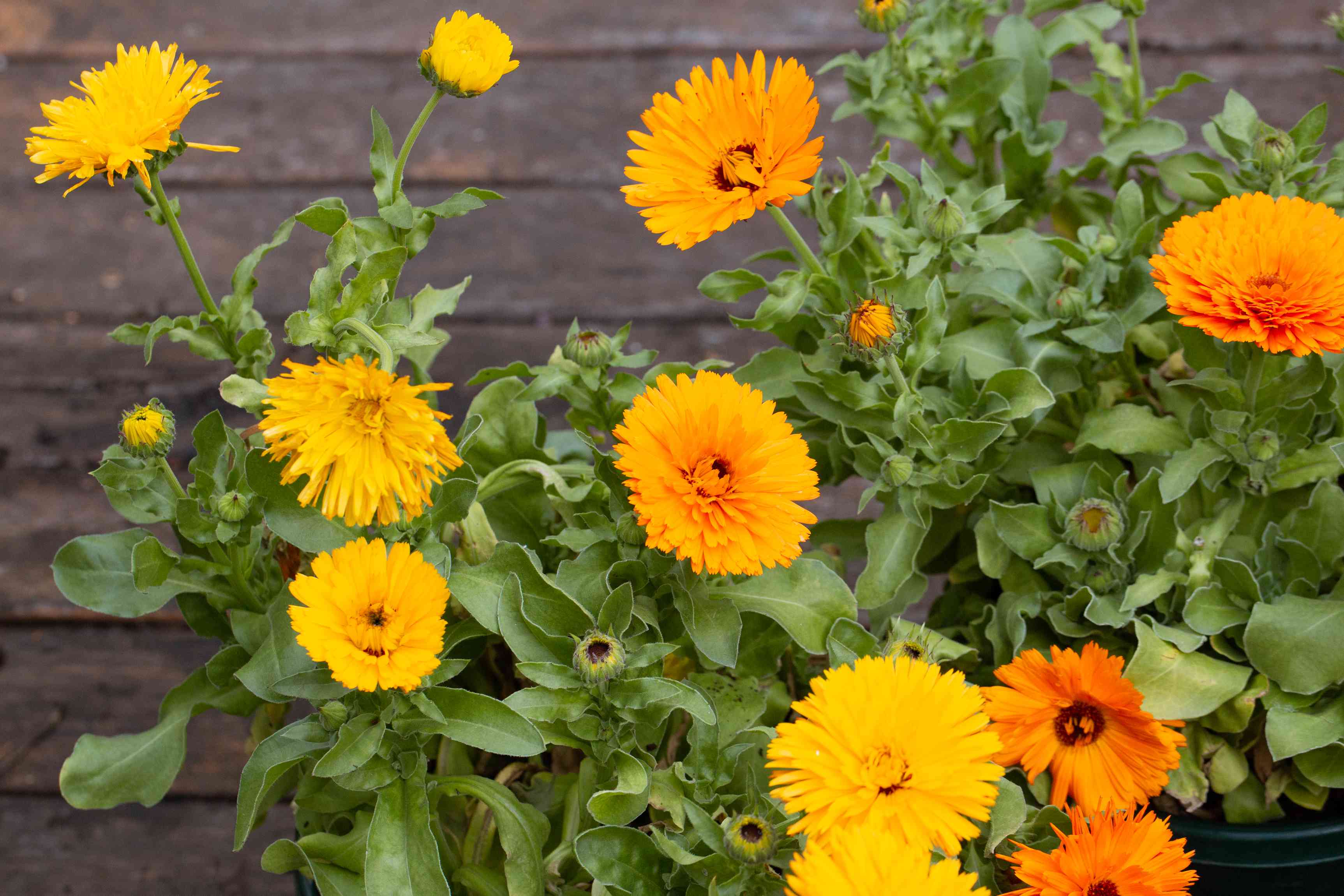 Source: Thespruce
Calendula is sunshine in plant form. Beyond its cheerful blooms, this herb is prized for its skin-soothing abilities. It’s often infused in oils, added to salves, or brewed into a calming tea.
You can grow it in pots or borders where it adds color and helps repel pests. The more you harvest, the more it blooms, bringing healing with every petal.
#9 Echinacea
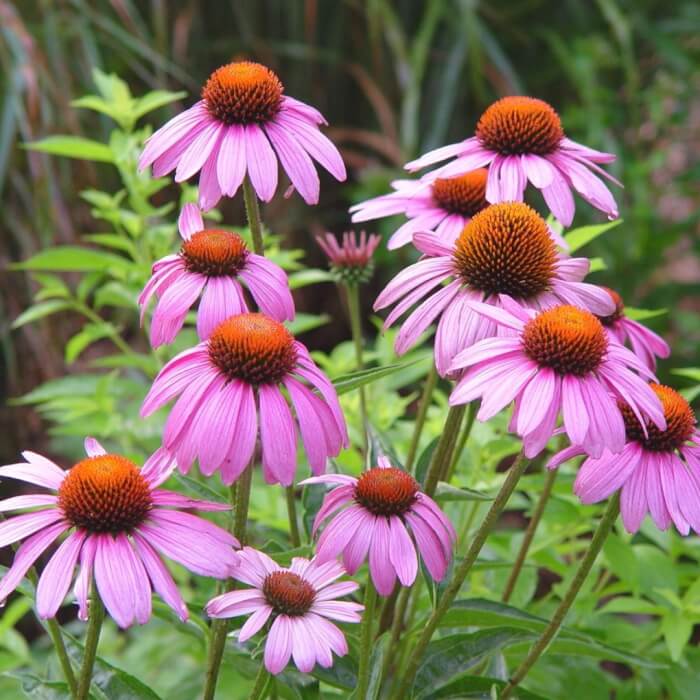 Source: Hgvt
Echinacea boosts immunity and helps shorten the length of colds or flu. Its spiky flowers are a pollinator magnet and offer root and petal benefits. You can dry the parts for tea or create herbal tinctures for winter support.
It prefers full sun and well-drained soil but handles tough conditions with ease. Having it on hand means you’re better prepared for seasonal bugs.
#10 Chamomile
 Source: Tegoder
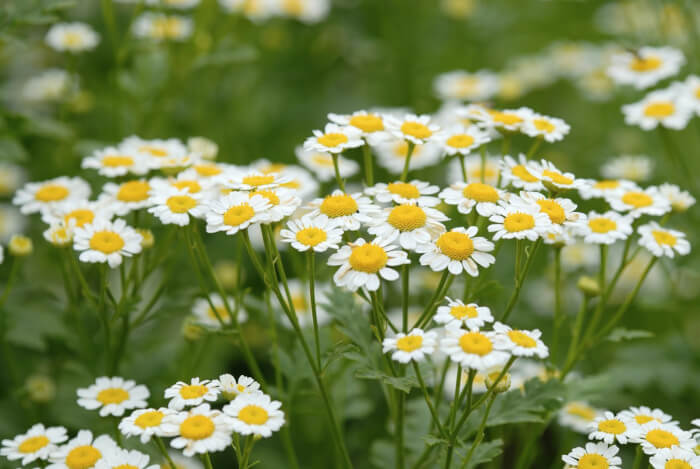
Chamomile brings calm to both the mind and the body. The delicate flowers are steeped into tea to help with sleep, stomach aches, or stress. This gentle herb thrives in sun-filled containers or garden beds and requires minimal tending.
When the blooms start to open, you can pluck and dry them for daily use. Its soft scent and relaxing effects make it feel like comfort in a cup.
#11 Bergamot
 Source: Britannica
Bergamot, often associated with Earl Grey tea, also carries healing powers. Its citrusy aroma is used to uplift mood, calm anxiety, and soothe inflammation. You can dry the rind or leaves and use them in teas, salves, or essential oil blends.
It grows best in full sun with regular watering and offers a fragrant harvest that feels both bright and balancing. Its unique profile adds zest to herbal collections and culinary creations alike.