
Indoor ferns are some of the best plants you can grow if you want a lush, tropical feel inside your home. Their cascading fronds, soft textures, and vibrant shades of green instantly make a space feel alive and refreshing.
These houseplants not only look beautiful in pots but also thrive in hanging baskets and decorative planters, giving you endless ways to style them.
With the right mix of light, humidity, and care, ferns can bring lasting greenery that feels both calming and elegant. Below are 19 stunning types of ferns you’ll love adding to your indoor garden.
#1 Crocodile Fern
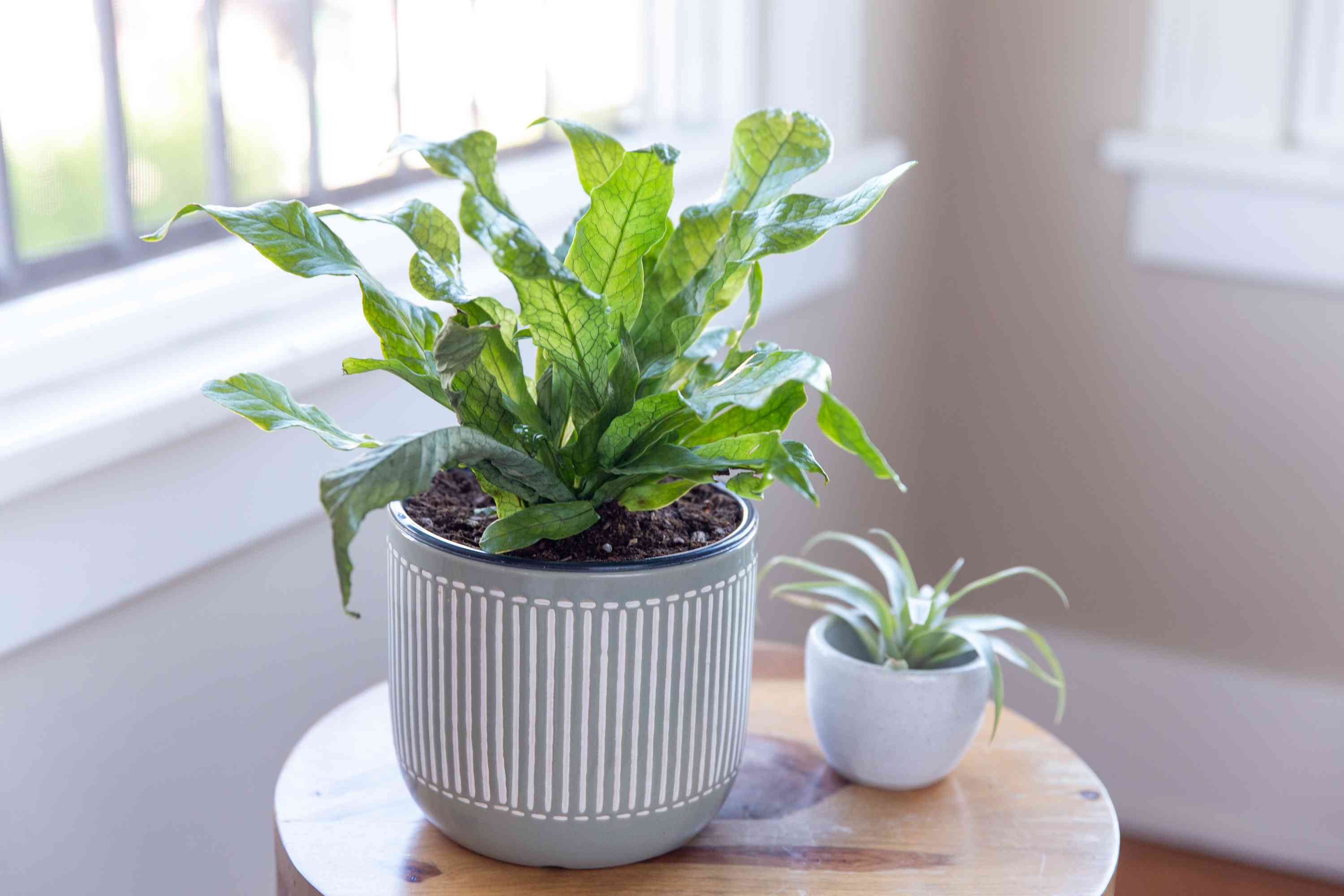
The crocodile fern has strap-like green leaves with scaly, reptile-like patterns that make it truly eye-catching. It thrives in medium to low light and needs steady humidity to stay happy.
Keep the soil lightly moist, but avoid letting it sit in water. A pebble tray or humidifier nearby will help maintain the right conditions.
#2 Kangaroo Fern
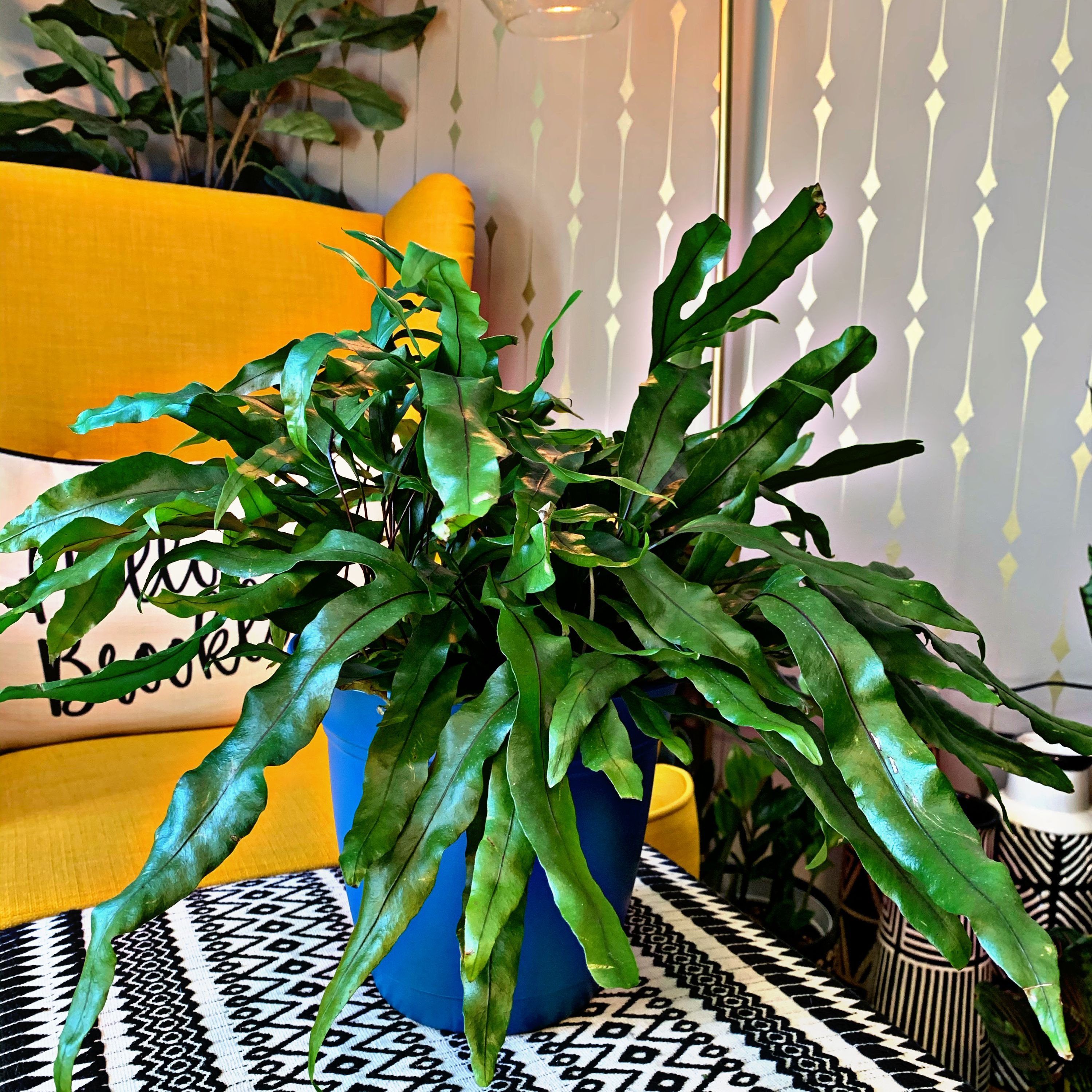
With long, unusual fronds growing from fuzzy rhizomes, the kangaroo fern adds a quirky touch indoors. It prefers warmth and slightly moist soil, so check it often.
Place it where it can get filtered light without harsh sun. Mist the leaves if your air feels dry, especially during summer.
#3 Rabbit’s Foot Fern
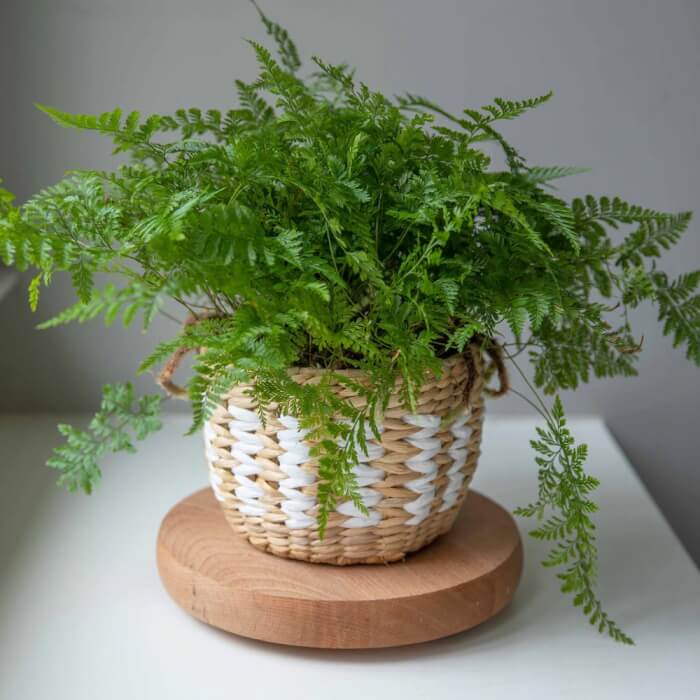
This fern is known for its dark green, delicate fronds that sprout from fuzzy, root-like stems resembling a rabbit’s foot. It’s toxic if ingested, so hanging baskets are the safest option if you have pets or kids.
Water regularly to keep the soil damp but not soggy. Provide bright, indirect light for the best growth.
#4 Japanese Holly Fern
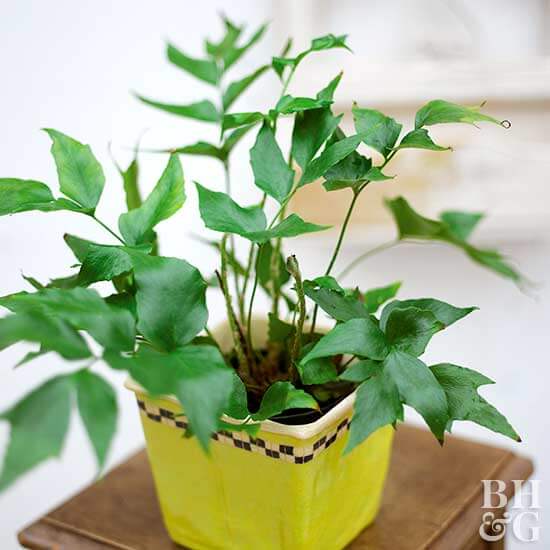
The Japanese holly fern has leathery fronds with sharp tips and a deep green sheen. It adapts well to indoor life and requires very little fuss.
Keep it in partial sun or shade, and water when the top layer of soil feels dry. It’s a great option if you’re looking for low-maintenance greenery.
#5 Cretan Brake Fern
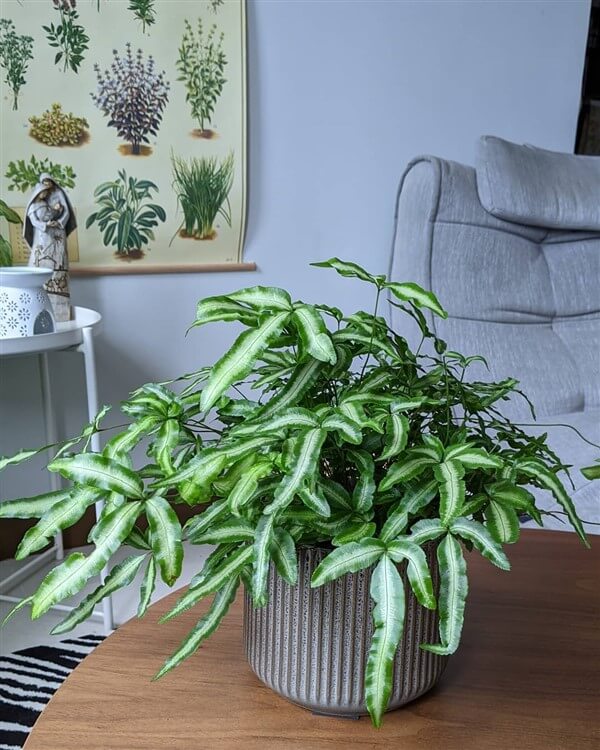
With its flat fronds, wavy edges, and touches of variegation, the Cretan brake fern brings visual interest to your plant collection. It thrives in indirect light and evenly moist soil.
Avoid placing it near heating vents or direct sunlight. Prune away older fronds to encourage new, fresh growth.
#6 Squirrel’s Foot Fern
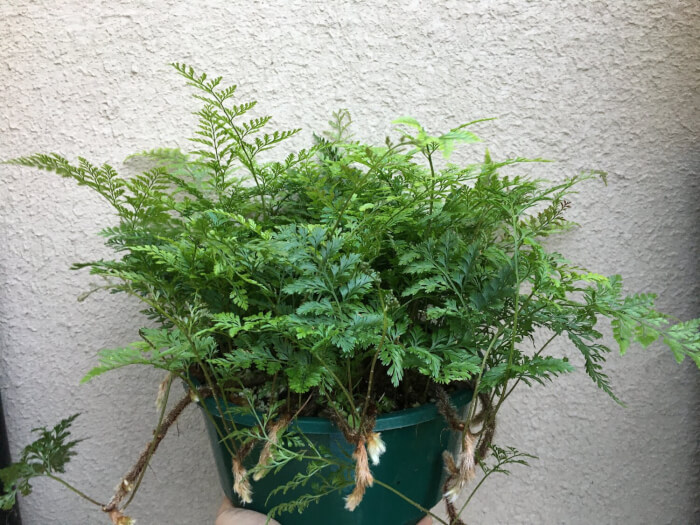
This fern grows lacy fronds and has creeping, furry rhizomes that resemble a squirrel’s foot. It loves indirect light and high humidity, making it a good pick for bathrooms or kitchens.
Mist the plant regularly or place it near a humidifier. Water lightly but consistently to keep it thriving.
#7 Lemon Button Fern
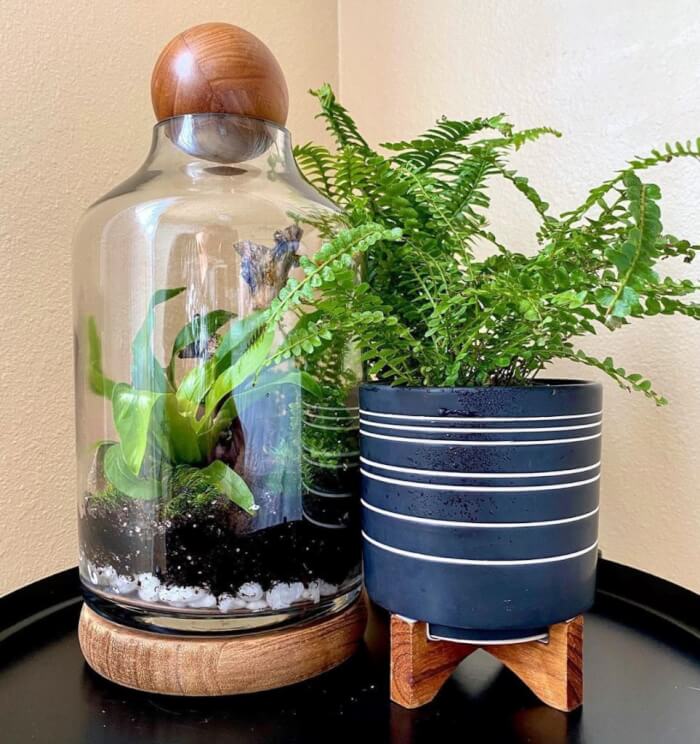
The lemon button fern charms with its tiny, round, golden-green leaves that arch gracefully. It grows well in bright, indirect light and enjoys humidity.
Keep the soil moist but not soggy. Adding it to a small terrarium or bathroom shelf will make its fronds shine.
#8 Lucky Lemon Fern
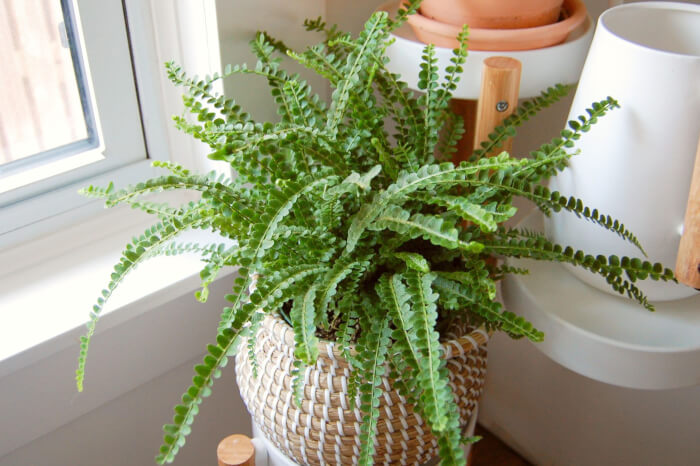
This fern is a low-care beauty with rich green fronds that handle low-light rooms with ease. It’s perfect for beginners since it doesn’t need constant attention.
Keep the soil slightly moist and avoid direct sunlight. A cozy corner spot will make it flourish.
#9 Button Fern
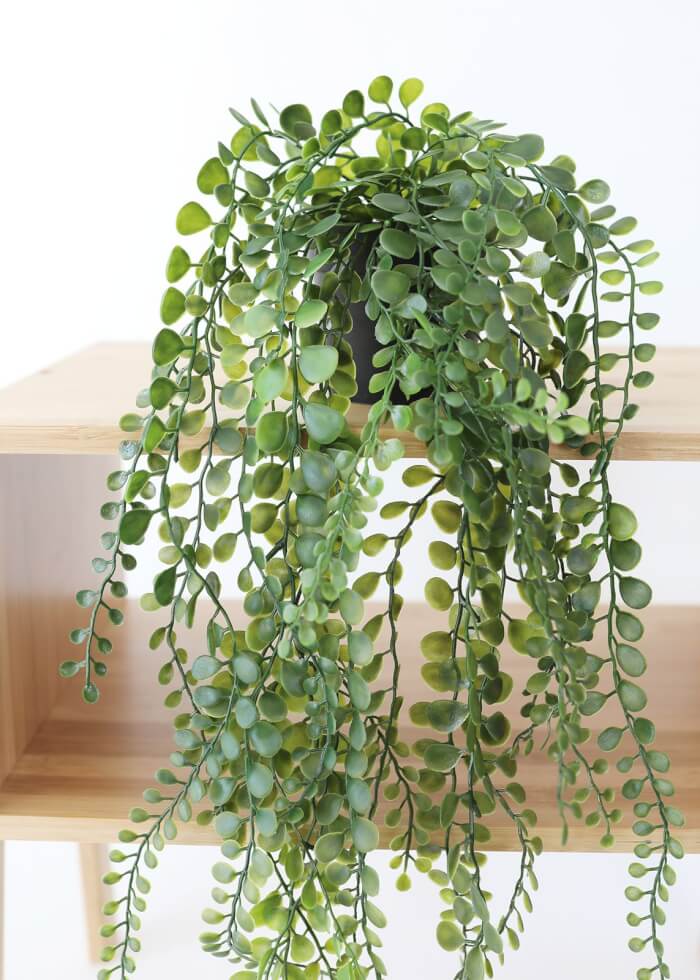
The button fern looks delicate with its tiny button-shaped leaflets on arching fronds. It thrives in terrariums or hanging baskets where humidity is high.
Give it bright but indirect light and water just enough to keep the soil damp. Trim back straggly stems to maintain a neat shape.
#10 Asparagus Fern
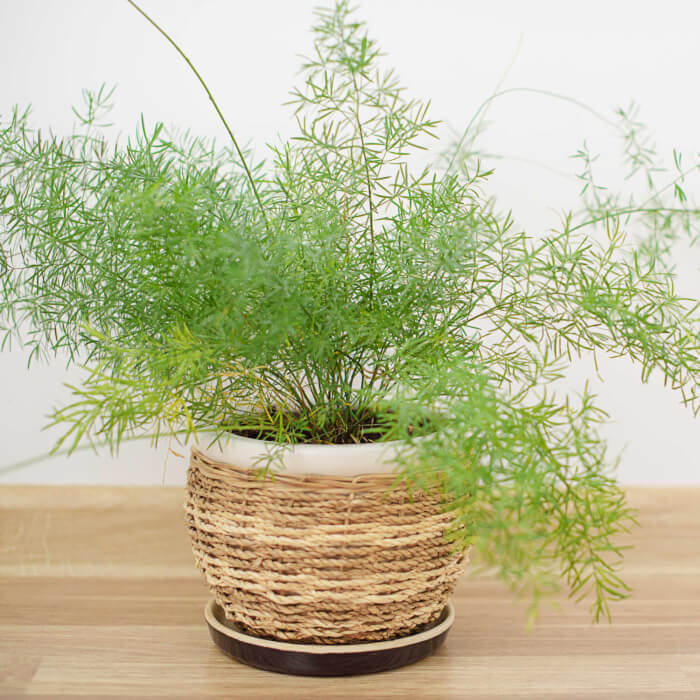
Despite its name, asparagus fern is not a true fern, but it offers soft, feathery foliage that looks exquisite indoors. It enjoys humid spaces and does well in baskets or decorative pots.
Mist often during dry months or set the pot over a water tray. Keep it in partial sun for lush growth.
#11 Staghorn Fern
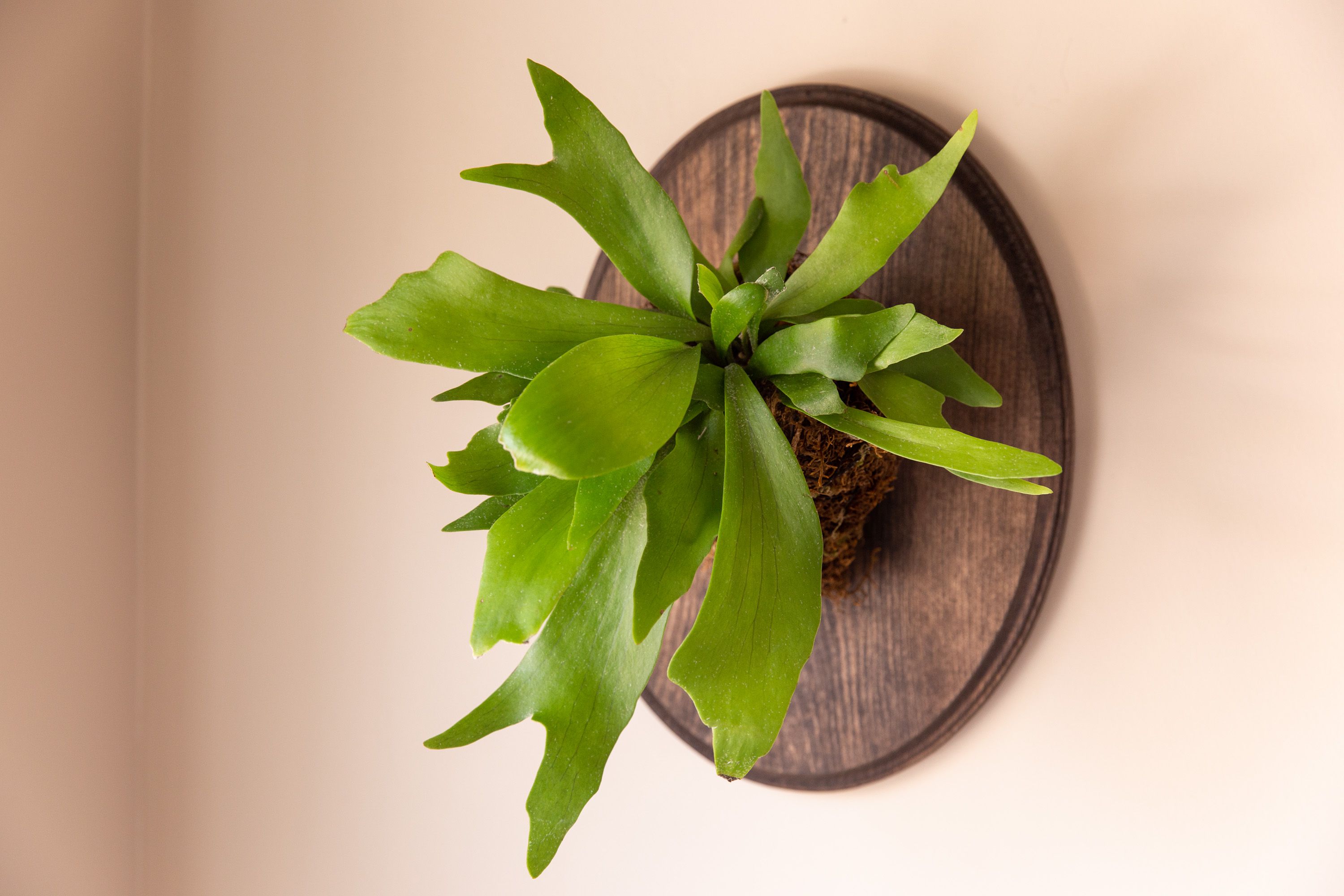
This unique plant has fronds shaped like antlers, making it a standout piece in any room. It can be mounted on wood or grown in a hanging basket.
Mist the fronds often and soak the root ball weekly to keep it hydrated. Provide bright, indirect light for best results.
#12 Strap Fern

The strap fern grows long, narrow fronds in a light green shade. It prefers bright, indirect light and steady humidity.
Keep the soil consistently moist, but ensure good drainage to prevent rot. Its simple form looks elegant in a tall pot.
#13 Bird’s Nest Fern
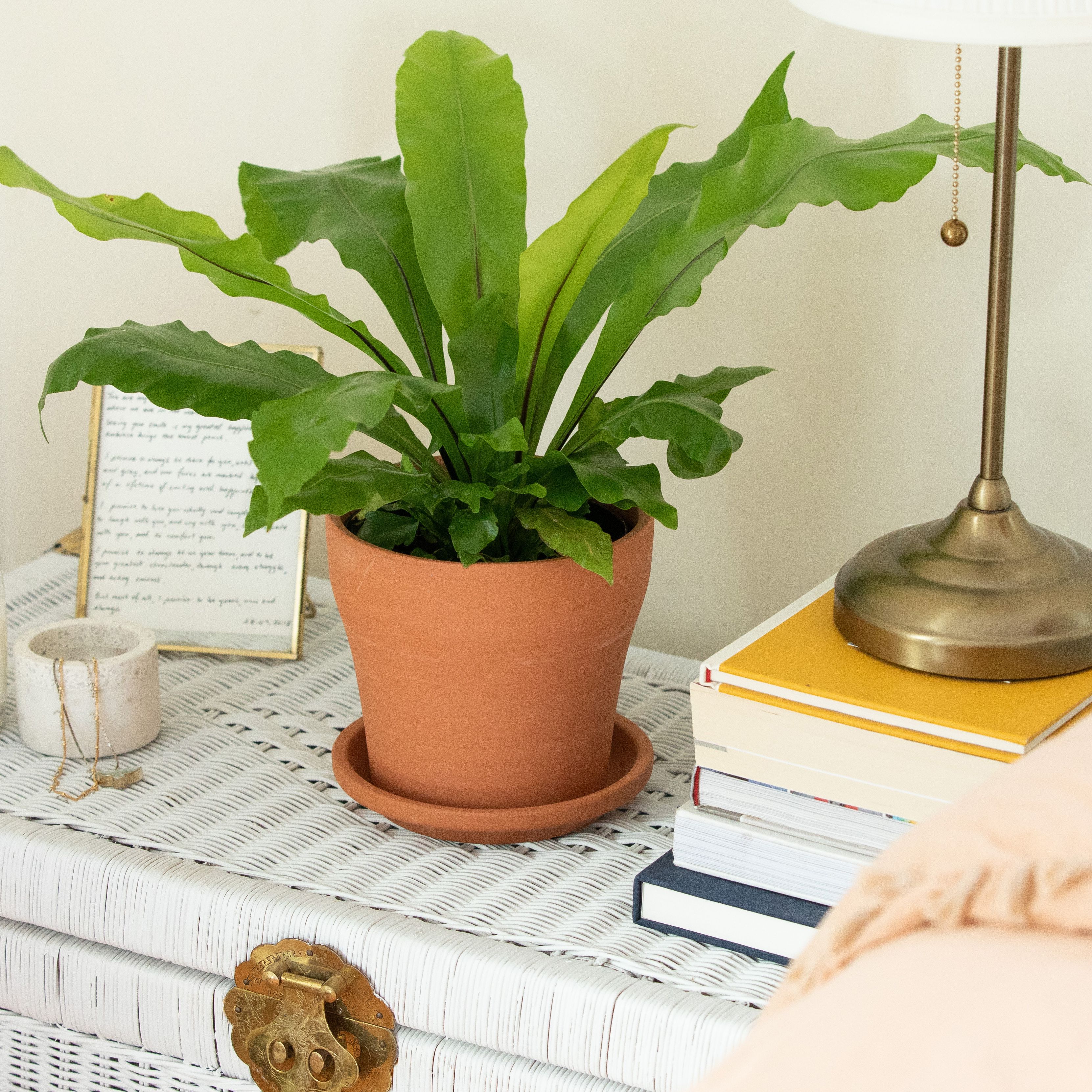
With shiny, apple-green fronds that curl at the edges, the bird’s nest fern adds bold texture indoors. It enjoys humid conditions and indirect sunlight.
Keep the soil moist and avoid watering the central crown to prevent rot. Its fronds create a lovely rosette shape as it matures.
#14 Austral Gem Fern
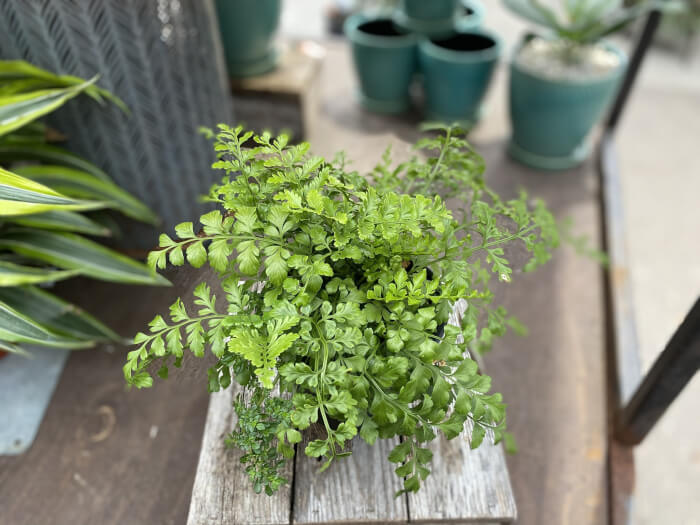 The Austral gem fern has thick, glossy fronds that resist drying out, making it easier to care for than most ferns. It tolerates lower light and doesn’t need constant watering.
Place it in evenly moist soil and avoid direct sunlight. It’s an excellent choice for beginners.
#15 Cotton Candy Boston Fern
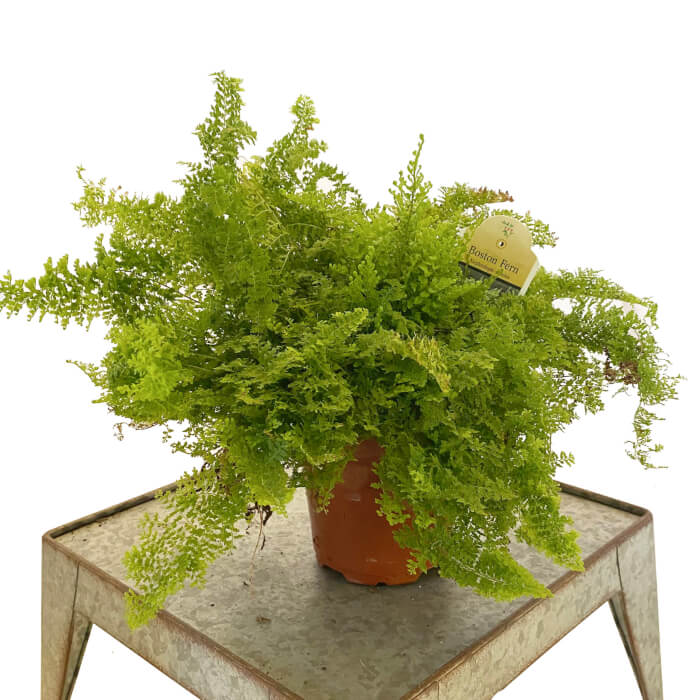
This variety has soft, fluffy fronds that give it a cotton-candy appearance. It prefers shady spots and well-draining soil.
Keep the soil evenly moist and mist regularly. It makes a wonderful hanging plant for a porch or indoor nook.
#16 Christmas Fern
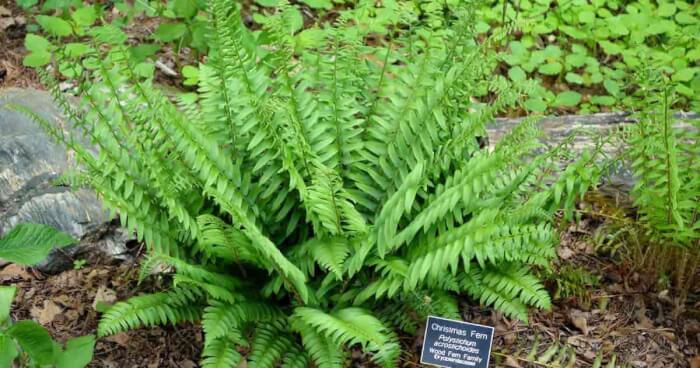
Christmas fern gets its name because of its glossy green fronds that stay vibrant around the holidays. It loves bright, indirect light and consistent moisture.
Water weekly to keep the soil damp, and avoid letting it dry out completely. It brings festive greenery to any space.
#17 Boston Fern
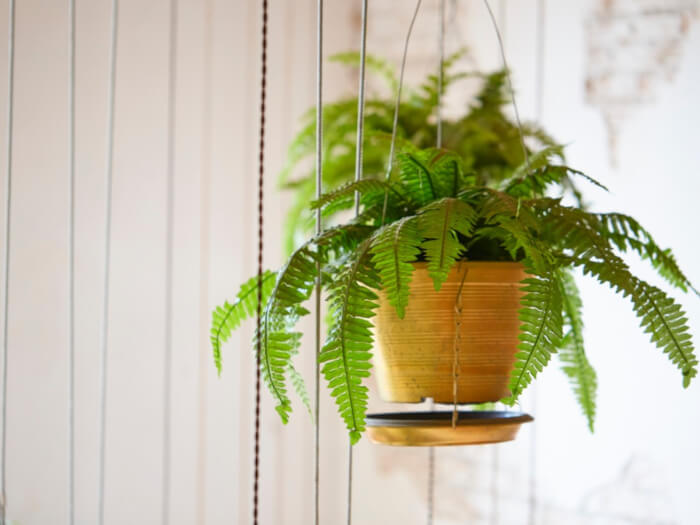
Boston ferns are classic indoor plants with arching fronds in a rich blue-green tone. They’re forgiving and easy to care for, thriving in low light with just occasional attention.
Water regularly to maintain even moisture. A hanging basket will showcase its cascading foliage beautifully.
#18 Blue Star Fern
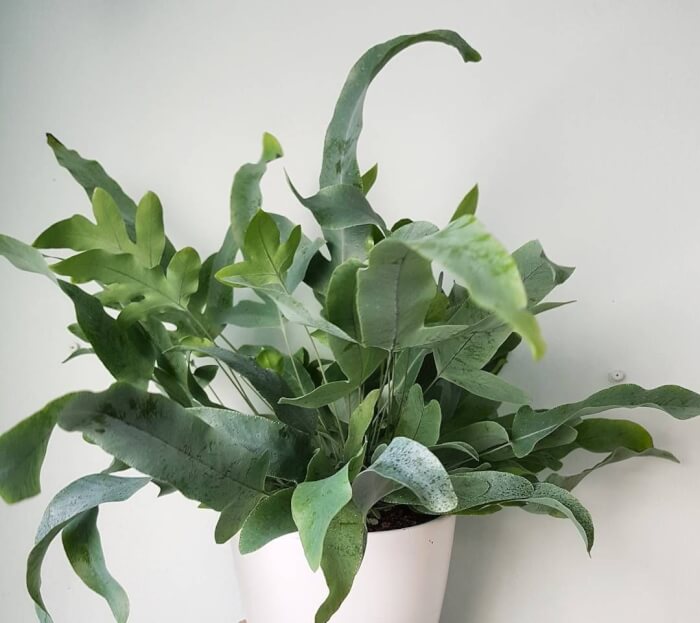
The blue star fern has fronds tinged with a bluish or silvery hue, giving it a unique look. It grows best in well-draining soil with added perlite or gravel.
Keep it in moderate light and water when the soil feels slightly dry. Its unusual color adds character to your plant corner.
#19 Maidenhair Fern
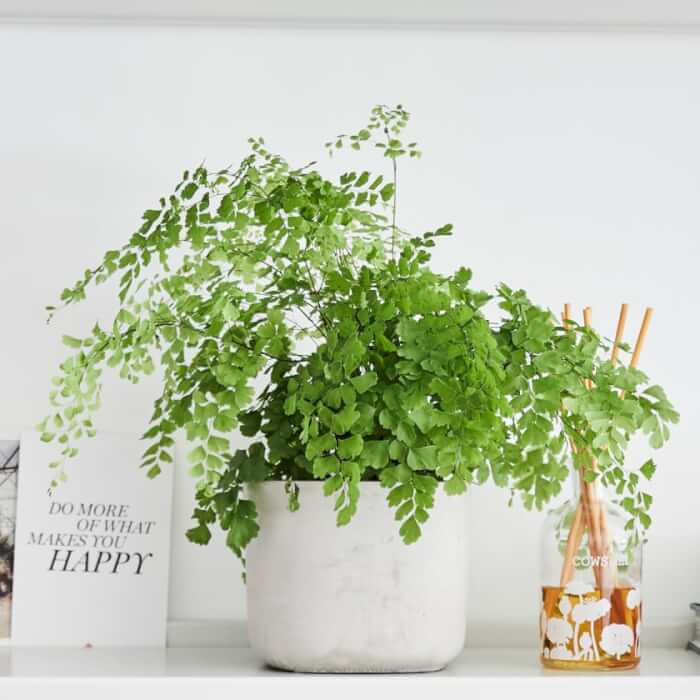
This fern is delicate and airy, with tiny, bright green leaves dancing on thin black stems. It needs steady moisture and doesn’t tolerate drying out.
Place it in a humid spot and water regularly to keep the soil damp. Its fine texture adds elegance to any display.